The selection of an appropriate talc pulverizing mill is a critical decision for plastic manufacturers seeking to enhance material properties through mineral reinforcement. Talc, a hydrated magnesium silicate, serves as an excellent filler and reinforcing agent in various polymer matrices, improving stiffness, heat resistance, dimensional stability, and surface quality. However, the effectiveness of talc reinforcement heavily depends on particle size distribution, purity, and surface characteristics—all of which are directly influenced by the grinding technology employed. This comprehensive guide examines the key factors to consider when selecting talc pulverizing equipment specifically for plastic reinforcement applications.
Before selecting pulverizing equipment, it’s essential to understand the specific talc properties that contribute to effective plastic reinforcement. The particle size, shape, and surface area significantly impact the mechanical properties of the final composite material.
For most plastic reinforcement applications, talc particles in the range of 1-20 microns provide optimal performance. Sub-micron particles (below 1μm) offer superior reinforcement but present challenges in dispersion and may increase melt viscosity excessively. Coarser particles (above 20μm) can act as stress concentrators, reducing impact strength and surface quality.
| Application | Recommended Particle Size | Key Benefits |
|---|---|---|
| Polypropylene Automotive Parts | D97: 2-10μm | Improved stiffness, heat deflection temperature |
| Engineering Plastics | D97: 5-15μm | Enhanced dimensional stability, reduced warpage |
| Thin Film Applications | D97: 1-5μm | Superior surface finish, transparency |
| General Purpose Compounds | D97: 10-20μm | Cost-effective reinforcement |
Plate-like talc particles with high aspect ratios provide superior reinforcement compared to equiaxed particles. The platy structure enhances stiffness through mechanical interlocking within the polymer matrix. The grinding process should preserve this desirable morphology while achieving the target fineness.
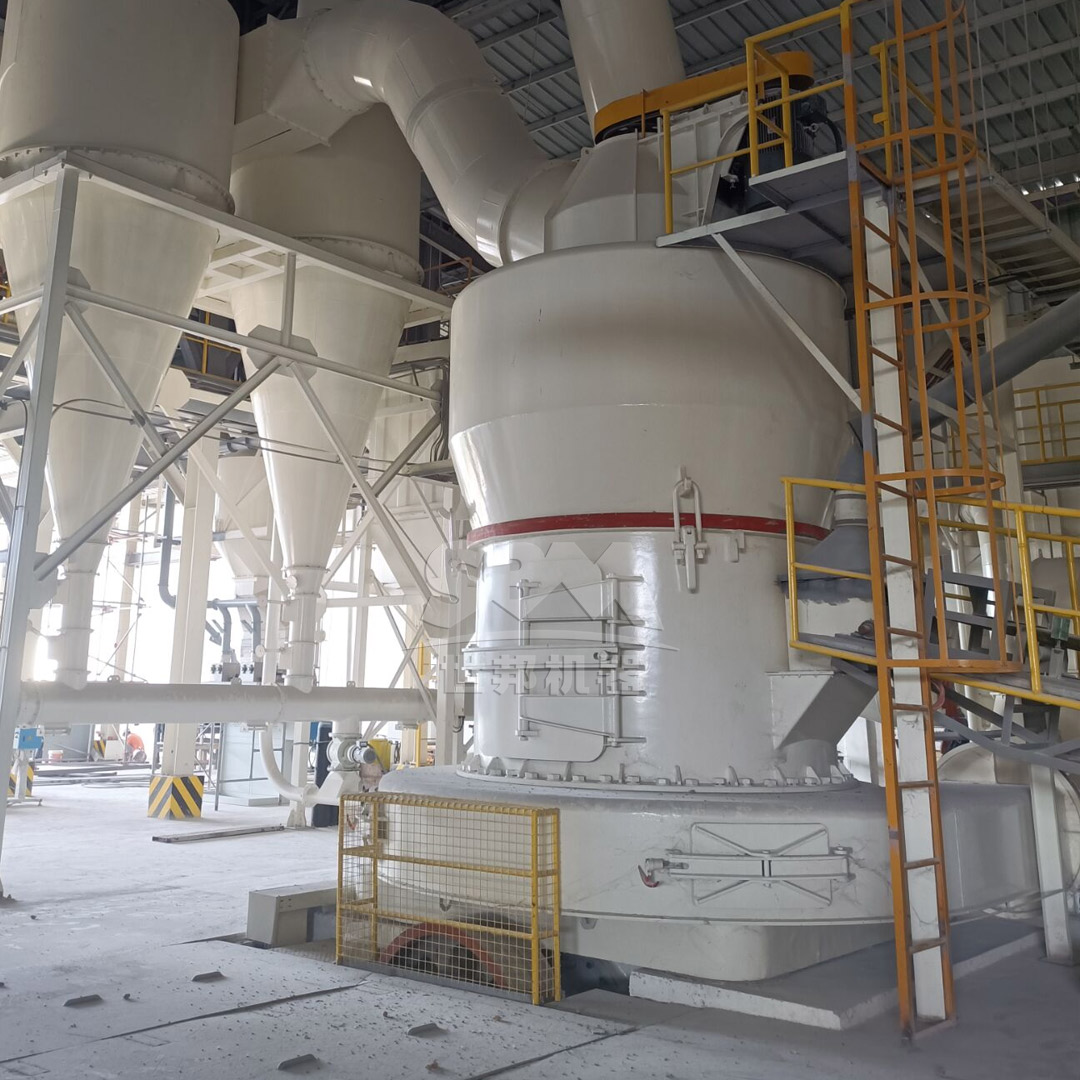
Selecting the right mill involves balancing multiple technical and economic factors. The following criteria should guide your decision-making process.
The mill must consistently produce talc powder within the specified size range with a narrow particle size distribution. Broad distributions containing both very fine and coarse particles can compromise composite properties. Modern classification systems integrated with grinding mills enable precise control over the top size (D97) and minimize oversize particles.
Match the mill’s throughput capacity with your production needs. Consider both current requirements and future expansion plans. Underutilization increases operating costs per ton, while operating at maximum capacity continuously may reduce maintenance intervals and product consistency.
Grinding operations account for a significant portion of total energy consumption in mineral processing. Mills with higher grinding efficiency reduce operational costs and environmental impact. Compare specific energy consumption (kWh/ton) across different technologies.
Talc’s moderate abrasiveness still causes wear on grinding components. Mills with easily replaceable wear parts and extended service intervals minimize downtime and maintenance costs. Consider the availability and cost of spare parts.
For plastic reinforcement applications, iron contamination must be minimized as it can catalyze polymer degradation. Mills with ceramic or specialized alloy contact surfaces reduce iron pick-up. Fully enclosed systems prevent external contamination.
Various grinding technologies are available for talc processing, each with distinct advantages and limitations for plastic reinforcement applications.
For high-performance plastic compounds requiring sub-10 micron talc, ultrafine grinding mills offer precise control over particle size distribution. These mills typically combine grinding and classification in a single system.
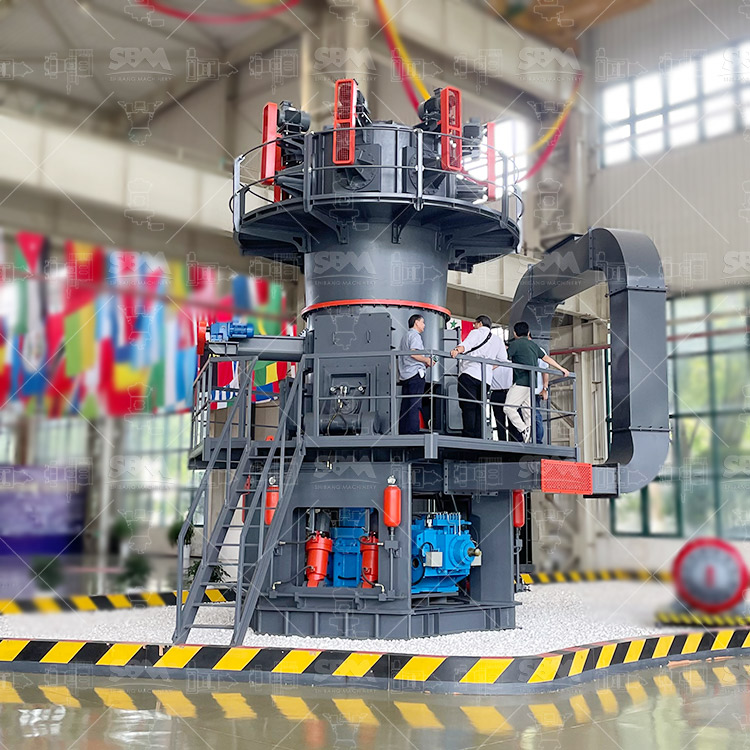
Our SCM Ultrafine Mill represents an excellent solution for high-quality talc reinforcement fillers. With an output fineness range of 325-2500 mesh (D97≤5μm), this mill produces precisely the particle sizes needed for advanced plastic compounds. The vertical turbine classifier ensures accurate size cuts without coarse particle contamination, while the special material rollers and grinding rings provide extended service life—a critical factor in maintaining product purity.
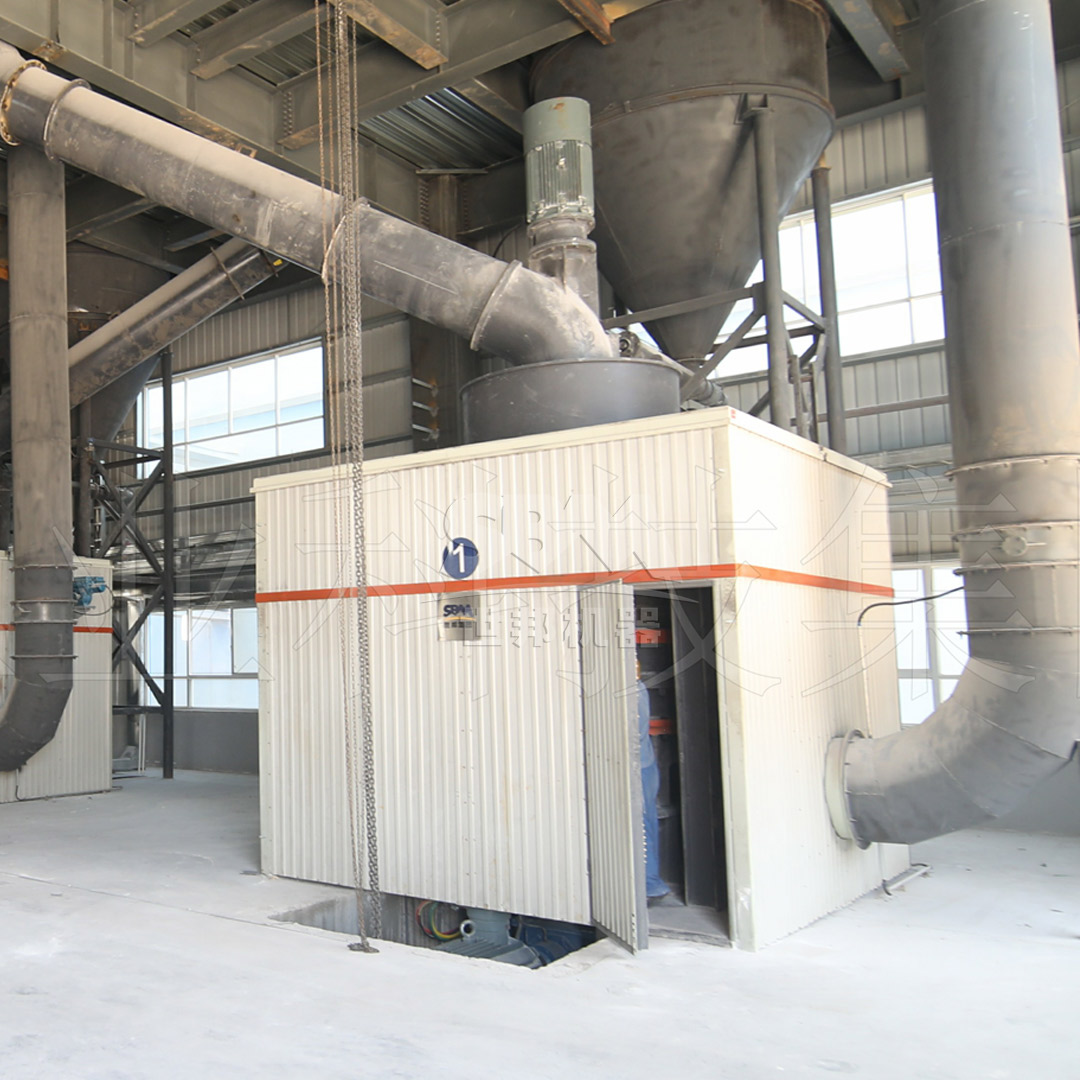
The SCM series achieves energy efficiency through its unique grinding principle, consuming 30% less power compared to jet mills while delivering twice the output. For plastic manufacturers, this translates to consistent, high-purity talc powder with the optimal particle characteristics for reinforcement.
For general-purpose plastic compounds where talc fillers in the 10-45 micron range are acceptable, medium-speed mills offer an economical solution with high throughput capacity.
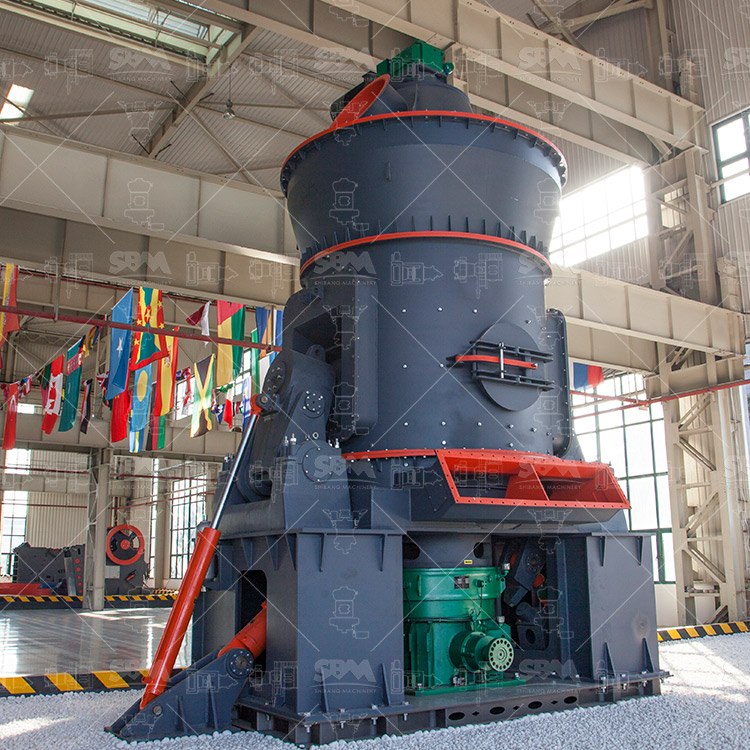
Our MTW Series Trapezium Mill provides an outstanding balance of performance and operating costs for talc processing. With an output range of 30-325 mesh, this mill covers the requirements for most polypropylene and polyethylene reinforcement applications. The curved air channel design minimizes energy loss, while the combined blade system reduces maintenance costs—important considerations for cost-sensitive production.
| Mill Type | Optimal Fineness Range | Capacity Range | Key Advantages for Talc | Limitations |
|---|---|---|---|---|
| Ultrafine Mills (SCM) | 325-2500 mesh (5-45μm) | 0.5-25 t/h | Precise size control, high purity | Higher capital cost |
| Trapezium Mills (MTW) | 30-325 mesh (45-500μm) | 3-45 t/h | High capacity, low operating cost | Limited to medium fineness |
| Vertical Roller Mills (LM) | 30-600 mesh (25-500μm) | 3-250 t/h | Excellent for large-scale production | Higher installation complexity |
| Ball Mills | 0.074-0.8mm | 0.65-450 t/h | Proven technology, versatile | Broader size distribution |
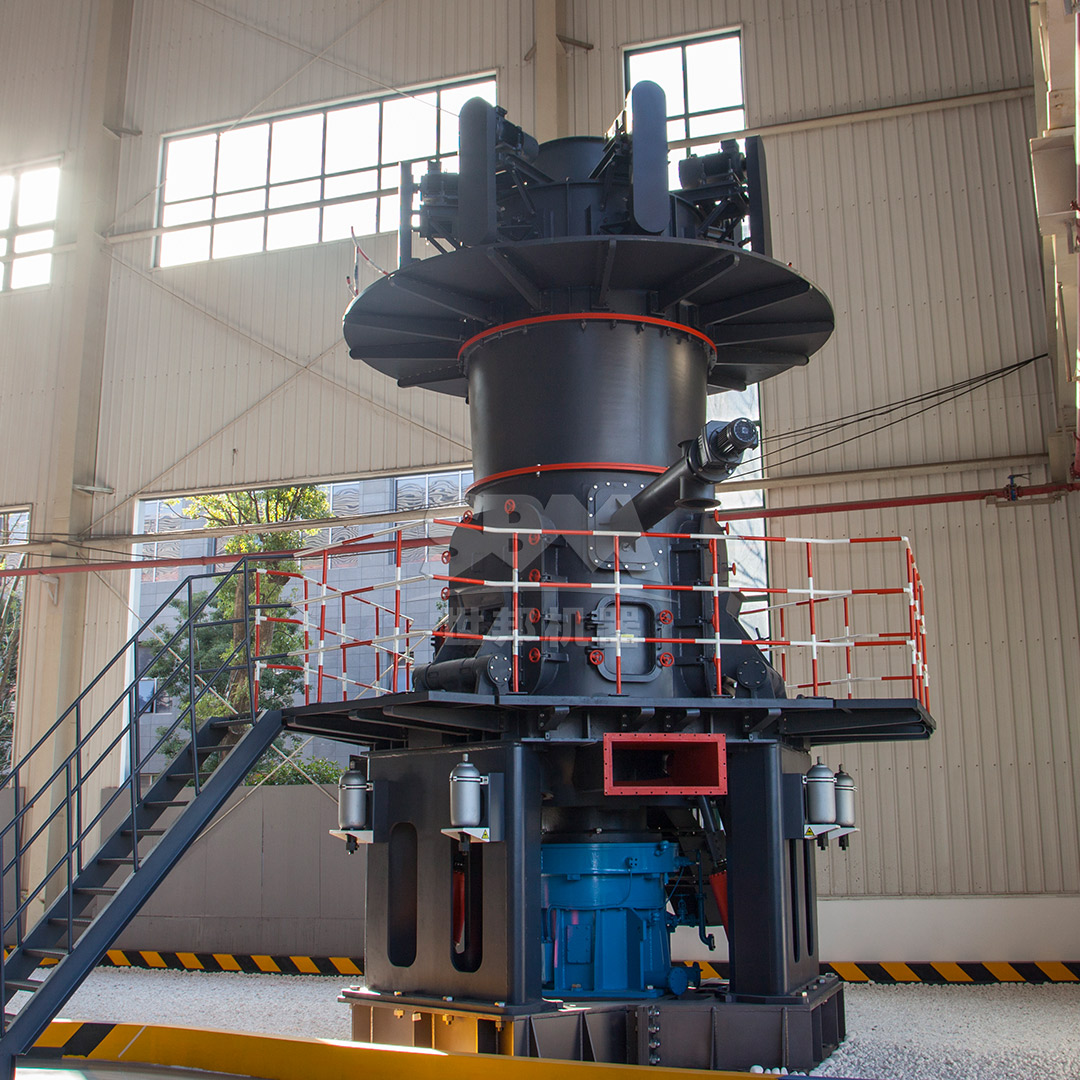
For large-scale talc production facilities serving multiple plastic compounders, vertical roller mills offer high throughput with compact footprint. Our LM Series Vertical Roller Mill provides integrated crushing, grinding, and separation functions in a single unit, reducing space requirements by 50% compared to traditional systems.
While traditional ball mills can process talc, they typically produce broader particle size distributions less ideal for precision plastic reinforcement. However, they remain a viable option for less demanding applications or when combined with efficient classification systems.
Understanding the technical differences between mill types helps in making an informed selection decision.
Different mills employ distinct grinding mechanisms that influence talc particle morphology:
For plastic reinforcement where aspect ratio matters, compression-based systems generally yield superior results.
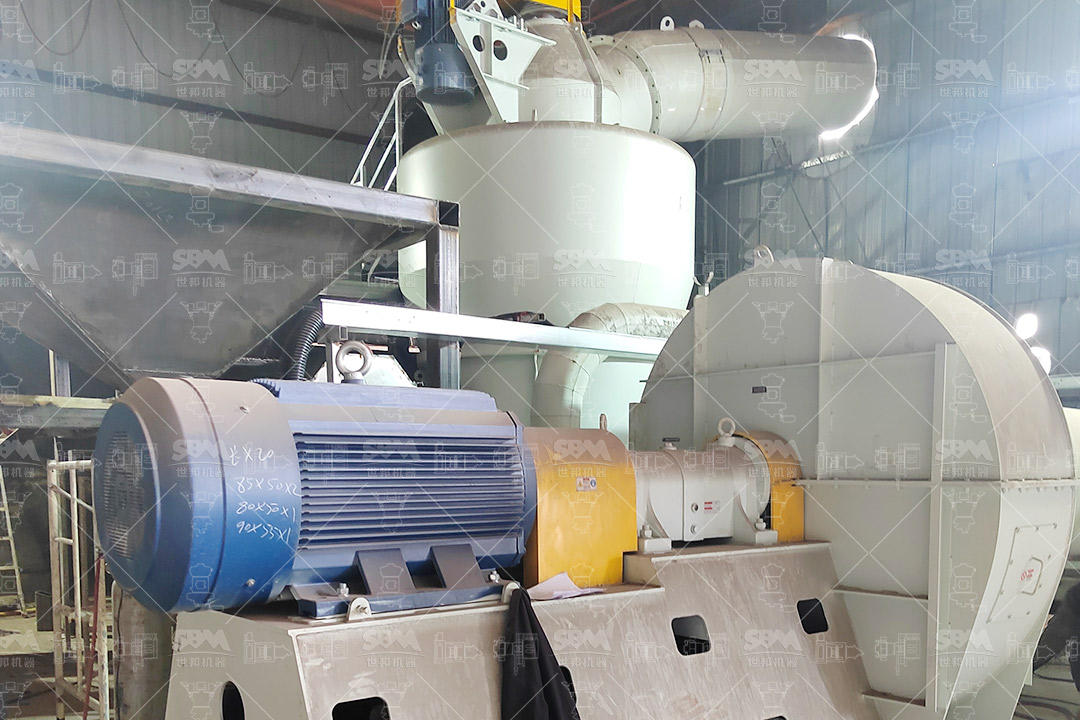
Consider the complete system requirements beyond the mill itself. Collection systems, classifiers, feeders, and dust control equipment all contribute to final product quality and operational efficiency. Integrated systems like our SCM Ultrafine Mill include pulse dust collectors with efficiency exceeding international standards, ensuring clean operation essential for plastic-grade talc.
The total cost of ownership extends beyond the initial equipment investment to include operating and maintenance expenses.
Higher efficiency mills typically command premium prices but offer lower operating costs through reduced energy consumption and longer maintenance intervals. Calculate the payback period based on your specific production volume and energy costs.
Evaluate the availability and cost of wear parts. Our MTW Series Trapezium Mill features combined blades that reduce replacement costs, while the SCM Ultrafine Mill utilizes specially material rollers and grinding rings that last several times longer than conventional components.
Consider whether the mill can accommodate future changes in product specifications. Mills with adjustable classifiers, like our SCM series, can produce different fineness grades without hardware modifications.
For talc-filled polypropylene used in automotive interiors and under-hood components, particle sizes below 10 microns with narrow distribution are essential. The SCM Ultrafine Mill producing D97≤5μm talc provides the necessary properties for these demanding applications, improving heat deflection temperature while maintaining impact strength.
For cost-sensitive applications like household products and packaging, the MTW Series Trapezium Mill offers an economical solution, producing talc in the 15-45 micron range that provides adequate stiffness improvement without premium pricing.
Successful implementation of talc pulverizing systems requires attention to several operational aspects.
Consistent feed size and moisture content are critical for stable mill operation. Pre-crushing to the mill’s maximum feed size and drying to appropriate moisture levels ensure optimal performance.
Modern mills with automated control systems maintain consistent product quality despite variations in feed material. Our SCM series includes intelligent control with automatic feedback on product fineness, reducing operator dependency.
Implement regular particle size analysis using laser diffraction or sedimentation methods to verify mill performance. Monitor iron content periodically, especially for applications involving heat-sensitive polymers.
Selecting the right talc pulverizing mill for plastic reinforcement requires careful consideration of technical requirements, economic factors, and operational practicalities. The optimal choice depends on your specific application needs, production volume, and quality standards. For ultrafine applications demanding precise particle size control, the SCM Ultrafine Mill delivers exceptional performance with energy efficiency. For high-volume production of medium-fineness talc, the MTW Series Trapezium Mill provides reliable operation with low operating costs. By understanding the capabilities of different grinding technologies and matching them to your reinforcement objectives, you can maximize the value of talc in your plastic compounds while optimizing processing economics.