In the realm of advanced lubricant technology, graphite has emerged as a critical additive that significantly enhances performance characteristics. The production of high-quality graphite powder for lubricant applications requires sophisticated milling technology capable of achieving precise particle size distributions, maintaining material purity, and ensuring consistent production quality. This article explores the technical requirements for graphite powder production and examines the milling solutions that enable manufacturers to meet these demanding specifications.
The effectiveness of graphite as a lubricant additive depends heavily on its physical characteristics, particularly particle size, shape, and purity. For optimal performance in lubricant formulations, graphite powder must meet several critical specifications:
| Parameter | Optimal Range | Impact on Lubricant Performance |
|---|---|---|
| Particle Size (D97) | 5-45μm | Determines film formation and wear protection |
| Particle Shape | Platelet structure | Enhances lubricity and load-bearing capacity |
| Purity Level | >99% | Prevents contamination and chemical reactions |
| Moisture Content | <0.5% | Ensures stability and prevents agglomeration |
The platelet structure of graphite is particularly important as it allows the particles to slide over each other easily, creating the lubricating effect. Maintaining this structure during the milling process requires careful control of grinding forces and temperature to prevent structural damage that could compromise lubricating properties.
Producing high-quality graphite powder for lubricant applications presents several technical challenges that must be addressed through advanced milling technology:
Thermal Management: Graphite has excellent thermal conductivity, but excessive heat generation during milling can oxidize the material, reducing its lubricating properties. Effective cooling systems are essential to maintain material integrity.
Contamination Control: Even minimal contamination from grinding media or mill components can significantly impact the performance of the final lubricant product. The milling system must be designed to prevent metallic contamination.
Particle Size Distribution Control: Consistent particle size distribution is critical for predictable lubricant performance. The milling system must provide precise control over the final product’s granulometry.
Dust Explosion Risks: Fine graphite powder is highly combustible, requiring explosion-proof design features and comprehensive safety systems.
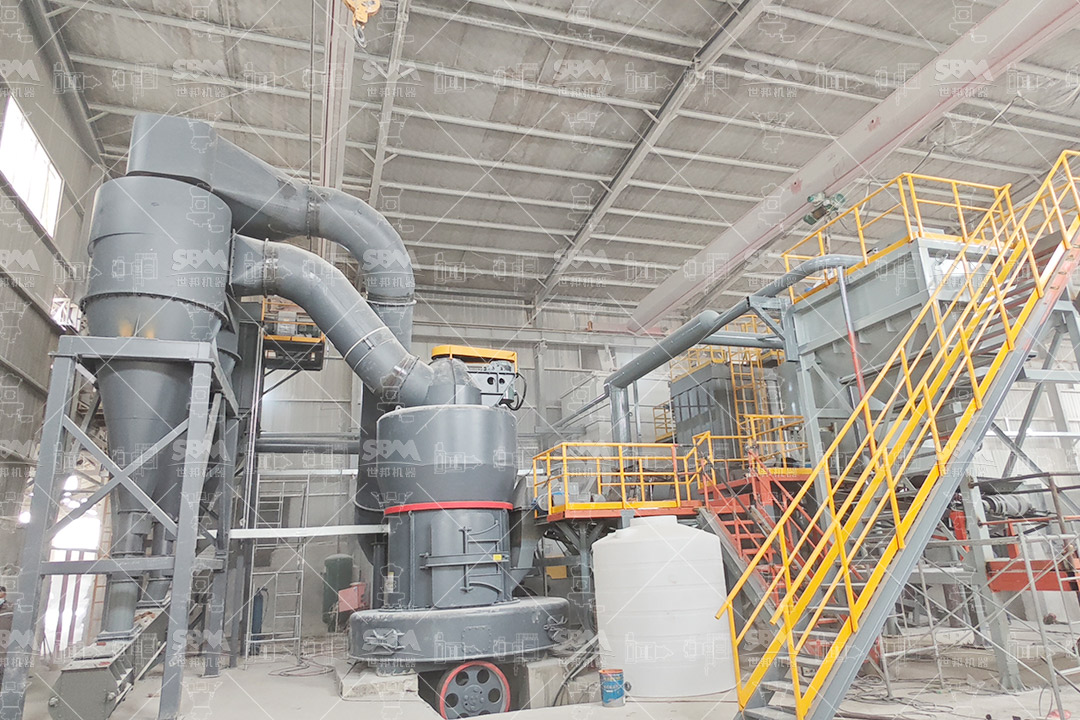
Modern graphite powder production relies on specialized milling equipment designed to address the unique challenges of graphite processing while maintaining the material’s beneficial properties.
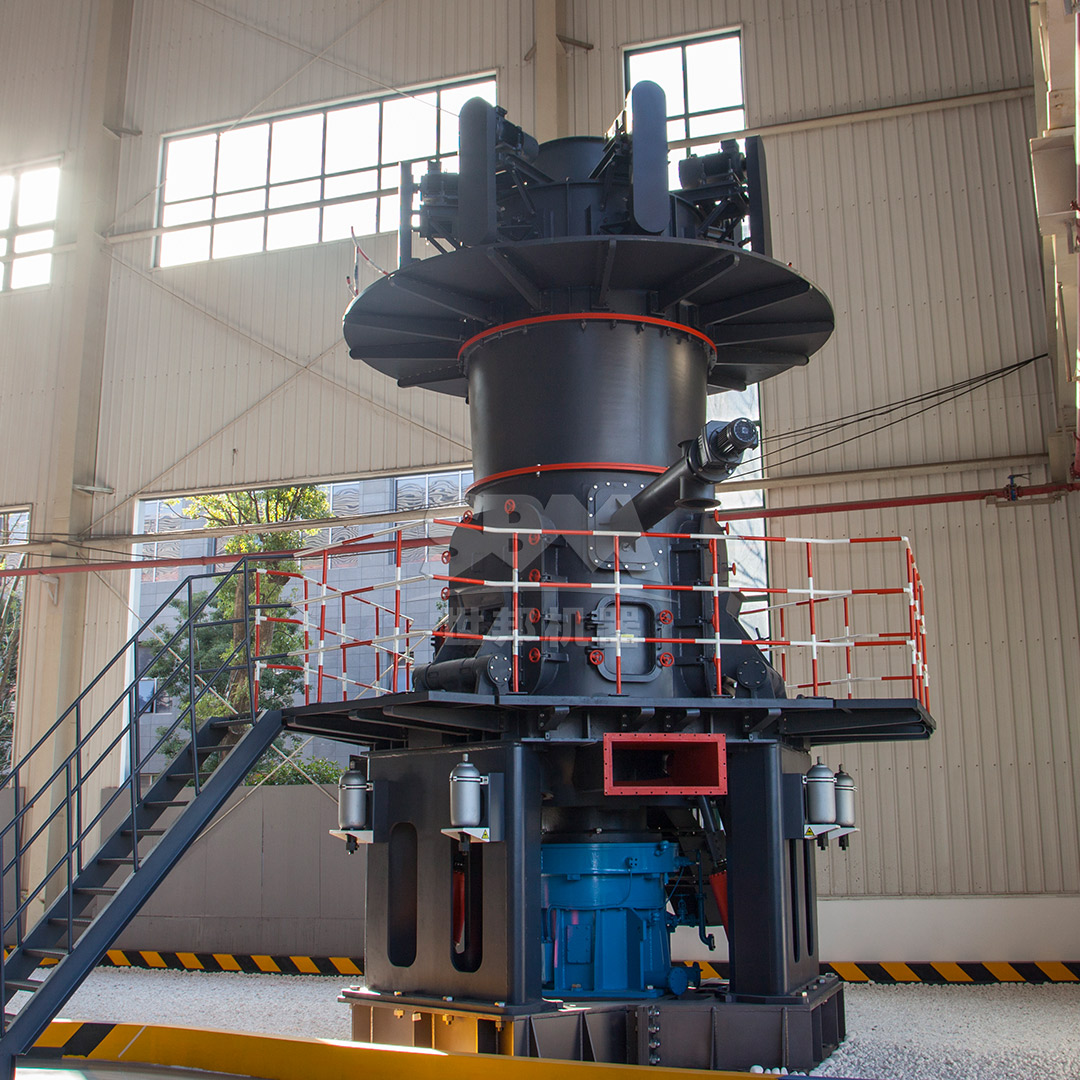
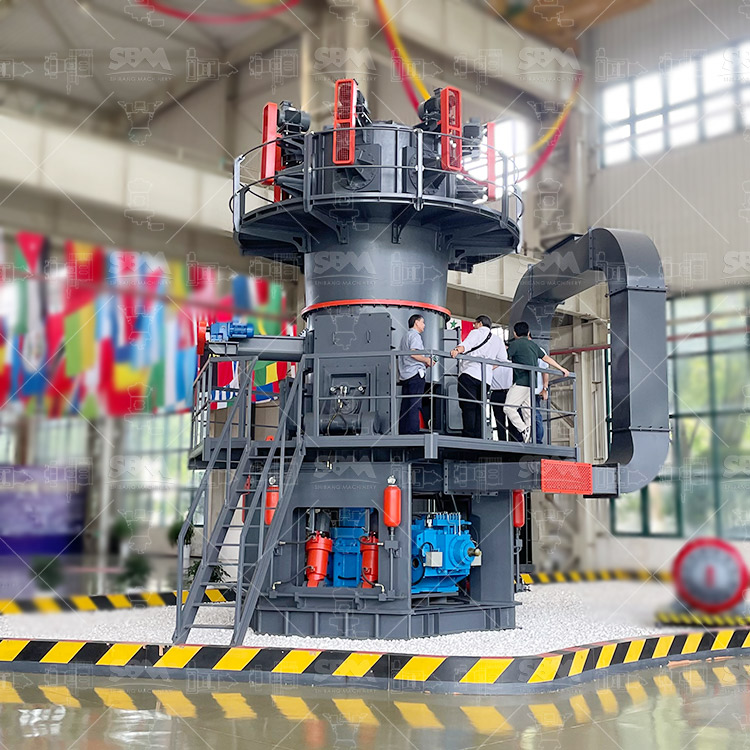
For applications requiring the finest graphite powders, the SCM Ultrafine Mill represents an optimal solution. This advanced milling system is specifically engineered for producing ultrafine powders in the range of 325-2500 mesh (D97≤5μm), making it ideal for high-performance lubricant additives.
| Feature | Benefit for Graphite Processing |
|---|---|
| Vertical Turbine Classifier | Precise particle size control with no coarse powder contamination |
| Special Material Roller & Grinding Ring | Extended service life and minimal contamination risk |
| Pulse Dust Collection System | Collection efficiency exceeding international standards |
| Energy Efficient Design | 30% lower energy consumption compared to jet mills |
The SCM series employs a sophisticated grinding principle where material is fed into the grinding chamber and subjected to multiple layers of grinding between rollers and grinding rings. The vertical turbine classification system ensures precise particle size control, while the integrated pulse dust collection system maintains a clean production environment essential for high-purity graphite powder.
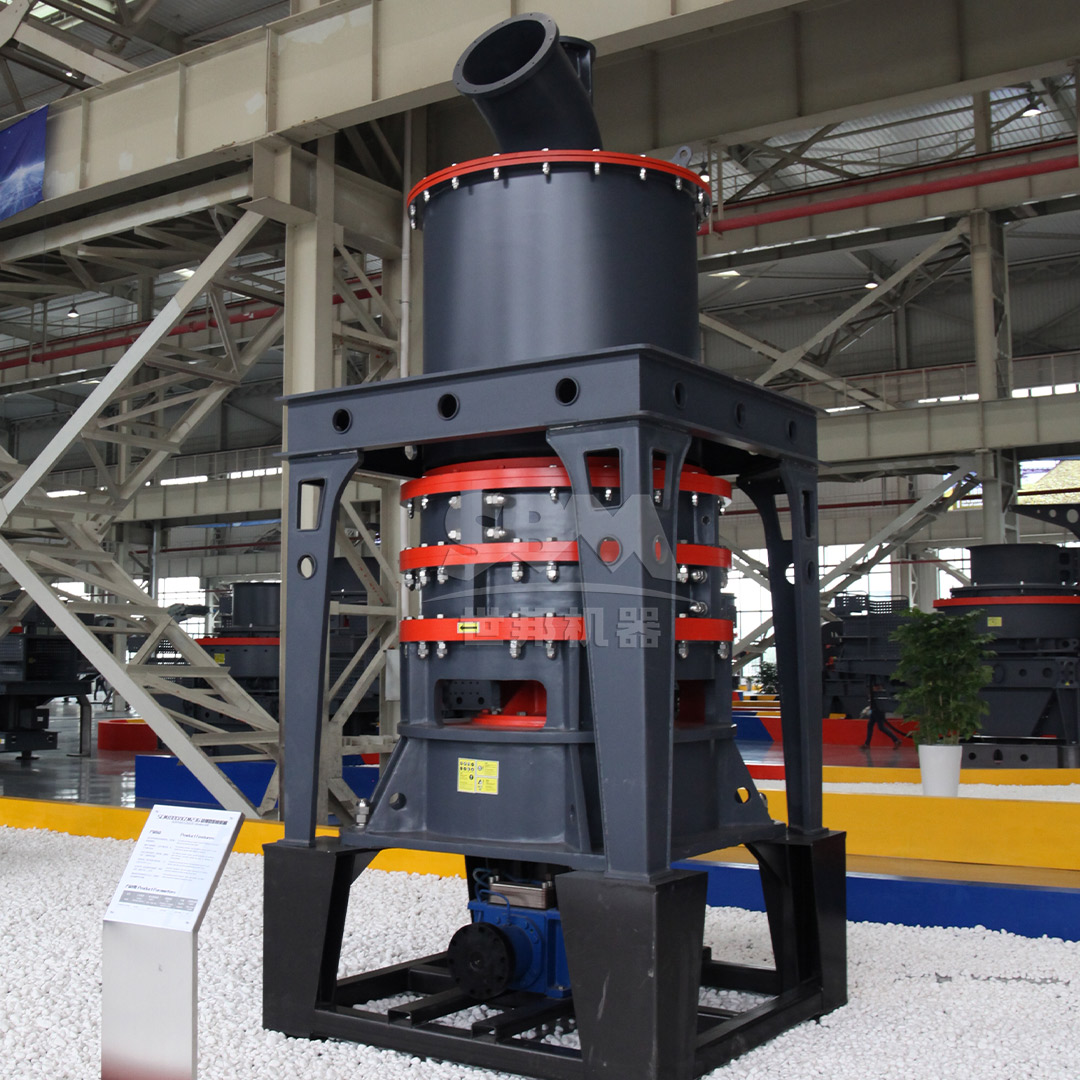
With models ranging from the SCM800 (0.5-4.5 ton/h capacity) to the SCM1680 (5.0-25 ton/h capacity), the SCM series offers scalable solutions for operations of all sizes. The system’s intelligent control automatically monitors and adjusts for consistent product quality, while the noise reduction design (≤75dB) ensures operator comfort and safety.
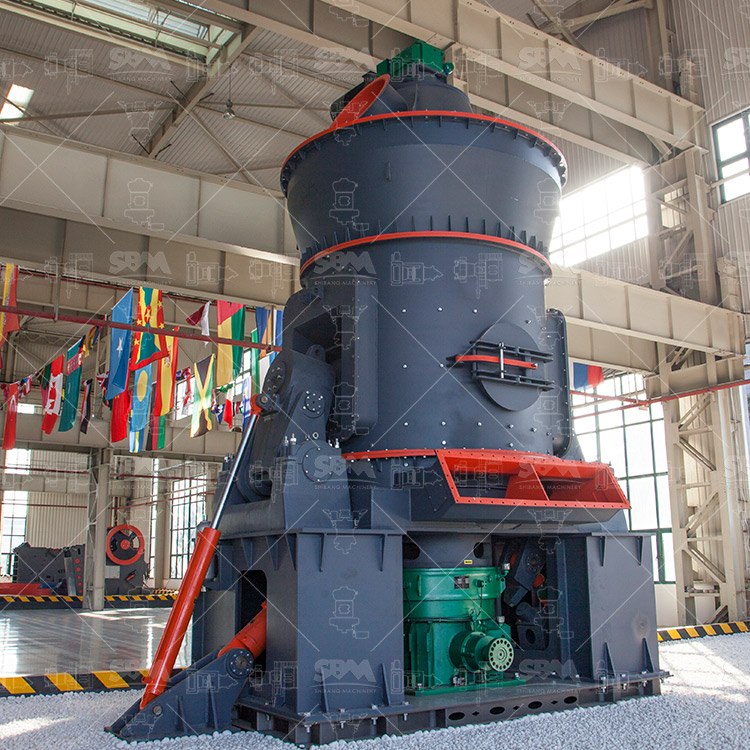
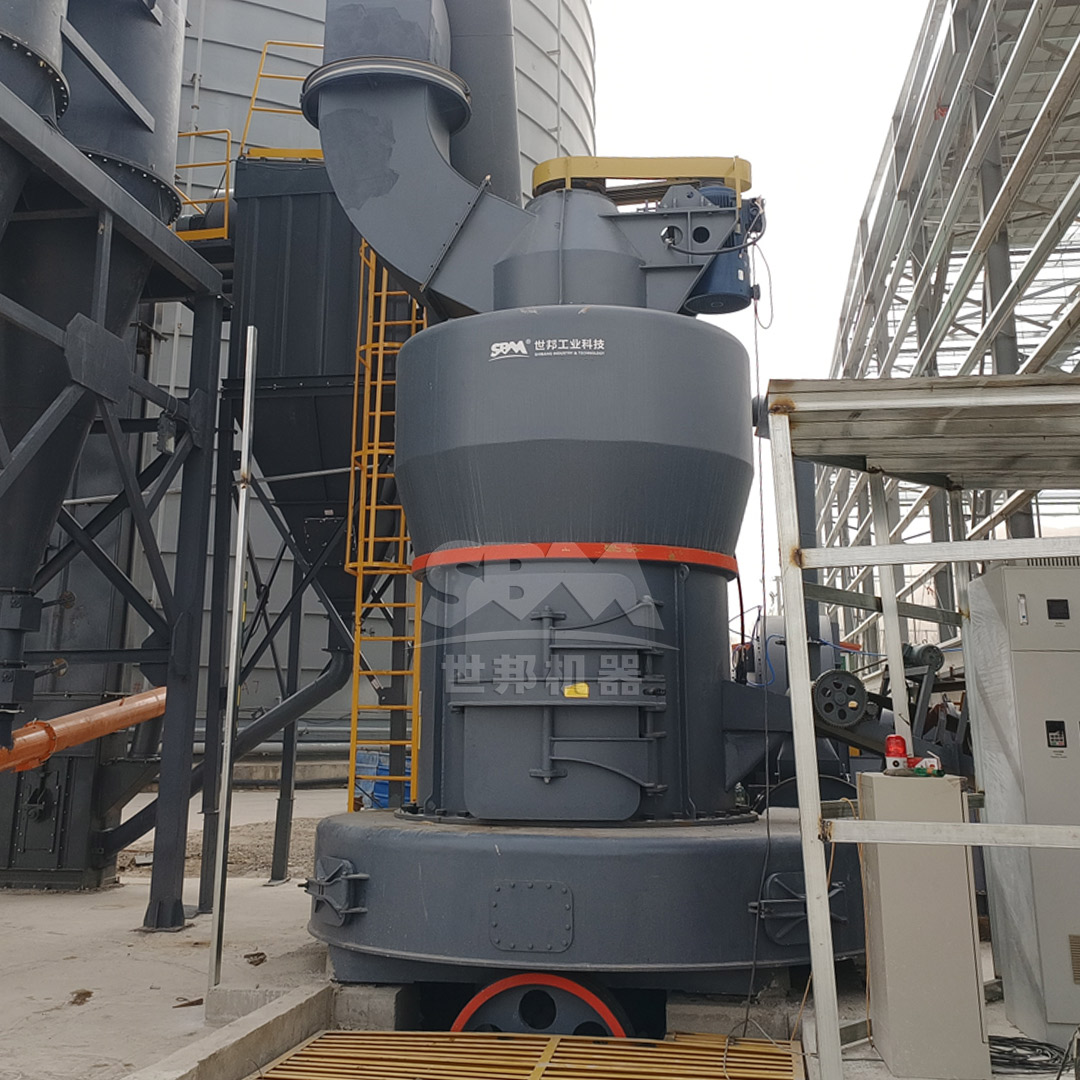
For operations requiring higher throughput while maintaining precise particle size control, the MTW Series Trapezium Mill provides an excellent balance of capacity and precision. With an output range of 30-325 mesh and capacities reaching 45 tons per hour, this system is ideal for medium to large-scale lubricant additive production.
The MTW series incorporates several advanced features specifically beneficial for graphite processing:
Anti-Wear Shovel Design: The combination shovel blades reduce maintenance costs while the curved design extends roller service life, critical for maintaining product purity in graphite production.
Optimized Air Channel: The curved air channel design reduces energy loss and improves transmission efficiency, while high-strength protective plates safeguard the working surface.
Bevel Gear Overall Transmission: With 98% transmission efficiency, this system saves space and reduces installation costs while providing reliable power transmission.
The working principle involves the main motor driving the grinding roller to revolve around the central axis while rotating itself to generate centrifugal force. The shovel blade throws material into the space between the grinding ring and roller, where it is efficiently crushed through extrusion. The grading system precisely controls the final particle size, ensuring consistent product quality.
| Parameter | SCM Ultrafine Mill | MTW Trapezium Mill |
|---|---|---|
| Output Fineness | 325-2500 mesh (D97≤5μm) | 30-325 mesh (up to 0.038mm) |
| Capacity Range | 0.5-25 ton/h | 3-45 ton/h |
| Energy Efficiency | 30% lower than jet mills | High transmission efficiency (98%) |
| Key Application | Ultrafine lubricant additives | Medium-fine lubricant additives |
| Particle Shape Preservation | Excellent | Very Good |
Maintaining consistent quality in graphite powder production requires comprehensive quality control measures throughout the milling process. Key parameters that must be monitored and controlled include:
Particle Size Distribution: Regular sampling and analysis using laser diffraction or similar techniques ensure the product meets specifications. The milling system’s classification efficiency directly impacts the consistency of the final product.
Contamination Levels: Regular testing for metallic and other contaminants ensures the graphite powder maintains the purity required for lubricant applications.
Crystalline Structure: X-ray diffraction analysis verifies that the milling process has not damaged the graphite’s crystalline structure, which is essential for its lubricating properties.
Graphite powder produced through advanced milling techniques finds application in various lubricant formulations:
High-Temperature Lubricants: Graphite maintains its lubricating properties at temperatures where conventional oils would break down, making it ideal for high-temperature applications.
Solid Film Lubricants: Graphite powder forms durable solid films that provide lubrication in situations where liquid lubricants cannot be used.
Extreme Pressure Additives: In metalworking and other high-pressure applications, graphite prevents metal-to-metal contact and reduces wear.
Specialty Greases: Graphite-enhanced greases provide superior performance in challenging environments, including moist or corrosive conditions.
The future of graphite powder production for lubricant applications is moving toward even greater precision and efficiency. Emerging trends include:
Nano-Graphite Production: The development of milling technologies capable of producing graphite particles in the nanometer range opens new possibilities for advanced lubricant formulations.
Integrated Quality Control: Real-time monitoring systems that automatically adjust milling parameters to maintain consistent product quality.
Sustainable Production: Energy-efficient milling systems with reduced environmental impact through lower energy consumption and comprehensive dust collection.
Customized Particle Engineering: The ability to precisely control not only particle size but also shape and surface characteristics for specific lubricant applications.
The production of high-performance graphite powder for lubricant additives requires sophisticated milling technology that can achieve precise particle size control while maintaining the material’s beneficial properties. The SCM Ultrafine Mill and MTW Series Trapezium Mill represent two excellent solutions for different production requirements, from ultrafine powders for specialized applications to high-volume production of medium-fine graphite powders.
As lubricant technology continues to advance, the importance of precisely engineered graphite powders will only increase. Manufacturers who invest in advanced milling technology position themselves to meet the evolving demands of the lubricant industry while maintaining competitive advantages through superior product quality and production efficiency.
Through careful selection of milling equipment and implementation of comprehensive quality control measures, producers can ensure their graphite powder meets the exacting standards required for high-performance lubricant additives, delivering value to end-users through enhanced equipment protection and extended service life.