The selection of appropriate grinding equipment for petroleum coke preparation in lime kiln fuel applications is critical for optimizing combustion efficiency, reducing operational costs, and meeting environmental standards. Petroleum coke, a carbon-rich solid derived from oil refining, requires precise particle size reduction to ensure efficient burning in lime kilns. This comprehensive guide examines the key factors to consider when choosing a petroleum coke roller mill, with specific recommendations for optimal performance in lime production facilities.
Petroleum coke presents unique challenges in grinding operations due to its specific physical and chemical properties. With high carbon content (typically 80-95%), low volatile matter, and significant hardness, petcoke requires specialized milling equipment capable of handling abrasive materials while achieving the precise fineness required for efficient combustion in lime kilns.
The optimal particle size distribution for petroleum coke in lime kiln applications typically ranges from 80-200 mesh (180-75μm), with the specific target depending on kiln design, burner configuration, and combustion characteristics. Finer grinding improves combustion efficiency but increases power consumption, making the selection of appropriately sized equipment crucial for economic operation.
| Property | Typical Range | Impact on Mill Selection |
|---|---|---|
| Hardness (Mohs) | 2.5-3.5 | Determines wear resistance requirements |
| Volatile Matter | 8-12% | Affects dust explosion risk management |
| Fixed Carbon | 80-90% | Influences combustion characteristics |
| Sulfur Content | 1.5-6% | Requires corrosion-resistant materials |
| Moisture Content | 0.5-8% | Affects grinding efficiency and handling |
The first consideration in mill selection is matching equipment capacity to lime kiln fuel consumption rates. A thorough analysis of kiln operations should include maximum and average petcoke consumption rates, accounting for potential production expansions. For most medium to large lime kilns, grinding capacities between 10-50 tons per hour are typically required, though this varies significantly based on kiln size and production intensity.
Optimal particle size distribution is essential for complete combustion and minimal unburned carbon in lime kiln operations. The target fineness typically falls between 80-200 mesh, with the specific requirements depending on burner design and kiln configuration. Mills must provide consistent particle size control with minimal oversize particles that can lead to incomplete combustion and increased carbon carryover.
Grinding operations represent a significant portion of energy consumption in lime production facilities. Modern roller mills can reduce specific energy consumption by 30-50% compared to traditional ball mills, making them the preferred choice for petroleum coke grinding. The selection should prioritize mills with advanced drive systems, optimized grinding geometries, and efficient classification systems.
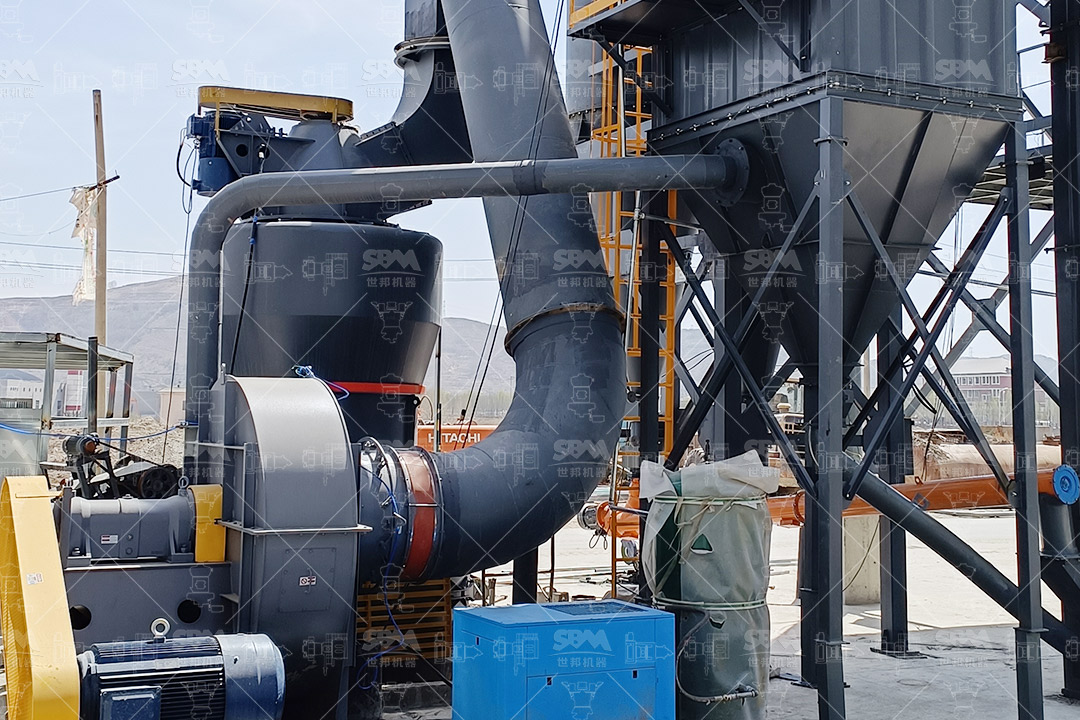
Petroleum coke’s abrasive nature necessitates robust wear protection in grinding equipment. Critical wear components include grinding rollers, grinding tables/rings, and classifier components. Mills designed with replaceable wear segments, hardfacing technologies, and specialized alloy compositions significantly extend service intervals and reduce long-term operating costs.
Modern lime kiln operations must comply with stringent environmental regulations regarding dust emissions and noise pollution. Mills should incorporate effective dust collection systems, typically achieving emission levels below 20 mg/Nm³, and noise control measures to maintain workplace noise levels under 85 dB(A).
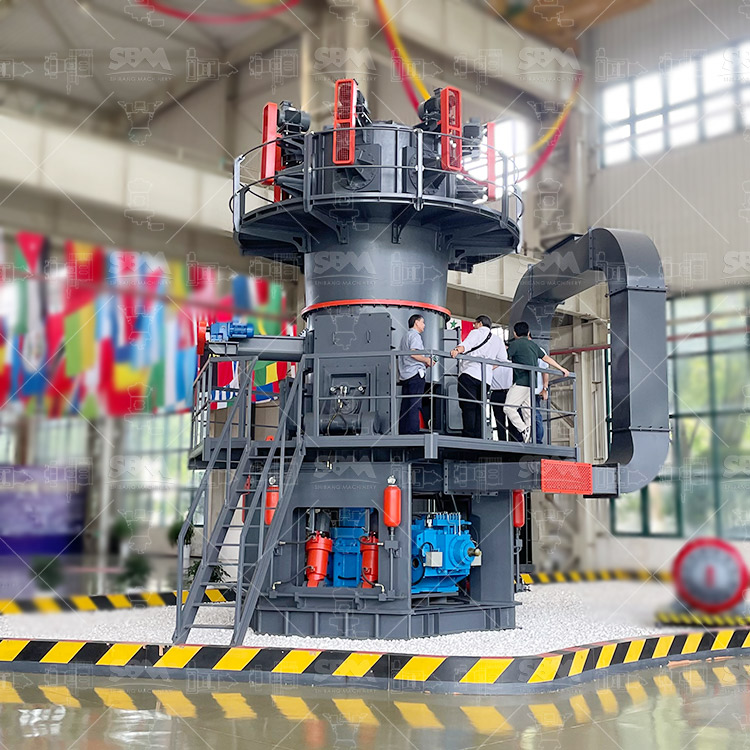
Vertical roller mills have become the industry standard for petroleum coke grinding in lime kiln applications due to their superior energy efficiency, drying capability, and particle size control. These mills utilize multiple grinding rollers that press against a rotating grinding table, achieving size reduction through compression and shear forces.
The integrated classification system in modern VRMs allows precise control over product fineness, while their ability to handle materials with varying moisture content makes them particularly suitable for petroleum coke applications. Additionally, VRMs typically offer lower installation footprints compared to alternative technologies.
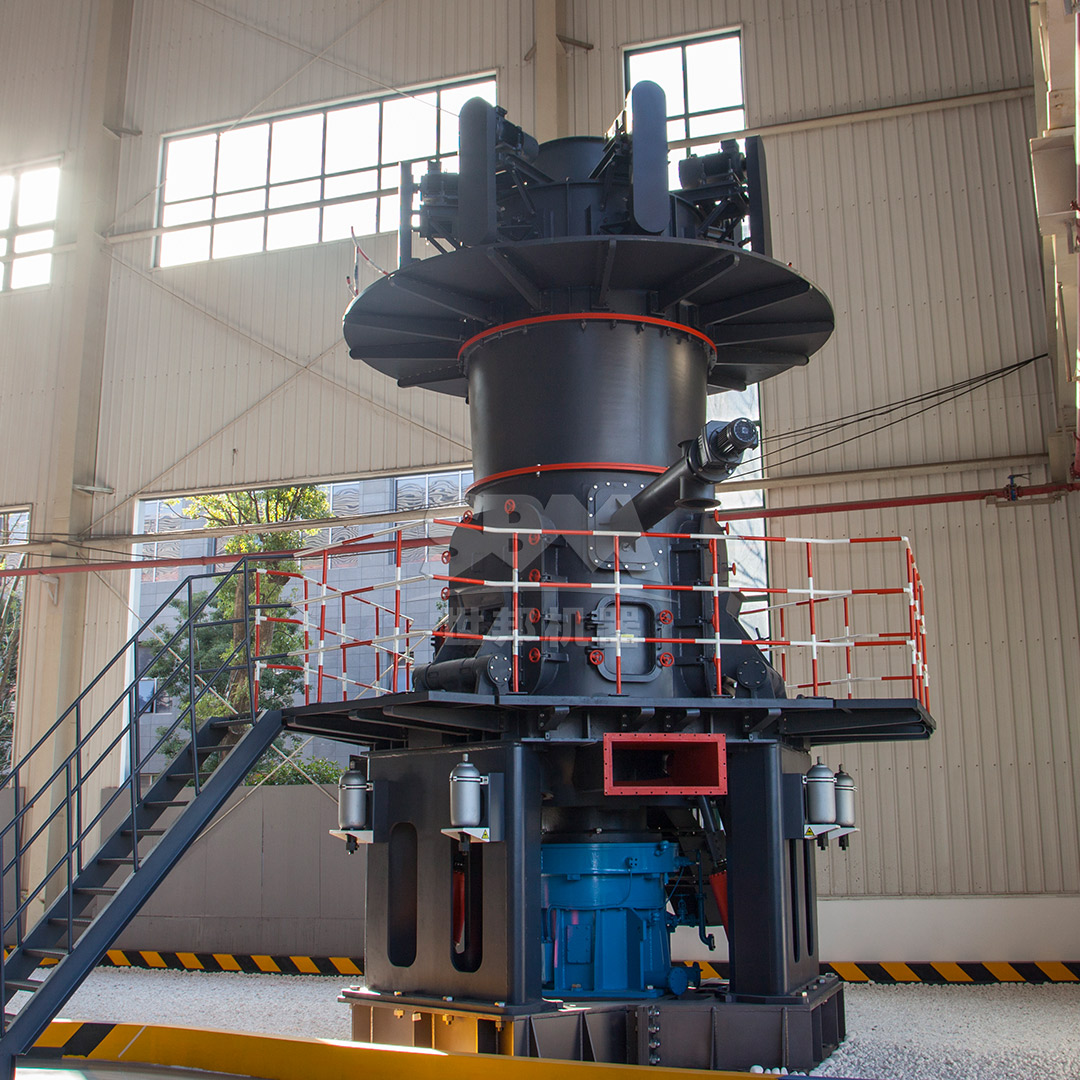
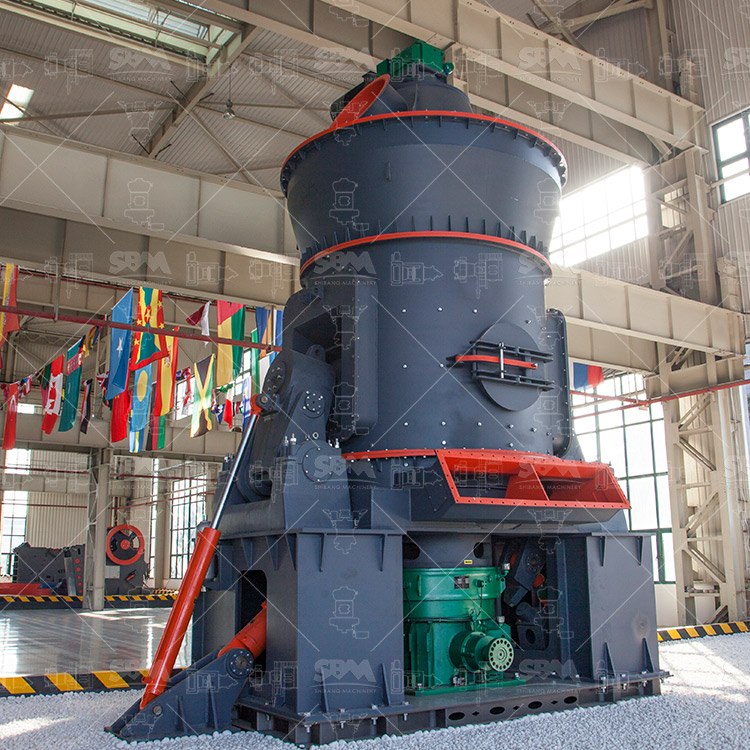
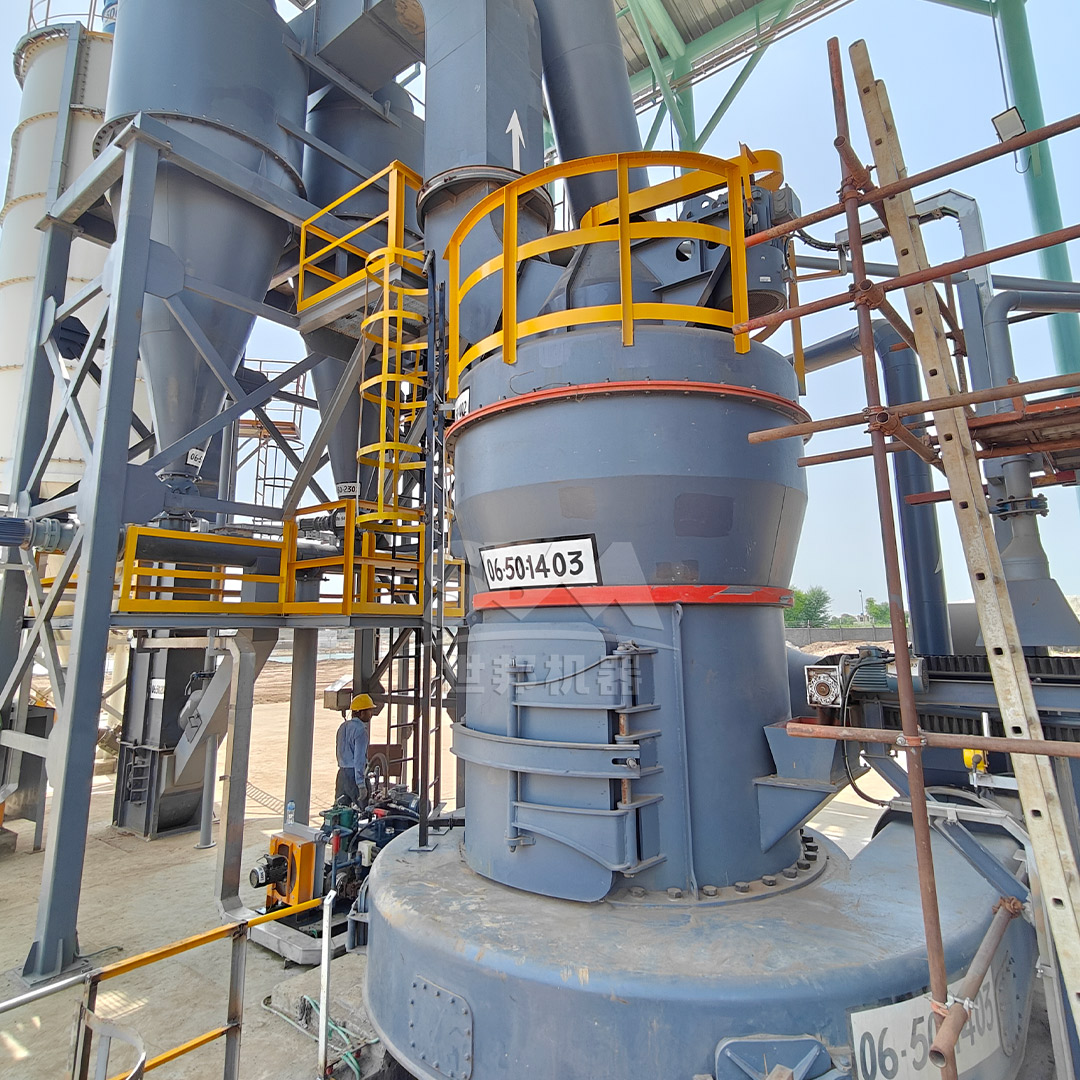
For petroleum coke grinding in lime kiln applications, we strongly recommend our LM Series Vertical Roller Mill. This advanced grinding system offers exceptional performance characteristics specifically suited to petcoke processing:
| Feature | Benefit for Petroleum Coke Grinding |
|---|---|
| Integrated grinding, drying and classification | Handles varying moisture content (0-8%) without pre-drying |
| Wear-resistant grinding components | Special alloys withstand petcoke abrasiveness, extending service life |
| Low specific energy consumption | 30-40% lower than traditional ball mill systems |
| Compact design | Reduces installation footprint by up to 50% |
| Advanced control system | Maintains consistent product quality with minimal operator intervention |
The LM Series Vertical Roller Mill is available in multiple configurations specifically designed for fuel preparation applications. For medium to large lime kiln operations, the LM190K model offers an optimal balance of capacity (23-68 t/h) and fineness control (80-400 mesh), making it particularly suitable for petroleum coke grinding. The mill’s intelligent control system automatically adjusts operational parameters to maintain target product quality while optimizing energy consumption.
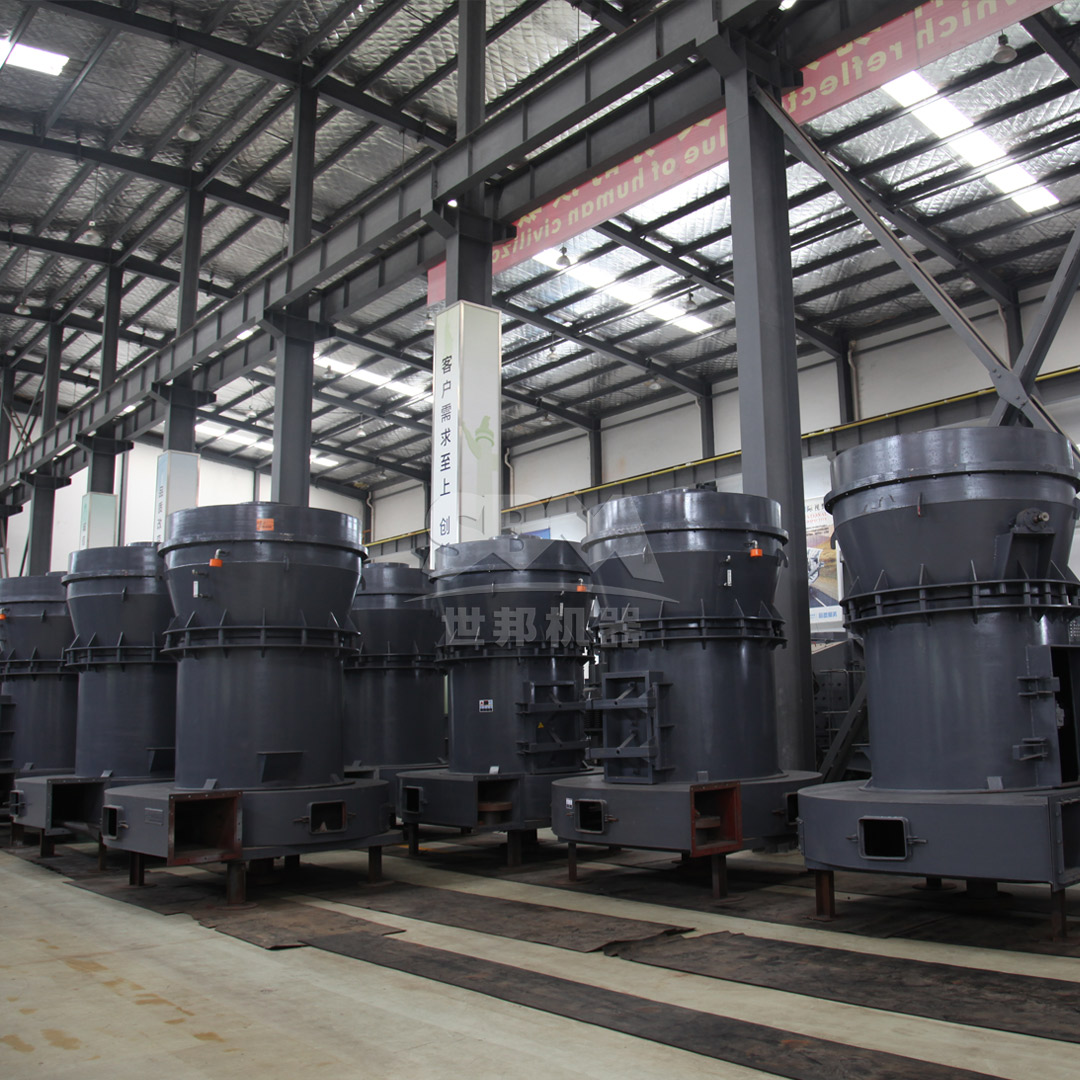
Medium-speed trapezium mills represent another viable option for petroleum coke grinding, particularly for operations with space constraints or specific installation requirements. These mills utilize a unique grinding mechanism with multiple rollers rotating in a fixed path against a grinding ring.
For operations requiring flexible installation options or dealing with specific space constraints, our MTW Series Trapezium Mill provides an excellent alternative for petroleum coke preparation. This mill series incorporates several technological advancements particularly beneficial for abrasive materials like petcoke:
The MTW Series is available in multiple configurations, with the MTW215G model offering capacities up to 45 t/h, making it suitable for larger lime production facilities. The mill’s advanced dust collection system ensures emissions remain well below regulatory requirements, while its noise control measures maintain workplace compliance.
Proper feed system design is critical for optimal mill performance with petroleum coke. Variable-speed feeders capable of handling the material’s varying bulk density and potential bridging tendencies ensure consistent feed rates to the mill. For operations processing delayed coke with higher volatile content, inert gas blanketing systems may be required to mitigate fire and explosion risks.
While petroleum coke typically has low moisture content, some variations (particularly sponge coke) may contain surface moisture up to 8%. Modern vertical roller mills incorporate hot gas generators that utilize kiln exhaust gases or dedicated combustion systems to dry material during the grinding process, eliminating the need for separate drying equipment.
Ground petroleum coke presents handling challenges due to its fine particle size and potential for dust generation. Efficient baghouse filters with appropriate filter media selection are essential for product recovery and emission control. Storage silos should incorporate proper aeration and discharge systems to prevent compaction and ensure consistent flow to the kiln feed system.
Proper start-up and shutdown procedures significantly impact equipment longevity and operational safety. Mills should be started with empty grinding chambers and gradually brought to full load over 30-45 minutes. During shutdown, mills should operate without feed for sufficient time to purge ground material from the system, preventing potential fire hazards from spontaneous combustion.
Implementing comprehensive wear monitoring programs for grinding components allows for planned maintenance interventions, minimizing unplanned downtime. Advanced monitoring techniques including vibration analysis, bearing temperature monitoring, and laser scanning of wear surfaces enable accurate prediction of component replacement intervals.
Continuous optimization of mill operating parameters including grinding pressure, classifier speed, and gas flow rates ensures optimal performance as feed characteristics change. Modern control systems utilizing advanced process control algorithms can automatically adjust these parameters to maintain target product quality while minimizing specific energy consumption.
When evaluating petroleum coke mill options, a comprehensive total cost of ownership analysis should consider not only initial capital investment but also operating costs including power consumption, wear part replacement, maintenance labor, and potential production losses during maintenance events. Modern vertical roller mills typically offer the lowest total cost of ownership for medium to large lime production facilities.
The return on investment for advanced grinding technology should account for energy savings, reduced maintenance costs, improved product quality leading to better kiln performance, and reduced environmental compliance costs. Most modern petroleum coke grinding systems achieve payback periods of 2-4 years through these operational benefits.
Selecting the appropriate petroleum coke roller mill for lime kiln fuel applications requires careful consideration of multiple technical, operational, and economic factors. The trend in the lime industry strongly favors vertical roller mill technology due to its superior energy efficiency, operational flexibility, and lower total cost of ownership. Our recommended LM Series Vertical Roller Mill and alternative MTW Series Trapezium Mill both provide excellent solutions tailored to the specific challenges of petroleum coke grinding, with proven performance in lime production applications worldwide.
By prioritizing energy efficiency, wear resistance, operational reliability, and environmental compliance in mill selection, lime producers can significantly enhance their competitive position while meeting increasingly stringent operational and environmental standards. Proper equipment selection, combined with optimized operational practices, ensures reliable petroleum coke preparation that supports efficient lime kiln operation and sustainable production.