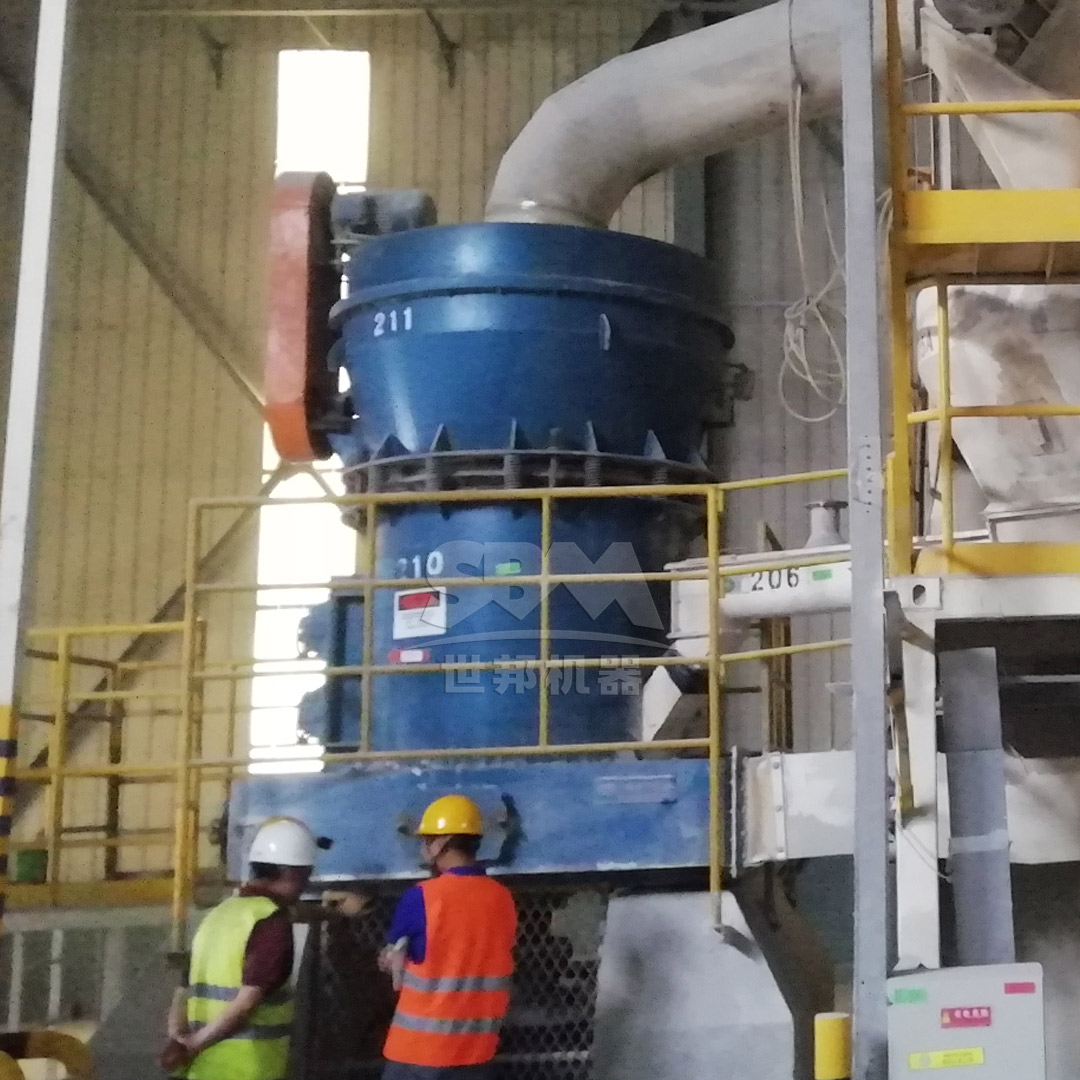
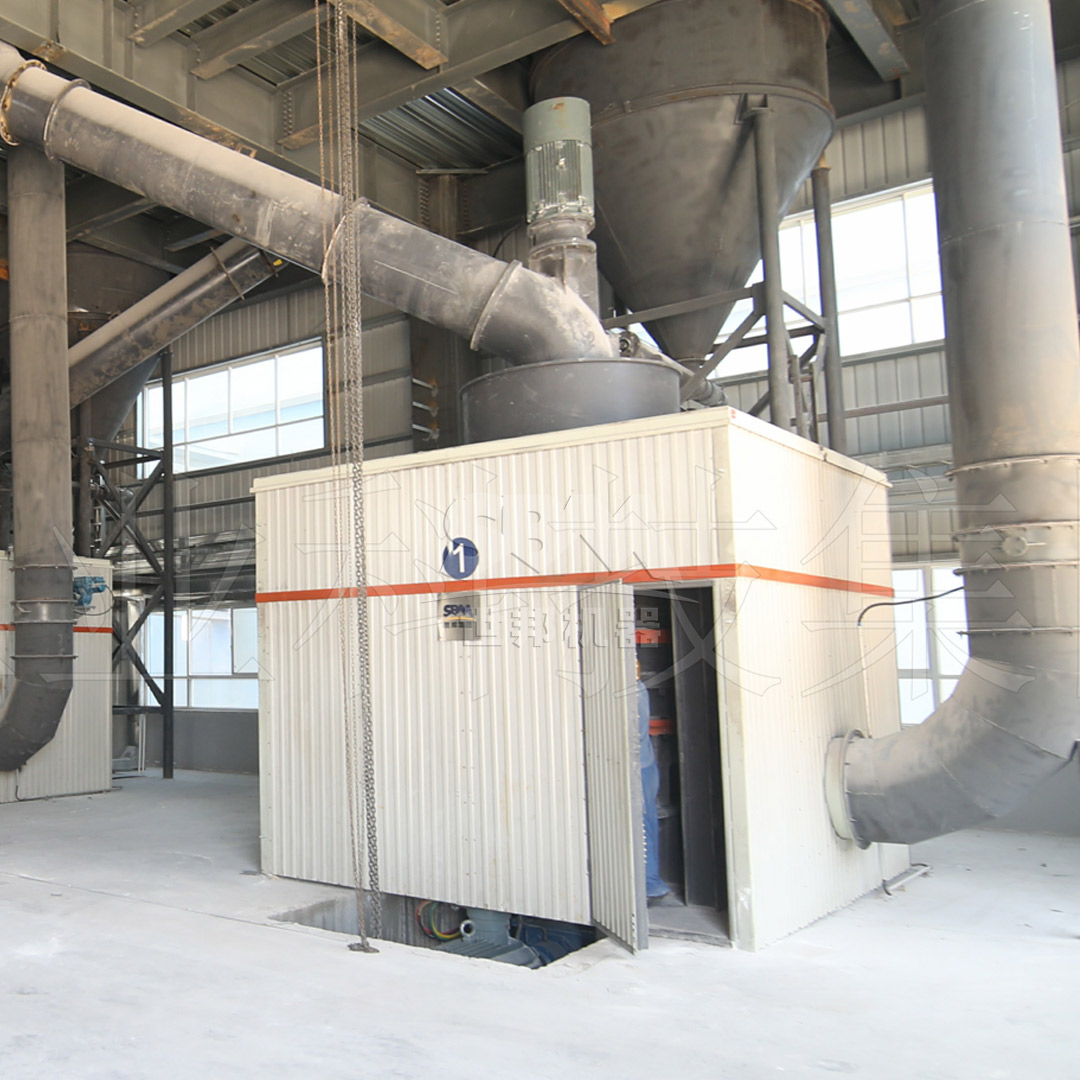
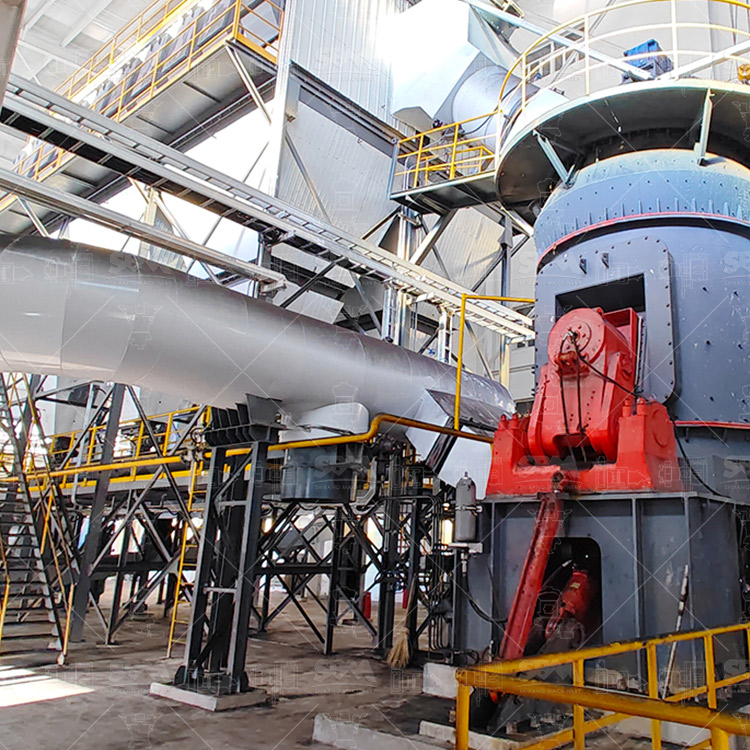
Carbon black, a crucial material in modern industrial applications, serves as a fundamental component in carbon fiber production, rubber reinforcement, pigment manufacturing, and various advanced composite materials. The production of high-quality carbon fiber demands precise control over carbon black particle size distribution, purity, and morphological characteristics. Achieving these stringent requirements necessitates specialized grinding equipment capable of processing carbon black to ultra-fine specifications while maintaining consistent quality and operational efficiency.
The transformation of raw carbon black into usable forms for carbon fiber production involves multiple stages of size reduction and classification. Traditional grinding methods often fall short in meeting the exacting standards of modern carbon fiber manufacturing, where particle size consistency directly impacts the mechanical properties and performance characteristics of the final product. This comprehensive analysis explores the critical role of advanced roller mill technology in carbon black processing and identifies optimal equipment solutions for various production scenarios.
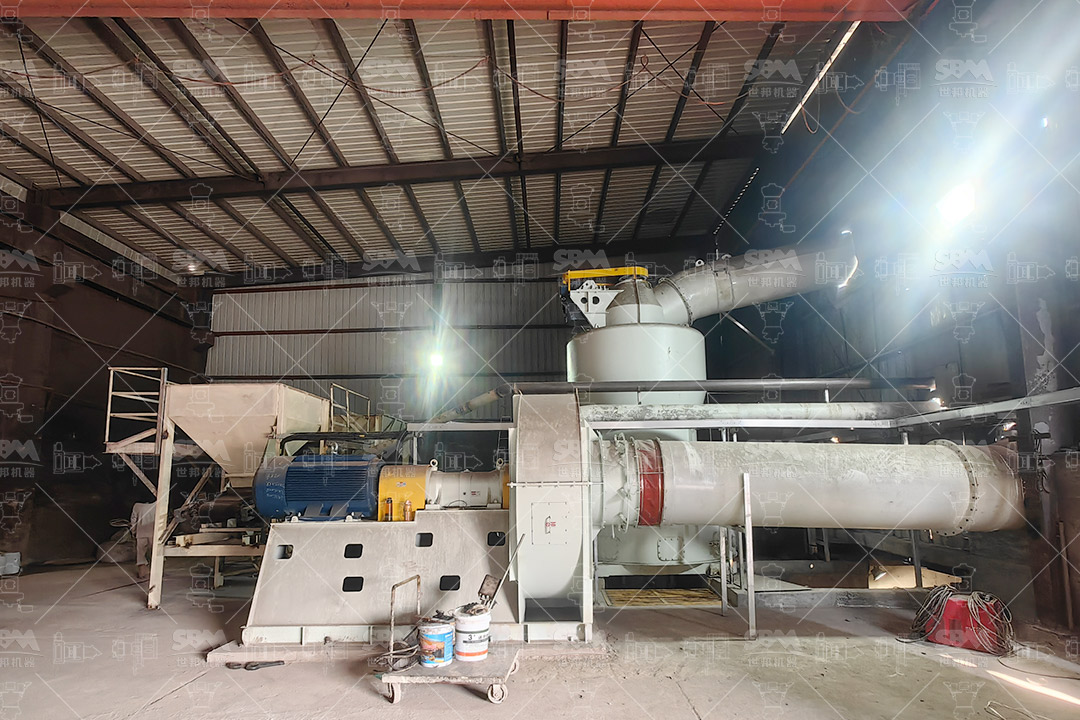
Carbon fiber production demands exceptionally tight control over particle size distribution, typically requiring final product fineness ranging from 325 to 2500 mesh (D97 ≤ 5μm). The narrow distribution curve ensures uniform reinforcement throughout the carbon fiber matrix, enhancing tensile strength, modulus, and overall structural integrity. Advanced roller mills must incorporate precision classification systems capable of maintaining these specifications consistently throughout extended production cycles.
Carbon black processing presents unique thermal challenges due to the material’s combustible nature and sensitivity to temperature variations. Effective heat dissipation and temperature control mechanisms are essential to prevent degradation, oxidation, or potential combustion hazards. Modern roller mill designs incorporate advanced cooling systems, thermal monitoring, and inert gas protection to maintain optimal processing conditions.
The high-purity requirements of carbon fiber production necessitate grinding equipment that minimizes metallic contamination during processing. Specialized wear-resistant materials, non-contact grinding principles, and sophisticated sealing technologies are employed to prevent iron contamination and maintain product purity levels below critical thresholds.
For applications requiring the finest particle sizes, such as high-performance carbon fiber production, the SCM Ultrafine Mill represents an optimal solution. This advanced grinding system delivers output fineness ranging from 325 to 2500 mesh (D97 ≤ 5μm) with exceptional consistency. The mill’s vertical turbine classifier ensures precise particle size control, eliminating coarse particle contamination while maintaining high throughput rates of 0.5-25 tons per hour depending on specific model configuration.
The SCM series incorporates several technological innovations specifically beneficial for carbon black processing. Its efficient energy utilization provides twice the production capacity of conventional jet mills while reducing energy consumption by 30%. The intelligent control system automatically monitors and adjusts for optimal particle size distribution, while the special material composition of grinding rollers and rings extends service life significantly compared to conventional milling equipment.
| Model | Processing Capacity (ton/h) | Main Motor Power (kW) | Input Size (mm) | Output Fineness (mesh) |
|---|---|---|---|---|
| SCM800 | 0.5-4.5 | 75 | 0-20 | 325-2500 |
| SCM900 | 0.8-6.5 | 90 | 0-20 | 325-2500 |
| SCM1000 | 1.0-8.5 | 132 | 0-20 | 325-2500 |
| SCM1250 | 2.5-14 | 185 | 0-20 | 325-2500 |
| SCM1680 | 5.0-25 | 315 | 0-20 | 325-2500 |
For carbon black processing requiring output in the 30-325 mesh range, the MTW Series Trapezium Mill offers robust performance and operational efficiency. With processing capacities from 3-45 tons per hour and input sizes up to 50mm, this equipment handles larger initial particle sizes while maintaining precise control over final product specifications. The MTW series incorporates curved air channel design that minimizes energy loss and improves transmission efficiency, while the wear-resistant volute structure reduces maintenance requirements by 30%.
The MTW mill’s working principle involves the main motor driving grinding rollers to revolve around the central axis while rotating themselves to generate centrifugal force. The shovel blades throw materials between the grinding ring and rollers, forming a material layer that undergoes efficient crushing through extrusion. The integrated classification system provides precise control over product fineness, making it suitable for various carbon black intermediate processing stages.
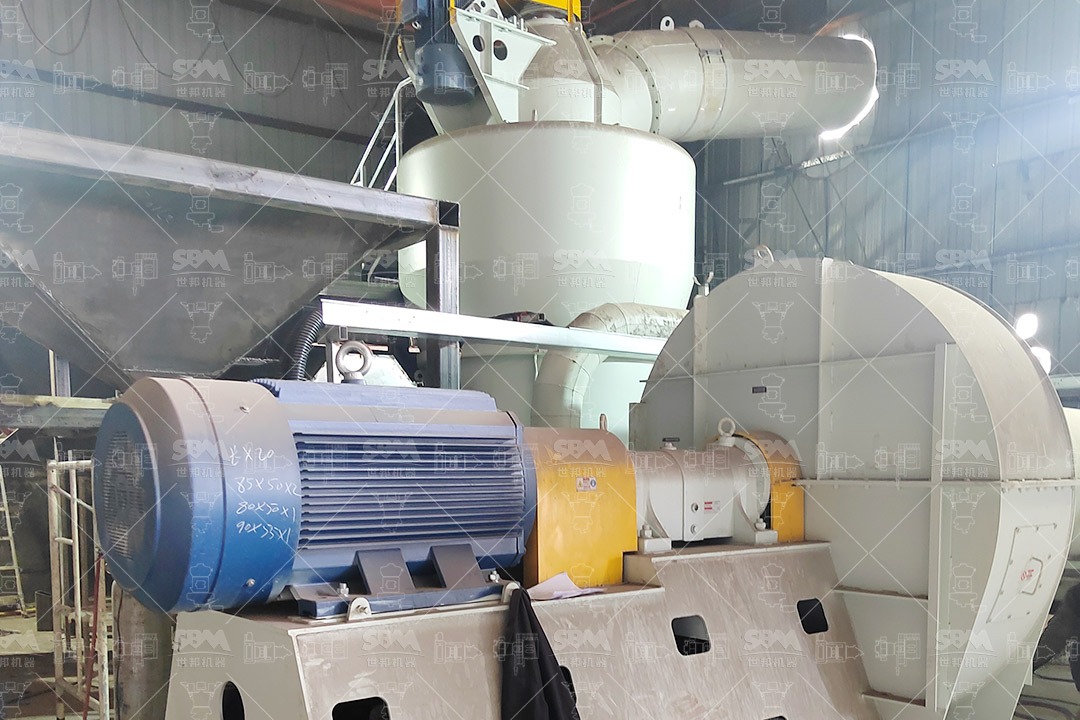
The appropriate roller mill selection depends significantly on production volume requirements. For pilot plants and small to medium-scale operations (0.5-8.5 tons/hour), the SCM800 to SCM1000 models provide optimal balance between capital investment and operational efficiency. Large-scale production facilities (8.5-25 tons/hour) benefit from the SCM1250 and SCM1680 configurations, which deliver higher throughput while maintaining energy efficiency.
Modern carbon black roller mills incorporate multiple energy-saving features that significantly impact operational costs. The SCM series demonstrates 30% lower energy consumption compared to conventional grinding systems, while the MTW series achieves 98% transmission efficiency through its integral cone gear transmission system. These efficiency improvements translate to substantial cost savings over equipment lifespan, particularly important in energy-intensive carbon black processing.
Carbon black processing facilities must adhere to stringent environmental regulations regarding dust emissions and noise pollution. Advanced roller mill designs incorporate pulse dust collection systems exceeding international standards, with collection efficiency ensuring dust emissions remain below 20mg/m³. Acoustic insulation technologies maintain operational noise levels below 75dB, creating safer working environments while meeting regulatory requirements.
Implementing comprehensive maintenance schedules extends equipment lifespan and ensures consistent product quality. Key maintenance activities include regular inspection of grinding elements, classifier system calibration, wear component replacement before critical failure points, and systematic lubrication of moving parts. The SCM series’ special material composition for rollers and rings typically provides 3-5 times longer service life compared to conventional milling components.
Maximizing carbon black mill performance involves continuous monitoring and adjustment of operational parameters. Critical factors include feed rate consistency, classifier speed optimization, grinding pressure adjustment, and temperature control. Advanced control systems automatically regulate these parameters based on real-time feedback, maintaining optimal processing conditions while minimizing operator intervention.
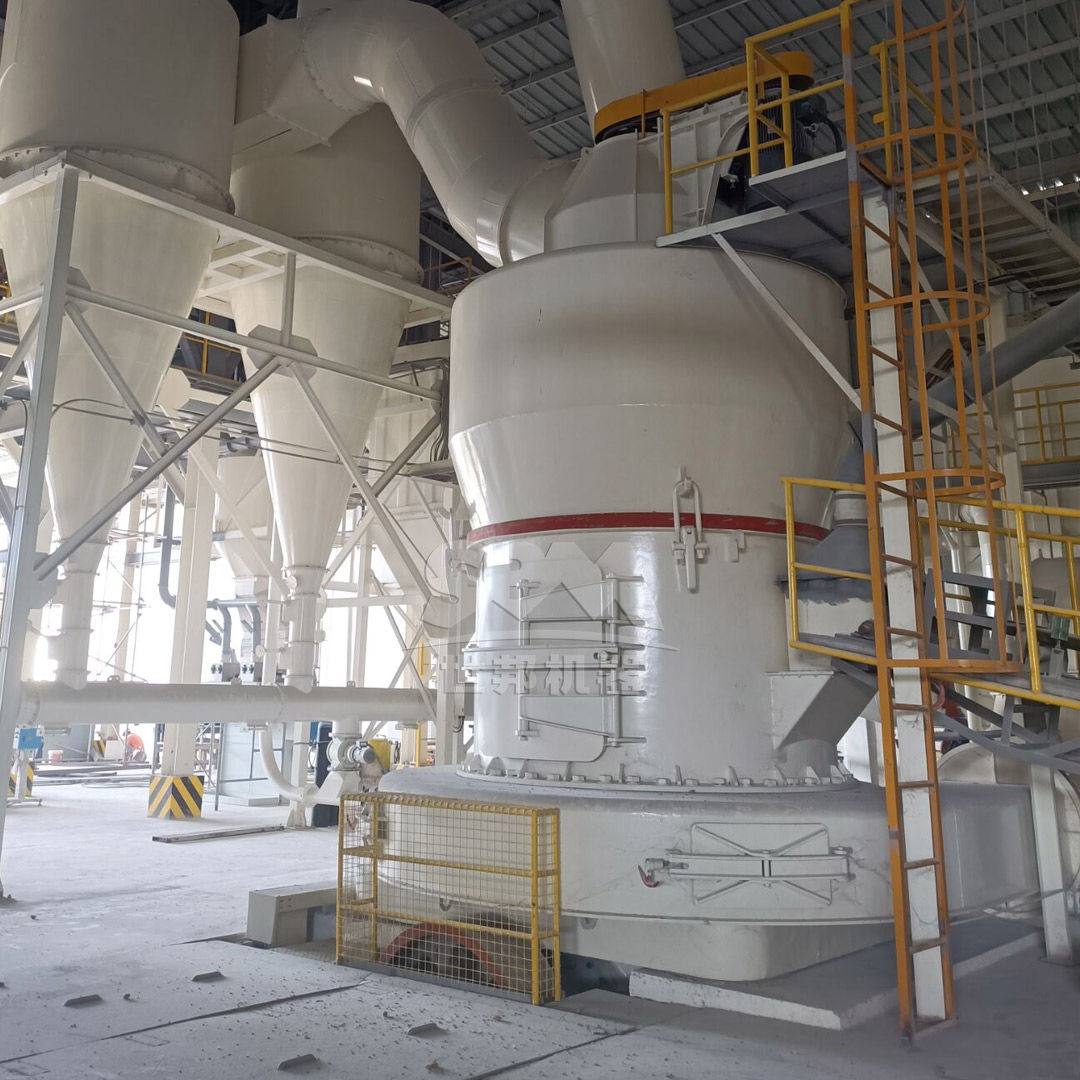
The integration of artificial intelligence and machine learning algorithms represents the next frontier in carbon black milling optimization. These systems analyze historical performance data, real-time operational parameters, and product quality metrics to automatically adjust mill settings for optimal efficiency. Predictive maintenance algorithms identify potential component failures before they occur, minimizing unplanned downtime and maintaining consistent product quality.
Environmental sustainability continues to drive technological advancements in carbon black processing. Emerging developments include closed-loop water cooling systems, waste heat recovery mechanisms, and advanced filtration technologies that further reduce environmental impact. The latest mill designs incorporate these features while maintaining or improving processing efficiency and product quality.
Combining multiple grinding principles within single equipment platforms offers potential for enhanced efficiency and product quality. Research focuses on integrating impact, compression, and attrition grinding mechanisms with advanced classification systems to achieve narrower particle size distributions with reduced energy consumption. These hybrid approaches may revolutionize carbon black processing in coming years.
Selecting appropriate roller mill technology is critical for successful carbon black processing in carbon fiber production. The SCM Ultrafine Mill series provides exceptional performance for applications requiring ultra-fine particle sizes, while the MTW Trapezium Mill offers robust solutions for medium-fine grinding requirements. Both equipment lines incorporate advanced features addressing the specific challenges of carbon black processing, including precise particle size control, energy efficiency, environmental compliance, and operational reliability.
As carbon fiber applications continue to expand across aerospace, automotive, sporting goods, and industrial sectors, the importance of optimized carbon black processing will only increase. Investing in advanced roller mill technology ensures manufacturers can meet evolving quality standards while maintaining competitive operational efficiency. The continuous innovation in milling technology promises further improvements in processing efficiency, product quality, and environmental performance, supporting the sustainable growth of carbon fiber industries worldwide.