Bentonite clay has become an indispensable material in industrial water treatment processes due to its exceptional adsorption, swelling, and coagulation properties. The effectiveness of bentonite in water purification, however, heavily depends on the particle size and uniformity achieved during the milling process. Selecting the appropriate bentonite powder mill is crucial for optimizing treatment efficiency, reducing operational costs, and meeting environmental compliance standards. This comprehensive guide explores the key factors to consider when choosing bentonite grinding equipment for water treatment applications.
Bentonite’s effectiveness in water treatment stems from its unique mineral composition and physical characteristics. The swelling capacity, cation exchange capability, and specific surface area all contribute to its ability to remove contaminants, heavy metals, and organic compounds from wastewater. The milling process directly influences these properties by controlling particle size distribution, which affects the reaction kinetics and overall treatment efficiency.
The optimal particle size for bentonite in water treatment typically ranges from 45 microns to 5 microns, depending on the specific application. Coarser particles (30-45μm) are suitable for general clarification, while ultrafine particles (5-15μm) are essential for advanced contaminant removal and specialized treatment processes.
Industrial water treatment facilities must match mill capacity with daily bentonite consumption. Small to medium operations may require 3-15 tons per hour, while large municipal or industrial plants might need 25-45 tons per hour continuous operation.
Grinding operations account for significant energy consumption in water treatment chemical preparation. Advanced milling technologies can reduce energy usage by 30-50% compared to conventional systems, substantially lowering operational costs.
Modern mills must meet strict environmental standards for dust emissions (typically <20mg/m³) and noise pollution (≤75-80dB). Proper dust collection systems and noise reduction features are essential for regulatory compliance.
| Mill Type | Output Fineness | Capacity Range | Energy Efficiency | Main Applications |
|---|---|---|---|---|
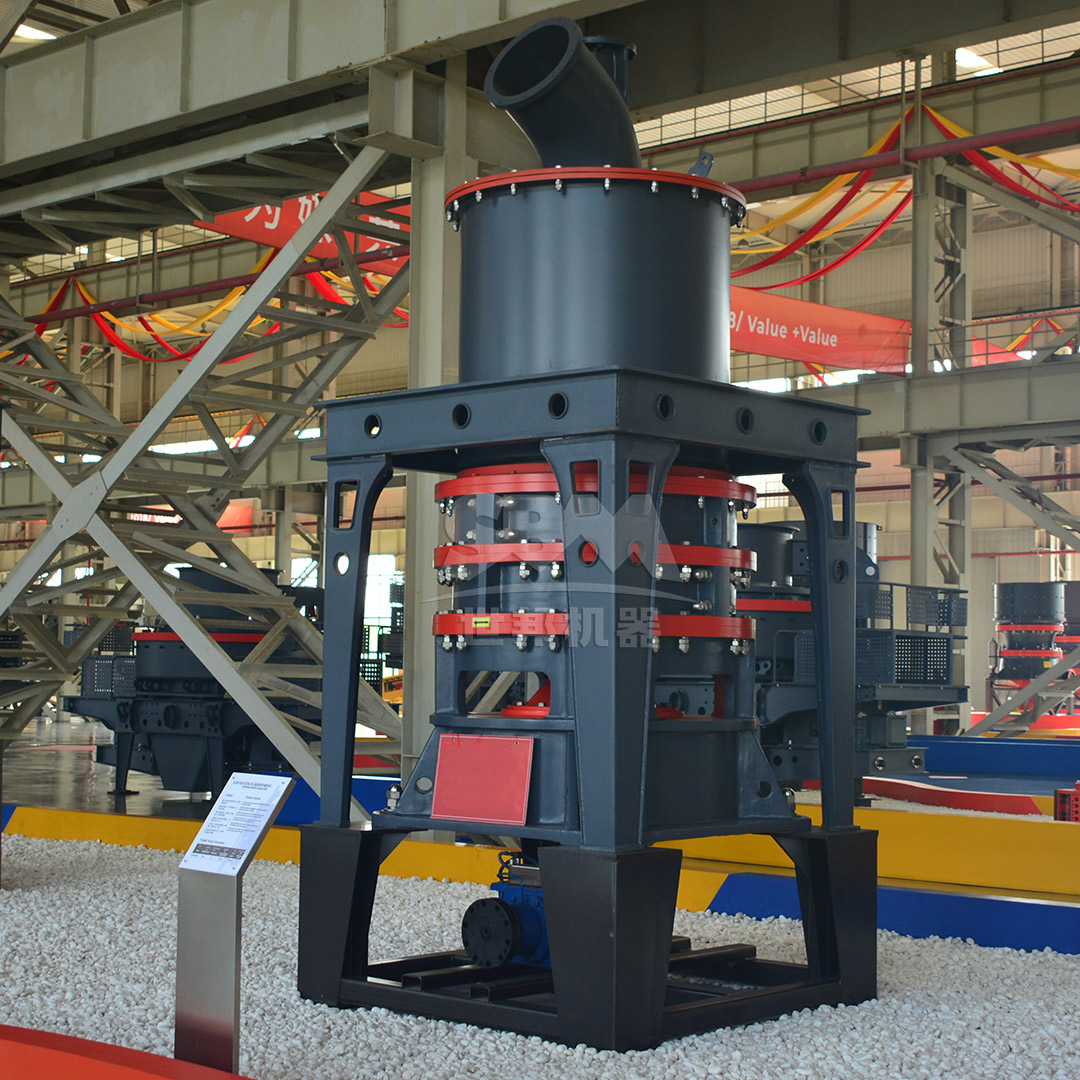
| Ultrafine Mill | 325-2500 mesh (5-45μm) | 0.5-25 t/h | High | Advanced water treatment |
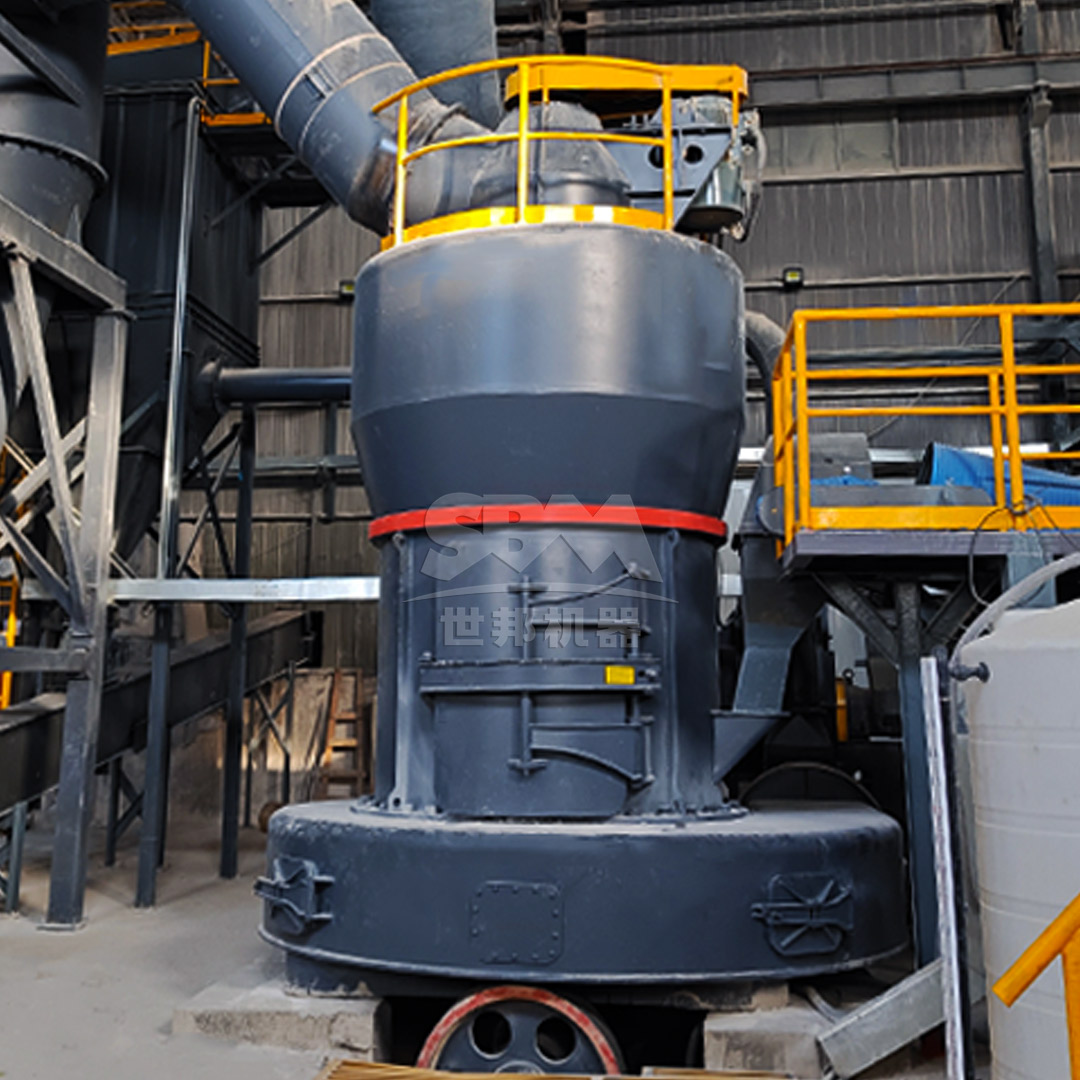
| Trapezium Mill | 30-325 mesh (45-600μm) | 3-45 t/h | Medium-High | General water purification |
| Vertical Roller Mill | 30-325 mesh (45-600μm) | 3-250 t/h | Very High | Large-scale operations |
| Ball Mill | 0.074-0.8mm | 0.65-450 t/h | Medium | Coarse bentonite preparation |
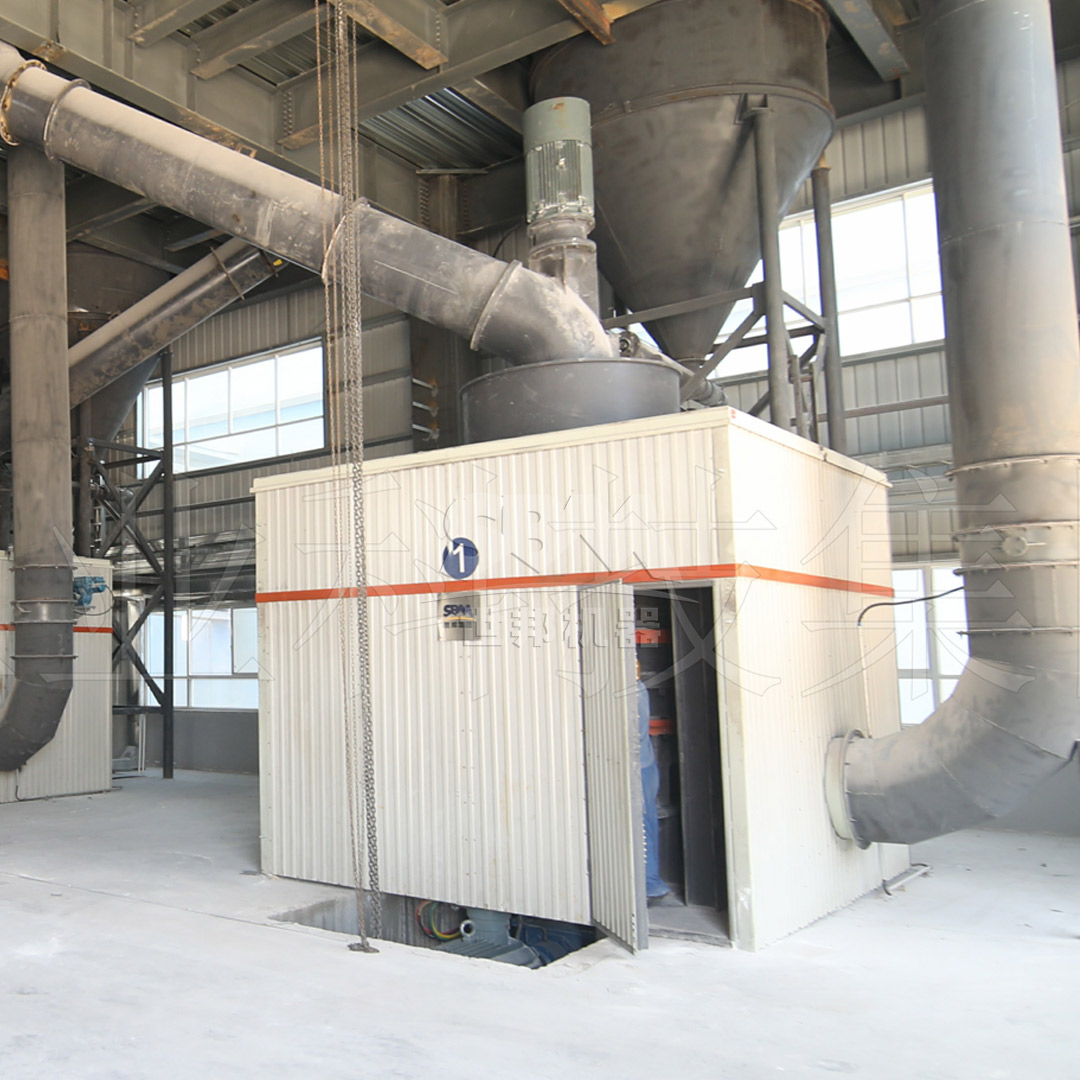
For applications requiring the finest bentonite particles for maximum contaminant removal efficiency, the SCM Ultrafine Mill represents the optimal solution. This advanced grinding system produces bentonite powder in the range of 325-2500 mesh (D97≤5μm), making it ideal for removing micro-pollutants, heavy metals, and complex organic compounds.
The SCM series incorporates several technological advantages specifically beneficial for water treatment applications:
With capacity options ranging from 0.5 to 25 tons per hour, the SCM series accommodates various plant sizes. The SCM1000 model, with its 132kW main motor and 1.0-8.5 ton/h capacity, is particularly well-suited for medium to large water treatment facilities requiring high-quality bentonite powder.
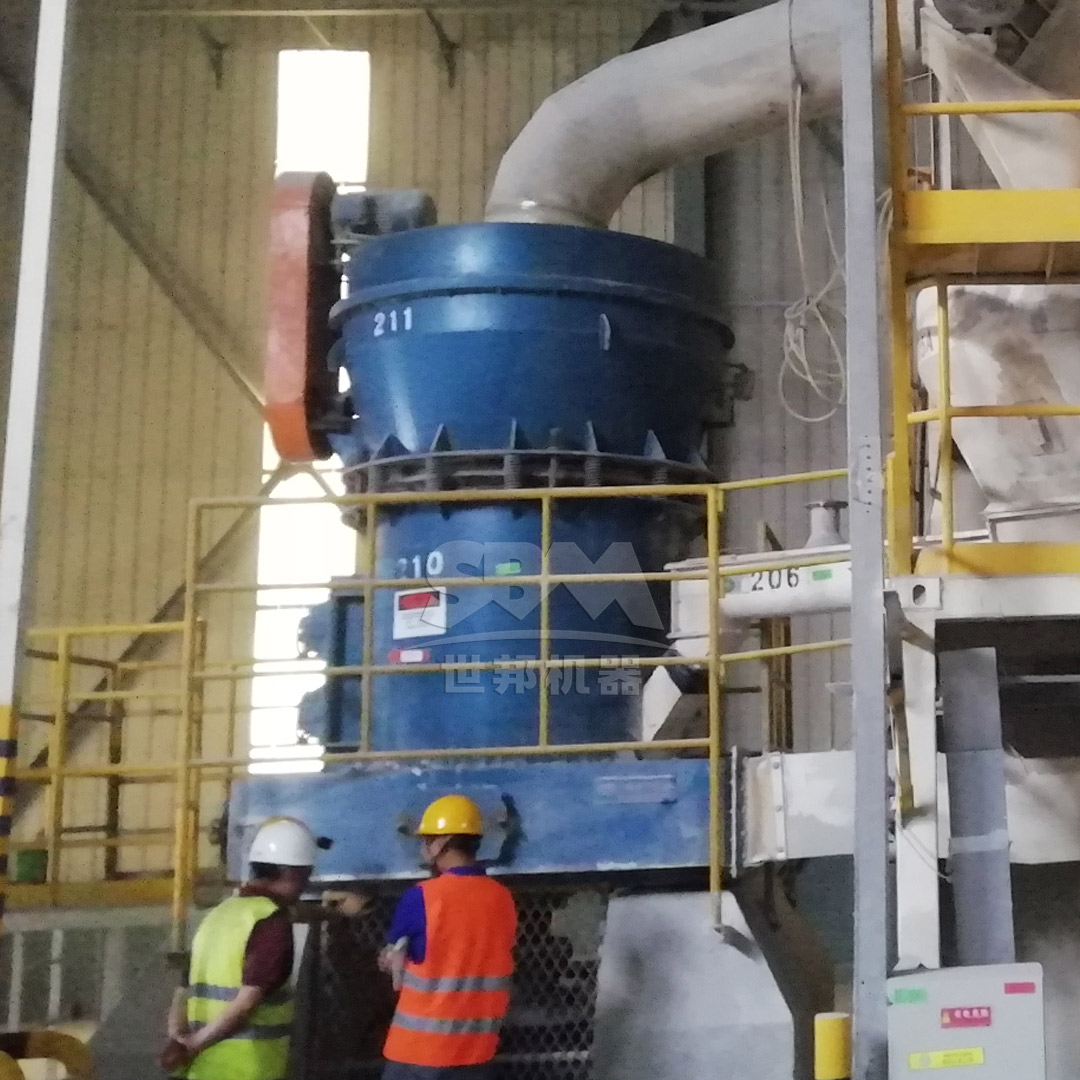
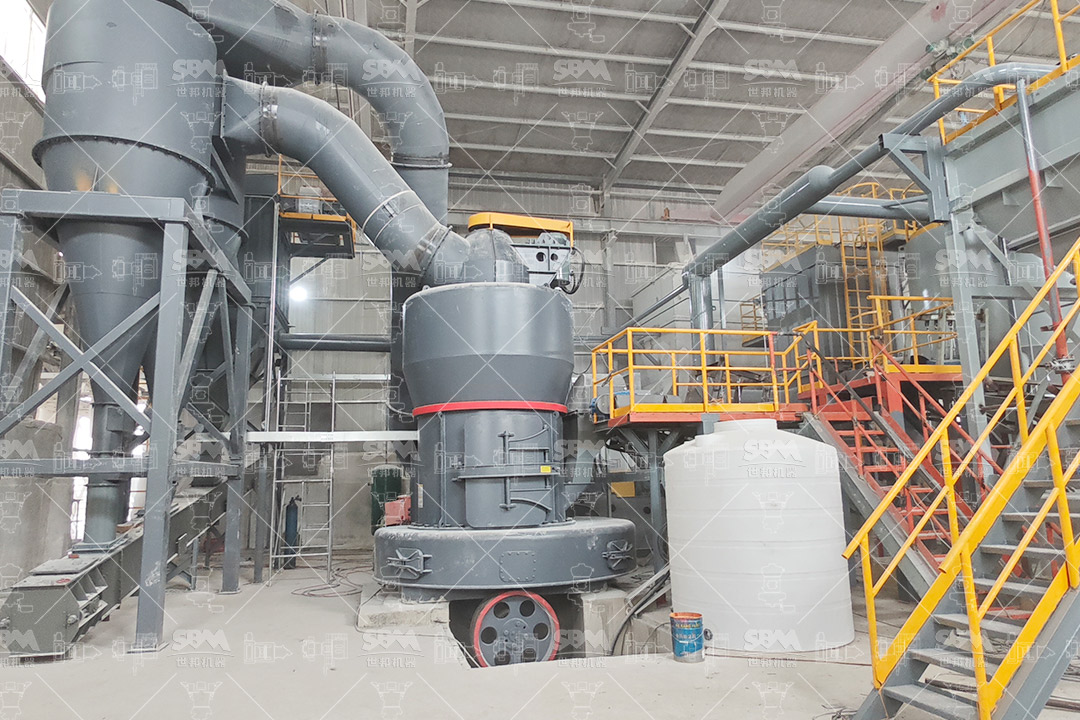
For general water clarification and standard purification processes where extremely fine particles are not essential, the MTW Series Trapezium Mill offers an excellent balance of performance, efficiency, and cost-effectiveness. This robust grinding system produces bentonite powder in the 30-325 mesh range, suitable for most conventional water treatment applications.
Key features that make the MTW series ideal for water treatment plants include:
The MTW138Z model, with its 6-17 ton/h capacity and 90kW main motor, provides an optimal solution for municipal water treatment plants requiring consistent bentonite supply for daily operations.
For potable water applications, bentonite mills must produce consistently fine particles (typically 400-800 mesh) to ensure effective removal of turbidity, microorganisms, and dissolved contaminants. The grinding system should maintain strict hygiene standards and prevent contamination during processing.
Industrial applications often require customized particle size distributions based on specific contaminant profiles. Mills with flexible adjustment capabilities and precise classification systems are essential for optimizing treatment chemical performance.
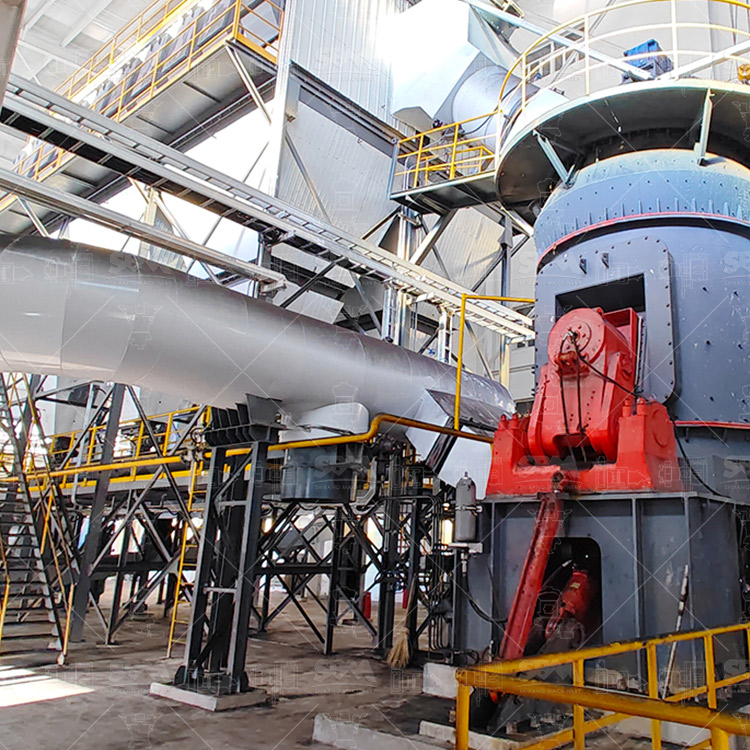
Large-scale municipal plants prioritize high-capacity grinding systems with reliable operation and minimal downtime. Vertical roller mills with capacities exceeding 25 tons per hour are often the most suitable choice.
Effective dust collection is critical in bentonite milling operations. Modern mills should incorporate pulse jet dust collectors with filtration efficiency exceeding 99.9% to maintain clean working environments and comply with occupational health standards.
Bentonite’s abrasive nature necessitates careful selection of wear-resistant materials for grinding components. Mills with easily replaceable wear parts and extended service intervals reduce maintenance costs and operational disruptions.
Advanced control systems with real-time monitoring of particle size, throughput, and energy consumption enable optimized operation and consistent product quality. Remote monitoring capabilities further enhance operational efficiency.
When evaluating bentonite mill options, consider both capital investment and long-term operational costs. Advanced grinding technologies typically offer:
The payback period for premium grinding systems typically ranges from 18 to 36 months, depending on operational scale and local energy costs.
The evolution of bentonite milling technology continues to focus on:
Selecting the right bentonite powder mill for industrial water treatment requires careful consideration of multiple factors, including required particle size, production capacity, energy efficiency, and environmental compliance. The SCM Ultrafine Mill stands out for applications demanding the finest particles for advanced contaminant removal, while the MTW Trapezium Mill offers an excellent balance of performance and economy for general water treatment needs.
By understanding the specific requirements of your water treatment process and matching them with the appropriate milling technology, you can optimize treatment efficiency, reduce operational costs, and ensure consistent water quality. Investing in the right grinding equipment not only improves current operations but also provides the flexibility to adapt to future treatment challenges and regulatory requirements.