The ceramic tile industry has undergone significant technological evolution, with material science playing a pivotal role in enhancing product quality and manufacturing efficiency. Among various mineral additives, talc has emerged as a crucial component in ceramic tile formulations, contributing to improved mechanical properties, thermal stability, and surface finish. The effectiveness of talc as a functional additive, however, is directly dependent on its particle size distribution, purity, and morphological characteristics – all of which are determined by the grinding technology employed in its processing.
This comprehensive analysis explores the strategic importance of advanced grinding systems in optimizing talc properties for ceramic tile applications, with particular emphasis on how modern milling technologies can enhance production economics while delivering superior technical performance.
Talc (hydrated magnesium silicate) contributes multiple beneficial properties to ceramic tile bodies and glazes. When properly processed, talc functions as both a flux and strengthening agent, reducing firing temperatures while enhancing mechanical strength. The platelet structure of talc particles provides lubrication during forming operations, reducing wear on equipment and improving pressing characteristics.
The key quality parameters influenced by talc particle characteristics include:
| Application | Optimal Particle Size (D97) | Key Benefits |
|---|---|---|
| Wall Tiles | 45-75μm | Improved formability, reduced pressing defects |
| Floor Tiles | 20-45μm | Enhanced mechanical strength, wear resistance |
| Porcelain Tiles | 5-20μm | Superior density, low porosity, high chemical resistance |
| Technical Ceramics | <5μm | Maximum sintering activity, fine microstructure |
The transformation of raw talc into high-performance ceramic additives requires precise control over multiple parameters throughout the grinding process. Traditional grinding methods often fail to deliver the consistency and particle characteristics needed for premium ceramic applications. Modern grinding plants incorporate sophisticated classification systems, precise temperature control, and automated monitoring to ensure product uniformity.
Effective talc grinding for ceramic applications must address several critical factors:
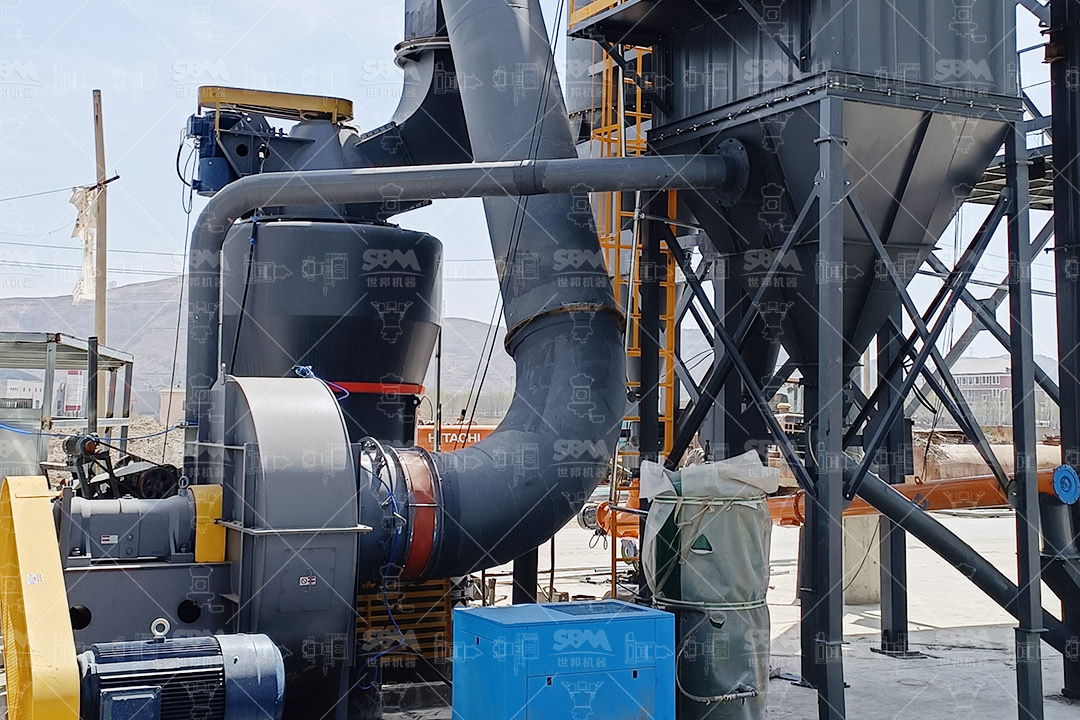
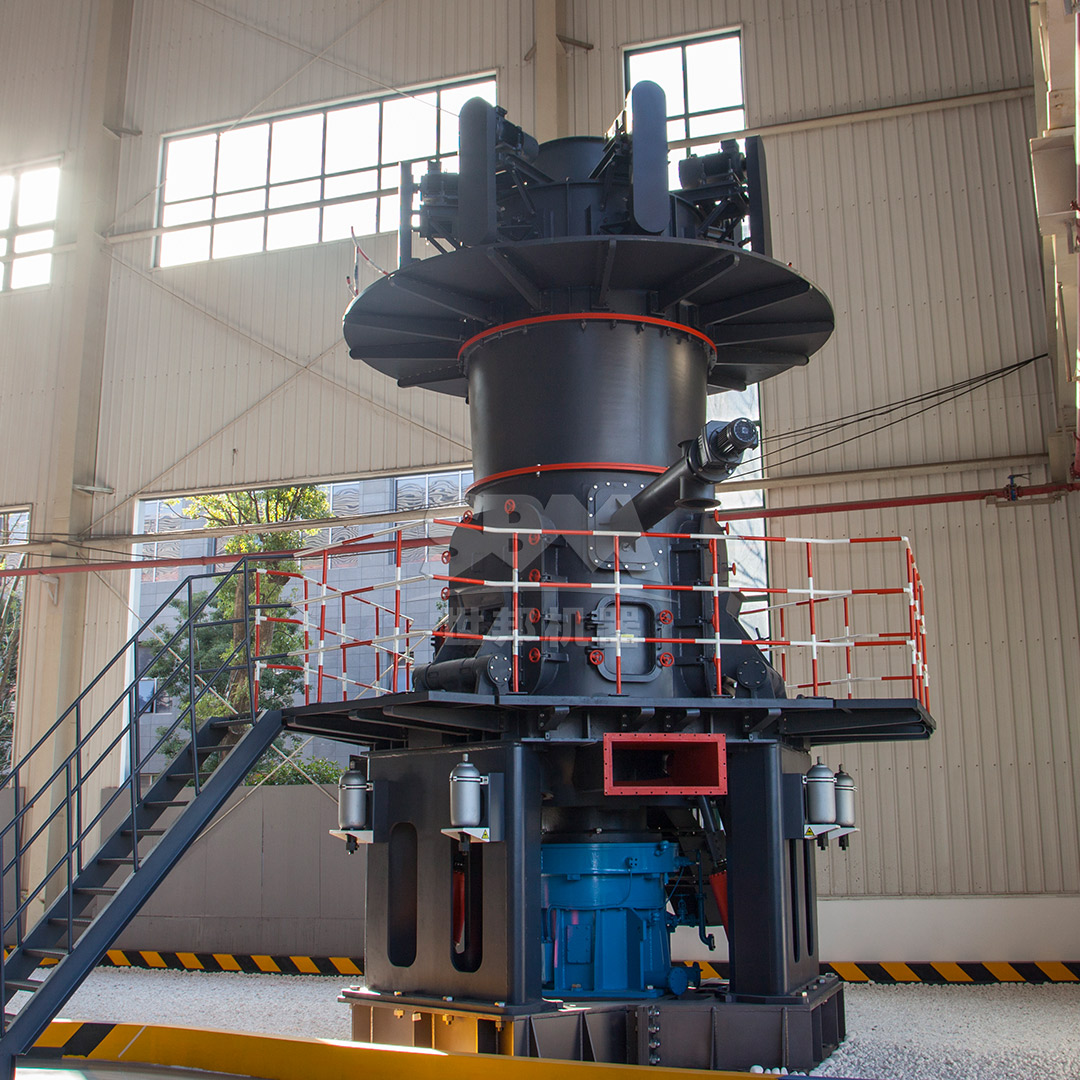
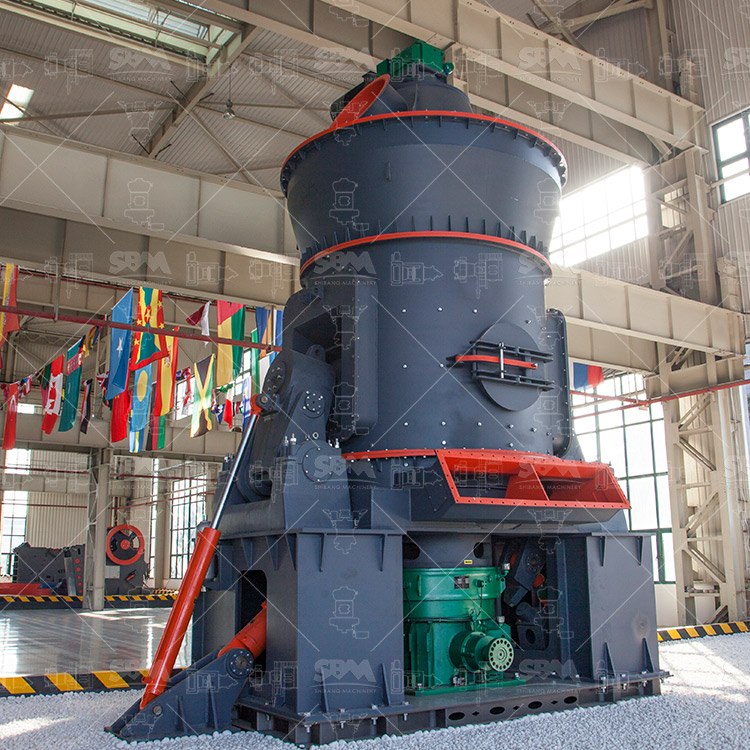
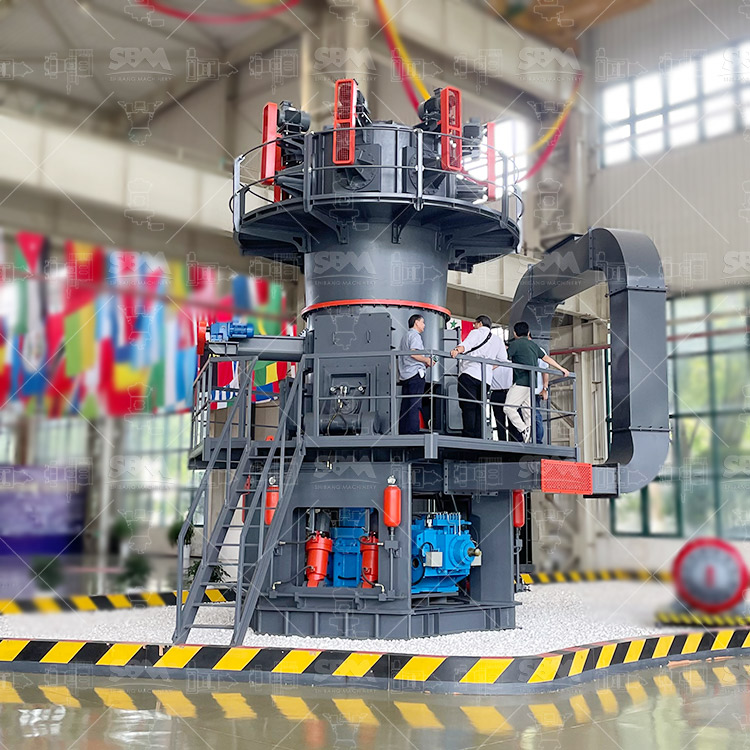
For manufacturers targeting the high-value porcelain and technical ceramic segments, the SCM Ultrafine Mill represents a technological breakthrough in talc processing. This advanced grinding system delivers unparalleled control over particle size distribution, with the capability to produce talc powders in the 325-2500 mesh range (D97 ≤5μm) – precisely the specifications required for high-density porcelain tiles.
The SCM Ultrafine Mill incorporates several features specifically beneficial for talc processing:
| Model | Processing Capacity (ton/h) | Main Motor Power | Recommended Application |
|---|---|---|---|
| SCM800 | 0.5-4.5 | 75 kW | Pilot plants, specialty tile production |
| SCM1000 | 1.0-8.5 | 132 kW | Medium-scale porcelain tile manufacturing |
| SCM1250 | 2.5-14 | 185 kW | Large-scale technical ceramic production |
| SCM1680 | 5.0-25 | 315 kW | Major tile manufacturing facilities |
The special material roller and grinding ring construction extends component life by several times, while the bearingless screw grinding chamber ensures stable operation – critical factors for maintaining consistent talc quality in continuous tile production environments.
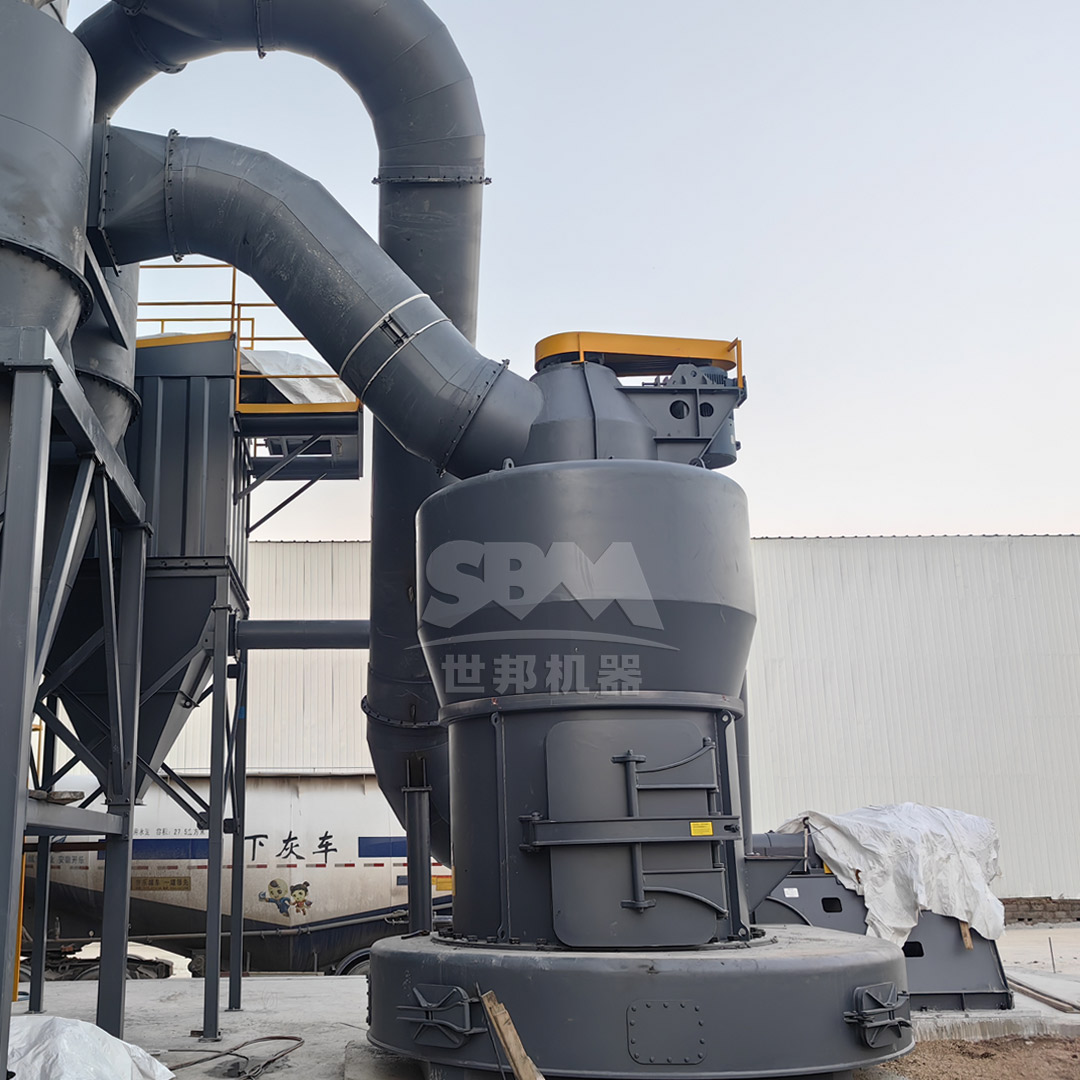
For manufacturers focused on wall and floor tile segments where particle size requirements range from 30-325 mesh, the MTW Series Trapezium Mill offers an optimal balance of production capacity, energy efficiency, and product quality. With processing capacities reaching 45 tons per hour, this system meets the demands of large-scale tile manufacturing operations.
The MTW Series incorporates several patented technologies that enhance its performance in talc processing:
The working principle involves the main motor driving the grinding roller to revolve around the central axis while rotating itself to generate centrifugal force. The shovel throws materials between the grinding ring and roller to form a material layer, achieving efficient crushing through extrusion, with the classification system precisely controlling finished product size.
| Tile Production Scale | Recommended MTW Model | Annual Talc Consumption | Investment Payback Period |
|---|---|---|---|
| Small (≤1 million m²/year) | MTW110 | 500-1,000 tons | 18-24 months |
| Medium (1-5 million m²/year) | MTW138Z | 1,000-5,000 tons | 12-18 months |
| Large (5-15 million m²/year) | MTW175G | 5,000-15,000 tons | 8-12 months |
| Extra Large (>15 million m²/year) | MTW215G | 15,000-45,000 tons | 6-9 months |
The selection of appropriate grinding technology significantly influences the overall economics of ceramic tile manufacturing. Beyond the obvious factors of equipment cost and energy consumption, advanced grinding systems contribute to cost reduction through multiple channels:
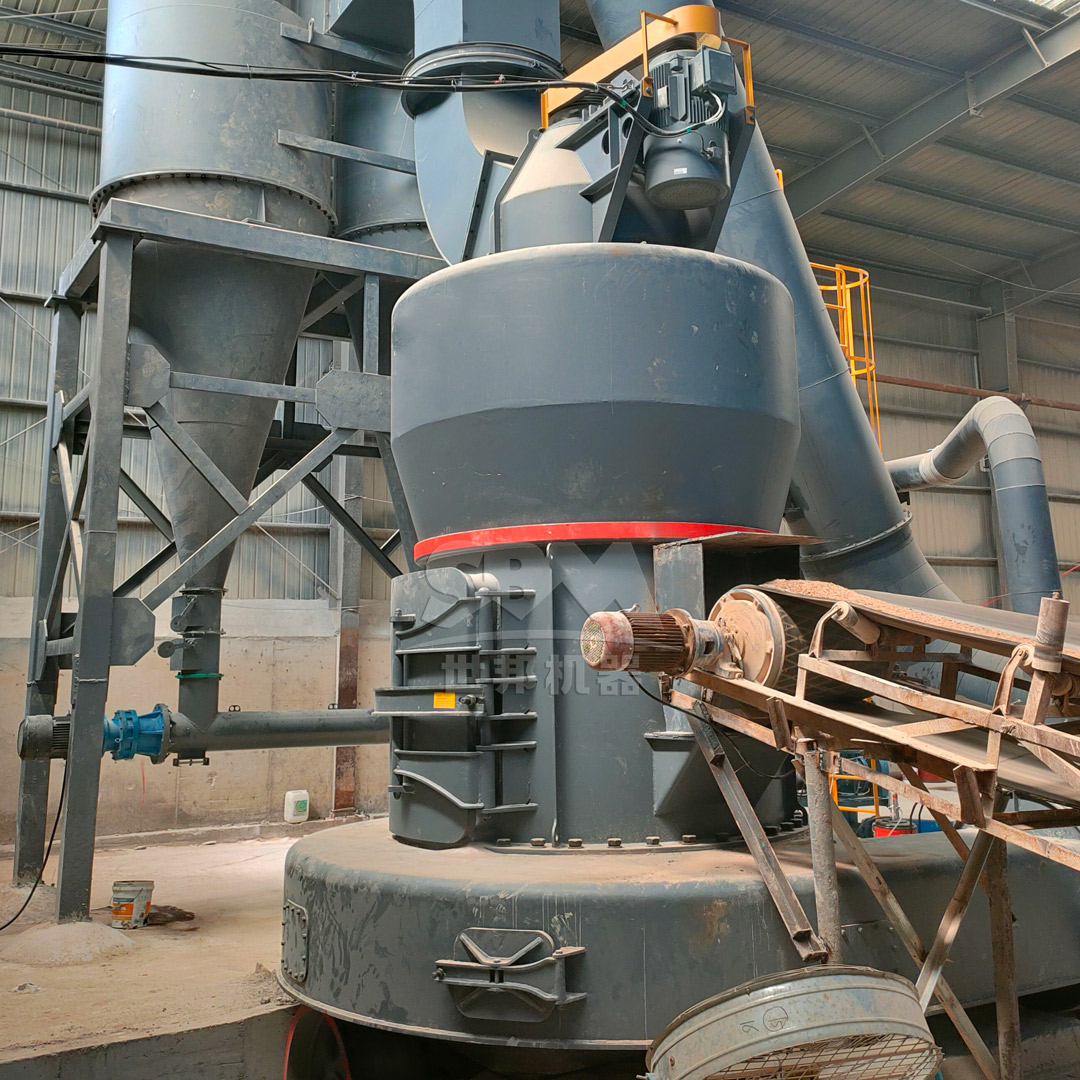
Modern talc grinding plants must address environmental regulations while supporting the ceramic industry’s sustainability initiatives. Both the SCM Ultrafine Mill and MTW Series Trapezium Mill incorporate advanced environmental protection features:
Successful implementation of modern talc grinding technology requires careful planning and integration with existing manufacturing processes. Key considerations include:
The ceramic tile industry continues to evolve toward higher performance specifications and more sustainable manufacturing practices. Talc grinding technology must correspondingly advance to meet emerging requirements:
The optimization of talc grinding processes represents a significant opportunity for ceramic tile manufacturers to enhance product quality, reduce production costs, and strengthen competitive positioning. The selection between precision-focused systems like the SCM Ultrafine Mill and high-capacity solutions like the MTW Series Trapezium Mill should be guided by specific product portfolios, quality requirements, and production scales.
As the ceramic tile industry continues its trajectory toward higher-value products and more sustainable manufacturing, investments in advanced talc grinding technology will deliver compounding returns through improved material performance, manufacturing efficiency, and environmental compliance. Manufacturers who strategically implement these technologies position themselves for leadership in an increasingly competitive global market.