Barite (barium sulfate) plays a critical role in the oil and gas industry as the primary weighting agent for drilling fluids. High-density barite mud is essential for controlling formation pressures, stabilizing wellbores, and facilitating efficient drilling operations. The quality of barite powder directly impacts drilling performance, with strict API specifications governing particle size distribution, specific gravity, and chemical purity. Proper grinding technology is crucial to produce barite mud that meets these rigorous standards while ensuring operational efficiency and cost-effectiveness.
The production of high-quality barite mud demands precise control over particle size distribution. According to API specifications, barite for drilling mud must have a specific gravity of at least 4.2 g/cm³ and meet strict particle size requirements. The ideal barite powder should have a controlled size distribution with the majority of particles between 5-75 microns. Oversized particles can lead to settlement in mud pits and equipment abrasion, while excessively fine particles can increase viscosity and fluid loss.
| Parameter | API Specification | Premium Grade Requirement |
|---|---|---|
| Specific Gravity | ≥4.2 g/cm³ | ≥4.3 g/cm³ |
| Water Soluble Alkali Earth | ≤250 mg/kg | ≤150 mg/kg |
| Residue on 200 Mesh | ≤3.0% | ≤1.5% |
| Residue on 325 Mesh | ≤5.0-15.0% | ≤8.0% |
Modern drilling operations, especially in deepwater and high-pressure/high-temperature (HPHT) environments, require barite mud with exceptional stability and rheological properties. The grinding process must achieve consistent particle morphology and surface characteristics to ensure optimal performance in demanding drilling conditions.
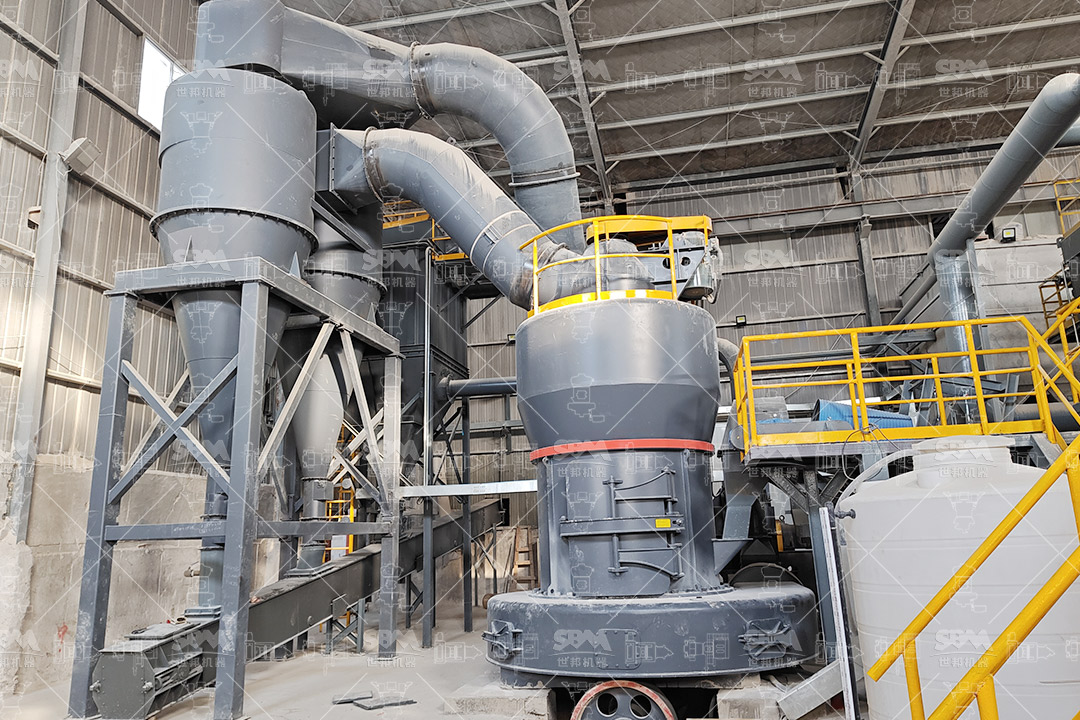
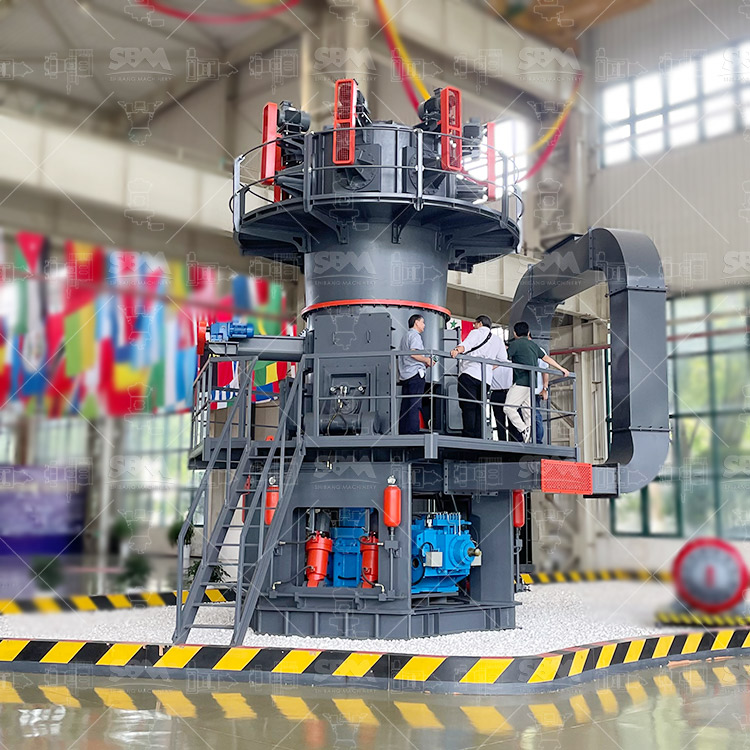
For applications requiring extremely fine barite powders, ultrafine grinding technology has become essential. Our SCM Ultrafine Mill represents the cutting edge in barite processing technology, capable of producing powders in the range of 325-2500 mesh (D97≤5μm). This equipment is particularly valuable for specialized drilling applications where superior particle size control is required.
The SCM series features a unique grinding chamber design with multiple grinding zones, ensuring progressive size reduction and optimal energy utilization. With capacity ranging from 0.5 to 25 tons per hour and energy consumption 30% lower than conventional jet mills, this technology offers both technical superiority and economic advantages for barite processing operations.
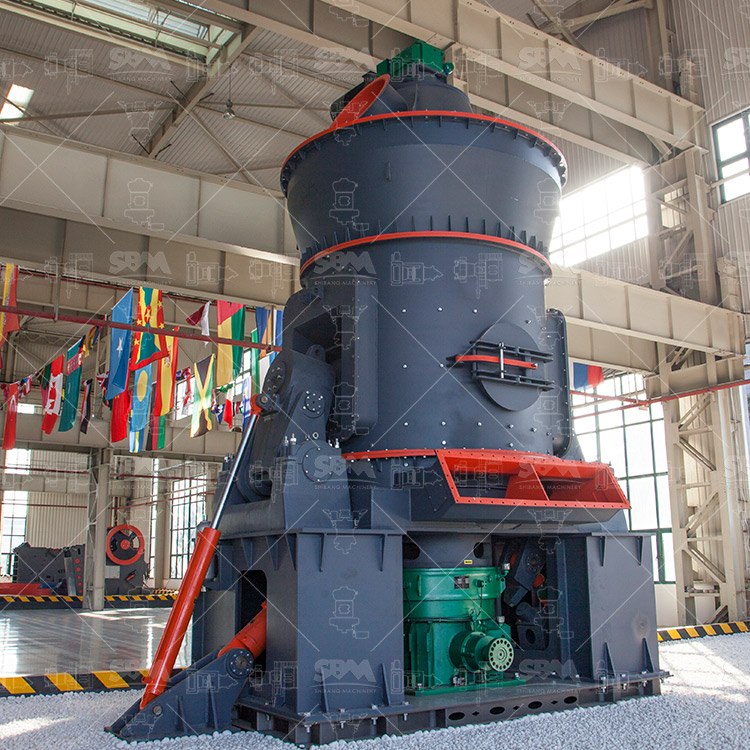
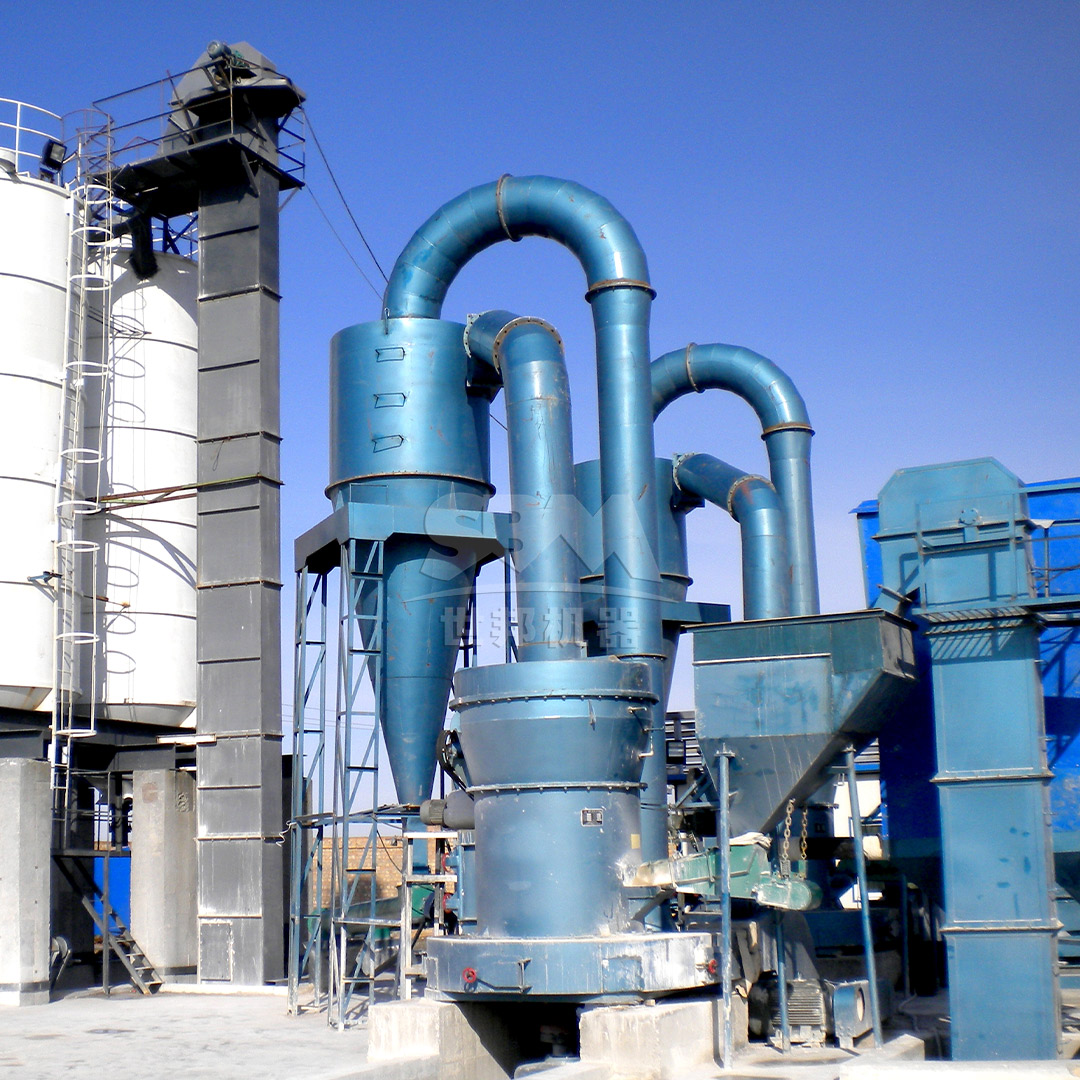
For large-scale barite mud production facilities, high-capacity grinding systems are essential. Our MTW Series Trapezium Mill provides robust performance with capacities up to 45 tons per hour, making it ideal for major drilling mud preparation plants serving multiple drilling operations.
The MTW series incorporates several technological innovations specifically beneficial for barite processing. The curved air duct design minimizes energy loss while the combined blade system reduces maintenance costs. With output fineness adjustable between 30-325 mesh, this equipment provides the flexibility needed to produce barite mud meeting various API specifications and customer requirements.
| Technology | Output Fineness | Capacity Range | Energy Efficiency | Best Application |
|---|---|---|---|---|
| SCM Ultrafine Mill | 325-2500 mesh | 0.5-25 TPH | 30% savings vs jet mills | Premium grade barite mud |
| MTW Trapezium Mill | 30-325 mesh | 3-45 TPH | High throughput efficiency | Large-scale mud plants |
| LM Vertical Mill | 30-325 mesh | 3-250 TPH | 30-40% savings vs ball mills | Integrated processing plants |
| Ball Mill | 0.074-0.8mm | 0.65-450 TPH | Standard efficiency | General purpose grinding |
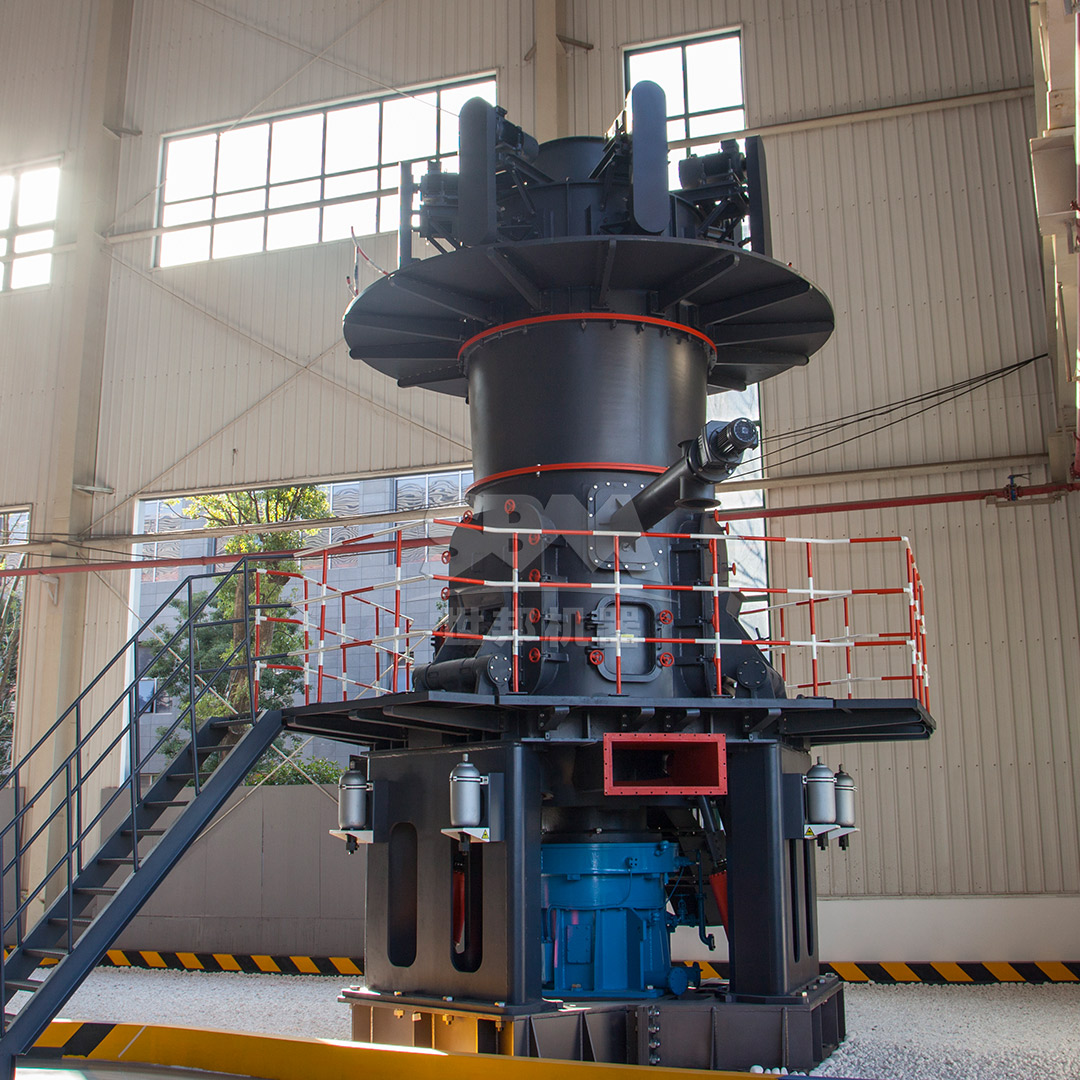
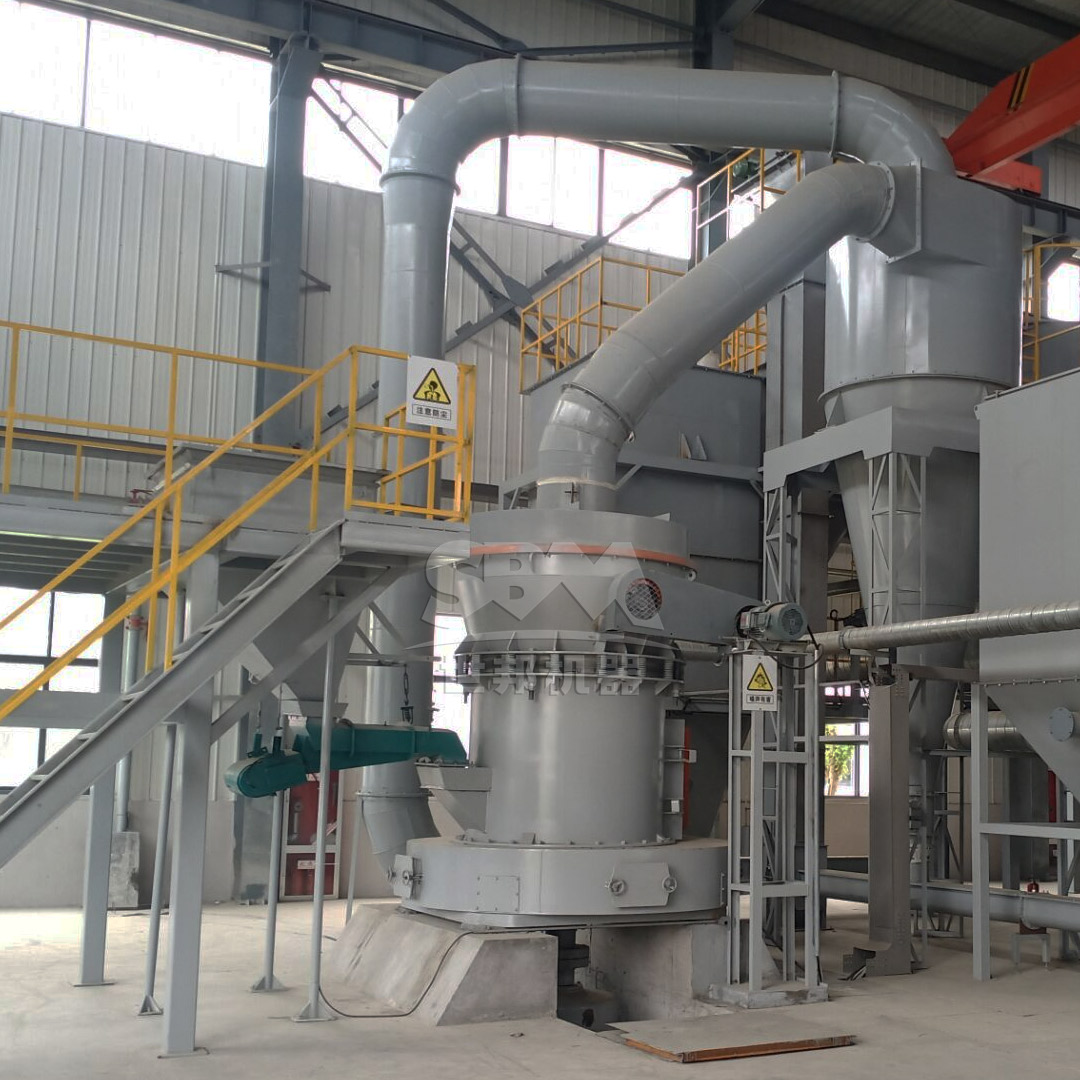
Our SCM Ultrafine Mill stands out as the premier choice for producing high-performance barite mud. The mill’s advanced design incorporates a vertical turbine classifier that ensures precise particle size control, eliminating coarse particle contamination in the final product. This is particularly critical for barite mud, where even small amounts of oversized particles can compromise drilling fluid performance.
The grinding mechanism utilizes a unique multi-layer grinding principle where material undergoes progressive size reduction through three grinding zones. This staged approach not only improves energy efficiency but also produces barite particles with optimal morphology for drilling fluid applications. The special material composition of grinding rollers and rings, combined with the bearingless screw grinding chamber design, ensures exceptional durability and stable operation even when processing abrasive barite ore.
Key advantages of the SCM Ultrafine Mill for barite processing include:
The implementation of advanced grinding technology like the SCM Ultrafine Mill translates directly to improved drilling performance. Barite mud produced with precisely controlled particle size distribution demonstrates superior properties including:
Enhanced suspension characteristics prevent barite settlement during static periods, reducing the risk of lost circulation and well control incidents. Improved filtration control minimizes fluid invasion into formations, protecting productive zones and reducing formation damage. Optimal rheological properties ensure efficient hole cleaning while minimizing equivalent circulation density, contributing to safer and more efficient drilling operations.
Furthermore, the energy efficiency of modern grinding systems significantly reduces operating costs. The SCM Ultrafine Mill’s 30% energy savings compared to conventional jet mills, combined with reduced maintenance requirements due to its durable construction, provides substantial economic benefits over the equipment lifecycle.
The evolution of barite grinding technology continues to align with the changing demands of the oil and gas industry. Future developments focus on smart grinding systems with integrated artificial intelligence for real-time optimization, further energy efficiency improvements, and enhanced flexibility to handle varying ore characteristics. The trend toward automated, digitally controlled grinding plants will enable even more consistent product quality and operational efficiency.
As drilling operations move into more challenging environments, including ultra-deepwater and geothermal applications, the requirements for barite mud will become increasingly stringent. Grinding technology must evolve accordingly, with emphasis on producing barite powders with tailored surface properties and particle size distributions optimized for specific downhole conditions.
The production of high-density barite mud for oil drilling applications demands sophisticated grinding technology capable of delivering precise particle size control, consistent quality, and operational efficiency. Advanced grinding solutions like the SCM Ultrafine Mill and MTW Trapezium Mill provide the technical capabilities needed to meet stringent API specifications while optimizing drilling performance. By selecting appropriate grinding technology and implementing proper process controls, drilling mud suppliers can ensure reliable supply of high-quality barite products that contribute to safer, more efficient, and more cost-effective drilling operations.
Investment in modern grinding technology represents a strategic advantage for companies serving the oil and gas industry, enabling them to produce superior barite mud that meets the evolving demands of modern drilling operations while maintaining competitiveness through operational efficiency and product quality.