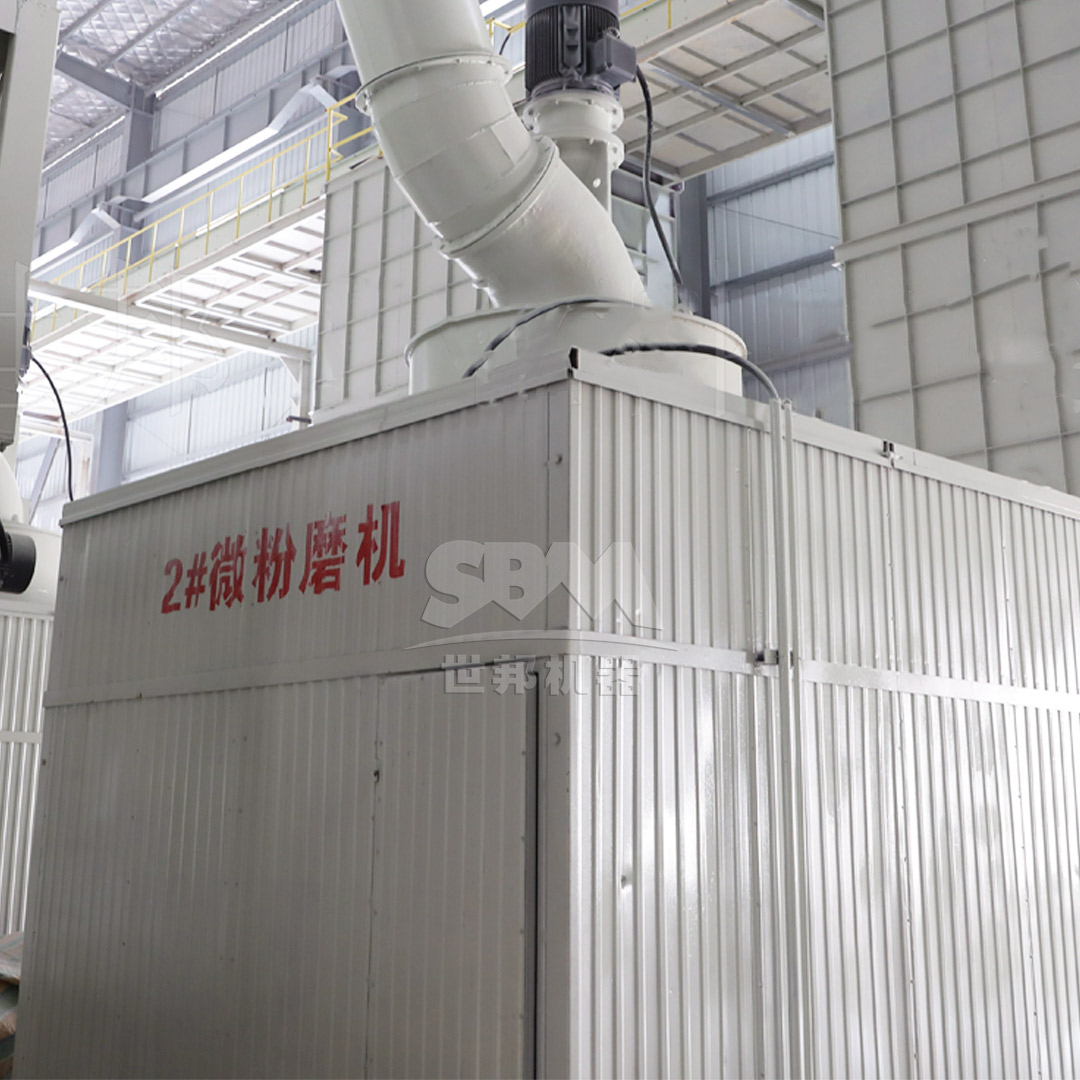
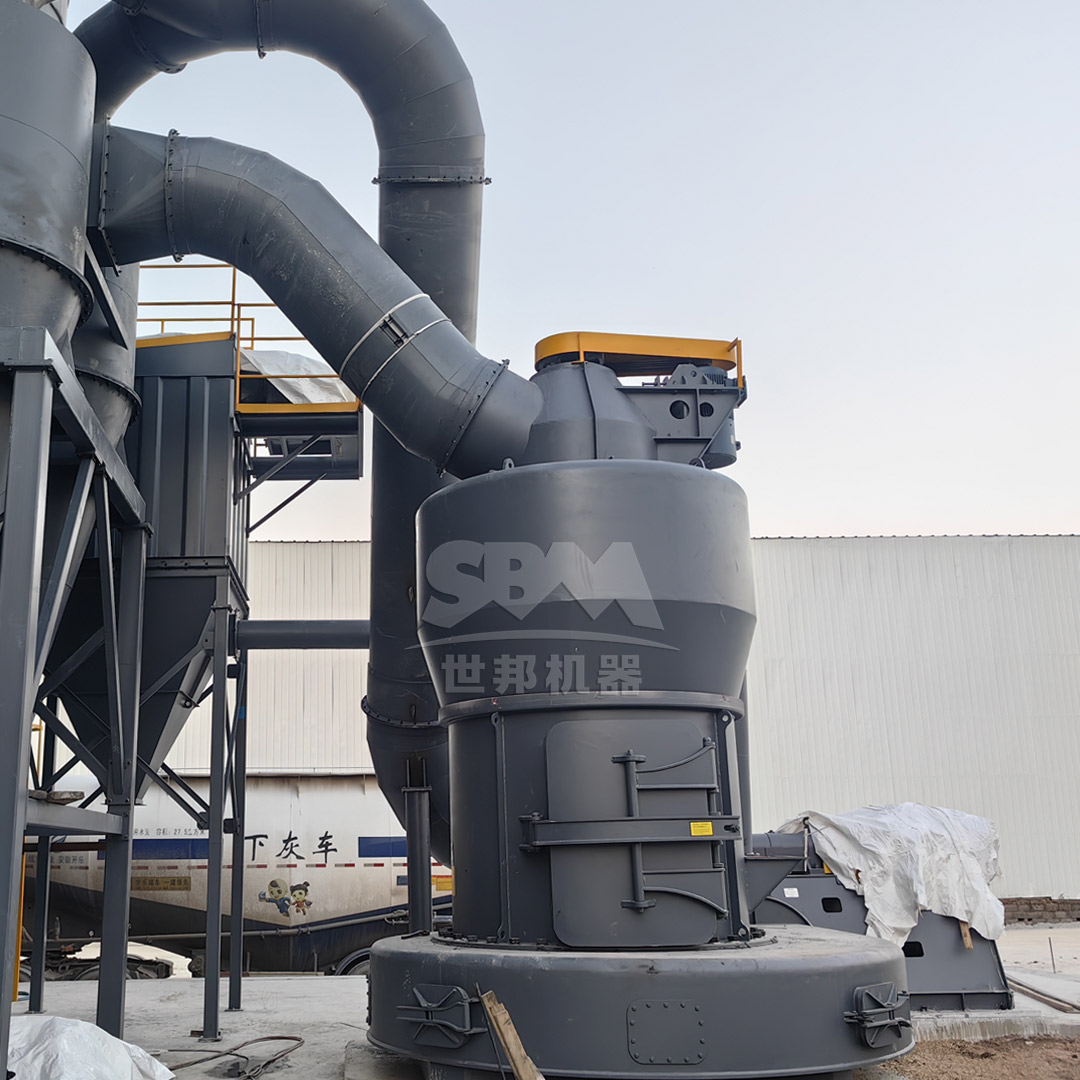
The production of ultra-fine talc powder, particularly at demanding specifications such as 1250 mesh (approximately 10-12 μm), requires a sophisticated and precisely engineered process line. Achieving this level of fineness while maintaining high throughput, consistent particle size distribution, and operational efficiency is a significant technical challenge. This guide outlines the critical stages of a 1250 mesh talc powder production line and highlights the key equipment that forms the backbone of a successful operation.
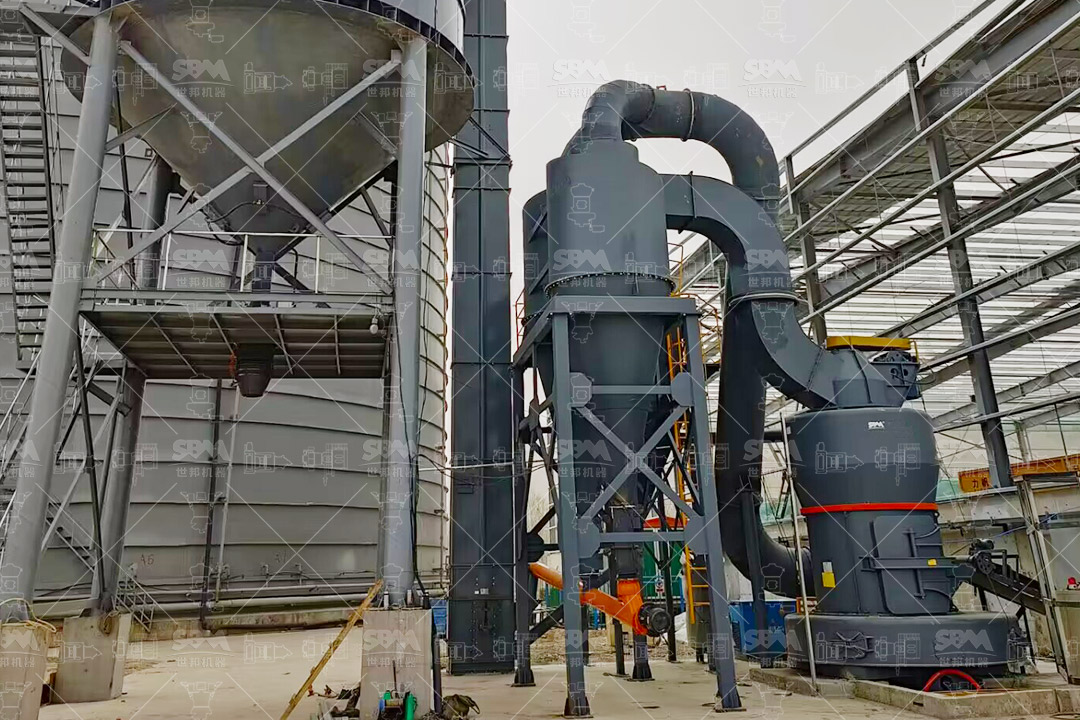
A typical high-end talc powder production line consists of several interconnected stages, each serving a specific purpose in transforming raw talc ore into a premium-grade, ultra-fine powder.
The process begins with the raw talc ore, which may contain impurities and vary in lump size. Pre-treatment involves manual sorting or washing to remove obvious contaminants. The ore is then fed into a primary crusher, such as a jaw crusher, to reduce the large lumps to a manageable size, typically below 50mm. This step is crucial for ensuring consistent feed to the subsequent grinding stages.
If the raw talc contains significant moisture, a drying stage is essential. A rotary dryer or similar equipment is used to reduce the moisture content to a level suitable for fine grinding (usually below 1-2%). Excessive moisture can lead to clogging, reduced grinding efficiency, and poor classification performance.
The pre-crushed and dried material is then fed into an intermediate grinding mill. The goal here is to achieve a medium-fine powder, often in the range of 100-325 mesh. This step prepares the material for the final ultra-fine grinding process. A reliable workhorse for this stage is our MTW Series European Trapezium Mill. With an output fineness range of 30-325 mesh (down to 0.038mm) and capacities from 3 to 45 tons per hour, it is perfectly suited for this intermediate duty. Its anti-wear shovel design, optimized arc air duct, and integral bevel gear drive ensure high efficiency, durability, and low maintenance costs, providing a stable and uniform feed for the final micronizing stage.
| Model | Capacity (t/h) | Main Power (kW) | Output Fineness (mesh) |
|---|---|---|---|
| MTW138Z | 6-17 | 90 | 10-325 |
| MTW175G | 9.5-25 | 160 | 10-325 |
| MTW215G | 15-45 | 280 | 10-325 |
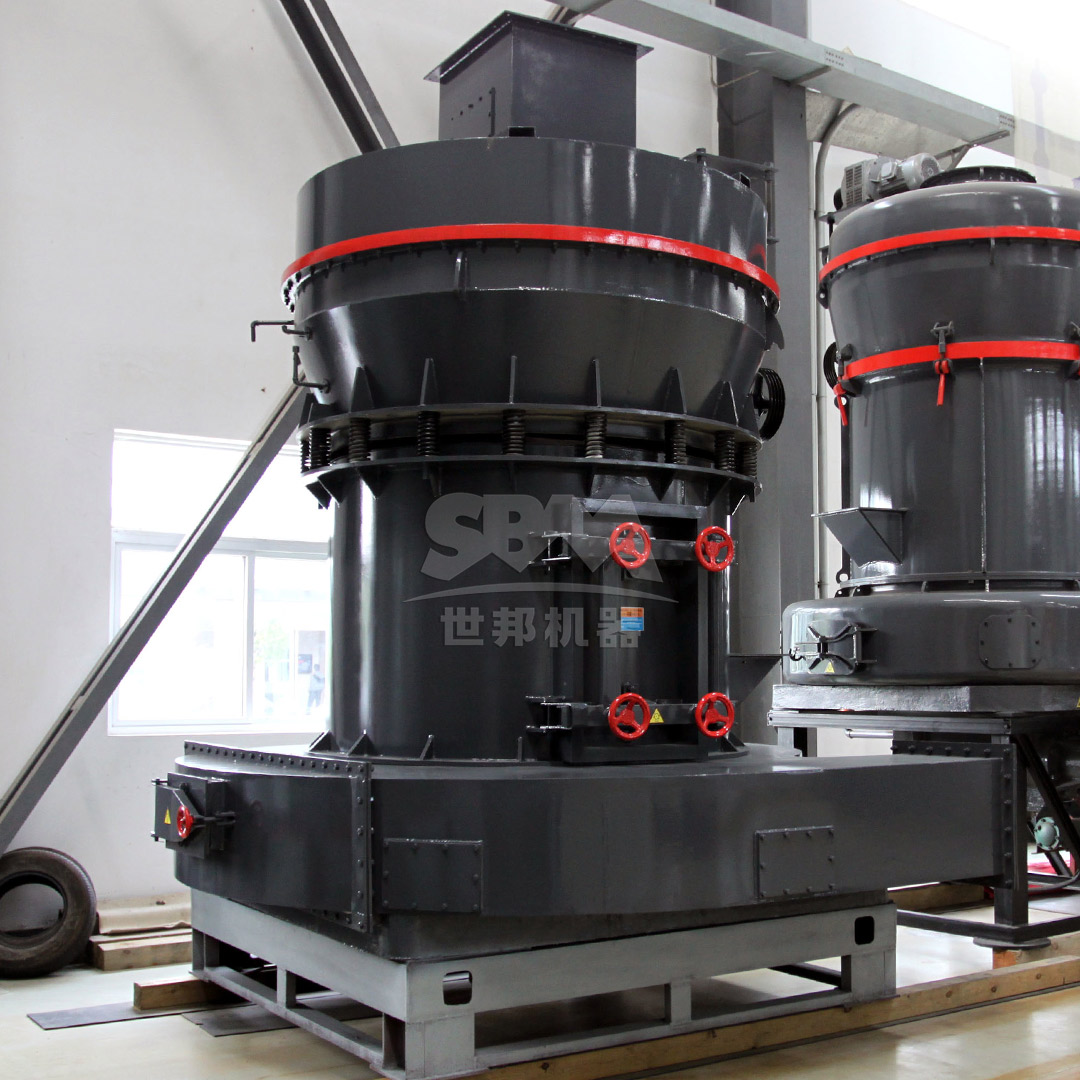
This is the most critical stage for producing 1250 mesh talc powder. The medium-fine powder from the previous stage is fed into an ultra-fine grinding mill integrated with a high-precision air classifier. The mill applies mechanical forces (compression, shear, impact) to break down particles, while the classifier instantly separates the fine product from the coarse material, which is returned for further grinding. For achieving 1250 mesh (5-10μm) fineness consistently and efficiently, the industry-leading choice is our SCM Series Ultrafine Mill.
Specifically designed for ultra-fine powder production, the SCM mill offers unparalleled advantages. Its vertical turbine classifier provides precise particle size cutting, ensuring no coarse powder mixes into the final product, which is essential for the stringent 1250 mesh specification. With an output fineness range of 325-2500 mesh and capacities from 0.5 to 25 tons per hour, it delivers high efficiency while consuming 30% less energy than traditional jet mills. The durable design, featuring special material rollers and rings, ensures long service life and stable operation, making it the cornerstone of a high-yield 1250 mesh talc production line.
| Model | Capacity (t/h) | Main Power (kW) | Output Fineness |
|---|---|---|---|
| SCM1000 | 1.0-8.5 | 132 | 325-2500 mesh |
| SCM1250 | 2.5-14 | 185 | 325-2500 mesh |
| SCM1680 | 5.0-25 | 315 | 325-2500 mesh |
The ultra-fine talc powder carried by the air stream from the classifier must be efficiently collected. A high-efficiency cyclone collector is typically used as the primary collector to separate the bulk of the product. The remaining fine particles in the exhaust air are then captured by a pulse-jet baghouse dust collector, ensuring emission levels far exceed international environmental standards. This system is often integrated with the grinding mill, as seen in the eco-friendly design of the SCM Series.
Depending on the application, the collected talc powder may undergo surface modification (e.g., with silanes or stearic acid) to improve its compatibility with polymers or other matrices in downstream products. Finally, the finished 1250 mesh talc powder is conveyed to silos for storage and then packaged automatically into bags or big bags for shipment.
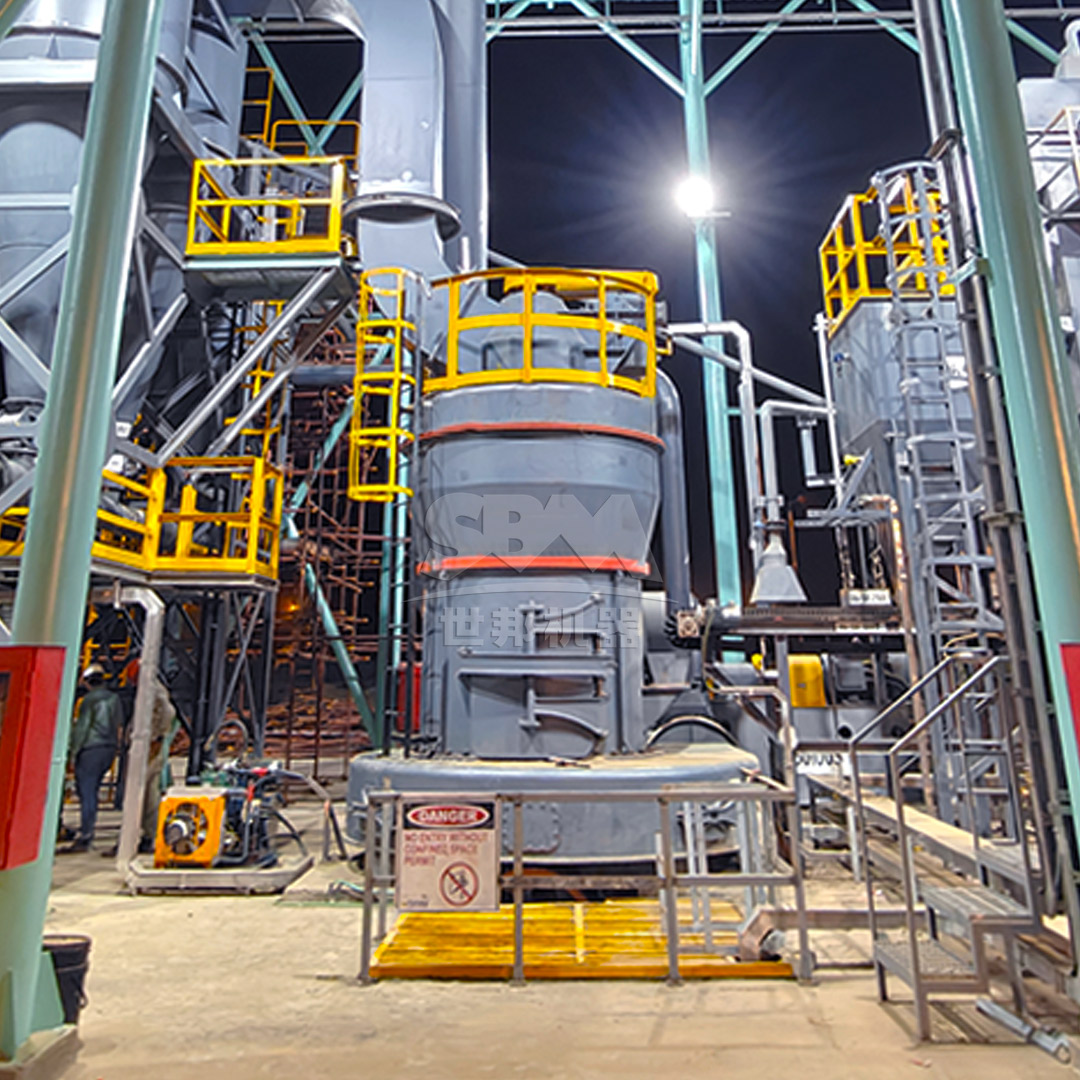
Ultra-fine grinding is energy-intensive. Selecting equipment like the SCM Ultrafine Mill, which offers high capacity with significantly lower energy consumption per ton of product, is vital for long-term operational profitability.
The precision of the integrated air classifier is non-negotiable. A system that allows for tight control over the top cut (maximum particle size) is essential to guarantee that the entire product meets the 1250 mesh specification.
Downtime is costly. Equipment designed for durability, such as mills with wear-resistant grinding elements and easily maintainable components, ensures continuous production and lower lifetime operating costs.
A fully sealed, negative-pressure system with an efficient pulse dust collector is mandatory to contain the ultra-fine talc dust, protect the workplace, and meet stringent environmental regulations.
Building a successful 1250 mesh talc powder production line hinges on a deep understanding of the process flow and the strategic selection of core equipment. The synergy between robust intermediate grinding with solutions like the MTW European Trapezium Mill and precision ultra-fine milling with the SCM Ultrafine Mill creates a complete, efficient, and reliable system. By focusing on energy efficiency, precise classification, system durability, and environmental protection, producers can achieve consistent high-quality talc powder that meets the most demanding market requirements, ensuring a strong competitive edge in the advanced materials industry.