
Bauxite, the primary ore of aluminum, requires precise grinding to specific fineness levels for various industrial applications, including the production of alumina, refractories, abrasives, and proppants. Achieving a consistent 400 mesh (approximately 38 microns) product is a common but critical requirement. Selecting the optimal grinding equipment is paramount, as it directly impacts production efficiency, product quality, energy consumption, and operational costs. This article provides a comprehensive analysis of equipment options for grinding bauxite to 400 mesh, with a focus on technical suitability and operational advantages.
Before selecting equipment, several factors related to bauxite’s properties and production goals must be evaluated:
Several types of grinding mills can achieve 400 mesh fineness. Here, we analyze the most common contenders for bauxite processing.
Ball mills are a well-established technology. They operate by tumbling grinding media (steel balls) inside a rotating cylinder to crush material via impact and attrition.
| Advantages | Disadvantages for 400 Mesh Bauxite |
|---|---|
| Proven, reliable technology. Can handle wet or dry grinding. High capacity available. |
High energy consumption, especially for fine grinding to 400 mesh. Low grinding efficiency; much energy is wasted as heat and noise. Product contamination from media wear. Particle size distribution can be broad, requiring external classification. Large footprint and high capital investment for complete system. |
While suitable for primary or coarse grinding, ball mills are generally not the most efficient or economical choice for dedicated 400 mesh production due to their high operational costs.
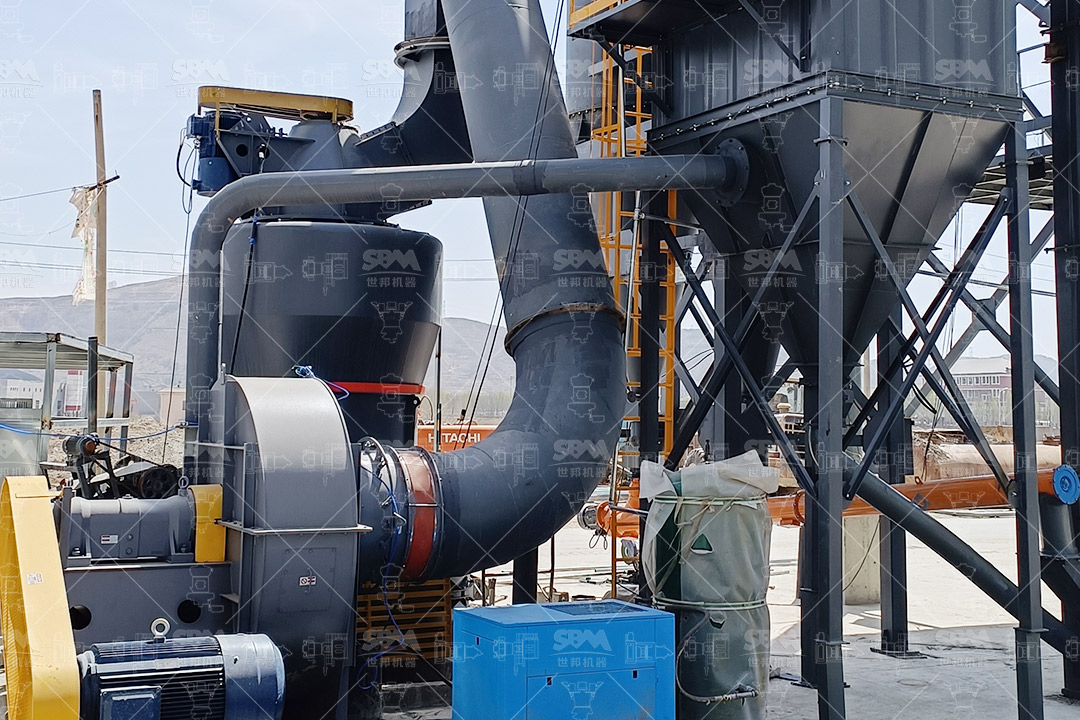
Raymond mills, or medium-speed roller mills, use spring-loaded rollers to crush material against a stationary ring. Modern versions like the MTW European Trapezium Mill offer significant improvements.
| Advantages | Disadvantages for 400 Mesh Bauxite |
|---|---|
| More energy-efficient than ball mills for medium-fine grinding. Integrated dynamic classifier for better size control. Dry grinding system with integrated drying capability. Lower capital cost than vertical mills for medium capacity. |
Pushing towards the upper limit (325-400 mesh) may reduce capacity and increase wear. Grinding ring and roller wear can be significant with abrasive bauxite, affecting fineness stability. May require multiple passes or a closed-circuit system for consistent 400 mesh product. |
For example, our MTW Series European Trapezium Mill is a robust option for bauxite grinding. Its advantages include an anti-wear shovel design and wear-resistant volute structure that directly combat the abrasiveness of bauxite, reducing maintenance costs by up to 30%. The integral bevel gear drive ensures high transmission efficiency (up to 98%) and stable operation. For projects with feed sizes up to 50mm and target fineness in the 30-325 mesh range (which comfortably includes 400 mesh/38μm), the MTW175G or MTW215G models, with capacities from 9.5 to 45 t/h, present an excellent balance of performance and economy.
Vertical Roller Mills (VRMs) have become the industry standard for efficient large-scale grinding. Material is ground between rotating rollers and a rotating table, with immediate classification by an integrated separator.
| Advantages | Disadvantages for 400 Mesh Bauxite |
|---|---|
| Superior energy efficiency (30-50% less power than ball mills). Excellent drying capability for moist feed. Compact design, smaller footprint. Precise particle size control with high-efficiency classifiers. Low wear rates due to bed grinding principle. |
Higher initial capital investment. More complex operation and maintenance requires skilled personnel. May be over-specified for smaller capacity requirements. |
Our LM Series Vertical Roller Mill is particularly well-suited for high-volume bauxite grinding. Its integrated design combines crushing, grinding, drying, and classification in one unit, reducing floor space by 50%. The non-contact design between rollers and table and the use of high-wear-resistant materials extend service life dramatically, a key benefit for abrasive materials. The intelligent control system ensures stable product fineness at 400 mesh with minimal manual intervention. For dedicated 400 mesh bauxite production, the LM Vertical Fine-powder Mill Series (LM130X-GX to LM220X-GX) is specifically engineered to produce powder in the 325-600 mesh range, making it an ideal, high-efficiency choice.
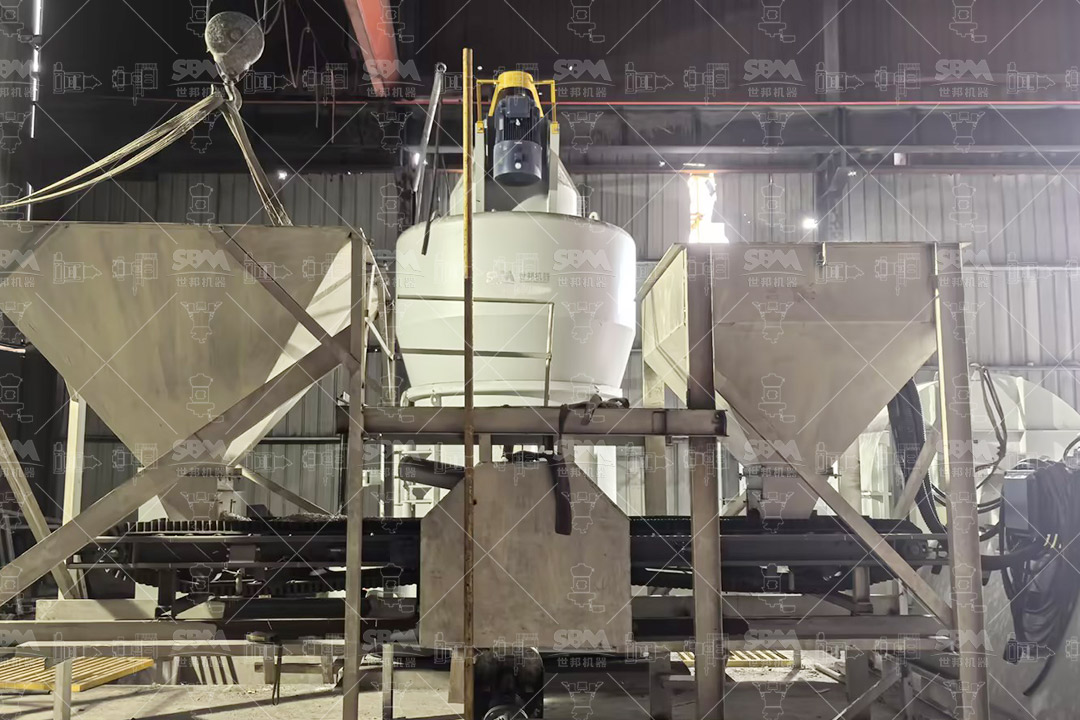
For applications demanding very fine and uniform powder, ultrafine mills are the specialist equipment. They utilize a similar principle to VRMs but are optimized for higher fineness and often incorporate more advanced classification technology.
| Advantages | Disadvantages for 400 Mesh Bauxite |
|---|---|
| Capable of producing very fine (2500+ mesh) and uniform powder. High-precision turbine classification ensures no coarse particle mixing. High efficiency for its target fineness range. Compact, environmentally friendly design with high dust collection efficiency. |
Lower single-unit capacity compared to large VRMs for the same fineness. Higher specific investment cost for standard 400 mesh production if ultra-fine capability is not needed. Feed size must be very small (typically ≤20mm). |
Our flagship SCM Series Ultrafine Mill represents the pinnacle of fine and ultrafine grinding technology. While it excels at producing powder from 325 to 2500 mesh, it is also exceptionally efficient and stable at the 400 mesh target for high-value bauxite applications. Its core advantages include:
High Efficiency & Energy Saving: It offers twice the capacity of a jet mill with 30% lower energy consumption, thanks to its intelligent control system with automatic granularity feedback.
High-Precision Classification: The vertical turbine classifier achieves precise particle size cutting, guaranteeing a uniform 400 mesh product without coarse contamination.
Durable Design: Special material rollers and rings and a shaftless screw grinding chamber ensure long service life and stable operation, even with abrasive bauxite.
For bauxite grinding plants where product quality, uniformity, and energy savings are paramount, the SCM Series (e.g., SCM1000 or SCM1250) is an outstanding investment.
The “best” equipment for grinding bauxite to 400 mesh depends heavily on the specific project parameters: required capacity, feed characteristics, capital budget, and long-term operational cost goals.
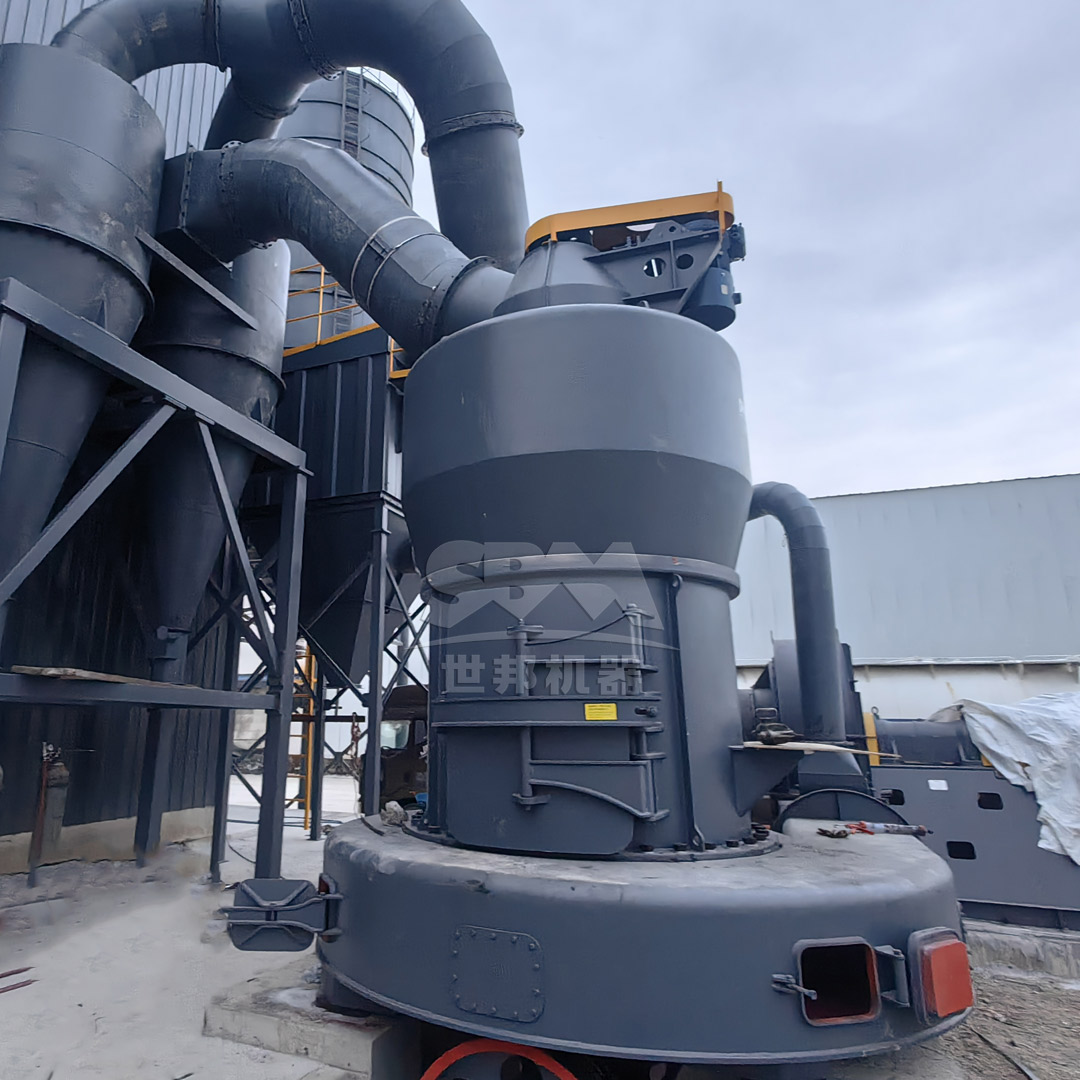
In summary, moving away from traditional ball mills to modern roller-based systems (MTW, LM, or SCM) is essential for efficient 400 mesh bauxite processing. A thorough evaluation of your plant’s specific needs against the advanced technological advantages of these mills will lead to the optimal selection, ensuring profitability and competitiveness in the market.

