Coal gangue, a solid waste discharged during coal mining and washing, presents both an environmental challenge and a potential resource. Its effective utilization, particularly in applications like building materials, cement additives, and soil conditioners, hinges on efficient grinding to a suitable fineness. The 60 mesh (approximately 250 microns) specification is a common requirement for many secondary applications, balancing reactivity, handling properties, and production cost. Selecting the appropriate grinding equipment is paramount to achieving a profitable and sustainable operation. This article delves into the technical considerations for equipment selection and outlines a professional production process for producing 60 mesh coal gangue powder, with a focus on recommending optimal solutions from our product portfolio.
Before selecting grinding equipment, a thorough understanding of coal gangue’s physical and chemical properties is essential. Typically, coal gangue has a Mohs hardness ranging from 3 to 4, but it can contain harder silicate minerals. Its moisture content can vary significantly, and it often exhibits moderate abrasiveness. The target output of 60 mesh requires a mill capable of reliable medium-fine grinding with robust wear resistance to handle the abrasive components. The chosen system must also be energy-efficient to ensure the economic viability of the processing operation.
| Property | Typical Range | Impact on Grinding |
|---|---|---|
| Hardness (Mohs) | 3 – 4 | Determines required grinding pressure and power. |
| Abrasiveness | Medium-High | Dictates wear part material and maintenance cycle. |
| Feed Size (Target) | < 50 mm | Influences pre-crushing stage and mill inlet design. |
| Moisture Content | 5% – 15% | Affects material flow, grinding efficiency, and may require drying. |
The selection of grinding equipment is a balance between capital expenditure, operational costs (primarily energy and wear parts), production capacity, and product quality. For the 60 mesh specification, several mill types are technically feasible, but their economic and operational profiles differ markedly.
Ball mills are a conventional choice, known for their robustness and wide particle size adjustment range. However, for grinding coal gangue to 60 mesh, they suffer from high energy consumption (low specific surface area production efficiency) and significant wear on grinding media and liners. Their large footprint and high noise levels are additional drawbacks for modern, cost-conscious operations.
Raymond mills have been widely used for medium-fine grinding. Older designs, however, can struggle with the abrasiveness of coal gangue, leading to high maintenance frequency for rollers and grinding rings. Their classification efficiency for a tight 60 mesh cut can also be a limitation, potentially resulting in product inconsistency.
For the efficient and reliable production of 60 mesh coal gangue powder, modern vertical roller mills and European-type trapezium mills offer superior performance. These systems are engineered for higher efficiency, lower wear, and better classification control.
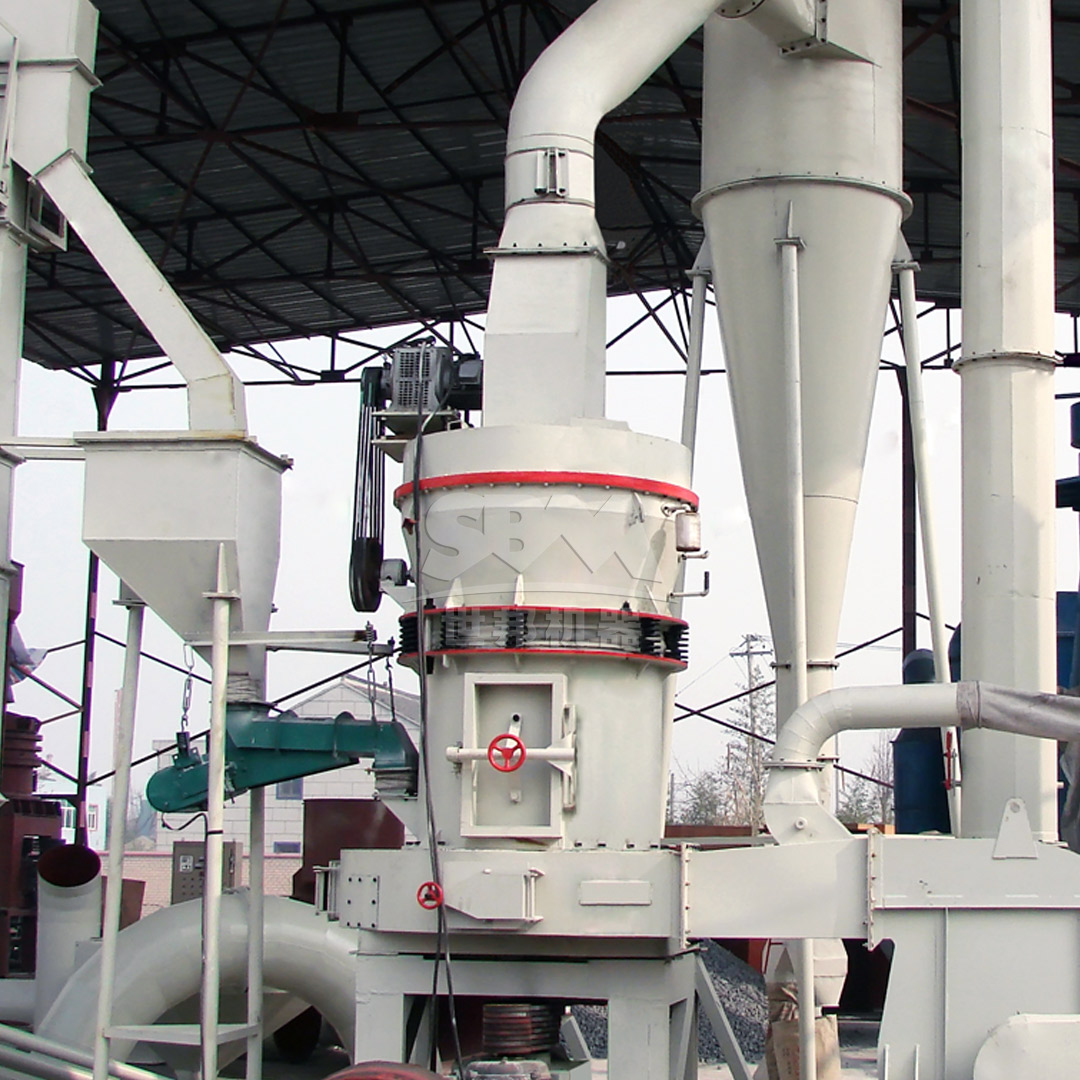
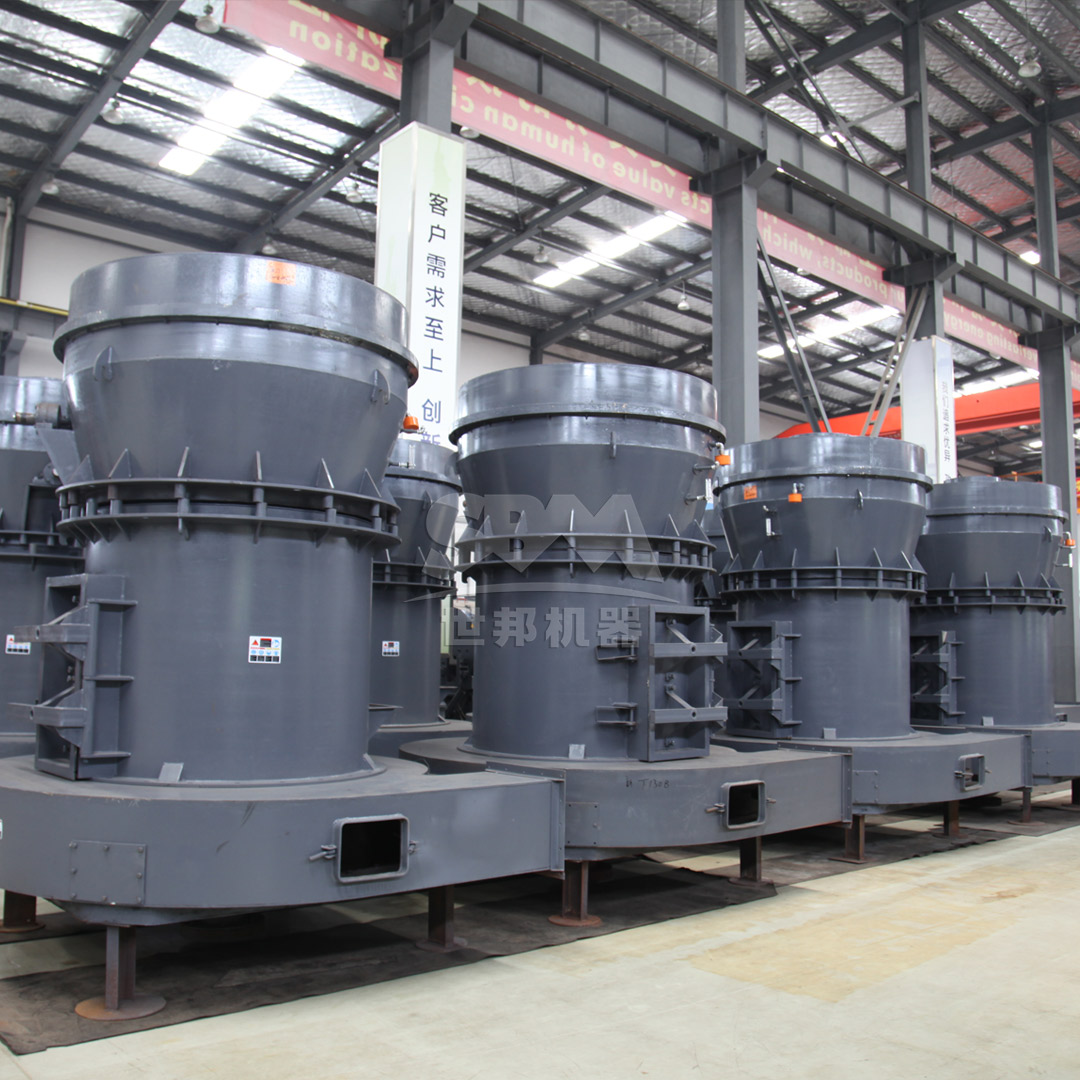
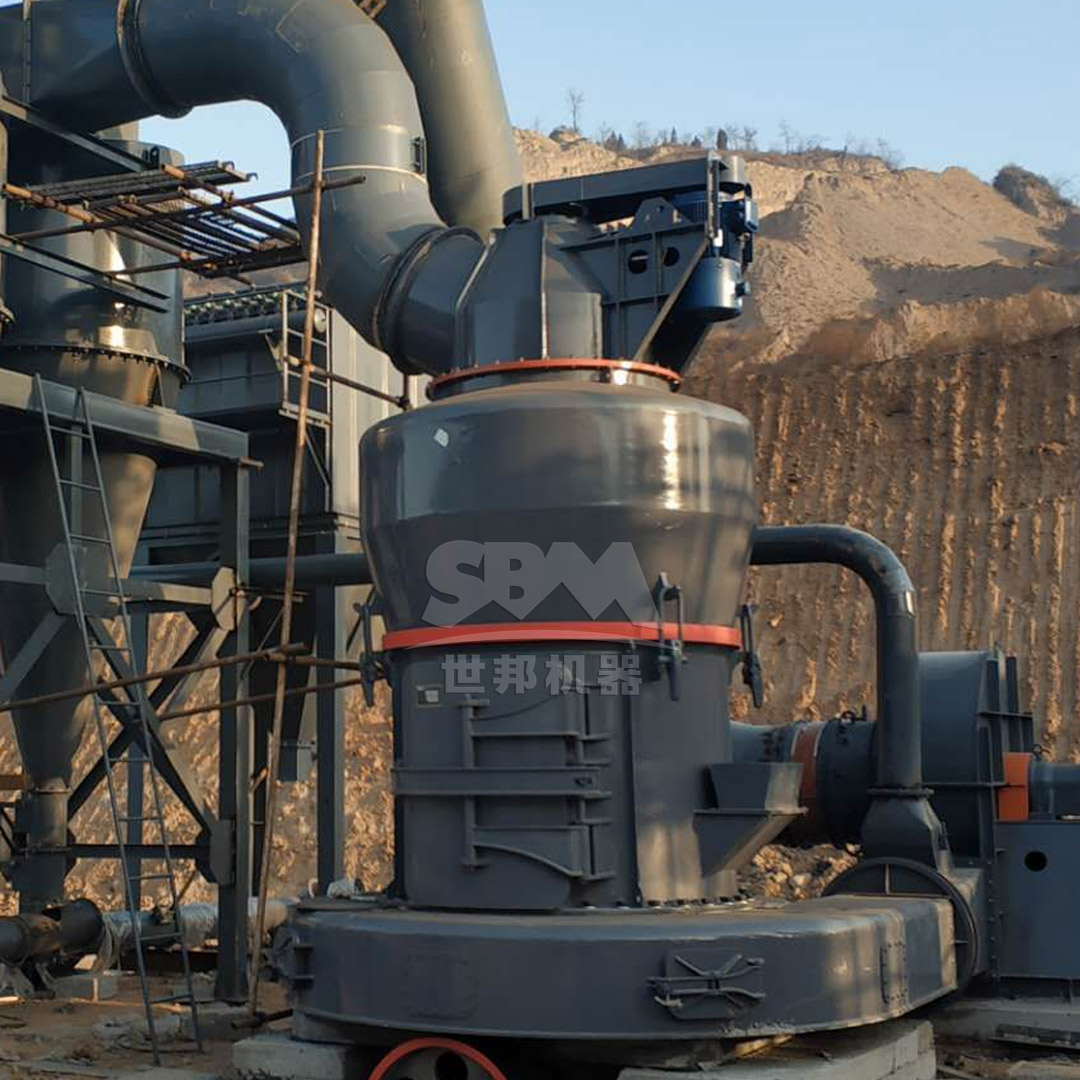
For this specific application, we highly recommend our MTW Series European Trapezium Mill. This mill is exceptionally well-suited for processing materials like coal gangue to fineness levels between 30-325 mesh, perfectly encompassing the 60 mesh target.
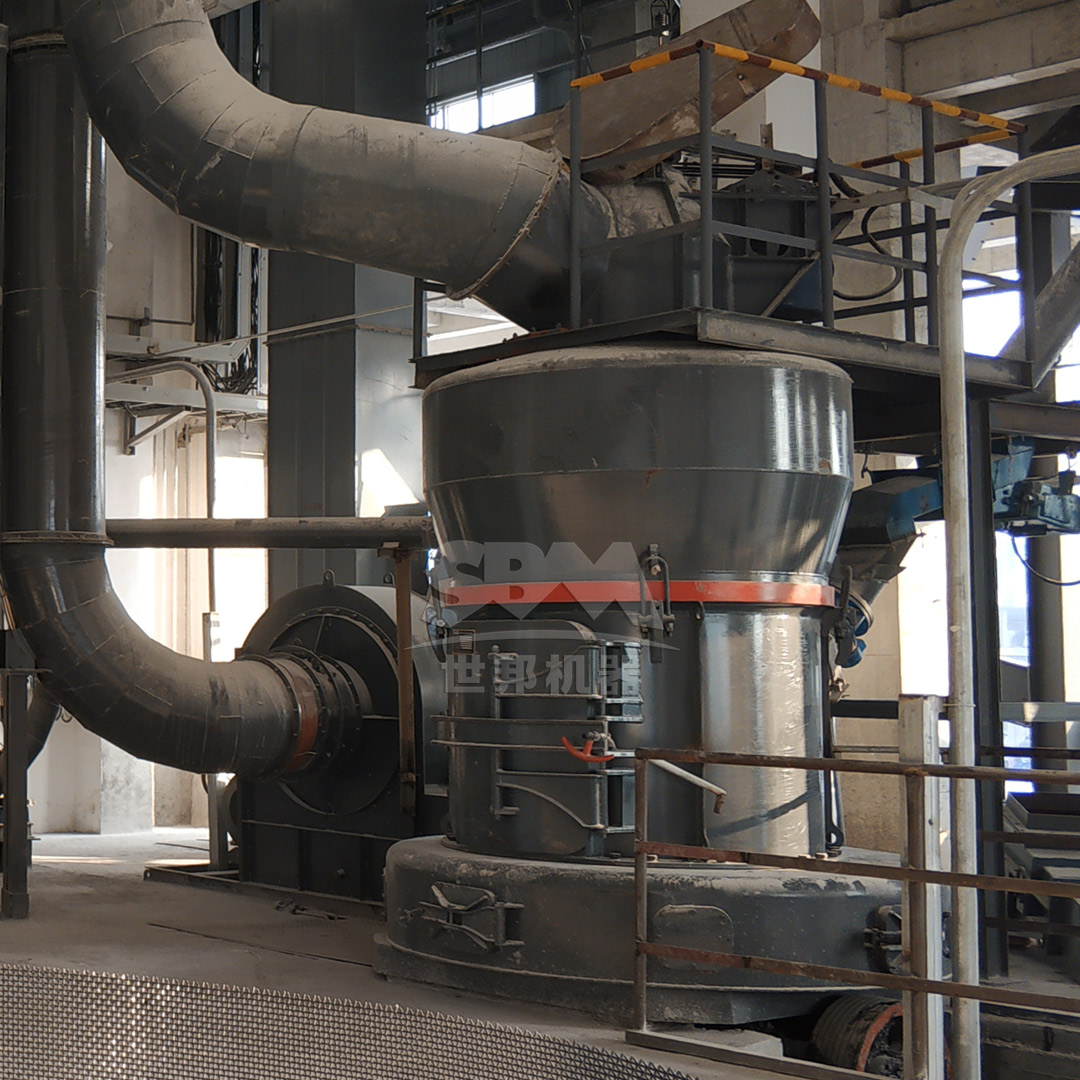
Why the MTW Series is Ideal for 60 Mesh Coal Gangue:
For operations that require even higher fineness in the future or are processing particularly hard varieties of gangue, our LM Series Vertical Roller Mill presents another excellent option. Its integrated design reduces footprint by 50%, and its grinding principle offers exceptional energy savings of 30-40% versus ball mills. The non-contact design between rollers and the grinding table dramatically extends the life of wear parts, a key advantage for abrasive materials.
A professional production line for 60 mesh coal gangue powder involves more than just the grinding mill. It is an integrated system designed for efficiency, quality control, and environmental protection.
Raw coal gangue is first fed into a jaw crusher or hammer mill to reduce its size to below 50mm (meeting the feed requirement for the MTW mill). If the moisture content is high (>10%), a rotary dryer may be incorporated to pre-dry the material, ensuring optimal grinding efficiency and preventing clogging in the mill and classifier.
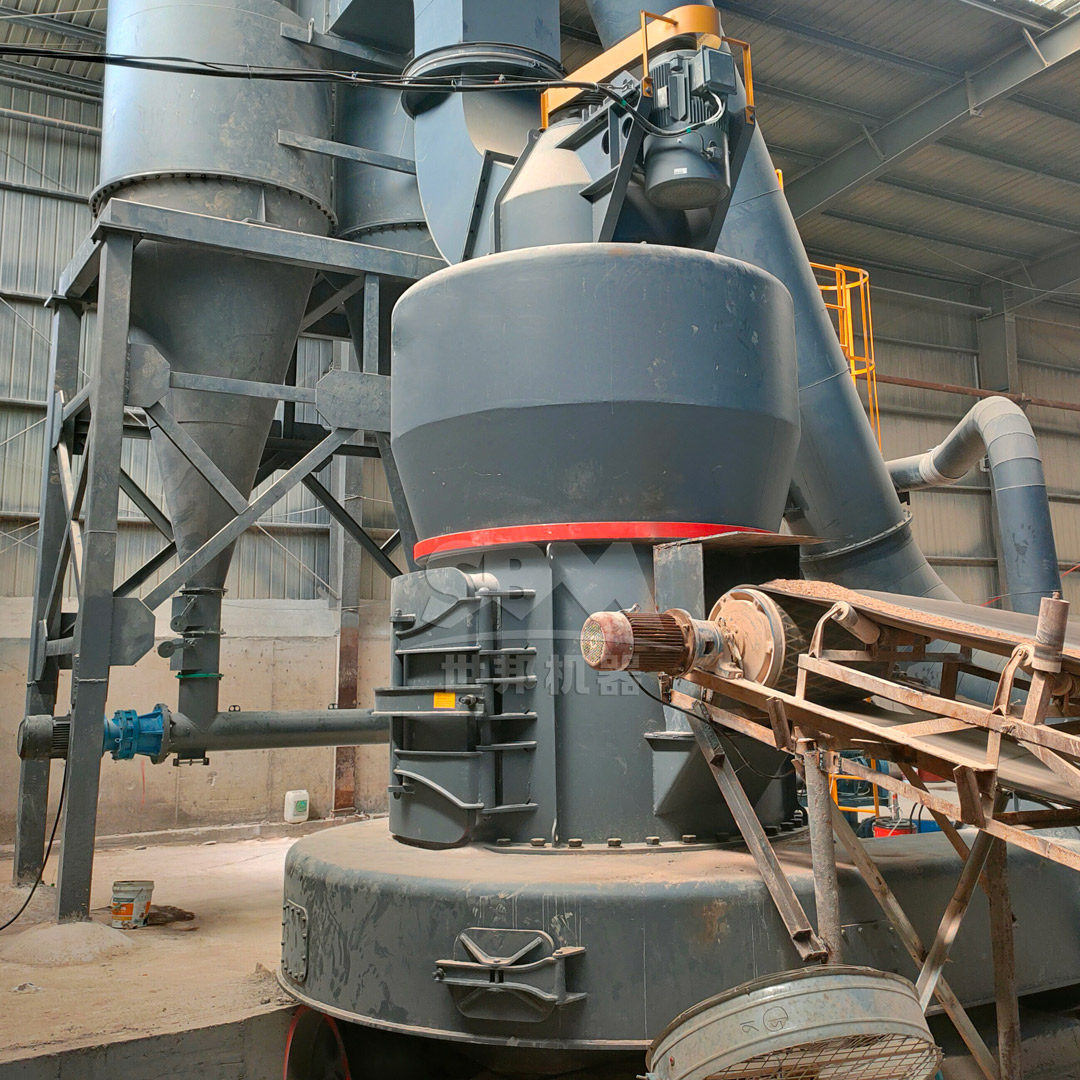
The pre-processed material is conveyed to the raw material bin. A vibrating feeder, such as the GZ series, meters the material at a consistent rate into the MTW European Trapezium Mill. Inside the mill, combined shovels scoop and throw the material onto the grinding ring. The grinding rollers, revolving under centrifugal force, crush the material through extrusion. The ground powder is carried by the airflow to the integrated classifier.
This is the critical stage for achieving 60 mesh. The high-precision turbine classifier inside the MTW mill separates particles. Those meeting the 60 mesh (or finer) specification pass through, while coarser particles are rejected and returned to the grinding chamber for further size reduction. This closed-circuit grinding ensures product consistency.
The fine powder that passes the classifier is transported by the air stream into a cyclone collector, where the majority of the product is separated and discharged via a lock valve. The remaining air, carrying a small amount of ultra-fine powder, enters a pulse-jet bag filter (or dust collector). Our mills are equipped with high-efficiency pulse dust removal systems with efficiency exceeding 99.9%, ensuring emissions are well within international environmental standards. The cleaned air is exhausted by a system fan, and the collected ultra-fine powder can be blended with the main product.
The final 60 mesh coal gangue powder is conveyed to product silos for storage. It can then be packaged in bulk bags or smaller bags for shipment, or loaded directly into tanker trucks for bulk delivery.
| Process Stage | Key Equipment | Primary Function |
|---|---|---|
| Pre-Crushing | Jaw Crusher / Hammer Mill | Reduce feed size to <50mm |
| Grinding & Classification | MTW European Trapezium Mill | Grind to 60 mesh with precise size cut |
| Product Collection | Cyclone Separator | Primary separation of powder from air |
| Dust Removal | Pulse-Jet Bag Filter | Final air purification, meet emission standards |
| Conveying & Storage | Screw Conveyor, Silo | Transport and store finished powder |
Producing high-quality 60 mesh coal gangue powder profitably requires a carefully selected grinding system and a well-designed process flow. While multiple equipment options exist, advanced mills like the MTW Series European Trapezium Mill offer a compelling combination of energy efficiency, wear resistance, precise classification, and large capacity that is specifically tailored for the challenges posed by abrasive industrial minerals like coal gangue. By investing in the right technology and implementing a professional production process, operators can transform coal gangue from a waste liability into a valuable resource, contributing to both economic returns and environmental sustainability.