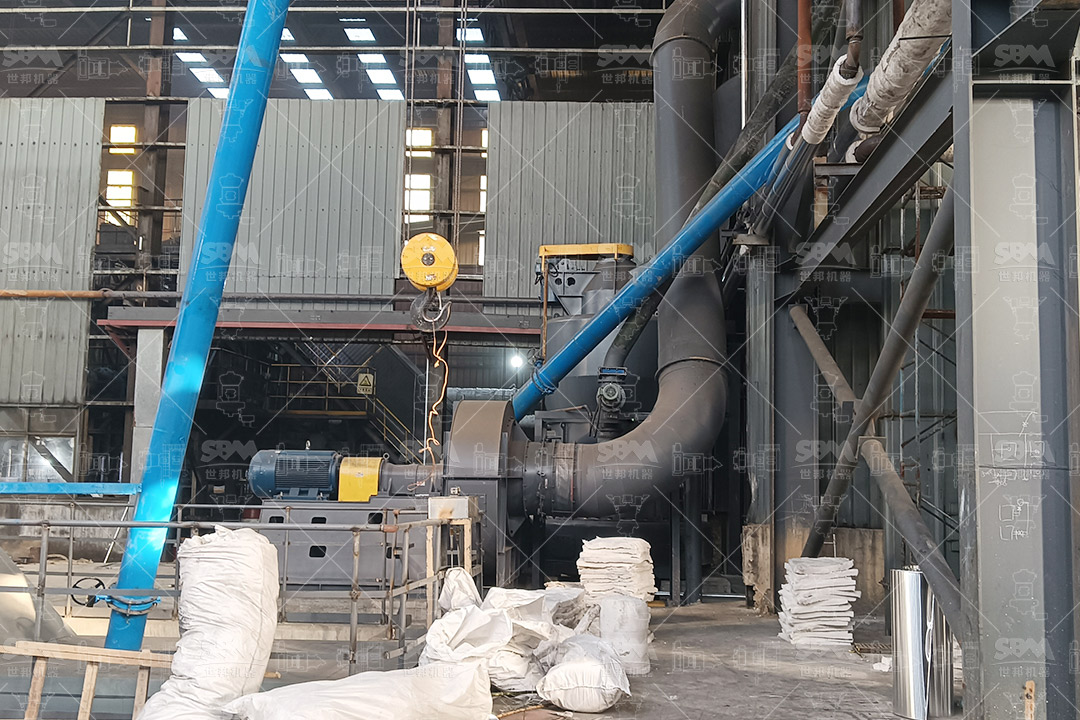
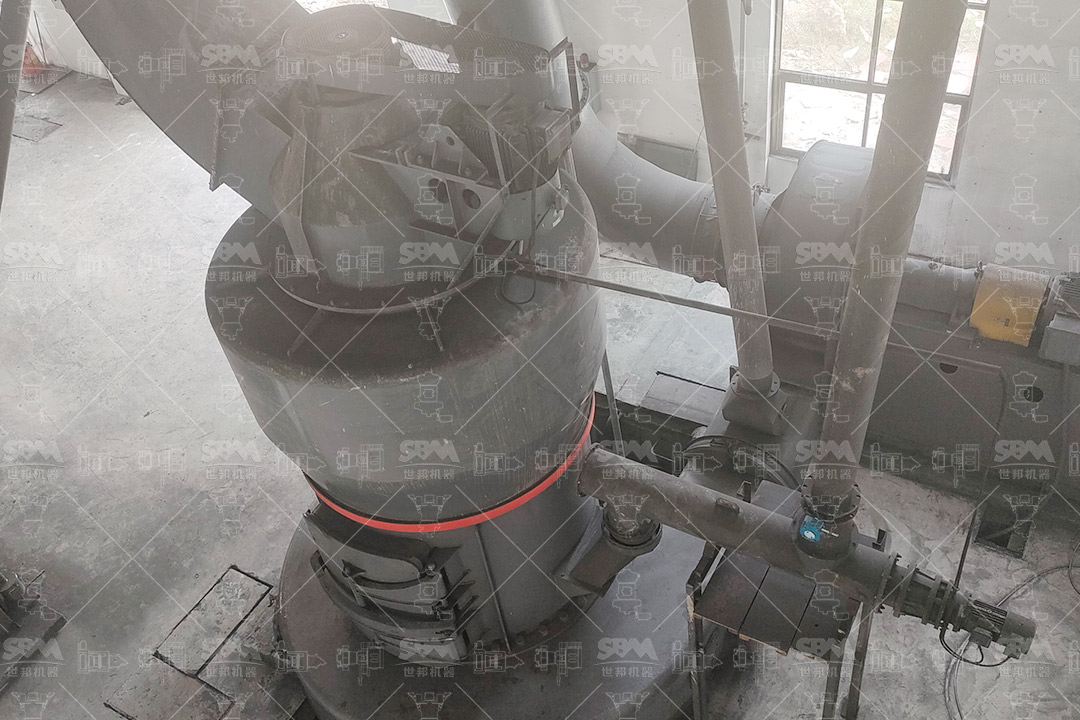
Barium sulfate (BaSO₄), commonly known as barite, is a critical mineral in radiation shielding applications due to its high density (4.5 g/cm³) and effective attenuation properties against gamma rays and X-rays. The effectiveness of barite in shielding materials heavily depends on its particle size distribution and purity, making the grinding process a crucial factor in determining final product performance. This article explores the technical requirements for barite grinding in radiation shielding applications and presents optimal milling solutions.
Barite’s effectiveness in radiation shielding stems from its high atomic number elements (barium has Z=56), which provides excellent photon attenuation capabilities. For optimal performance in shielding composites, barite powder must meet specific criteria:
| Particle Size Range (μm) | Shielding Efficiency (%) | Composite Density (g/cm³) | Application |
|---|---|---|---|
| 45-75 | 75-82 | 3.2-3.5 | General purpose shielding |
| 20-45 | 83-89 | 3.5-3.8 | Medical facilities |
| 5-20 | 90-94 | 3.8-4.1 | Nuclear power plants |
| ≤5 | 95-98 | 4.1-4.3 | High-precision applications |
Producing barite powder for radiation shielding requires precise control over particle size distribution and minimal contamination. Traditional grinding methods often introduce impurities or fail to achieve the required fineness consistently. Modern grinding technologies address these challenges through advanced mechanical designs and classification systems.
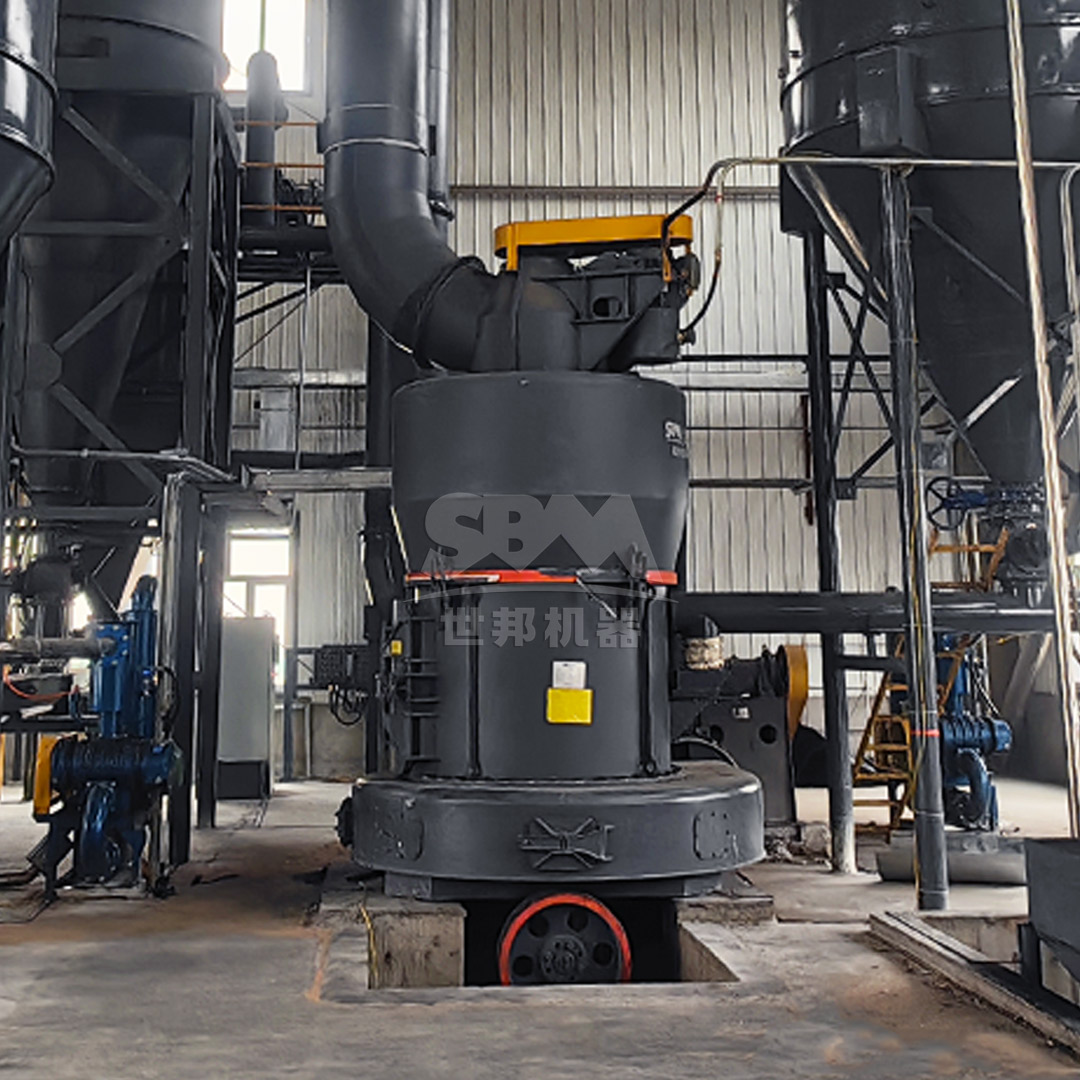
Based on the specific requirements for radiation shielding applications, we recommend the following grinding equipment that has demonstrated exceptional performance in producing high-quality barite powder.
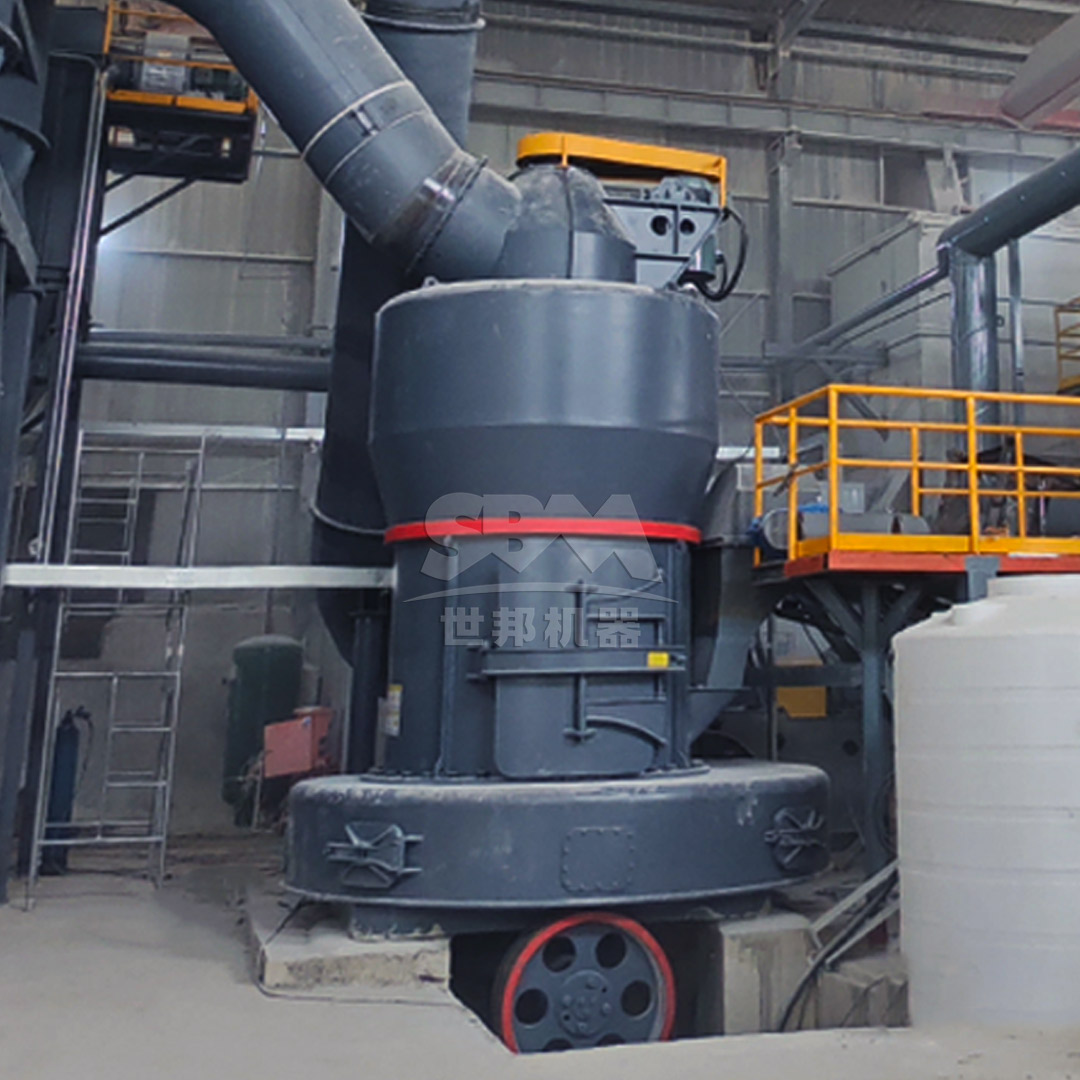
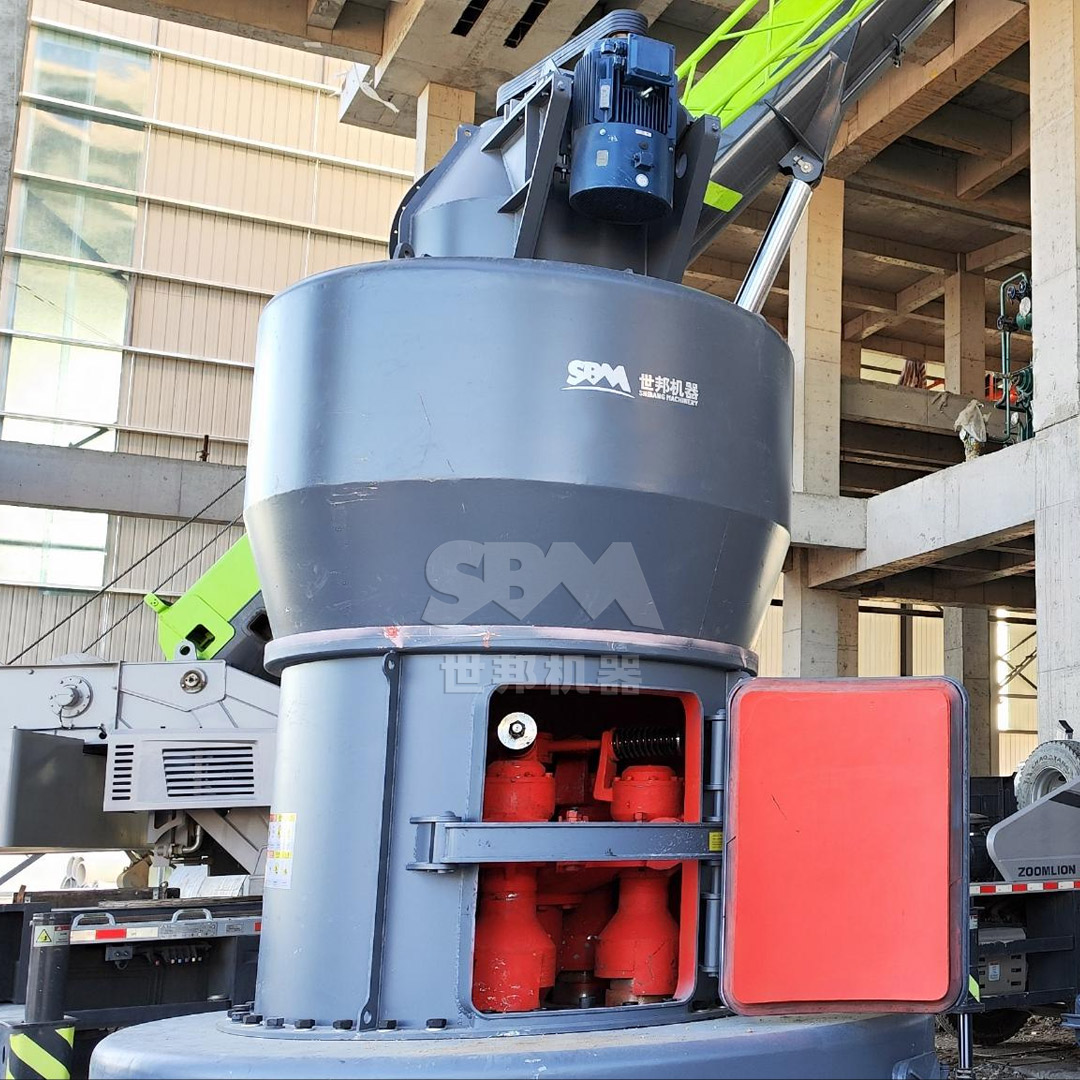
For applications requiring the highest level of radiation protection, such as nuclear medicine and precision instrumentation, the SCM Ultrafine Mill delivers exceptional performance with output fineness reaching 325-2500 mesh (D97 ≤ 5μm). This level of fineness ensures maximum packing density in shielding composites, significantly enhancing attenuation properties.
The SCM series incorporates several technological advantages specifically beneficial for barite processing:
| Model | Processing Capacity (ton/h) | Main Motor Power (kW) | Output Fineness (mesh) | Recommended Application |
|---|---|---|---|---|
| SCM800 | 0.5-4.5 | 75 | 325-2500 | Laboratory & small-scale production |
| SCM1000 | 1.0-8.5 | 132 | 325-2500 | Medical equipment shielding |
| SCM1250 | 2.5-14 | 185 | 325-2500 | Nuclear facility components |
| SCM1680 | 5.0-25 | 315 | 325-2500 | Large-scale industrial applications |
For large-scale radiation shielding projects requiring substantial volumes of barite powder, the MTW Series Trapezium Mill offers an optimal balance between production capacity and particle size control. With output fineness ranging from 30-325 mesh and processing capacities up to 45 tons per hour, this mill is ideal for construction-scale radiation shielding concrete and bulk applications.
The MTW series incorporates several innovative features:
For barite processing specifically, the MTW215G model with 45 TPH capacity and 280kW main motor power provides the most cost-effective solution for large-scale radiation shielding concrete production, where both quantity and consistent quality are paramount.
A recent project involving the construction of a nuclear power plant required 850 tons of barite powder for radiation shielding concrete. The project specifications demanded particle size distribution with D90 ≤ 15μm and strict limits on magnetic impurities. After evaluating multiple grinding technologies, the SCM1250 Ultrafine Mill was selected for its ability to consistently meet these stringent requirements.
The installation achieved:
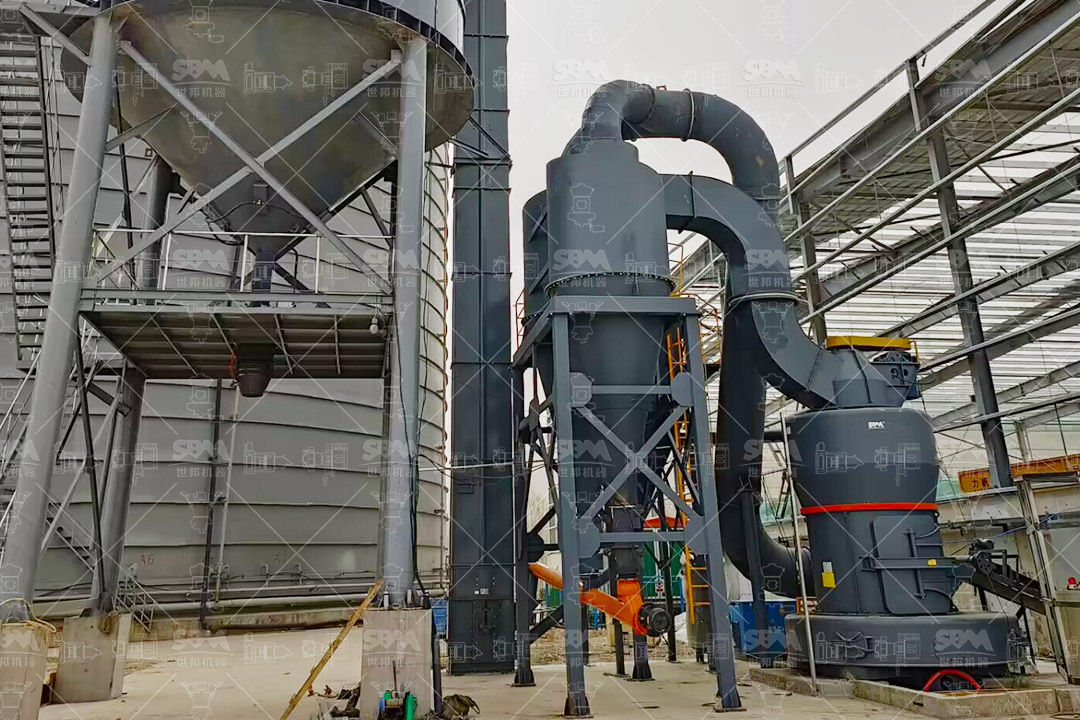
Maintaining consistent quality in barite powder for radiation shielding requires rigorous testing protocols throughout the grinding process. Key parameters monitored include:
| Parameter | Test Method | Frequency | Acceptance Criteria |
|---|---|---|---|
| Particle Size Distribution | Laser diffraction | Every 2 hours | D90 ≤ specification + 2μm |
| Specific Gravity | Pycnometer | Every 4 hours | ≥ 4.45 g/cm³ |
| Chemical Composition | XRF | Every shift | BaSO₄ ≥ 94% |
| Moisture Content | Loss on drying | Every 4 hours | ≤ 0.5% |
While radiation shielding applications demand premium quality barite powder, economic factors remain important in equipment selection. The SCM and MTW series mills offer favorable return on investment through:
For typical radiation shielding applications, the payback period for upgrading to advanced grinding technology ranges from 14-22 months, with ongoing operational savings of 25-40% compared to conventional grinding systems.
The field of radiation shielding continues to evolve, with increasing demands for more effective, lighter, and more versatile materials. Barite grinding technology must adapt to these changing requirements through:
The SCM and MTW series mills, with their precision control and flexibility, are well-positioned to meet these emerging challenges in radiation shielding technology.
The production of high-quality barite powder for radiation shielding applications requires sophisticated grinding technology that can deliver precise particle size control, consistent quality, and economic operation. The SCM Ultrafine Mill and MTW Series Trapezium Mill represent optimal solutions for different scales and requirements within the radiation shielding industry. By selecting the appropriate grinding technology and implementing rigorous quality control protocols, manufacturers can ensure their barite-based shielding materials provide the maximum protection required for nuclear, medical, and industrial applications.