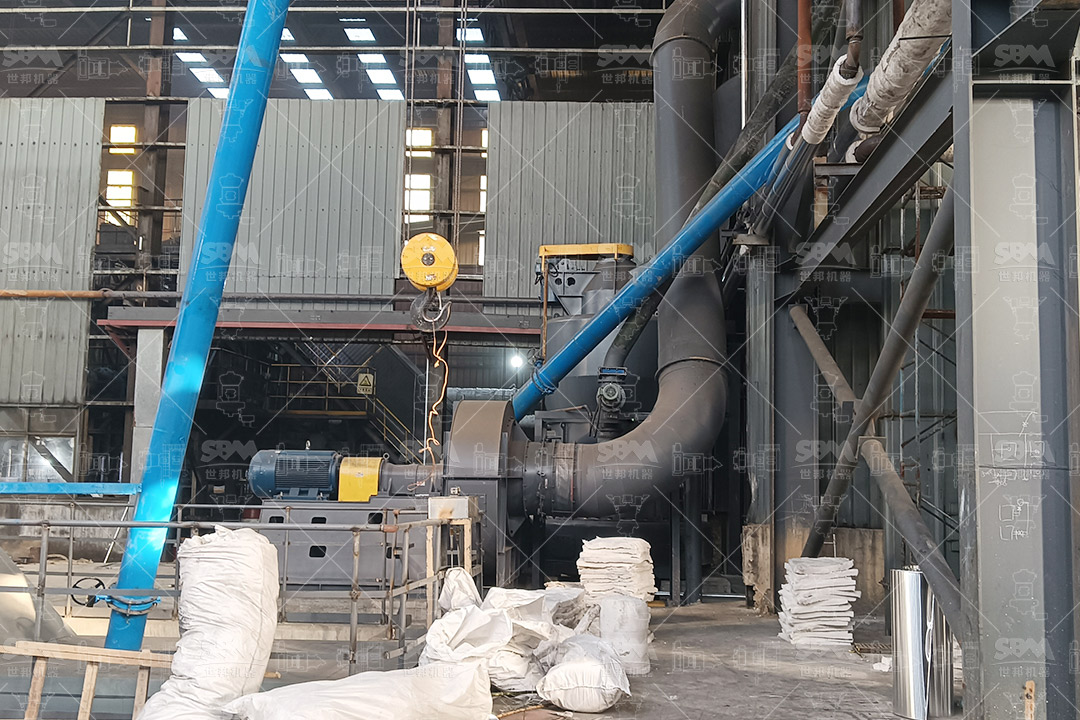
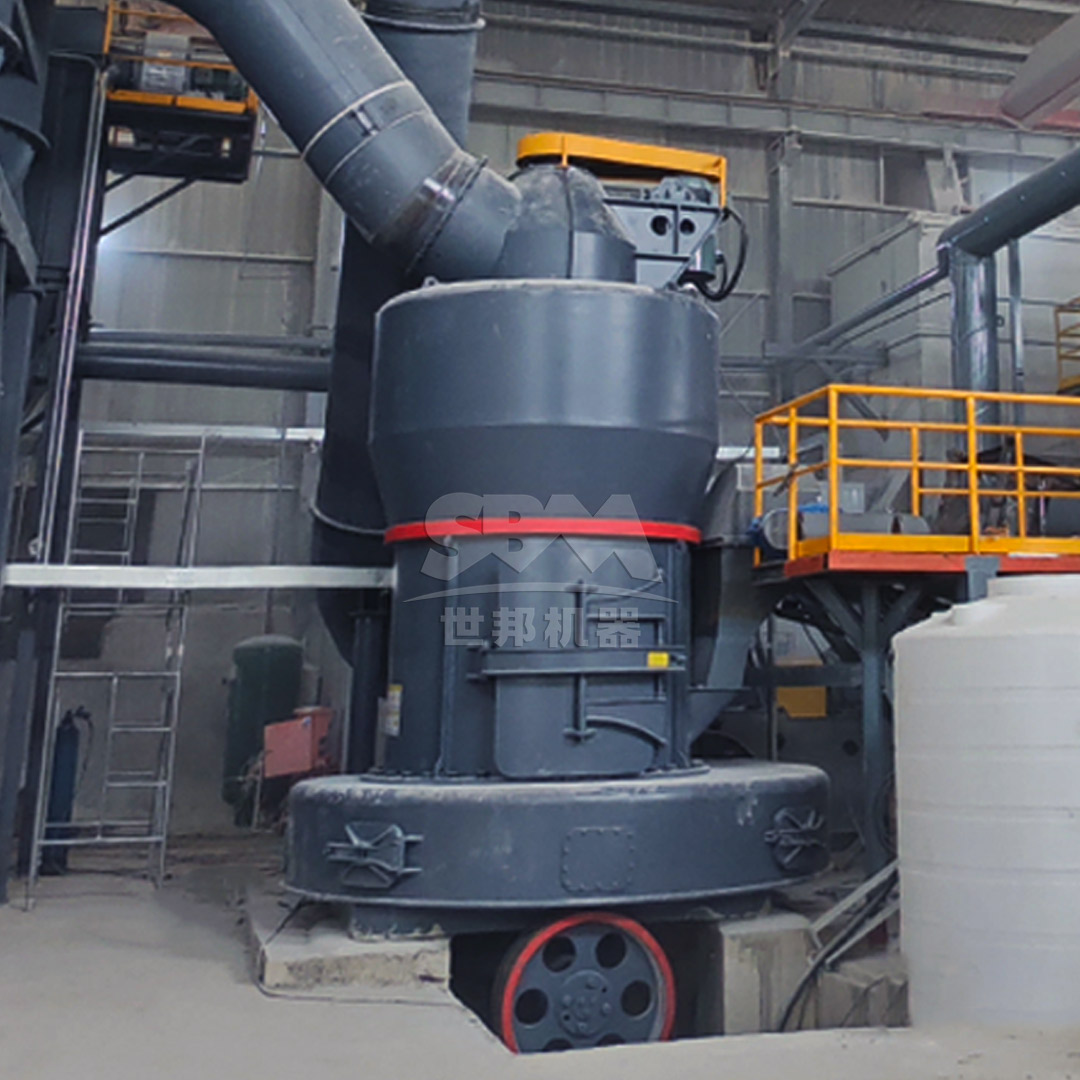
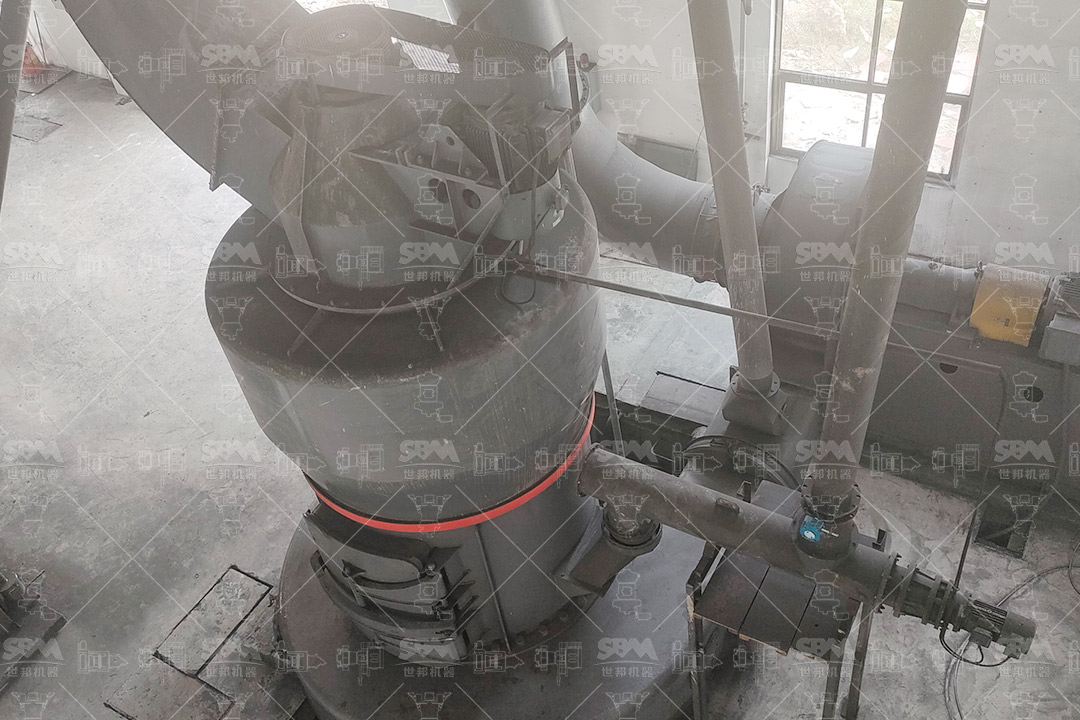
Agricultural soil conditioning represents one of the most critical applications of mineral processing technology in modern farming practices. Among various soil amendments, limestone powder has emerged as a fundamental solution for addressing soil acidity and improving overall soil health. The effectiveness of limestone powder in agriculture is directly proportional to its fineness and uniformity, which determines the speed and efficiency of soil reaction. This article explores the multifaceted benefits of using professionally processed limestone powder for soil conditioning and examines the advanced milling technologies that enable optimal agricultural outcomes.
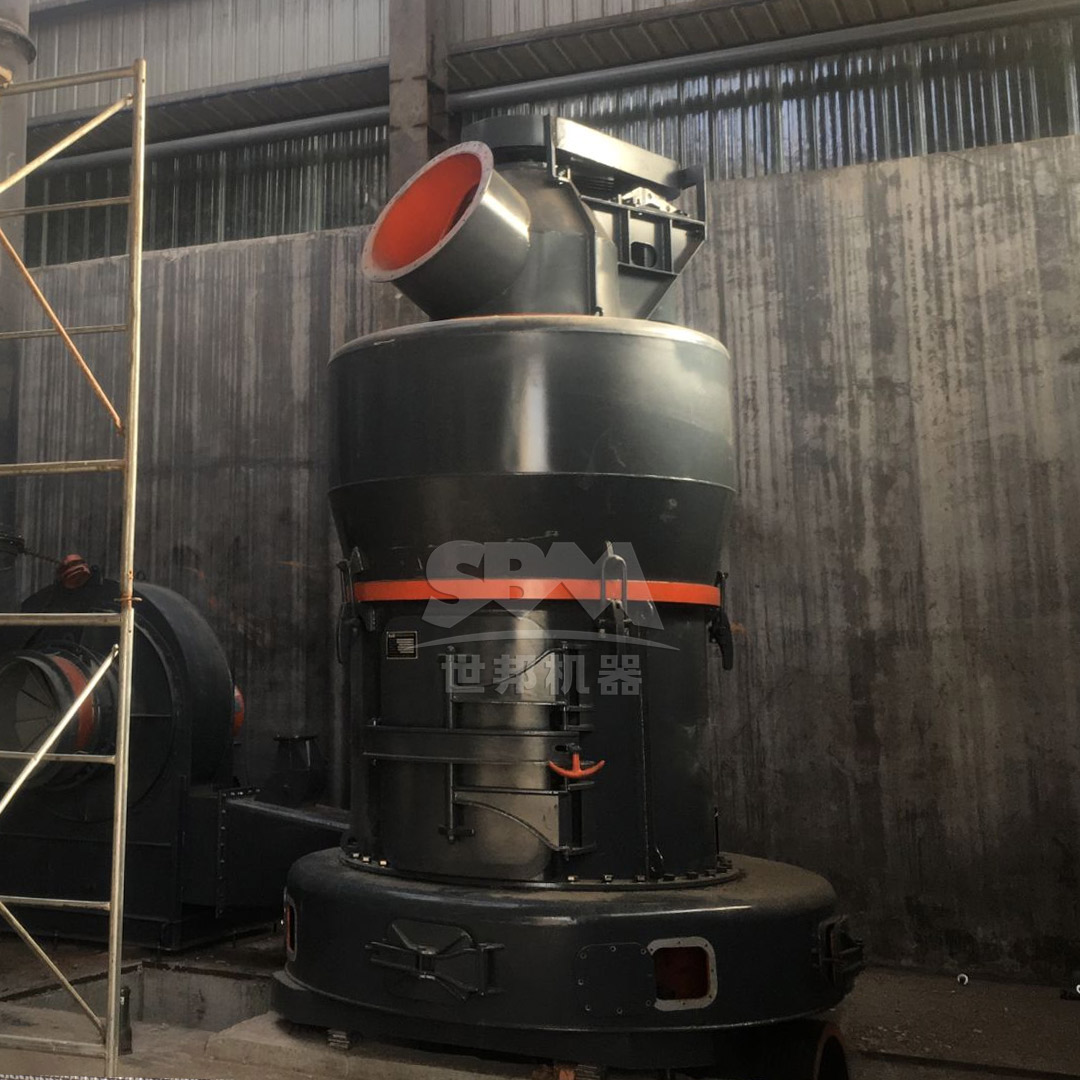
The transformation of raw limestone into agricultural-grade powder requires sophisticated milling equipment capable of producing consistent particle sizes within specific ranges. Traditional crushing methods often yield inconsistent results with limited control over final product characteristics. Modern milling technology addresses these limitations through precision engineering and advanced classification systems, ensuring that every particle of limestone powder contributes effectively to soil improvement.
Limestone powder functions primarily through chemical neutralization of soil acidity. The calcium carbonate (CaCO₃) and magnesium carbonate (MgCO₃) present in limestone react with hydrogen ions in the soil solution, effectively raising pH levels toward the optimal range for most crops (pH 6.0-7.0). The chemical reaction proceeds as follows: CaCO₃ + 2H⁺ → Ca²⁺ + CO₂ + H₂O. This process not only reduces acidity but also supplies essential calcium and magnesium nutrients to plants.
The rate of this reaction is heavily dependent on particle size distribution. Finer particles present greater surface area for chemical interaction, resulting in faster pH adjustment. Research demonstrates that limestone powder with particle sizes below 250 mesh (≤60μm) reacts completely within 6-12 months, while coarser materials may require several years for full effectiveness. This temporal factor is crucial for agricultural planning and crop rotation strategies.
Beyond chemical modification, limestone powder profoundly influences soil biology. Most beneficial soil microorganisms, including nitrogen-fixing bacteria and nutrient-mobilizing fungi, thrive in near-neutral pH conditions. By creating a more favorable environment, limestone application enhances microbial activity, leading to improved organic matter decomposition, nutrient cycling, and soil structure development.
The physical presence of fine limestone particles also contributes to soil aggregation—the formation of stable soil clusters that improve water infiltration, root penetration, and resistance to erosion. This structural improvement is particularly valuable in heavy clay soils, where poor aggregation often limits agricultural productivity.
| Parameter | Optimal Range | Agricultural Significance |
|---|---|---|
| Particle Size (D97) | 45-250μm (325-60 mesh) | Balances reaction speed with dust control |
| Calcium Carbonate Equivalent | >90% | Determines neutralizing capacity |
| Magnesium Content | 3-12% (dolomitic limestone) | Provides essential magnesium nutrient |
| Moisture Content | <2% | Prevents caking and ensures uniform application |
| Heavy Metal Contamination | Below regulatory limits | Ensures food safety and environmental protection |
Meeting these specifications requires milling equipment with precise control over particle size distribution and contamination prevention. The ideal agricultural limestone powder should contain a balanced mix of particle sizes—sufficiently fine for rapid reaction yet coarse enough to minimize dust during handling and application. This balance is achieved through advanced classification systems that separate particles according to strict size criteria.
For operations requiring the finest limestone powder with maximum reactivity, the SCM Ultrafine Mill represents the pinnacle of milling technology. With output fineness ranging from 325 to 2500 mesh (45-5μm), this equipment produces limestone powder with exceptional surface area and rapid soil reaction characteristics. The mill’s vertical turbine classifier ensures precise particle size control, eliminating coarse particles that would otherwise slow the soil amendment process.
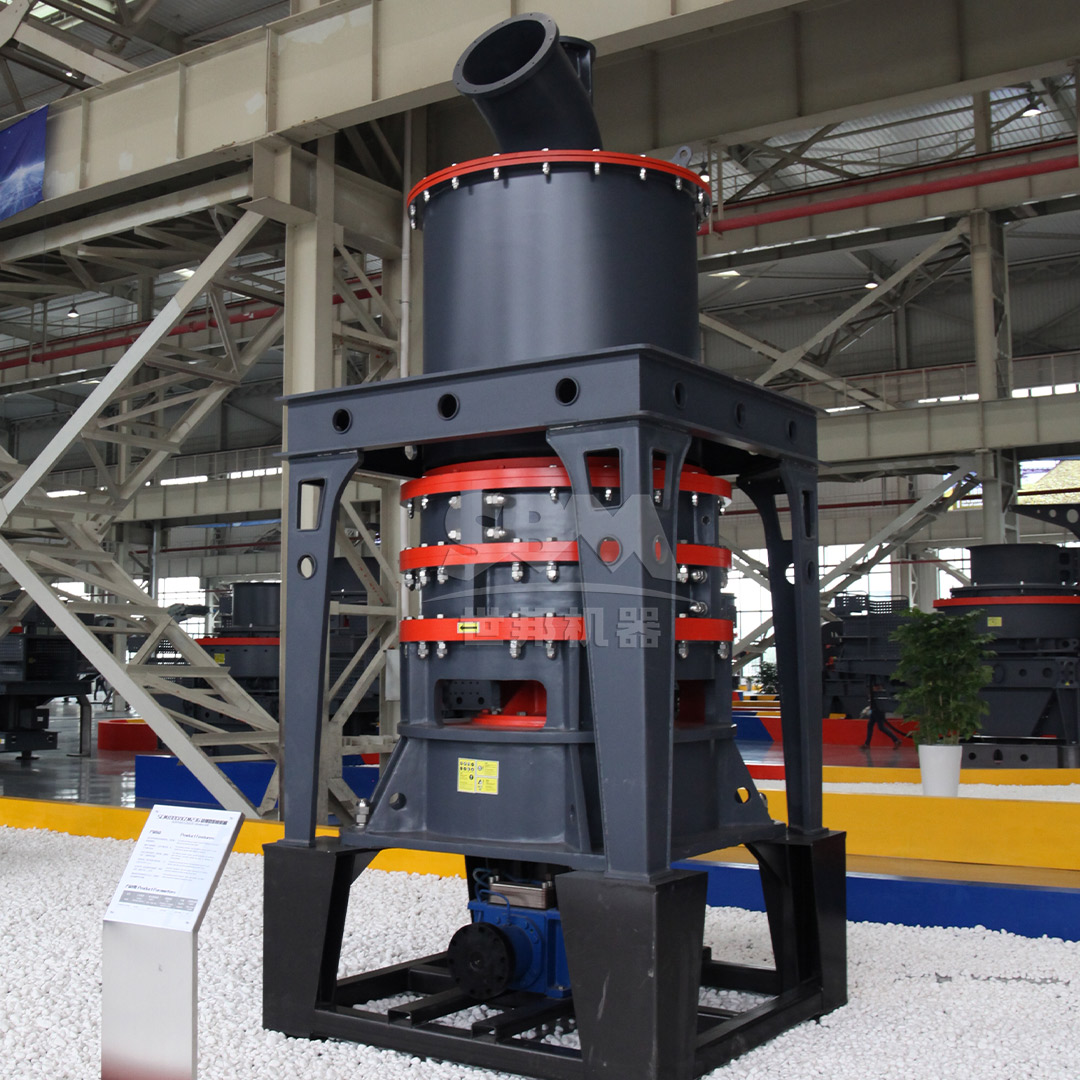
The technological advantages of the SCM series make it particularly suitable for high-value agricultural applications where immediate pH correction is necessary. Its energy-efficient design reduces operational costs by 30% compared to conventional airflow mills, while maintaining consistent product quality across production batches. The availability of multiple models, from SCM800 (0.5-4.5 ton/h capacity) to SCM1680 (5.0-25 ton/h capacity), ensures that operations of all scales can access this advanced technology.
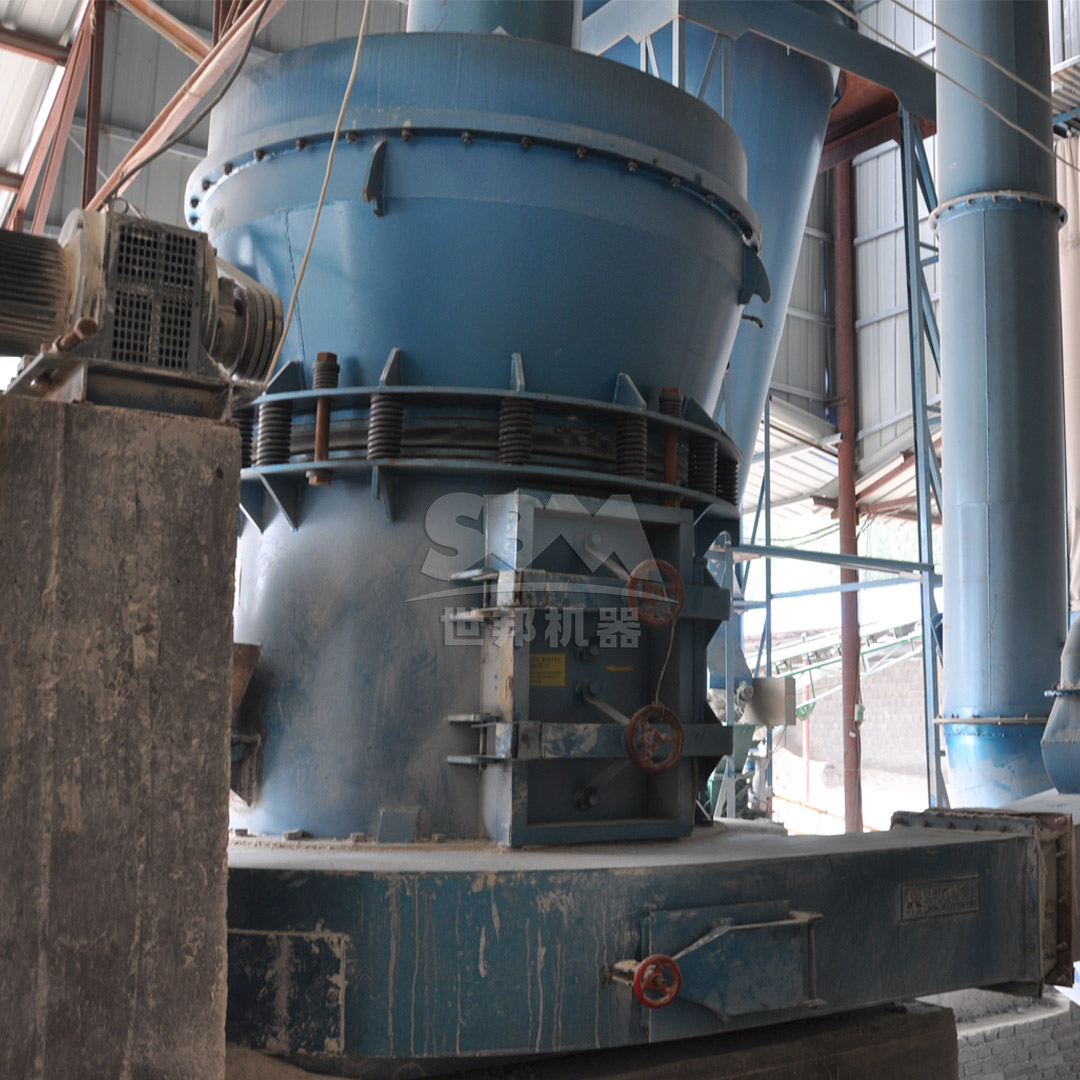
For large-scale agricultural operations requiring substantial quantities of limestone powder, the MTW Series Trapezium Mill offers an optimal balance of capacity and precision. With processing capabilities ranging from 3 to 45 tons per hour across different models, this equipment can support regional soil amendment programs and commercial agricultural enterprises. The mill’s curved air channel design minimizes energy consumption while maintaining efficient material transport.
The MTW series produces limestone powder in the 30-325 mesh range (600-45μm), ideal for standard agricultural applications where both immediate and residual soil conditioning benefits are desired. Its wear-resistant design, featuring specially formulated grinding rollers and rings, ensures consistent performance even with abrasive limestone feedstocks. The comprehensive model range, including MTW110 (3-9 ton/h) through MTW215G (15-45 ton/h), provides flexibility for operations with varying production requirements.
The utilization of properly milled limestone powder generates significant economic advantages throughout the agricultural value chain. By optimizing soil pH, farmers can achieve higher fertilizer efficiency—typically 20-30% improved nutrient utilization—reducing input costs while maintaining crop yields. The enhanced soil structure resulting from limestone application decreases irrigation requirements and minimizes erosion-related losses.
From an operational perspective, modern milling equipment like the SCM Ultrafine Mill and MTW Trapezium Mill delivers substantial production economies. Their energy-efficient designs, with specific power consumption as low as 25-35 kWh/ton, translate to lower processing costs per unit of agricultural limestone. The durability of these systems, with wear parts lasting 2-3 times longer than conventional equipment, further reduces maintenance expenses and production downtime.
Contemporary limestone milling technology incorporates comprehensive environmental protection measures that align with sustainable agriculture principles. Advanced pulse dust collection systems, with efficiency exceeding 99.9%, prevent particulate emissions during processing. Sound insulation enclosures maintain operational noise below 75-80 dB, minimizing impact on surrounding communities.
The environmental benefits extend to the application phase as well. Precisely controlled particle size distribution reduces wind drift during field application, ensuring that limestone remains where it’s needed most. The improved efficiency of finely ground limestone means that application rates can often be reduced by 15-20% compared to coarser materials, decreasing the environmental footprint of transportation and soil incorporation.
Choosing the appropriate limestone milling equipment requires careful consideration of multiple factors. Production volume requirements represent the primary determinant—small to medium operations (under 5 ton/h) may find the SCM800 or SCM900 models ideal, while larger enterprises should consider the MTW175G or MTW215G for their superior capacity. The desired fineness of the final product also guides selection, with the SCM series specializing in ultra-fine powders (≤5μm) and the MTW series covering the conventional agricultural range (45-600μm).
Geographical and infrastructural factors likewise influence equipment decisions. The compact footprint of vertical mill designs benefits operations with space constraints, while modular components facilitate maintenance in remote locations. Power availability must align with equipment requirements, with smaller models operating on standard industrial power and larger units requiring high-voltage connections.
Successful implementation of limestone milling technology extends beyond equipment acquisition to encompass integration with existing agricultural systems. Production scheduling should align with seasonal application windows, ensuring adequate limestone inventory precedes planting seasons. Quality control protocols must verify that mill output consistently meets agricultural specifications, particularly regarding particle size distribution and neutralizing value.
Transportation and storage considerations complete the implementation picture. Bulk handling systems compatible with mill discharge configurations prevent bottlenecks, while appropriate storage facilities protect product quality between production and application. Many modern milling systems offer integrated packaging options for operations serving multiple small-scale farms alongside bulk delivery capabilities for large agricultural enterprises.
The evolution of limestone milling technology continues to address emerging agricultural challenges. Increasing precision in particle size control enables custom blends tailored to specific soil types and crop requirements. Integration with soil sensing technology may eventually support on-demand production of limestone amendments with composition optimized for individual fields.
Energy efficiency remains a focal point for technological advancement, with next-generation mills targeting further reductions in specific power consumption. The incorporation of renewable energy sources, particularly solar and wind power, into milling operations represents another promising development that would enhance the sustainability credentials of agricultural limestone.
Digitalization trends are transforming milling operations through remote monitoring, predictive maintenance, and automated quality control. These technologies not only improve operational efficiency but also provide agricultural customers with verified product characteristics and traceability from quarry to field.
The benefits of using professionally milled limestone powder for agricultural soil conditioning extend across agronomic, economic, and environmental dimensions. Advanced milling technologies, exemplified by the SCM Ultrafine Mill and MTW Trapezium Mill, enable production of limestone powders with optimized characteristics for modern agriculture. These systems transform raw limestone into valuable soil amendments that correct acidity, improve nutrient availability, enhance soil structure, and support sustainable crop production.
As agricultural challenges intensify amid climate change and resource constraints, the role of precision-milled limestone in soil health management becomes increasingly vital. Investments in appropriate milling technology yield returns through improved crop performance, reduced input requirements, and enhanced environmental stewardship. By leveraging these advanced processing solutions, agricultural operations can build soil resilience while maintaining productivity in an evolving agricultural landscape.