Bentonite, a versatile clay mineral primarily composed of montmorillonite, is a cornerstone additive in the coatings and paints industry. Its unique properties—including thixotropy, suspension stability, viscosity control, and water retention—make it indispensable for producing high-quality architectural, industrial, and specialty coatings. The efficacy of bentonite in these applications is critically dependent on its particle size, purity, and activation level, which are directly determined by the processing technology employed. This article provides a comprehensive overview of the machinery essential for transforming raw bentonite into high-performance coating additives, focusing on grinding, classification, and drying processes.
The production of bentonite for coatings involves several critical stages, each requiring specialized equipment to achieve the desired chemical and physical properties.
Raw bentonite often contains significant moisture (20-35%), which must be reduced to optimize grinding efficiency and prevent clogging. Rotary dryers or flash dryers are commonly used. For sodium activation—a process to enhance swelling capacity and viscosity—pug mills or continuous mixers are employed to homogeneously blend the clay with soda ash before aging.
Large lumps of dried bentonite are reduced to a manageable feed size (typically below 50mm) for fine grinding equipment. Jaw crushers perform primary crushing, while hammer mills or impact crushers are effective for secondary reduction to below 20mm.
| Processing Stage | Target Particle Size | Typical Equipment |
|---|---|---|
| Drying | Moisture < 10-15% | Rotary Dryer, Flash Dryer |
| Primary Crushing | < 50 mm | Jaw Crusher |
| Secondary Crushing | < 20 mm | Hammer Mill, Impact Crusher |
| Fine Grinding | 45 μm – 5 μm (325-2500 mesh) | Raymond Mill, Vertical Roller Mill, Ultrafine Mill |
| Classification & Collection | Precise size cuts | Turbo Classifiers, Cyclones, Bag Filters |
This is the most crucial stage for coating applications. The fineness directly influences transparency, gloss, suspension stability, and rheological properties. The goal is to achieve a narrow particle size distribution within the micron and sub-micron range. Equipment must offer precise size control, high energy efficiency, and minimal contamination.
Selecting the right grinding mill is paramount. The choice depends on the required final fineness, production capacity, energy consumption targets, and overall system integration.
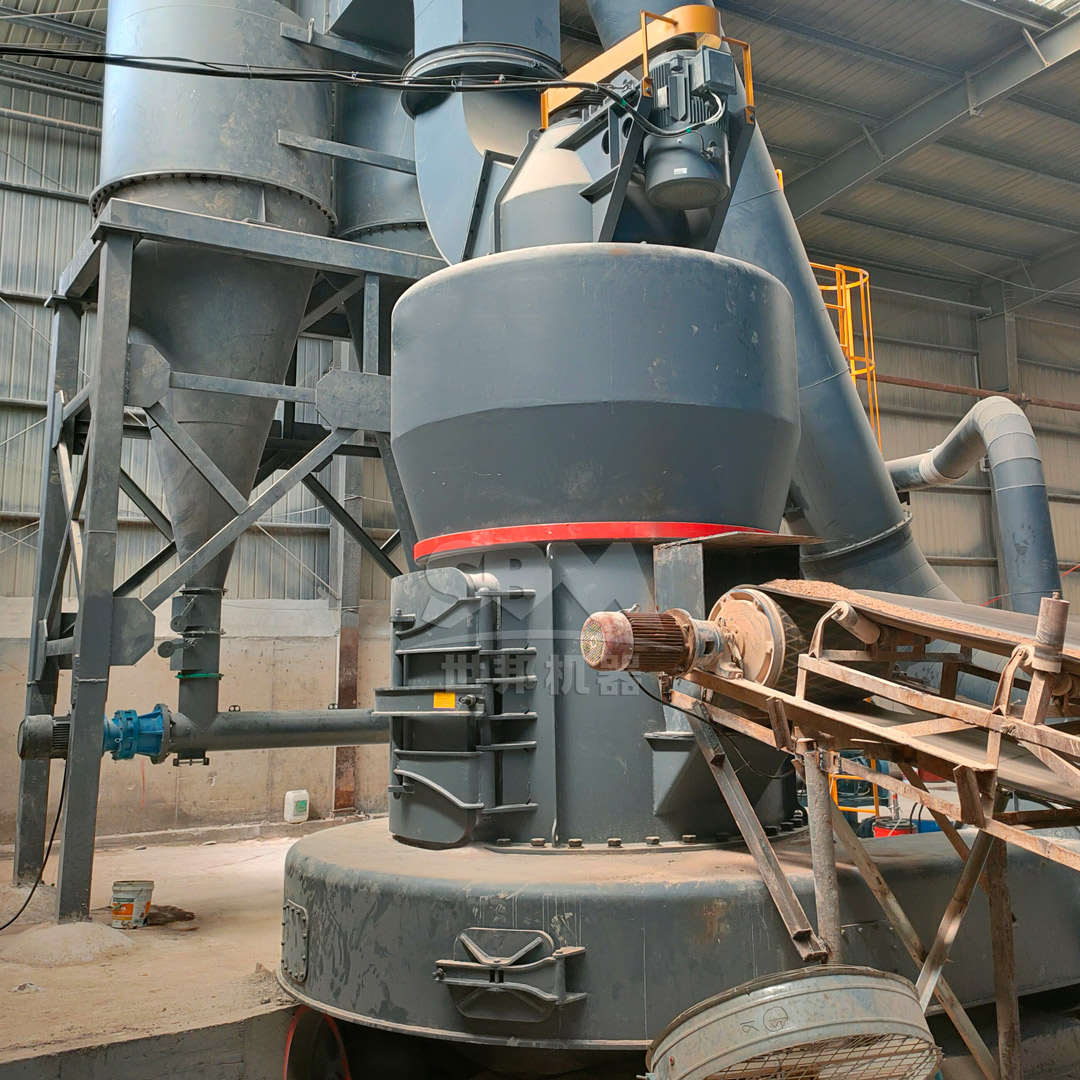
For standard coating applications where a fineness of 30-325 mesh (600-45μm) is sufficient, the modernized Raymond Mill, such as the MTW Series European Trapezium Mill, remains a robust and cost-effective choice. Its curved shovel design and integral bevel gear drive ensure reliable operation and efficient material handling for capacities ranging from 3 to 45 tons per hour. The built-in classifier allows for reasonable fineness adjustment, making it suitable for mid-range quality coatings and primers.
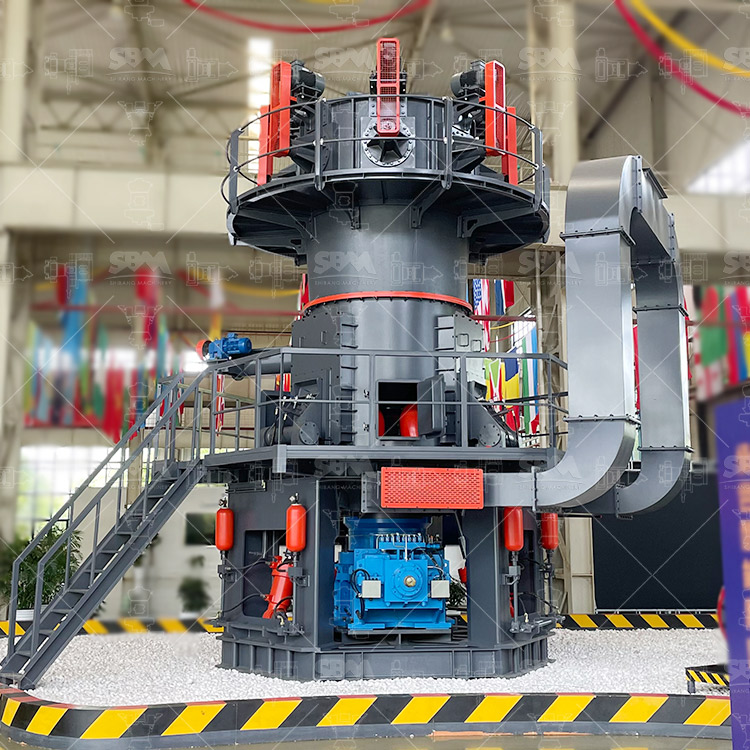
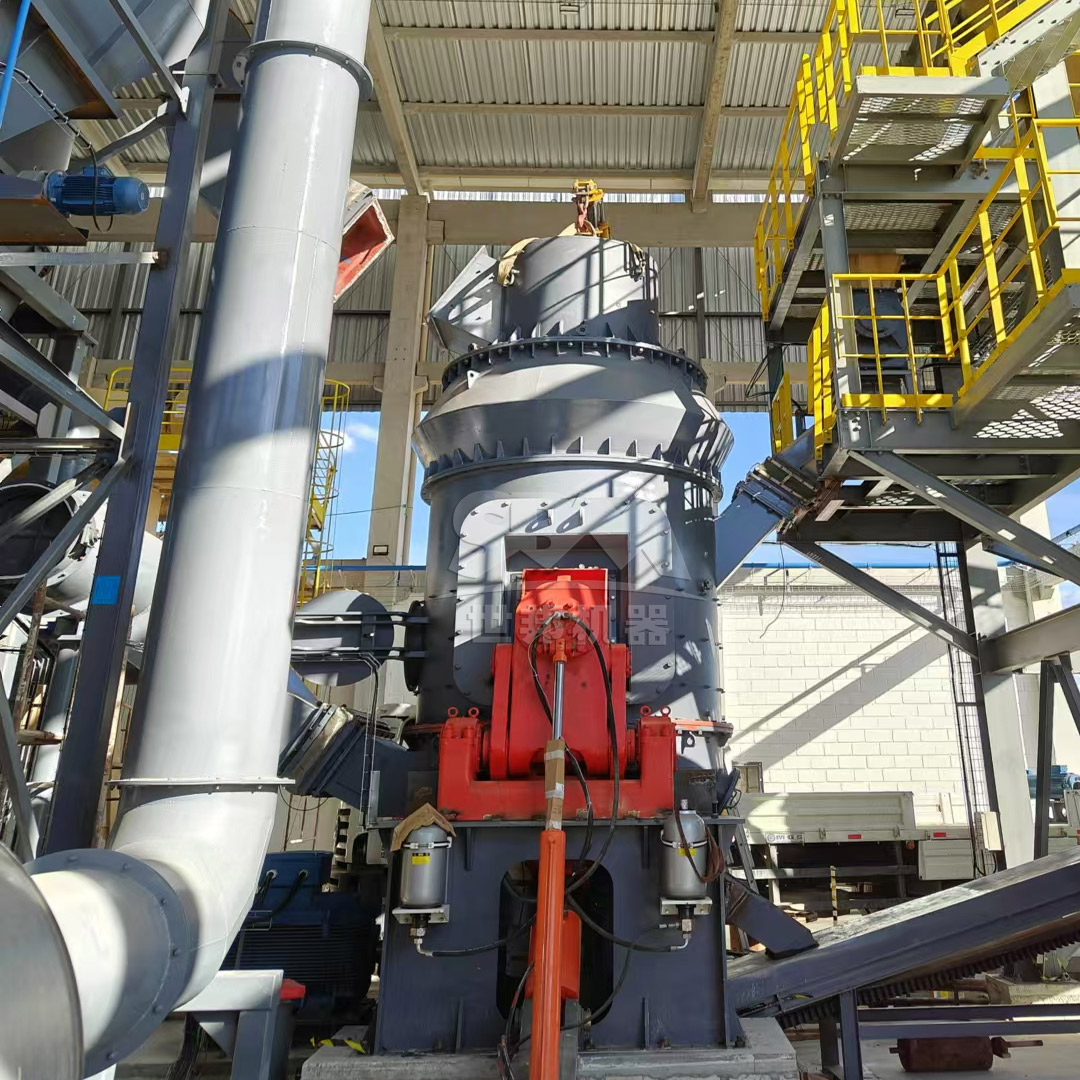
For larger-scale production (3-250 t/h) requiring fineness up to 325 mesh, the LM Series Vertical Roller Mill offers significant advantages. Its integrated design combines grinding, drying, and classification in a single unit, reducing footprint by 50%. The non-contact grinding principle and wear-resistant materials lead to operating costs 30-40% lower than traditional ball mills. Its intelligent control system and environmental compliance (low dust and noise) make it an excellent choice for modern, high-volume bentonite processing plants targeting the broader coatings market.
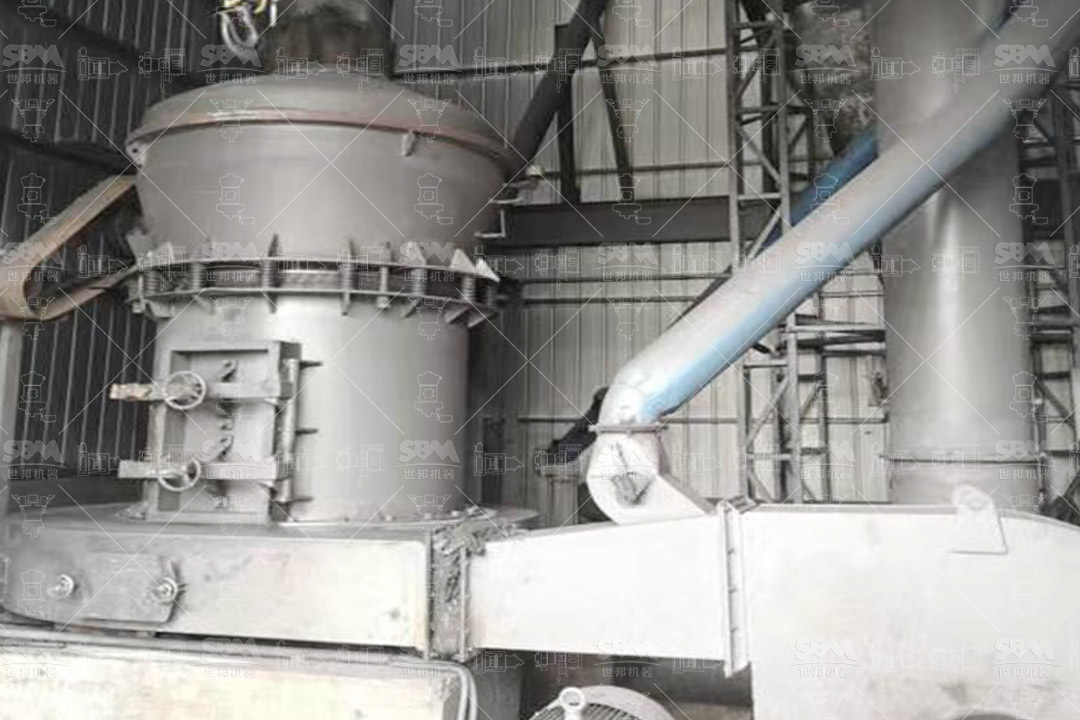
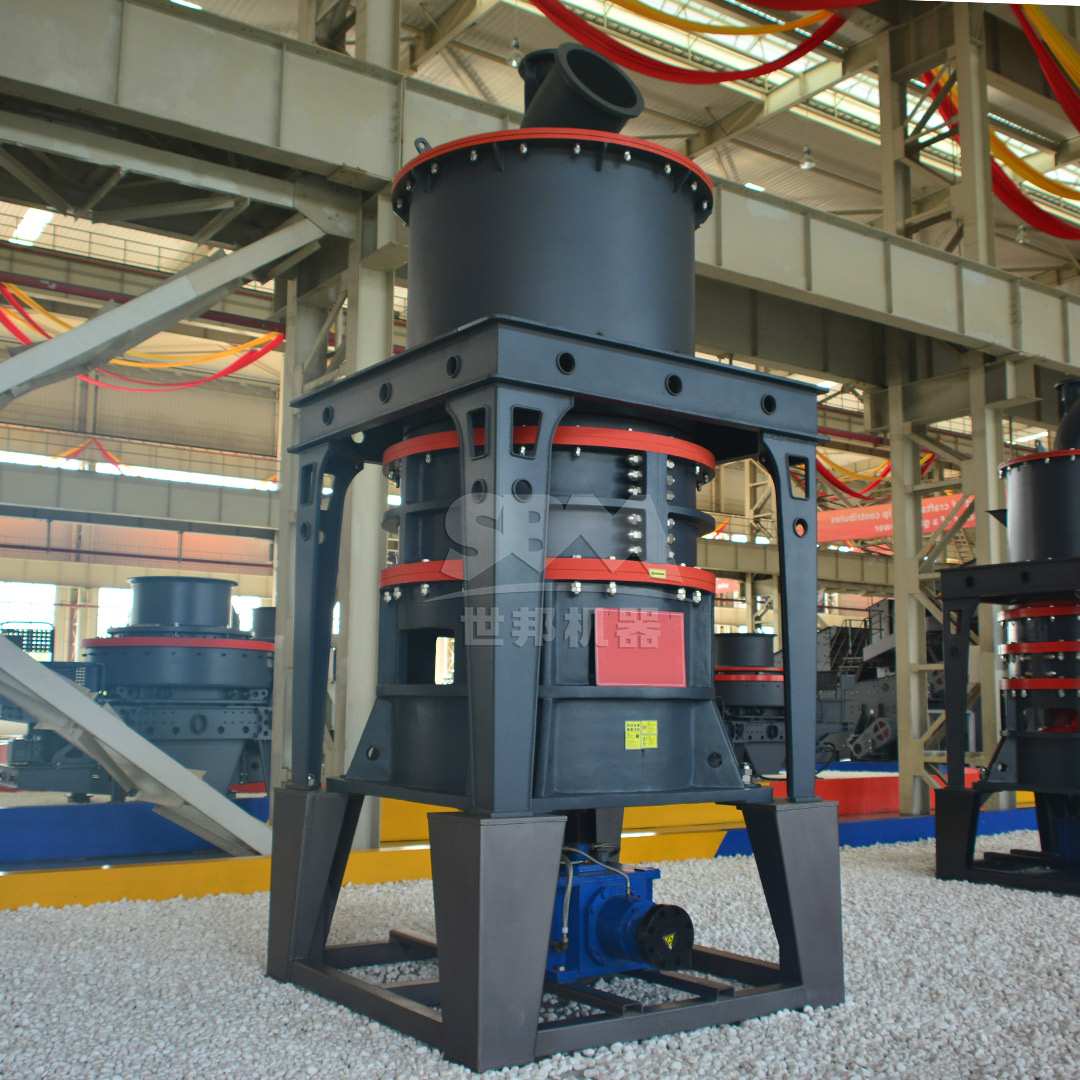
High-end coatings, such as automotive topcoats, high-gloss industrial finishes, and advanced functional coatings, demand bentonite with ultrafine particle sizes (325-2500 mesh or 45-5μm) and exceptionally narrow distribution. For this critical application, we highly recommend our flagship SCM Series Ultrafine Mill.
This mill is engineered specifically for high-value mineral processing. Its vertical turbine classifier achieves precise particle size cutting, ensuring no coarse powder mixes into the final product—a vital factor for coating clarity and performance. The mill operates with high efficiency, offering capacity twice that of jet mills while consuming 30% less energy. Its durable design, featuring special material rollers and rings and a shaftless screw grinding chamber, guarantees stable, long-term operation with minimal maintenance downtime.
| SCM Series Ultrafine Mill – Key Specifications for Bentonite Processing | ||||
|---|---|---|---|---|
| Model | Capacity (t/h)* | Main Power (kW) | Feed Size (mm) | Output Fineness (mesh) |
| SCM800 | 0.5 – 4.5 | 75 | ≤20 | 325-2500 |
| SCM900 | 0.8 – 6.5 | 90 | ≤20 | 325-2500 |
| SCM1000 | 1.0 – 8.5 | 132 | ≤20 | 325-2500 |
| SCM1250 | 2.5 – 14 | 185 | ≤20 | 325-2500 |
| SCM1680 | 5.0 – 25 | 315 | ≤20 | 325-2500 |
*Capacity depends on material hardness and final fineness.
The SCM mill’s eco-friendly design, with pulse dust collection exceeding 99.9% efficiency and soundproof room options, ensures production meets stringent environmental and workplace standards. For coating additive producers aiming at the premium market segment, the SCM Series Ultrafine Mill provides the technological edge necessary to produce superior bentonite products.
While less energy-efficient for fine grinding, ball mills are still used for wet grinding processes or where simultaneous grinding and chemical modification (e.g., organic treatment for organoclays) is required. They offer a wide application range but are generally being replaced by more efficient vertical or ultrafine mills for dry processing of coating-grade bentonite.
A complete bentonite processing line involves more than just a grinding mill.
Independent air classifiers can be used in conjunction with grinding mills to achieve sharper particle size cuts or to produce multiple product grades from a single mill stream. High-efficiency turbo classifiers are essential for the top-tier ultrafine products.
Pulse-jet baghouse filters are the industry standard for capturing fine bentonite dust, protecting the environment, and recovering product. Dense-phase pneumatic conveying systems are often used to transport the finished, lightweight powder without segregation or degradation.
Automated valve bag fillers or big bag stations ensure accurate, dust-free packaging. Modern plants integrate PLC or DCS control systems to monitor and optimize the entire process flow, from raw material feeding to final packaging, ensuring consistent product quality.
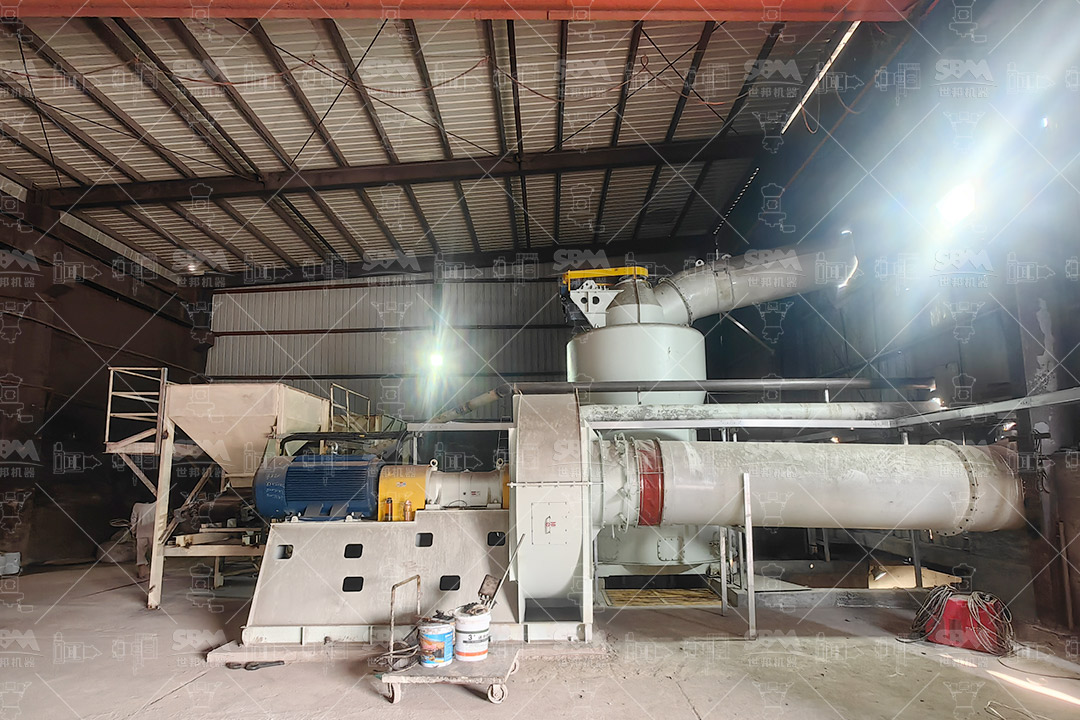
The production of high-quality bentonite for coating additives demands a sophisticated understanding of mineral processing technology. From the robust MTW Series Mill for standard grades to the high-precision SCM Series Ultrafine Mill for premium applications, selecting the correct core grinding machinery is the most critical decision. This choice must be supported by a well-designed system of drying, classification, dust collection, and automation. By investing in advanced, efficient, and reliable processing equipment like the SCM Series, producers can consistently meet the exacting specifications of the coatings industry, enhance their product value, and maintain a competitive advantage in a demanding global market.