Carbon black powder plays a crucial role in the manufacturing of high-performance composite materials, serving as a reinforcing filler that significantly enhances mechanical properties, electrical conductivity, and UV resistance. The quality of carbon black powder, particularly its particle size distribution, purity, and surface characteristics, directly impacts the performance of the final composite product. Achieving the optimal powder characteristics requires advanced grinding technology capable of producing ultra-fine particles with precise control over size distribution.
In modern composite manufacturing, carbon black is incorporated into polymers, resins, and other matrix materials to create products with superior strength, durability, and functional properties. The growing demand for lightweight, high-strength materials across automotive, aerospace, electronics, and construction industries has driven the need for more sophisticated carbon black processing solutions. This article explores the technical requirements for carbon black grinding and presents advanced milling solutions that meet these demanding specifications.

The processing of carbon black for composite materials presents unique challenges that require specialized grinding equipment. Key technical requirements include:
Composite materials require carbon black with precisely controlled particle size distribution. For most high-performance applications, the target particle size ranges from 5μm to 45μm (approximately 325 to 2500 mesh). Consistent particle size ensures uniform dispersion within the matrix material, which is critical for achieving predictable mechanical and electrical properties.
Industrial-scale composite manufacturing demands high throughput grinding systems capable of processing significant volumes of carbon black while maintaining consistent quality. The grinding system must balance production capacity with energy consumption to ensure economic viability.
Carbon black used in composites must be free from metallic contamination that could compromise the electrical properties or cause degradation of the polymer matrix. The grinding system must be designed to minimize the introduction of foreign materials during processing.
Carbon black is sensitive to excessive heat during grinding, which can alter its surface chemistry and affect its performance in composites. Effective cooling systems are essential to maintain product quality.
Meeting the stringent requirements for carbon black in composite materials necessitates specialized grinding technology. After extensive research and development, several milling systems have proven particularly effective for this application.
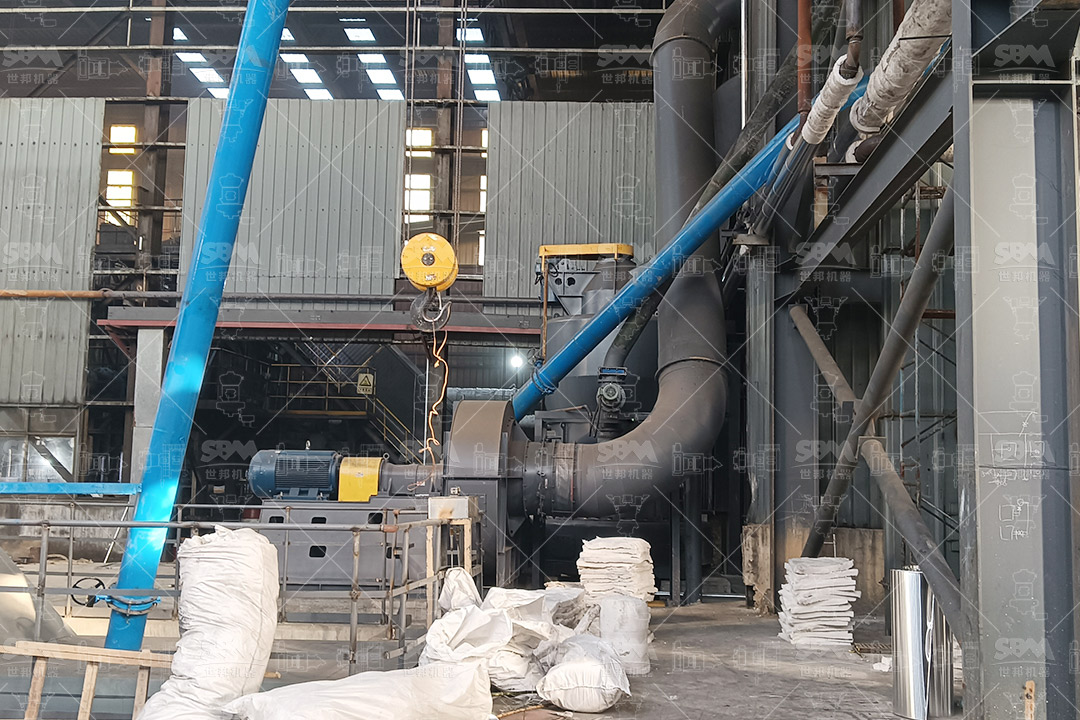
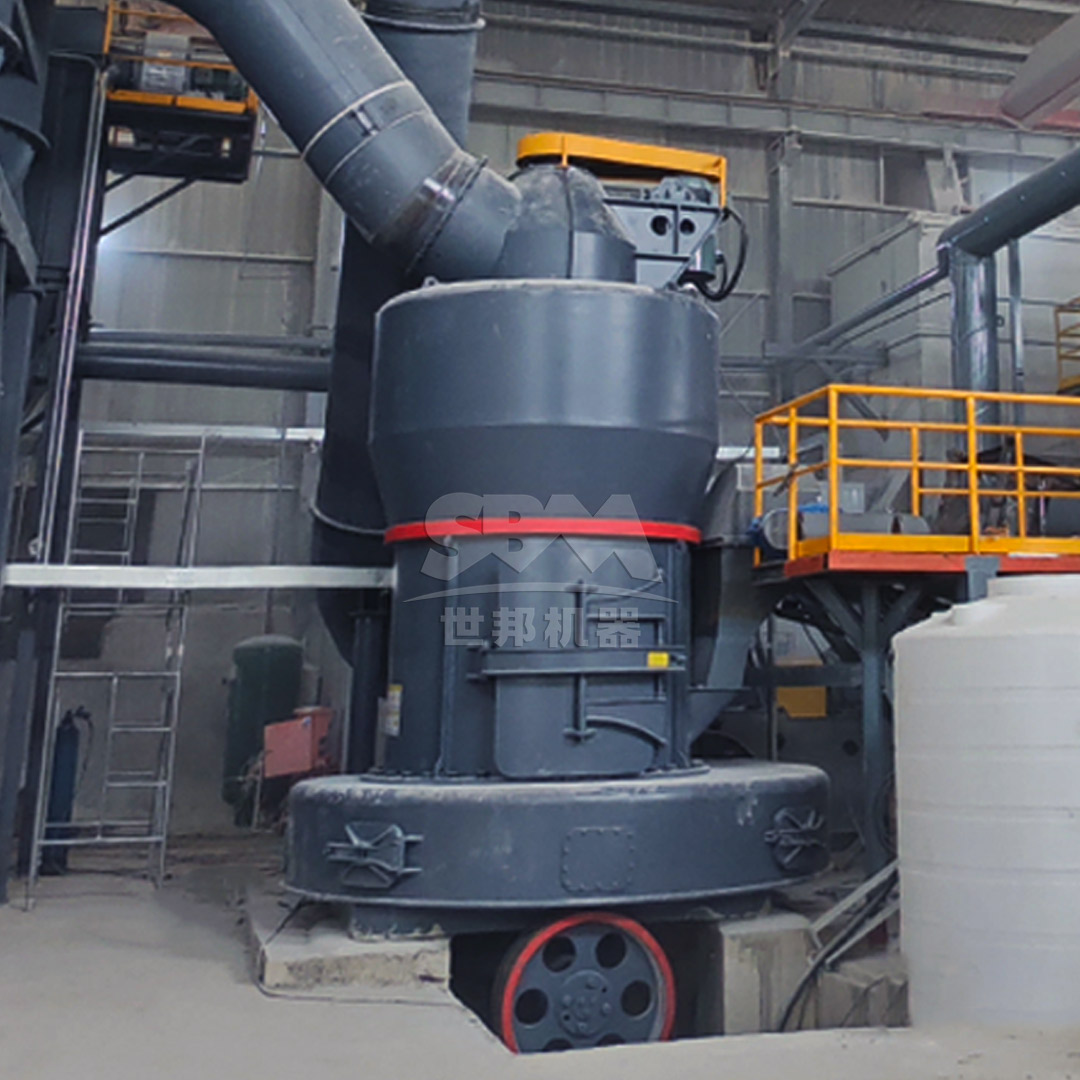
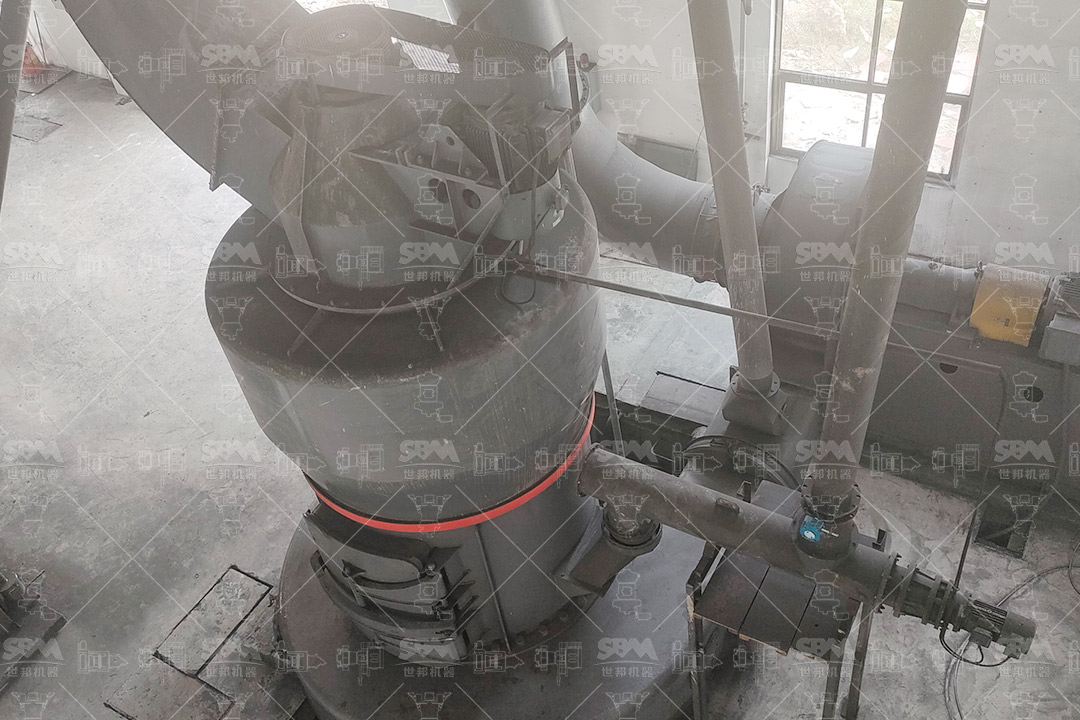
For applications requiring the finest particle sizes and tightest size distribution, the SCM Ultrafine Mill represents the state of the art in carbon black processing. This system is specifically engineered to produce carbon black powder in the range of 325-2500 mesh (D97 ≤ 5μm), making it ideal for the most demanding composite applications.
The SCM series incorporates several technological innovations that address the specific challenges of carbon black grinding:
Efficient Grinding Mechanism: The mill utilizes a unique three-layer grinding ring design that creates multiple grinding zones, ensuring progressive size reduction without excessive heat generation. The centrifugal force distributes material evenly across the grinding path, while the roller pressure system provides consistent grinding force throughout the process.
Intelligent Control System: Advanced automation continuously monitors and adjusts operational parameters to maintain target particle size distribution. The system incorporates real-time feedback mechanisms that respond to variations in feed material characteristics, ensuring consistent output quality.
High-Precision Classification: A vertical turbine classifier provides precise particle size control, eliminating coarse particle contamination in the final product. The classification system can be adjusted during operation to produce different particle size distributions as required for specific composite formulations.
| Model | Processing Capacity (ton/h) | Main Motor Power (kW) | Feed Size (mm) | Final Fineness (mesh) |
|---|---|---|---|---|
| SCM800 | 0.5-4.5 | 75 | 0-20 | 325-2500 |
| SCM900 | 0.8-6.5 | 90 | 0-20 | 325-2500 |
| SCM1000 | 1.0-8.5 | 132 | 0-20 | 325-2500 |
| SCM1250 | 2.5-14 | 185 | 0-20 | 325-2500 |
| SCM1680 | 5.0-25 | 315 | 0-20 | 325-2500 |
The SCM Ultrafine Mill delivers exceptional energy efficiency, with consumption rates approximately 30% lower than conventional jet mills while providing twice the production capacity. For composite manufacturers seeking the highest quality carbon black powder with minimal operational costs, the SCM series represents an optimal solution.

For large-scale composite manufacturing operations requiring high throughput of carbon black powder in the medium fineness range (30-325 mesh), the MTW Series Trapezium Mill offers an excellent balance of production capacity, energy efficiency, and operational reliability.
Key features that make the MTW series suitable for carbon black processing include:
Advanced Wear Protection: The combination wear blade design significantly reduces maintenance costs while the curved blade geometry extends roller service life. This is particularly important when processing abrasive materials like carbon black.
Optimized Air Flow Path: The curved air channel design minimizes energy loss during material transport, improving overall system efficiency. High-strength protective plates safeguard the air channel working surface from wear.
Efficient Drive System: The integrated bevel gear transmission achieves 98% transmission efficiency while saving space and reducing installation costs. This direct drive system eliminates the energy losses associated with belt drives commonly found in conventional mills.
The MTW series is available in multiple configurations to match specific production requirements, with capacity ranging from 3 to 45 tons per hour. The mill’s robust construction and advanced wear protection make it particularly suitable for continuous operation in industrial settings.
Choosing the appropriate grinding system for carbon black processing requires careful consideration of multiple factors specific to the composite manufacturing application.
The target particle size distribution for the composite application is the primary determinant in mill selection. For ultra-fine applications (325-2500 mesh), the SCM Ultrafine Mill provides unparalleled performance. For standard applications (30-325 mesh), the MTW Series Trapezium Mill offers excellent efficiency and reliability.
The required production capacity directly influences the appropriate mill size and configuration. For low to medium volume requirements (0.5-25 ton/h), the SCM series provides flexible options. For high-volume production (3-45 ton/h), the MTW series delivers the necessary throughput.
With energy costs representing a significant portion of operating expenses, the mill’s energy consumption profile must align with economic objectives. Both the SCM and MTW series incorporate design features that optimize energy utilization, with the SCM series achieving particularly notable efficiency for ultra-fine grinding applications.
Composite manufacturing facilities often have strict requirements regarding noise levels and dust emissions. Both recommended mill series feature comprehensive environmental protection systems, with noise levels below 75dB and pulse dust collection efficiency exceeding international standards.

A leading automotive composites manufacturer recently upgraded their carbon black processing capability to meet increasing quality requirements for conductive polymer components. After thorough evaluation of available technologies, they selected the SCM1000 Ultrafine Mill for their primary production line.
The implementation resulted in several significant improvements:
Quality Enhancement: The consistent particle size distribution (D97 ≤ 5μm) achieved with the SCM mill improved dispersion uniformity in the polymer matrix, resulting in more predictable electrical properties and enhanced mechanical strength in the final composite parts.
Production Efficiency: The mill’s 8.5 ton/hour capacity enabled the manufacturer to consolidate processing operations that previously required multiple smaller mills, reducing operational complexity and maintenance requirements.
Cost Reduction: Despite the higher initial investment compared to conventional mills, the energy efficiency of the SCM system reduced operating costs by approximately 35%, with payback achieved in under 18 months.
This case demonstrates how advanced grinding technology can deliver tangible benefits throughout the composite manufacturing value chain, from raw material processing to final product performance.
The evolution of carbon black grinding technology continues to align with emerging trends in composite materials development. Several key directions are shaping the next generation of grinding systems:
Smart Manufacturing Integration: Future mills will feature enhanced connectivity and data analytics capabilities, enabling predictive maintenance, real-time quality monitoring, and seamless integration with composite production management systems.
Sustainability Focus: Increasing emphasis on environmental performance will drive development of grinding systems with further reduced energy consumption, minimal waste generation, and comprehensive emission control.
Multi-Material Flexibility: As composite formulations become more complex, grinding systems will need to accommodate a wider range of carbon black grades and potentially other functional fillers within the same equipment platform.
Nanoscale Processing: Ongoing research in nanocomposites will create demand for grinding technology capable of producing carbon black particles in the nanoscale range while maintaining economic viability for industrial-scale production.
The production of high-quality carbon black powder for composite materials requires sophisticated grinding technology that balances precision, efficiency, and reliability. The SCM Ultrafine Mill and MTW Series Trapezium Mill represent proven solutions that address the specific challenges of carbon black processing across a range of application requirements.
For composite manufacturers seeking to enhance their product performance while optimizing production economics, investment in advanced grinding technology delivers significant returns through improved material properties, reduced operating costs, and greater process control. As composite materials continue to evolve toward more demanding applications, the role of precision grinding in enabling these advancements will only increase in importance.
By selecting the appropriate grinding system based on specific technical requirements and production objectives, manufacturers can ensure consistent supply of high-quality carbon black powder that meets the exacting standards of modern composite applications.