Chemical activated carbon powder is a critical material widely used in water purification, air filtration, food and beverage decolorization, pharmaceutical processing, and chemical catalysis. Its efficacy is heavily dependent on particle size, surface area, and pore structure. Producing high-quality activated carbon powder with consistent fineness and high specific surface area requires specialized grinding technology. A dedicated grinding mill plant is not just a piece of equipment; it’s an integrated system designed for efficiency, precision, and environmental compliance. This article explores the key considerations for establishing such a plant and highlights advanced milling solutions.
Grinding activated carbon presents unique challenges that standard crushing equipment cannot adequately address. Firstly, activated carbon is highly abrasive, leading to rapid wear of grinding components and potential contamination of the final product. Secondly, achieving ultra-fine powders (often in the range of 325 to 2500 mesh) while maintaining a high yield requires precise classification. Thirdly, the process must be conducted in a fully sealed, dust-free environment to prevent product loss and ensure workplace safety, as carbon dust is combustible. Finally, energy consumption is a major operational cost, making energy-efficient designs paramount.
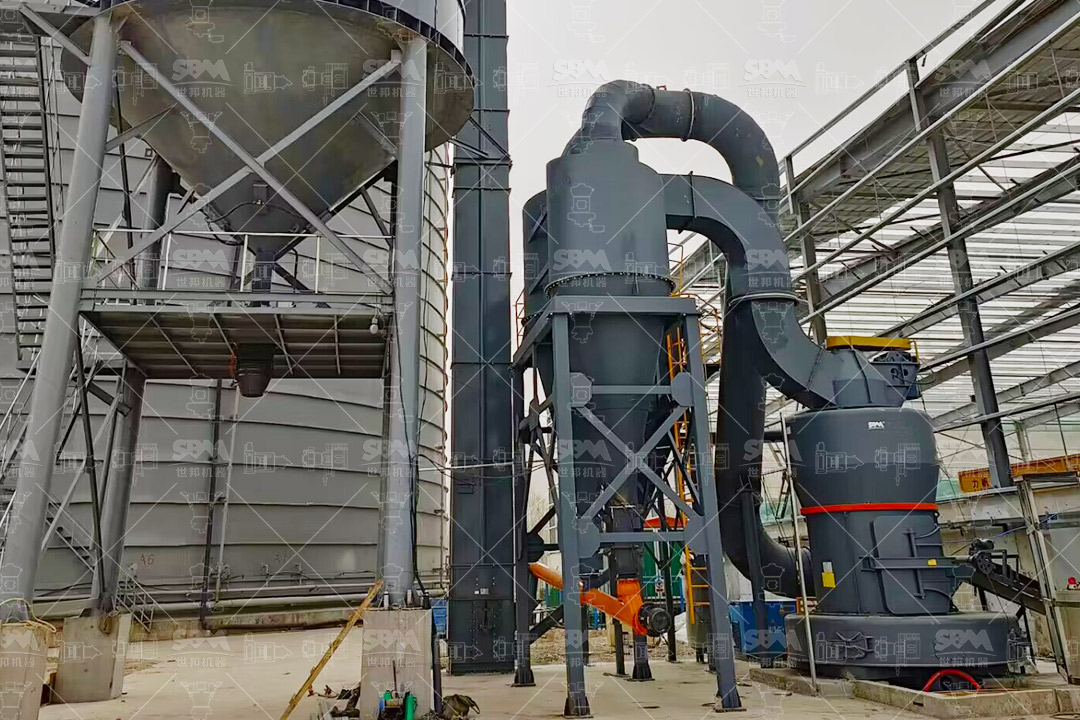
A complete Chemical Activated Carbon Powder Grinding Mill Plant typically consists of several key subsystems:
Selecting the right mill is the most crucial decision. For high-value, ultra-fine activated carbon powders, advanced ring-roller milling technology offers the best combination of fineness control, energy efficiency, and low contamination.
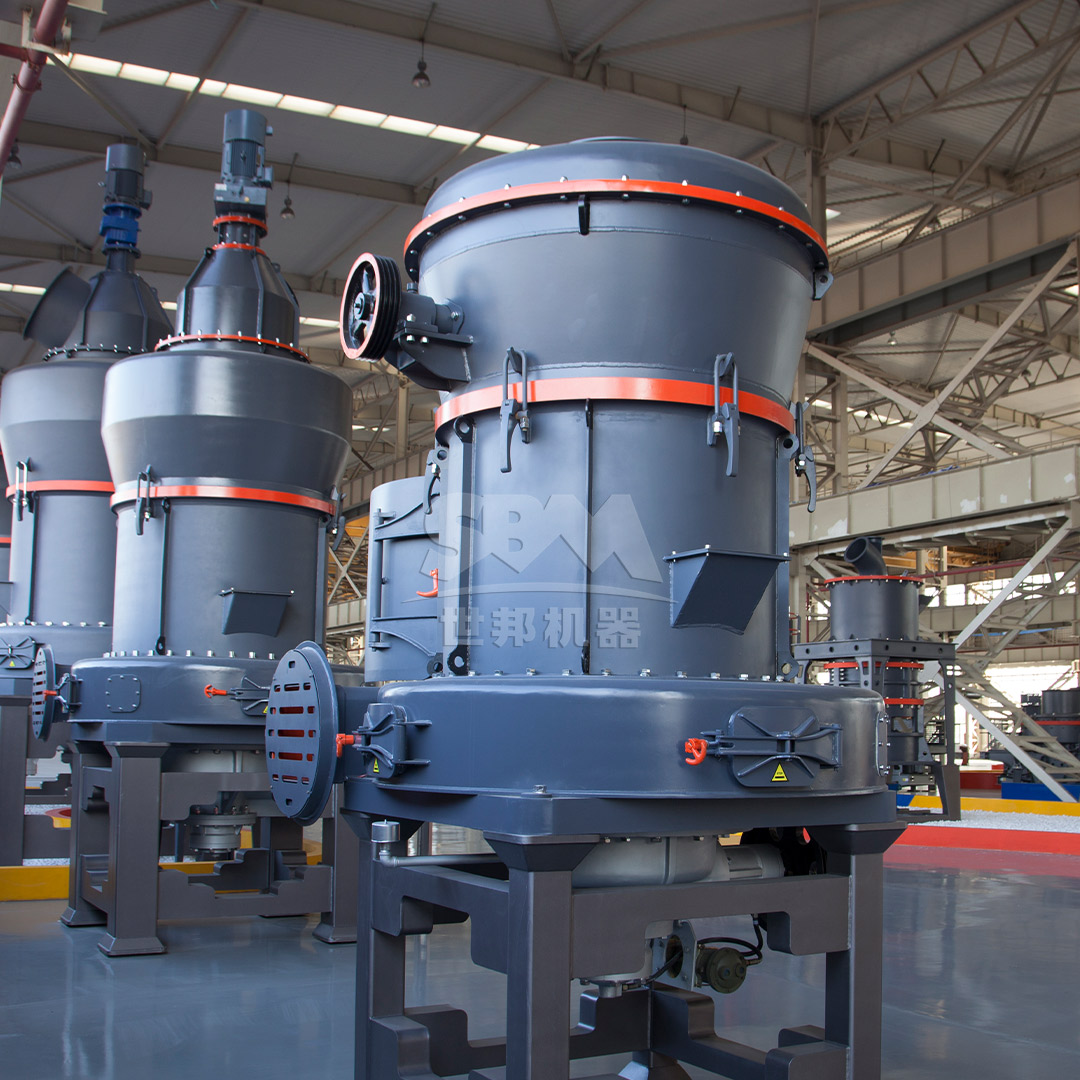
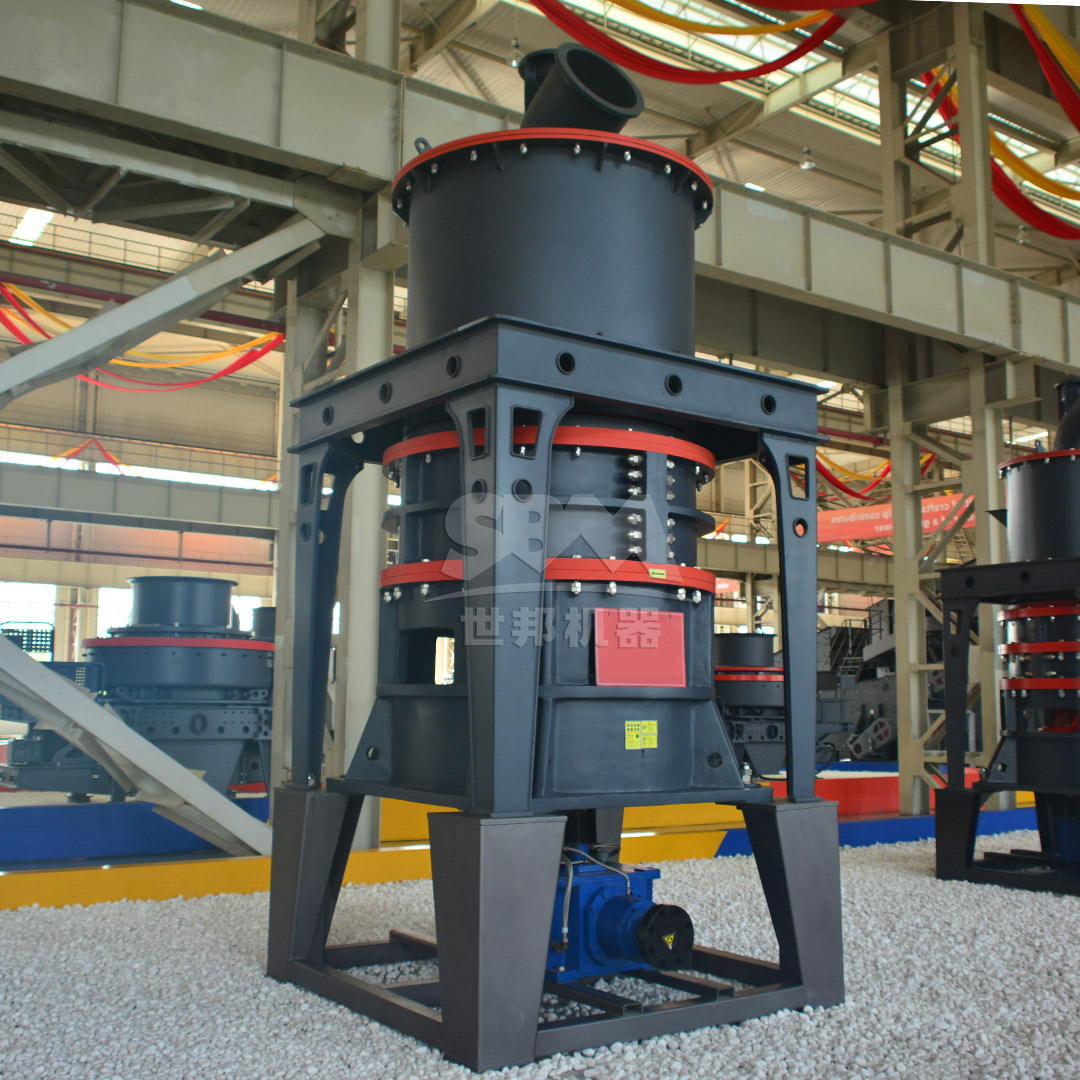
For producers targeting the high-end market requiring superfine activated carbon powder with superior adsorption kinetics, the SCM Series Ultrafine Mill is the ideal solution. This mill is engineered specifically for producing powders in the 325 to 2500 mesh range, which is often required for specialized catalytic and high-purity filtration applications.
Core Advantages for Activated Carbon:
| Model | Capacity (t/h) | Main Power (kW) | Output Fineness |
|---|---|---|---|
| SCM800 | 0.5 – 4.5 | 75 | 325 – 2500 mesh |
| SCM900 | 0.8 – 6.5 | 90 | |
| SCM1000 | 1.0 – 8.5 | 132 | |
| SCM1250 | 2.5 – 14 | 185 | |
| SCM1680 | 5.0 – 25 | 315 |
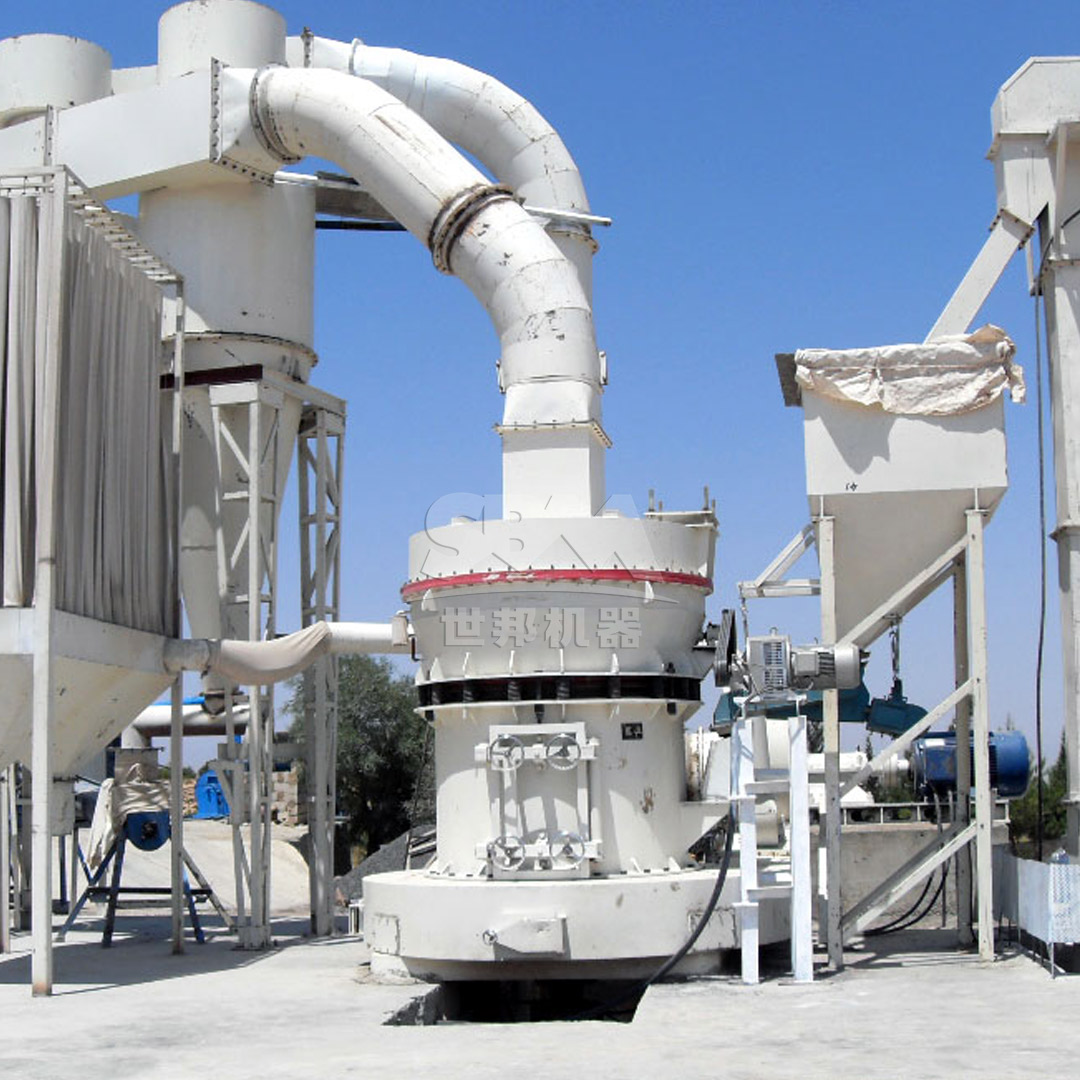
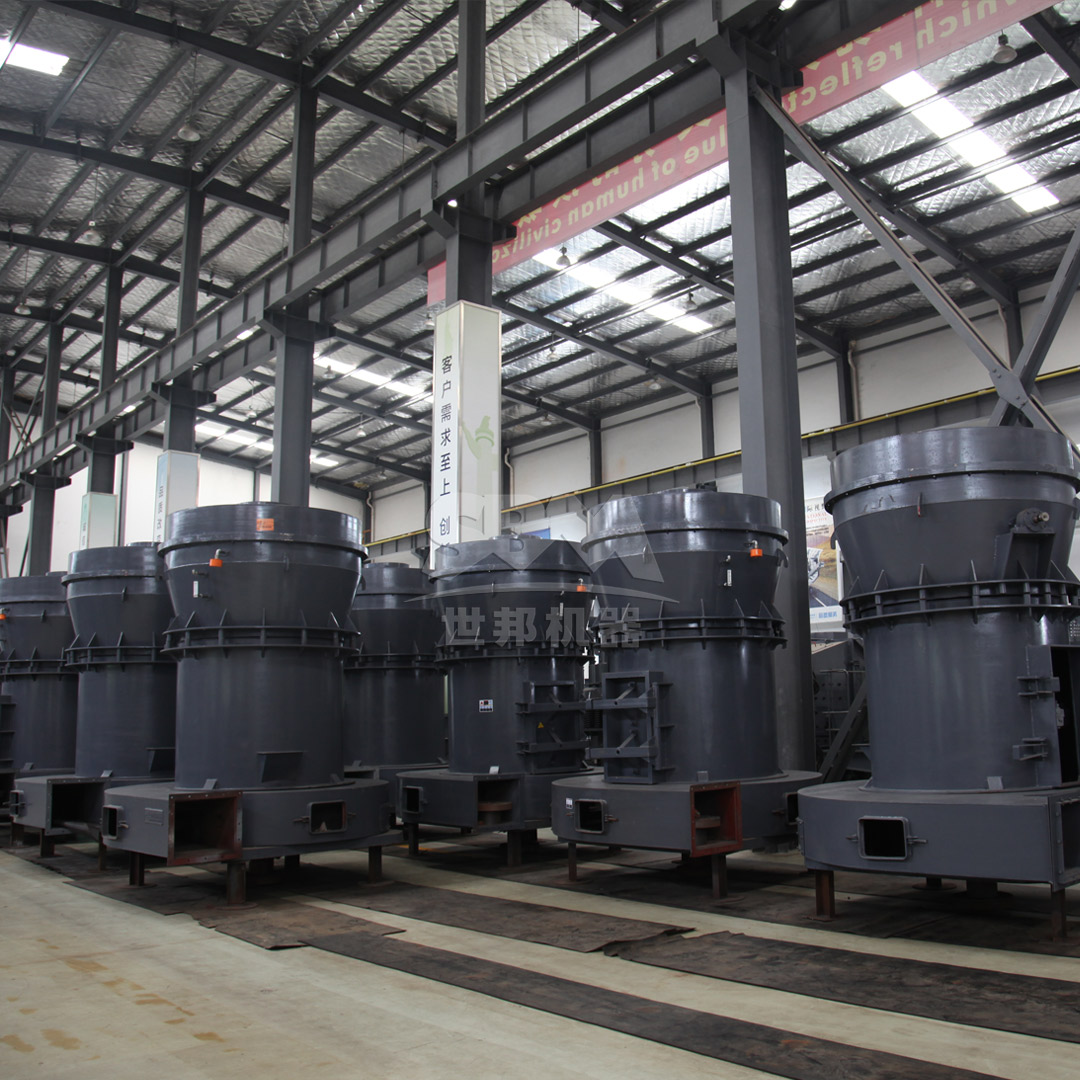
For large-scale production of fine activated carbon powder used in bulk applications like water treatment plants or flue gas desulfurization, the MTW Series European Trapezium Mill offers unparalleled efficiency and reliability. It is perfect for producing powders in the 30 to 325 mesh range with capacities up to 45 tons per hour.
Core Advantages for Activated Carbon:
Both the SCM and MTW series can be supplied as complete plant systems, including feeders, classifiers, cyclone collectors, pulse dust removers, and electrical control cabinets, providing a one-stop solution for your activated carbon powder production needs.
Beyond selecting the mill, successful plant operation depends on holistic design. The layout must facilitate smooth material flow from raw carbon feed to packaged powder, minimizing horizontal conveying which can create dust. Explosion-proofing measures, such as nitrogen inerting systems or explosion vents, should be evaluated based on risk assessment. Furthermore, implementing an intelligent control system allows for real-time monitoring of grinding pressure, classifier speed, and baghouse differential pressure, enabling consistent quality and early fault detection.
Investing in a dedicated Chemical Activated Carbon Powder Grinding Mill Plant is a strategic move to enhance product quality, increase production capacity, and improve market competitiveness. The choice between an ultra-fine mill like the SCM Series for premium products and a high-capacity mill like the MTW Series for bulk fines depends on your specific product portfolio and business goals. By partnering with a knowledgeable equipment supplier who can provide not just machinery but a complete, optimized system solution, you can ensure a reliable, efficient, and profitable production line for years to come.