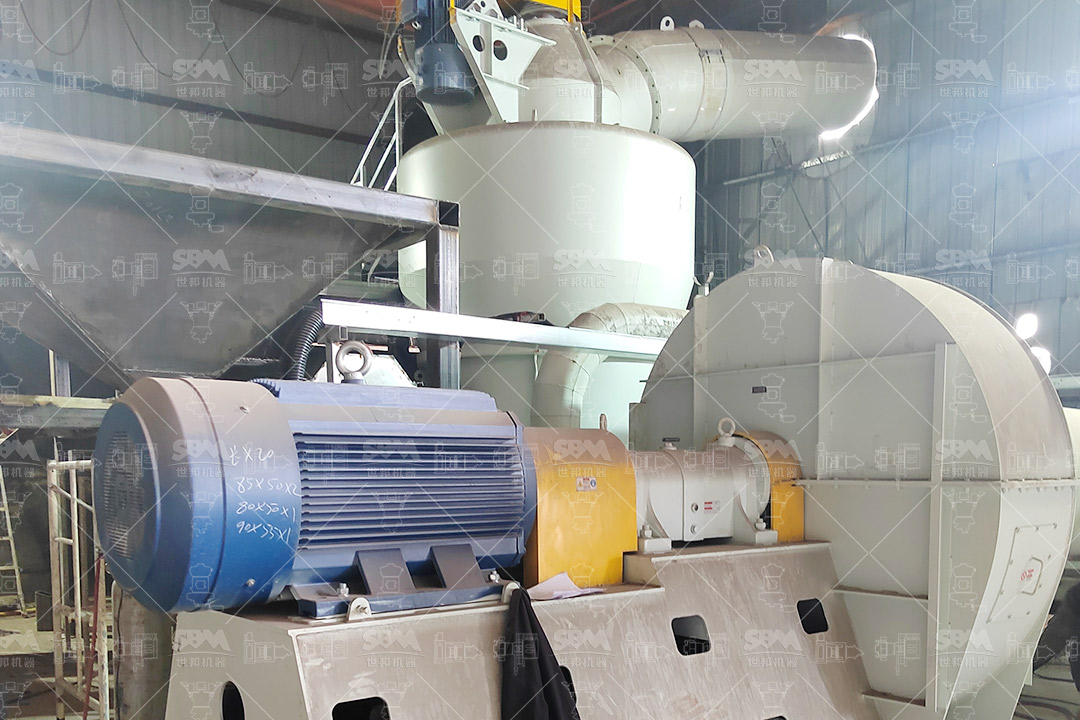
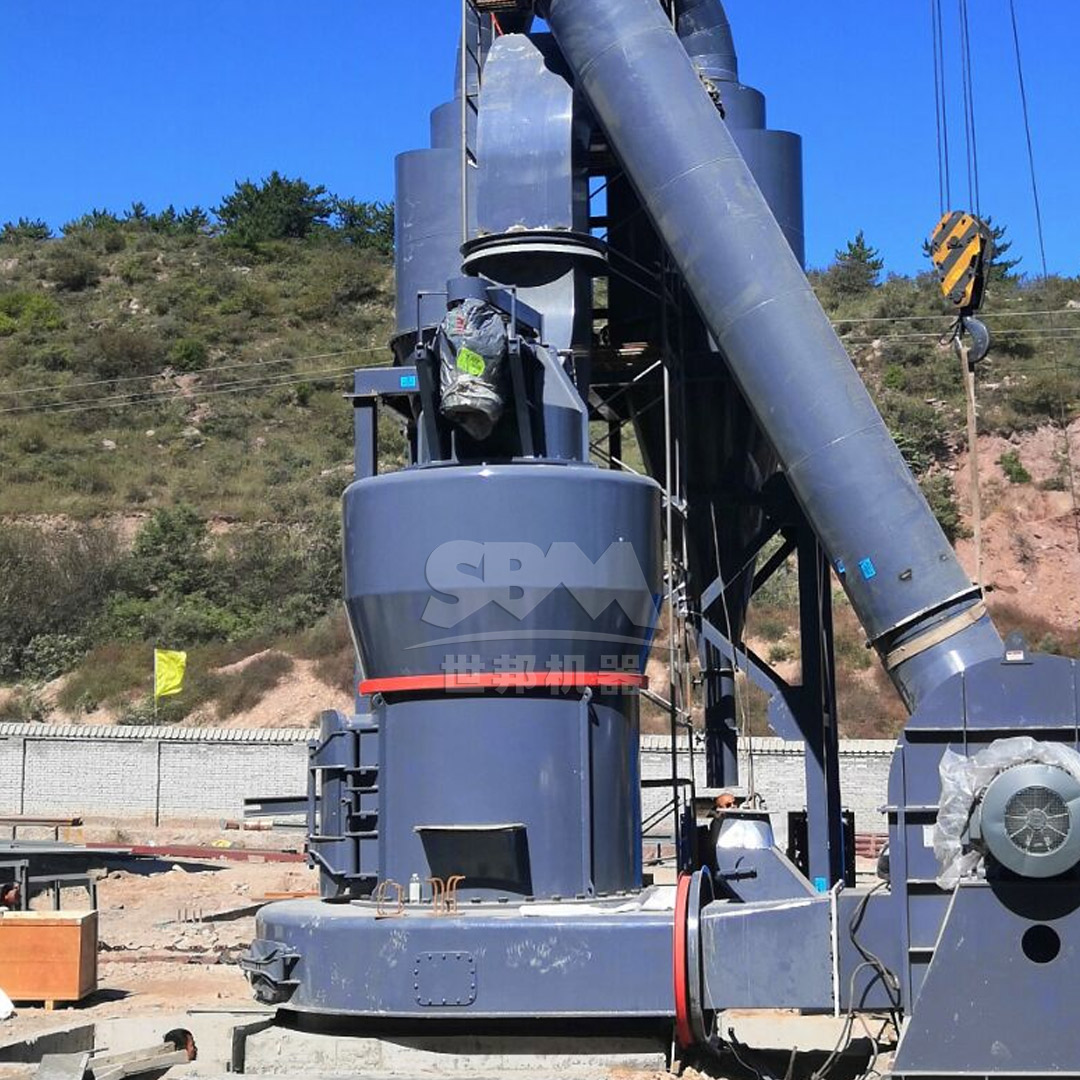
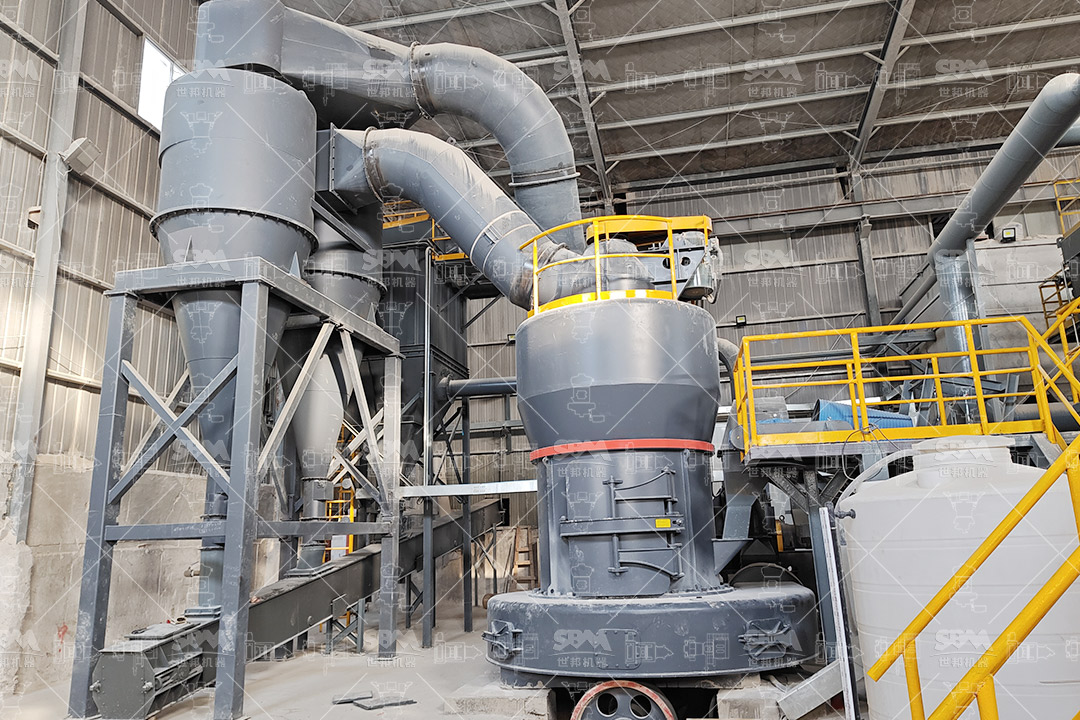
The production of high-purity, chemical-grade alumina (Al2O3) from bauxite is a cornerstone of modern industry, supplying essential materials for catalysts, ceramics, refractories, and advanced chemicals. The journey from raw bauxite ore to a precisely controlled, ultra-fine powder is technologically demanding, with the grinding process being the most critical stage. The selection of an appropriate grinding mill directly dictates product quality, production efficiency, energy consumption, and overall operational cost. This article delves into the specific requirements for grinding chemical-grade bauxite and explores why advanced milling technology is indispensable for achieving superior product specifications and competitive advantage.
Unlike metallurgical-grade bauxite destined for aluminum smelting, chemical-grade bauxite demands exceptionally strict control over physical and chemical properties. Particle size distribution (PSD) is paramount. A finer, more uniform powder significantly increases the specific surface area, which dramatically enhances reaction kinetics in downstream chemical processes such as the Bayer process for alumina extraction or direct synthesis of aluminum chemicals. Precise PSD control ensures consistent reactivity, improves product purity by facilitating the removal of impurities like silica and iron oxides, and guarantees batch-to-b uniformity in the final alumina product. Therefore, the grinding mill must not only achieve fineness but do so with high classification accuracy and stability.
| Key Bauxite Powder Property | Impact on Downstream Processes | Grinding Mill Requirement |
|---|---|---|
| Fineness (e.g., 325-2500 mesh) | Determines dissolution/ reaction rate, final product purity. | Capable of ultra-fine grinding with precise top-size cut. |
| Particle Size Distribution (Uniformity) | Affects process consistency, filtration rates, and product quality. | Integrated high-efficiency classifier to eliminate coarse particles. |
| Contamination Control | Prevents introduction of iron or other impurities from wear parts. | Use of special wear-resistant materials in grinding components. |
| Moisture & Temperature Control | Prevents caking, preserves chemical structure. | Efficient drying/grinding integration or low-heat generation design. |
Bauxite’s moderate to high hardness (Mohs 1-3 for gibbsite, 6.5-7 for diaspore) and potential abrasiveness pose significant challenges to grinding equipment. Key selection criteria for an ideal bauxite grinding mill include:
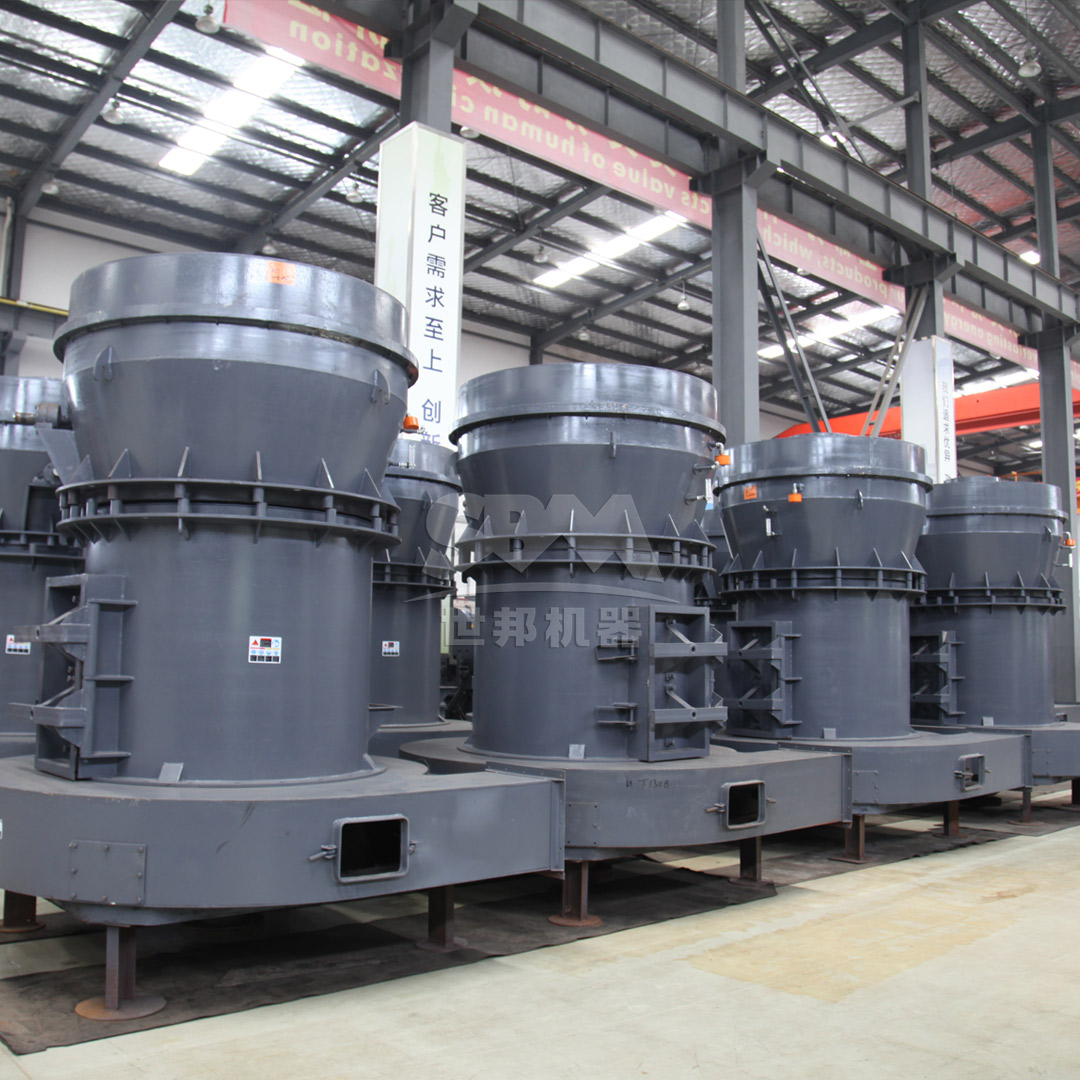
Based on the stringent requirements outlined above, two mill series stand out as optimal solutions for producing high-quality bauxite powder across a range of fineness and capacity needs.
When the target product is superfine bauxite powder for high-value chemical applications, the SCM Series Ultrafine Mill is the technology of choice. This mill excels in producing powders in the micron to sub-micron range with exceptional uniformity.
Its vertical turbine classifier ensures precise particle size cutting, guaranteeing that the final product contains no coarse powder. The grinding mechanism, utilizing multiple grinding rings and rollers, applies layer-by-layer compression grinding, which is highly efficient and generates less heat compared to friction-based mills. This is critical for heat-sensitive bauxite phases. Furthermore, the use of special material rollers and rings extends service life dramatically, reducing both contamination risk and operating costs. With capacities ranging from 0.5 to 25 tons per hour and energy consumption up to 30% lower than traditional jet mills, the SCM series offers a perfect blend of precision, efficiency, and reliability for ultra-fine bauxite production.
| Model | Capacity (t/h) | Main Power (kW) | Output Fineness |
|---|---|---|---|
| SCM800 | 0.5 – 4.5 | 75 | 325 – 2500 mesh |
| SCM900 | 0.8 – 6.5 | 90 | |
| SCM1000 | 1.0 – 8.5 | 132 | |
| SCM1250 | 2.5 – 14 | 185 | |
| SCM1680 | 5.0 – 25 | 315 |
For large-scale production of fine bauxite powder where the target fineness is between 30 and 325 mesh, the MTW Series European Trapezium Mill represents the industry benchmark for efficiency and cost-effectiveness. This mill is engineered for heavy-duty, continuous operation with capacities reaching up to 45 tons per hour.
Its core advantages include an anti-wear shovel design and curved grinding rollers that significantly extend the lifespan of wear parts, a critical factor when processing abrasive bauxite. The integral bevel gear drive transmits power with up to 98% efficiency, saving substantial energy compared to traditional worm gear systems. The optimized arc air duct and wear-resistant volute structure ensure smooth airflow and high classification efficiency, contributing to a stable and uniform product. For chemical-grade bauxite plants requiring high output of consistently fine powder, the MTW series offers an unbeatable combination of robustness, low operating cost, and product quality.
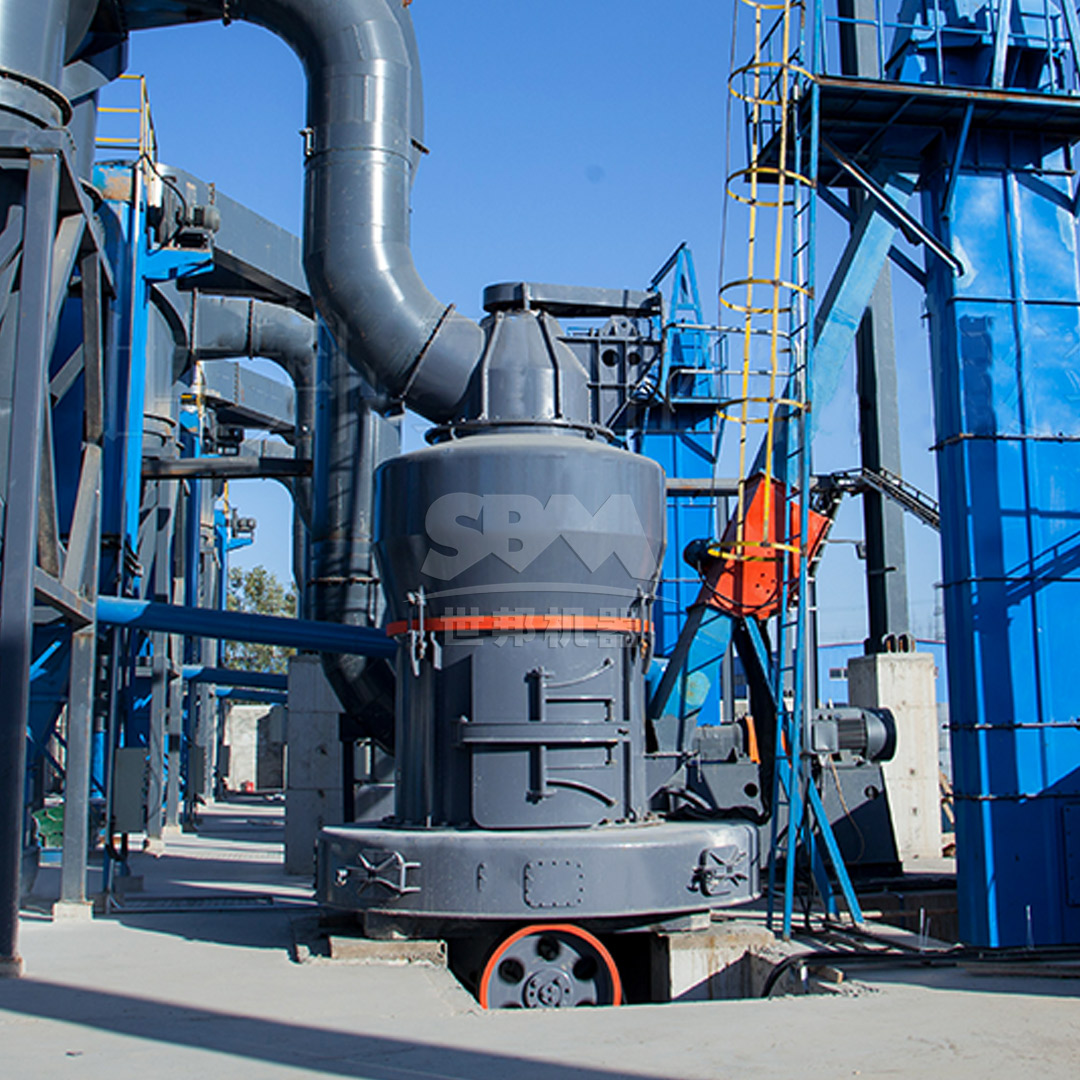
The modern bauxite grinding plant is more than just a mill; it is an integrated system. This includes pre-crushers, automated feeding conveyors, the mill with its classifier, a high-efficiency cyclone collector and pulse jet baghouse filter, a silo storage system, and a centralized PLC control room. Advanced mills like the SCM and MTW series are designed for such integration, featuring compact layouts and intelligent control systems that allow for remote monitoring and adjustment of fineness, feed rate, and pressure.
The future of chemical-grade bauxite grinding lies in even greater automation, predictive maintenance through IoT sensors, and the pursuit of “zero-waste” processes where energy and by-products are fully utilized. Selecting a mill from a technology provider committed to R&D ensures your operation remains at the forefront of efficiency and environmental stewardship.
The transformation of raw bauxite into high-purity chemical-grade powder is a precision engineering challenge. The grinding mill sits at the heart of this process, acting as the decisive factor in determining product value and plant profitability. By choosing advanced, purpose-built technology such as the SCM Series Ultrafine Mill for superfine applications or the MTW Series European Trapezium Mill for high-capacity fine grinding, producers can achieve the stringent particle size specifications, operational efficiency, and environmental compliance required to succeed in the competitive market for chemical-grade alumina. Investing in the right grinding technology is not merely an equipment purchase; it is an investment in product quality, sustainability, and long-term business resilience.