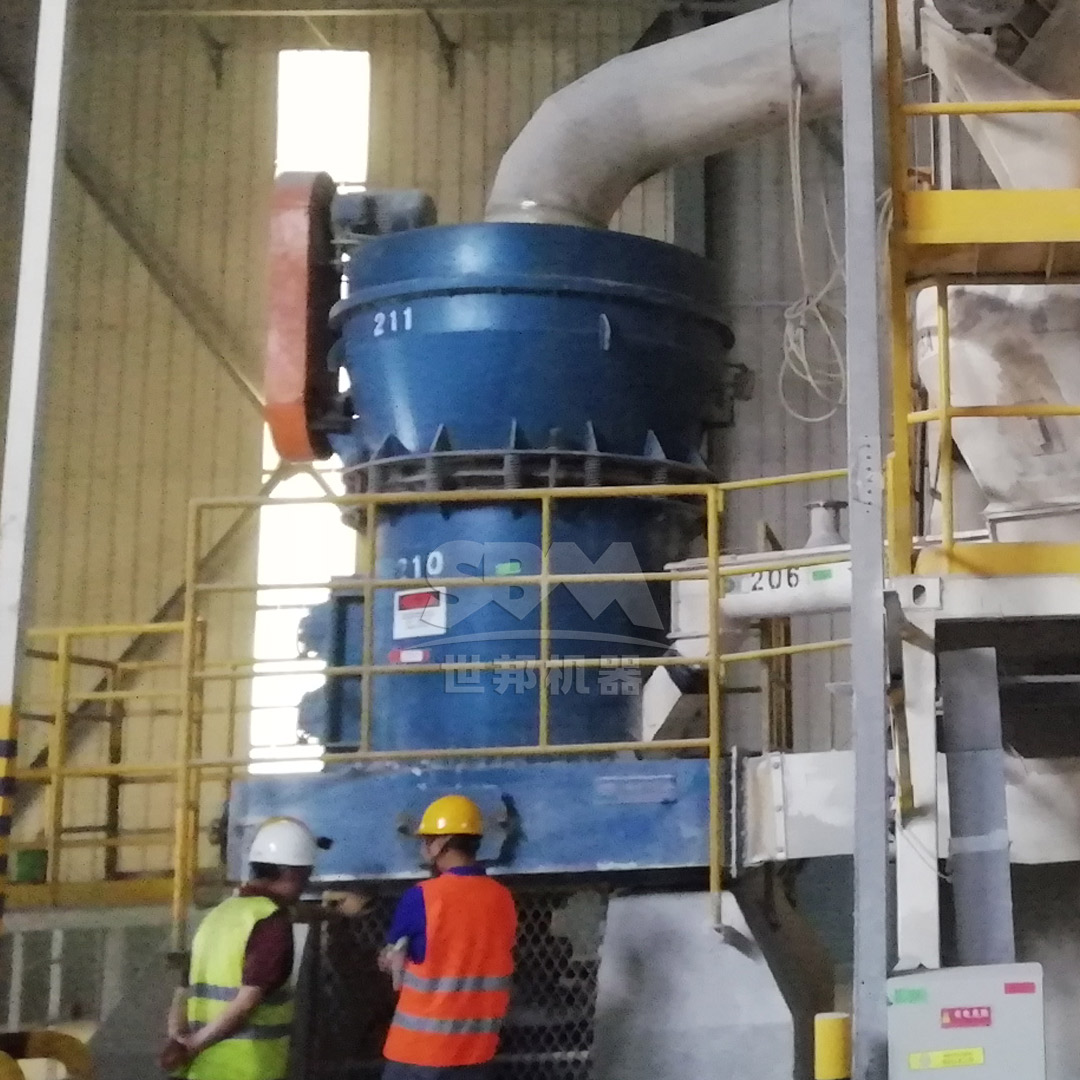
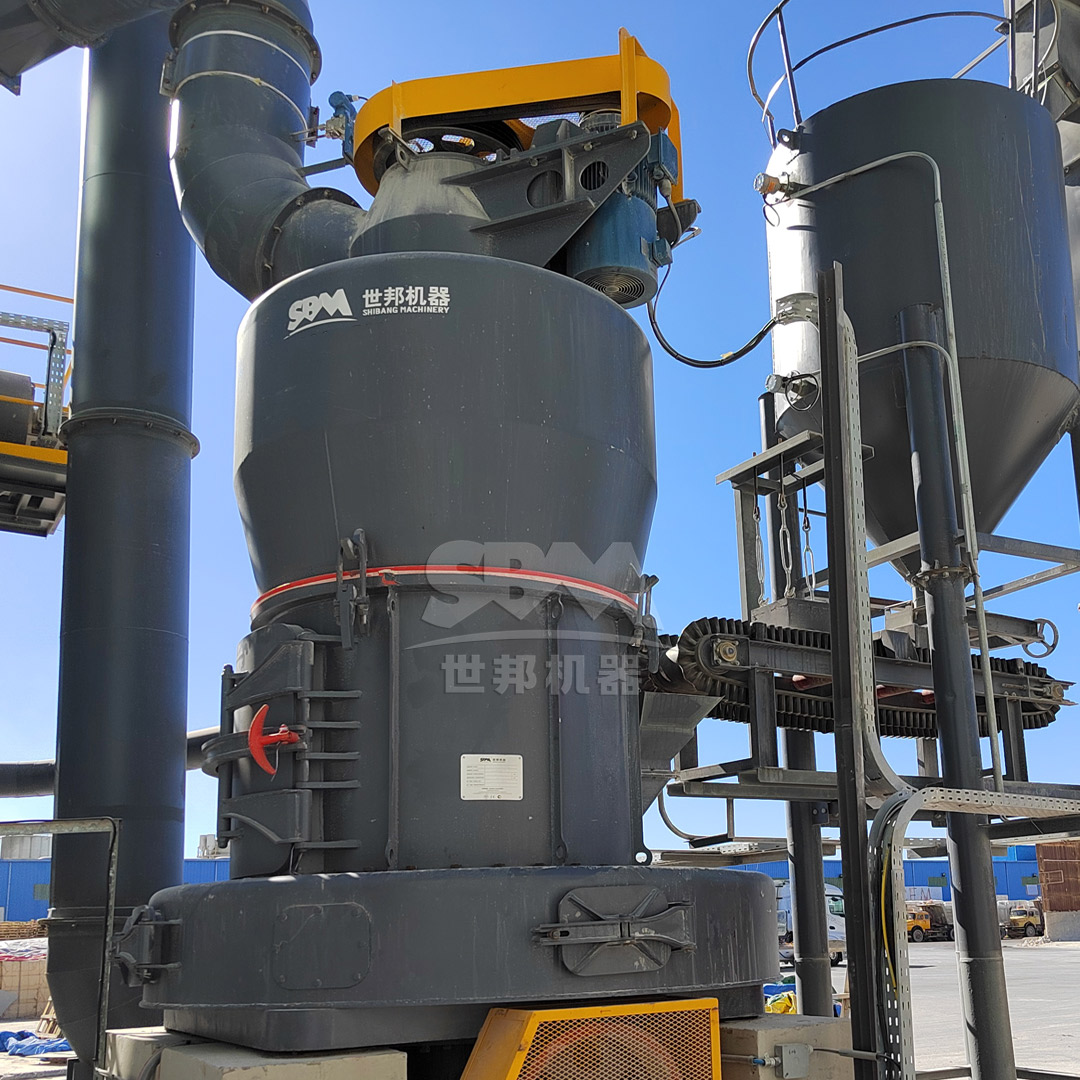
Dolomite, a calcium magnesium carbonate mineral (CaMg(CO3)2), is a cornerstone raw material in numerous chemical industries. Its applications range from glass and ceramics manufacturing to soil conditioners, flame retardants, and as a filler in paints, plastics, and rubber. Producing high-purity, chemically consistent dolomite powder requires a sophisticated grinding production line capable of delivering precise particle size distribution, high throughput, and operational efficiency while maintaining stringent environmental standards. This article delves into the critical components and technological considerations for establishing a state-of-the-art chemical grade dolomite powder grinding mill production line.
The production of chemical-grade dolomite imposes specific demands on the grinding process beyond simple size reduction. The final product must exhibit:
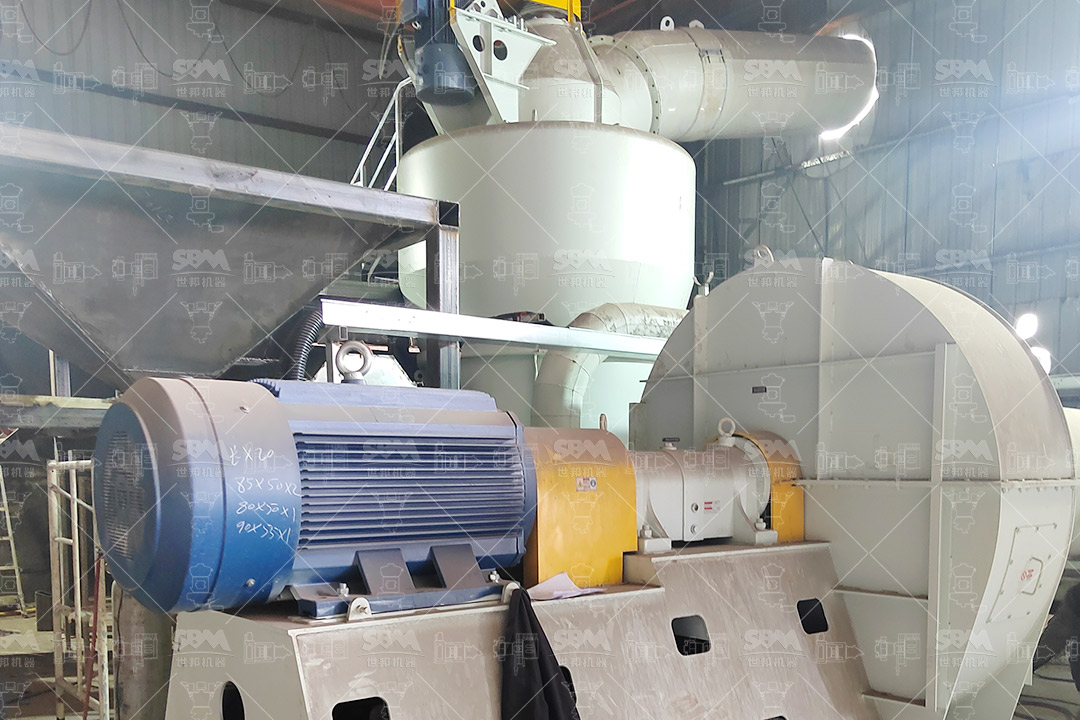
A complete production line is more than just a mill. It is an integrated system comprising several key stages:
The choice of grinding mill is the most critical decision, directly impacting product quality, capacity, and operational cost. For chemical-grade dolomite, where fineness often ranges from coarse (30-100 mesh) to superfine (>325 mesh or 45μm), different mill technologies come into play.
| Mill Type | Typical Output Range | Key Advantages | Considerations for Dolomite |
|---|---|---|---|
| Ball Mill | 0.074-0.8mm (200-20 mesh) | Proven technology, high capacity, wide application | Can introduce iron contamination; higher energy consumption for fine grinding. |
| Raymond Mill (MTW Series) | 30-325 mesh (600-45μm) | Efficient for medium-fine powder, stable operation, lower capital cost. | Ideal for producing dolomite powder in the 100-325 mesh range for many chemical applications. |
| Vertical Roller Mill (LM Series) | 30-325 mesh (up to 600 mesh) | Extremely energy-efficient, integrated drying/grinding, large capacity. | Excellent for high-tonnage production of medium-fine dolomite powder with low operating costs. |
| Ultrafine Mill (SCM/LUM Series) | 325-2500 mesh (45-5μm) | Produces superfine and nano powders, high-precision classification. | Essential for high-value-added chemical applications requiring ultra-high fineness and narrow PSD. |
Based on the diverse fineness requirements and the need for efficiency and purity, we highly recommend two of our flagship grinding systems for dolomite processing.
When your production target for chemical-grade dolomite falls within the 30 to 325 mesh range with capacities from 3 to 45 tons per hour, the MTW Series European Trapezium Mill stands out as an optimal solution. This mill incorporates advanced European technology and is engineered for durability and efficiency.
Its anti-wear shovel design and wear-resistant volute structure significantly reduce maintenance costs and downtime—a critical factor for continuous chemical production. The integral bevel gear drive achieves a remarkable 98% transmission efficiency, translating directly to lower energy consumption per ton of product. Furthermore, the optimized arc air duct and internal curved design ensure smooth material flow and efficient grinding. For projects requiring reliable, high-volume output of consistent quality dolomite powder, the MTW series, particularly models like the MTW215G (capacity 15-45 t/h), offers an unbeatable balance of performance and economy.
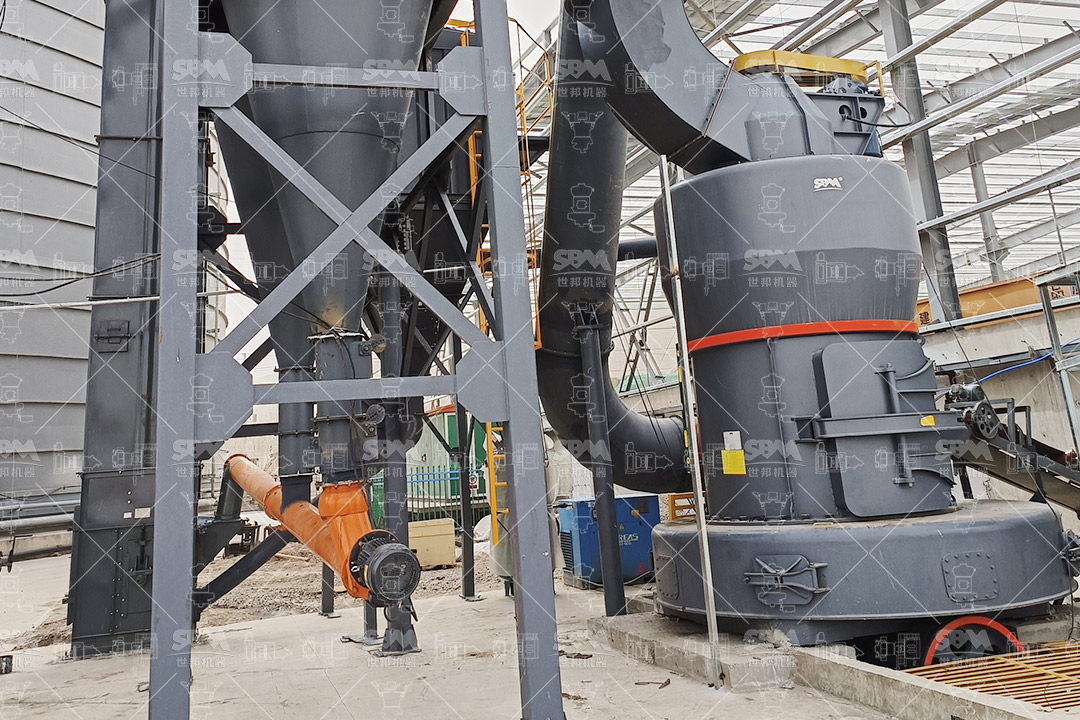
For the production of high-value, ultra-fine chemical grade dolomite powder (325-2500 mesh / 45-5μm), the SCM Series Ultrafine Mill is the technology of choice. This mill is specifically designed to overcome the efficiency limitations of traditional jet mills and ball mills in the superfine range.
The core of its success lies in its high-precision vertical turbine classifier, which ensures sharp particle size cuts and delivers a finished product with exceptional uniformity and no coarse powder mixing. Its high-efficiency & energy-saving design provides capacity twice that of jet mills while consuming 30% less energy. The grinding system features special material rollers and rings, extending service life several times over. Crucially for chemical applications, the fully sealed system coupled with a pulse dust collector exceeding international standards guarantees an eco-friendly, dust-free operation. Whether producing filler-grade or reactive-grade ultra-fine dolomite, the SCM series, such as the SCM1250 (2.5-14 t/h), delivers unparalleled product quality and system stability.
Integrating the chosen mill into a seamless production line requires careful engineering. A typical advanced layout includes:
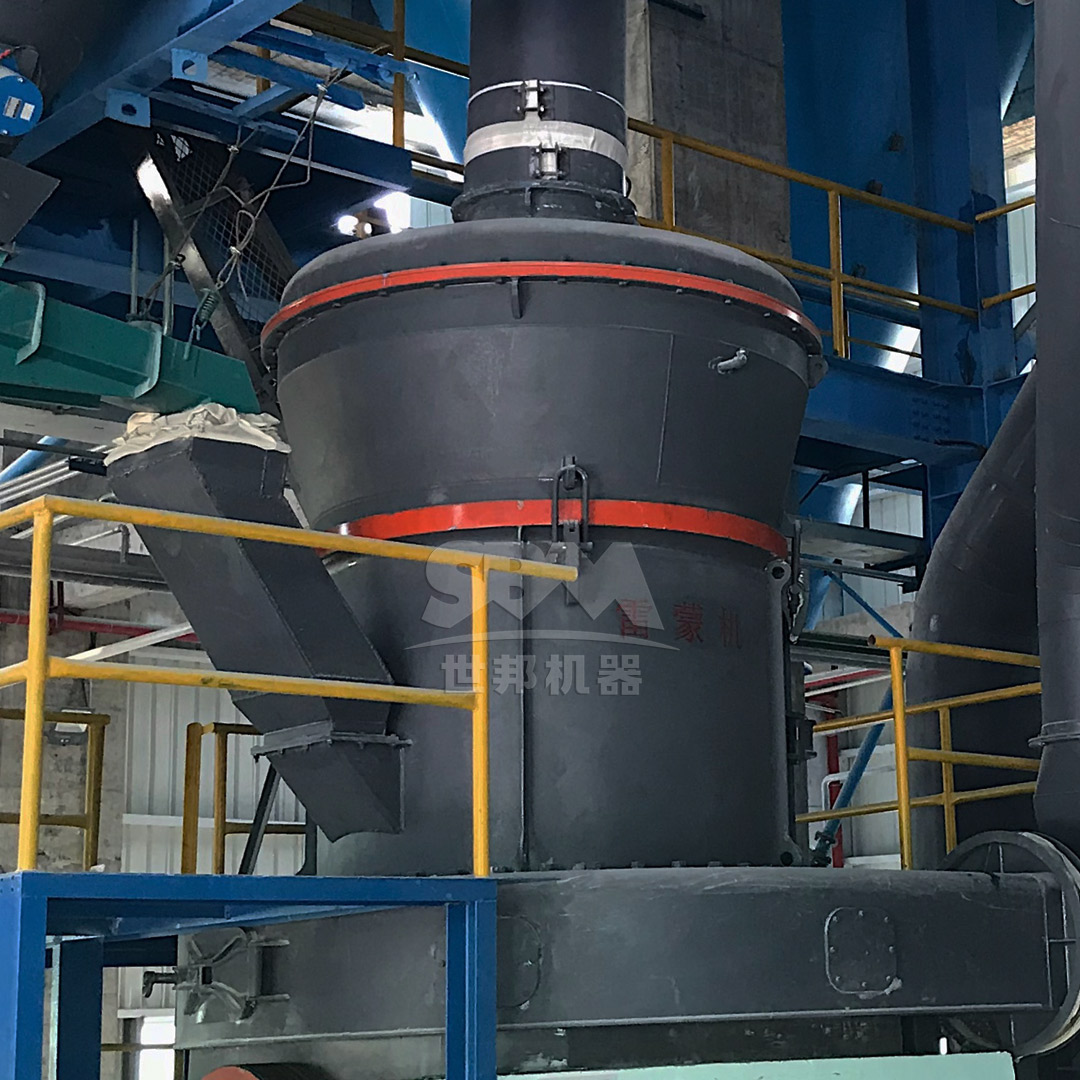
Establishing a profitable and sustainable chemical-grade dolomite powder production line hinges on selecting the right grinding technology tailored to the target product specifications. For robust, high-tonnage production of medium-fine powder, the MTW Series European Trapezium Mill offers exceptional efficiency and reliability. For ventures into the high-value ultra-fine and nano-powder markets, the SCM Series Ultrafine Mill provides the necessary precision, product quality, and energy savings. By combining these advanced mills with a well-designed, automated material handling and dust collection system, producers can achieve a competitive edge through superior product consistency, reduced operational costs, and full compliance with modern environmental regulations.