March 22, 2026
Introduction: The Role of Coal Gangue in Sustainable Construction
The global construction industry is undergoing a paradigm shift towards sustainable and eco-friendly materials. Non-fired bricks, manufactured without the energy-intensive sintering process, stand at the forefront of this green revolution. A key raw material for these bricks is coal gangue, a solid waste byproduct of coal mining and washing. Utilizing coal gangue not only provides a cost-effective aggregate but also addresses significant environmental challenges associated with waste disposal. However, the performance of non-fired bricks is critically dependent on the fineness, particle size distribution, and activity of the coal gangue powder. This is where advanced grinding technology becomes indispensable. This article delves into the technical requirements for coal gangue grinding in non-fired brick production and explores optimal milling solutions.
1. Technical Requirements for Coal Gangue in Non-Fired Bricks
The transformation of raw coal gangue into a high-quality building material hinges on precise grinding. The grinding process must achieve several key objectives:
- Specific Fineness Range: For optimal reactivity and binding in the cementitious matrix of non-fired bricks, coal gangue powder typically needs to be ground to a fineness between 200 mesh (74μm) and 325 mesh (45μm). Some high-performance formulations may require even finer powders up to 800 mesh (18μm) to enhance pozzolanic activity.
- Uniform Particle Size Distribution: A narrow, controlled particle size distribution ensures consistent packing density, which directly influences the brick’s compressive strength, water absorption, and dimensional stability. The presence of unground coarse particles can create weak points in the final product.
- Maintained Material Activity: The grinding process should not overheat the material, as excessive heat can dehydrate the clay minerals in the gangue, reducing its latent hydraulic or pozzolanic activity essential for strength development.
- High Processing Capacity & Low Energy Consumption: Given that non-fired brick plants often operate on large scales to be economically viable, the grinding system must offer high throughput with minimal specific energy consumption (kWh/ton) to keep operational costs low.
- System Reliability & Low Maintenance: Coal gangue can be abrasive. The grinding equipment must be designed with wear-resistant components and feature a robust, stable operation to ensure continuous production with minimal downtime.
| Brick Performance Parameter |
Influence of Gangue Powder Fineness |
Target Grinding Range |
| Compressive Strength |
Finer particles increase surface area for cementitious reactions, filling voids for denser structure. |
200 – 800 Mesh |
| Water Absorption |
Finer, well-graded powder reduces capillary pores, lowering water absorption. |
Controlled Distribution |
| Drying Shrinkage |
Uniform particle size minimizes differential shrinkage and cracking risk. |
Narrow Distribution Curve |
| Production Cost |
Grinding energy is a major cost component; efficient mills are crucial. |
Low kWh/ton |
2. Grinding Mill Selection: Matching Technology to Requirement
Selecting the right grinding mill is a balance between required fineness, capacity, energy efficiency, and total cost of ownership. Several mill types are applicable, each with its strengths.
2.1 For Coarse to Medium Grinding (0-3mm to 30-100 mesh)
Primary crushing and preliminary size reduction are often necessary before fine grinding.
- Hammer Mill: Excellent for initial size reduction of raw coal gangue lumps to below 3mm. Its high capacity and simple structure make it ideal for the first-stage crushing. Models like the PC4012-90, with a capacity of 15-40 t/h and a 90kW motor, are well-suited for this preparatory role, ensuring a consistent feed for downstream fine grinding mills.
2.2 For Fine Grinding (100-325 mesh / 150-45μm)
This is the core process for most non-fired brick formulations.
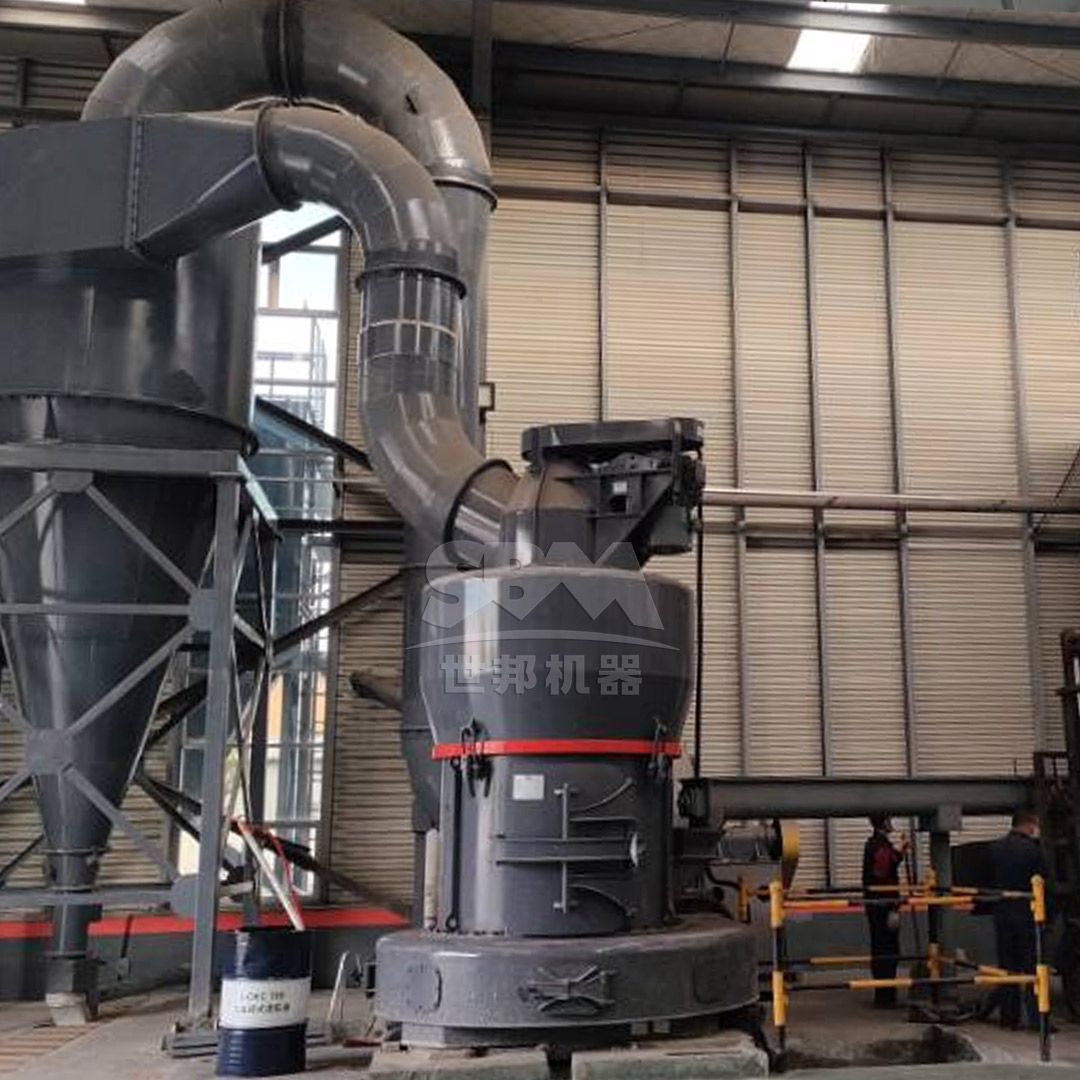
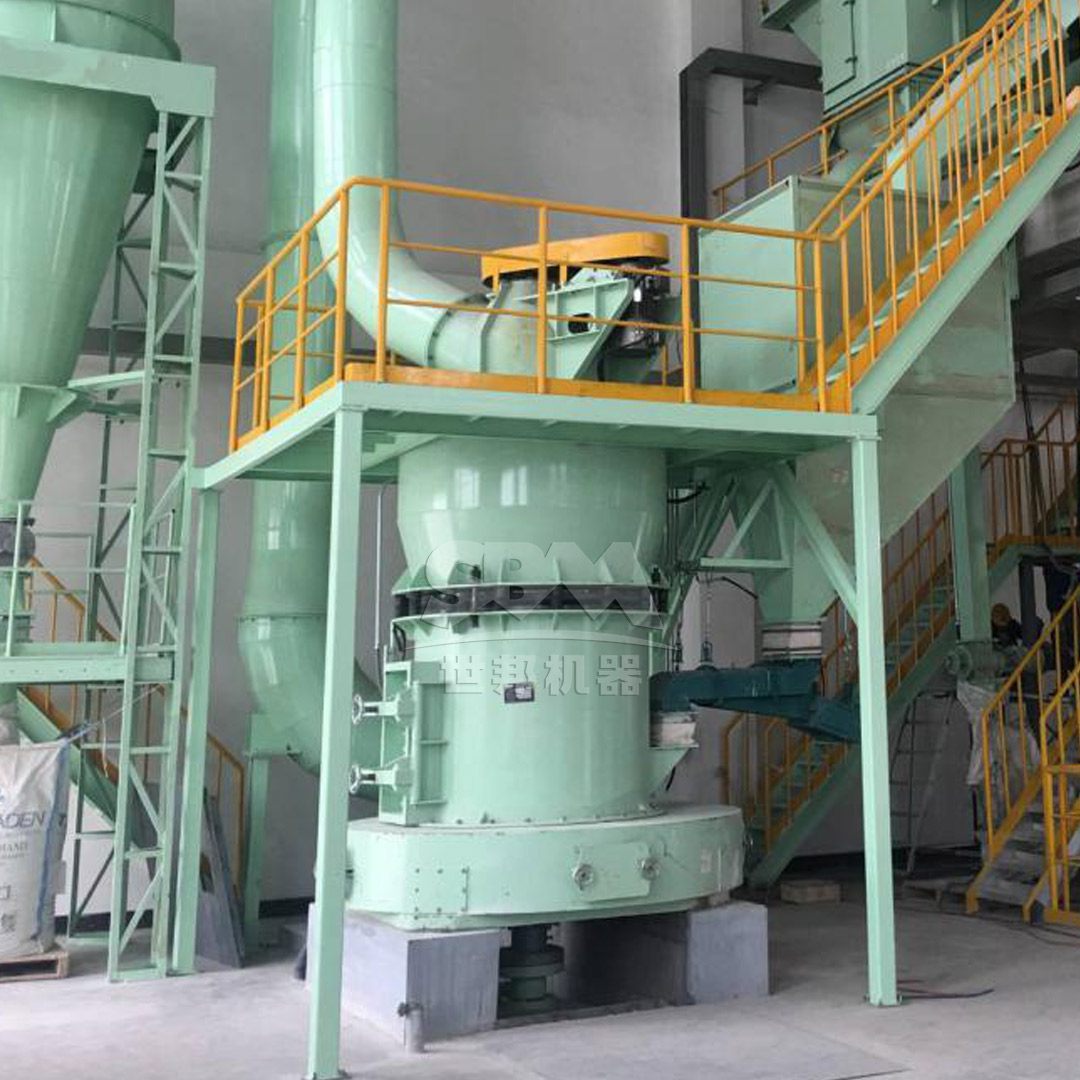
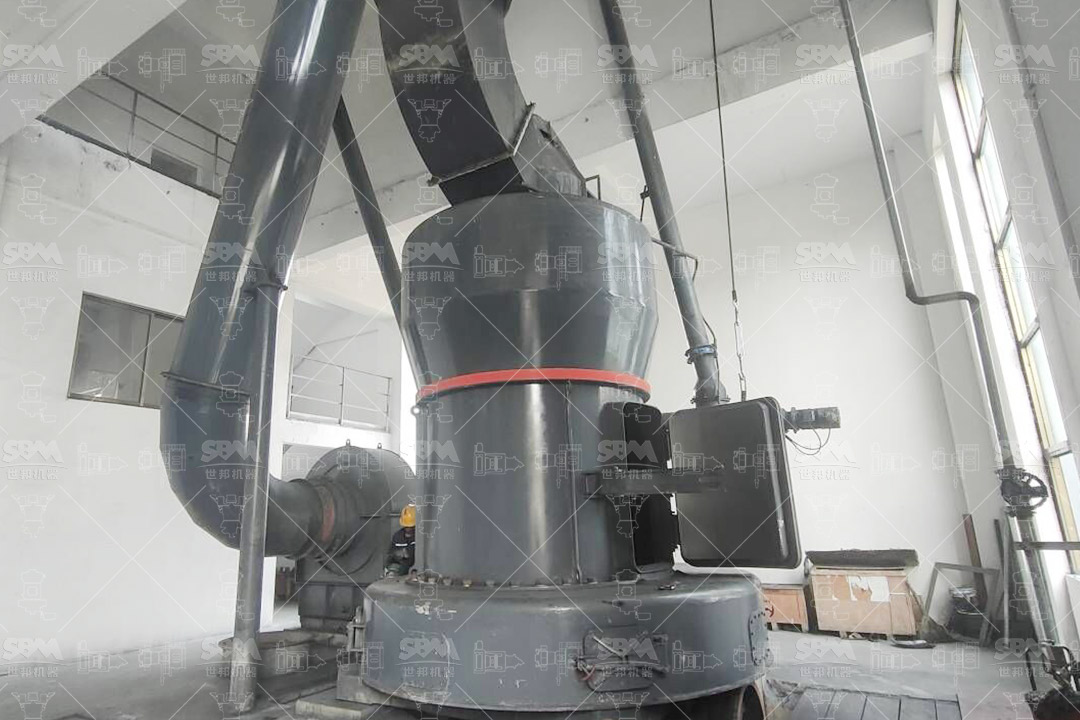
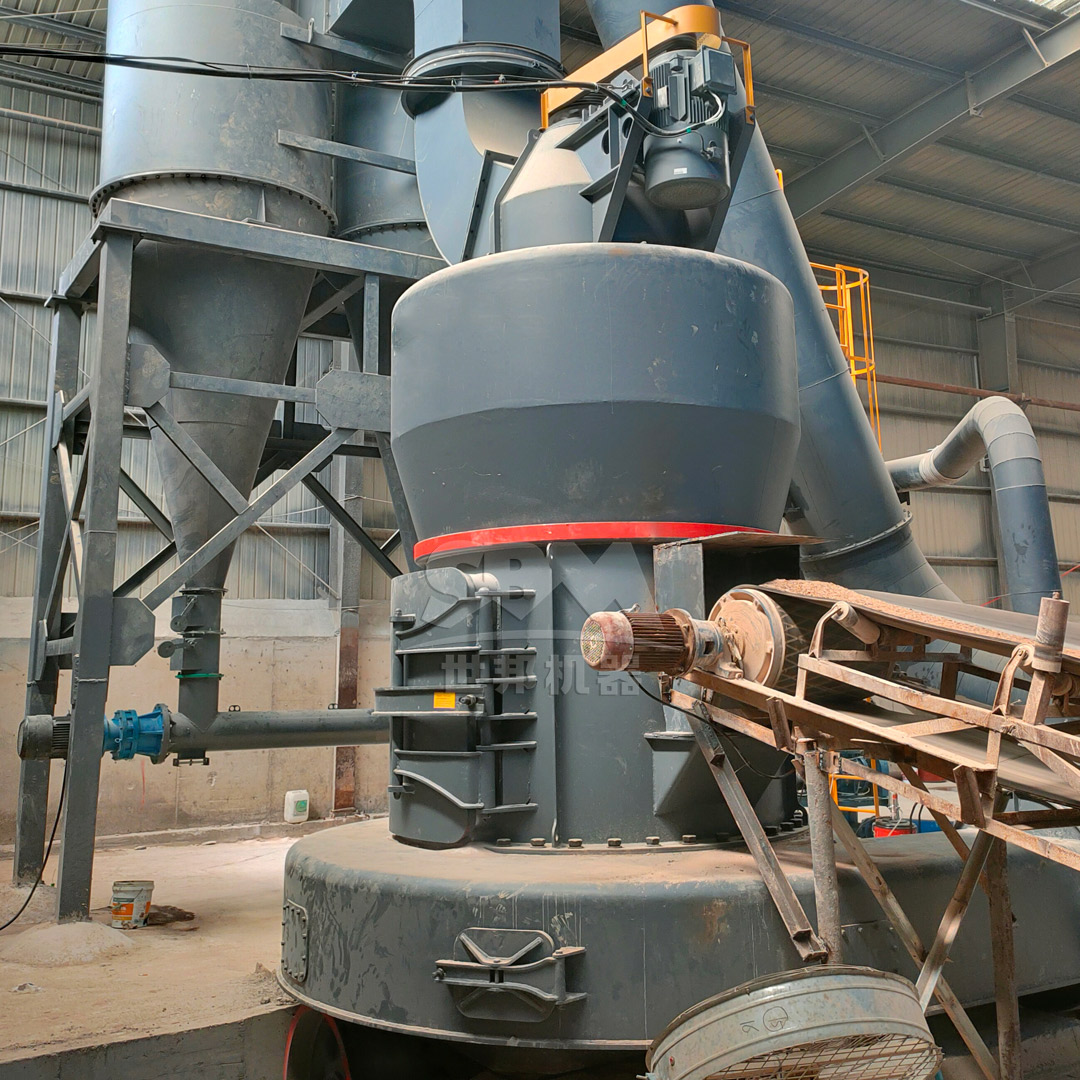
- MTW Series European Trapezium Mill: This mill is a standout choice for high-capacity production of coal gangue powder in the 30-325 mesh range. Its advantages are directly aligned with the needs of non-fired brick plants:
- High Efficiency & Large Capacity: With capacities from 3 to 45 t/h, it can support large-scale brick production lines. The integral bevel gear drive boasts 98% transmission efficiency, directly translating to energy savings.
- Durability: The anti-wear shovel design and wear-resistant volute structure are specifically engineered to handle abrasive materials like coal gangue, significantly reducing maintenance frequency and cost.
- Precise Classification: The optimized curved air duct and efficient classifier ensure a stable and uniform product fineness, which is critical for brick quality consistency.
For a medium to large non-fired brick plant, the MTW175G model, offering 9.5-25 t/h capacity and handling feed sizes up to 40mm, presents an optimal balance of power, output, and reliability for grinding coal gangue to the desired fineness.
2.3 For Ultrafine Grinding (>325 mesh / <45μm)
For advanced non-fired bricks requiring high-activity fillers or superior surface finish.
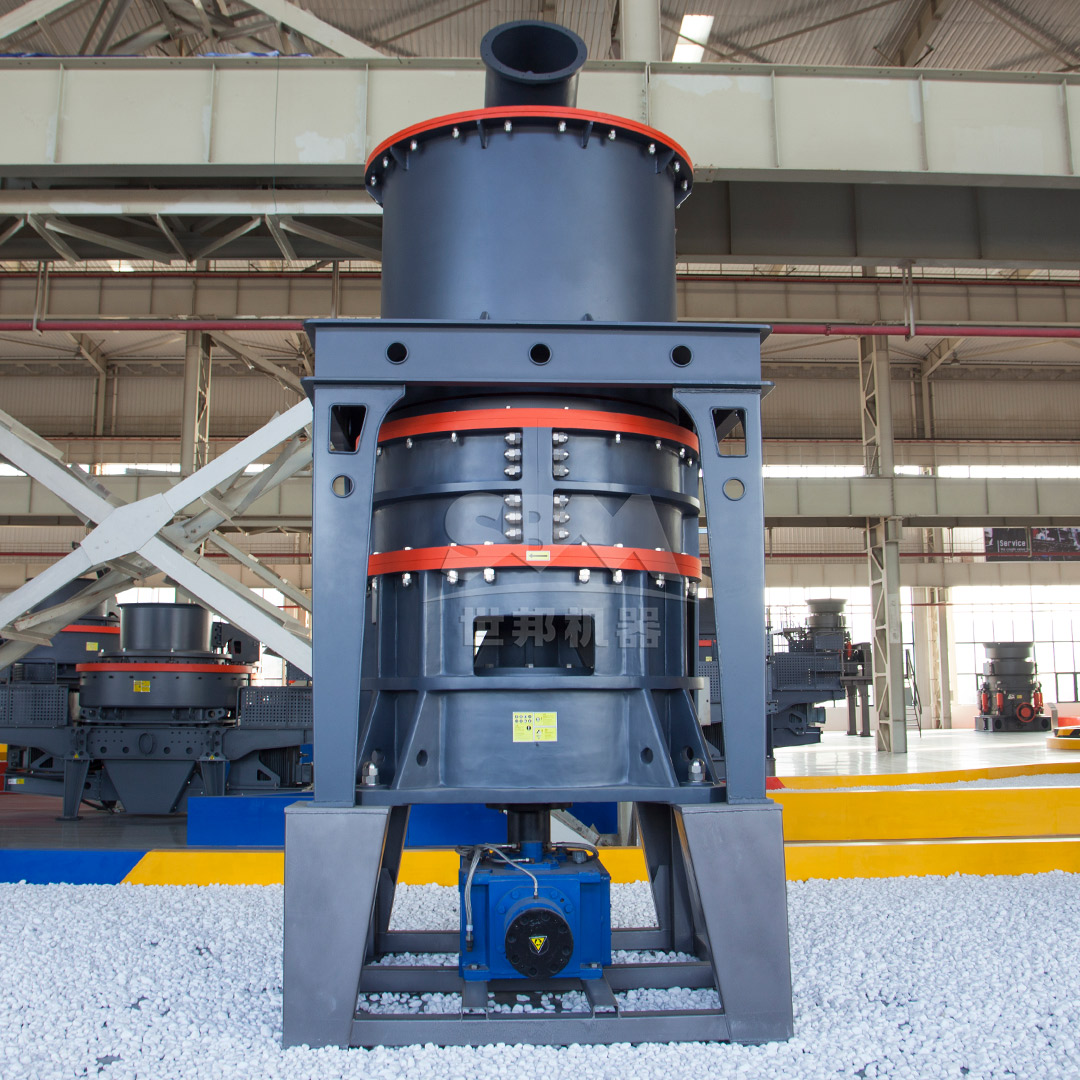
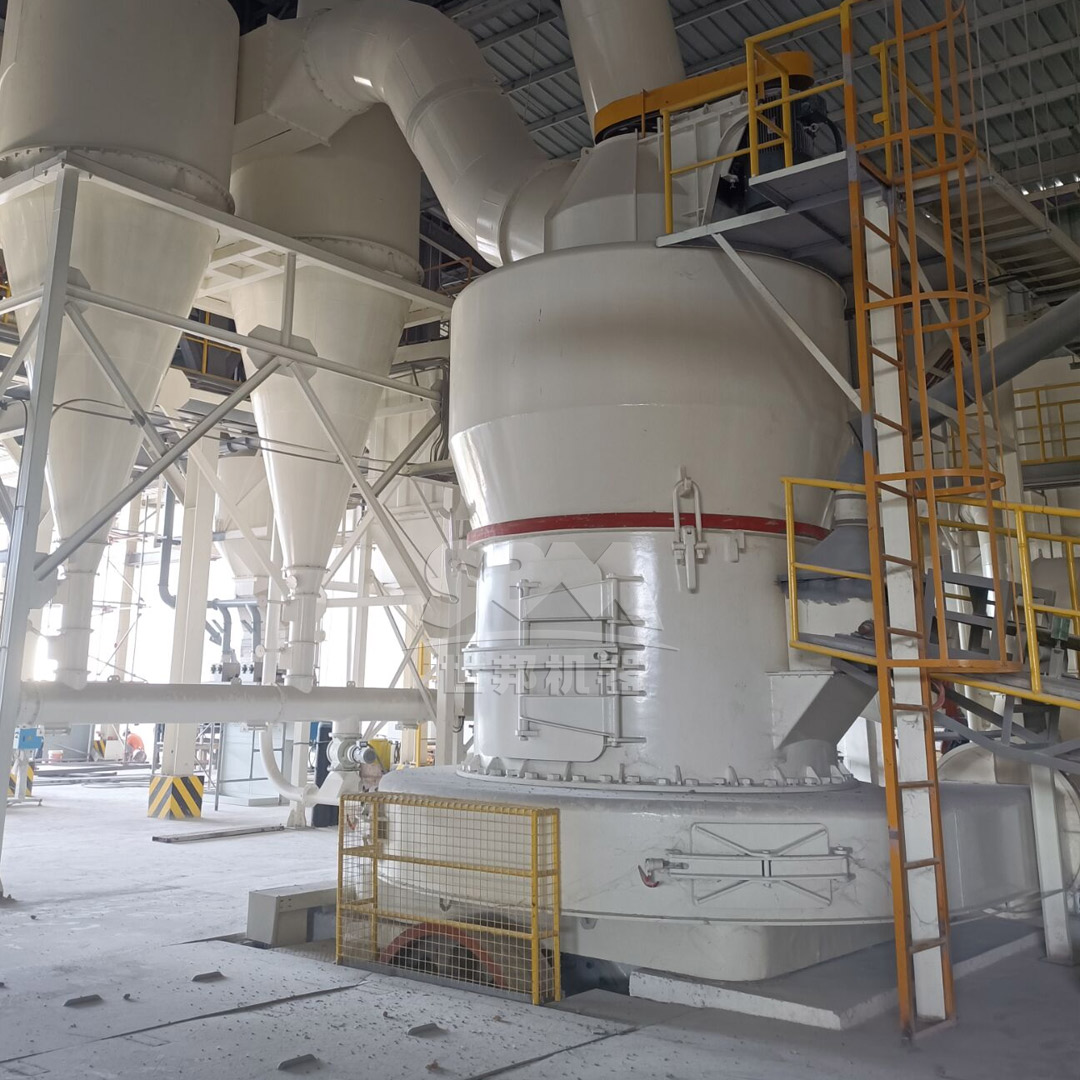
- SCM Series Ultrafine Mill: When the recipe calls for ultrafine coal gangue powder (325-2500 mesh), this mill is the technology of choice. It excels in producing superfine powders with high efficiency.
- Energy-Efficient Ultrafine Grinding: It consumes 30% less energy than traditional jet mills while offering double the capacity, making ultrafine processing economically feasible.
- Exceptional Product Quality: The high-precision vertical turbine classifier guarantees no coarse powder mixing, resulting in a remarkably uniform product that can significantly enhance the brick’s mechanical properties and density.
- Eco-Friendly Operation: Its pulse dust collection system exceeds international standards, ensuring a clean production environment—a key consideration for modern manufacturing facilities.
For pilot plants or production lines focusing on high-value, performance-driven non-fired bricks, the SCM1000 model, with a capacity of 1.0-8.5 t/h and the ability to produce powder up to 2500 mesh, provides unparalleled flexibility and quality in ultrafine gangue preparation.
Comparison of Key Grinding Mills for Coal Gangue
| Mill Series |
Target Fineness |
Typical Capacity Range |
Key Advantage for Non-Fired Bricks |
Recommended Model for Mid-Scale Plant |
| Hammer Mill (PC Series) |
0-3mm |
8-70 t/h |
High-efficiency primary crushing |
PC4012-90 |
| MTW European Trapezium Mill |
30-325 mesh |
3-45 t/h |
Best balance of capacity, efficiency & durability for core grinding |
MTW175G |
| SCM Ultrafine Mill |
325-2500 mesh |
0.5-25 t/h |
Superior product uniformity for high-performance bricks |
SCM1000 |
3. System Integration and Best Practices
Implementing a successful coal gangue grinding system involves more than just selecting a mill.
- Feed Preparation: Ensure raw coal gangue is pre-homogenized and its moisture content is controlled. Excessive moisture can reduce grinding efficiency and may require a pre-drying stage.
- Closed-Circuit Grinding with Classification: Integrating a high-efficiency classifier (often built into mills like the MTW and SCM series) in a closed-loop system is crucial. It allows for real-time separation of合格 product, with oversize material being recirculated for further grinding. This maximizes efficiency and ensures precise fineness control.
- Dust Collection & Material Handling: A robust pulse-jet baghouse dust collection system is mandatory to capture fine particles, protect the environment, and recover product. Coupled with screw conveyors and bucket elevators, it forms a seamless, automated material handling circuit.
- Process Control: Modern mills come with PLC-based control systems. Utilizing these for automated start-up, shutdown, and monitoring of key parameters (e.g., main motor current, classifier speed, bearing temperature) ensures stable operation, consistent product quality, and early fault detection.
4. Economic and Environmental Benefits
Investing in an optimized coal gangue grinding system delivers substantial returns:
- Waste Valorization: Transforms a liability (mining waste) into a valuable resource, eliminating disposal costs and land use.
- Reduced Carbon Footprint: Non-fired brick production using gangue avoids the CO2 emissions from clay sintering. Efficient grinding mills further minimize the process’s electrical carbon footprint.
- Cost-Effective Production: Using low-cost or zero-cost raw material (gangue) significantly reduces brick production costs. High-efficiency mills lower the biggest operational expense in size reduction: energy.
- Product Premium: High-quality, consistently ground gangue powder enables the manufacture of superior non-fired bricks that can meet or exceed the standards for fired clay bricks, commanding competitive market prices.
Conclusion
The journey from coal mining waste to high-quality non-fired brick is engineered through precision grinding. The selection of the appropriate grinding technology—whether the robust and efficient MTW Series European Trapezium Mill for standard-grade powders or the advanced SCM Series Ultrafine Mill for premium, high-activity fillers—is the cornerstone of a profitable and sustainable non-fired brick manufacturing operation. By focusing on fineness control, energy efficiency, and system reliability, producers can fully unlock the potential of coal gangue, contributing to a greener construction industry while building a solid foundation for economic success.