Diabase, also known as dolerite, is a medium-grained, mafic intrusive igneous rock with a composition similar to basalt. Its high density (typically 2.8-3.0 g/cm³), hardness (6-7 on the Mohs scale), and abrasiveness present significant challenges in crushing and grinding operations. The primary goal is to reduce the raw rock to the desired particle size distribution for applications in construction aggregates, railway ballast, or as a filler material, while maximizing equipment efficiency and minimizing wear. This guide outlines the optimal process flow and equipment selection for efficient diabase comminution.
The transformation of raw diabase into usable products follows a multi-stage comminution process, each stage requiring specialized machinery.
The first stage involves reducing large quarry-run diabase blocks (up to 1 meter or more) to a manageable size, typically below 200-250mm. Given diabase’s toughness, high-capacity jaw crushers are the preferred choice for this duty. Their robust, compressive crushing action effectively breaks the hard rock. Key considerations include a heavy-duty frame, high manganese steel jaw plates, and a large feed opening.
Output from the primary crusher is further reduced to sizes usually between 20mm and 50mm. Cone crushers are ideal for this stage due to their ability to provide a consistent, cubical product with a relatively low fines generation. For diabase, models with hydraulic adjustment and clearing systems are recommended to handle potential tramp metal and to quickly reset the crushing gap. For producing finer aggregates or feed for grinding mills, a tertiary crushing stage with a vertical shaft impact (VSI) crusher can be employed to enhance particle shape.
| Processing Stage | Target Output Size | Recommended Equipment Type | Key Considerations for Diabase |
|---|---|---|---|
| Primary Crushing | < 200-250 mm | Jaw Crusher | High manganese steel jaws, robust frame |
| Secondary Crushing | 20 – 50 mm | Cone Crusher | Hydraulic adjustment, chamber optimization |
| Tertiary Crushing/Fine Crushing | 0 – 20 mm | Cone Crusher or VSI Crusher | Product shape requirements, wear part cost |
| Fine Grinding | 45μm – 3mm | Vertical Roller Mill, Ball Mill | Energy efficiency, abrasion resistance |
| Ultrafine Grinding | < 45μm (325 mesh+) | Ultrafine Grinding Mill | Classification precision, energy consumption |
When the end product requires powder form—such as for use as a high-quality filler, in ceramics, or for chemical applications—fine and ultrafine grinding stages are necessary. This is where the selection becomes critical to balance product fineness, capacity, and operational cost. For producing powders in the range of 30-325 mesh (600-45μm), robust and efficient grinding systems are required.
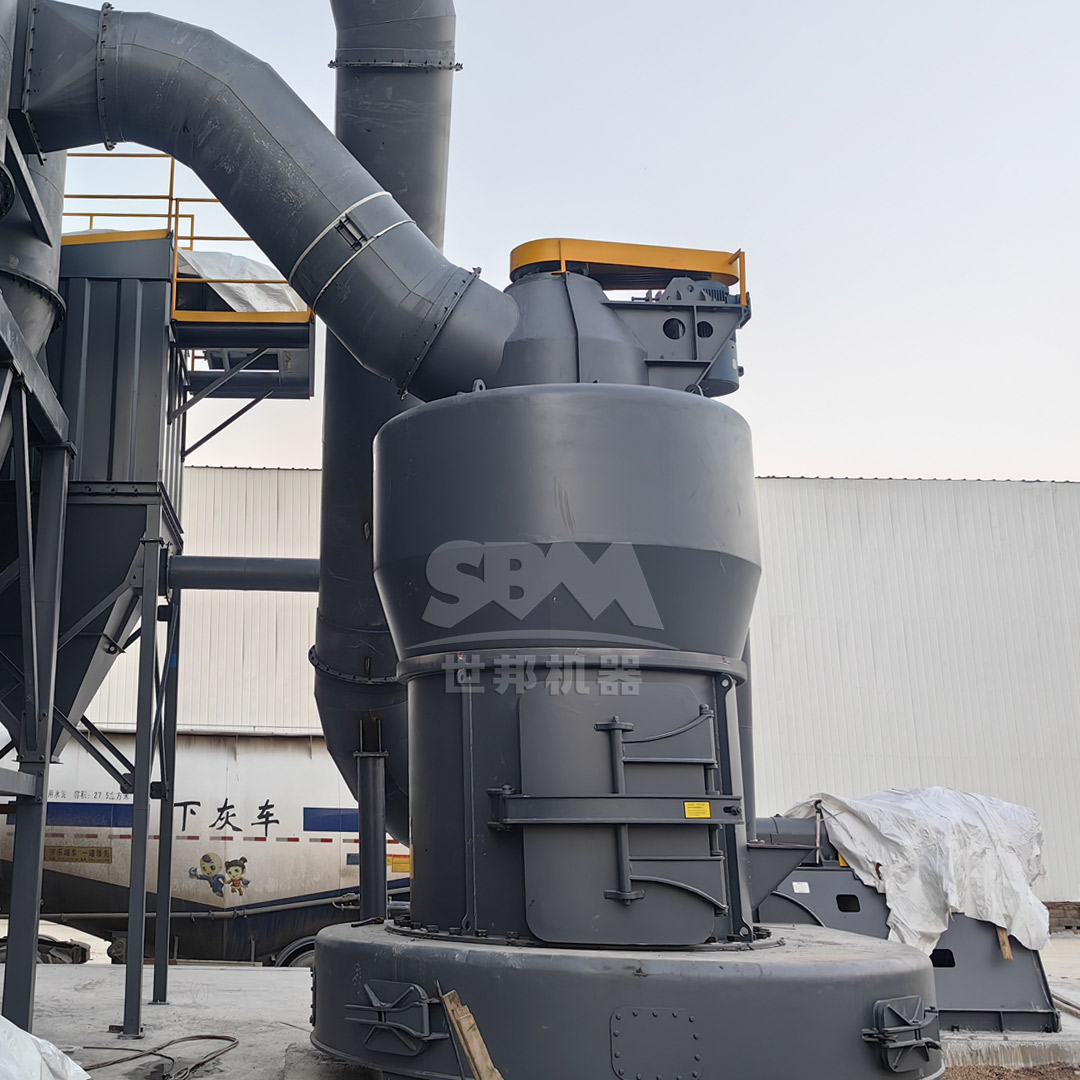
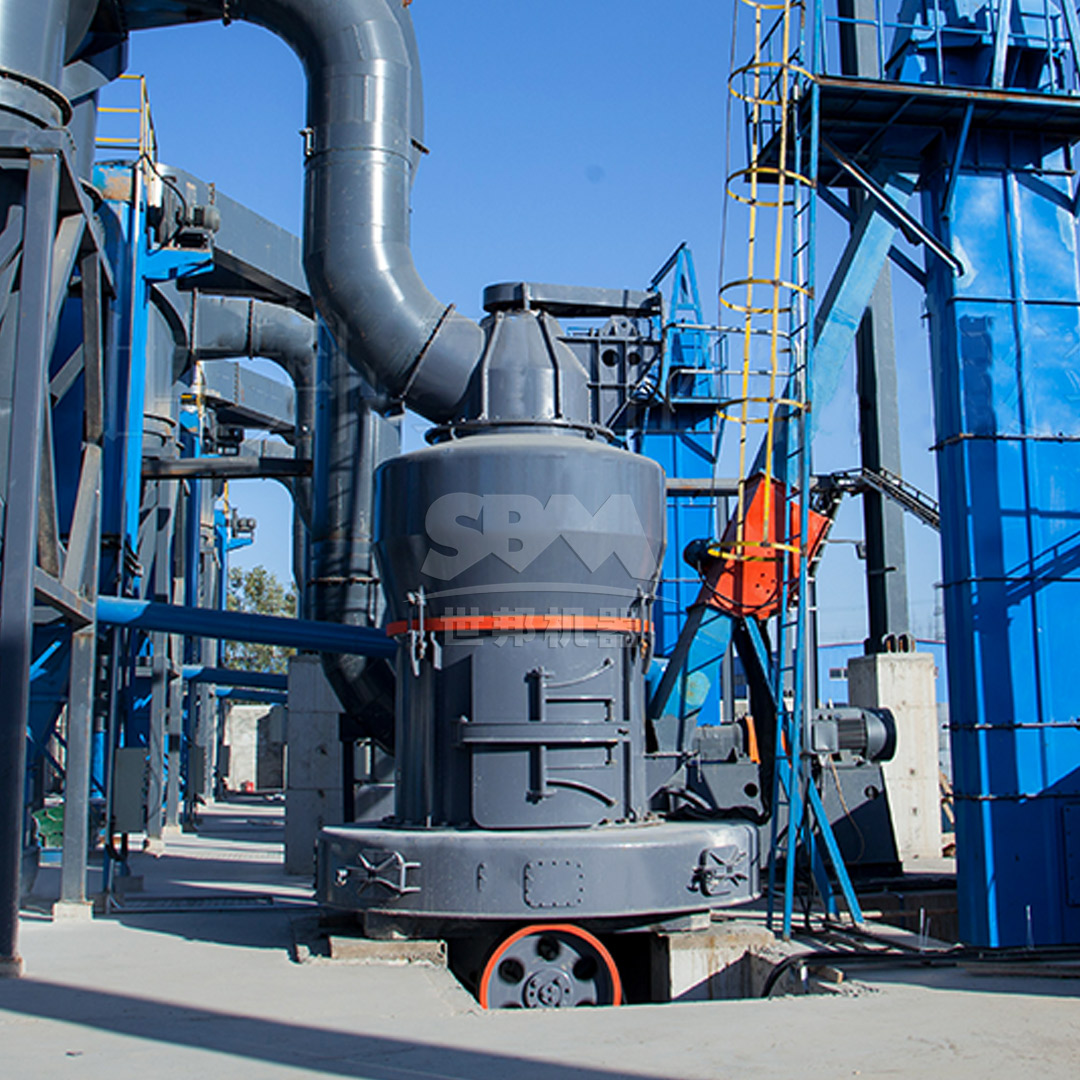
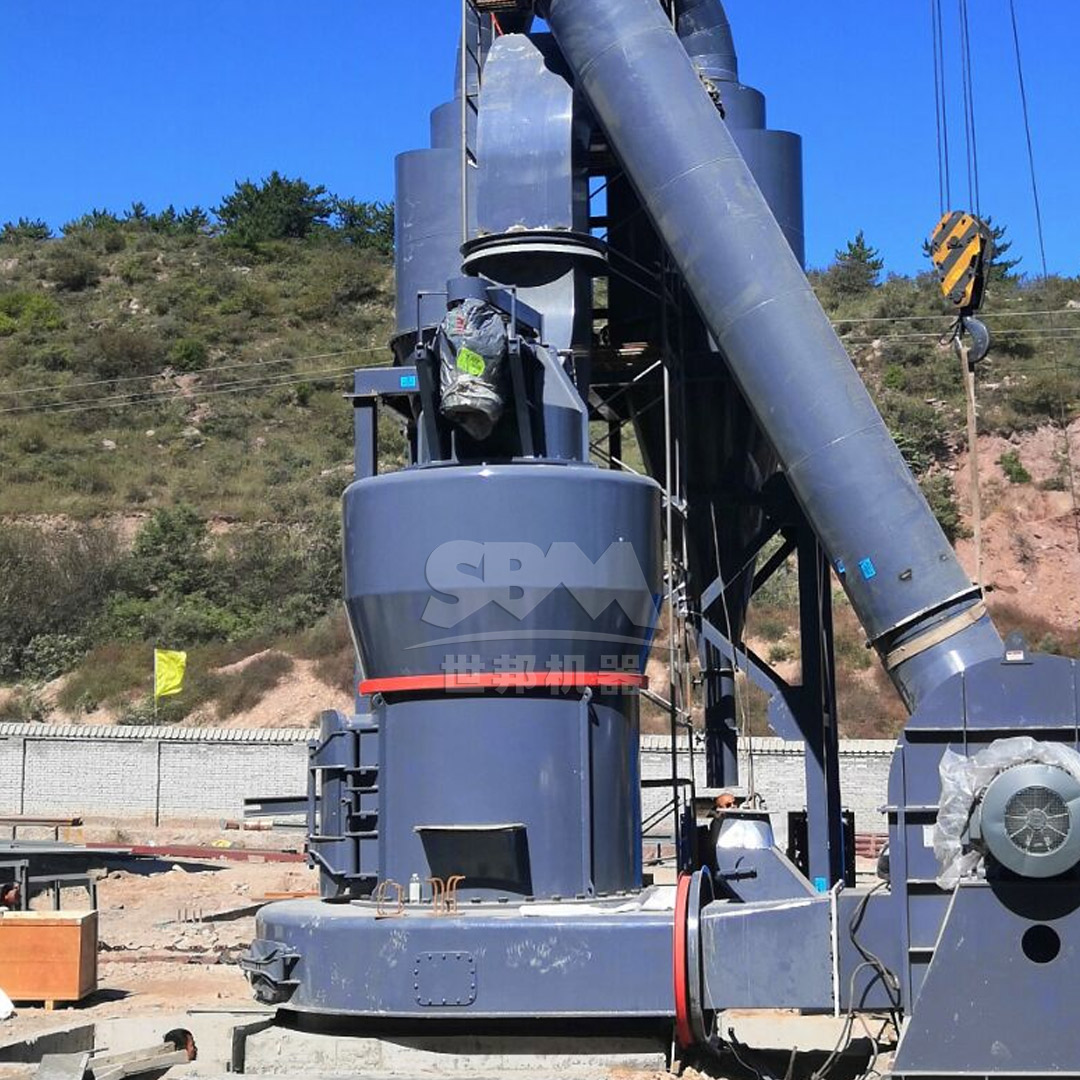
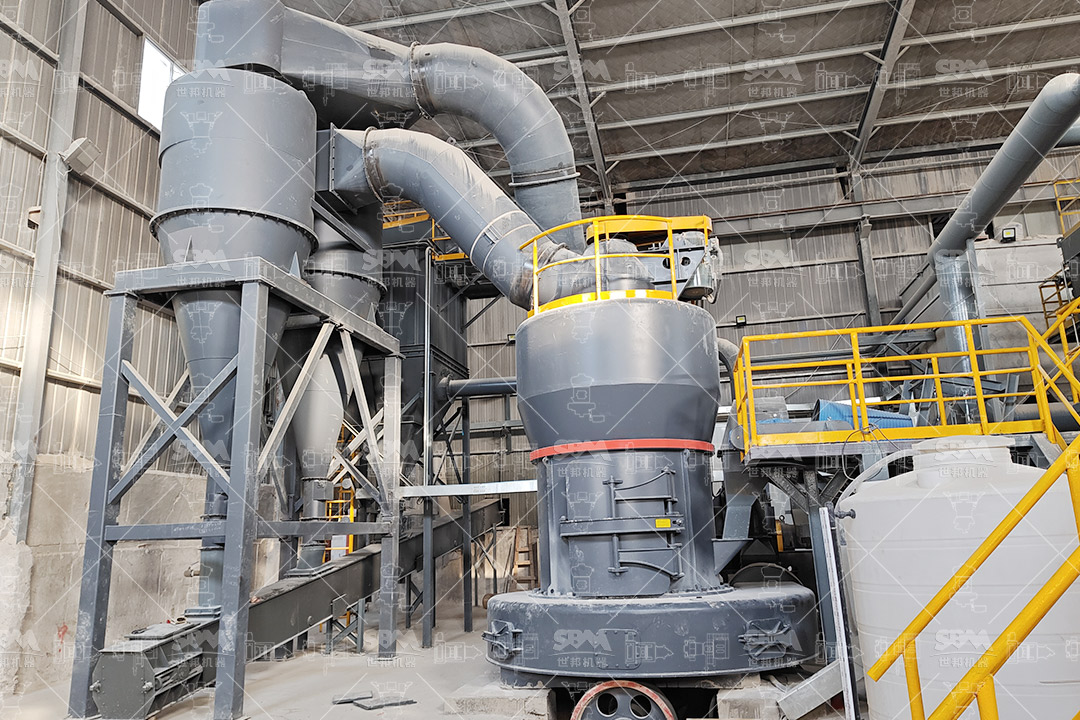
For this specific application in the fine grinding range, our MTW Series European Trapezium Mill stands out as an excellent solution for diabase. Engineered with an anti-wear shovel design and wear-resistant volute structure, it directly addresses the abrasive nature of diabase, significantly reducing maintenance costs. Its integral bevel gear drive achieves up to 98% transmission efficiency, saving energy—a major cost factor in grinding. With a capacity range of 3-45 tons per hour and the ability to handle feed sizes up to 50mm, it seamlessly integrates into the production line after secondary crushing.
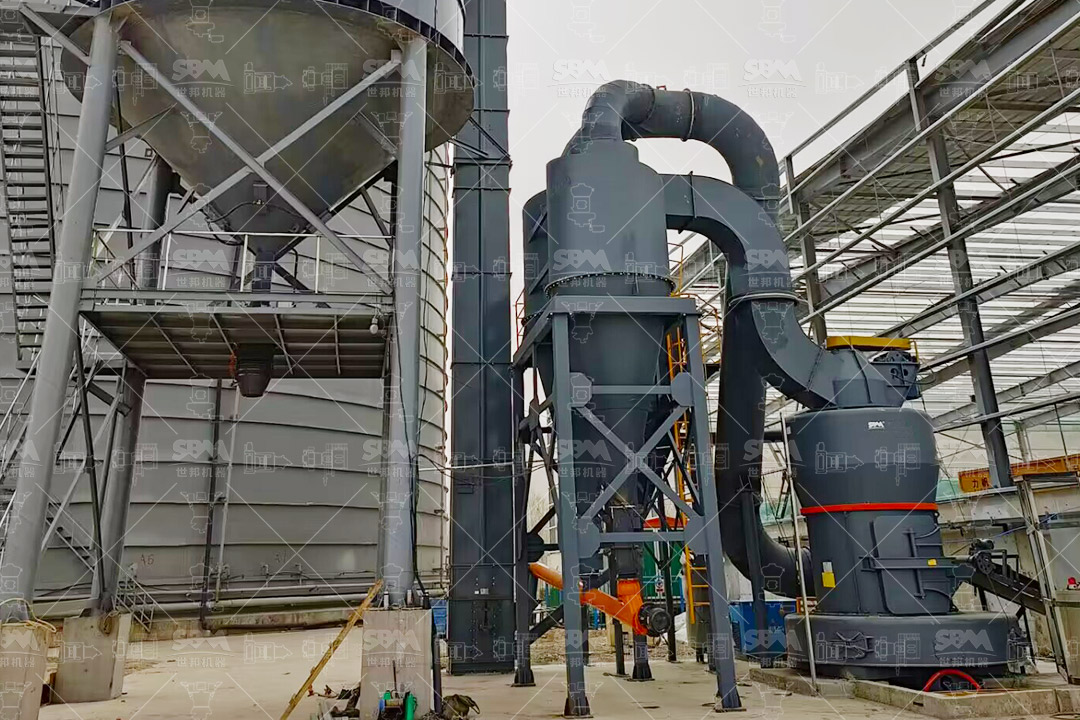
The production of ultrafine diabase powder (finer than 325 mesh/45μm) demands technology focused on precision classification and energy efficiency. Conventional ball mills become inefficient at this range. The process requires equipment capable of applying sufficient grinding force while efficiently separating fine particles to prevent over-grinding.
For producing high-value ultrafine diabase powders, we highly recommend our SCM Series Ultrafine Mill. This mill is specifically designed for the 325-2500 mesh (45-5μm) range. Its high-precision vertical turbine classifier ensures a sharp particle size cut without coarse powder mixing, yielding a uniform product essential for premium applications. The mill’s high-efficiency design consumes 30% less energy compared to jet mills while offering double the capacity. Furthermore, its durable construction with special material rollers and rings provides exceptional service life when processing abrasive materials like diabase.
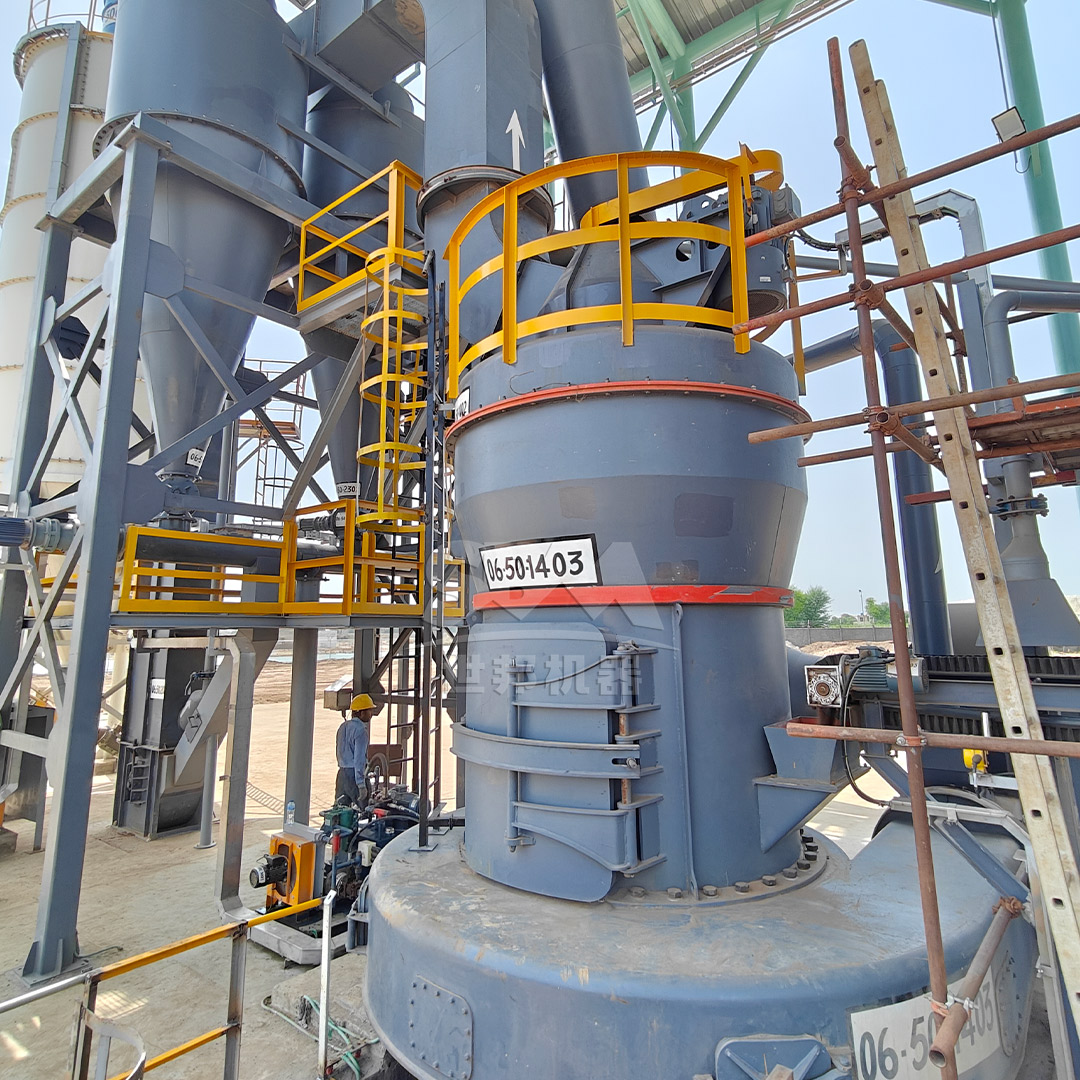
Diabase’s abrasiveness is the foremost challenge. Select equipment with wear parts made from high-chrome alloys, manganese steel, or specialized ceramic composites. Designs that allow for easy replacement of wear parts, such as modular roller assemblies, drastically reduce downtime. Our MTW and SCM series both feature such durable designs and easy-maintenance concepts.
Communition is highly energy-intensive. Modern grinding mills like Vertical Roller Mills (VRMs) and advanced trapezium mills offer significantly lower specific energy consumption (kWh/ton) than traditional ball mills, especially for fine grinding. The integral gear drive of the MTW series and the intelligent grinding chamber design of the SCM series are direct responses to this need.
Define your final product specifications clearly. For aggregates, particle shape from cone or VSI crushers is vital. For powders, the classification system within the grinding mill is paramount. A high-efficiency classifier, as found in our SCM Ultrafine Mill, is non-negotiable for producing consistent ultrafine powders.
A seamless flow between crushing, screening, conveying, and grinding stages is crucial. Furthermore, diabase processing generates dust. Opt for mills with fully sealed, negative-pressure operation and integrated high-efficiency pulse dust collection systems (exceeding 99.9% efficiency) to ensure environmental compliance and a clean working environment, a standard feature in our grinding equipment.
Successfully processing diabase from raw rock to a finished aggregate or powder requires a carefully planned comminution circuit with equipment selected for its hardness and abrasiveness. The journey from primary crushing with robust jaw crushers to final sizing with cone or VSI crushers for aggregates is well-established. For the more demanding fine and ultrafine grinding applications, technological advancement has provided superior solutions.
By incorporating energy-efficient, wear-resistant, and precisely controlled grinding technology like our MTW Series European Trapezium Mill for fine grinding and our SCM Series Ultrafine Mill for premium ultrafine powders, operators can achieve optimal productivity, product quality, and cost-effectiveness in their diabase processing operations. Investing in the right technology not only improves the bottom line but also ensures long-term reliability and environmental sustainability.