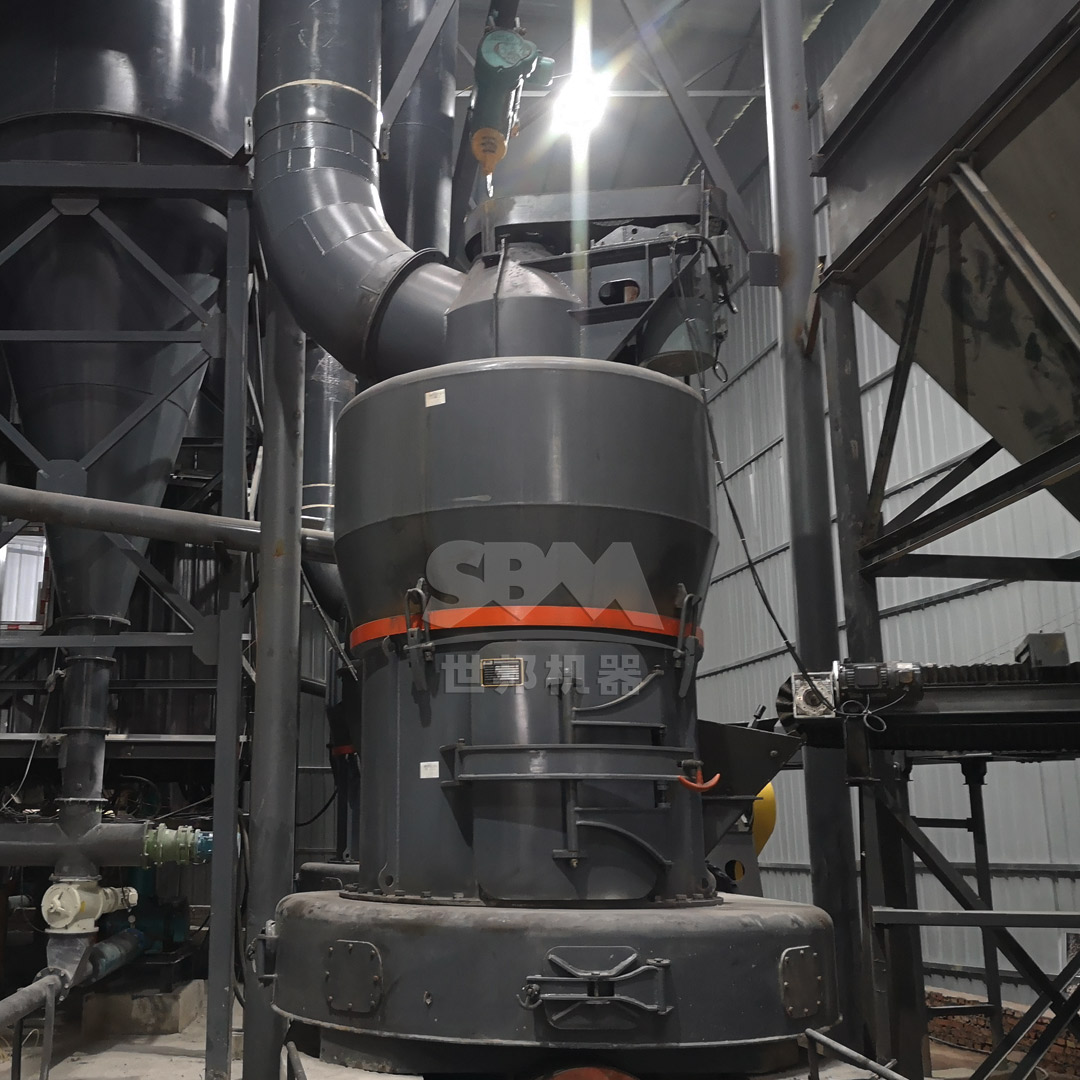
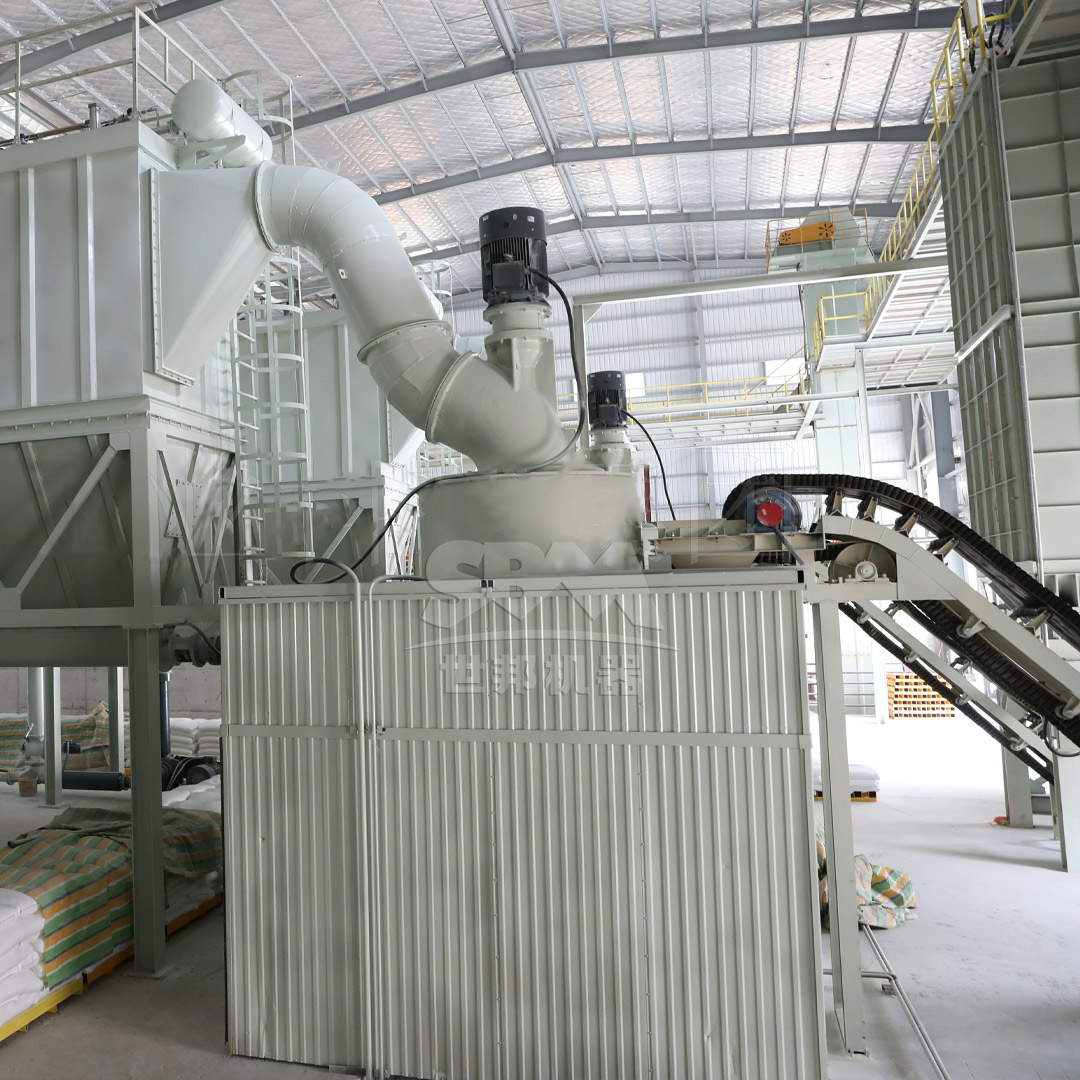
Dolomite, a calcium magnesium carbonate mineral (CaMg(CO3)2), has emerged as a critical functional filler and extender in the coatings industry. Its unique properties, including high brightness, low oil absorption, excellent weather resistance, and reinforcing capabilities, make it an ideal additive for paints, primers, and various surface coatings. However, the performance of dolomite in these applications is intrinsically linked to its particle size distribution, fineness, and particle morphology. Achieving the optimal specifications requires precise and efficient grinding technology. This article delves into the equipment and processing considerations for producing high-quality dolomite powder for coatings, highlighting advanced milling solutions.
The efficacy of dolomite as a coating additive depends on several finely controlled parameters:
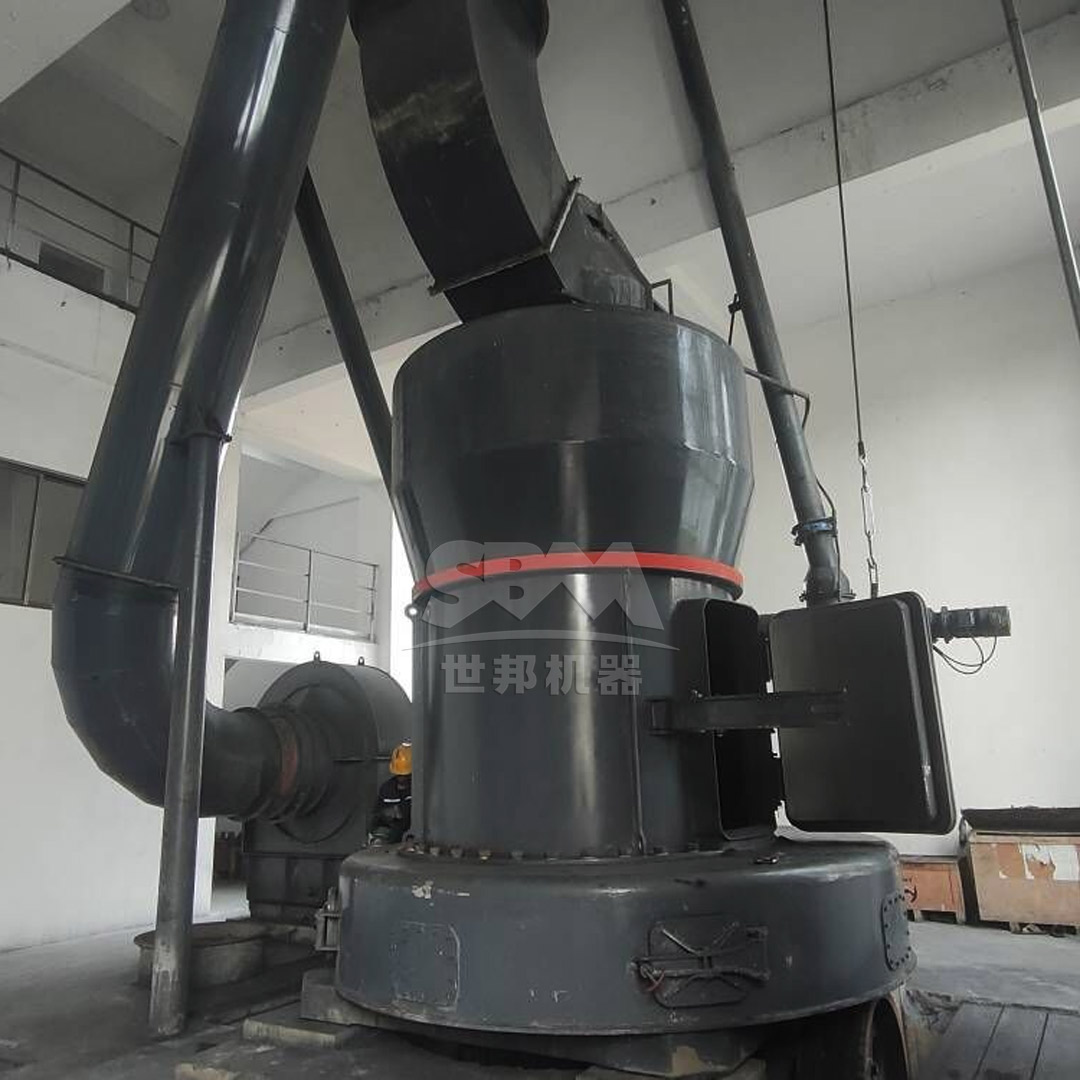
Selecting the right grinding mill is paramount. The choice depends on the target fineness, required capacity, energy efficiency goals, and overall system integration.
| Target Fineness Range | Typical Application in Coatings | Recommended Mill Type |
|---|---|---|
| 30-325 Mesh (600-45µm) | Architectural texture paints, primers, industrial undercoats | European Trapezium Mill, Vertical Roller Mill |
| 325-1250 Mesh (45-10µm) | High-quality interior/exterior paints, automotive primers | Ultrafine Mill, Vertical Roller Mill (Fine-powder series) |
| 1250-2500 Mesh (10-5µm) | High-gloss coatings, specialty finishes, thin-film applications | Ultrafine Mill, LUM Ultrafine Vertical Mill |
For modern, high-volume coating production lines, efficiency, precision, and environmental compliance are non-negotiable. Two standout technologies address the core needs of dolomite processing for coatings.
When producing dolomite fillers in the 30-325 mesh range for textured or bulk coatings, the MTW Series European Trapezium Mill offers an unbeatable combination of reliability and efficiency. Its design is particularly suited for processing feed sizes up to 50mm into a consistent, well-classified powder.
Why it excels for dolomite:
For a coating plant needing to produce several tons per hour of consistent 200-mesh dolomite filler, the MTW175G model, with a capacity of 9.5-25 t/h, provides a robust and efficient solution.
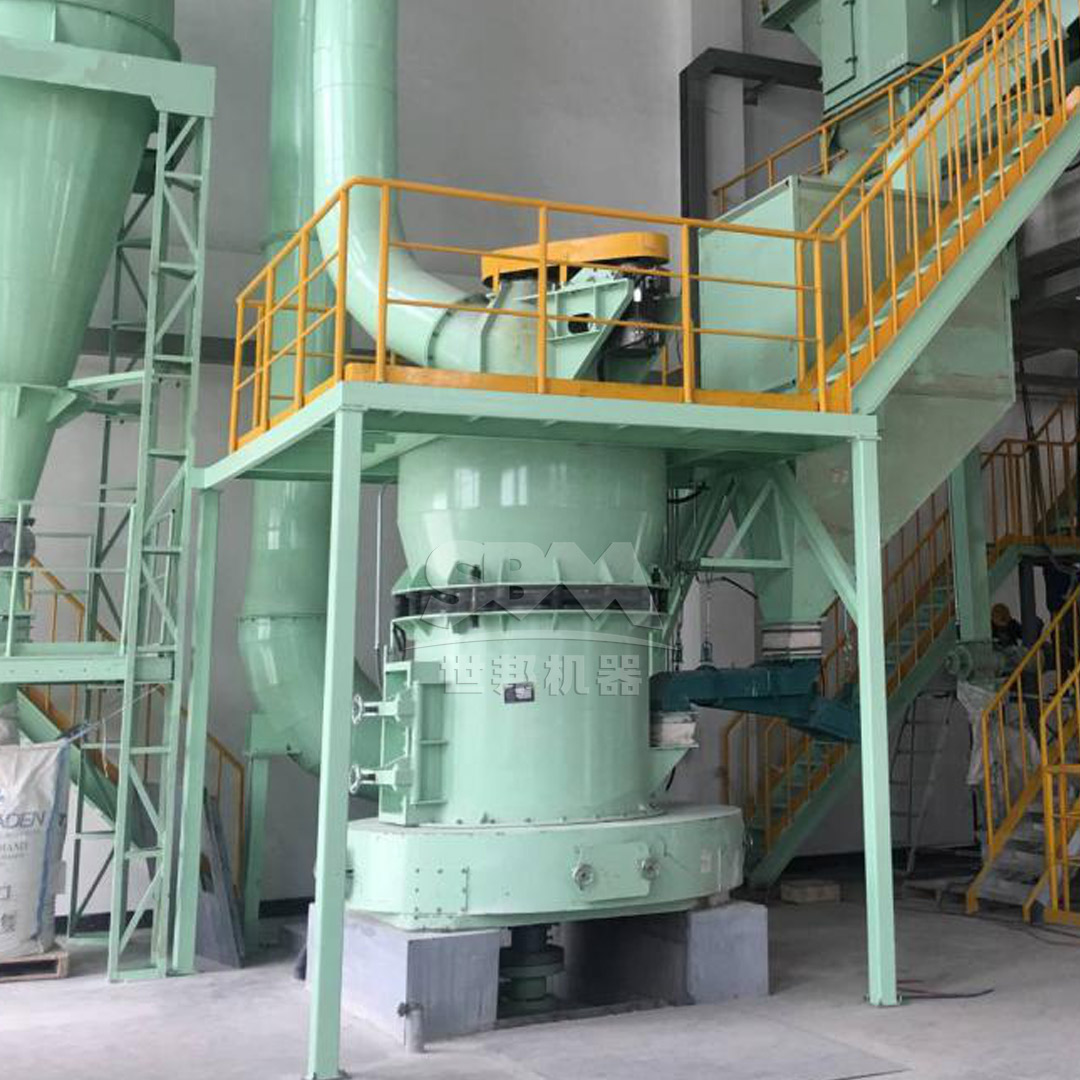
To unlock the full functional potential of dolomite in high-gloss, protective, or specialty coatings, ultra-fine grinding is essential. The SCM Series Ultrafine Mill is specifically engineered to produce powders in the 325-2500 mesh (5-45µm) range with exceptional uniformity and efficiency.
Why it is the ideal choice for premium coatings:
For producers aiming to supply the high-end coatings market with ultrafine dolomite (e.g., 1250 mesh), the SCM1000 model, offering 1.0-8.5 t/h capacity, represents a perfect balance of output and fineness capability.
A complete dolomite processing line for coatings involves more than just the grinding mill:
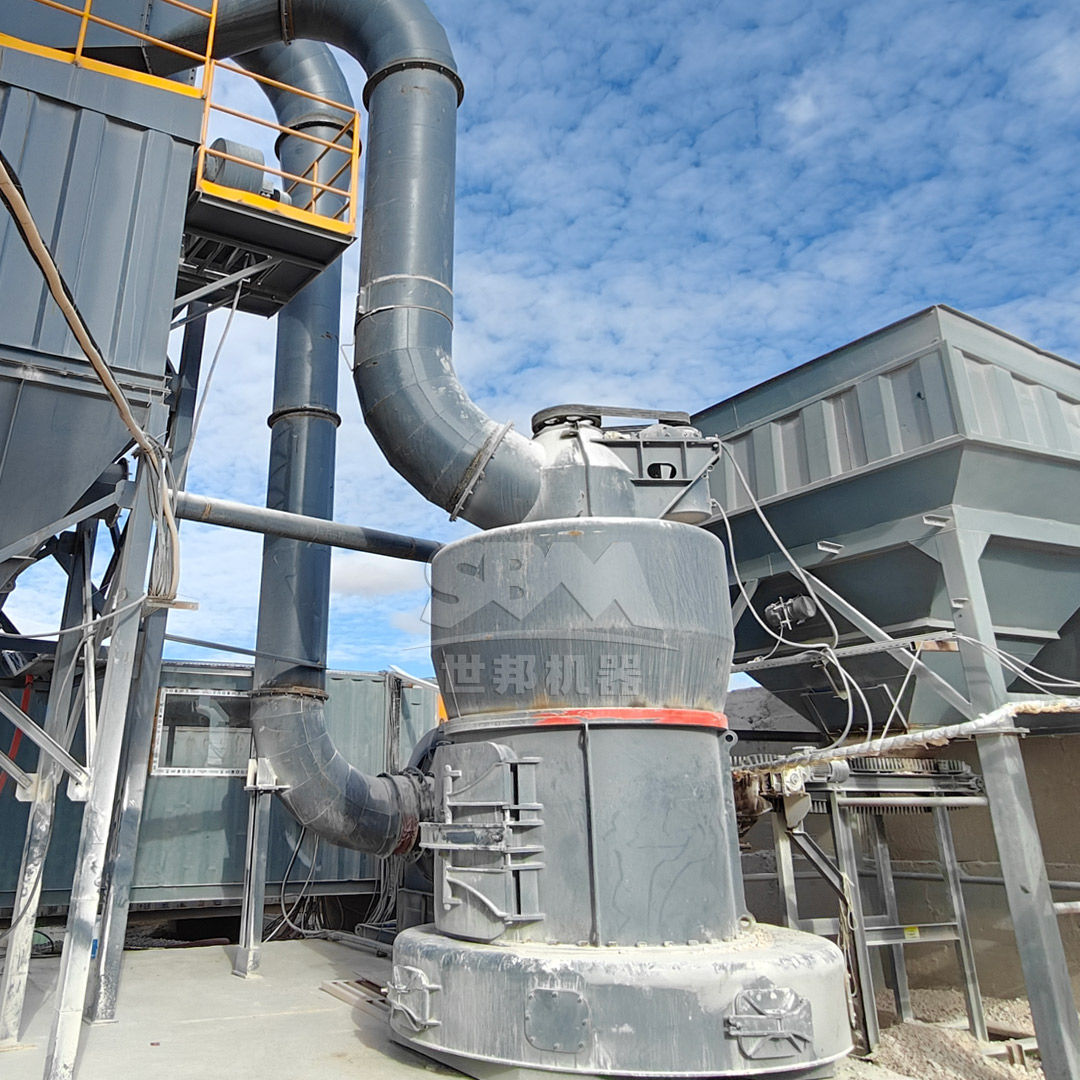
The transition towards high-performance, sustainable coatings is driving demand for precisely engineered mineral fillers like dolomite. The choice of grinding equipment directly impacts the quality, cost, and environmental footprint of the final additive. While traditional ball mills may suffice for some applications, advanced roller-based mills like the MTW European Trapezium Mill for high-volume medium-fine production and the SCM Ultrafine Mill for premium ultra-fine products offer clear advantages in precision, energy efficiency, and system integration. By selecting technology tailored to the target coating specifications, producers can ensure their dolomite powder delivers maximum value and performance in the final application.