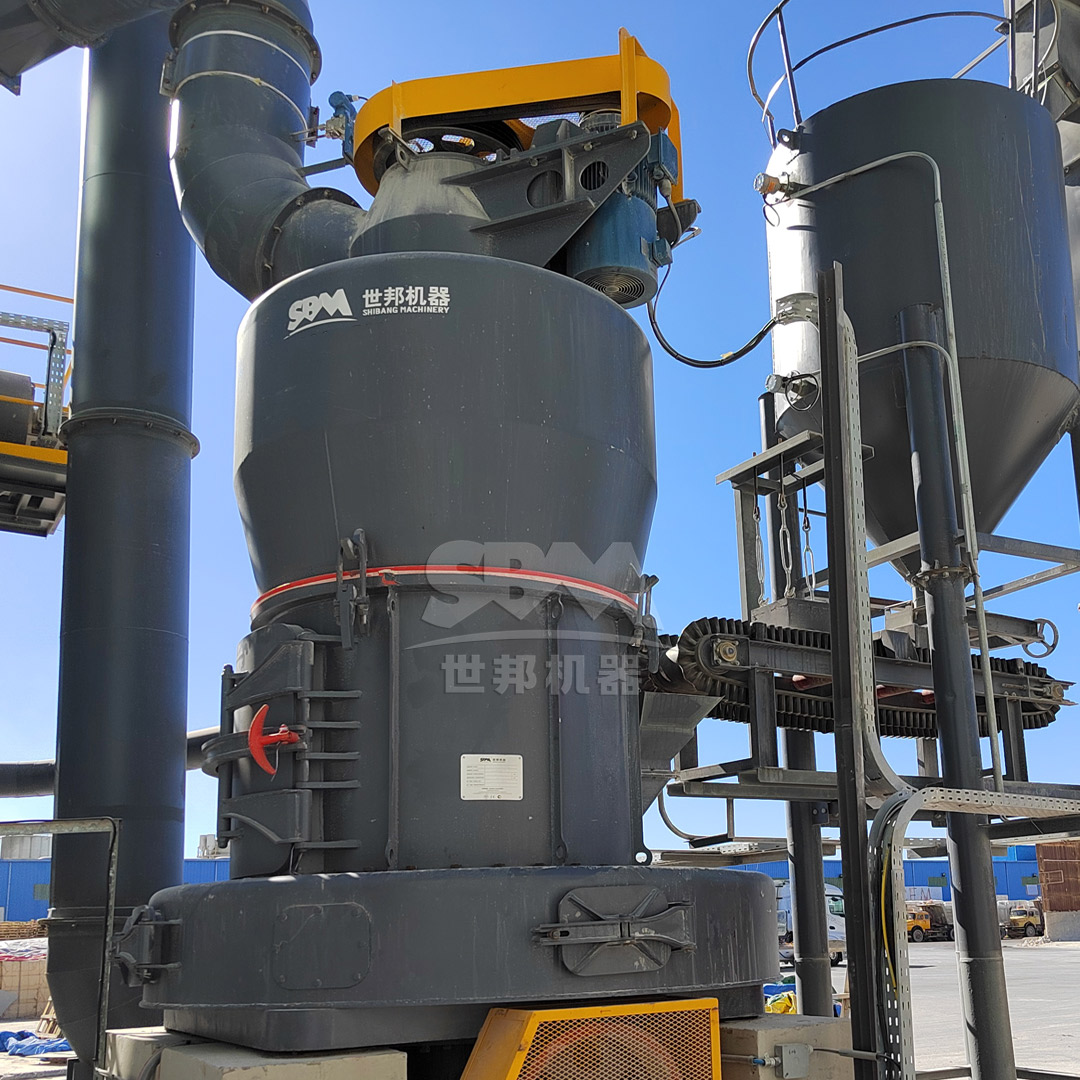
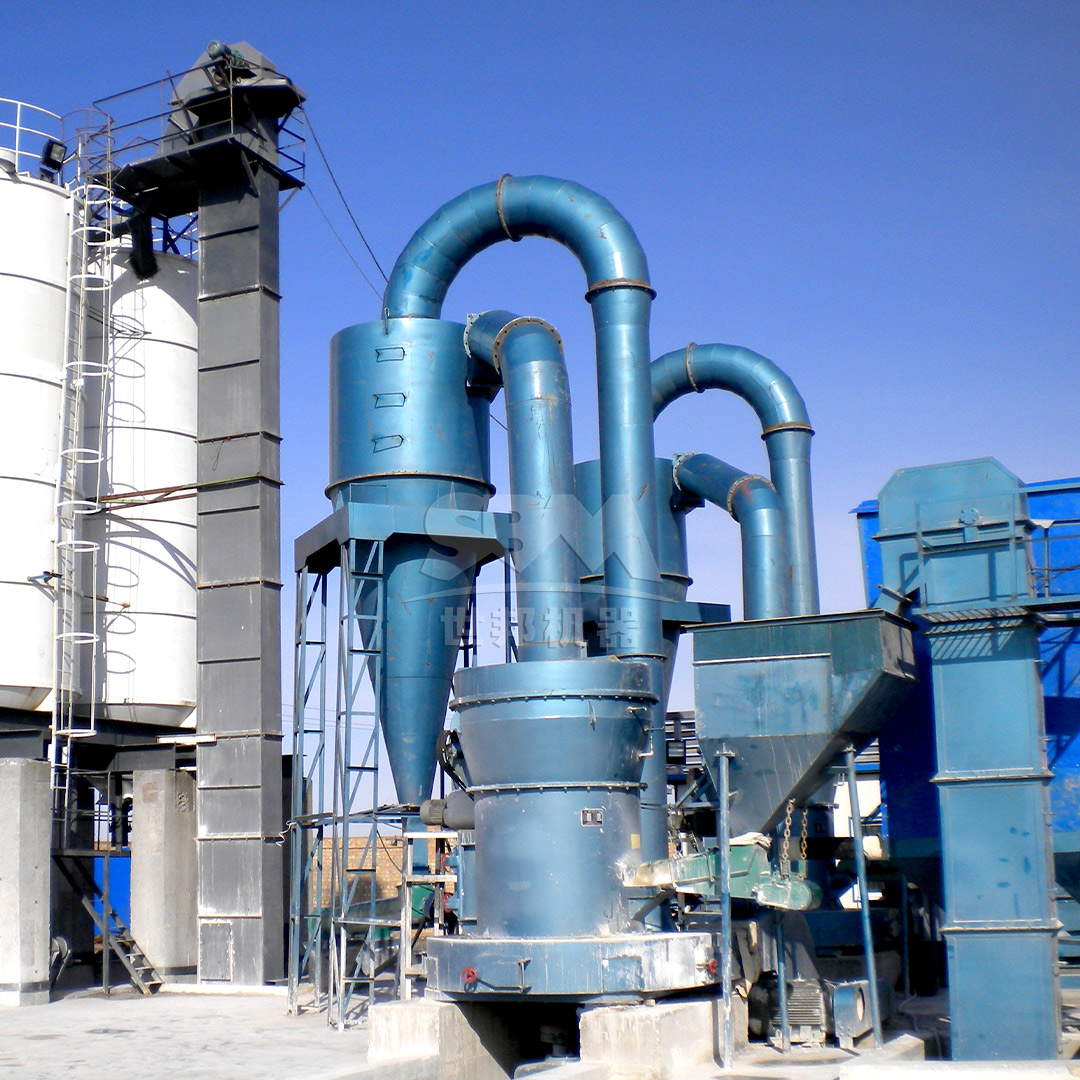
Dolomite, a calcium magnesium carbonate mineral (CaMg(CO3)2), is a cornerstone raw material in the construction industry. Its processed powder is integral to the production of high-performance concrete, asphalt mixtures, mortars, plasters, and various building materials. The key to unlocking dolomite’s full potential lies in the grinding process, which directly influences the powder’s fineness, particle size distribution, and reactivity. Selecting the appropriate grinding mill is therefore a critical decision that impacts product quality, production efficiency, and operational costs. This comprehensive guide explores the role of dolomite powder in construction and provides a detailed analysis of modern grinding solutions.
Finely ground dolomite powder serves multiple functions in construction materials. As a filler, it improves the density and volume stability of concrete and asphalt. Its unique chemical properties can enhance durability and resistance to sulfate attack. Furthermore, specific particle sizes are required for different applications: coarse grinds for bulk fillers, medium grinds for mortars, and ultra-fine grinds for high-strength, self-leveling compounds and as a partial cement replacement. Achieving these precise specifications demands grinding equipment capable of flexible and controlled size reduction.
Choosing the right mill involves balancing several technical and economic factors:
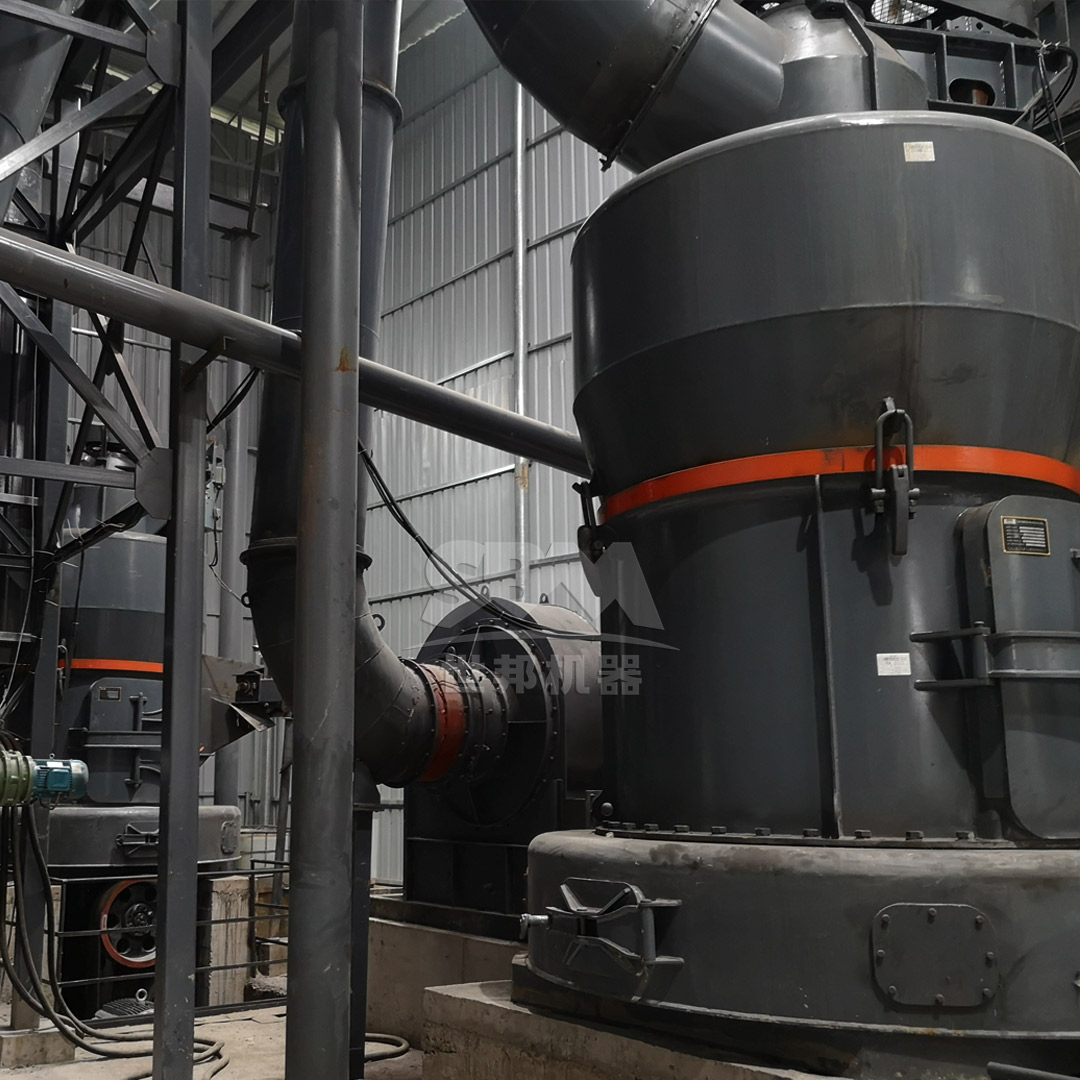
The evolution of grinding technology has moved from traditional, energy-intensive ball mills to highly efficient, vertically integrated systems. Here’s a comparison of prevalent technologies for dolomite processing.
| Mill Type | Typical Output Range | Key Advantages | Considerations for Dolomite |
|---|---|---|---|
| Ball Mill / Raymond Mill | 45-250 mesh | Proven technology, wide availability, suitable for coarser grinds. | High energy consumption, significant wear, limited fineness control, large footprint. |
| Vertical Roller Mill (VRM) | 30-600 mesh | High energy efficiency, integrated drying/grinding/classification, lower noise. | Higher initial investment, requires stable feed for optimal bed grinding. |
| European Trapezium Mill | 30-325 mesh | Excellent reliability, high transmission efficiency, low operating cost for medium-fine powder. | Fineness ceiling lower than ultrafine mills. |
| Ultrafine Grinding Mill | 325-2500 mesh | Produces high-value superfine powder, precise classification, compact design. | For specialized high-end applications, higher specific energy for ultrafine range. |
Based on the diverse needs of the construction materials industry, we recommend two of our flagship grinding systems, each excelling in different production scenarios.
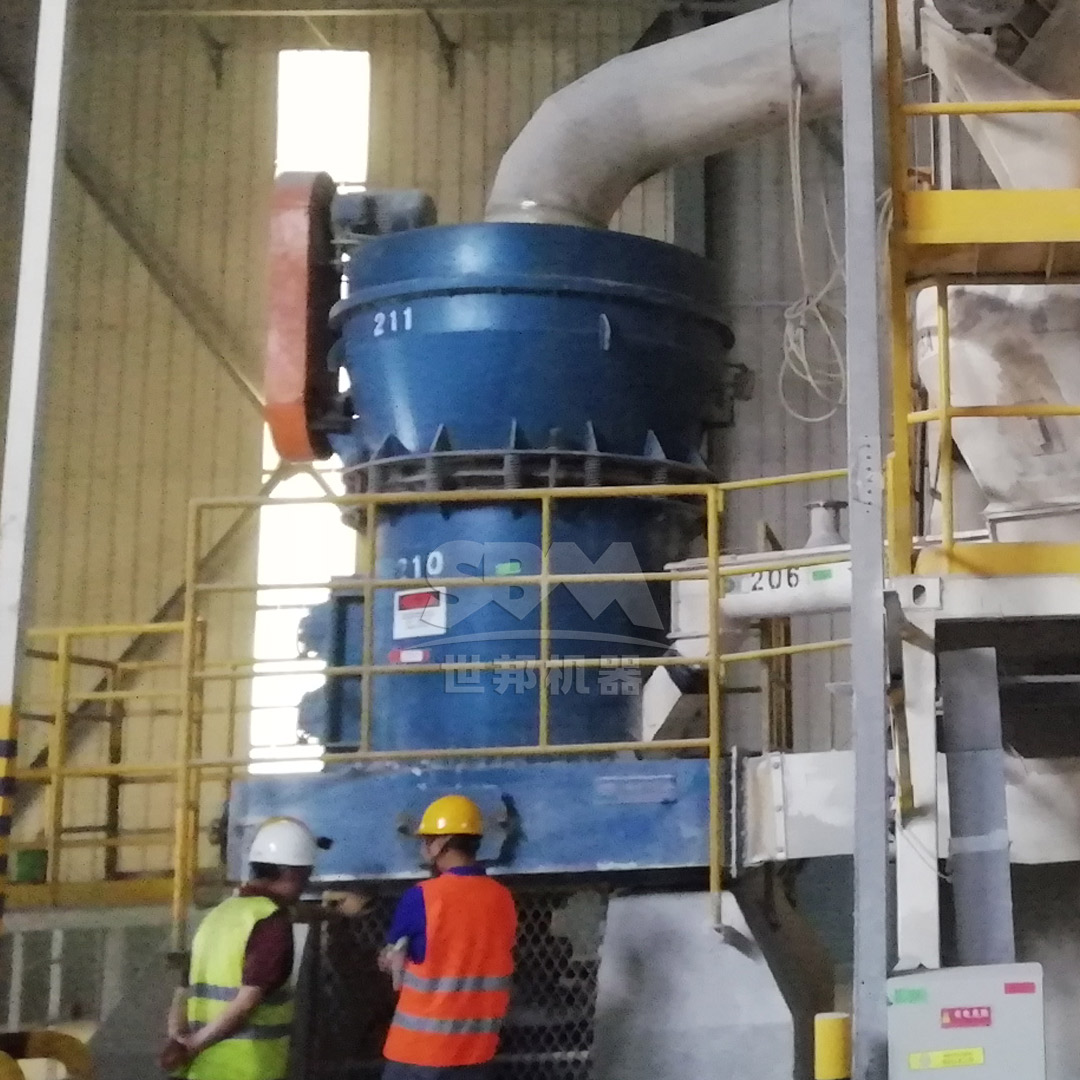
When your project demands reliable, high-volume production of dolomite powder in the 30-325 mesh range for applications like asphalt filler or standard mortar, the MTW Series European Trapezium Mill is the optimal workhorse. It is engineered for durability and efficiency when processing abrasive materials like dolomite.
| Model Example | Capacity (t/h) | Output Fineness | Main Power | Key Feature |
|---|---|---|---|---|
| MTW215G | 15 – 45 | 10-325 mesh | 280 kW | Patented curved duct, high capacity for bulk material. |
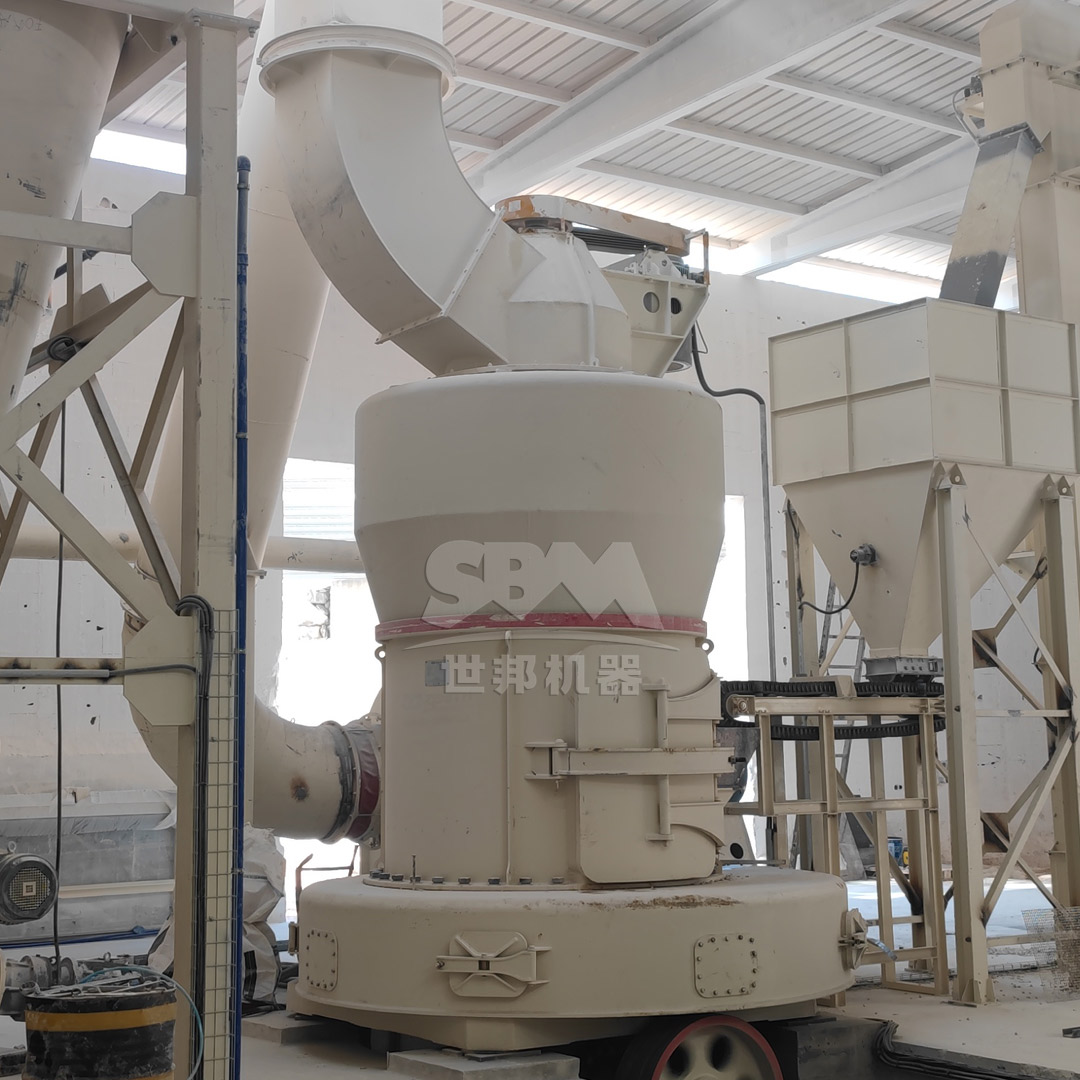
For manufacturers aiming to produce high-performance construction chemicals, advanced cement blends, or specialty plasters requiring ultrafine (325-2500 mesh) dolomite powder, the SCM Series Ultrafine Mill is the state-of-the-art solution. It transforms standard dolomite into a high-surface-area, highly reactive product.
| Model Example | Capacity (t/h) | Output Fineness | Main Power | Key Feature |
|---|---|---|---|---|
| SCM1250 | 2.5 – 14 | 325-2500 mesh | 185 kW | High-efficiency classifier, eco-friendly pulse dust collection. |
A complete grinding line is more than just a mill. It includes a feed system, grinding unit, classification circuit, product collection (cyclone, bag filter), and storage. Both our MTW and SCM series are designed as cohesive systems. They feature advanced pulse dust collection technology with efficiency exceeding international standards, ensuring dust emissions are kept well below regulatory limits. The soundproof room design on models like the SCM series also addresses noise pollution, making them suitable for plants with strict environmental and community guidelines.
The selection of a dolomite grinding mill is a strategic investment that defines the quality and economics of your construction material production. While traditional mills have their place, modern solutions like the MTW European Trapezium Mill for robust, high-capacity grinding and the SCM Ultrafine Mill for premium, high-fineness products offer unparalleled advantages in efficiency, control, and total cost of ownership. By aligning your specific fineness requirements, capacity goals, and environmental mandates with the right technology, you can optimize your dolomite processing line for maximum competitiveness in the demanding construction materials market.