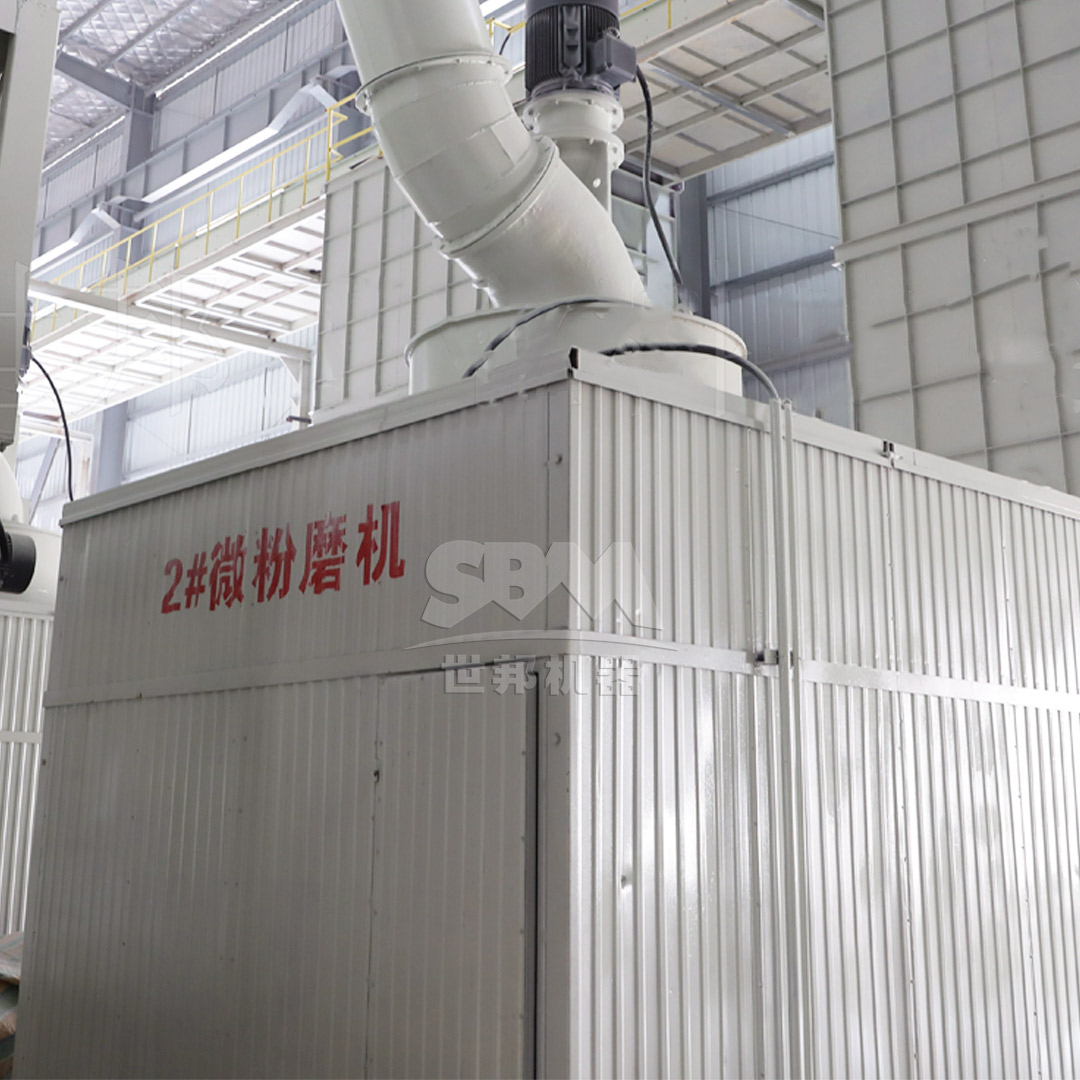
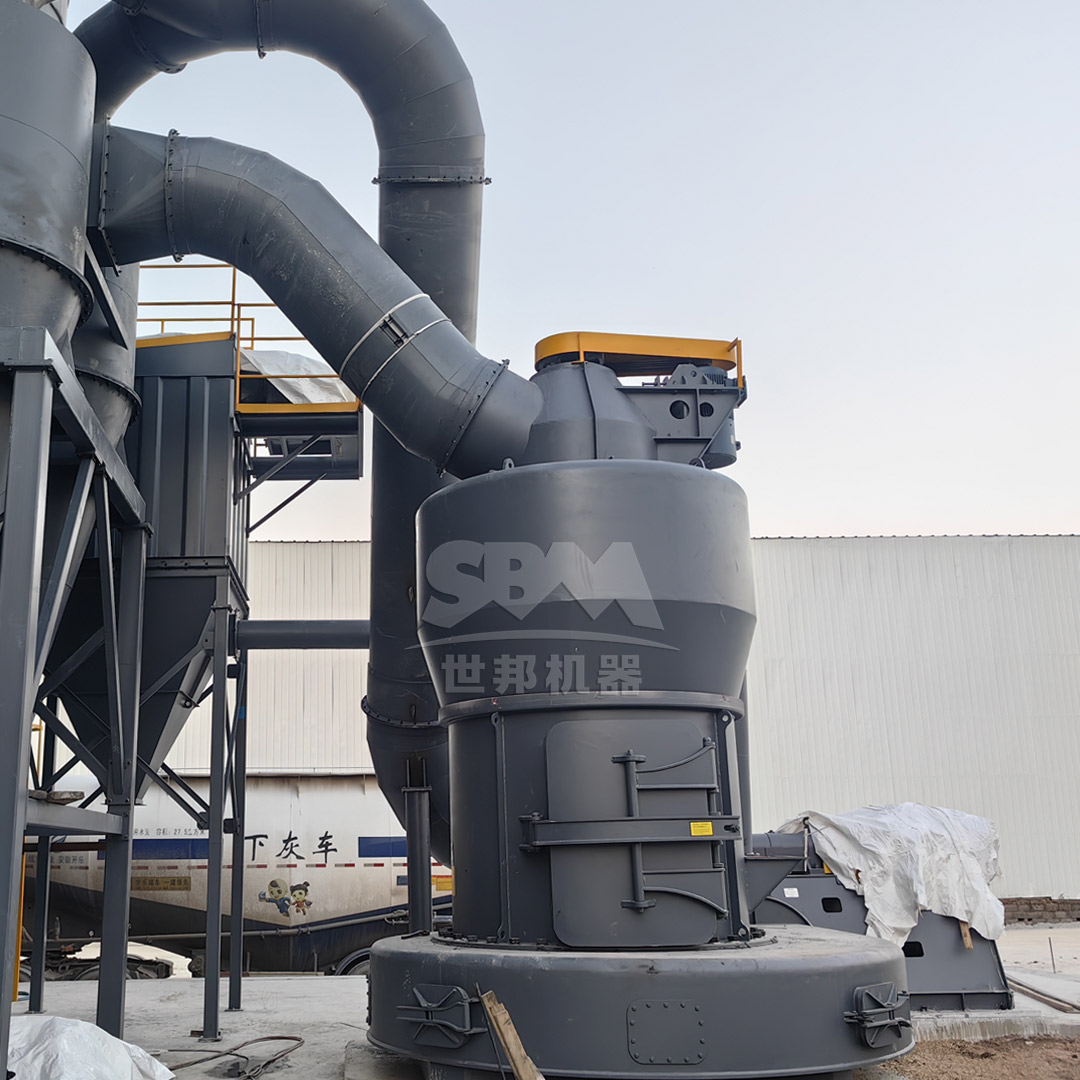
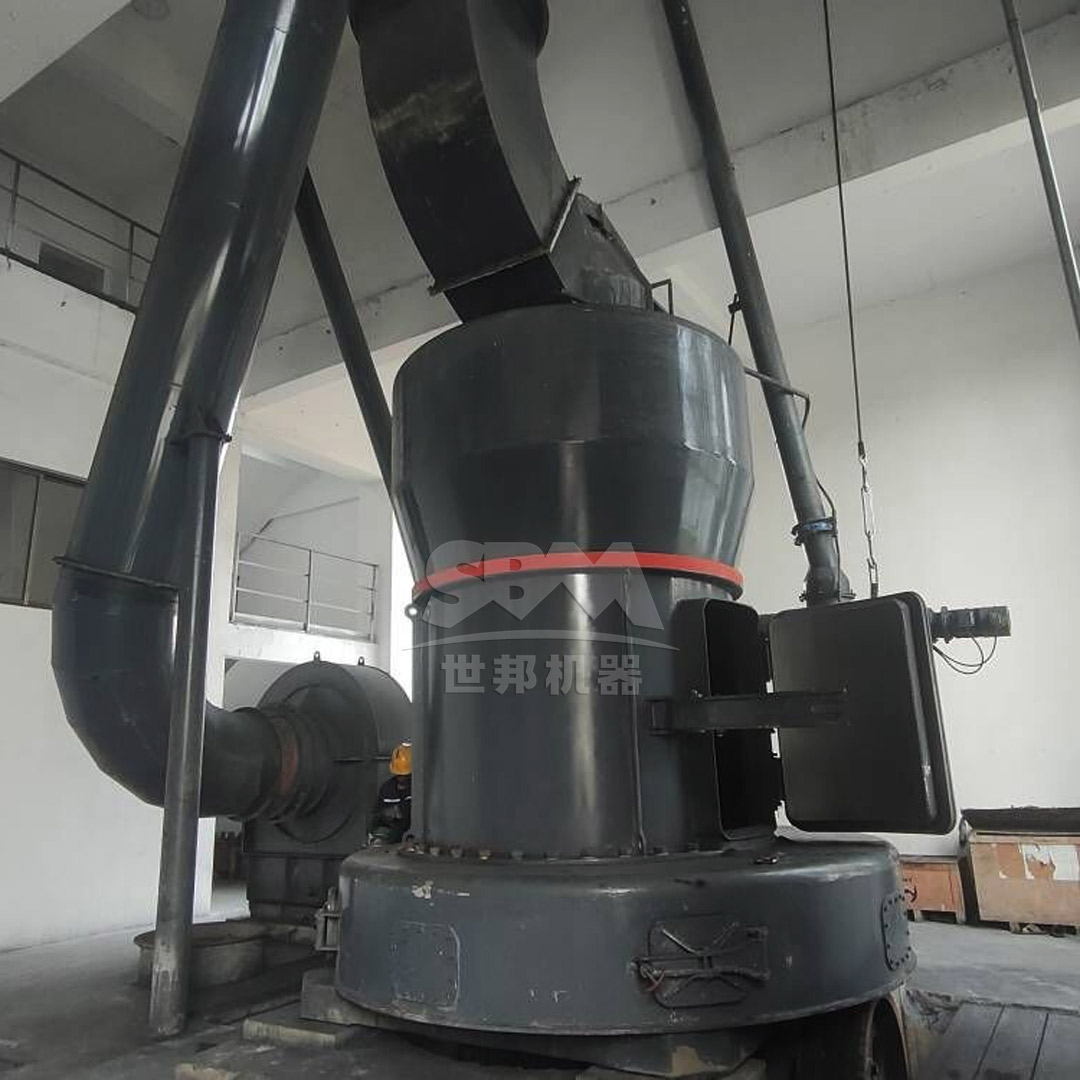
The relentless pursuit of efficiency, precision, and sustainability is driving a paradigm shift in industrial grinding technology. As industries from advanced materials and pharmaceuticals to energy and construction demand finer powders, tighter particle size distributions, and lower environmental footprints, grinding equipment must evolve. The future lies in innovations that integrate intelligent control, energy-efficient mechanical design, and advanced classification systems to deliver superior product quality while minimizing operational costs and environmental impact. This article explores the key emerging trends in grinding technology and highlights how cutting-edge solutions are poised to meet the challenges of tomorrow’s industrial applications.
Several interconnected factors are shaping the development of next-generation grinding technology:
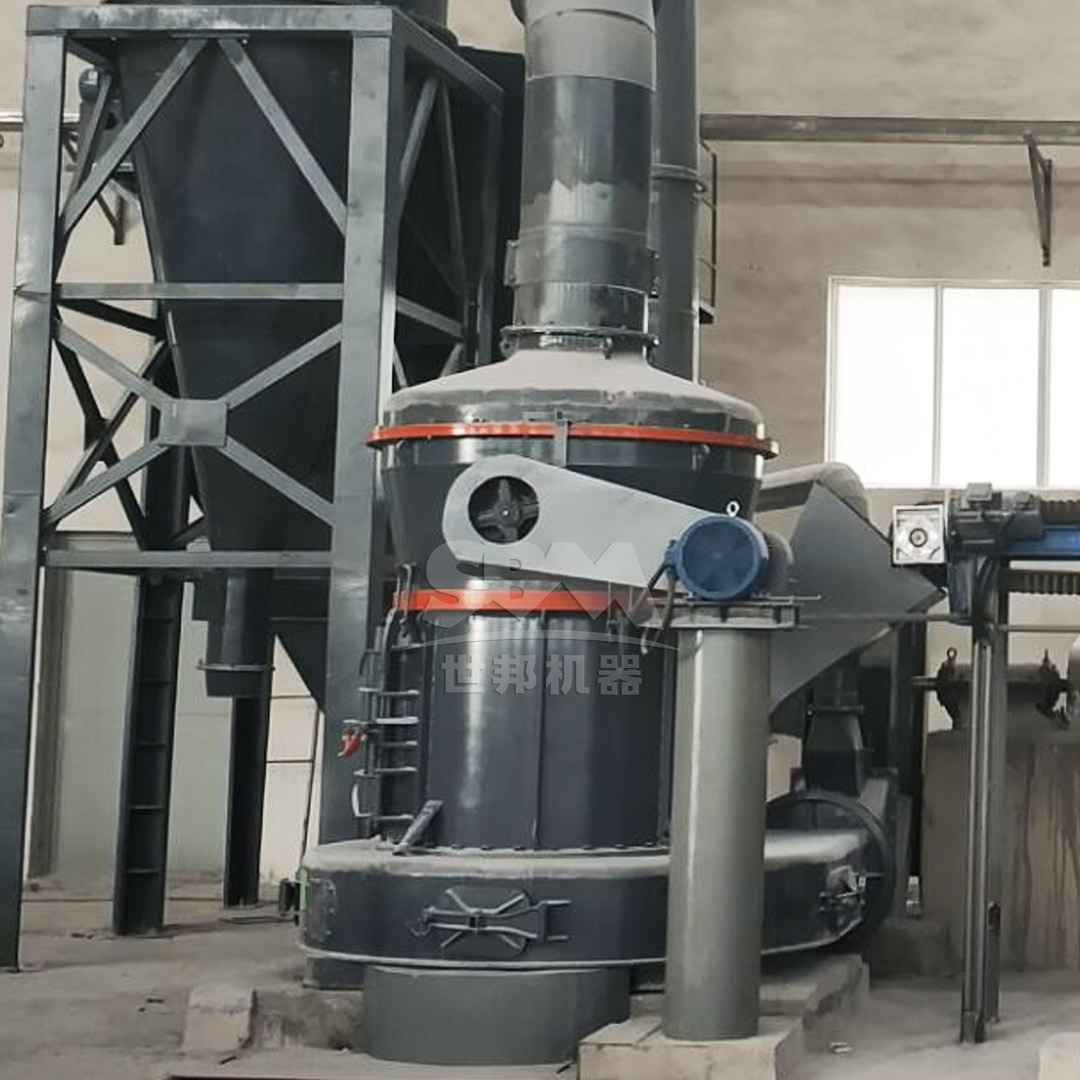
The convergence of mechanical engineering and process control is yielding groundbreaking solutions.
The heart of any fine and ultra-fine grinding system is its classifier. Future-oriented mills employ vertical turbine classifiers with multiple rotors or dynamic air classifiers that use adjustable blade angles and rotational speeds to achieve precise cuts from 325 mesh down to 2500 mesh (D97 ≤ 5µm). This technology ensures that only particles meeting the target fineness leave the grinding chamber, while coarse material is efficiently recirculated, maximizing overall system efficiency and product uniformity.
Modern mills move beyond simple speed control. Innovations include spring-loaded or hydraulic grinding roller systems that automatically maintain optimal grinding pressure even as components wear. Coupled with PLC-based expert systems, these mills can auto-adjust parameters like feed rate, classifier speed, and grinding force based on real-time feedback from particle size analyzers, ensuring a consistently on-spec product with minimal operator intervention.
The future favors compact, multi-functional systems. Integrated designs that combine crushing, grinding, classifying, drying, and collecting in a single, streamlined footprint reduce space requirements, thermal energy loss, and installation costs. For example, vertical roller mills with integrated high-efficiency classifiers and hot-air ducts can simultaneously dry and grind moisture-containing materials, offering a significant advantage for processing slag, coal, or non-metallic minerals.
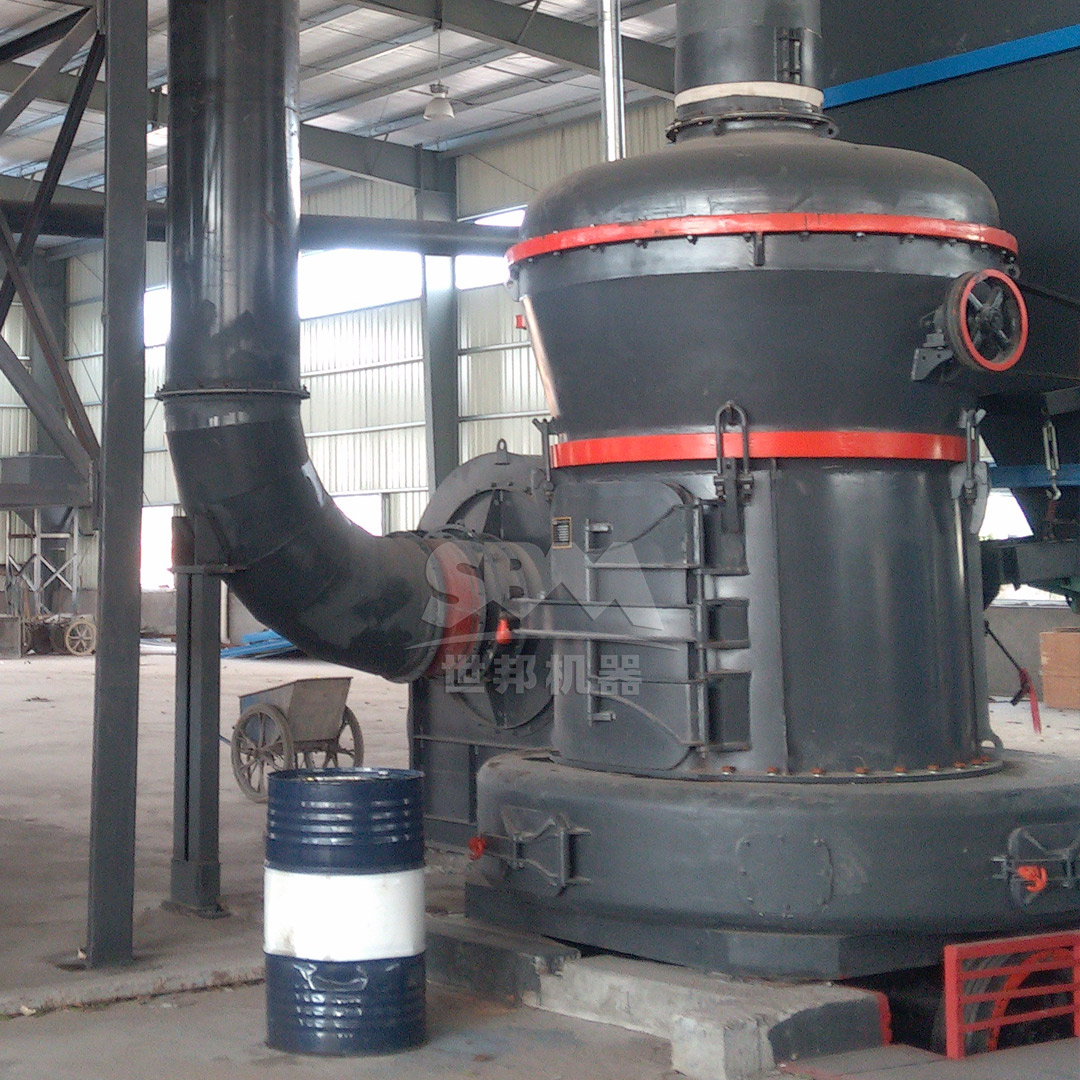
To meet the exacting demands for ultra-fine powders in sectors like battery materials, advanced ceramics, and high-performance coatings, a new class of equipment is essential. Our SCM Series Ultrafine Mill exemplifies the innovations discussed above, engineered specifically for the future of fine particle processing.
This mill is designed to produce powders in the range of 325 to 2500 mesh (D97 ≤ 5µm) from feed stock up to 20mm. Its core technological advantages directly address the key industry drivers:
The mill operates on a centrifugal grinding principle. Material is fed into the grinding chamber where it is dispersed by centrifugal force onto the grinding path. Multi-layer grinding rollers apply pressure for progressive size reduction. The final fine powder is collected via a high-efficiency cyclone and bag filter system.
| Model | Processing Capacity (ton/h) | Main Motor Power (kW) | Feed Size (mm) | Fineness (mesh) |
|---|---|---|---|---|
| SCM800 | 0.5 – 4.5 | 75 | ≤20 | 325-2500 |
| SCM900 | 0.8 – 6.5 | 90 | ≤20 | 325-2500 |
| SCM1000 | 1.0 – 8.5 | 132 | ≤20 | 325-2500 |
| SCM1250 | 2.5 – 14 | 185 | ≤20 | 325-2500 |
| SCM1680 | 5.0 – 25 | 315 | ≤20 | 325-2500 |
For large-scale production of fine to medium powders (30-325 mesh) in industries such as mining, power plant desulfurization, and bulk chemical manufacturing, reliability, high throughput, and low operating cost are paramount. Our MTW Series Trapezium Mill is engineered to deliver on these needs with several patented innovations.
Capable of handling feed sizes up to 50mm and delivering outputs from 3 to 45 tons per hour, the MTW mill is a workhorse designed for efficiency. Its standout features include:
The grinding action is achieved through a rotating central shaft that causes磨辊to revolve while also rotating on their own axis. Shovel blades scoop and throw material into the space between the磨辊and磨环, where it is crushed by rolling pressure. An integrated powder classifier ensures precise control over the final product size.
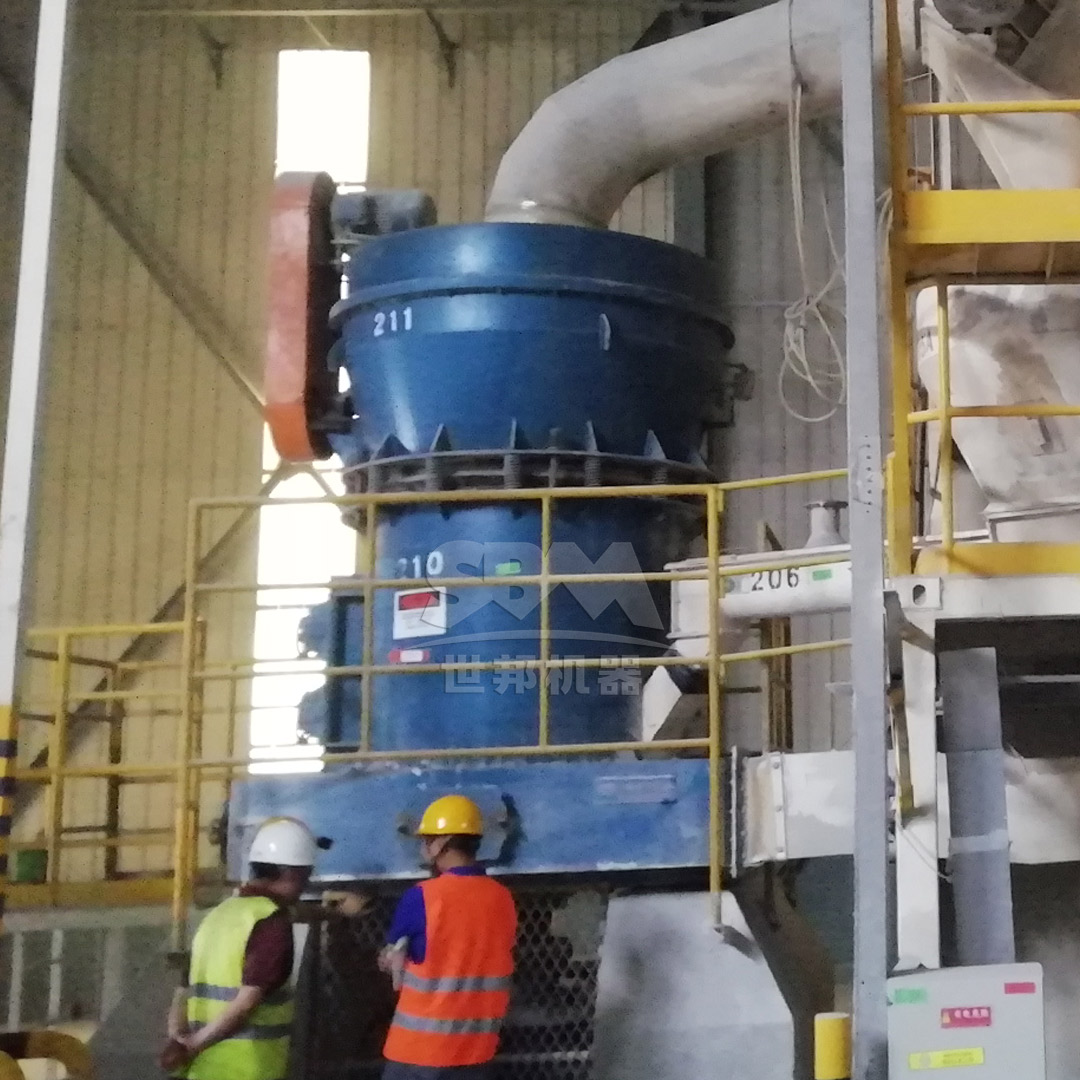
The trajectory of grinding technology is clear: a move towards smarter, more efficient, and more sustainable systems. The integration of precision classification, robust and durable mechanical design, intelligent process control, and stringent environmental safeguards is no longer a luxury but a necessity for future-proof industrial operations. Equipment like the SCM Ultrafine Mill and the MTW Trapezium Mill represent this new generation, offering tangible benefits in product quality, operational cost savings, and regulatory compliance. By adopting these emerging innovations, industries can not only meet the challenges of today’s demanding applications but also unlock new possibilities in material science and manufacturing for the future.