December 06, 2025
Essential Maintenance Checks to Extend Your Pulverizer’s Lifespan
In industrial grinding operations, the pulverizer stands as the heart of the process. Its performance directly impacts product quality, throughput, and overall operational costs. While investing in robust equipment is the first step, a disciplined and proactive maintenance regimen is the true key to unlocking its full potential and maximizing its service life. Neglecting regular checks can lead to catastrophic failures, unplanned downtime, and a significant increase in cost-per-ton. This article outlines a comprehensive framework of essential maintenance checks designed to keep your pulverizer running efficiently for years to come.
1. Daily & Operational Checks: The First Line of Defense
These checks should be performed at the start of each shift and during operation to catch early warning signs.
- Vibration Monitoring: Use handheld vibration meters to check the main bearing housing, motor, and gearbox. A sudden increase in vibration amplitude often indicates imbalance, misalignment, or bearing wear. Establish baseline readings for comparison.
- Temperature Checks: Monitor the temperature of key components like main bearings, gearbox oil, and motor windings. Abnormal heating can signal lubrication failure, overloading, or impending bearing seizure.
- Lubrication Inspection: Visually check oil levels in sight glasses and ensure grease points are adequately filled. Look for signs of oil leaks or contamination (water, dust).
- Unusual Noises: Operators should be trained to listen for changes in sound—grinding, knocking, or scraping noises can point to loose parts, worn components, or foreign objects in the grinding chamber.
- Air & Dust System Pressure: For mills with integrated air classifiers and baghouse filters, monitor the system pressure drop. A rising pressure indicates potential bag clogging or filter issues, which can affect grinding efficiency and product fineness.
2. Weekly & Monthly Inspections: Proactive Component Assessment
These more detailed inspections help plan for preventive maintenance and parts replacement.
- Wear Parts Measurement: This is critical. Regularly measure the thickness of key wear components such as grinding rolls/rollers, grinding rings/tables, and classifier blades/vanes. Compare measurements against the manufacturer’s minimum allowable thickness. Proactive replacement based on wear rate data prevents catastrophic failure and maintains product quality.
- Fastener Torque Check: Vibration can loosen critical bolts on the foundation, housing, and internal components. Use a torque wrench to check and re-tighten according to specifications.
- Drive System Alignment: Check the alignment between the motor, coupling, and gearbox/grinding table. Misalignment is a primary cause of premature bearing and gear failure.
- Seal Integrity: Inspect all shaft seals and housing gaskets for signs of leakage. Effective sealing prevents lubricant loss and ingress of abrasive dust into bearings.
- Classifier Inspection: For dynamic air classifiers, check for wear on the rotor blades and guide vanes. Imbalance or wear here directly affects the cut point and particle size distribution of the final product.
| Component |
Check Frequency |
Key Metrics |
Action Threshold |
| Grinding Rollers/Rings |
Weekly (Visual), Monthly (Measurement) |
Wear thickness, surface profile |
Replace at 60-70% of original thickness |
| Main Bearings |
Daily (Temp/Vib), Quarterly (Oil Analysis) |
Temperature, Vibration, Oil Contamination |
Temp rise >15°C above ambient; High vibration/contamination |
| Classifier Rotor |
Monthly |
Blade wear, balance, clearance |
Visible erosion or imbalance affecting product fineness |
| Lubrication Oil |
Monthly (Level), Annually (Lab Analysis) |
Level, viscosity, particle count, water content |
Follow oil analysis report recommendations |
3. Quarterly & Annual Overhauls: Comprehensive System Health
These are planned shutdowns for in-depth inspection and major component servicing.
- Internal Chamber Inspection: Thoroughly clean and inspect the entire grinding chamber, including liners, deflectors, and feed chutes. Look for cracks, abnormal wear patterns, or material buildup.
- Bearing & Gearbox Assessment: For major bearings, consider periodic oil analysis to detect microscopic wear metals. During annual shutdowns, inspect gear teeth for pitting or scoring.
- Electrical System Review: Check motor insulation resistance, tighten electrical connections, and calibrate sensors (pressure, temperature, amperage).
- Structural Integrity: Inspect the mill foundation for cracks and check anchor bolts for tightness. Examine the mill housing for any signs of stress or fatigue.
- System Re-Calibration: Re-calibrate the feeding system to ensure consistent feed rate and check the operation of all safety interlocks and control systems.
4. The Role of Advanced Equipment Design in Reducing Maintenance Burden
While diligent maintenance is indispensable, selecting a pulverizer engineered with durability and serviceability in mind dramatically reduces the frequency and complexity of upkeep. Modern designs incorporate features that directly combat common failure modes.
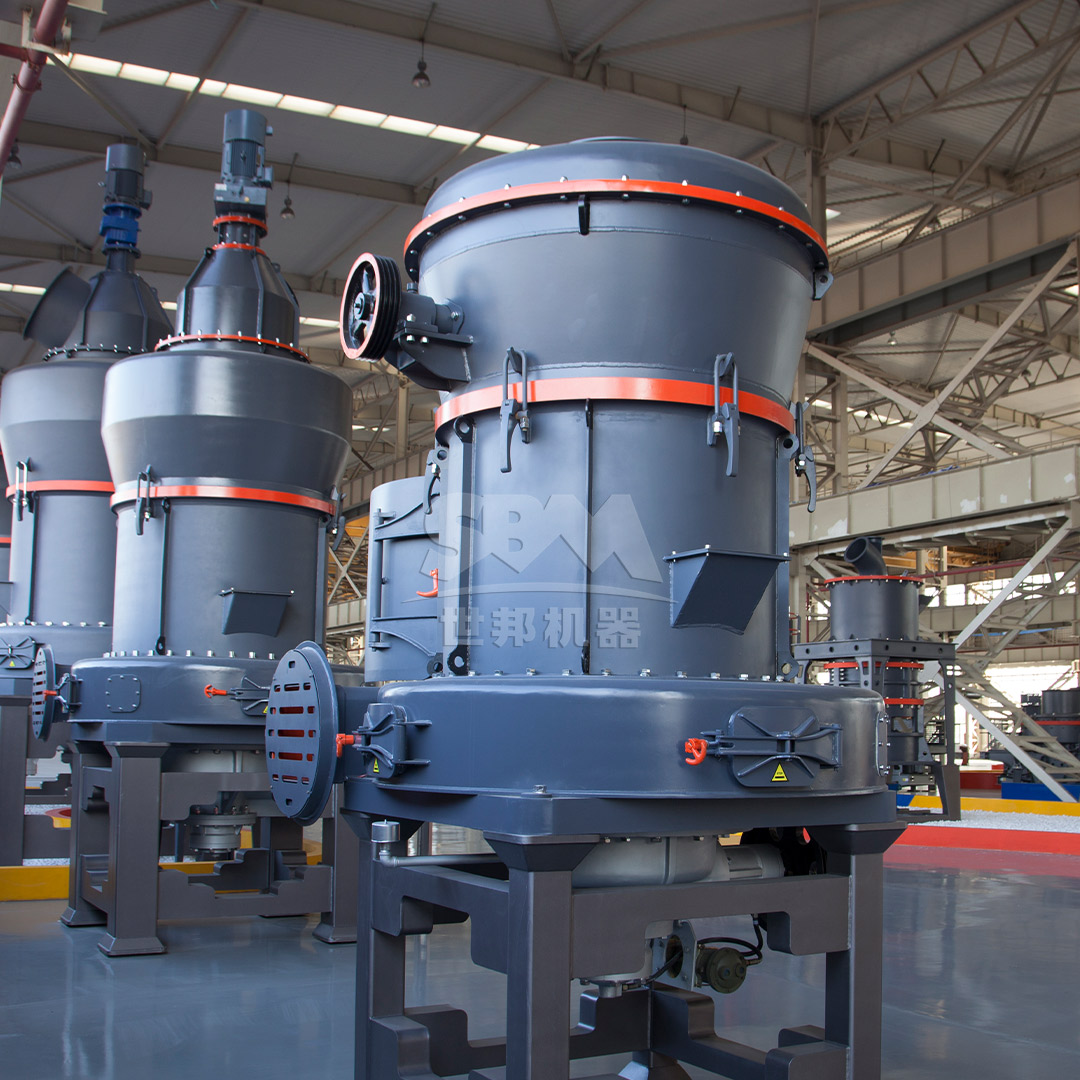
For operations requiring high-capacity, coarse to medium-fine grinding (30-325 mesh), the MTW Series Trapezium Mill exemplifies such thoughtful engineering. Its conical gear overall transmission achieves up to 98% transmission efficiency in a compact layout, reducing alignment issues and mechanical losses. The wear-resistant volute structure and optimized curved air duct minimize abrasive wear on critical pathways and lower air resistance, directly contributing to lower maintenance costs and stable performance over time. The modular design of wear parts also facilitates quicker replacement during planned outages.
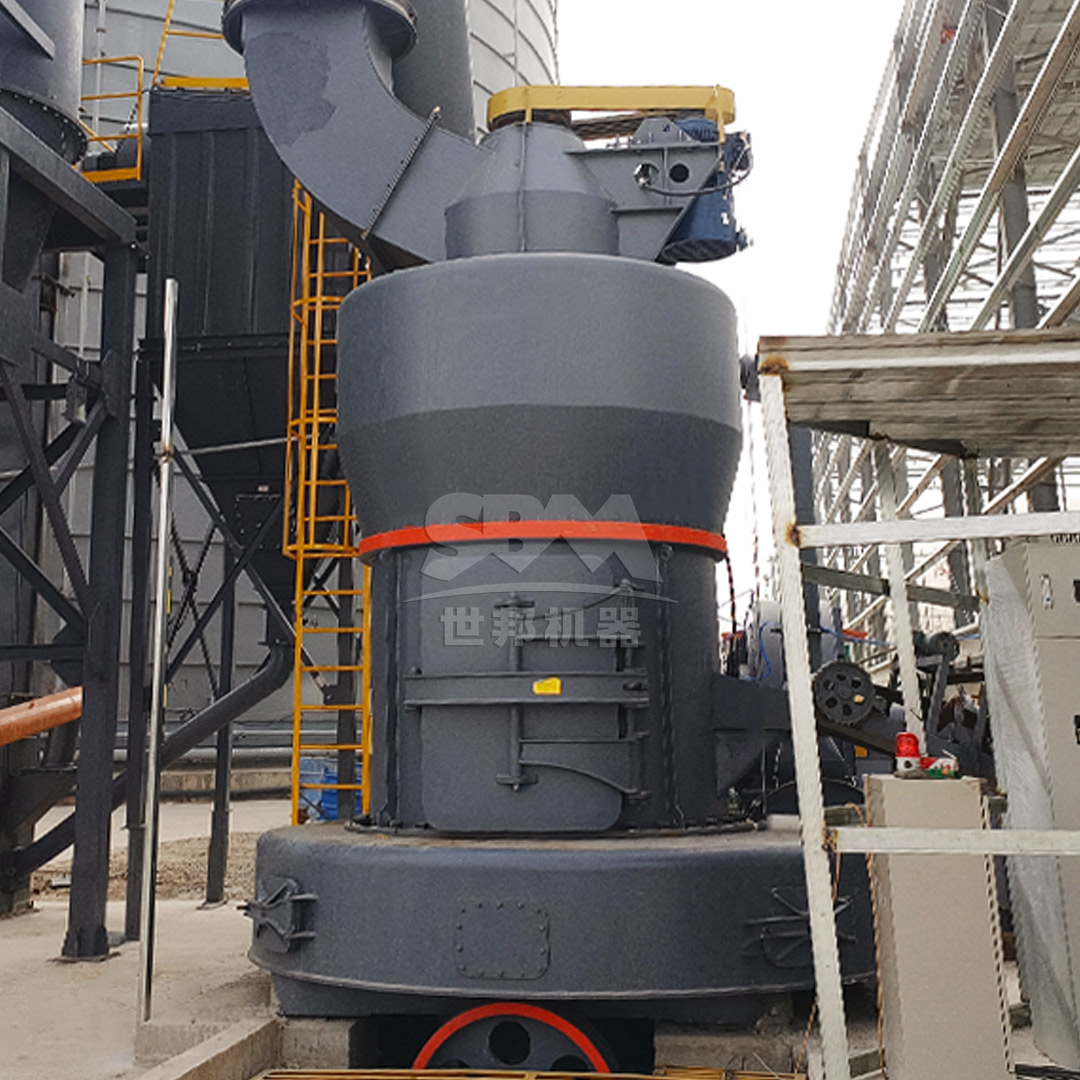
For applications demanding ultra-fine powders (325-2500 mesh), the challenges of wear and precision are magnified. Here, the SCM Series Ultrafine Mill offers distinct advantages for longevity. Its special-material grinding rollers and rings are engineered for significantly extended service life, often multiple times that of conventional materials, directly reducing the frequency of the most costly wear part replacements. Furthermore, its innovative bearing-less screw grinding chamber design eliminates a major point of failure—traditional roller bearings within the grinding zone—leading to vastly more stable operation and eliminating a source of contamination from lubricant leakage. The integrated vertical turbine classifier provides precise particle size control without the need for frequent adjustment, ensuring consistent product quality.
5. Building a Sustainable Maintenance Culture
Technology alone is not enough. Extending equipment life requires a holistic approach:
- Documentation: Maintain detailed logs of all inspections, measurements, and repairs. This historical data is invaluable for predicting wear rates and planning future maintenance.
- Training: Ensure operators and maintenance personnel are thoroughly trained on the specific machine’s features, lubrication requirements, and safety procedures.
- Genuine Spare Parts: Always use OEM or OEM-quality spare parts. Inferior parts may have different metallurgy or tolerances, leading to premature failure and potentially damaging other components.
- Condition Monitoring: Where possible, invest in online condition monitoring systems for vibration, temperature, and lubrication to move from scheduled to predictive maintenance.
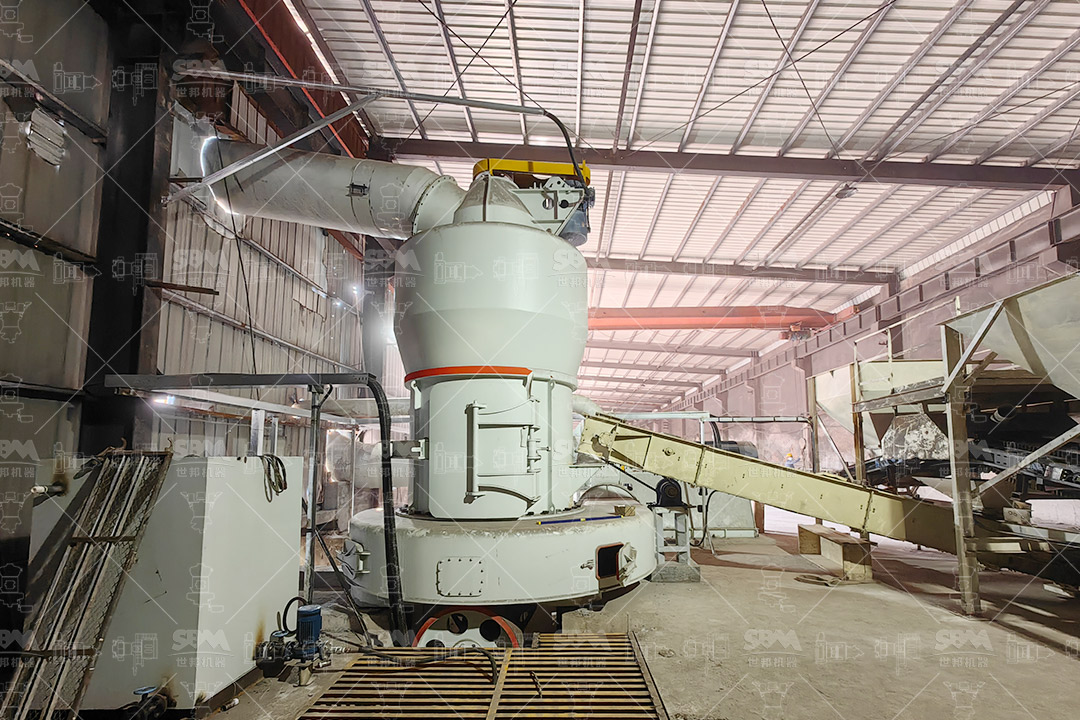
In conclusion, the lifespan of your pulverizer is not predetermined; it is actively managed. By implementing a structured regimen of daily vigilance, weekly measurements, and planned overhauls—and by choosing equipment designed with maintenance minimization as a core principle, such as the durable MTW Series or the precision-engineered SCM Ultrafine Mill—you transform maintenance from a cost center into a strategic investment. This proactive approach safeguards your capital asset, ensures consistent product quality, and delivers the lowest possible total cost of ownership over the machine’s operational life.