December 12, 2025
Essential Maintenance Considerations for Vertical Roller Mills to Ensure Optimal Performance
Vertical Roller Mills (VRMs) are the workhorses of modern mineral processing, cement production, and power generation industries. Their efficiency, compact design, and ability to handle a wide range of materials have made them indispensable. However, the high-pressure, abrasive environment within a VRM subjects its components to significant wear and stress. A proactive and systematic maintenance strategy is not merely a cost center; it is a critical investment in maximizing uptime, ensuring product quality consistency, and safeguarding the substantial capital investment these machines represent. This article outlines the essential maintenance considerations for VRMs, focusing on key subsystems and best practices.
1. Core Grinding Component Maintenance
The grinding elements—the rollers (or tires) and the grinding table (or bowl) liners—are the heart of the VRM and experience the most direct wear. Their condition directly impacts grinding efficiency, power consumption, and product fineness.
- Wear Monitoring & Measurement: Implement a regular schedule for measuring roller and table liner wear profiles using laser scanning or template gauges. Document wear rates to predict remaining service life and plan for timely replacements, avoiding catastrophic failure and unplanned downtime.
- Proper Alignment and Grinding Pressure: Incorrect grinding pressure or misalignment of rollers can lead to uneven wear, vibration, and reduced throughput. Regularly calibrate the hydraulic pressure system and ensure all rollers exert uniform force on the material bed.
- Material Feed Consistency: Fluctuations in feed rate, moisture, or particle size can destabilize the material bed, causing direct metal-to-metal contact and accelerated wear. Ensure upstream crushing and feeding systems are well-maintained to provide a consistent feed.
| Component |
Key Maintenance Action |
Frequency |
Expected Outcome |
| Grinding Rollers |
Profile measurement, lubrication check, seal inspection |
Weekly / Monthly |
Predictable wear life, stable grinding force |
| Grinding Table Liners |
Wear depth measurement, bolt torque check |
Monthly |
Prevent material bypass, maintain bed stability |
| Roller Bearings & Seals |
Vibration analysis, temperature monitoring, grease analysis |
Continuous / Weekly |
Prevent bearing seizure, contamination ingress |
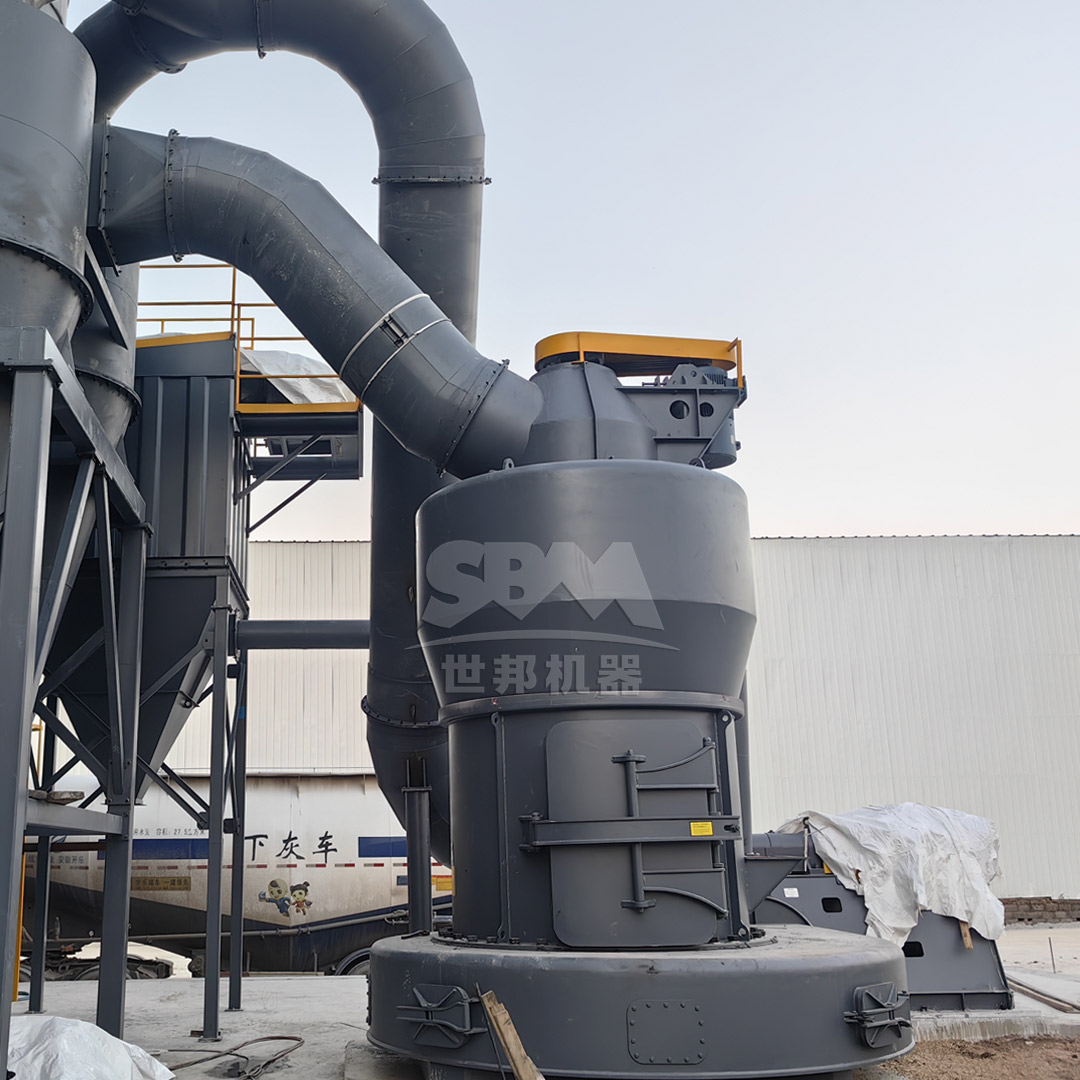
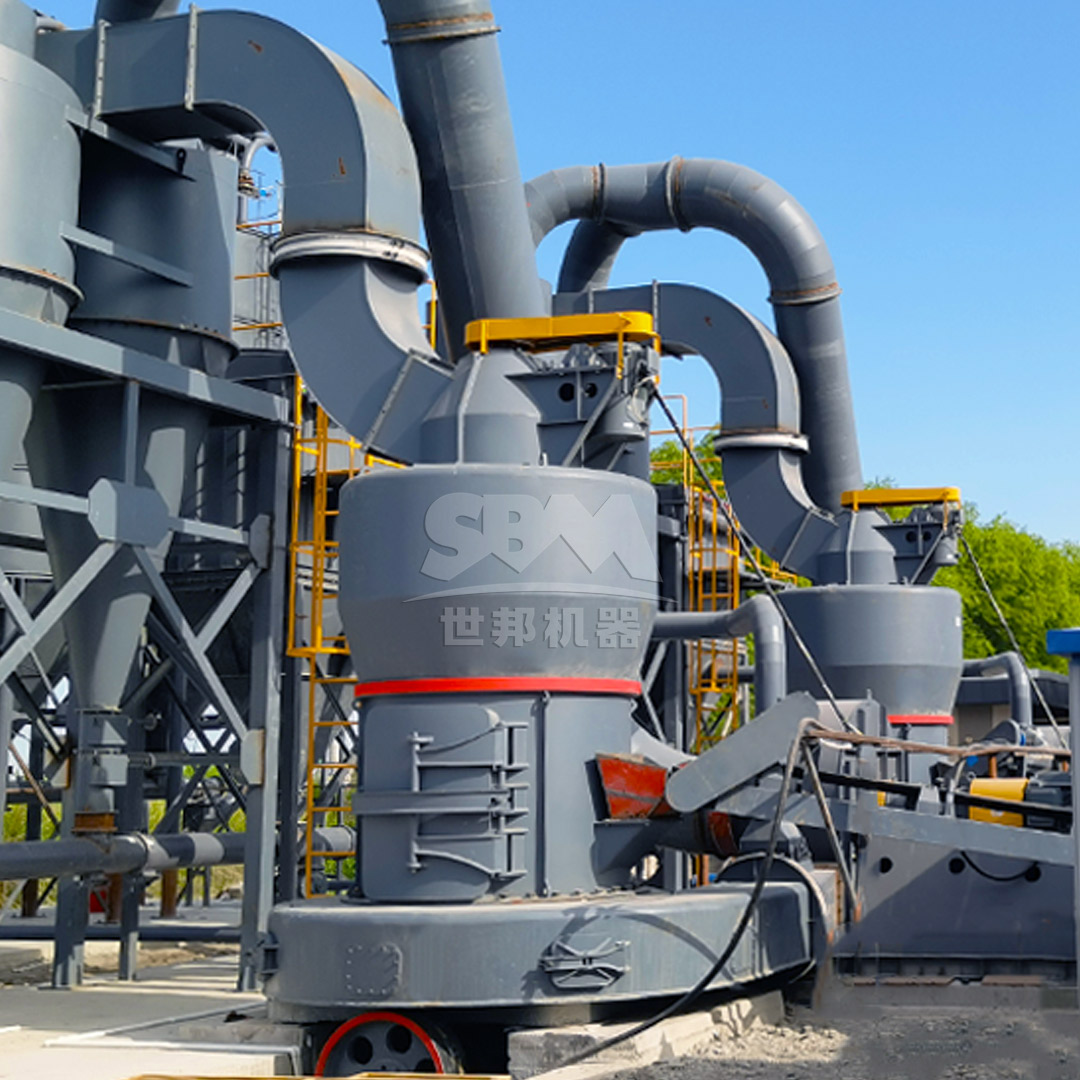
For operations requiring exceptionally durable components and high-precision grinding, our LM Series Vertical Roller Mill offers a superior solution. Its design features a non-contact grinding principle between the roller and table during idle operation, significantly reducing wear. Furthermore, the modular roller assembly allows for quick replacement, minimizing maintenance downtime. The mill’s intelligent control system automatically adjusts parameters to maintain optimal bed conditions, protecting the grinding components from shock loads and uneven wear.
2. Classification System Maintenance
The dynamic classifier (or separator) is responsible for ensuring the final product fineness. It separates fine particles (product) from coarse particles (rejects) which are returned to the grinding bed.
- Rotor Blade and Cage Inspection: Wear on classifier rotor blades or static cage vanes will alter the cut point, allowing coarse particles into the product or over-grinding fines. Inspect for erosion, cracks, and build-up. Imbalance can cause severe vibration.
- Drive System: Check the condition of the classifier motor, gearbox, and couplings. Monitor bearing temperatures and vibration. A failing drive can lead to inconsistent product size and mill instability.
- Airflow Integrity: The classifier relies on a specific air volume and velocity. Inspect and clean air inlet ducts, seals around the classifier, and reject chutes for leaks or blockages that disrupt the air circuit.
3. Lubrication and Hydraulic System Care
The lubrication system is the lifeblood of the VRM’s moving parts, while the hydraulic system provides the essential grinding pressure.
- Oil Quality Management: Regularly sample and analyze lubricating oil and hydraulic fluid for viscosity, water content, and particulate contamination. Adhere strictly to oil change intervals based on operating hours and condition monitoring.
- Filter Maintenance: Change oil, air, and fuel filters as prescribed. Clogged filters lead to increased pressure drops, overheating, and component wear.
- Cooling System: Ensure oil coolers and water cooling circuits are clean and functional. Overheating oil degrades rapidly, losing its lubricating properties and damaging bearings and hydraulic components.

4. Drive Train and Gearbox Monitoring
The main reducer (gearbox) is one of the most critical and expensive components. Its failure results in prolonged, costly downtime.
- Vibration Analysis: Implement continuous or frequent periodic vibration monitoring on the gearbox input and output shafts, as well as the main motor. Trending vibration data can reveal developing issues like misalignment, imbalance, or gear/bearing wear long before failure.
- Temperature Monitoring: Continuously monitor bearing and oil sump temperatures. A sudden or gradual rise in temperature is a primary indicator of problems.
- Alignment Checks: During major shutdowns, verify the laser alignment between the motor, gearbox, and mill table. Poor alignment causes excessive vibration and premature failure.
5. External Systems: Feed, Gas Flow, and Dedusting
The VRM’s performance is tightly coupled with its auxiliary systems.
- Feed System: Maintain the belt feeder or rotary feeder to ensure a stable, controlled feed rate. Check for wear on feed chutes and spillage.
- Process Gas (Hot Gas) Generator/Ducting: For raw and coal mills, inspect the hot gas ducting, dampers, and burners. Gas temperature control is vital for drying and mill stability.
- Dedusting System (Baghouse/Electrostatic Precipitator): This is crucial for environmental compliance and mill internal pressure balance. Regularly check bag condition, pulse valves, and fan impellers. A blocked baghouse increases system pressure drop, reducing mill throughput and efficiency.
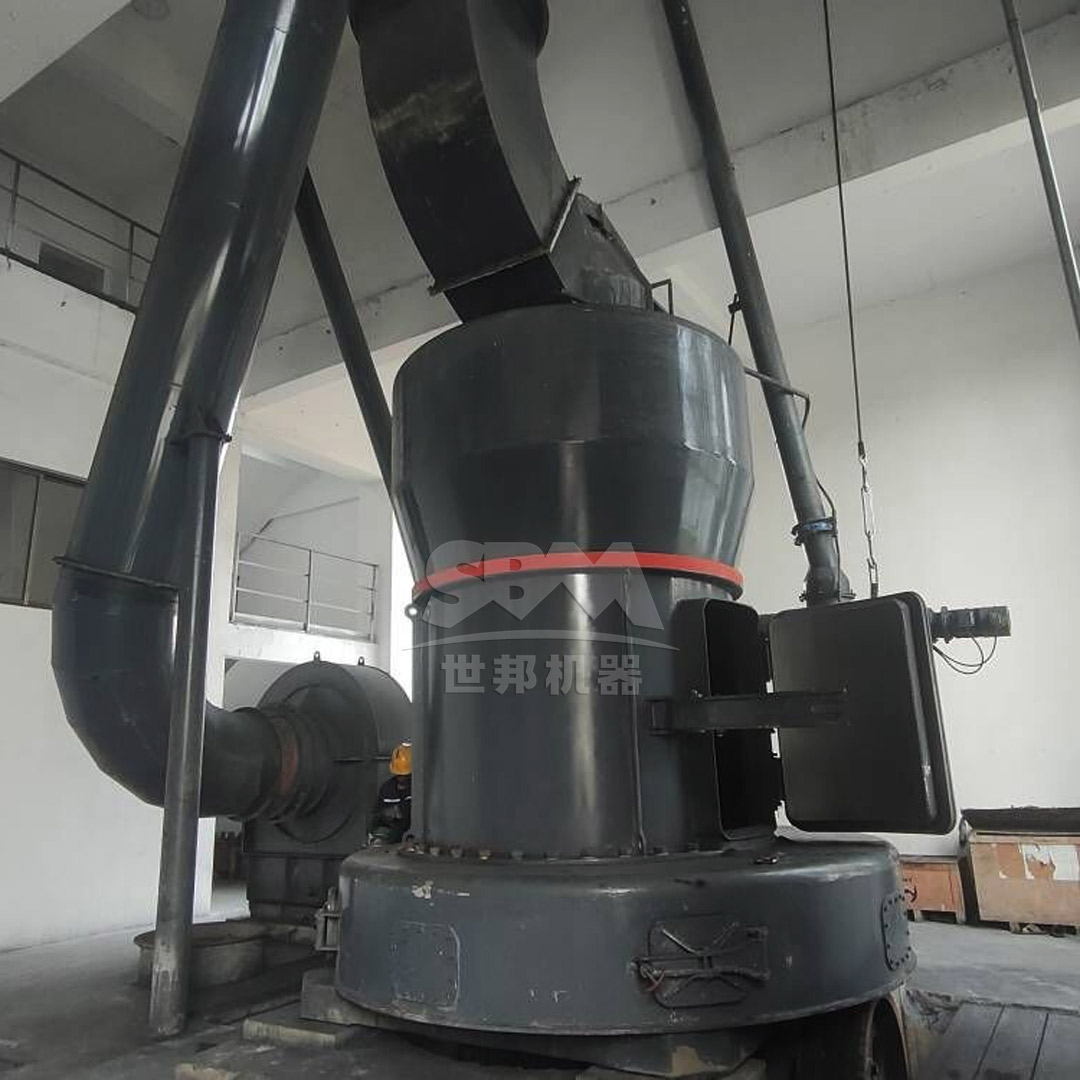
When the application demands ultra-fine powders in the range of 325-2500 mesh (D97 ≤5μm), our SCM Series Ultrafine Mill is the ideal choice. Beyond its impressive fineness and energy efficiency (30% lower consumption compared to jet mills), it incorporates maintenance-friendly features. The vertical turbine classifier ensures precise particle size cuts with minimal wear. Its sturdy construction with special material rollers and grinding rings extends service life significantly. The integrated pulse dust collector operates at efficiency exceeding international standards, simplifying environmental maintenance concerns.
Conclusion: Adopting a Predictive Maintenance Culture
Reactive maintenance—fixing components after they fail—is the most costly approach for VRM operation. The key to optimal performance lies in shifting to a predictive and preventive maintenance culture. This involves:
- Routine Inspections: Establishing and adhering to daily, weekly, and monthly checklists for visual, auditory, and basic measurement checks.
- Condition Monitoring: Investing in technologies like online vibration sensors, oil analysis, thermography, and mill process data trending (pressure, temperature, power draw).
- Detailed Planning: Using inspection and monitoring data to plan component replacements and major overhauls during scheduled shutdowns, not during emergency stops.
- Training & Documentation: Ensuring maintenance personnel are thoroughly trained on the specific VRM model and that all maintenance activities are meticulously documented for historical analysis.
By meticulously caring for the grinding components, classification system, lubrication, drive train, and auxiliary systems, plant operators can dramatically extend the service life of their Vertical Roller Mill, achieve consistent product quality, and realize the full return on their investment. Choosing a mill designed with maintenance in mind, such as our LM or SCM series, provides a solid foundation for this long-term operational success.