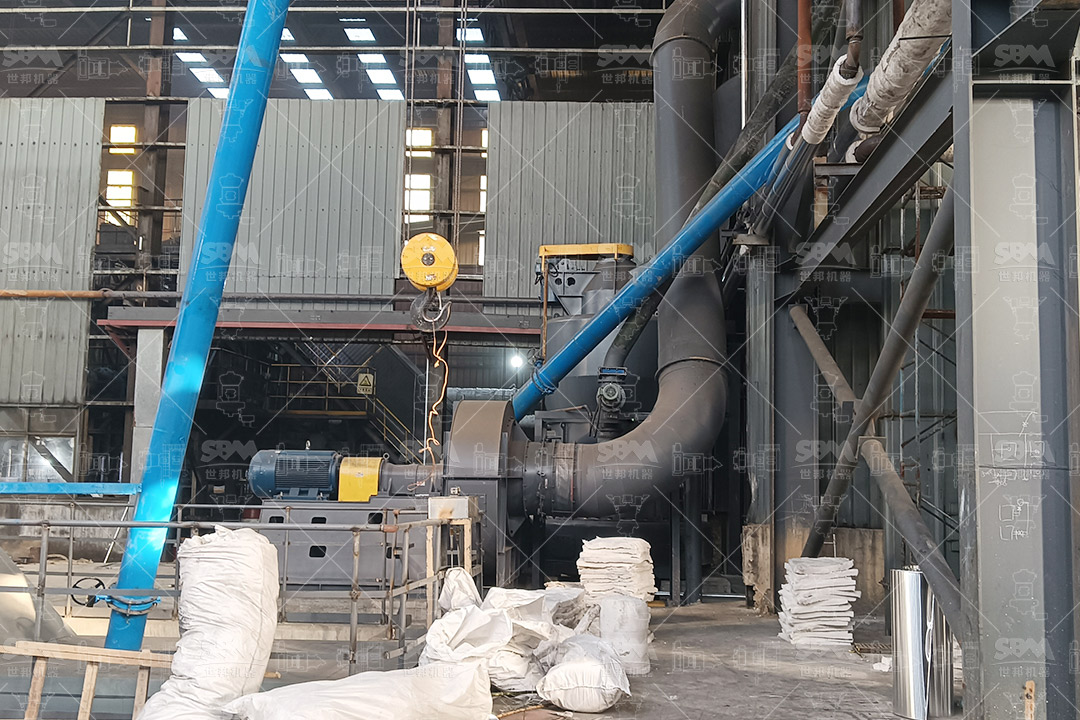
Chemical Vapor Deposition (CVD) represents one of the most sophisticated manufacturing processes in modern materials science, particularly for semiconductor, optical fiber, and high-performance coating applications. The quality of the precursor materials, especially high purity quartz powder, directly determines the performance and reliability of the final CVD products. Achieving the precise particle size distribution, chemical purity, and morphological characteristics required for advanced CVD applications demands specialized milling technology capable of producing ultra-fine powders with exceptional consistency and minimal contamination.
The transformation of raw quartz into high-purity powder suitable for CVD processes involves multiple critical steps, with the milling operation standing as the most technologically demanding phase. This article explores the technical requirements for high purity quartz powder in CVD applications and examines the advanced milling solutions that meet these rigorous specifications.
In CVD processes, the particle size distribution of quartz powder directly influences deposition uniformity, reaction kinetics, and final film quality. Optimal powder characteristics typically fall within the 1-10μm range, with tight distribution curves (D90/D10 < 3) to ensure consistent vaporization and reaction rates. The presence of oversized particles can lead to incomplete vaporization, generating defects in the deposited layer, while excessive fines may cause handling difficulties and inconsistent feed rates.
Advanced CVD applications, particularly in semiconductor manufacturing, often require even tighter specifications, with target distributions centered around 2-5μm and minimal presence of particles outside this range. This level of control necessitates milling equipment with precision classification systems capable of sharp cut-points and stable operation over extended production cycles.
High purity quartz for CVD applications typically begins with material having impurity levels below 10ppm for critical metallic contaminants. The milling process must not introduce additional contamination that could compromise the electronic or optical properties of the final product. Metallic contamination from wear parts represents the most significant risk, requiring specialized material selections and innovative mechanical designs that minimize metal-to-material contact.
Beyond metallic impurities, the milling system must prevent the introduction of organic contaminants from lubricants, seals, or other system components. This demands fully enclosed systems with appropriate sealing technologies and careful selection of all materials that contact the product stream.
The particle shape and surface characteristics of quartz powder significantly impact its flowability, packing density, and vaporization behavior in CVD systems. Ideal particles exhibit relatively spherical morphology with minimal surface defects and internal strain. The milling mechanism must generate particles through controlled fracture along natural crystal planes rather than through excessive impact or attrition, which can create amorphous surface layers and introduce structural defects.
| Parameter | Standard CVD Grade | High-Performance CVD Grade | Measurement Method |
|---|---|---|---|
| Particle Size (D50) | 5-15μm | 2-5μm | Laser Diffraction |
| Size Distribution (D90/D10) | < 4 | < 3 | Laser Diffraction |
| Metallic Impurities (Fe, Cr, Ni) | < 10ppm | < 1ppm | ICP-MS |
| Alpha Quartz Content | > 99.9% | > 99.99% | XRD |
| Specific Surface Area | 1-3 m²/g | 2-5 m²/g | BET |
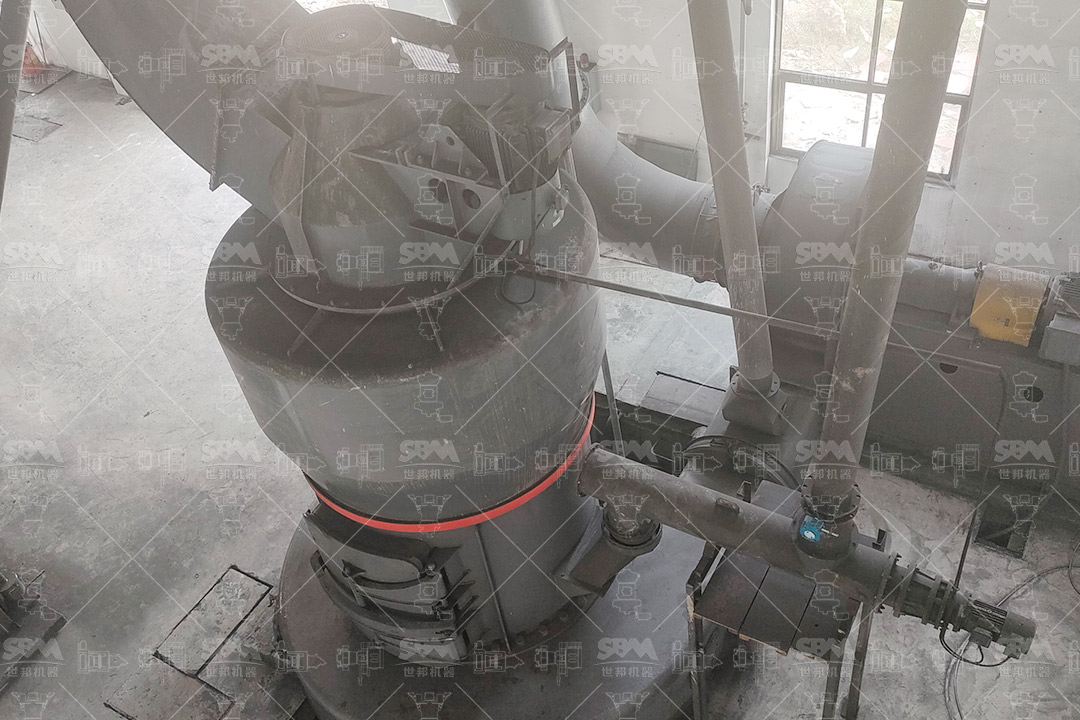
For the most demanding CVD applications requiring powders in the 325-2500 mesh range (5-45μm), specialized ultra-fine grinding systems offer the necessary combination of precision, efficiency, and contamination control. These systems typically employ multiple grinding stages with integrated classification to achieve the target particle size distribution while minimizing energy consumption and heat generation.
The grinding mechanism in these systems relies primarily on compressive forces rather than impact, reducing the introduction of surface defects and amorphous content. Advanced designs incorporate air cooling and temperature control to prevent phase transformations in the quartz and maintain crystallinity throughout the process.
High-efficiency classifiers represent the heart of modern quartz powder production systems for CVD applications. These devices must provide sharp separation curves, high throughput capacity, and stable operation across varying feed conditions. Modern classifier designs utilize advanced rotor geometries and airflow patterns to achieve cut points as fine as 2-3μm with minimal coarse particle contamination.
The integration of classification systems with grinding chambers in a closed-loop configuration enables real-time adjustment of product fineness and distribution. Sophisticated control systems monitor and adjust classifier speed, airflow rates, and other parameters to maintain consistent product quality despite variations in feed material characteristics.
Maintaining the inherent purity of quartz through the milling process requires comprehensive contamination control strategies. These include the use of ceramic, high-chromium, or specialized composite materials for all wear parts that contact the product. Advanced system designs minimize the number of components in the product stream and eliminate dead zones where material can accumulate and undergo unintended processing.
Beyond mechanical design, effective contamination control requires appropriate cleaning procedures, environmental controls, and material handling protocols. Modern mills designed for high-purity applications feature smooth internal surfaces, quick-disconnect components for maintenance, and validated cleaning procedures to prevent cross-contamination between batches.
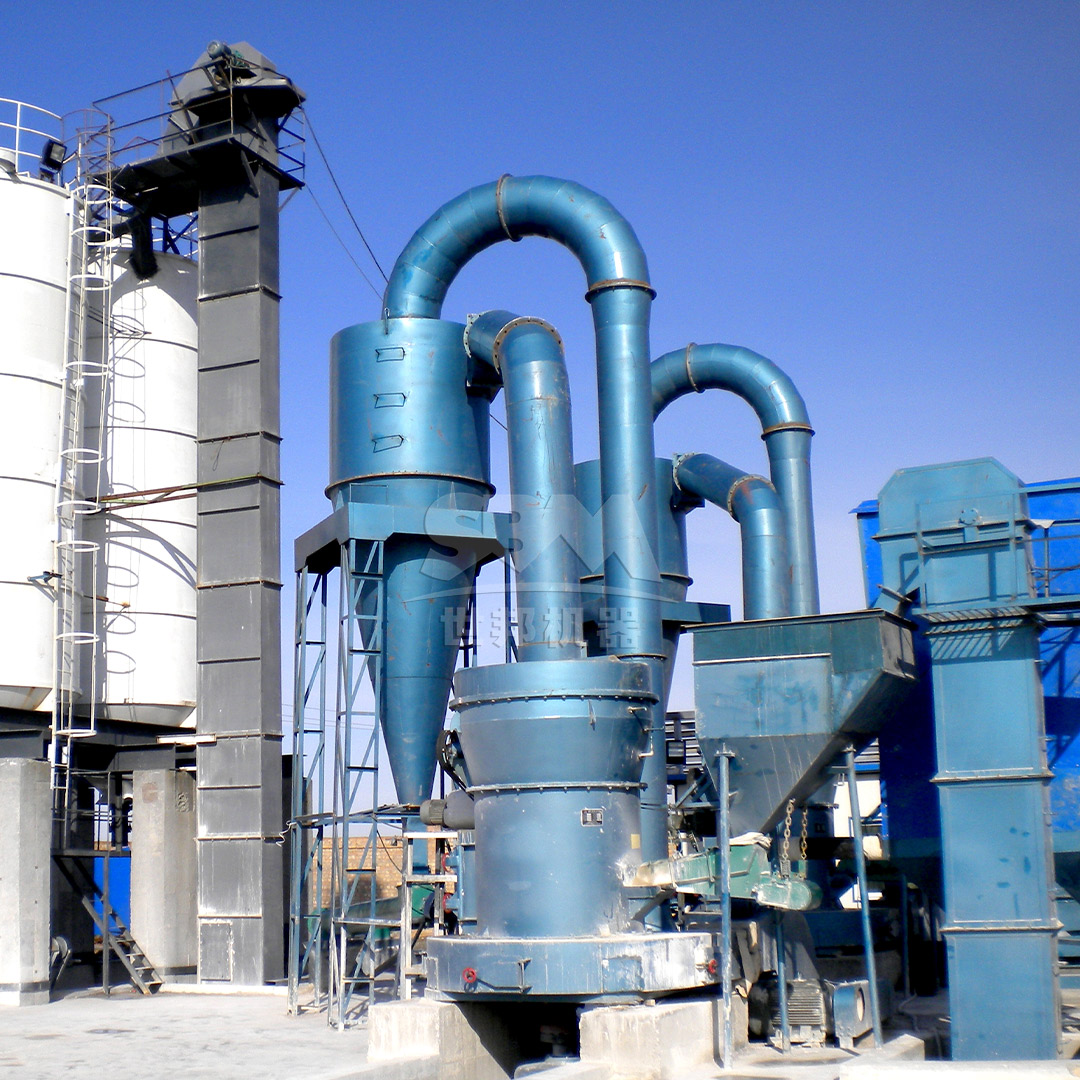
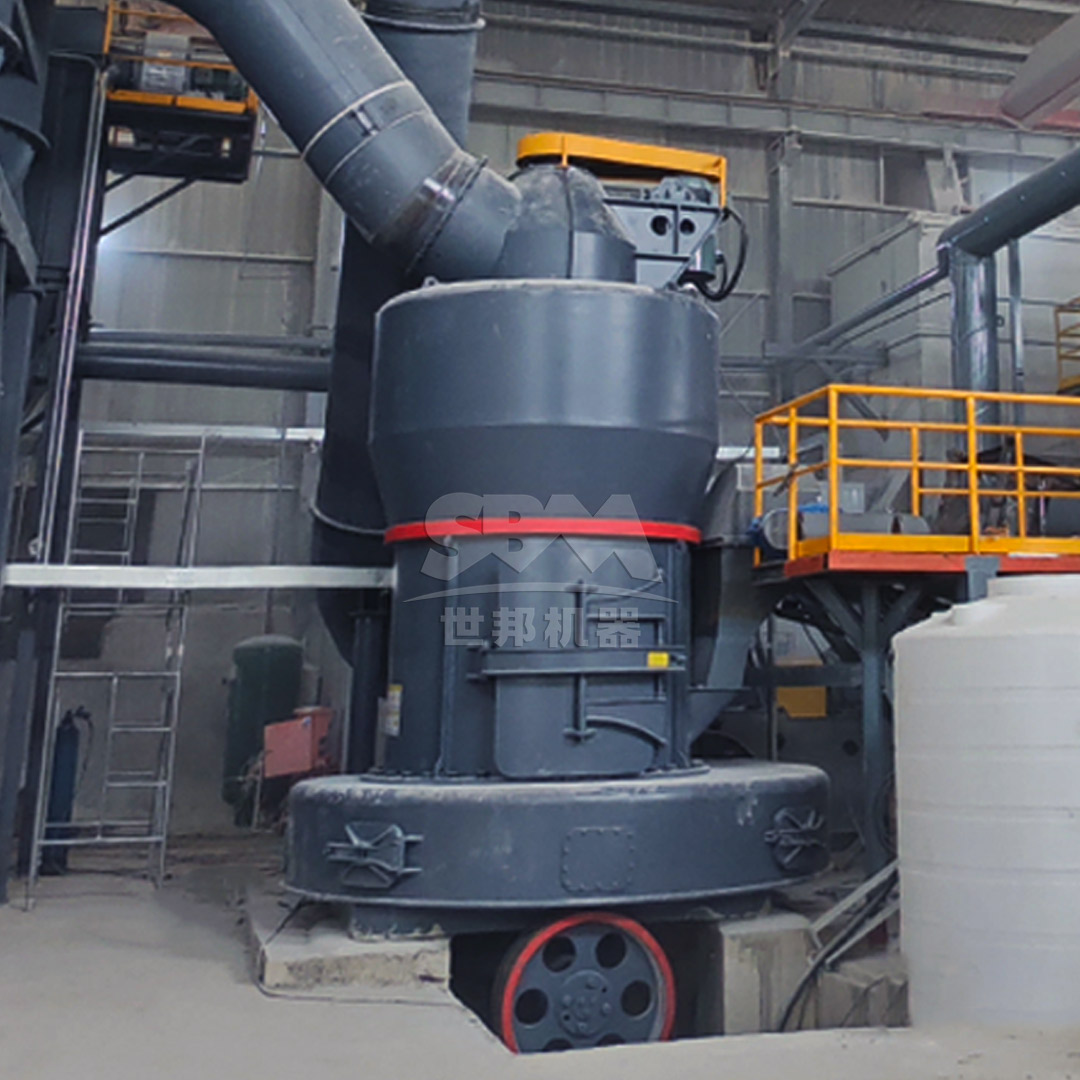
For operations requiring the highest purity quartz powders with precise control in the 325-2500 mesh range (D97 ≤ 5μm), the SCM Ultrafine Mill represents an optimal solution. This system combines advanced grinding technology with precision classification to deliver the tight particle size distributions and minimal contamination required for advanced CVD applications.
The SCM Ultrafine Mill incorporates several features specifically beneficial for high-purity quartz production. Its vertical turbine classification system ensures precise particle size control with no coarse powder contamination, critical for maintaining consistent CVD process conditions. The special material grinding rollers and rings, available in various ceramic and composite formulations, minimize metallic contamination while providing extended service life in abrasive quartz applications.
From an efficiency perspective, the system delivers twice the capacity of jet mills with 30% lower energy consumption, significantly reducing operating costs for high-volume production. The intelligent control system automatically monitors and adjusts operating parameters to maintain consistent product fineness despite variations in feed material characteristics.
| Model | Processing Capacity (ton/h) | Main Motor Power (kW) | Output Fineness (mesh) | Recommended Application |
|---|---|---|---|---|
| SCM800 | 0.5-4.5 | 75 | 325-2500 | Pilot scale, specialty grades |
| SCM900 | 0.8-6.5 | 90 | 325-2500 | Small to medium production |
| SCM1000 | 1.0-8.5 | 132 | 325-2500 | Standard production scale |
| SCM1250 | 2.5-14 | 185 | 325-2500 | High volume production |
| SCM1680 | 5.0-25 | 315 | 325-2500 | Large scale industrial production |
Beyond its technical capabilities for quartz processing, the SCM Ultrafine Mill addresses the environmental and operational requirements of modern manufacturing facilities. The integrated pulse dust collection system exceeds international emission standards, ensuring a clean working environment and preventing product loss. The acoustic insulation design maintains noise levels below 75dB, supporting worker safety and comfort while meeting regulatory requirements.
The system’s bearing-free screw grinding chamber design enhances operational stability and reduces maintenance requirements, contributing to higher overall equipment effectiveness and lower total cost of ownership. These features make the SCM Ultrafine Mill particularly suitable for integration into automated production lines with minimal manual intervention.
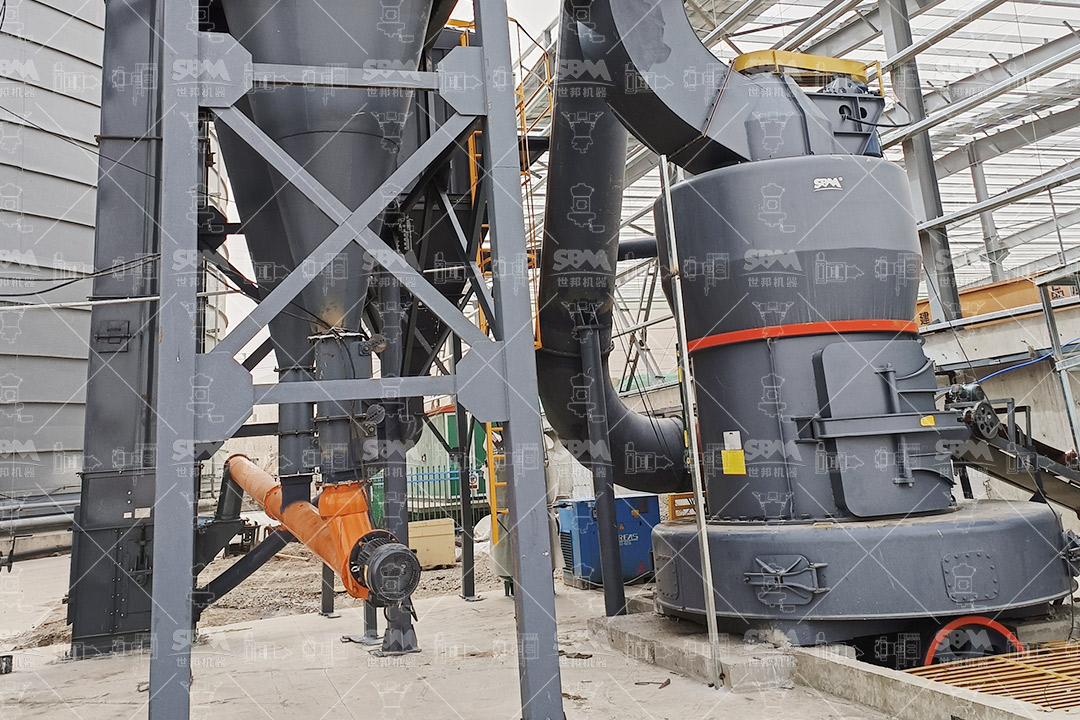
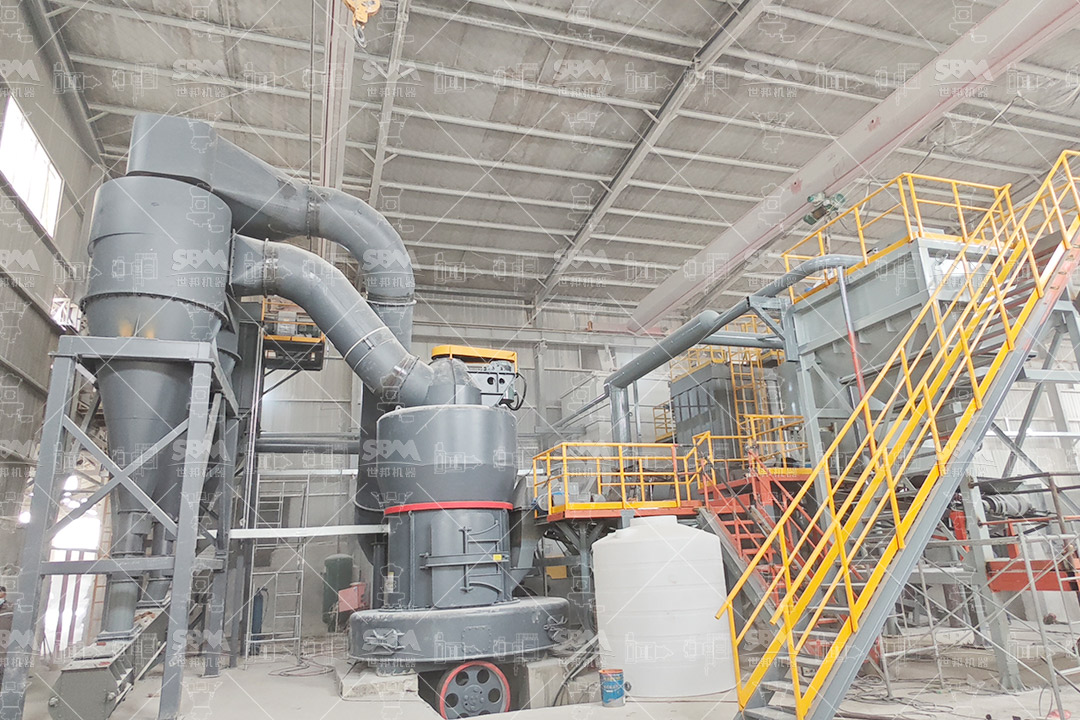
For operations requiring high-volume production of CVD-grade quartz powder with exceptional consistency, the LUM Ultra-Fine Vertical Mill offers advanced capabilities in a compact footprint. This system combines multiple grinding rollers with sophisticated classification technology to deliver high throughput while maintaining precise control over product characteristics.
The LUM series incorporates several innovations specifically valuable for high-purity quartz production. The unique roller sleeve and liner curve design optimizes the grinding trajectory for quartz material, maximizing efficiency while minimizing wear. The multi-rotor classification technology ensures the complete absence of coarse particles in the final product, critical for CVD applications where oversized particles can create defects in deposited films.
The fully enclosed negative pressure operation prevents dust leakage, protecting both product purity and the working environment. The integrated PLC automation system provides stable operation with minimal operator intervention, maintaining consistent product quality across extended production runs.
| Model | Main Motor Power (kW) | Processing Capacity (t/h) | D97 Particle Size | Feed Size (mm) |
|---|---|---|---|---|
| LUM1525 | 220-250 | 1.6-11.5 | 5-30μm | 0-20 |
| LUM1632 | 280-315 | 2.0-13.5 | 5-30μm | 0-20 |
| LUM1836 | 355-400 | 2.3-15.0 | 5-30μm | 0-20 |
Successful production of high-purity quartz powder for CVD applications requires more than just advanced milling equipment. It demands an integrated approach that considers the entire process from raw material preparation through final packaging. Pre-processing steps including washing, magnetic separation, and thermal treatment can significantly impact milling efficiency and final product quality.
Modern quartz powder production facilities typically employ multi-stage size reduction systems, beginning with jaw crushers or similar equipment for primary size reduction, followed by intermediate grinding stages, and culminating with the final ultra-fine milling operation. Each stage must be optimized not only for its specific function but also for its impact on downstream processes.
Maintaining consistent quality in CVD-grade quartz powder requires comprehensive quality assurance protocols spanning the entire production process. These include raw material certification, in-process monitoring of critical parameters, and final product testing against application-specific specifications. Advanced particle characterization techniques including laser diffraction, electron microscopy, and surface area analysis provide the detailed information necessary to correlate process conditions with product performance.
Statistical process control methods enable early detection of process deviations before they impact product quality. Modern milling systems incorporate automated sampling and analysis capabilities that provide real-time feedback for process adjustment, ensuring consistent product quality despite normal variations in raw material characteristics and operating conditions.
As CVD technology advances to support next-generation semiconductors, optical devices, and specialty coatings, the purity requirements for quartz powder continue to become more stringent. Where 10ppm impurity levels were once acceptable, emerging applications now demand sub-ppm concentrations for critical metallic contaminants. This trend drives continued innovation in milling technology, particularly in the areas of wear-resistant materials and contamination control strategies.
Future milling systems will likely incorporate more extensive use of ceramic and composite materials, advanced sealing technologies, and improved cleaning protocols to meet these escalating purity requirements. The integration of real-time impurity monitoring may become standard, enabling immediate detection and correction of contamination events.
The digital transformation of manufacturing processes presents significant opportunities for quartz powder production. Advanced milling systems increasingly incorporate comprehensive sensor networks that monitor not only traditional process parameters like temperature and pressure but also equipment condition, wear state, and product quality indicators. The integration of this data with manufacturing execution systems enables predictive maintenance, optimized process control, and complete product traceability.
Machine learning algorithms applied to historical process data can identify subtle correlations between operating conditions and product characteristics, enabling continuous process improvement beyond the capabilities of traditional control strategies. These digital technologies will likely become standard features in future quartz milling systems, particularly for high-value applications like CVD precursors.
The production of high purity quartz powder for advanced Chemical Vapor Deposition represents a specialized application demanding precise control over particle characteristics and stringent contamination prevention. Modern milling technology, exemplified by systems like the SCM Ultrafine Mill and LUM Ultra-Fine Vertical Mill, provides the capabilities necessary to meet these demanding requirements while maintaining operational efficiency and economic viability.
As CVD technology continues to advance, driving increased requirements for powder quality and consistency, milling technology must correspondingly evolve. The integration of advanced materials, precision classification systems, and comprehensive contamination control strategies will remain essential for meeting the needs of next-generation CVD applications. Through continued innovation in milling technology and process optimization, manufacturers can ensure a reliable supply of high-quality quartz powder to support the growing demands of advanced materials production via Chemical Vapor Deposition.