Specialty glass manufacturing represents one of the most demanding and technologically advanced sectors in the materials industry. From high-purity optical lenses and laboratory glassware to sophisticated display panels and pharmaceutical containers, specialty glasses require exceptional clarity, chemical stability, and precise physical properties. At the heart of achieving these quality standards lies the processing of feldspar – a fundamental raw material that constitutes up to 50-60% of many glass batches. The transformation of raw feldspar into the precisely controlled powder required for specialty glass production depends entirely on the capabilities of modern grinding technology.
Feldspar’s contribution to glass manufacturing extends beyond mere filler material. As a fluxing agent, it lowers the melting temperature of the glass batch, reducing energy consumption during the melting process. More importantly, feldspar provides the essential alumina content (Al₂O₃) that gives specialty glass its superior mechanical strength, chemical resistance, and thermal stability. However, these benefits can only be fully realized when the feldspar powder meets exacting specifications for particle size distribution, chemical purity, and consistency – requirements that conventional grinding equipment often fails to achieve.

The relationship between feldspar particle size and glass quality is both complex and critical. In specialty glass production, inconsistent particle size distribution leads to multiple manufacturing defects, including seeds (small gas bubbles), stones (unmelted particles), cords (streaks of differing composition), and reduced transparency. These defects not only compromise the aesthetic quality of the glass but, more importantly, can severely impact its functional performance in demanding applications.
Modern research has established that optimal feldspar particle size for specialty glass falls within the 45-325 mesh range (approximately 350-45 microns), with ultra-fine applications requiring particles as small as 5 microns (2500 mesh). The particle size distribution must be tightly controlled, as both oversized and undersized particles create problems. Oversized particles may not melt completely, creating seeds and stones, while excessive fines can cause dusting during batch preparation and uneven melting. Furthermore, the shape of the particles affects packing density and melting characteristics, with angular particles providing better interlocking in the batch but potentially requiring more energy to melt.
| Particle Size Range | Impact on Glass Quality | Manufacturing Consequences |
|---|---|---|
| > 200 mesh (>74μm) | Incomplete melting, seeds, stones | Reduced transparency, weak spots |
| 200-325 mesh (74-45μm) | Standard melting, good homogeneity | Acceptable for general glassware |
| 325-1250 mesh (45-10μm) | Rapid melting, excellent homogeneity | High quality optical and technical glass |
| <1250 mesh (<10μm) | Very rapid melting, potential dusting | Specialized applications with controlled handling |
The transition from conventional grinding to advanced milling technology has revolutionized how glass manufacturers approach particle size control. Traditional ball mills, while capable of reducing feldspar to usable sizes, often produce broad particle size distributions with significant percentages of both oversize and undersize particles. This limitation has driven the adoption of more sophisticated grinding systems specifically designed for the precision requirements of specialty glass production.
The evolution of feldspar grinding technology has progressed through several generations of equipment, each offering improvements in efficiency, control, and final product quality. Understanding the capabilities of different grinding systems is essential for selecting the appropriate technology for specific specialty glass applications.
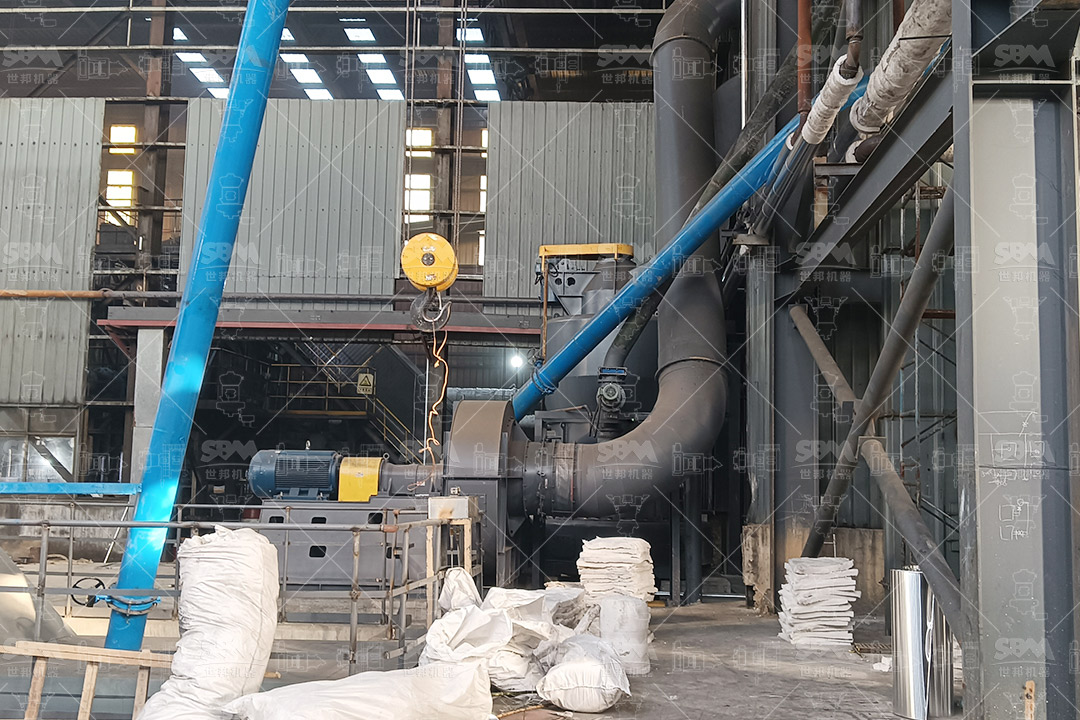
Vertical roller mills (VRMs) have emerged as the dominant technology for large-scale feldspar processing in the glass industry. These systems utilize a bed of material compressed between a rotating table and grinding rollers, combining both impact and attrition forces to achieve efficient size reduction. The integrated classification systems in modern VRMs allow for precise control over the final particle size distribution, a critical advantage for specialty glass manufacturers.
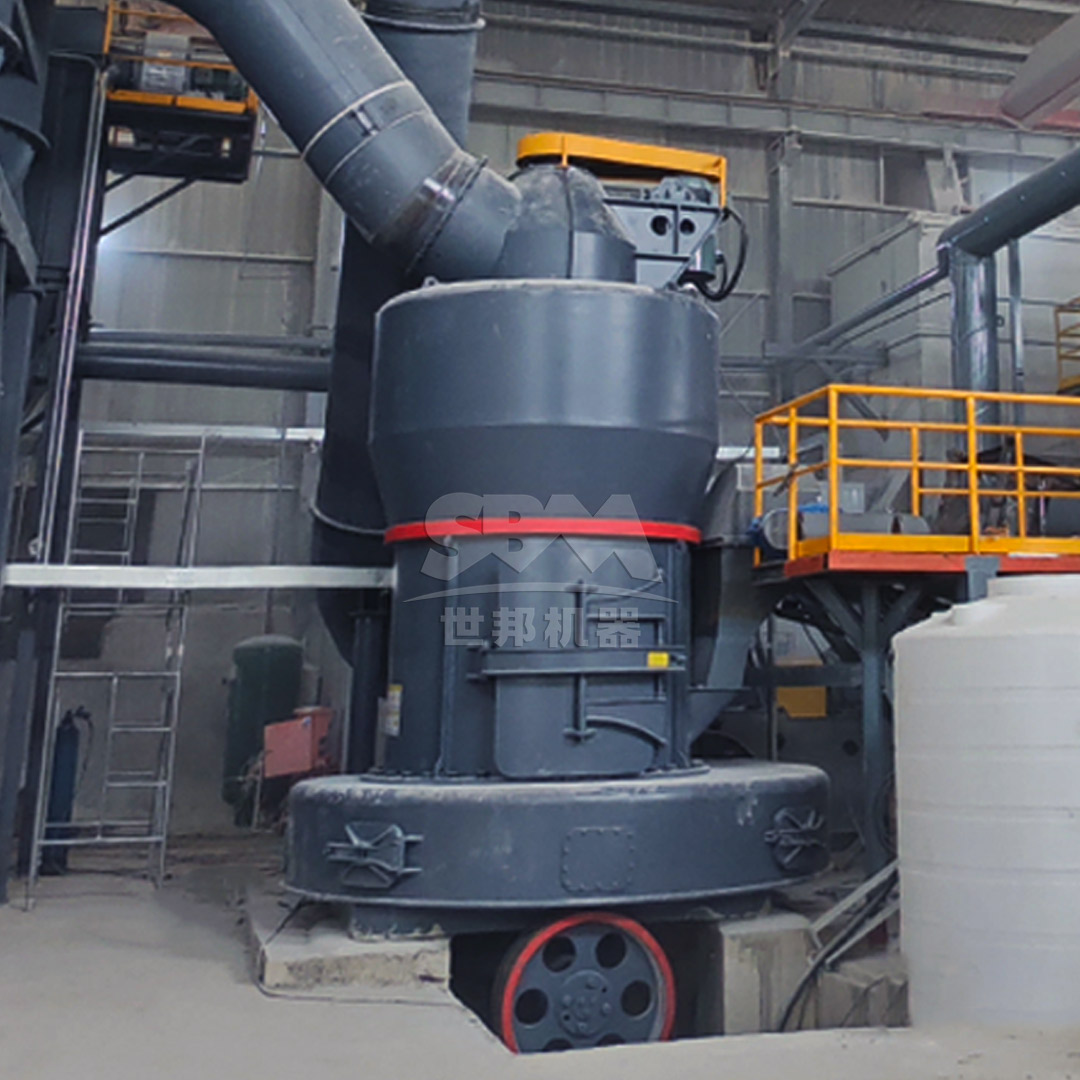
Our LM Series Vertical Roller Mill represents the cutting edge of this technology, specifically engineered to meet the demanding requirements of specialty glass production. With an output fineness range of 30-325 mesh (extendable to 600 mesh for specialized applications) and processing capacities from 3-250 tons per hour depending on the model, this system offers unparalleled flexibility for glass manufacturers. The integrated design combines crushing, grinding, and separation functions in a single unit, reducing footprint requirements by up to 50% compared to traditional grinding circuits.
The technological advantages of the LM Series are particularly evident in its low operating costs and intelligent control systems. The non-contact design between grinding rollers and the table extends wear part life by up to three times, while the expert automatic control system maintains consistent product quality with minimal operator intervention. For specialty glass producers, the system’s ability to maintain product fineness within tight specifications while handling variations in feed material is invaluable for maintaining batch consistency.

For the most demanding specialty glass applications, particularly those requiring exceptional clarity or specific optical properties, ultrafine grinding systems provide capabilities beyond conventional milling technologies. These advanced systems can produce feldspar powders with particle sizes down to 5 microns (D97 ≤ 5μm), opening up new possibilities for glass formulations and properties.
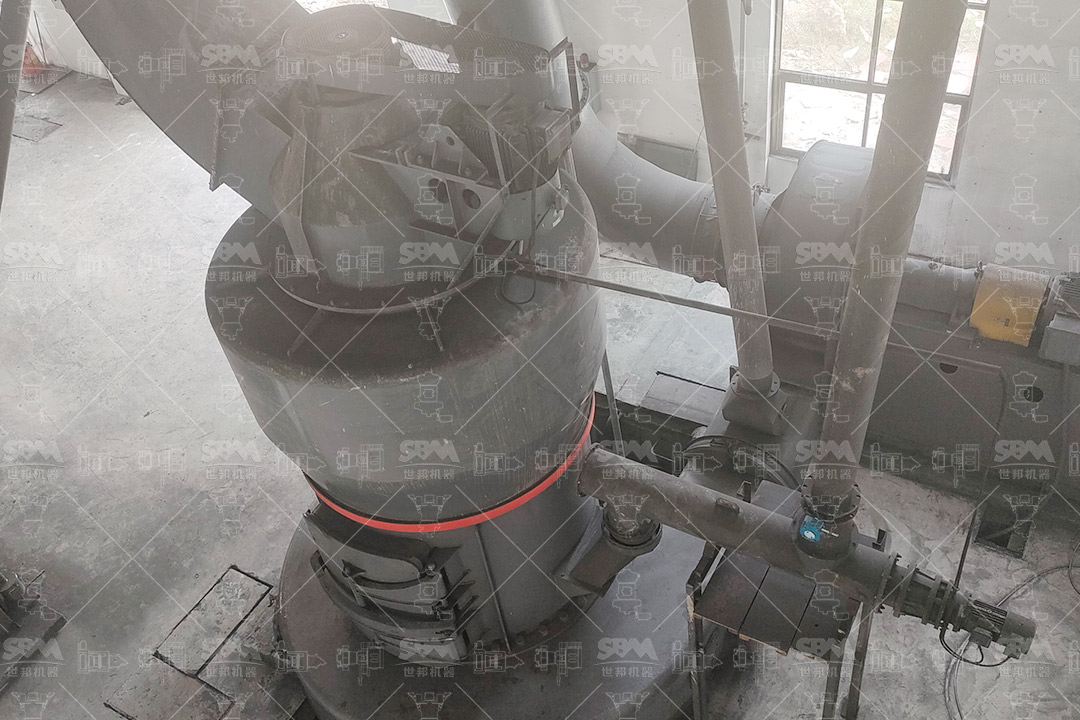
Our SCM Ultrafine Mill series represents the pinnacle of ultrafine grinding technology for feldspar processing. With an output fineness range of 325-2500 mesh (45-5μm) and processing capacities from 0.5 to 25 tons per hour, this equipment enables glass manufacturers to achieve particle size distributions previously attainable only with specialized air classification systems. The vertical turbine classifier ensures precise particle size cuts without coarse powder contamination, while the intelligent control system automatically maintains the target fineness through real-time feedback mechanisms.
The efficiency advantages of the SCM series are particularly noteworthy for energy-intensive glass manufacturing operations. With capacity approximately double that of jet mills and energy consumption reduced by 30%, these systems offer both technical and economic benefits. The patented grinding chamber design without bearing screws ensures stable operation, while the comprehensive dust collection and noise reduction systems (≤75dB) address environmental and workplace safety concerns.
Selecting the appropriate grinding technology requires careful consideration of multiple factors, including the specific requirements of the glass product, production volume, energy efficiency, and total operating costs. The following comparison highlights the key characteristics of different grinding systems relevant to specialty glass manufacturing.
| Grinding System | Output Fineness Range | Typical Capacity | Energy Efficiency | Particle Shape | Application in Glass |
|---|---|---|---|---|---|
| Ball Mill | 0.074-0.8mm | 0.65-450 t/h | Moderate | Spherical | General container glass |
| MTW Trapezium Mill | 30-325 mesh | 3-45 t/h | High | Angular | Flat glass, tableware |
| LM Vertical Mill | 30-325 mesh (to 600) | 3-250 t/h | Very High | Mixed | Technical glass, fibers |
| SCM Ultrafine Mill | 325-2500 mesh | 0.5-25 t/h | High | Uniform | Optical, electronic glass |
This comparison demonstrates that while traditional ball mills still find application in general glass production, advanced grinding systems like the LM Vertical Mill and SCM Ultrafine Mill offer significant advantages for specialty glass manufacturers. The superior energy efficiency, precise particle size control, and consistent product quality make these technologies particularly suitable for high-value glass products where consistency and performance are paramount.
The practical benefits of advanced feldspar grinding technology become particularly evident when examining specific applications in specialty glass manufacturing. Borosilicate glass, renowned for its low thermal expansion and high chemical resistance, presents unique challenges in raw material preparation that conventional grinding systems struggle to address.
In a recent implementation at a European specialty glass manufacturer, the transition from traditional ball mills to our LM190K Vertical Roller Mill resulted in measurable improvements across multiple quality parameters. The consistent particle size distribution achieved with the LM190K (23-68 t/h capacity, 170-40μm output range) eliminated the previously persistent issue of cord formation in the finished glass. The reduction in oversized particles (>74μm) from 8.2% to 0.7% virtually eliminated seed defects, while the improved batch homogeneity reduced melting temperatures by approximately 25°C, translating to significant energy savings.
Similarly, implementation of the SCM1000 Ultrafine Mill at an optical glass manufacturer in Japan enabled production of feldspar powder with D97 ≤ 8μm, a specification previously unattainable with their existing grinding circuit. The resulting improvement in glass homogeneity enhanced light transmission characteristics by 3.7% while reducing striae to levels acceptable for high-performance lens applications. The integrated pulse dust collection system maintained workplace dust concentrations below 2mg/m³, addressing previous environmental concerns.

Beyond the technical advantages for glass quality, modern feldspar grinding systems offer compelling economic and environmental benefits. The energy consumption of glass manufacturing is substantial, with melting operations typically accounting for 60-70% of total energy use. While grinding represents a smaller portion of the energy budget, improvements in grinding efficiency contribute to overall energy reduction in multiple ways.
Advanced grinding systems like the LM Series and SCM Ultrafine Mill typically reduce specific energy consumption for feldspar grinding by 30-40% compared to traditional technologies. More significantly, the production of optimally sized feldspar powder with narrow particle size distribution reduces the energy required for melting by enabling more efficient heat transfer and reaction kinetics. Field data from multiple installations indicates total energy savings of 8-12% across the entire glass manufacturing process when optimized grinding is implemented.
Environmental performance has become increasingly important in glass manufacturing, with regulatory pressures and corporate sustainability initiatives driving adoption of cleaner technologies. Modern grinding systems address these concerns through comprehensive dust collection systems that typically achieve collection efficiencies exceeding 99.9%, well beyond regulatory requirements. Noise reduction technologies, such as the integrated acoustic enclosures in the SCM series (≤75dB), create better working environments while ensuring compliance with occupational health standards.
The evolution of feldspar grinding technology continues to advance, with several emerging trends likely to shape the future of specialty glass manufacturing. Digitalization and Industry 4.0 concepts are being integrated into grinding systems, enabling predictive maintenance, real-time quality monitoring, and fully automated operation. These developments further enhance consistency while reducing operational costs.
Advanced sensor technologies and machine learning algorithms are being deployed to monitor grinding conditions and product quality in real-time, allowing for automatic adjustments to maintain optimal performance. This capability is particularly valuable for specialty glass manufacturers dealing with natural variations in feldspar composition from different sources. The integration of these smart technologies with grinding equipment represents the next frontier in process optimization for the glass industry.
Looking further ahead, research continues into novel grinding mechanisms and classification technologies that may offer step-change improvements in efficiency and control. Electrostatic separation techniques, high-pressure grinding rolls, and advanced air classification systems all show promise for further enhancing the quality of feldspar powders for the most demanding glass applications. As specialty glass formulations become increasingly sophisticated to meet evolving market demands, the grinding technology supporting their production will continue to advance accordingly.
The critical role of feldspar grinding in specialty glass manufacturing cannot be overstated. The transition from conventional grinding technologies to advanced systems like vertical roller mills and ultrafine grinding equipment has enabled glass manufacturers to achieve new levels of product quality, consistency, and performance. The precise control over particle size distribution, chemical purity, and physical characteristics afforded by these technologies directly translates to improved glass properties and manufacturing efficiency.
For specialty glass producers seeking to enhance their competitive position, investment in advanced feldspar grinding technology represents one of the most impactful opportunities available. The combination of technical benefits, economic advantages, and environmental improvements creates a compelling case for modernization of grinding operations. As the demands on specialty glass continue to evolve across applications from electronics to pharmaceuticals to renewable energy, the grinding systems that process their fundamental raw materials will remain at the forefront of manufacturing excellence.