Grinding is a fundamental operation in material processing, yet its success hinges on more than just mechanical force. The thermal energy generated during particle size reduction—the grinding temperature—profoundly influences the physical and chemical properties of the material being processed. Uncontrolled temperature rise can lead to adverse effects such as thermal softening, phase transformations, oxidation, and the generation of residual stresses, all of which directly compromise the hardness, microstructure, and overall quality of the final powder product. Therefore, selecting grinding equipment with superior thermal management capabilities is not merely an operational consideration but a strategic decision for ensuring product integrity and consistency.
Material hardness is a primary indicator of wear resistance and mechanical strength. During grinding, the intense friction and deformation at particle contact points generate significant heat. For many materials, especially metals and certain polymers, an excessive temperature increase can cause a phenomenon known as thermal softening. This reduces the material’s yield strength locally, making it easier to deform but also potentially altering its work-hardening behavior. The result is an inconsistent final product where some particles may be over-softened while others remain brittle. Furthermore, for heat-sensitive materials like certain pharmaceuticals or organic compounds, high temperatures can lead to degradation or melting, completely destroying the desired crystalline structure and rendering the powder unusable. Effective grinding, therefore, requires a system that minimizes frictional heat generation and efficiently dissipates any heat that is produced.
Beyond hardness, the internal structure of material grains is critical. In metallic and ceramic powders, high grinding temperatures can induce recrystallization, grain growth, or even phase changes. For instance, in steel alloys, temperatures exceeding a critical point can transform the desired martensitic structure into softer phases like austenite or tempered martensite, drastically reducing strength. In minerals like calcium carbonate, excessive heat can initiate decomposition. These microstructural changes are often irreversible and can affect downstream processes like sintering, where powder reactivity and sintering kinetics are paramount. A grinding process that maintains a lower, more controlled temperature profile preserves the original or desired microstructure, ensuring predictable behavior in subsequent manufacturing steps.
The culmination of thermal effects is seen in the final product’s quality metrics. High temperatures can accelerate oxidation, leading to contaminated powders with altered chemical composition. They can also cause particles to agglomerate or sinter together during the grinding process itself, creating coarse, hard agglomerates that are difficult to disperse, negatively impacting particle size distribution (PSD) and powder flowability. Residual thermal stresses locked within particles can make them prone to micro-cracking, affecting compressibility and tablet strength in pharmaceutical applications, or the density and strength of pressed ceramic components. Consistent, high-quality powder is characterized by a narrow PSD, predictable morphology, and chemical purity—all attributes threatened by poor thermal control during comminution.
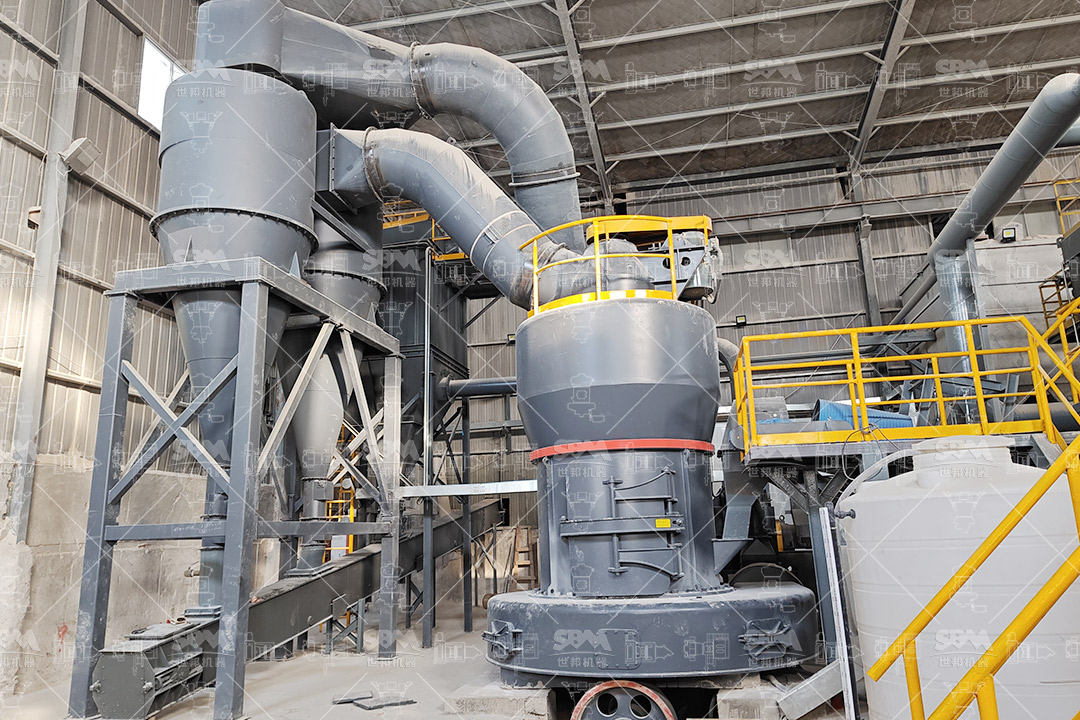
Mitigating detrimental temperature rise requires innovative engineering in grinding equipment. Key strategies include optimizing the grinding mechanics to reduce inefficient friction, incorporating efficient internal or external cooling systems, and designing airflow patterns that simultaneously remove heat and transport finished product. Equipment that leverages a large grinding area with lower specific pressure and features high-efficiency forced ventilation can achieve the same fineness with significantly less heat generation compared to traditional, high-impact methods.
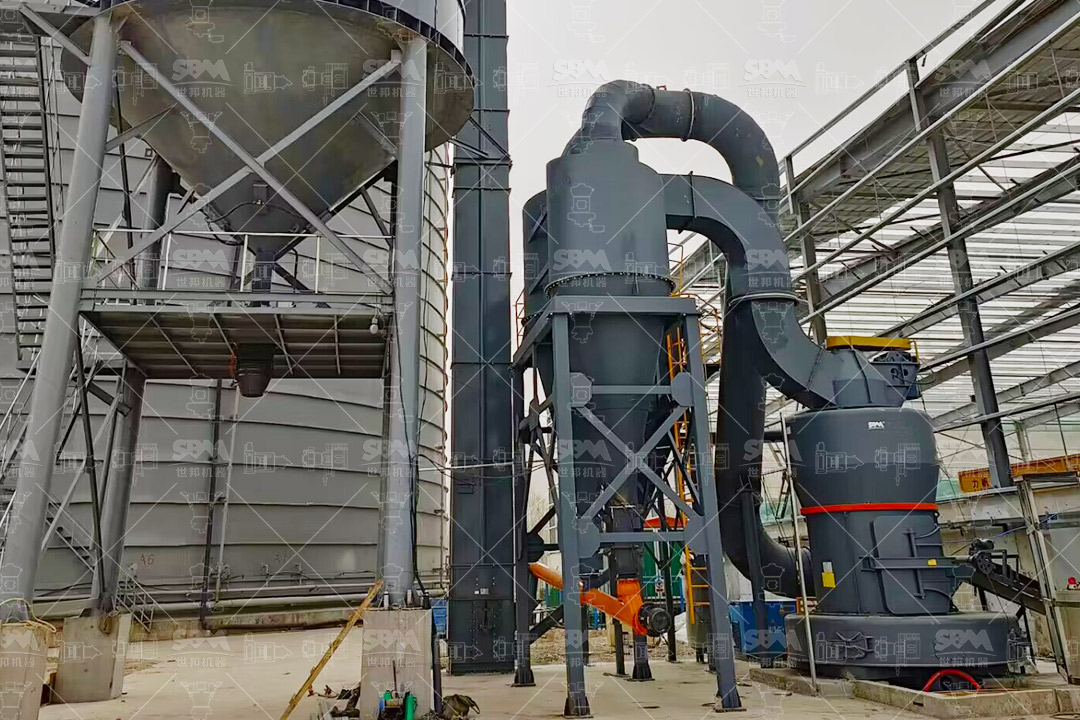
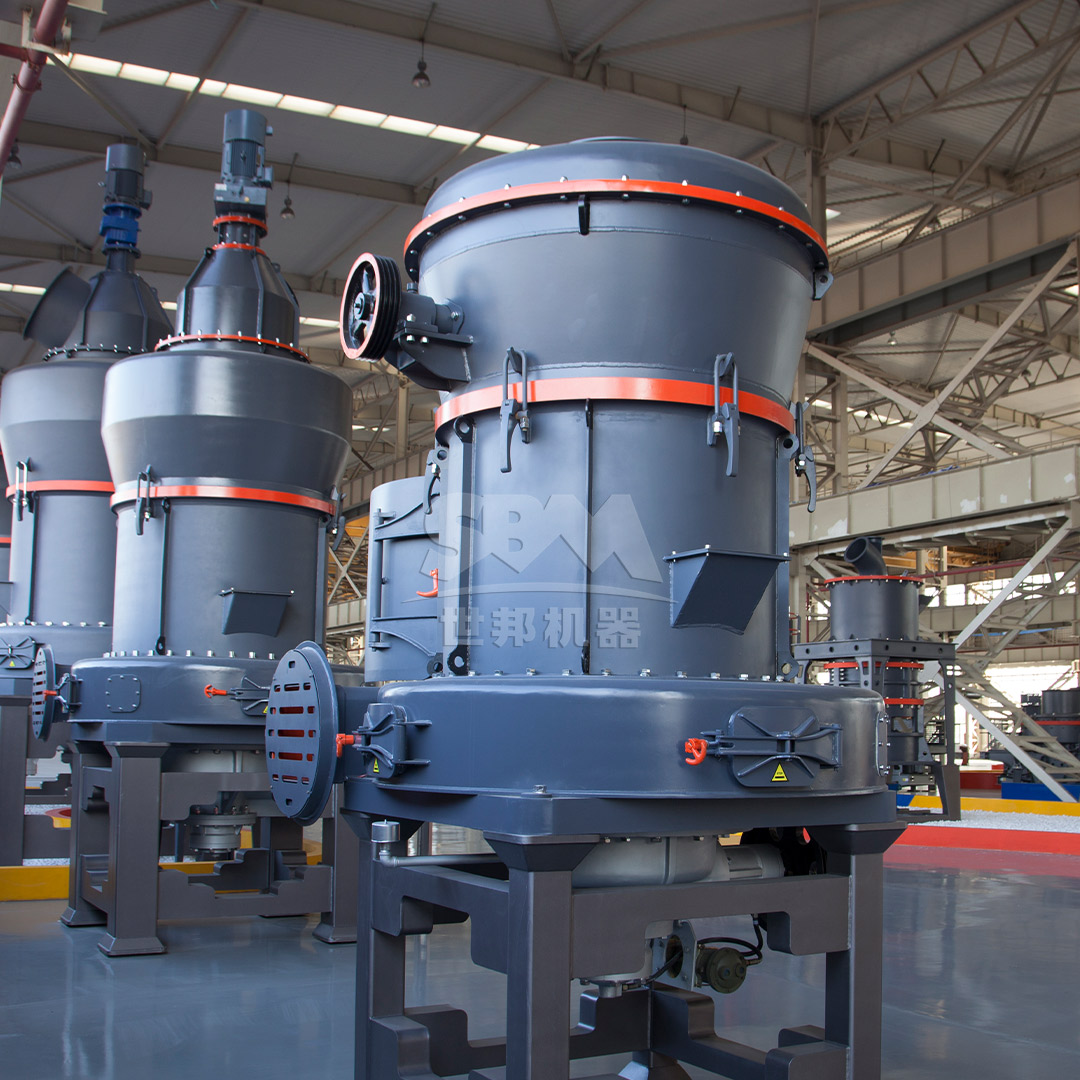
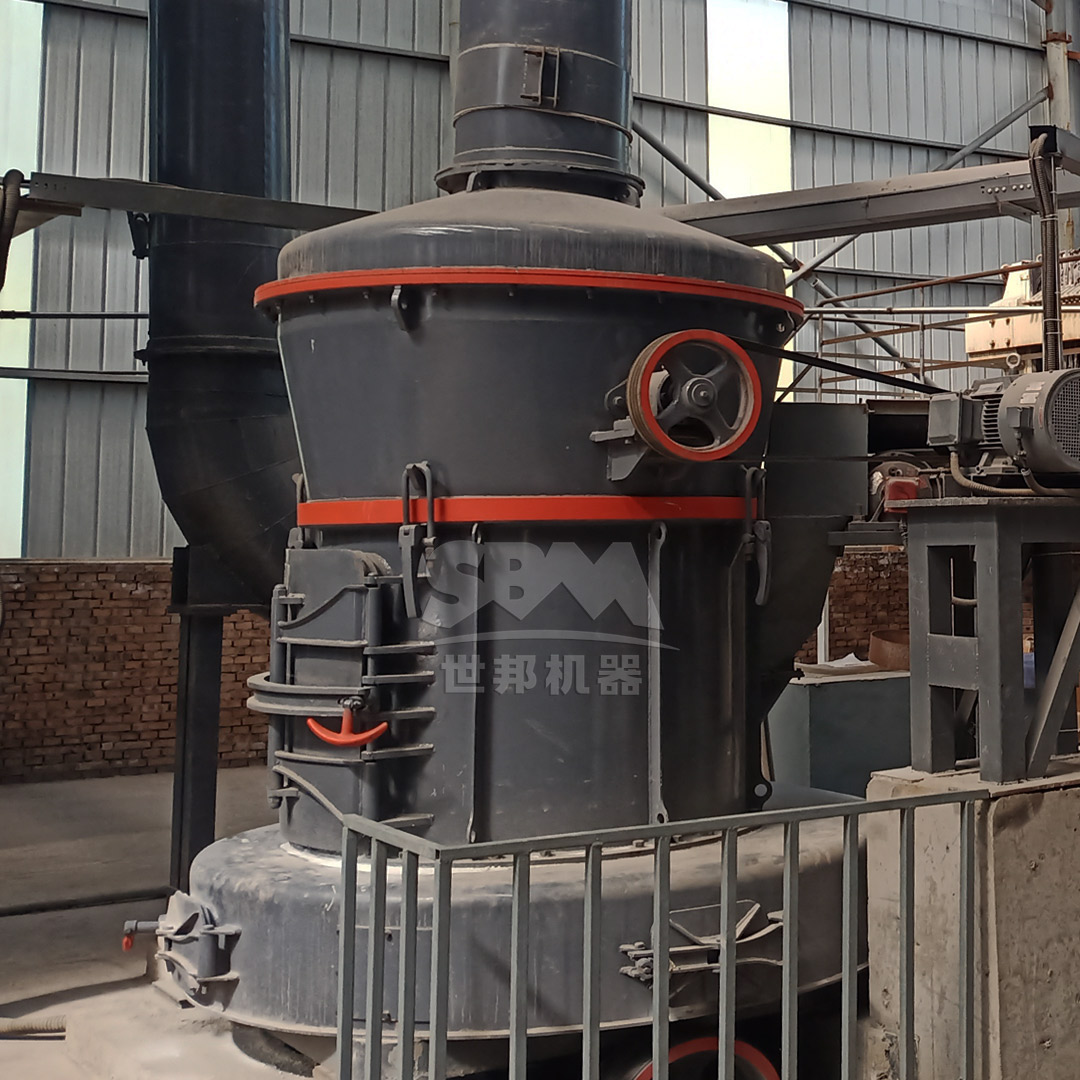
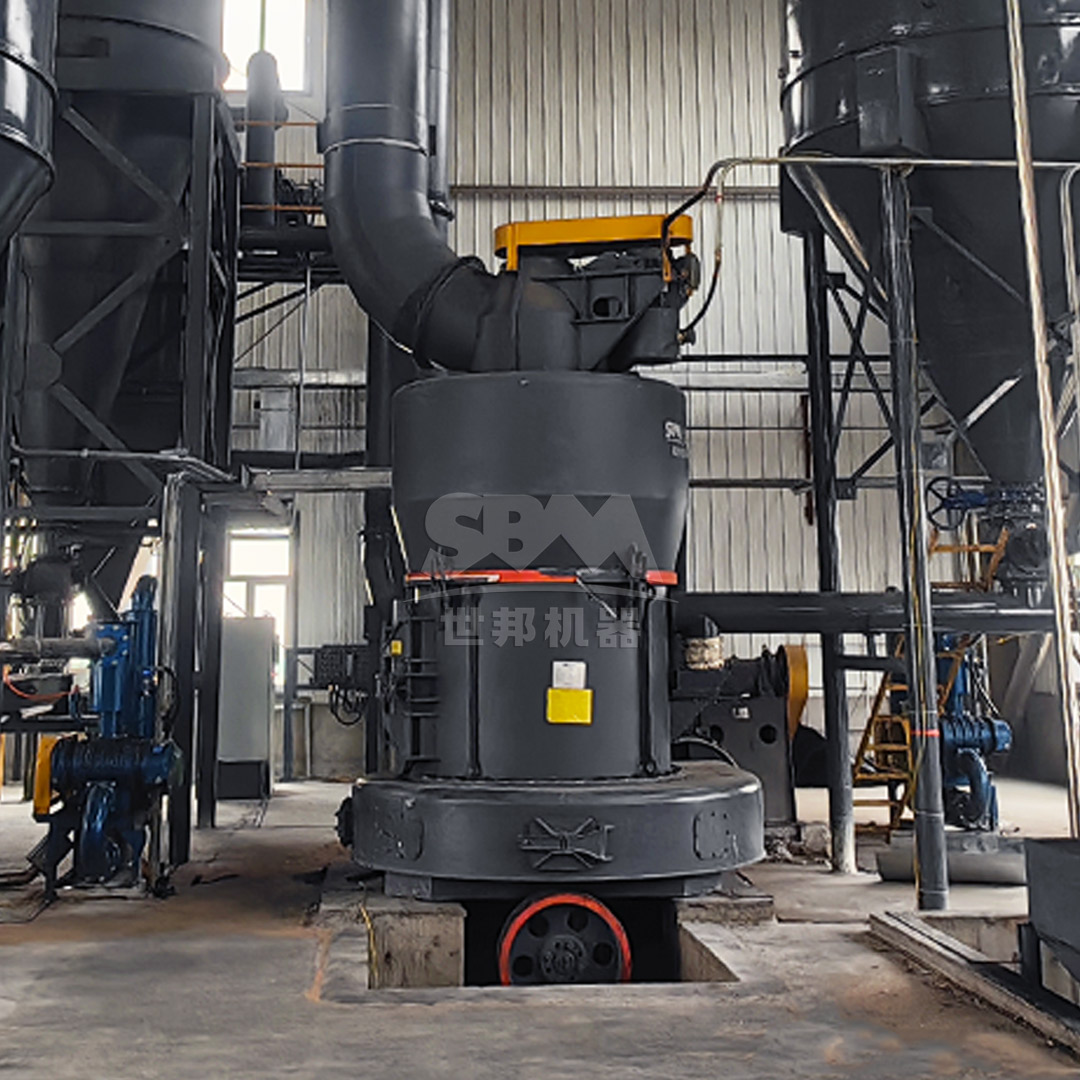
For applications demanding ultra-fine powders (325-2500 mesh) where temperature sensitivity is a major concern, our SCM Ultrafine Mill series offers an exemplary solution. Its working principle involves material being uniformly dispersed on the grinding ring and crushed by rollers under lower pressure but with multiple passes. This layered grinding approach is inherently more efficient and generates less concentrated heat. Crucially, the integrated high-precision vertical turbine classifier and powerful pulse dust collector system create a high-volume, smooth airflow through the grinding chamber. This airflow acts as a continuous cooling stream, swiftly carrying away heat and fine particles, preventing heat buildup and particle agglomeration. The mill’s energy-efficient design, which consumes 30% less power than jet mills for comparable output, is a direct result of this efficient, low-friction, and well-cooled process, ensuring the material’s native hardness and structure are preserved.
| Model | Output Fineness (Mesh) | Capacity Range (ton/h) | Main Motor Power (kW) | Key Thermal Management Feature |
|---|---|---|---|---|
| SCM800 | 325-2500 | 0.5-4.5 | 75 | Efficient airflow cooling & layered grinding |
| SCM1000 | 325-2500 | 1.0-8.5 | 132 | Efficient airflow cooling & layered grinding |
| SCM1680 | 325-2500 | 5.0-25 | 315 | Efficient airflow cooling & layered grinding |
For medium to fine grinding applications (30-325 mesh) involving larger feed sizes and higher capacities, managing mechanical heat generation from high throughput is vital. Our MTW Series Trapezium Mill is engineered to address this challenge. Its curved air duct surface reduces air flow resistance, allowing for smoother and more voluminous ventilation with less energy loss. This optimized airflow pattern ensures efficient heat evacuation from the grinding zone. Furthermore, the innovative wear-resistant volute structure minimizes turbulence, promoting stable material and air transport. The conical gear overall transmission system, with 98% efficiency, reduces energy waste that would otherwise be converted into heat. Together, these features allow the MTW mill to process materials like barite, limestone, and ceramics at rates up to 45 tons per hour while maintaining a stable, lower temperature environment in the grinding chamber, safeguarding product structure and quality.
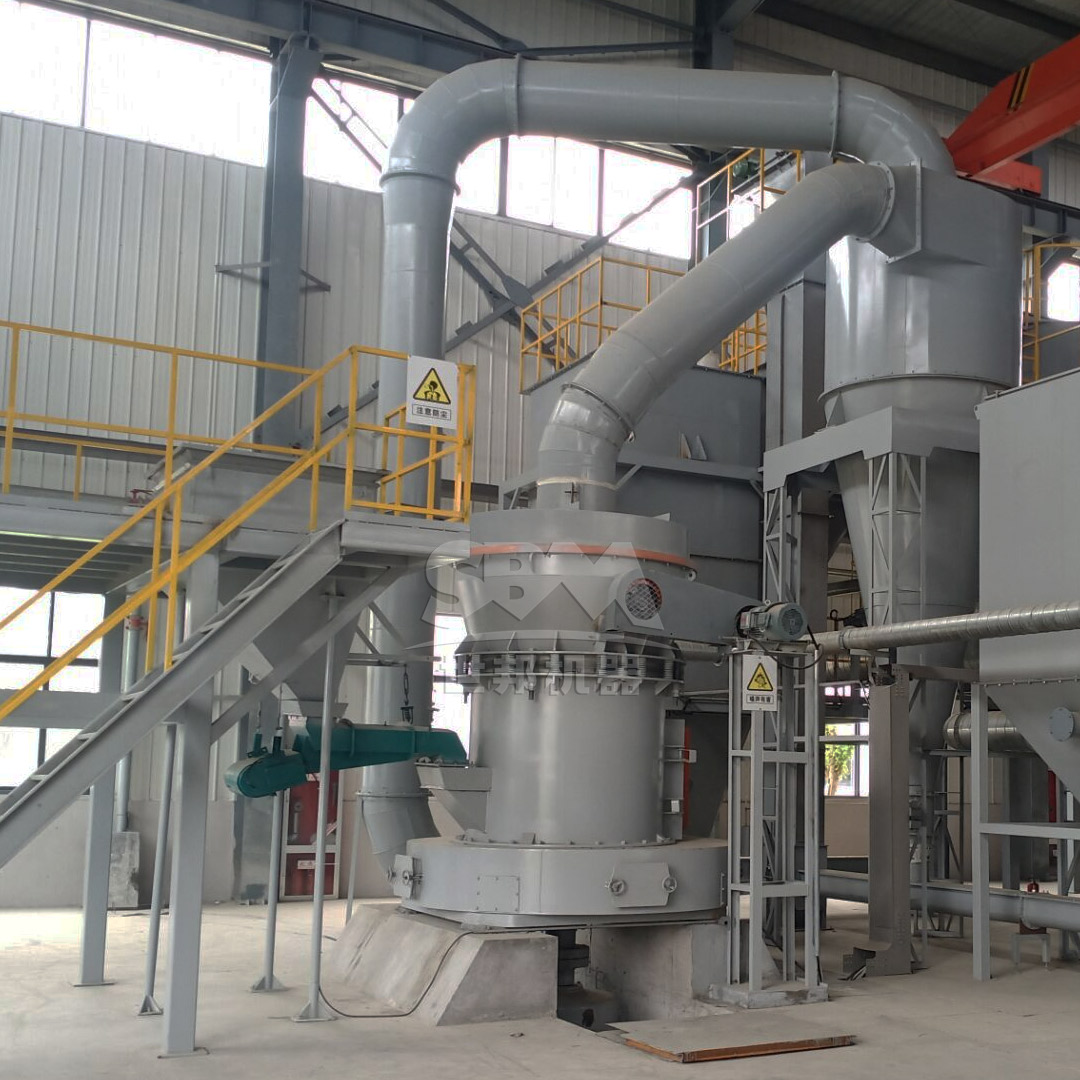
In conclusion, grinding temperature is a pivotal process variable with direct and often irreversible effects on material hardness, microstructure, and final product quality. Achieving consistent, high-specification powders requires more than just powerful size reduction; it demands precise thermal management. This is best accomplished by selecting grinding systems specifically designed for efficiency and controlled heat dissipation. Equipment like the SCM Ultrafine Mill and the MTW Trapezium Mill, with their focus on optimized mechanics, intelligent airflow design, and energy efficiency, provide the necessary technological foundation to control the thermal environment. By prioritizing thermal management in the grinding process, producers can ensure their products meet the stringent requirements of advanced industries, from pharmaceuticals and advanced ceramics to high-performance coatings and composites.