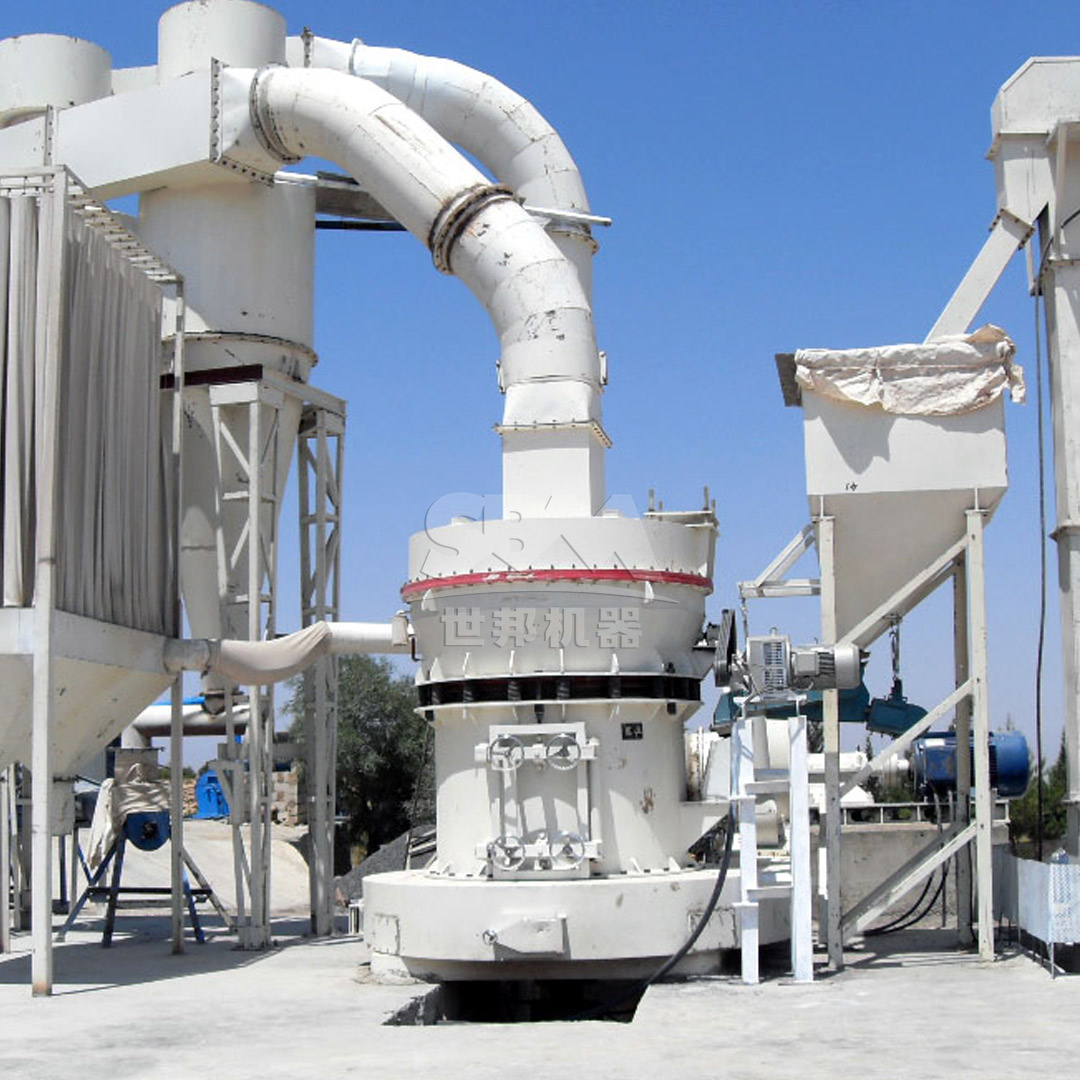
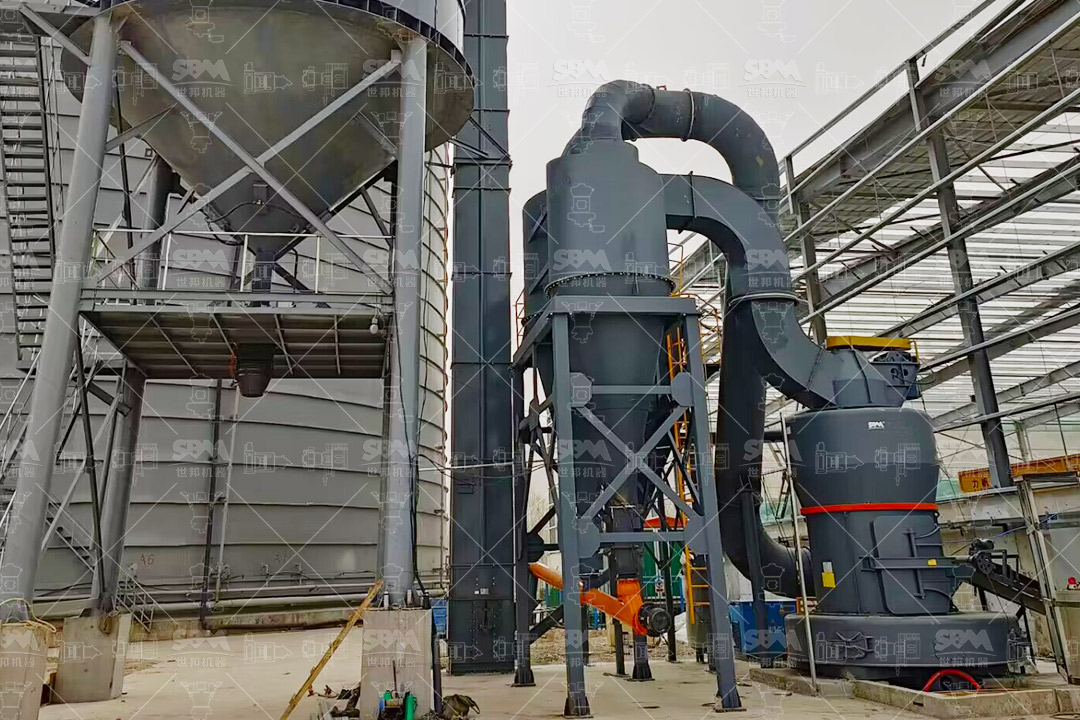
In the demanding world of industrial mineral processing, powder production, and material size reduction, the longevity and reliability of grinding equipment are paramount. Downtime for maintenance and part replacement directly translates to lost production, increased operational costs, and reduced profitability. The primary adversary in this context is wear – the gradual degradation of critical components like rollers, rings, liners, and hammers due to abrasion, impact, and fatigue. The advent of advanced new materials and innovative engineering designs has revolutionized this field, significantly enhancing the wear resistance and overall lifespan of grinding machinery. This article explores the material science behind these improvements and highlights how modern grinding machines integrate these advancements to deliver superior performance and cost-efficiency.
Wear in grinding machines is not a singular phenomenon but a combination of several mechanisms. Abrasive wear occurs when hard mineral particles slide or roll against metal surfaces, causing micro-cutting and material removal. Impact wear results from the high-velocity collision of feed material with components like hammers or rollers. Adhesive wear can happen under high pressure and temperature at contact points. Finally, fatigue wear leads to surface cracks and spalling due to repeated cyclic loading. Traditional materials like standard manganese or carbon steels often succumb quickly to these forces, especially when processing hard, abrasive ores like quartz, granite, or iron ore.
| Wear Mechanism | Primary Cause | Affected Components |
|---|---|---|
| Abrasive Wear | Hard, sharp feed particles | Grinding rings, rollers, liners |
| Impact Wear | High-velocity particle collisions | Hammer heads, impact plates |
| Fatigue Wear | Cyclic stress from rotation/pressure | Roller shafts, bearing surfaces |
| Adhesive/Erosive Wear | High-pressure sliding, turbulent airflow | Classifier blades, wind channel plates |
The development of specialized alloys and composite materials has been a game-changer. High-chromium cast iron (HCCI), with chromium content exceeding 15%, offers exceptional hardness and corrosion resistance, making it ideal for grinding components. Ceramic-metal composites (cermets) combine the hardness of ceramics with the toughness of metals, providing outstanding resistance to extreme abrasion. Advanced surface engineering techniques, such as High-Velocity Oxygen Fuel (HVOF) thermal spraying, allow for the application of ultra-hard tungsten carbide or chromium carbide coatings on critical wear surfaces, creating a protective shell that extends base material life by several multiples.
Furthermore, the use of modular and composite design in wear parts is a significant trend. Instead of replacing an entire large component, only the most exposed wear segment—such as a specially designed铲刀 (shovel) or a segmented磨环 (grinding ring)—is swapped out. This not only reduces maintenance time and cost but also allows for the use of different material grades in different zones of a single component, optimizing performance and cost.
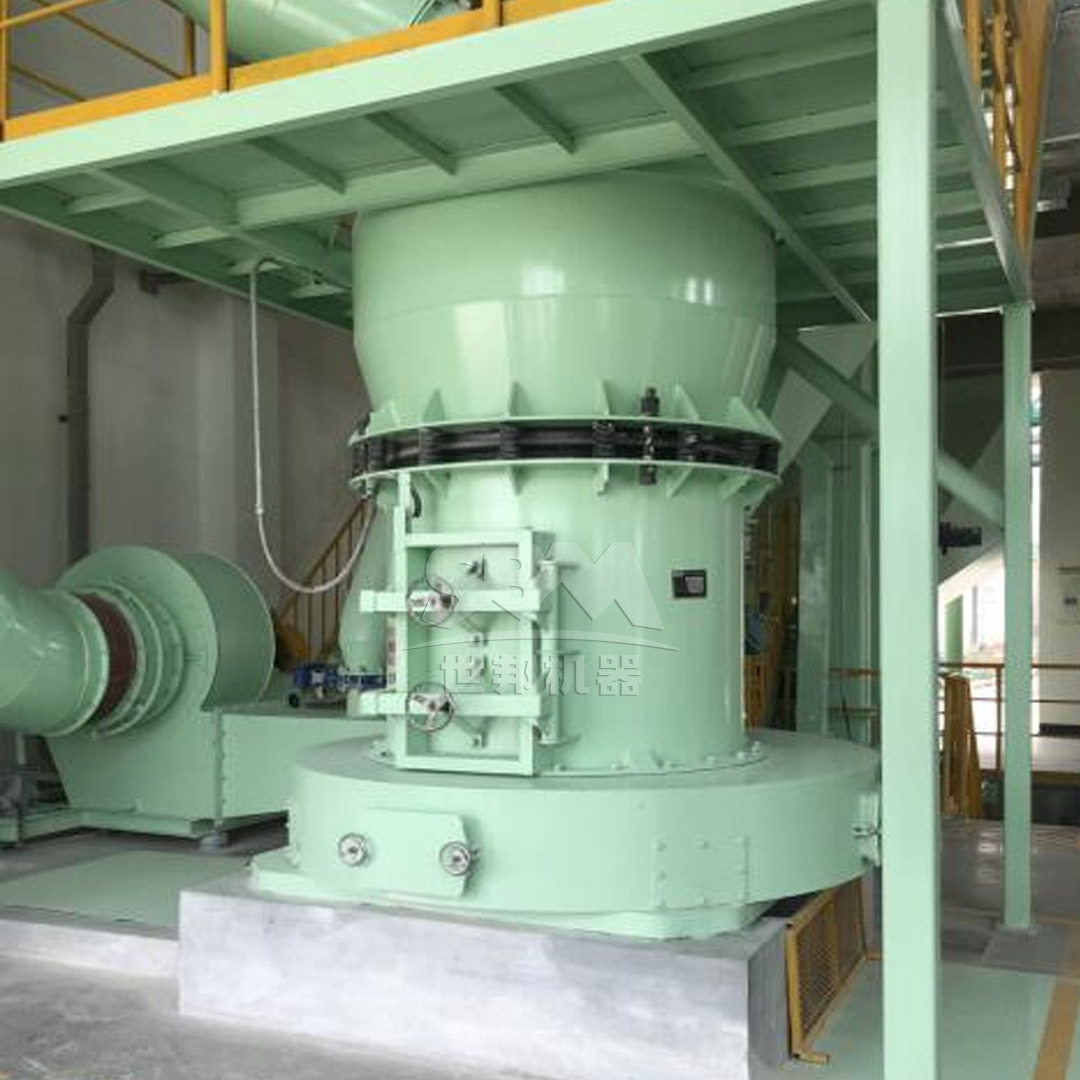
Superior materials alone are not enough. Their effectiveness is maximized through intelligent mechanical design. Curved wind channel designs reduce turbulent erosion. Optimized grinding curve profiles for rollers and rings ensure more uniform pressure distribution, preventing localized over-wear. The implementation of non-contact designs and hydraulic pressure systems allows磨辊 (grinding rollers) to exert force without metal-to-metal contact with the磨盘 (grinding table), drastically reducing wear. Advanced lubrication systems, like centralized稀油润滑 (thin oil lubrication), ensure critical bearings and gears operate smoothly, preventing failure from friction and heat.
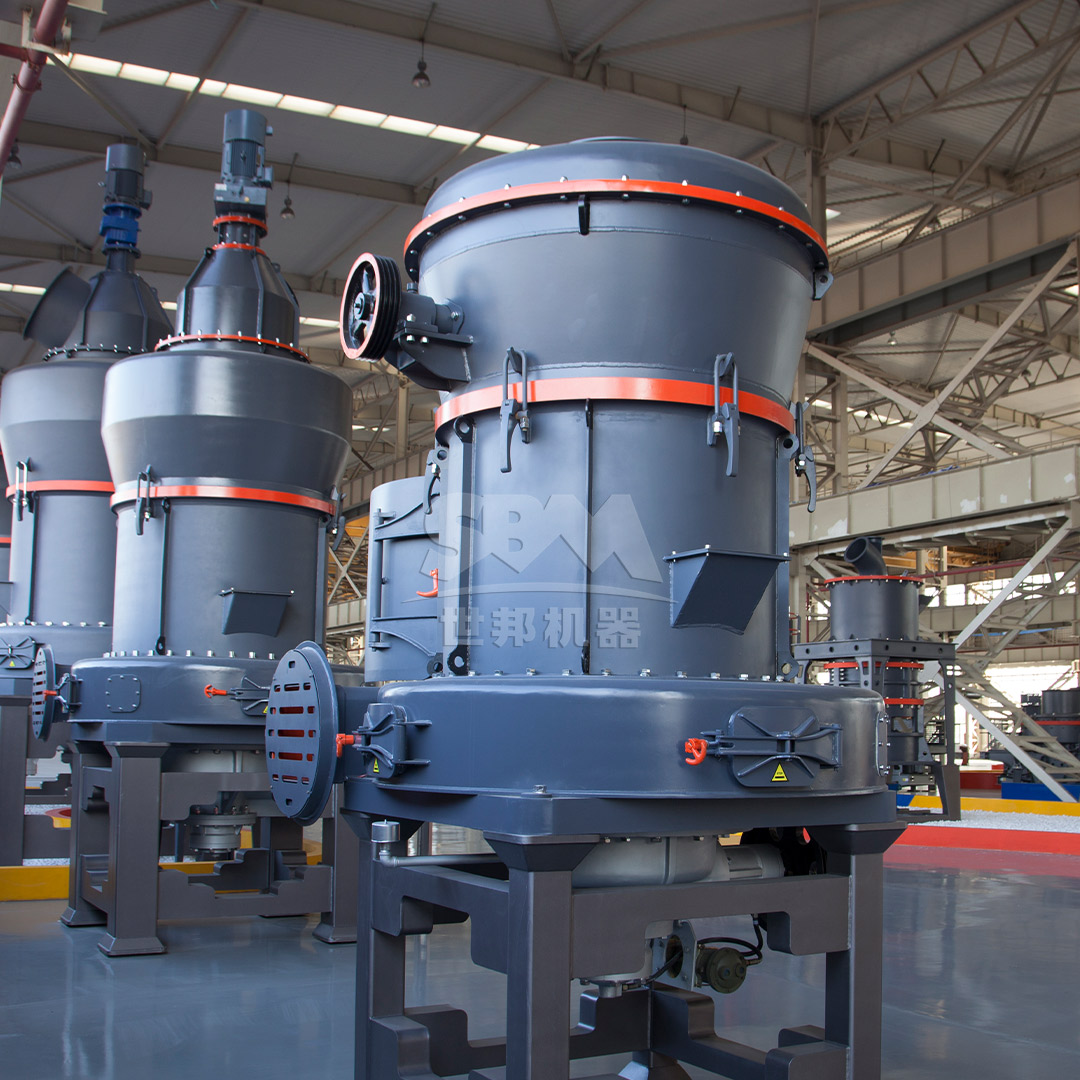
A prime example of integrating material science with robust engineering is our SCM Series Ultrafine Mill. Designed for producing fine and ultra-fine powders (325-2500 mesh, D97 ≤5μm), this machine faces intense wear challenges due to the prolonged grinding cycles required for such fineness.
Its Durable Design is a cornerstone of its longevity. The磨辊 (roller) and磨环 (grinding ring) are crafted from special wear-resistant materials, with their lifespans extended several times compared to conventional components. Crucially, the研磨腔 (grinding chamber) employs a novel screw structure without bearings. This ingenious design eliminates a major failure point—bearing wear within the grinding zone—leading to vastly more stable operation and dramatically reduced maintenance interventions. This makes the SCM mill not only highly efficient and precise but also exceptionally reliable for continuous, high-intensity production.
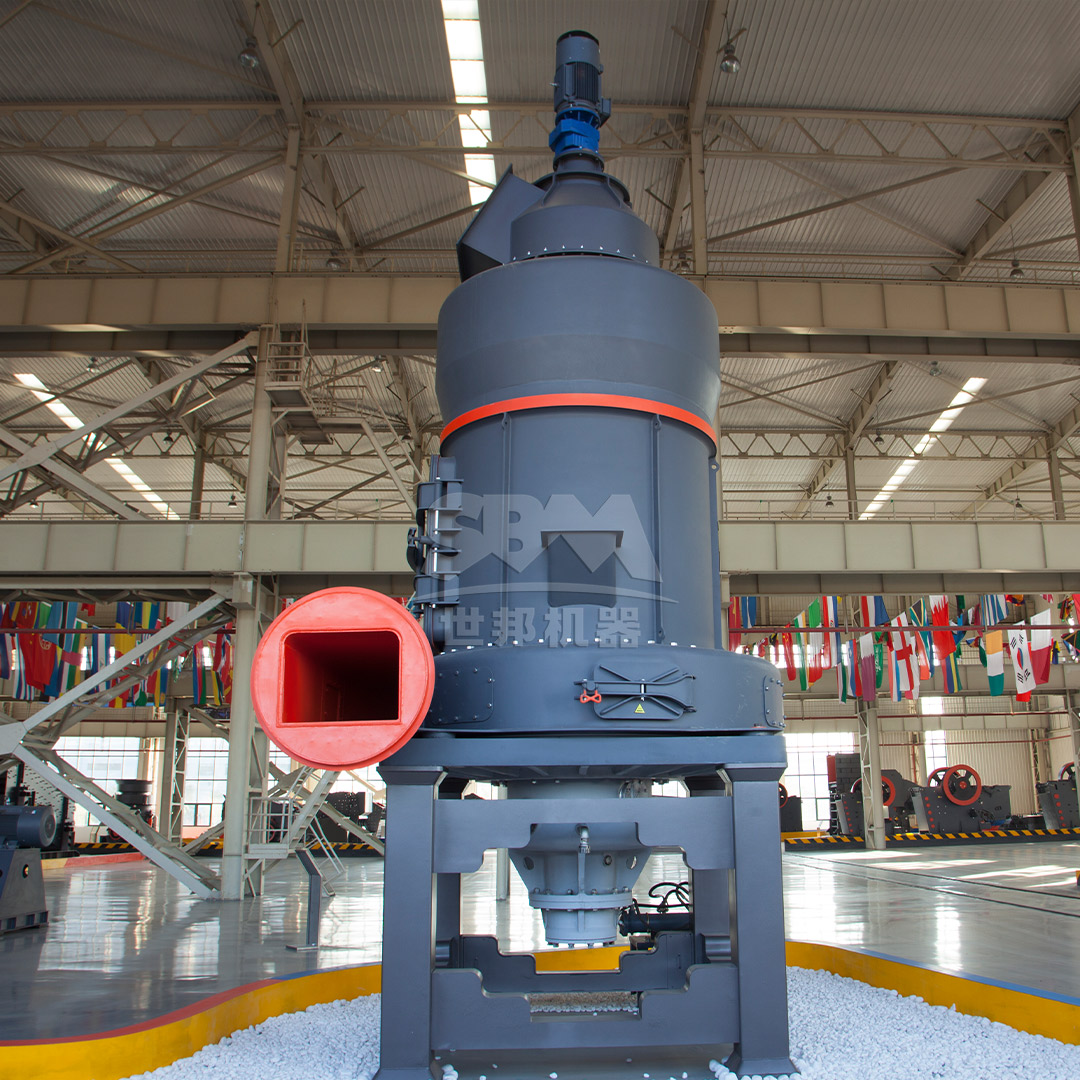
For large-scale processing at medium fineness (30-325 mesh), wear resistance must be paired with high throughput. Our MTW Series Trapezium Mill excels in this arena through several targeted innovations.
Its Anti-Wear Shovel Design features组合式铲片 (combined shovel plates). This modular approach allows for the replacement of only the worn-out sections, slashing maintenance costs and downtime. The曲面设计 (curved surface design) of these components optimizes material flow and further extends the life of the磨辊 (grinding rollers). Furthermore, the磨辊总成 (roller assembly) utilizes a水平拉杆连接结构 (horizontal pull-rod connection structure), which protects the main shaft bearings from radial forces, a common source of failure. The磨辊套 (roller sleeve) and磨环 (grinding ring) are also made from multi-alloy materials with superior wear characteristics, ensuring consistent performance and product fineness even under processing loads of up to 45 tons per hour.
| Feature | Benefit | Exemplified in Product |
|---|---|---|
| Special Alloy Rollers/Rings | Multiple lifespan extension | SCM Ultrafine Mill, MTW Trapezium Mill |
| Bearing-less Grinding Chamber | Eliminates in-zone bearing failure | SCM Ultrafine Mill |
| Modular/Combined Wear Parts | Reduces replacement cost & downtime | MTW Trapezium Mill (Shovel Plates) |
| Curved Wind Channel & Wear Plates | Reduces erosive wear, improves efficiency | MTW Trapezium Mill |
| Non-Contact Grinding & Hydraulic Systems | Minimizes direct metal wear | LM Vertical Roller Mill Series |
The integration of new materials and smart design translates into tangible bottom-line benefits. Reduced Maintenance Costs: Longer intervals between part replacements and easier modular repairs directly lower spare parts and labor expenses. Increased Uptime and Productivity: Machines run longer between scheduled maintenance, maximizing output. Consistent Product Quality: Worn components can lead to inconsistent particle size distribution. Durable parts maintain geometric precision, ensuring stable product fineness. Lower Total Cost of Ownership (TCO): While the initial investment might be higher, the dramatic reduction in operating and maintenance costs over the machine’s lifespan results in a significantly lower TCO.
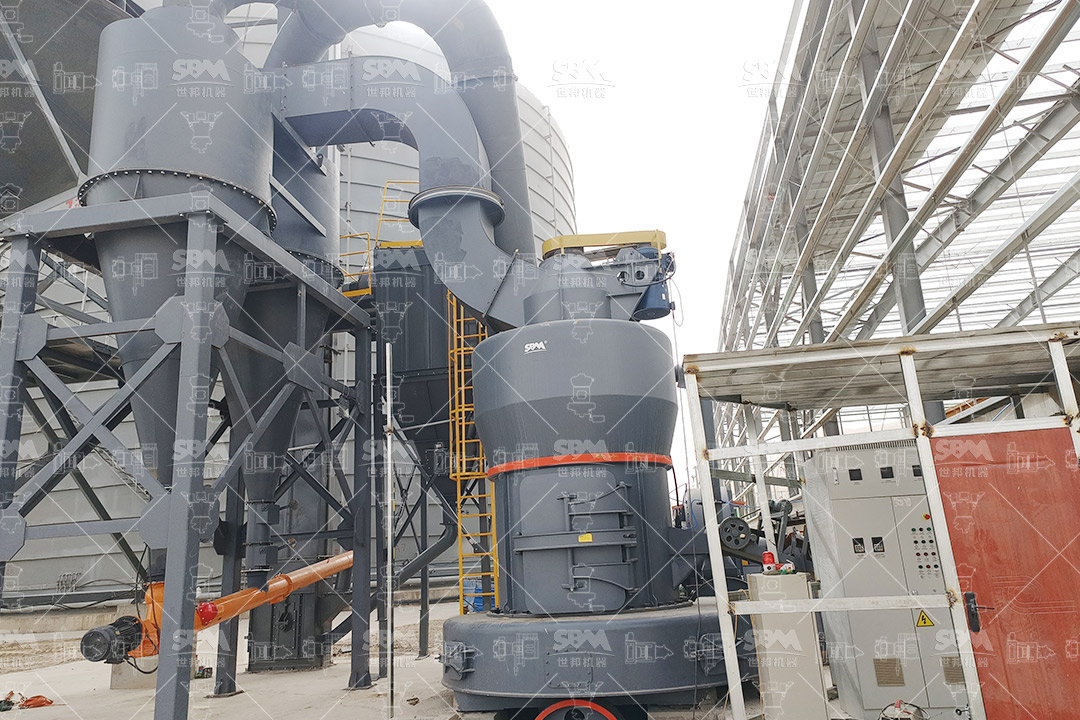
The pursuit of enhanced wear resistance and machine lifespan is a continuous journey driven by material science and mechanical innovation. The move towards specialized high-performance alloys, intelligent modular designs, and systems that proactively protect components from wear mechanisms is defining the new generation of grinding equipment. As evidenced by solutions like the SCM Ultrafine Mill and the MTW Trapezium Mill, the focus is no longer solely on grinding efficiency but on building machines that are inherently more resilient, reliable, and economical to operate over the long term. For industries dependent on size reduction, investing in such technology is not just an operational decision but a strategic one for sustainable competitiveness.