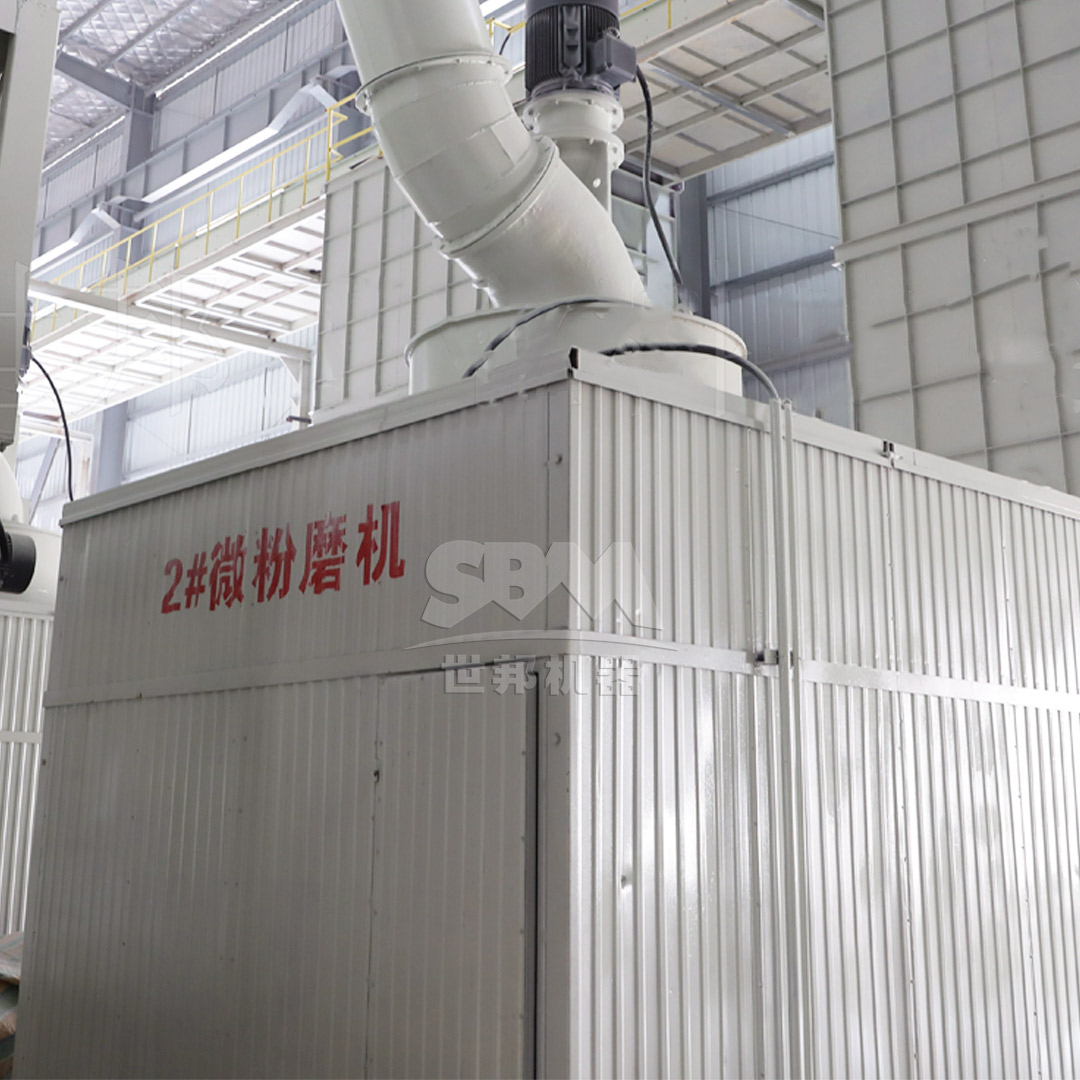
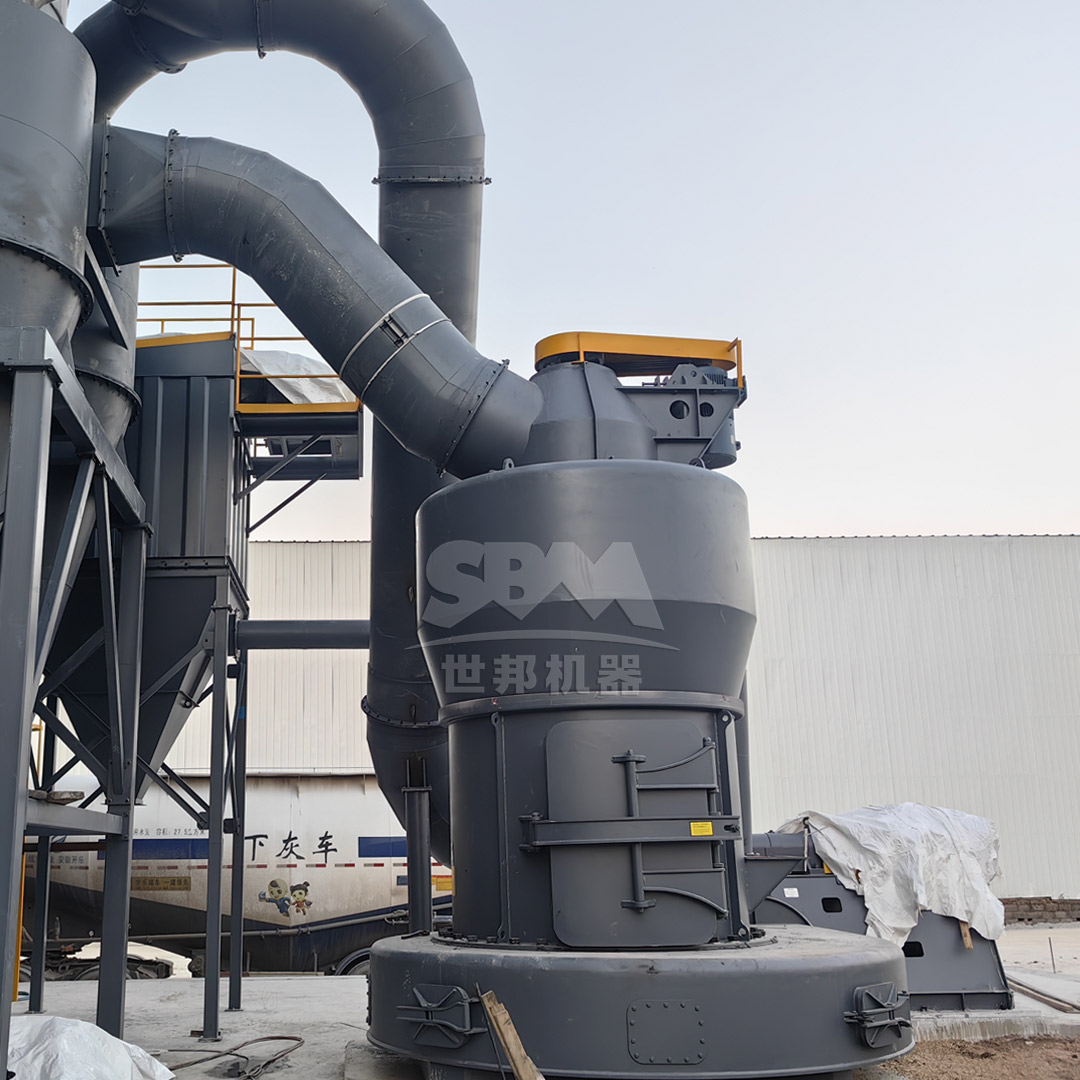
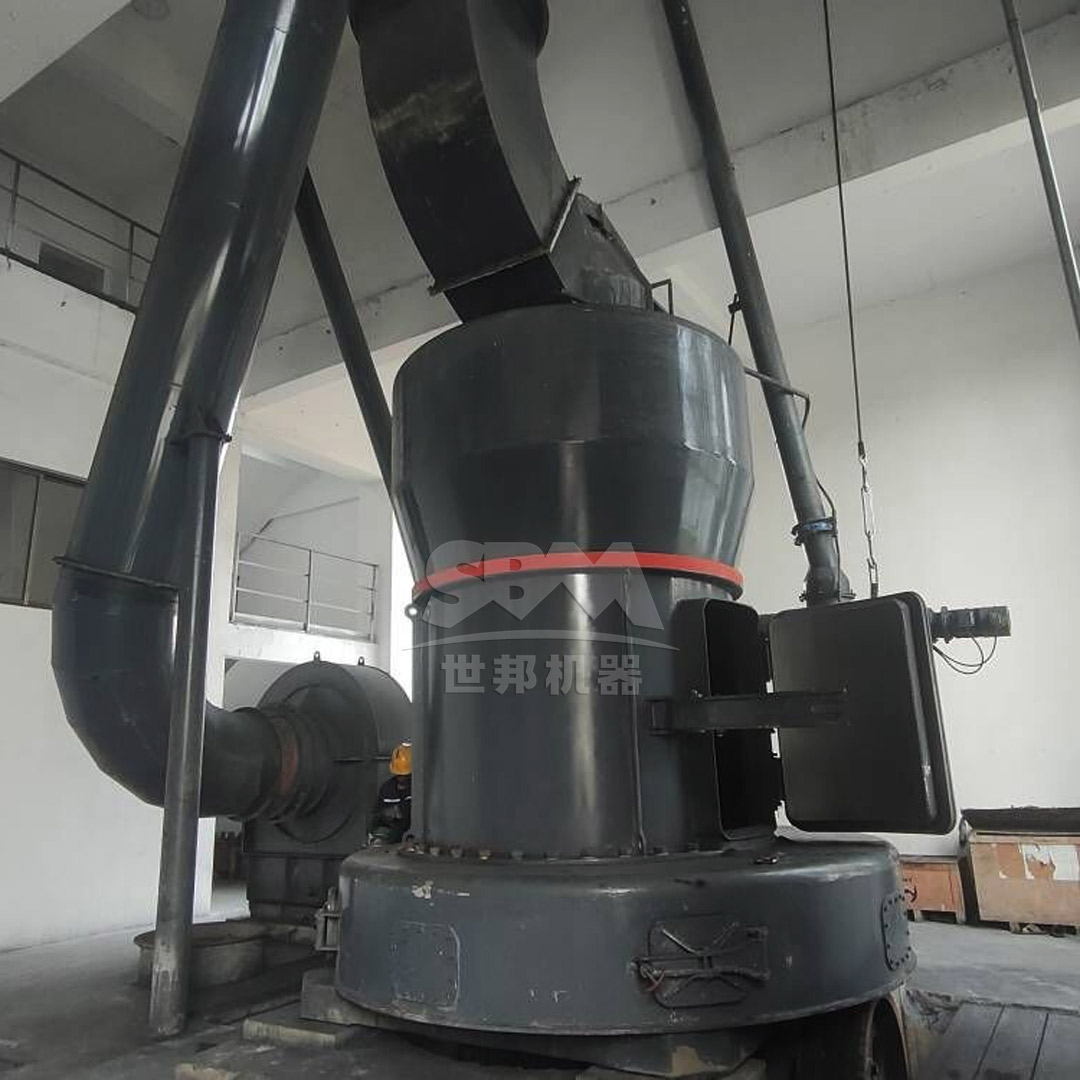
The global industrial sector is navigating a period of significant regulatory transformation. Environmental protection, workplace safety, and energy efficiency are no longer peripheral concerns but central pillars of operational strategy. For industries reliant on grinding and milling processes—such as mining, cement, chemicals, and power generation—these new regulations present both a challenge and an opportunity. Compliance is no longer optional; it is a critical factor for operational continuity, market access, and corporate reputation. This article explores the key areas of regulatory impact on grinding mill operations and outlines how modern, technologically advanced equipment is essential for achieving and maintaining compliance while optimizing productivity.
The regulatory pressure on grinding operations stems from several interconnected domains:
Perhaps the most stringent and visible regulations concern particulate matter (PM) emissions. Authorities worldwide are enforcing lower limits for dust concentration in exhaust gases, often below 20-30 mg/Nm³. Traditional mills with basic baghouse filters or cyclones frequently struggle to meet these standards, risking fines, shutdowns, and community opposition. The challenge is compounded when processing fine powders (below 325 mesh/45μm), where dust capture becomes more difficult.
| Regulatory Focus | Typical Limit | Impact on Mill Operation |
|---|---|---|
| Particulate Matter (PM10/PM2.5) | < 20-30 mg/Nm³ | Requires high-efficiency pulse-jet bag filters, sealed system design. |
| Process Fugitive Dust | Near-zero leakage | Demands full negative pressure operation, improved seals at feed/discharge points. |
| Material Handling & Storage | Enclosed systems | Increases need for integrated, closed-loop milling and collection systems. |
Occupational health and local environmental regulations impose strict noise level limits, typically requiring sound pressure levels below 75-85 dB(A) at the operator’s position and plant boundaries. Conventional ball mills and high-speed impact mills can be significant noise sources due to steel-on-steel contact, gear drives, and high-velocity airflows.
With global emphasis on carbon neutrality, energy-intensive grinding processes are under scrutiny. Regulations and carbon pricing mechanisms incentivize—or mandate—reductions in specific energy consumption (kWh/ton). Older milling technologies, such as traditional ball mills or inefficient Raymond mills, are major consumers of electrical power.
Regulations mandate safer working environments. This includes minimizing worker exposure to dust (silicosis prevention), reducing manual intervention for maintenance (e.g., liner or roller replacement), and ensuring structural and mechanical safety of equipment.
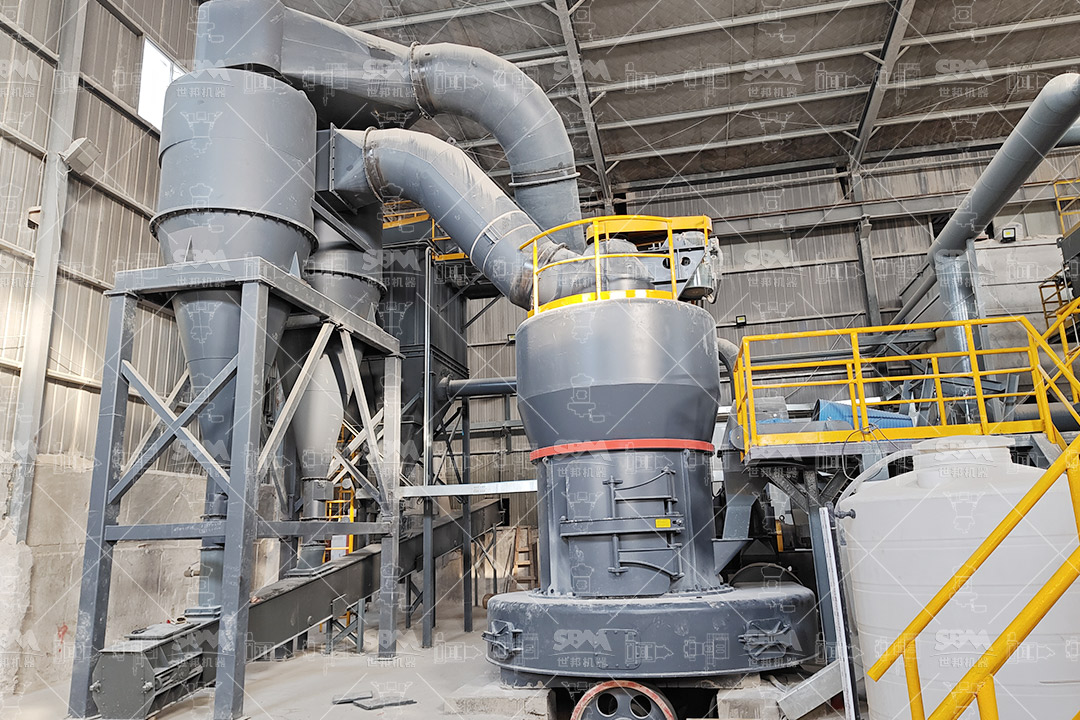
Faced with these regulations, operations managers encounter several critical challenges:
The most effective strategy for compliance is not retrofitting but investing in next-generation grinding technology designed with regulatory requirements as core parameters. Modern mills integrate environmental and efficiency features from the ground up.
The key to meeting dust emission standards is to prevent dust generation and escape at the source. Modern vertical roller mills and advanced pendulum mills operate under full negative pressure. The entire grinding, classifying, and conveying path is sealed, with the only exhaust point being the high-efficiency main baghouse filter. This integrated design ensures that no fugitive dust leaks into the plant environment.
State-of-the-art mills are equipped with pulse-jet bag filters featuring:
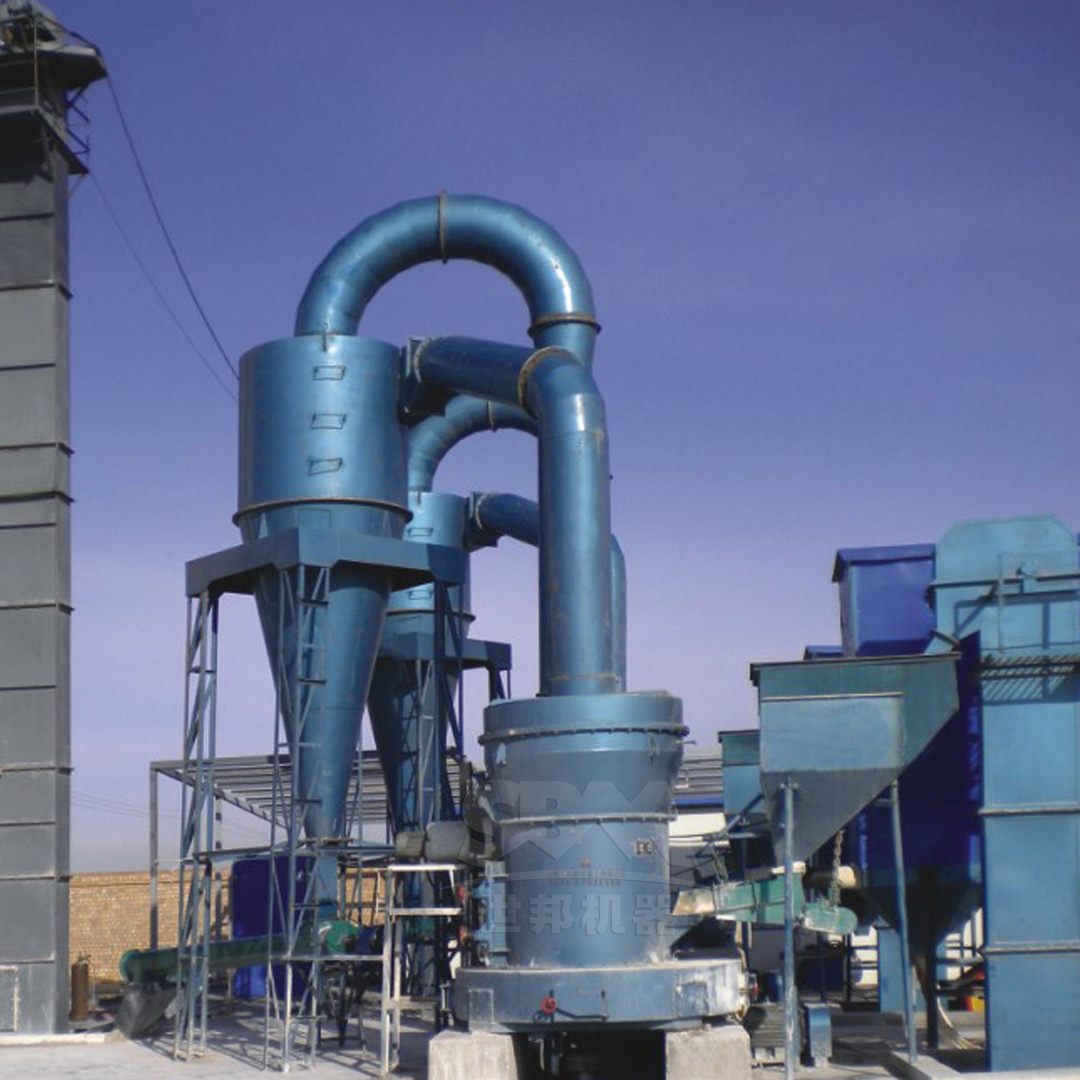
Compliance with noise regulations is achieved through multiple engineering approaches:
Modern grinding principles inherently consume less energy. For instance, Vertical Roller Mills (VRMs) utilize the efficient “bed grinding” principle, where material is ground between rollers and a rotating table under pressure, significantly reducing energy consumption compared to the impact and attrition of a ball mill. This directly addresses carbon footprint regulations.
To navigate this complex regulatory environment successfully, selecting the right equipment is paramount. Our product portfolio is engineered to deliver high performance while seamlessly integrating compliance features. Two standout series are particularly relevant:
For applications requiring ultra-fine powders (325-2500 mesh), where dust control is most challenging, the SCM Ultrafine Mill is the ideal solution. It is designed as a complete, environmentally sound system.
The SCM series, from the SCM800 to the high-capacity SCM1680, provides a scalable solution for producing compliant, high-value fine powders in industries like coatings, pharmaceuticals, and advanced materials.
For large-scale production of medium to fine powders (30-325 mesh) in cement, slag, coal, and non-metallic mineral processing, the LM Vertical Roller Mill represents the pinnacle of efficient and compliant design.
With models like the LM220K for minerals or the LM280N for slag, offering capacities from tens to hundreds of tons per hour, this series proves that large-scale industrial grinding can be both productive and environmentally responsible.
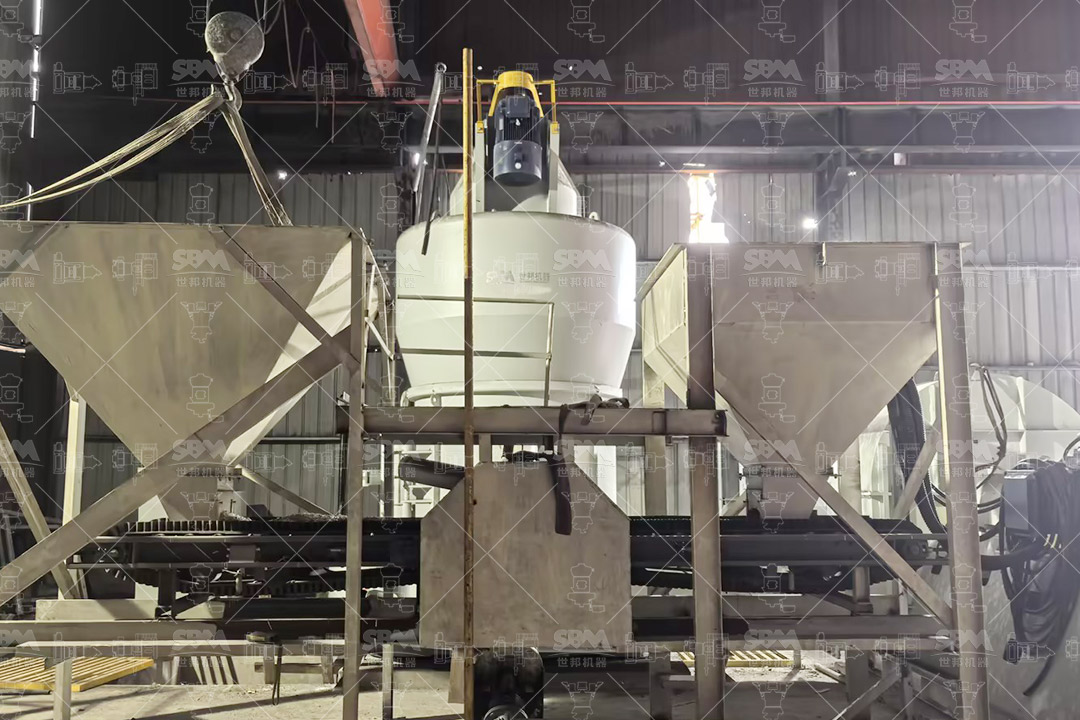
The new regulatory landscape is reshaping the future of grinding operations. Viewing compliance as a mere technical hurdle is a short-sighted approach. Instead, forward-thinking companies are recognizing it as a catalyst for modernization and efficiency gains. By investing in advanced grinding technology like the SCM Ultrafine Mill and LM Vertical Roller Mill, operators can achieve a powerful synergy: they not only meet or exceed all environmental, safety, and energy regulations but also unlock higher productivity, superior product quality, and lower total cost of ownership. In this era, the most compliant mill is also the most competitive one. Proactively upgrading your grinding assets is the strategic path to resilient, sustainable, and profitable operations.