In the vast and intricate world of size reduction, the selection of grinding equipment is a critical decision that directly impacts production efficiency, product quality, and operational costs. While factors like feed size, desired fineness, and material hardness are commonly considered, the influence of particle shape is often an underappreciated yet decisive factor. The morphology of feed particles and the required shape of the final product can dictate the most suitable grinding mechanism, from impact and compression to attrition and shear. This article delves into the complex relationship between particle shape and grinding technology, providing a framework for selecting the optimal milling solution and highlighting advanced equipment designed to meet these nuanced demands.
Particle shape, defined by parameters such as sphericity, aspect ratio, roundness, and surface texture, is not merely a geometric characteristic. It profoundly influences a material’s bulk density, flowability, reactivity, packing properties, and final product performance. For instance, spherical particles typically offer better flow and higher packing density, while angular or flaky particles may provide superior mechanical interlocking in composite materials or enhanced surface area for chemical reactions.
The grinding process itself is a shape-defining operation. Different mill types apply distinct forces to the material:
Therefore, understanding the starting particle shape and the target morphology is the first step in equipment selection. A process requiring ultra-fine, spherical particles for a coating application will have vastly different equipment needs compared to one producing coarse, angular aggregates for construction.
| Particle Shape | Typical Generation Method | Key Industrial Applications | Grinding Challenge |
|---|---|---|---|
| Spherical / Rounded | Spray drying, certain jet milling, advanced classification | Pharmaceuticals, toner, advanced ceramics, metal powders (MIM) | Achieving high sphericity at fine sizes; avoiding agglomeration. |
| Angular / Cubical | Jaw/cone crushing, impact crushing | Construction aggregates, road base, abrasive powders | Controlling excessive fines; maintaining shape consistency. |
| Flaky / Platy | Delamination, low-stress grinding of layered minerals | Mica, graphite, talc for fillers, paints, and cosmetics | Preserving the platelet structure while reducing thickness; avoiding complete pulverization. |
| Fibrous / Acicular | Cutting, selective breakage | Wollastonite, certain wood fibers, asbestos substitutes | Maintaining aspect ratio; achieving uniform length distribution. |
The evolution of grinding technology has led to specialized mills that not only control size but also exert significant influence over particle morphology.
When the goal is to produce powders in the micron and sub-micron range with a tight particle size distribution and smooth morphology, impact-based mills like hammer mills are insufficient. The technology of choice often involves a combination of bed compression grinding and ultra-precise air classification.
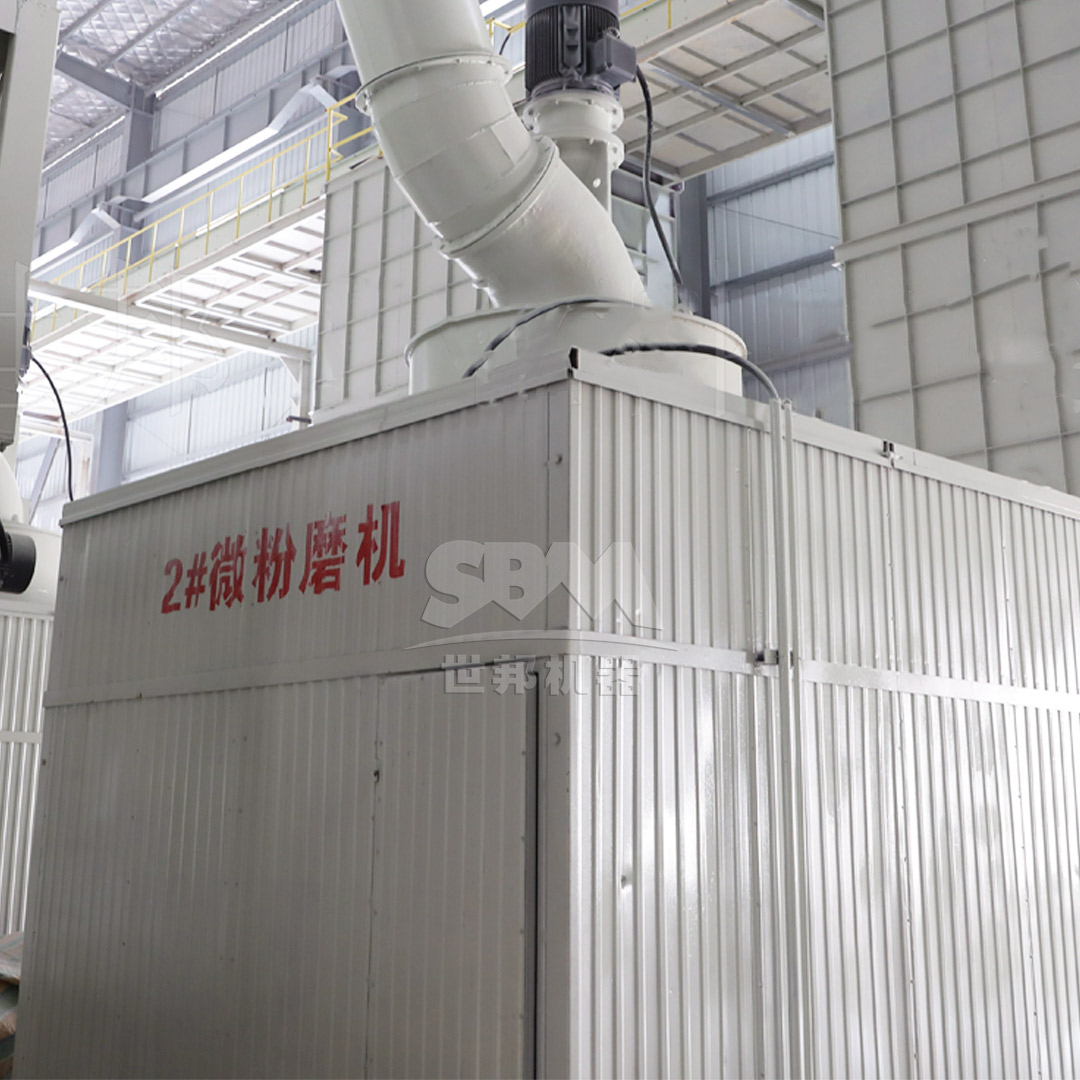
This is precisely where our SCM Series Ultrafine Mill excels. Engineered for producing powders from 325 to 2500 mesh (D97 ≤5μm), it transcends traditional grinding limitations. Its core advantage lies in the integration of a multi-layer grinding ring and roller system that applies steady compression, coupled with a high-precision vertical turbine classifier. The classifier performs a sharp “cut” of the particle size distribution, ensuring that only particles meeting the target fineness leave the grinding chamber. This process minimizes over-grinding, reduces energy consumption by 30% compared to jet mills, and promotes the generation of more uniform, often near-spherical particle shapes ideal for high-end applications in plastics, coatings, and advanced materials. The absence of rolling bearings and screws in the grinding cavity ensures stable, contamination-free operation, which is critical for maintaining product purity and shape consistency.

For large-scale production of powders in the 30-325 mesh range, where consistent shape and high efficiency are paramount, European-style trapezium grinding mills represent a significant advancement over older pendulum and ball mill designs.
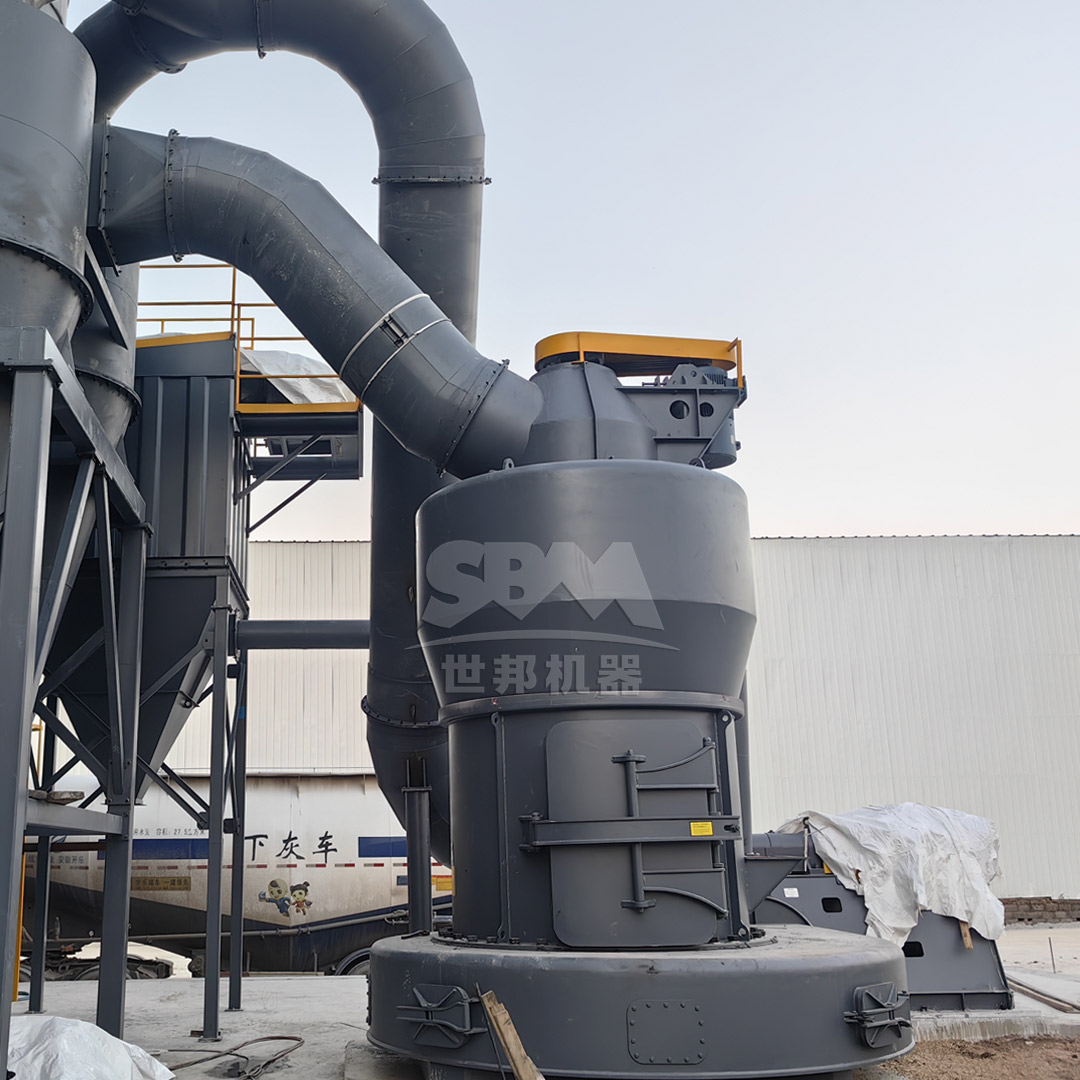
Our MTW Series Trapezium Mill is a prime example of this technology. It is designed to handle feed sizes up to 50mm and deliver outputs from 30 to 325 mesh with capacities reaching 45 tons per hour. Its shape-influencing features are notable. The curved air duct design optimizes airflow, reducing turbulence and energy loss, which leads to a more consistent particle trajectory and classification. The bevel gear integral transmission provides a stable 98% transmission efficiency, ensuring smooth and consistent grinding pressure from the磨辊. This consistent pressure on the material bed helps produce a more uniform product with less flakiness compared to mills with less stable drives. Furthermore, the wear-resistant volute structure and combined shovel blade design reduce maintenance downtime, ensuring the grinding geometry—and thus the resulting particle shape—remains consistent over long operational periods.

Certain materials require specialized approaches. Producing fine mica or graphite platelets demands low-stress, shearing actions to delaminate layers without destroying the plate-like structure. For such applications, mills with adjustable grinding force and efficient separation of fines are crucial. Conversely, pre-grinding applications for cement or slag focus on creating micro-cracks and a favorable particle size distribution for downstream processes, where shape is less about sphericity and more about creating fresh, reactive surfaces.
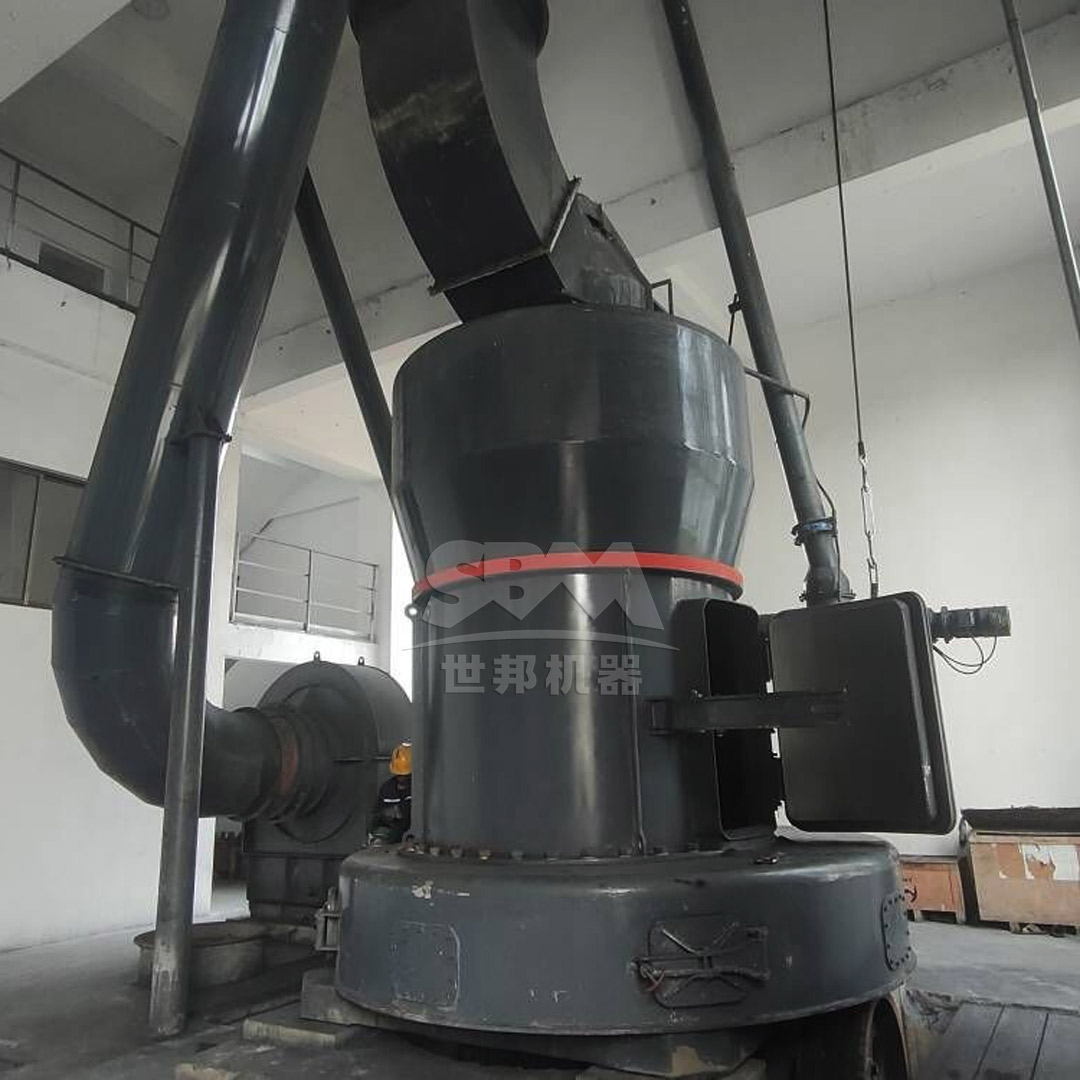
Our portfolio addresses these needs with specialized vertical mills (LM Series). For instance, the LM-Y Vertical Pre-grinding Roller Mill utilizes a concentrated bed grinding principle to efficiently crack clinker with low energy consumption, preparing it for final grinding in a ball mill system. The shape outcome here is a mix of angular fragments with high surface reactivity.
It is crucial to remember that particle shape control does not end at the mill outlet. The entire system plays a role:

Selecting grinding equipment based solely on input and output size is an outdated practice. Particle shape is a critical product specification that demands careful consideration of the grinding mechanism. For modern operations, the trend is toward intelligent, integrated systems that combine efficient bed-compression grinding with precise classification to achieve target fineness and influence particle morphology.
For producers targeting the high-value, ultra-fine powder market where particle shape and distribution are critical, the SCM Ultrafine Mill offers an unparalleled solution with its energy-efficient design and exceptional classification accuracy. For large-scale mineral processing requiring consistent, high-volume output of fine to medium powders, the MTW Series Trapezium Mill provides the reliability, efficiency, and shape control necessary for competitive operation.
By analyzing your material’s behavior and final product requirements holistically—encompassing size, shape, capacity, and system integration—you can make an informed decision that optimizes both process economics and product performance.