December 05, 2025
Introduction: The Lean Imperative in Mineral Processing
In the competitive landscape of mineral processing and powder production, operational efficiency is not merely an advantage—it is a necessity for survival and profitability. Lean manufacturing, a philosophy pioneered by Toyota, focuses on maximizing customer value while minimizing waste. When applied to grinding mill operations, lean principles can transform a cost-intensive, variable-output process into a streamlined, predictable, and highly efficient system. This article explores how to systematically implement lean thinking to optimize grinding circuits, enhance product quality, and boost overall equipment effectiveness (OEE), with insights into how modern mill technology serves as a powerful enabler for this transformation.
1. Identifying the Seven Wastes in Grinding Operations
The first step in any lean journey is waste identification. In the context of grinding mills, the classic seven wastes manifest in specific ways:
- Overproduction: Producing finer powder than the customer specification requires, consuming excess energy and wearing grinding media prematurely.
- Waiting: Mill downtime due to unscheduled maintenance, manual sampling for particle size analysis, or bottlenecks in upstream feeding/downstream classification.
- Transportation: Excessive material handling between crushing, grinding, and collection stages, leading to potential contamination and energy loss.
- Over-processing: Using a multi-stage grinding circuit where a single, more efficient mill could achieve the target fineness. Re-grinding of already-in-spec material due to poor classification.
- Inventory: Stockpiles of intermediate or finished product due to inconsistent mill output or batch processing inefficiencies.
- Motion: Unnecessary operator movement for manual adjustments, lubrication checks, or troubleshooting due to poor equipment layout or lack of automation.
- Defects: Off-spec product due to unstable grinding parameters, worn components (rollers, liners), or inconsistent feed material characteristics.
A lean-focused operation relentlessly targets these wastes. For instance, integrating an intelligent control system that provides real-time feedback on product fineness directly attacks the wastes of overproduction, waiting, and defects.
2. Value Stream Mapping for the Grinding Process
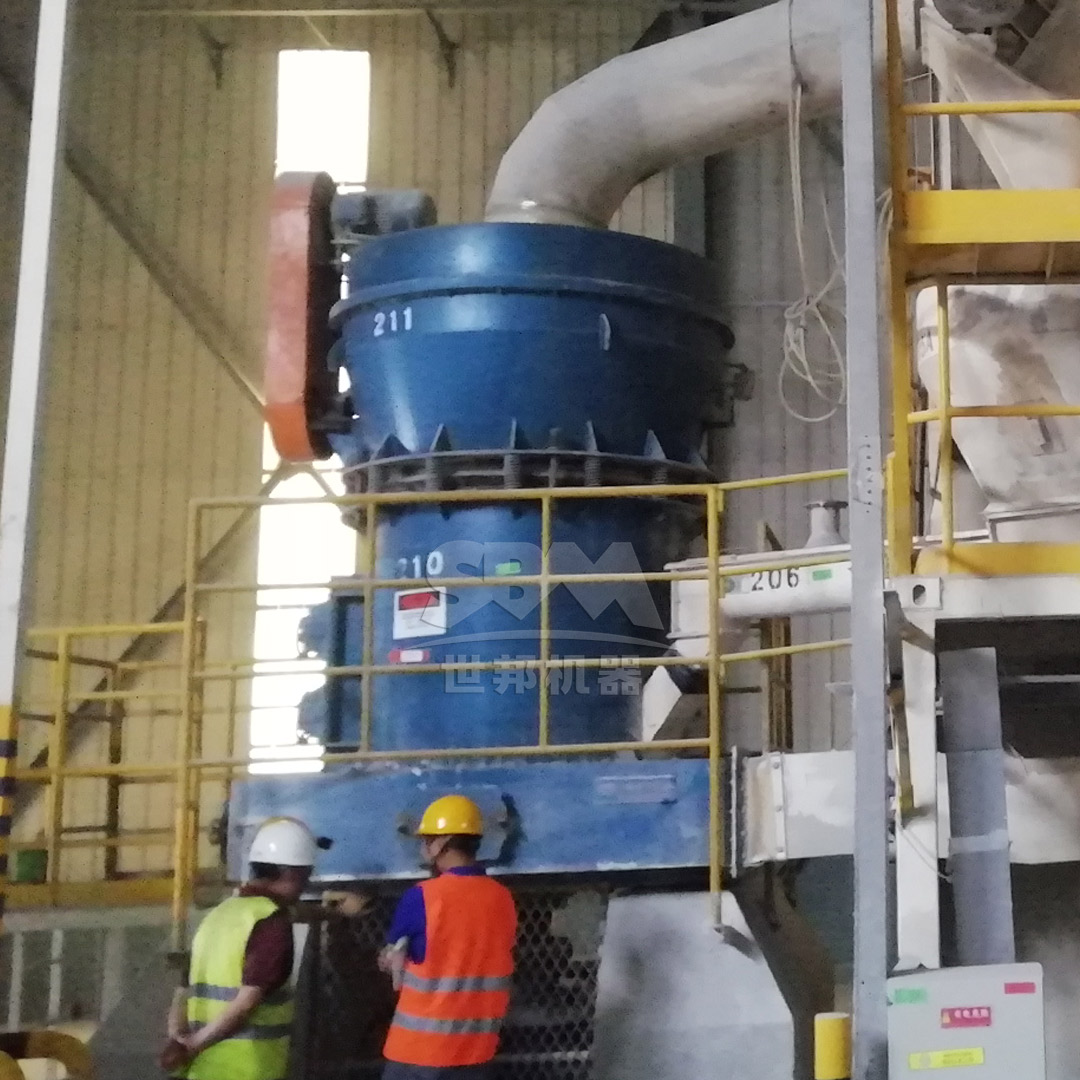
Creating a Value Stream Map (VSM) for your grinding operation visualizes the entire material and information flow, from raw feed to packaged powder. The current-state VSM will highlight non-value-added steps, such as:
- Manual transfer points.
- Long particle size analysis (PSA) lab turnaround times.
- Frequent manual adjustments of the classifier speed or mill load.
The future-state VSM should aim for a continuous, synchronized flow. Key lean objectives here include:
- Single-Piece Flow: Designing the system for steady, continuous operation rather than large batch processing, reducing inventory and improving responsiveness.
- Pull Systems: Linking mill throughput directly to downstream demand to prevent overproduction.
- Kaizen (Continuous Improvement): Empowering operators and maintenance teams to conduct small, incremental improvements to the process, such as optimizing feed chute angles to prevent clogging.
3. Key Lean Tools for Mill Optimization
Several lean tools are particularly effective for grinding optimization:
- 5S (Sort, Set in Order, Shine, Standardize, Sustain): Applied to the mill room and maintenance workshop, 5S ensures tools, spare parts, and safety equipment are organized, reducing time spent searching and improving safety. A clean, well-lit environment also makes it easier to spot leaks, unusual vibrations, or wear.
- Total Productive Maintenance (TPM): TPM shifts maintenance from a reactive \”fix-it-when-it-breaks\” model to a proactive, preventative partnership between operations and maintenance. Autonomous maintenance by operators (cleaning, basic inspections, lubrication) and planned preventative maintenance for critical wear parts (rollers, bearings, classifier blades) drastically reduce unplanned downtime (waste of waiting).
- Standardized Work: Developing precise, documented procedures for mill startup, shutdown, parameter adjustment, and changeover between different products ensures consistent, repeatable results and minimizes variation (a root cause of defects).
4. The Role of Technology: Enabling Lean Grinding with Advanced Equipment
Lean principles guide the \”why\” and \”how,\” but advanced milling technology provides the \”what\”—the physical means to achieve lean goals. Modern mills designed with efficiency, intelligence, and durability in mind are natural allies of lean manufacturing.
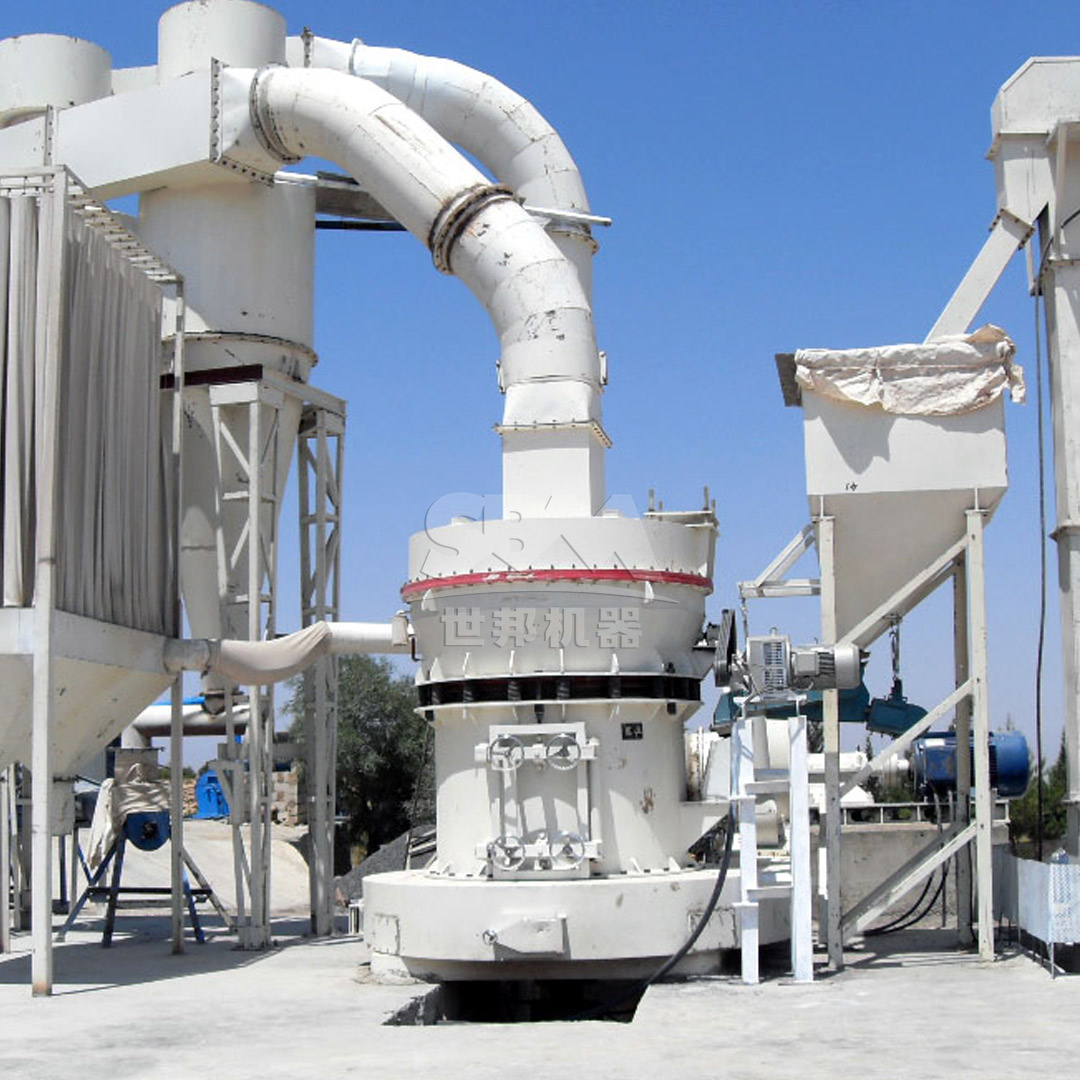
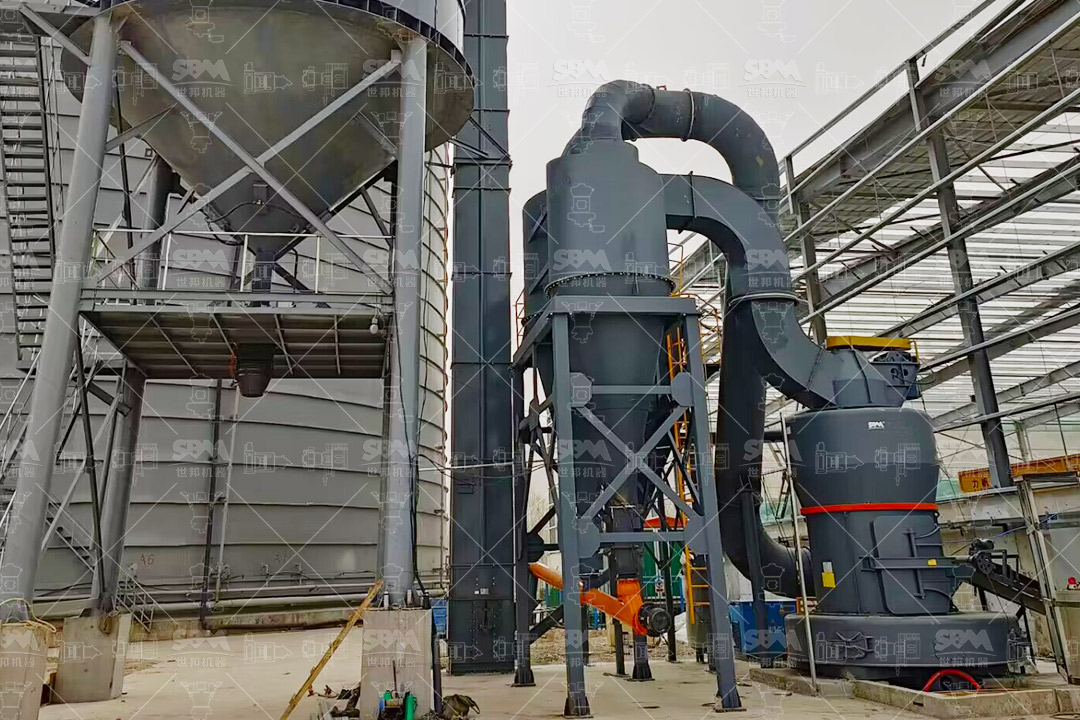
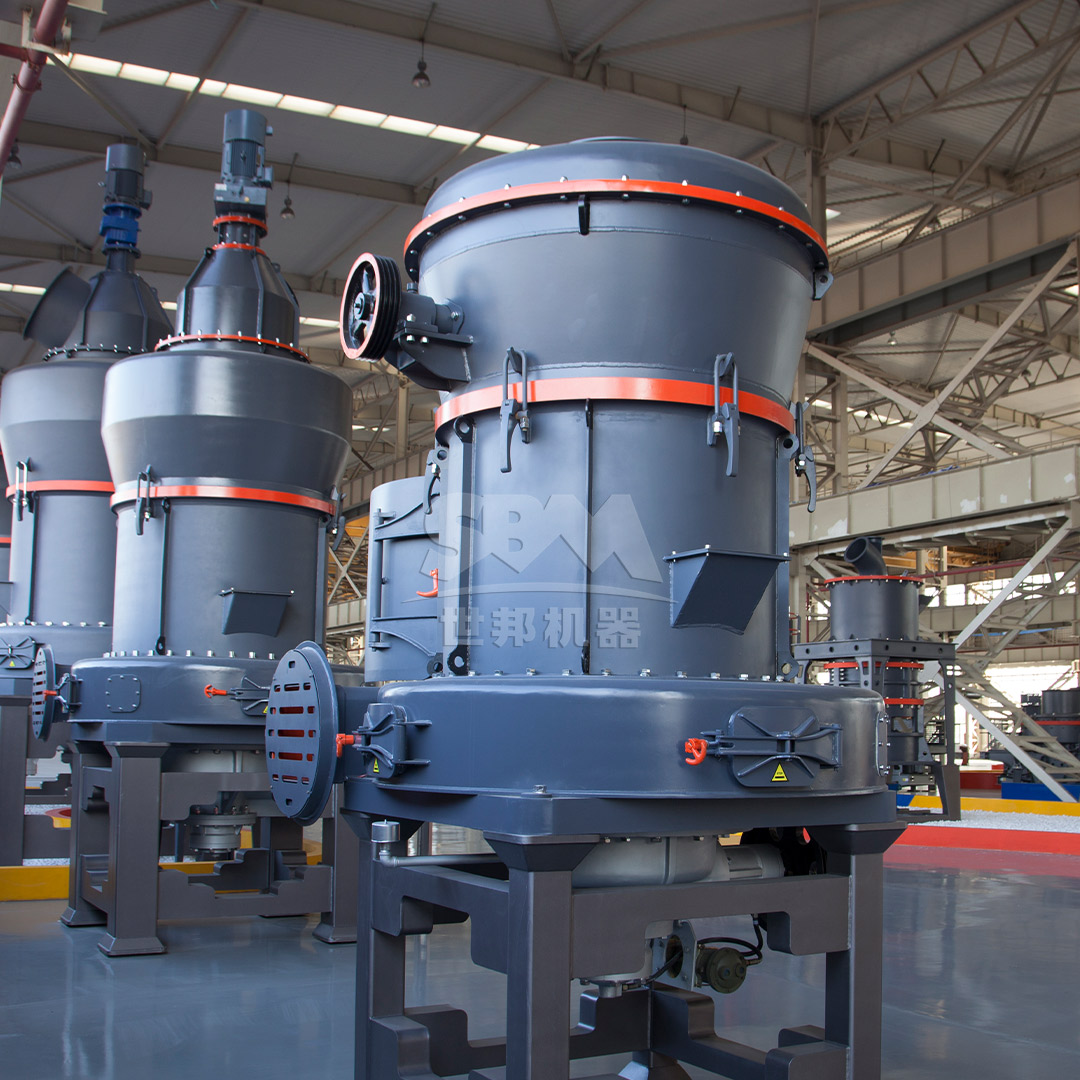
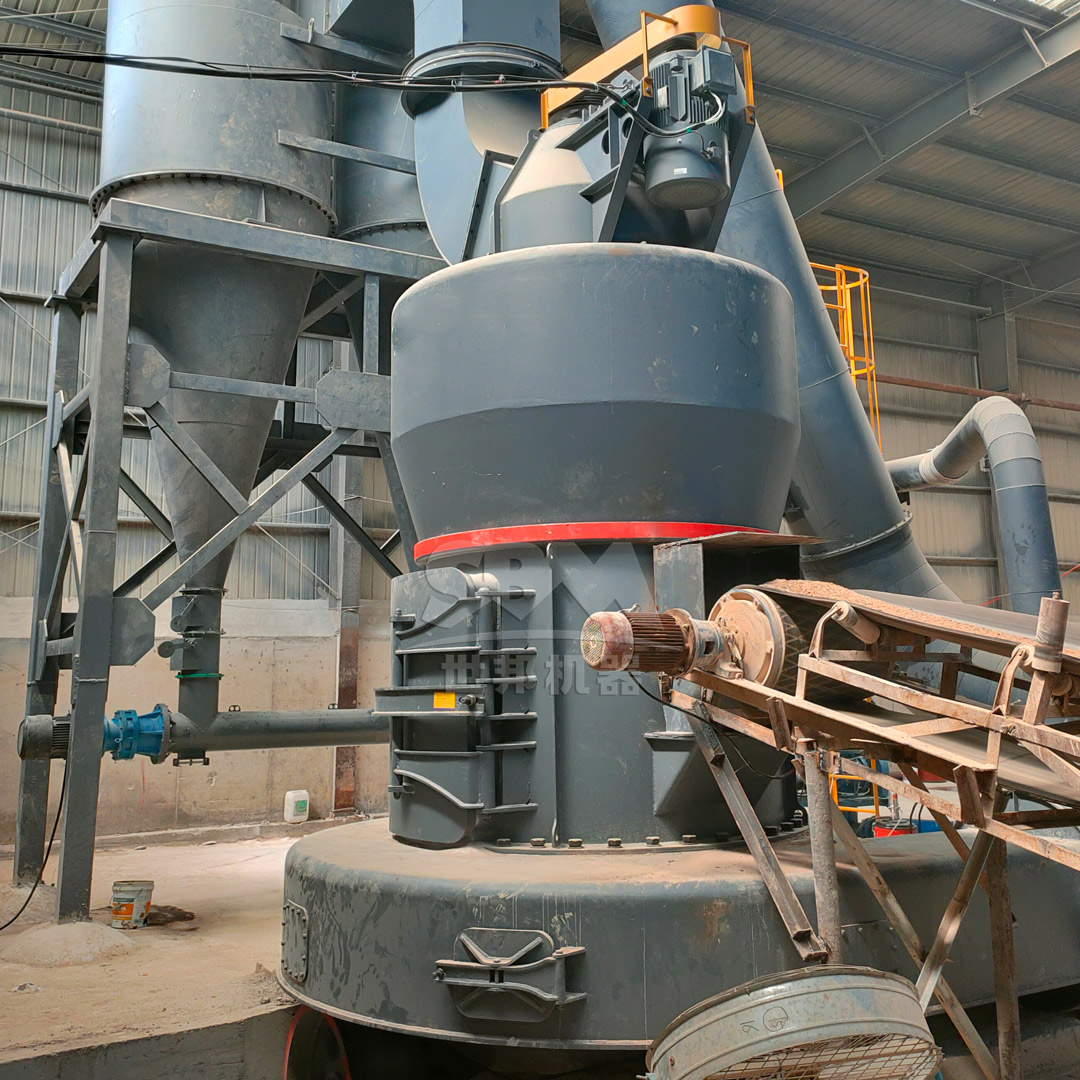
For operations requiring high-capacity grinding of materials like limestone, calcite, and dolomite to medium-fine powders (30-325 mesh), the MTW Series Trapezium Mill exemplifies lean design principles. Its technological advantages directly target multiple forms of waste:
- Eliminates Over-processing & Transportation Waste: The integrated conical gear overall transmission achieves a remarkable 98% transmission efficiency, directly reducing energy consumption (a form of over-processing). The optimized curved air duct minimizes airflow resistance and pressure loss, ensuring efficient material transport without energy waste.
- Reduces Defects & Waiting Waste: The wear-resistant volute structure and anti-wear shovel blade design significantly extend component life, ensuring stable product fineness over longer periods and reducing downtime for part replacements. This enhances Overall Equipment Effectiveness (OEE).
- Minimizes Motion & Inventory Waste: The compact, integrated design saves space and simplifies the grinding circuit layout. Its high and stable throughput (from 3 to 45 TPH depending on the model) supports a continuous, pull-based production flow, minimizing intermediate inventory.
| Model |
Capacity (t/h) |
Main Motor Power (kW) |
Output Fineness (mesh) |
Lean Benefit Highlight |
| MTW138Z |
6-17 |
90 |
10-325 |
Balanced high capacity with moderate power for optimized energy value. |
| MTW215G |
15-45 |
280 |
10-325 |
Maximum throughput for large-scale, continuous lean flow production. |
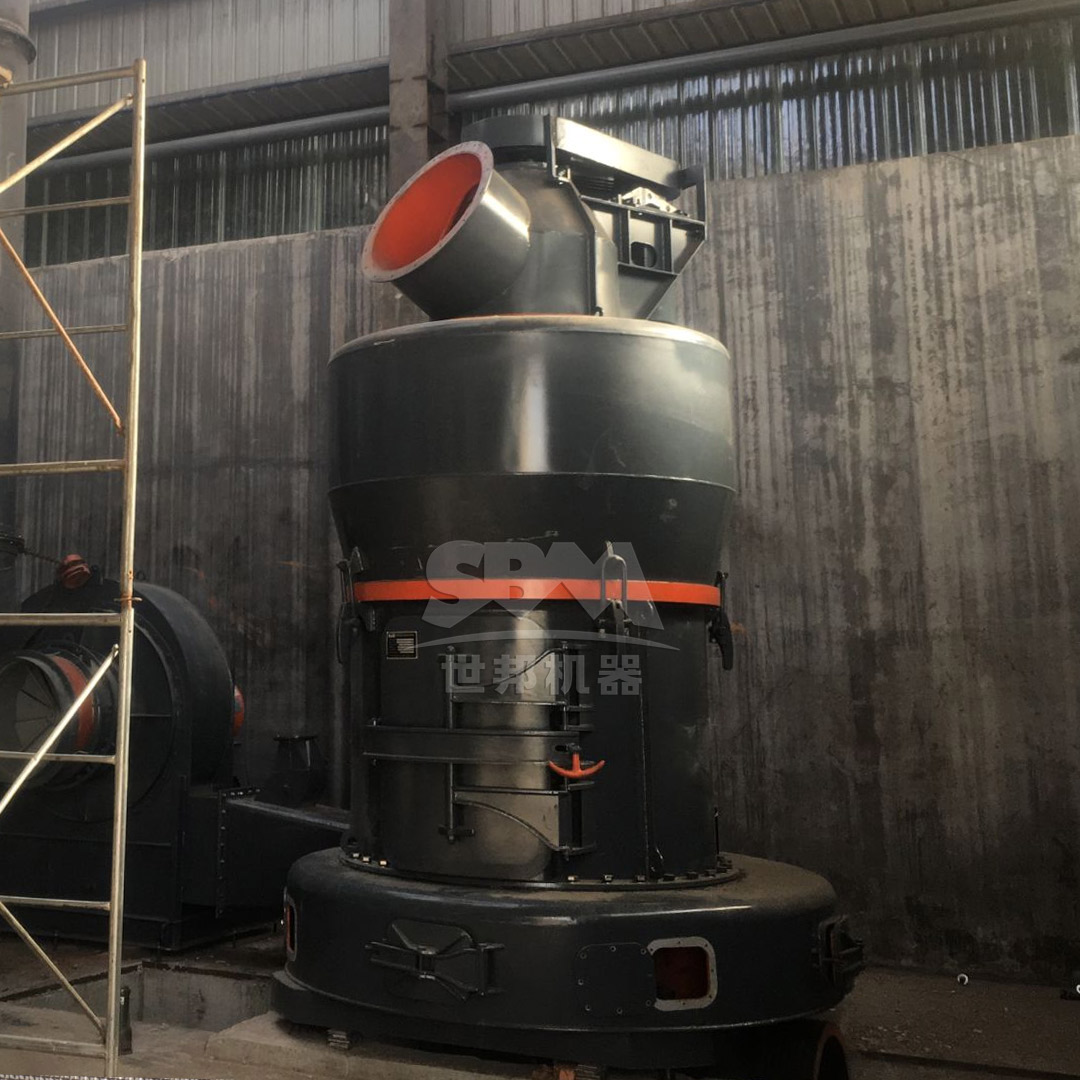
For applications demanding ultra-fine powders (325-2500 mesh), the SCM Ultrafine Mill is a paradigm of lean efficiency in the fine grinding domain. It is engineered to deliver maximum value with minimal waste:
- Attacks Overproduction & Energy Waste Directly: Its high-efficiency & energy-saving design boasts a capacity twice that of jet mills while reducing energy consumption by 30%. The intelligent control system with automatic feedback on product size ensures the mill operates exactly at the target specification, preventing the waste of over-grinding.
- Virtually Eliminates Defect Waste: The high-precision vertical turbine classifier ensures accurate particle size cuts with no coarse powder mixing in, guaranteeing uniform, high-quality product batch after batch.
- Reduces Waiting & Motion Waste: The durable design with special material rollers and rings extends service life by multiples, while the bearingless screw grinding chamber ensures stable, low-maintenance operation. This translates to higher availability and less time spent on repairs.
- Promotes a Safe, Standardized Environment: With pulse dust collection efficiency exceeding international standards and a soundproof room design keeping noise ≤75dB, the SCM mill supports the 5S principle of a clean, safe, and standardized workplace.
5. Implementing a Lean Culture: Sustaining the Gains
Technology alone is not enough. Sustained optimization requires embedding lean thinking into the organizational culture. This involves:
- Leadership Commitment: Management must actively support and resource lean initiatives.
- Cross-Functional Teams: Forming teams with members from production, maintenance, quality control, and engineering to solve problems holistically.
- Visual Management: Using dashboards to display real-time OEE, energy consumption per ton, and product quality metrics, making problems immediately visible.
- Gemba Walks: Leaders regularly going to the \”real place\”—the mill floor—to observe the process, engage with teams, and identify improvement opportunities firsthand.
Conclusion: A Synergistic Path to Excellence
Optimizing grinding mill operations through lean manufacturing is a powerful strategy to eliminate waste, reduce costs, and improve product quality. By systematically identifying waste, mapping the value stream, and employing tools like TPM and standardized work, operations can achieve remarkable gains. The integration of advanced, intelligently designed milling equipment, such as the high-efficiency MTW Series Trapezium Mill for medium-fine grinding or the precision-engineered SCM Ultrafine Mill for superfine applications, provides the technological foundation to realize these lean principles. Ultimately, the synergy of a lean culture and superior technology paves the way for a grinding operation that is not only efficient and profitable but also agile and sustainable in the face of evolving market demands.