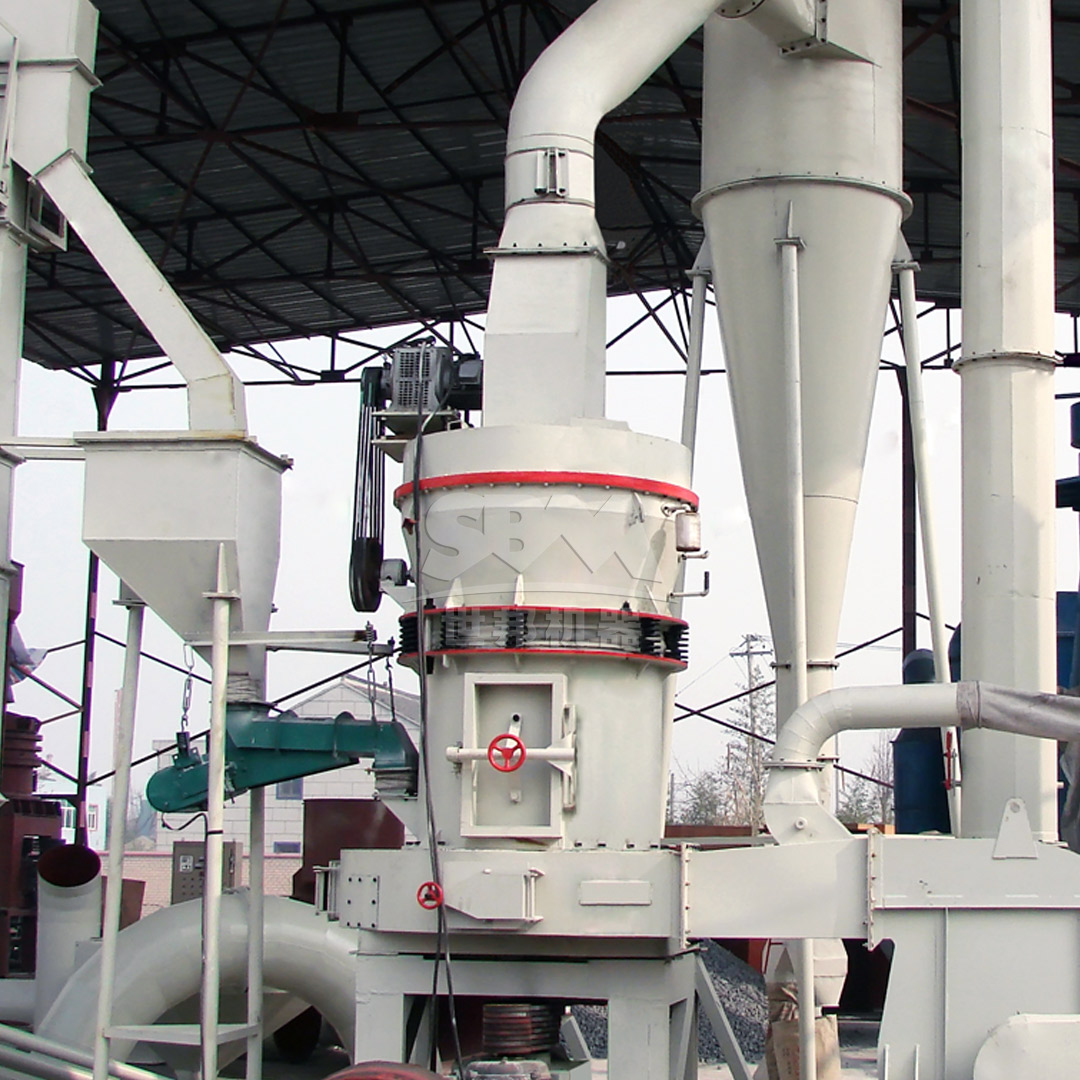
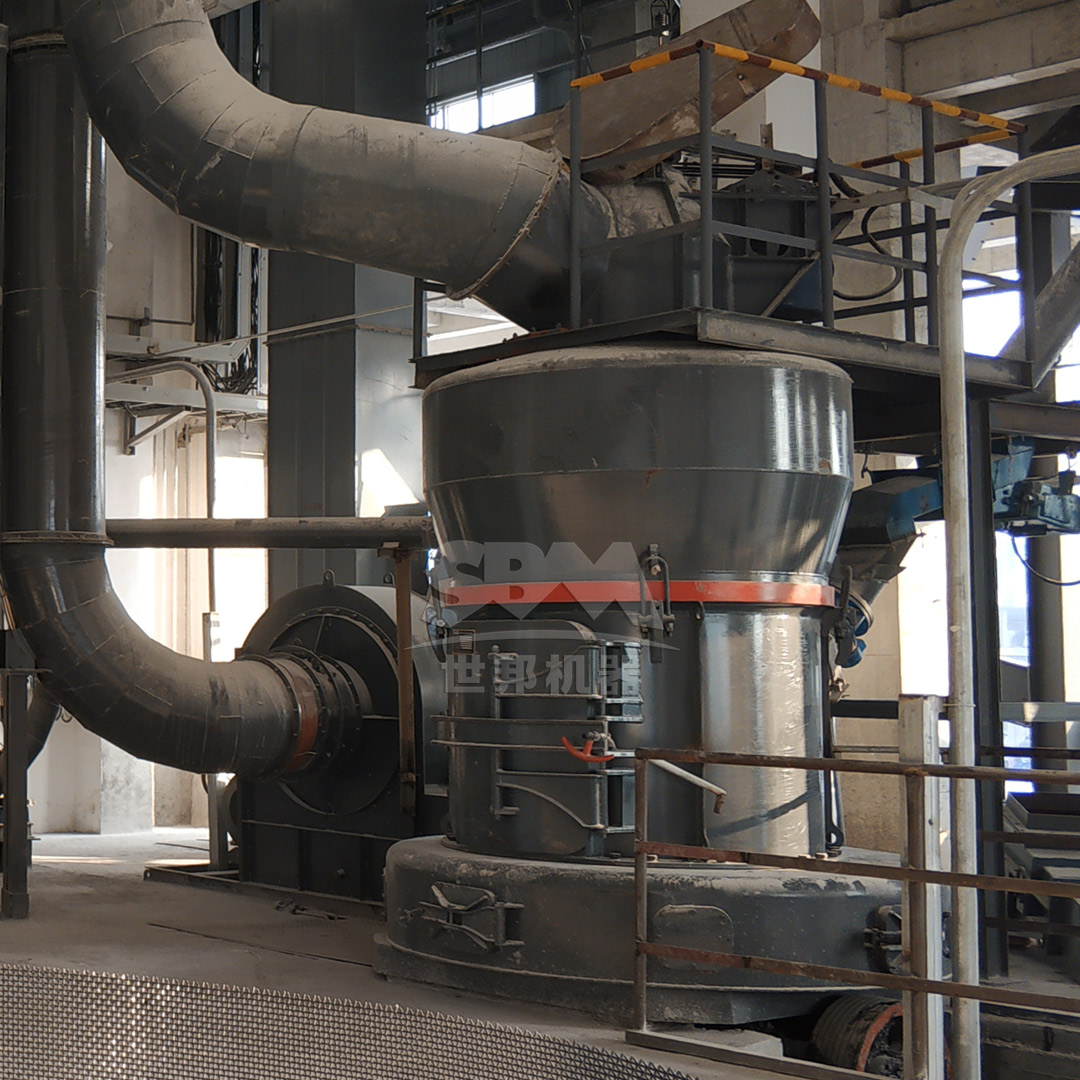
Coal gangue, a solid waste discharged during coal mining and washing, has long been a significant environmental and disposal challenge. However, with advancements in processing technology, it has been transformed into a valuable resource for the building materials industry. When ground into fine powder, coal gangue can be used as a raw material for cement, concrete admixtures, lightweight aggregates, sintered bricks, and geopolymer cement. The key to unlocking this value lies in selecting the appropriate grinding equipment. The choice of mill directly impacts product fineness, particle size distribution, production efficiency, energy consumption, and overall project economics. This article provides a comprehensive guide to selecting the optimal coal gangue grinding mill for producing building material grade powder, with a focus on technical parameters and operational considerations.
| Key Selection Factors | Description | Impact on Building Material Application |
|---|---|---|
| Target Fineness & Particle Distribution | The required mesh size (e.g., 200 mesh for bricks, 325-600 mesh for cementitious materials). | Determines reactivity, strength contribution, and workability in the final product. |
| Raw Material Characteristics | Hardness (Mohs), moisture content, feed size, and abrasiveness of the gangue. | Influences mill type selection, wear part life, and pre-processing needs (e.g., drying, primary crushing). |
| Production Capacity Requirement | Hourly or annual tonnage needed for the building material production line. | Dictates the model size and number of grinding units required. |
| Energy Efficiency | Power consumption per ton of finished powder. | Major contributor to long-term operational costs and environmental footprint. |
| System Integration & Footprint | Space required for the mill and its auxiliary systems (classifier, collector, etc.). | Affects plant layout and initial civil engineering costs. |
Coal gangue’s composition varies but typically includes clay minerals, sandstone, shale, and carbonaceous matter. Its hardness can range from moderate to high, and it often contains abrasive components. For building material applications, the grinding process must achieve two primary goals:
Therefore, the ideal mill must not only achieve a specific top cut (e.g., 325 mesh) but also produce a consistent and desirable particle curve.
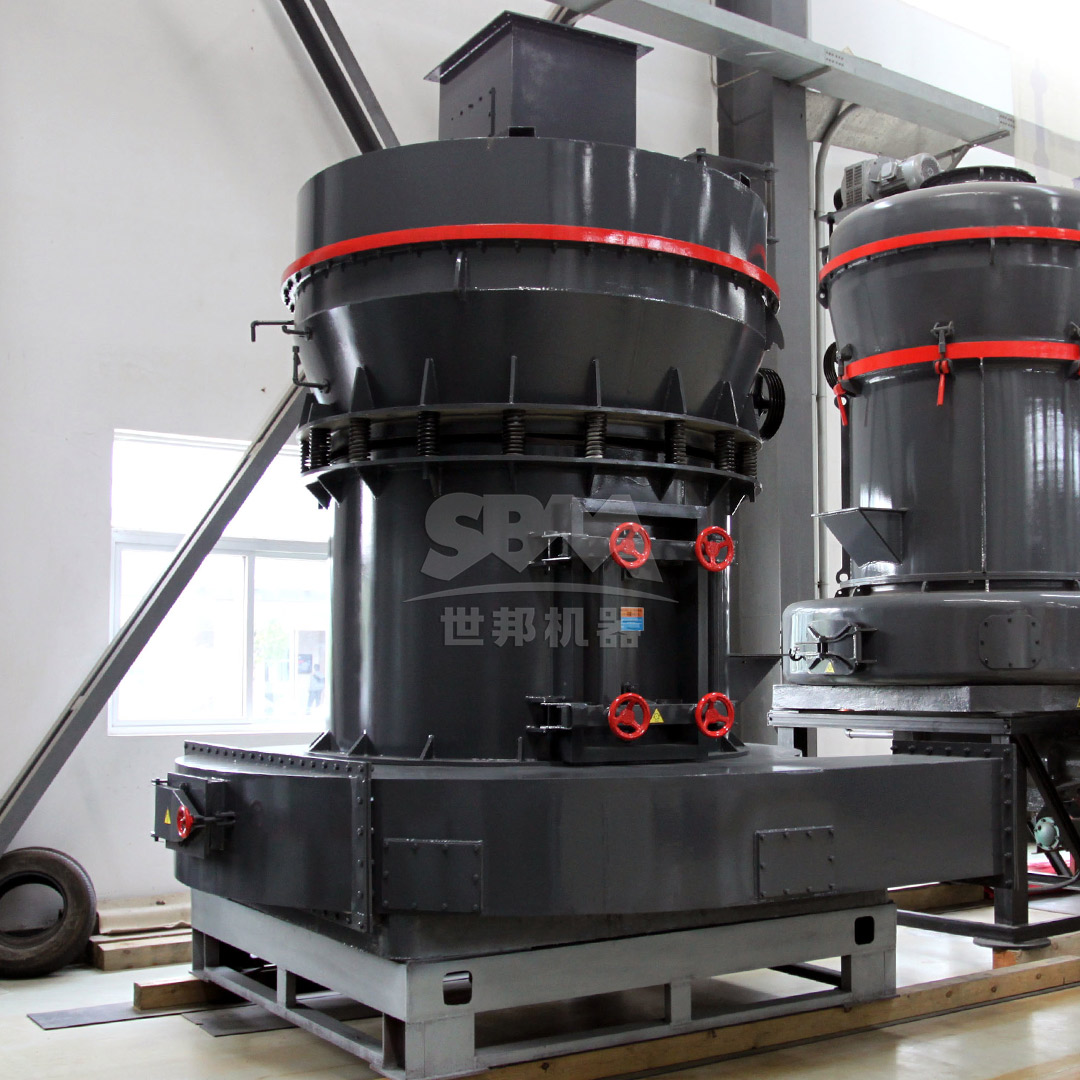
Different mill technologies offer distinct advantages for coal gangue processing. Here’s a breakdown of the most relevant types:
Traditional technology suitable for coarse to medium-fine grinding (30-325 mesh). It is a cost-effective option for applications like sintered bricks where ultra-fineness is not critical. However, for high-value applications requiring fine powder with high activity, its efficiency and fineness ceiling may be limiting.
A versatile and robust workhorse capable of wet or dry grinding. It can handle a wide range of feed sizes and is known for producing a consistent product. The main drawbacks for modern coal gangue processing are high energy consumption, significant wear (leading to high maintenance costs), and relatively low efficiency for producing fine powders below 325 mesh. Noise and large footprint are additional considerations.
This has become a dominant technology in mineral and solid waste grinding due to its superior efficiency. VRMs integrate crushing, grinding, drying, and classification in a single unit. They operate on the principle of bed grinding, where material is ground between rollers and a rotating table. This method is significantly more energy-efficient than ball mills, often reducing power consumption by 30-50%. VRMs are excellent for producing powder in the 30-325 mesh range and can be equipped with advanced classifiers to reach finer cuts.
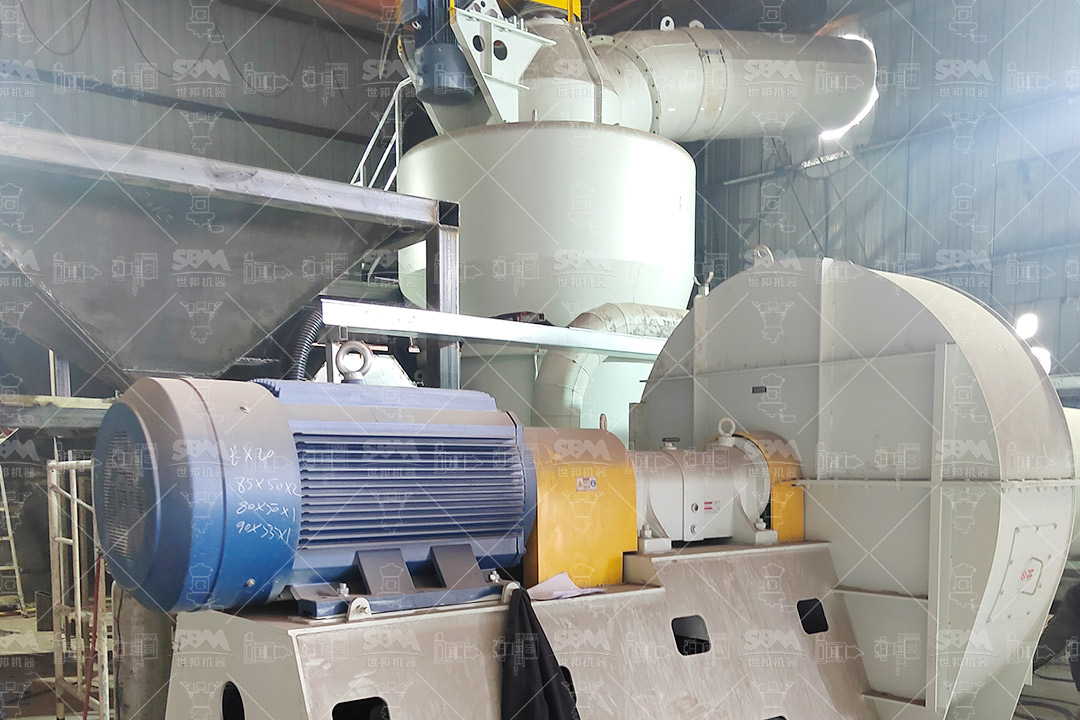
For applications demanding high-purity, high-activity powder in the 325-2500 mesh range, ultrafine mills are essential. These mills, such as SCM series, employ a multi-layer grinding ring and roller system combined with high-precision turbine classifiers. They are designed for high efficiency at fine and ultrafine sizes, though they typically require a smaller, pre-crushed feed.
Based on the technical requirements for building material grade powder and the analysis above, two of our flagship products stand out as optimal solutions for coal gangue grinding.
For the majority of building material applications requiring powder between 30 and 325 mesh, the MTW Series European Trapezium Mill is an outstanding choice. It represents an evolved and optimized form of the traditional Raymond mill, incorporating European engineering advancements.
Why it’s ideal for Coal Gangue:
| Model Example: MTW215G | Specification |
|---|---|
| Input Size | ≤50mm |
| Output Fineness | 30-325 mesh (0.038mm) |
| Capacity | 15-45 ton/h |
| Main Motor Power | 280 kW |
| Key Advantage for Gangue | Wear-resistant design, high capacity, efficient classification |
When the project goal is to produce highly reactive coal gangue micro-powder (325-2500 mesh) for high-performance cementitious systems or advanced composites, the SCM Series Ultrafine Mill is the technology of choice.
Why it’s ideal for High-Grade Gangue Powder:
Choosing the right mill involves a systematic approach:
In conclusion, for producing building material grade powder from coal gangue, the MTW Series European Trapezium Mill is the recommended solution for most coarse to medium-fine applications due to its robustness, efficiency, and perfect fineness match. For projects aiming at the premium market with ultra-fine, high-activity micro-powder, the SCM Series Ultrafine Mill delivers unparalleled performance and product quality. By carefully matching the mill’s capabilities to your specific project goals, you can transform coal gangue from a waste liability into a profitable, sustainable resource for the construction industry.