Selecting the optimal grinding mill and sourcing high-quality abrasive materials are critical decisions that directly impact production efficiency, product quality, and operational costs across numerous industries, from mining and construction to pharmaceuticals and advanced ceramics. The wrong choice can lead to excessive energy consumption, inconsistent product fineness, frequent downtime, and ultimately, a compromised bottom line. This comprehensive guide aims to demystify the selection process, providing a structured framework for evaluating your needs, understanding mill technologies, and identifying reliable suppliers. We will delve into key technical parameters, operational considerations, and strategic sourcing criteria to empower you to make an informed, cost-effective investment for your specific application.
Before exploring equipment options, a precise definition of your operational parameters is essential. This initial assessment forms the non-negotiable criteria for your search.
Understanding the working principles and strengths of different mill types is key to matching technology with your requirements.
| Mill Type | Typical Output Range | Key Advantages | Ideal Applications | Considerations |
|---|---|---|---|---|
| Ball Mill / Rod Mill | 0.074 – 0.8 mm | High capacity, robust, versatile for wet/dry grinding. | Ore grinding, cement, silicate products. | High energy consumption, noisy, large footprint. |
| Vertical Roller Mill (VRM) | 30-600 mesh | Excellent energy efficiency, integrated drying/grinding, low noise. | Raw meal, coal, slag, cement clinker pre-grinding. | Higher initial investment, sensitive to metal contaminants. |
| Raymond Mill (Trapezium Mill) | 30-325 mesh | Mature technology, reliable, cost-effective for medium fineness. | Non-metallic minerals (calcite, talc, barite), coal powder. | Limited to medium fineness, wear on grinding rolls. |
| Ultrafine Grinding Mill | 325-2500 mesh | Produces very fine & uniform powder, high classification accuracy. | Advanced fillers, pharmaceuticals, high-value chemicals, electronics. | Lower single-unit capacity, requires precise operation. |
| Hammer Mill / Impact Mill | 0-3 mm (coarse) | High reduction ratio, simple structure, good for brittle materials. | Primary/secondary crushing, biomass, recycling. | High wear on hammers/liners, broader PSD. |
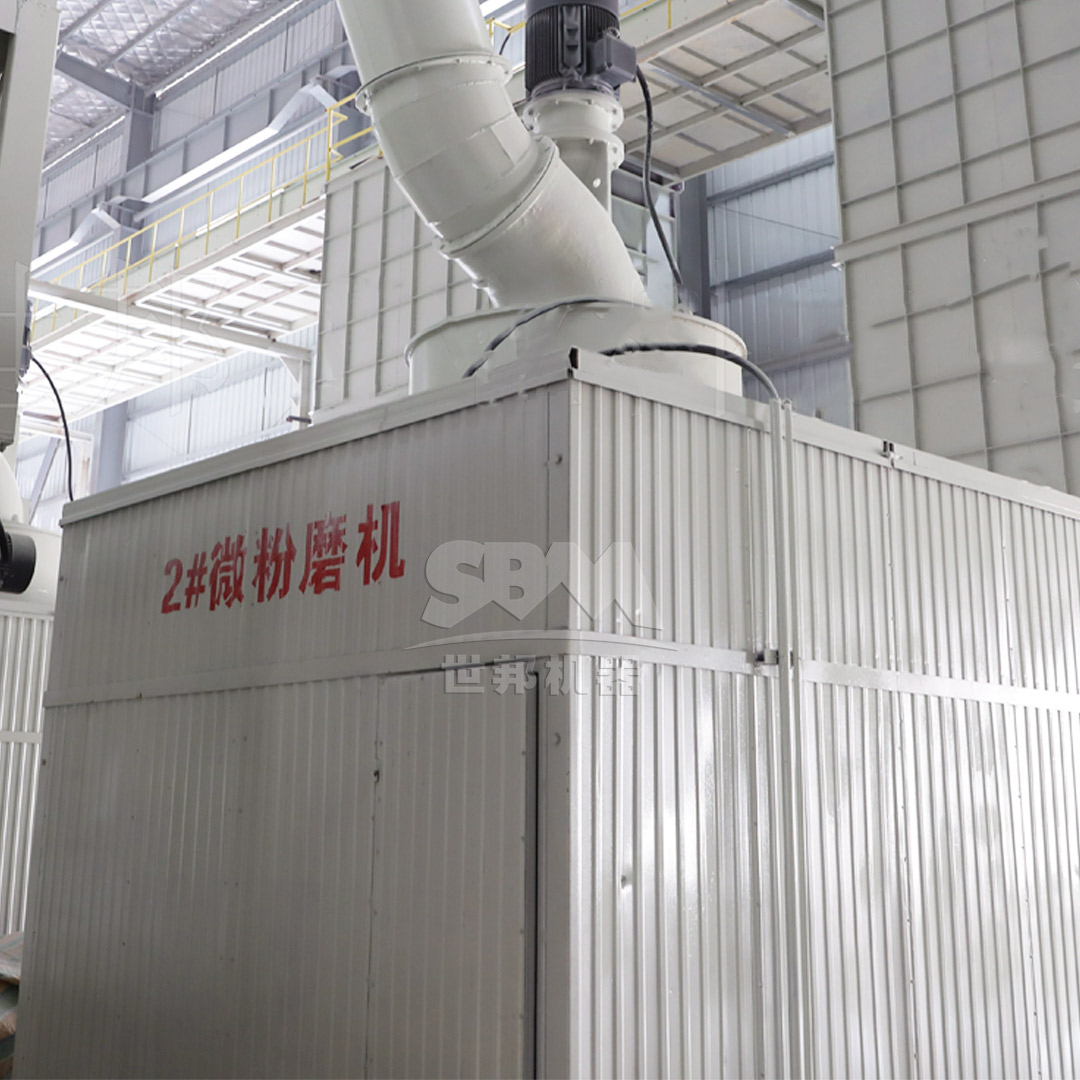
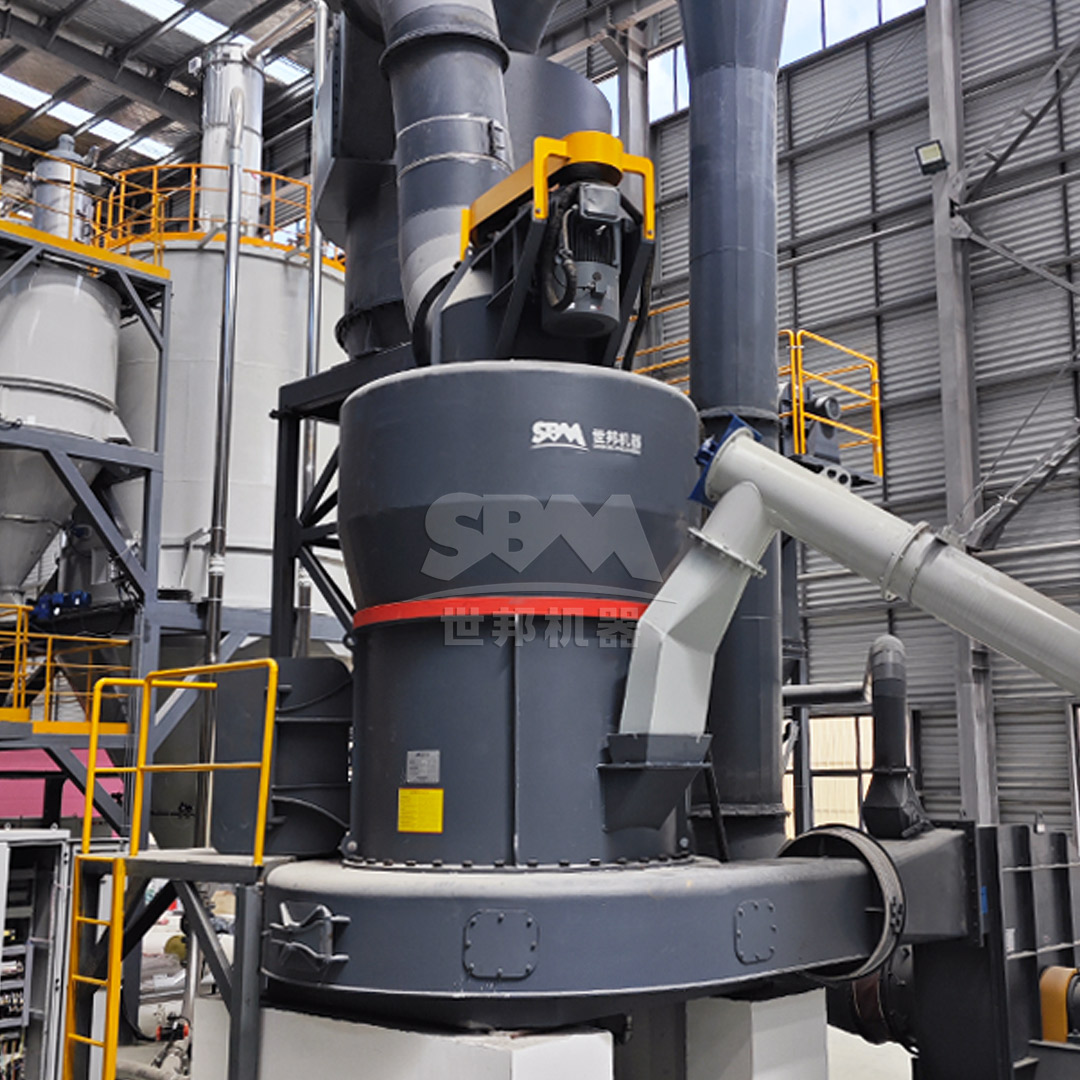
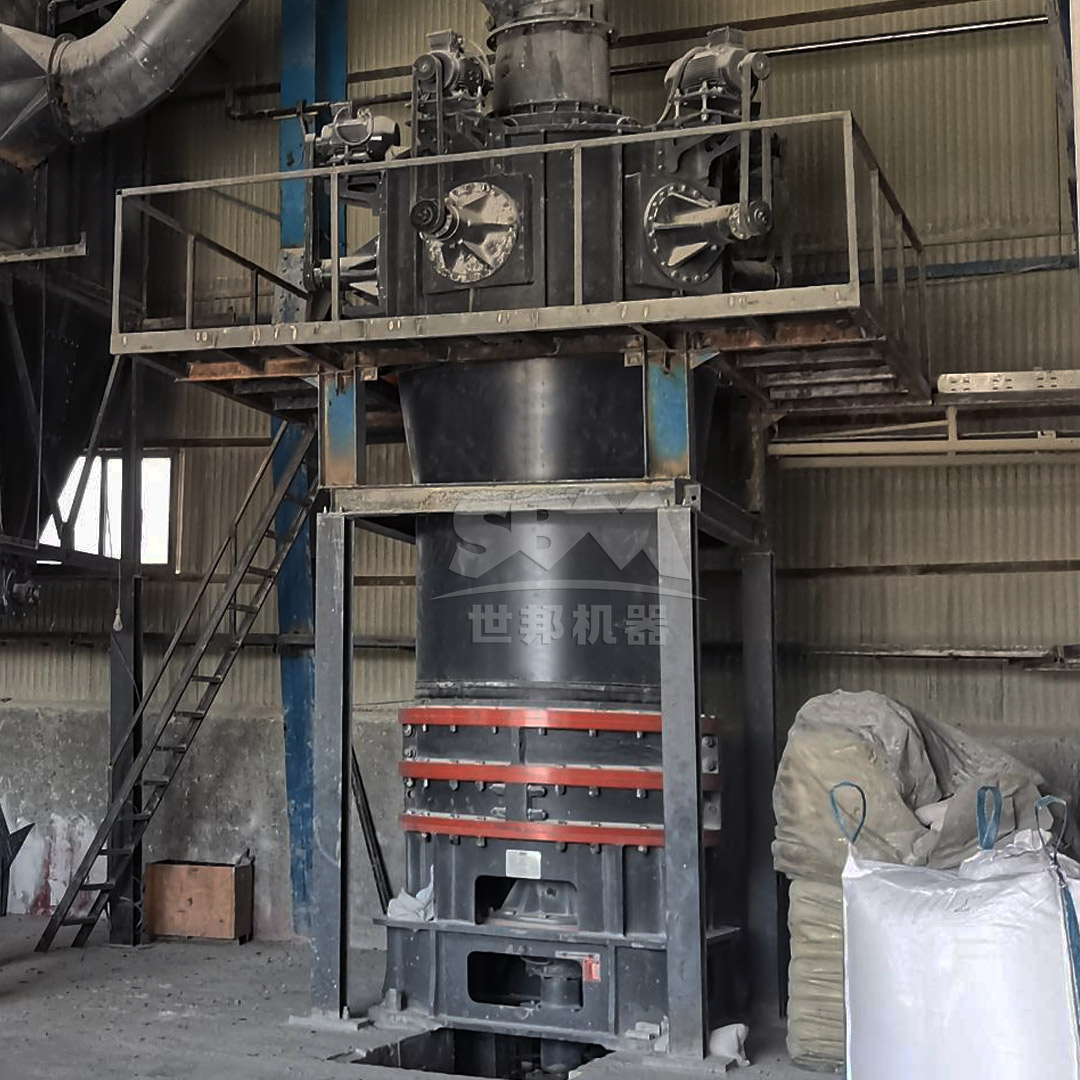
For operations demanding high efficiency, fine to ultra-fine products, and modern integrated systems, advanced mill designs offer significant benefits. A prime example is our SCM Ultrafine Mill. Engineered for precision and productivity, it is an ideal solution for industries requiring powders in the 325 to 2500 mesh range (D97 ≤ 5μm).
The SCM series excels through its high-efficiency grinding and precision classification system. Its vertical turbine classifier ensures sharp particle size cuts, eliminating coarse powder contamination and delivering a highly uniform product. Furthermore, it boasts remarkable energy savings of up to 30% compared to traditional jet mills while offering double the capacity. Its durable design features special-material rollers and rings, and an innovative bearingless screw grinding chamber for exceptional stability and longevity. For environmentally conscious operations, its integrated pulse dust collector exceeds international standards, and the soundproof room design maintains noise levels below 75dB.
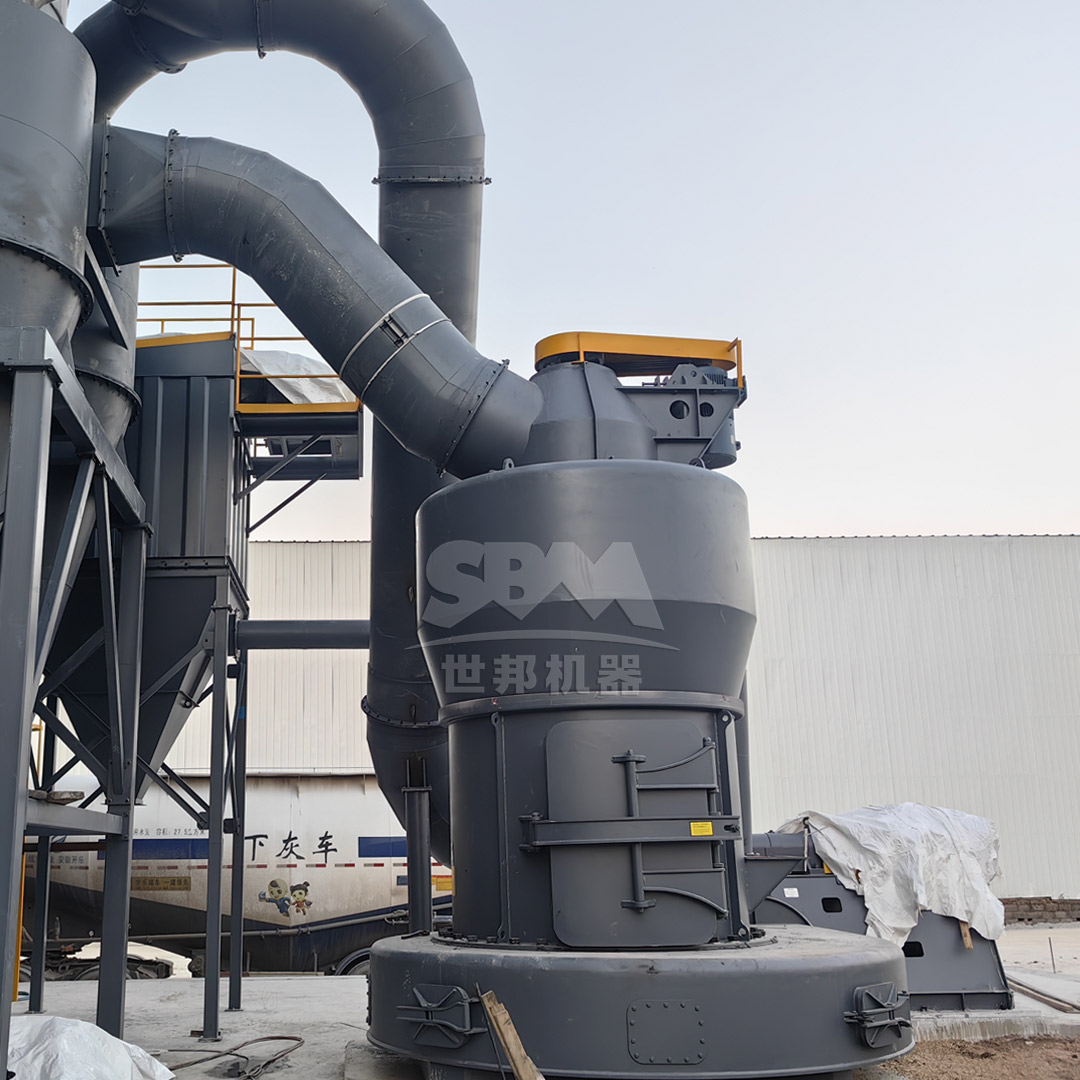
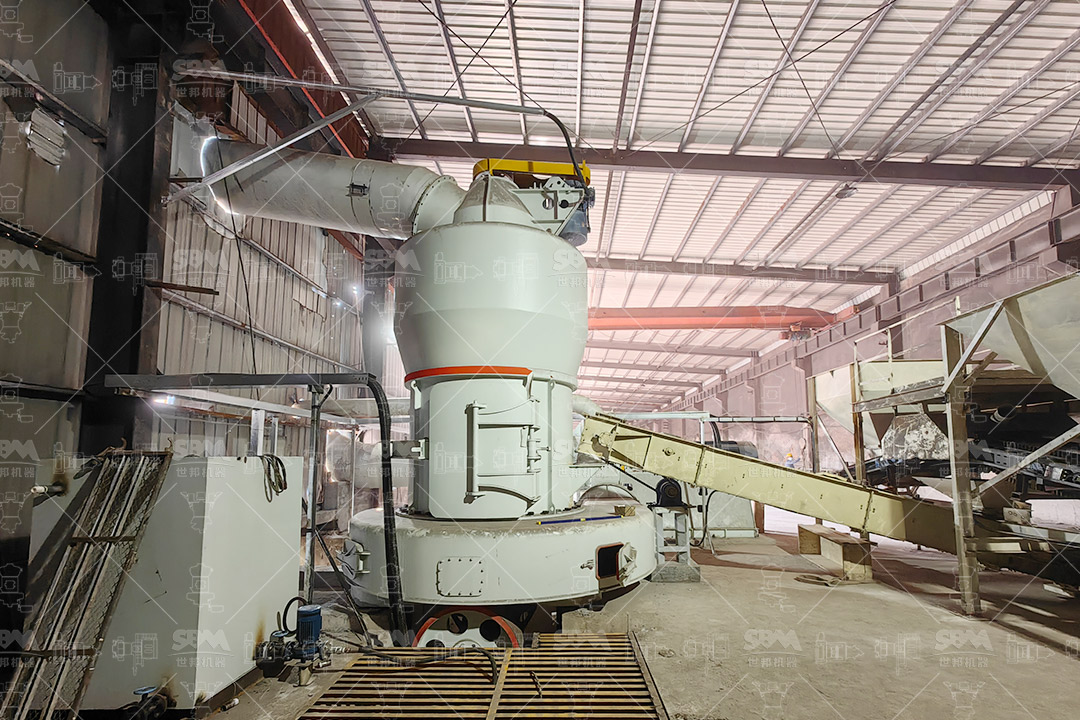
For large-scale production of medium-fine powders, another robust option is the MTW Series Trapezium Mill. This European-style grinder handles feed sizes up to 50mm and delivers outputs from 30 to 325 mesh, with capacities ranging from 3 to 45 tons per hour. Its key innovations include a conical gear integral transmission with 98% efficiency, reducing space and installation costs, and an arc air channel that minimizes airflow resistance. The wear-resistant volute and modular shovel blade design collectively reduce maintenance costs by approximately 30%, making it a highly economical choice for continuous, high-tonnage operations in minerals processing and industrial powder production.
The performance and lifespan of your grinding mill are inextricably linked to the quality of its consumable wear parts—grinding rolls, rings, liners, and hammers.
The most successful outcomes arise from viewing the mill, its consumables, and the supplier as an integrated system.
Partnering with a manufacturer that provides both the grinding equipment and the high-performance abrasive wear parts offers distinct advantages. This ensures perfect compatibility, optimized system performance, and streamlined accountability. You gain access to deep, application-specific knowledge where equipment design informs part design, and vice-versa. Such partners can often provide comprehensive service agreements, remote monitoring, and guaranteed performance metrics, transforming a capital purchase into a long-term productivity partnership.
Choosing the best grinding mill and abrasive materials supplier is a multifaceted technical and commercial decision. It requires a clear understanding of your material and product goals, a thorough evaluation of available technologies—from robust vertical roller mills for bulk processing to precision ultrafine mills like the SCM series for high-value powders—and a strategic approach to sourcing durable wear parts. By prioritizing total cost of ownership, energy efficiency, and partnering with knowledgeable, reliable suppliers who offer integrated solutions, you can secure a grinding system that delivers consistent quality, maximum uptime, and superior return on investment for years to come. Invest the time in this foundational process; the efficiency of your entire production line depends on it.