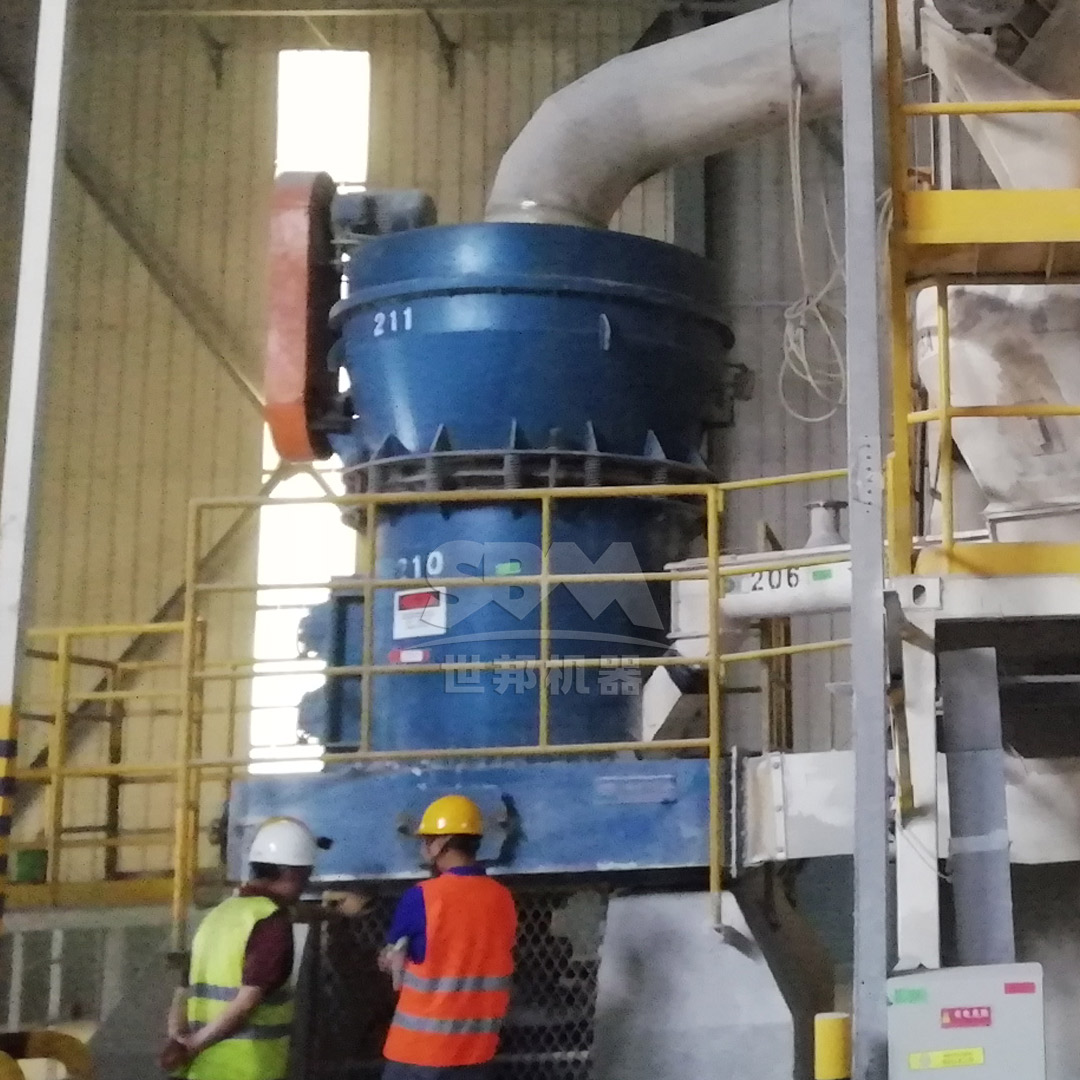
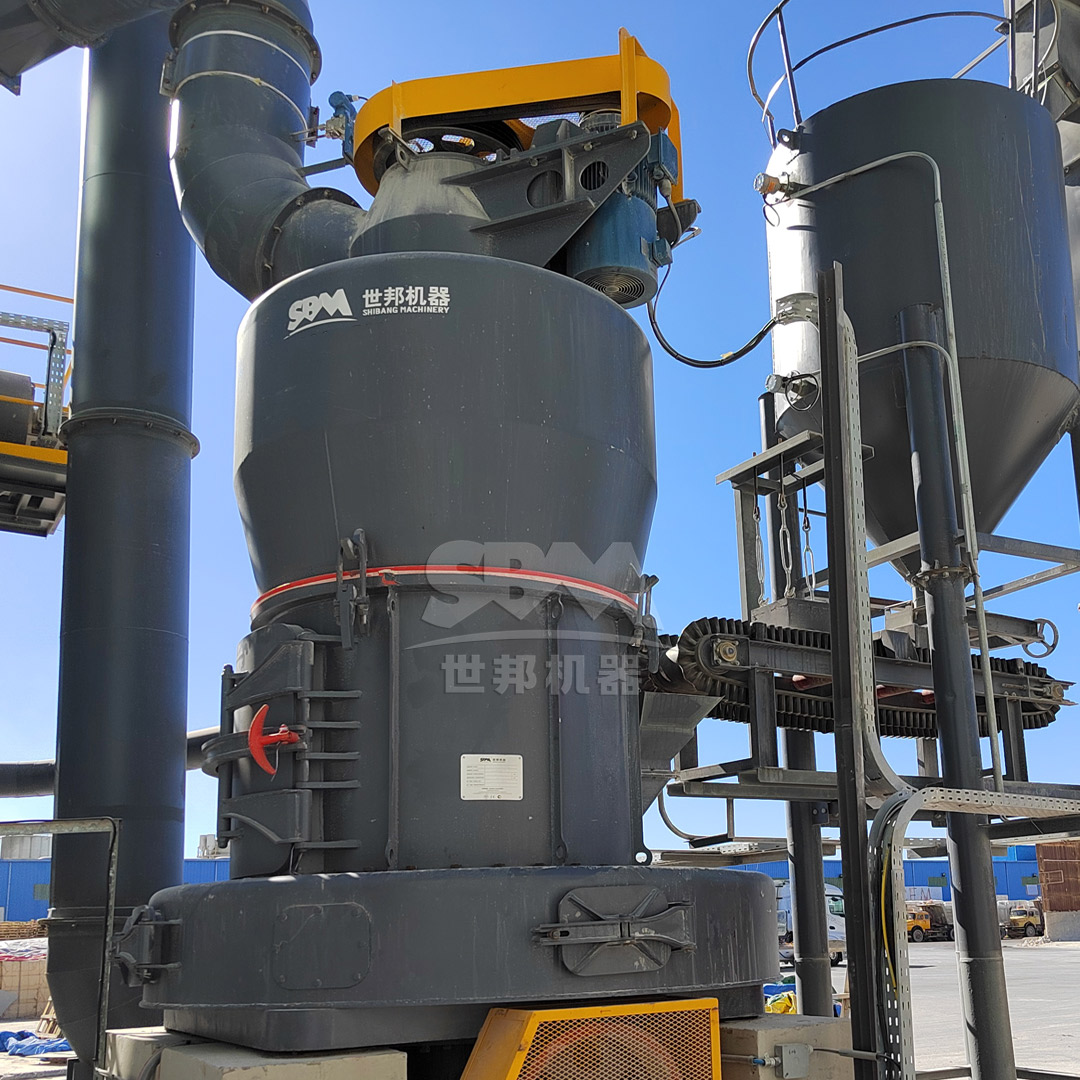
Dolomite, a calcium magnesium carbonate mineral, is a critical functional filler and additive in the rubber industry. Its incorporation enhances mechanical properties, improves dimensional stability, reduces costs, and can even impart flame-retardant characteristics. However, the efficacy of dolomite in rubber compounds is profoundly influenced by its particle size distribution, fineness, and particle morphology. Selecting the optimal grinding mill is therefore not merely a process step but a strategic decision that directly impacts product quality, production efficiency, and operational economics. This guide provides a comprehensive framework for choosing the best grinding equipment for dolomite processing in rubber additive manufacturing.
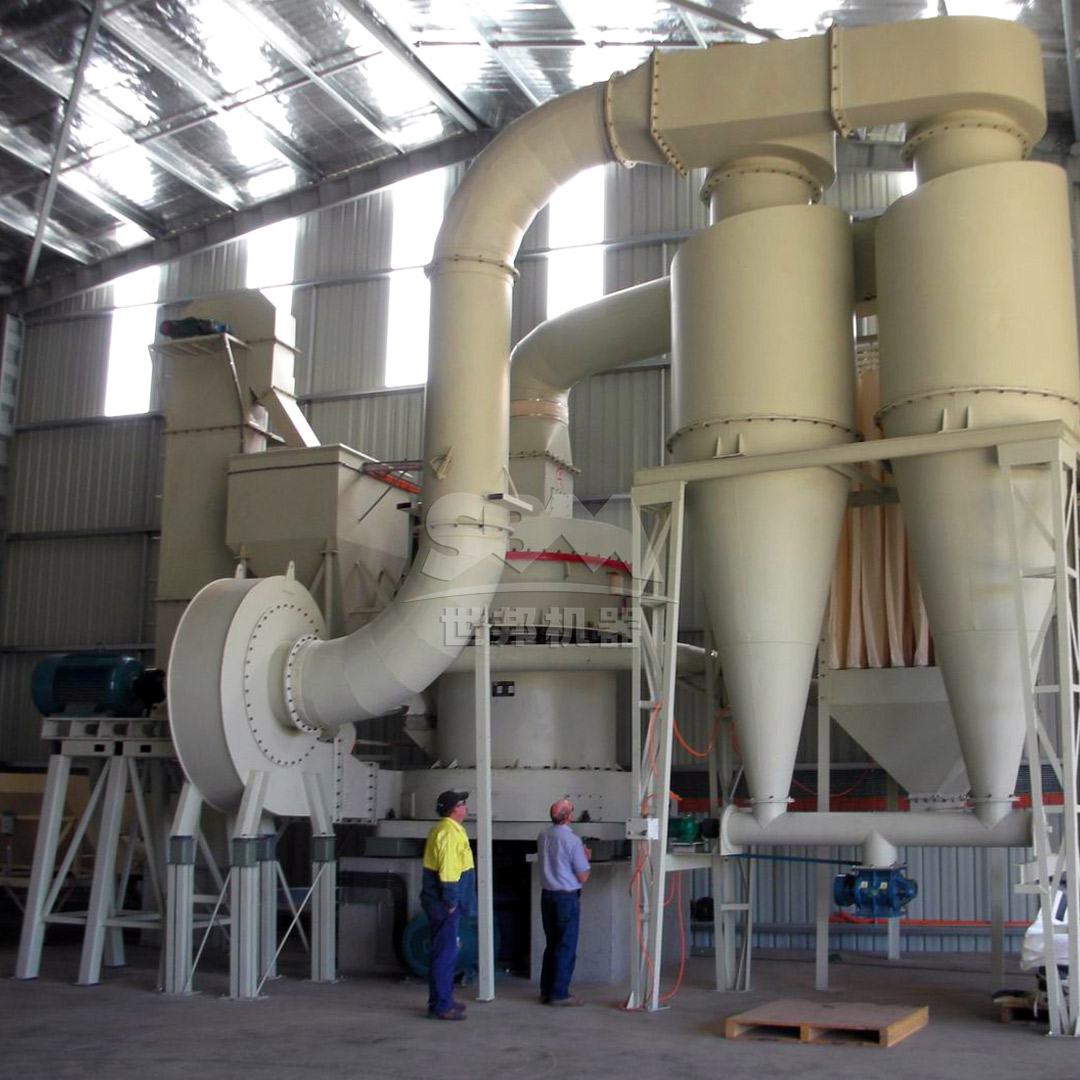
Before evaluating mills, it’s essential to define the target specifications for the ground dolomite powder:
Different mill types operate on distinct principles, resulting in varying output characteristics. Below is a comparative analysis of technologies relevant to dolomite processing.
| Mill Type | Typical Output Range | Key Advantages for Dolomite | Potential Limitations | Suitability for Rubber-Grade Dolomite |
|---|---|---|---|---|
| Ball Mill | 0.074-0.8mm (200-20 mesh) | High capacity, reliable, versatile for coarse grinding. | Limited to relatively coarse fineness, high energy consumption for fine grinding, potential for over-grinding. | Low. Suitable only for preliminary crushing before fine grinding stages. |
| Raymond Mill (MTW/MTM) | 45-325 mesh (600-45µm) | Stable operation, cost-effective for medium-fine powder, mature technology. | Lower classification precision can lead to wider PSD. Upper fineness limit may not meet high-end requirements. | Medium. Good for standard-grade rubber fillers where 325-mesh fineness is sufficient. |
| Vertical Roller Mill (LM Series) | 30-325 mesh (up to 600 mesh) | Excellent energy efficiency, integrated drying (if needed), large capacity. | Higher initial investment, more complex maintenance for grinding rollers. | High. Ideal for large-scale production of fine dolomite powder, especially with integrated classification. |
| Ultrafine Mill (SCM/LUM) | 325-2500 mesh (45-5µm) | Produces ultrafine powder with narrow PSD, high classification accuracy, energy-efficient relative to jet mills. | Lower single-unit capacity compared to large VRMs, sensitive to feed size and moisture. | Very High. The premier choice for high-performance, ultrafine rubber additives requiring superior dispersion. |
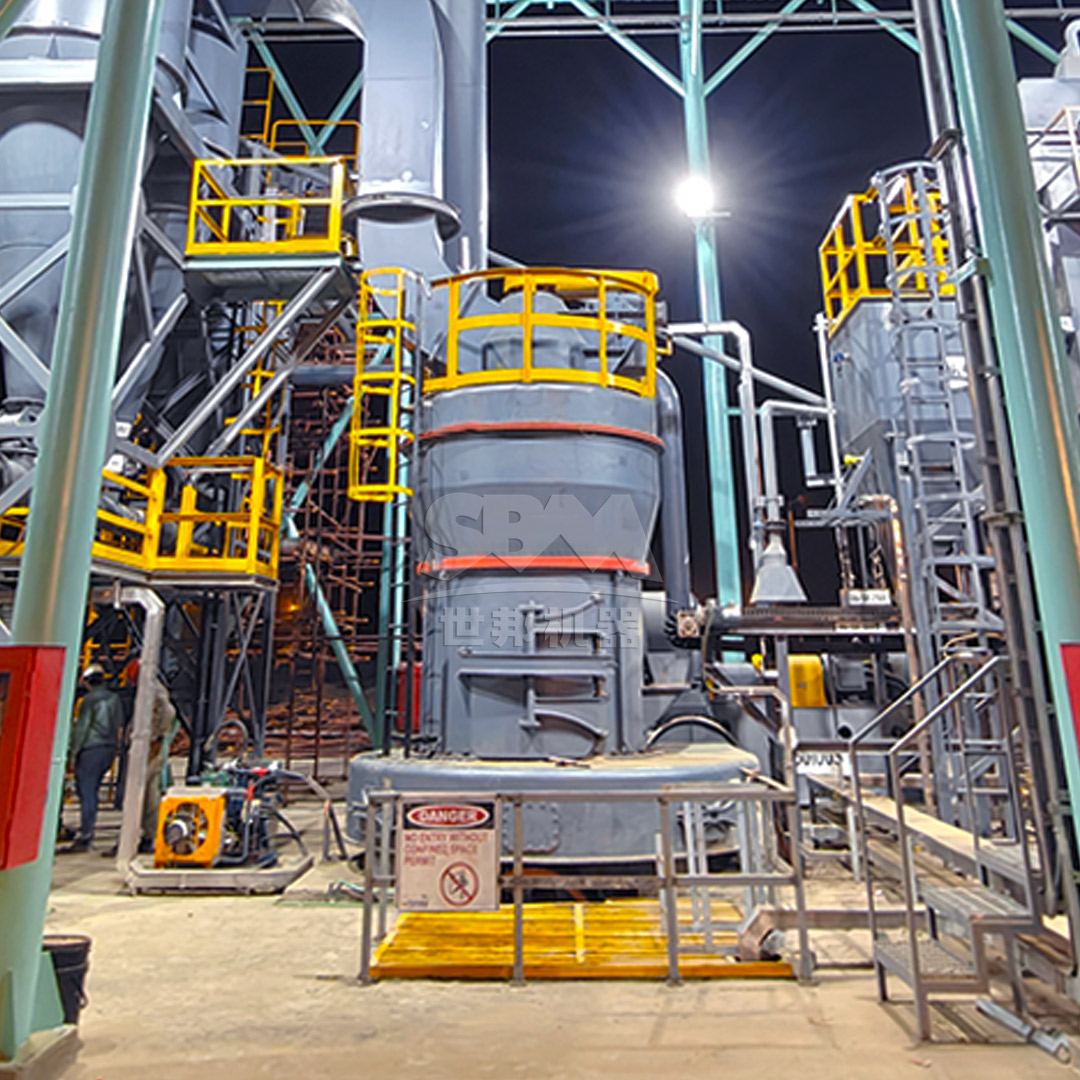
Based on the prevalent requirements in the rubber industry for high-quality, fine-grade dolomite, two of our flagship products stand out as exceptional solutions.
When the production goal is ultrafine dolomite powder (325-2500 mesh) with superior uniformity for high-end rubber applications, the SCM Series Ultrafine Mill is the engineered solution of choice.
Its high-precision vertical turbine classifier ensures precise particle size cutting, eliminating coarse powder mixing and delivering a consistently uniform product—a critical factor for predictable rubber compound performance. The mill operates with remarkable efficiency, offering a capacity approximately twice that of traditional jet mills while consuming about 30% less energy, directly reducing operational costs.
Durability is built into its design with special material rollers and rings that extend service life significantly. Furthermore, its fully sealed grinding chamber and pulse dust collection system with efficiency exceeding 99% guarantee an environmentally clean operation, preventing product loss and ensuring workplace safety.
| Model | Capacity (t/h) | Main Power (kW) | Output Fineness | Ideal For |
|---|---|---|---|---|
| SCM1000 | 1.0 – 8.5 | 132 | 325-2500 mesh | Medium-scale production of high-grade additives |
| SCM1250 | 2.5 – 14 | 185 | 325-2500 mesh | Large-scale, high-throughput ultrafine powder lines |
| SCM1680 | 5.0 – 25 | 315 | 325-2500 mesh | Very large-scale production for major rubber manufacturers |
For operations focusing on the production of fine dolomite powder in the 30-325 mesh range at very large volumes (3-45 t/h), the MTW Series European Trapezium Mill offers an optimal balance of performance and economy.
This mill excels in robust, high-capacity grinding. Its integral bevel gear drive achieves a transmission efficiency of up to 98%, saving energy and space. Features like the anti-wear shovel design and wear-resistant volute structure are engineered to reduce maintenance costs and downtime. The curved air duct design minimizes airflow resistance, enhancing overall system efficiency.
It is particularly recommended for rubber filler production where the target fineness is between 200 and 325 mesh, and the primary drivers are throughput reliability and low cost per ton. The MTW series provides the consistency needed for quality rubber compounds without the premium investment required for ultrafine grinding.
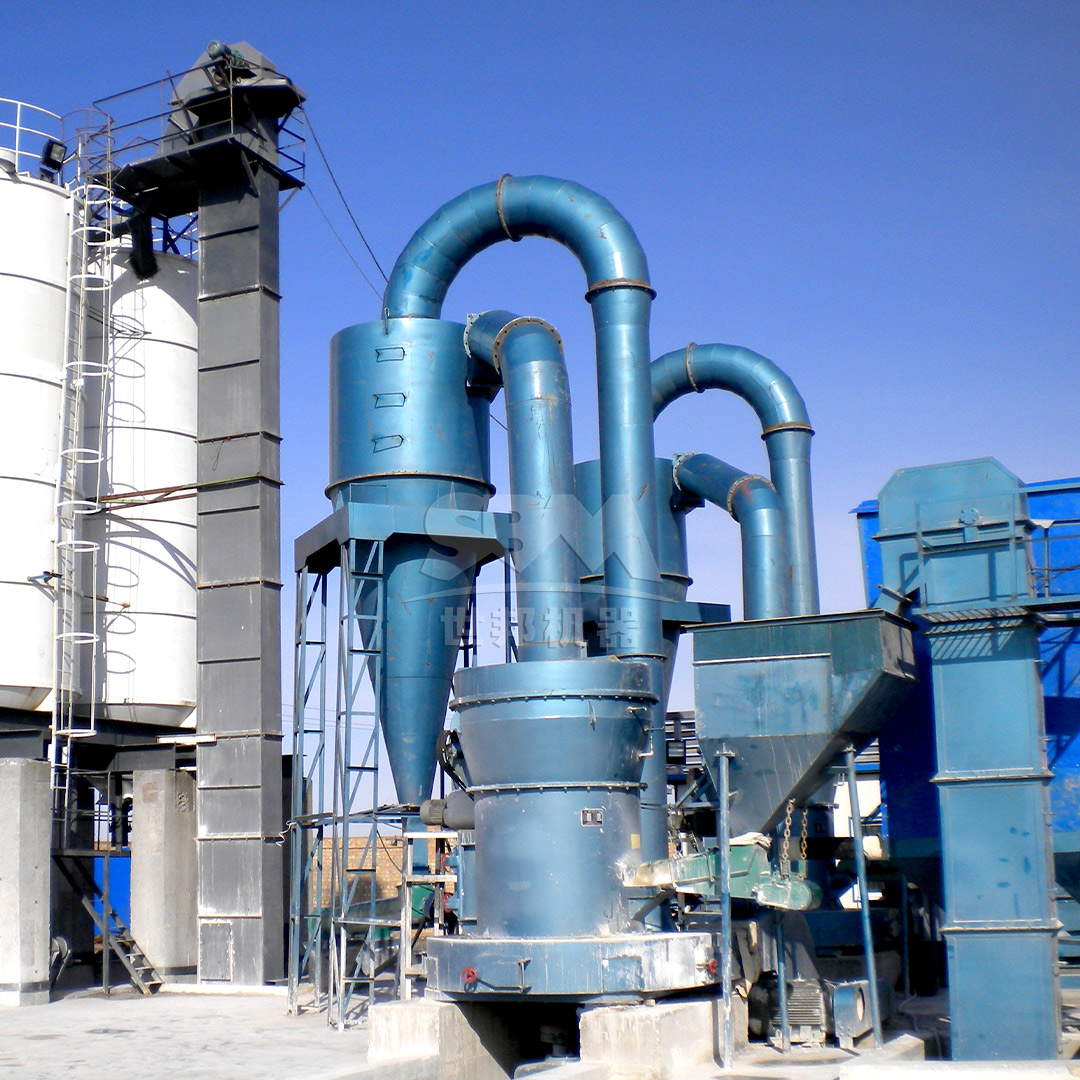
The selection of a grinding mill for dolomite rubber additive production is a multifaceted decision that hinges on precise product specifications, production scale, and economic objectives. While traditional mills like Ball Mills or Raymond Mills have their place, the advanced capabilities of the SCM Ultrafine Mill for producing superior, ultrafine powders and the high-efficiency, large-scale performance of the MTW European Trapezium Mill represent the forefront of technology for this application. By carefully aligning your process requirements with the strengths of these engineered solutions, you can optimize product quality, enhance rubber compound performance, and secure a strong return on investment in your production line.