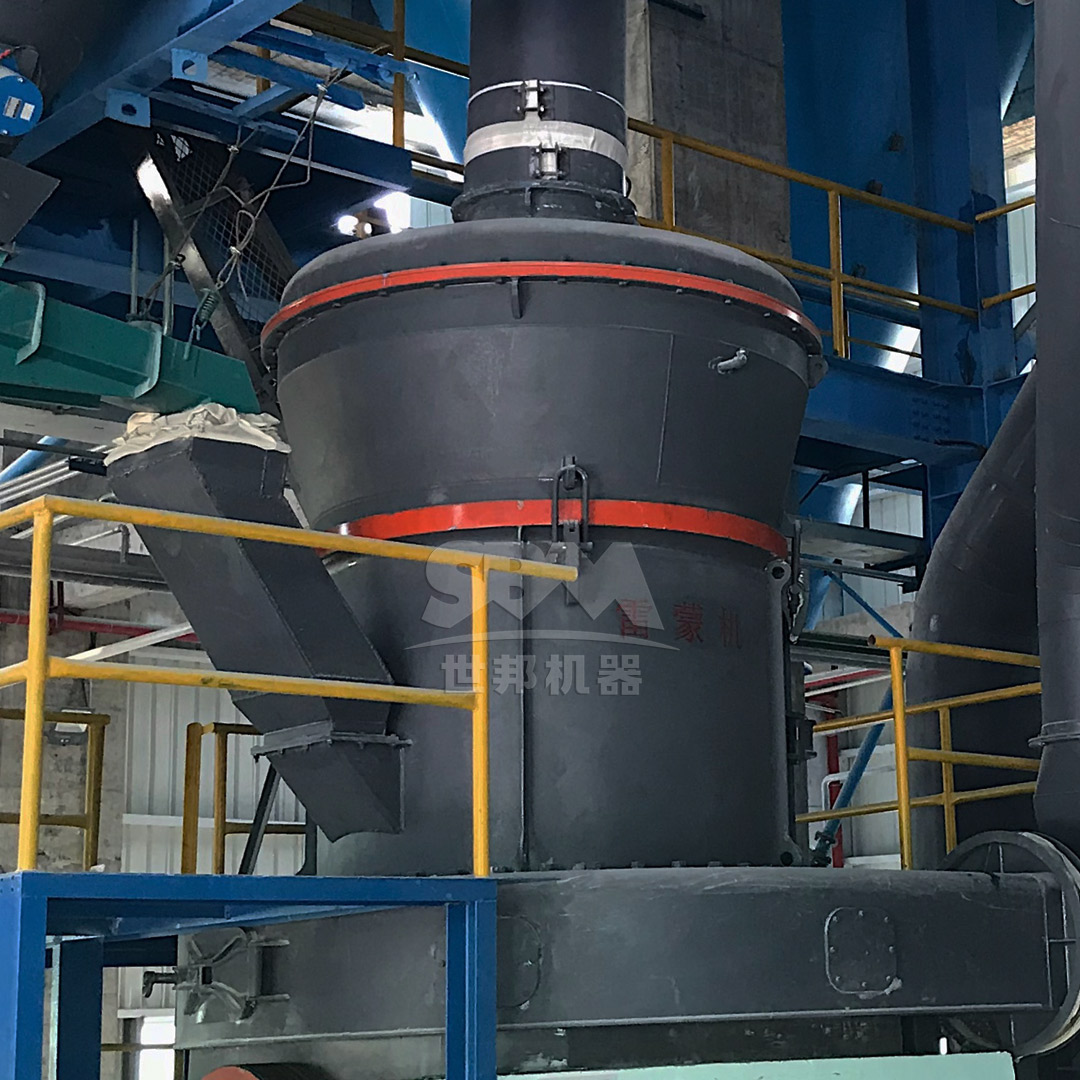
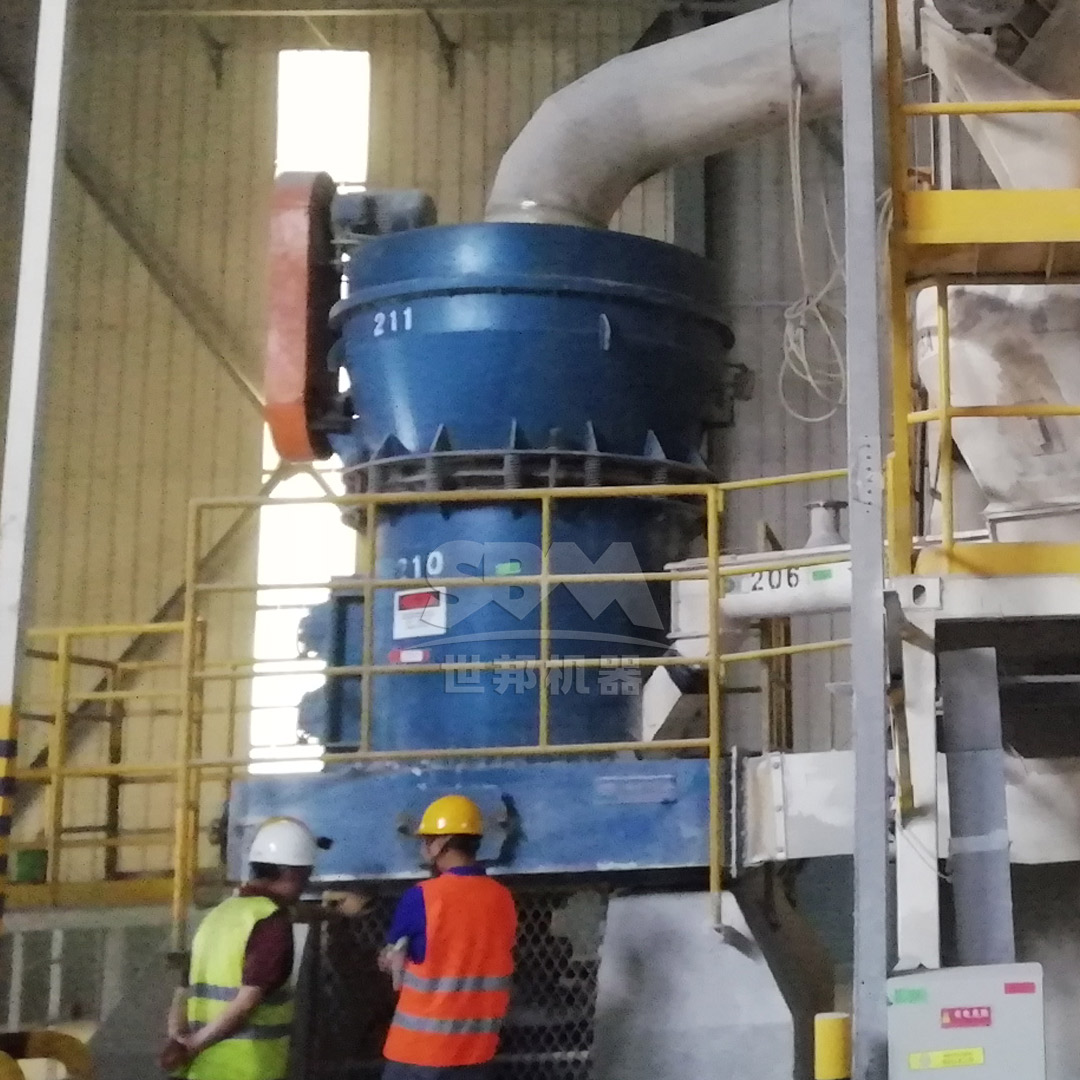
The production of high-performance ceramic additives demands kaolin of exceptional purity, whiteness, and, most critically, precise particle size distribution. The grinding process is the cornerstone of achieving these properties, directly influencing the final ceramic product’s density, strength, translucency, and firing behavior. Selecting the optimal grinding mill is therefore not merely an equipment purchase but a strategic decision impacting product quality, production efficiency, and operational costs. This guide provides a comprehensive framework for choosing the best kaolin grinding mill, focusing on key technical parameters and aligning them with your specific production goals for ceramic additives.
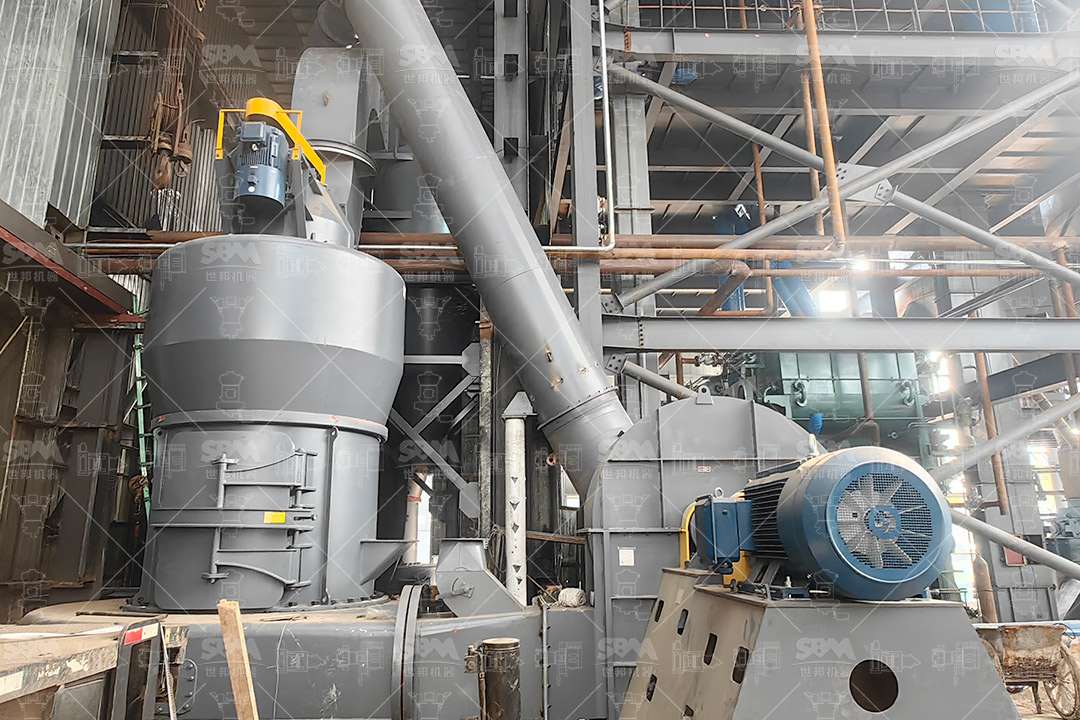
Before evaluating any mill, you must clearly define the target specifications for your ground kaolin.
With your specifications in hand, evaluate mills against these critical criteria.
| Selection Criterion | Importance for Ceramic Kaolin | Key Questions to Ask |
|---|---|---|
| Final Fineness & Adjustability | Directly determines additive functionality in the ceramic matrix. | Can the mill reliably and consistently achieve my target fineness? How easy is it to adjust the PSD? |
| Classification Efficiency | Ensures no oversized particles spoil the ceramic surface or density. | What type of classifier does it use? What is the cut sharpness? Is there a risk of coarse powder mixing? |
| Energy Efficiency (kWh/Ton) | Grinding is energy-intensive. Lower specific energy consumption drastically reduces operating costs. | What is the specific power consumption at my target fineness? How does it compare to other technologies? |
| Wear & Contamination | Must protect kaolin whiteness. Wear debris (e.g., iron) causes discoloration and defects in fired ceramics. | What are the grinding elements made of? What is the service life? Is the system fully sealed? |
| System Integration & Footprint | Affects plant layout and auxiliary equipment needs (crusher, dryer, collector). | Does it require pre-crushing? Does it integrate drying and collection? What is the total space requirement? |
| Automation & Control | Ensures batch-to-batch consistency, reduces operator error, and optimizes performance. | Does it feature PLC control with feedback loops? Can fineness be monitored and adjusted in real-time? |
Different mill types offer distinct advantages for various stages of kaolin processing.
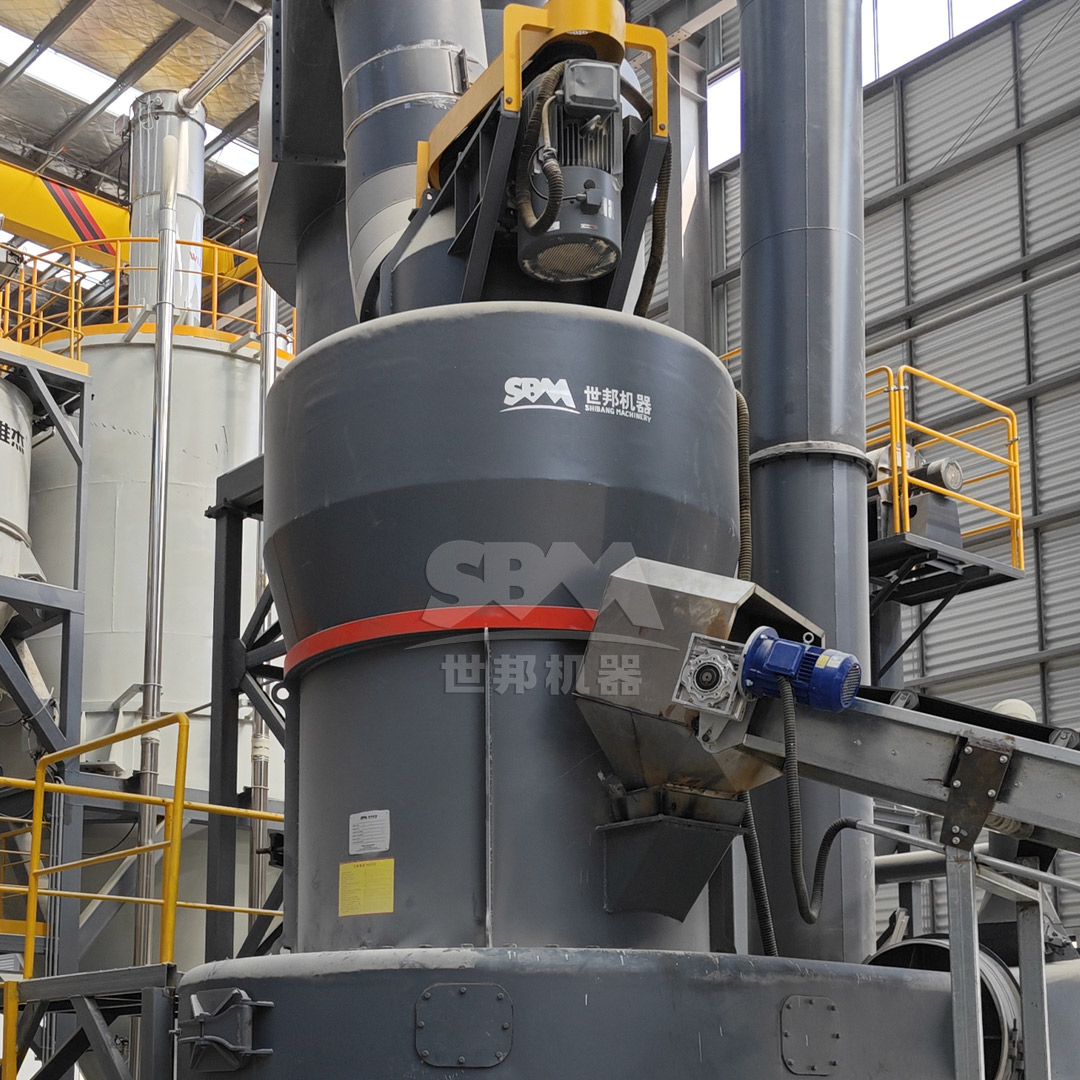
For manufacturers targeting the premium segment of ceramic additives—where enhanced strength, superior surface finish, and controlled reactivity are demanded—ultrafine kaolin is non-negotiable. Here, specialized ultrafine mills are essential. The SCM Series Ultrafine Mill is engineered precisely for this task. It represents a significant leap over traditional jet mills in energy efficiency, offering up to 30% lower consumption while doubling the capacity. Its core strength lies in the high-precision vertical turbine classifier, which ensures a sharp particle cut and delivers a uniform product with no coarse powder mixing—a critical factor for defect-free ceramics. Furthermore, its special material rollers and rings, coupled with a fully sealed, negative-pressure system with pulse dust collection, guarantee the product’s whiteness and purity are maintained throughout the process. For producing kaolin additives in the 325-2500 mesh (5-45μm) range with exceptional consistency, the SCM Series is an outstanding solution.
| Model | Capacity (t/h) | Output Fineness | Main Power (kW) | Ideal Application |
|---|---|---|---|---|
| SCM800 | 0.5 – 4.5 | 325-2500 mesh | 75 | Pilot plant, specialty glaze additives |
| SCM1000 | 1.0 – 8.5 | 325-2500 mesh | 132 | Mid-scale production of fine ceramic body fillers |
| SCM1680 | 5.0 – 25 | 325-2500 mesh | 315 | Large-scale production of ultrafine kaolin for advanced ceramics |
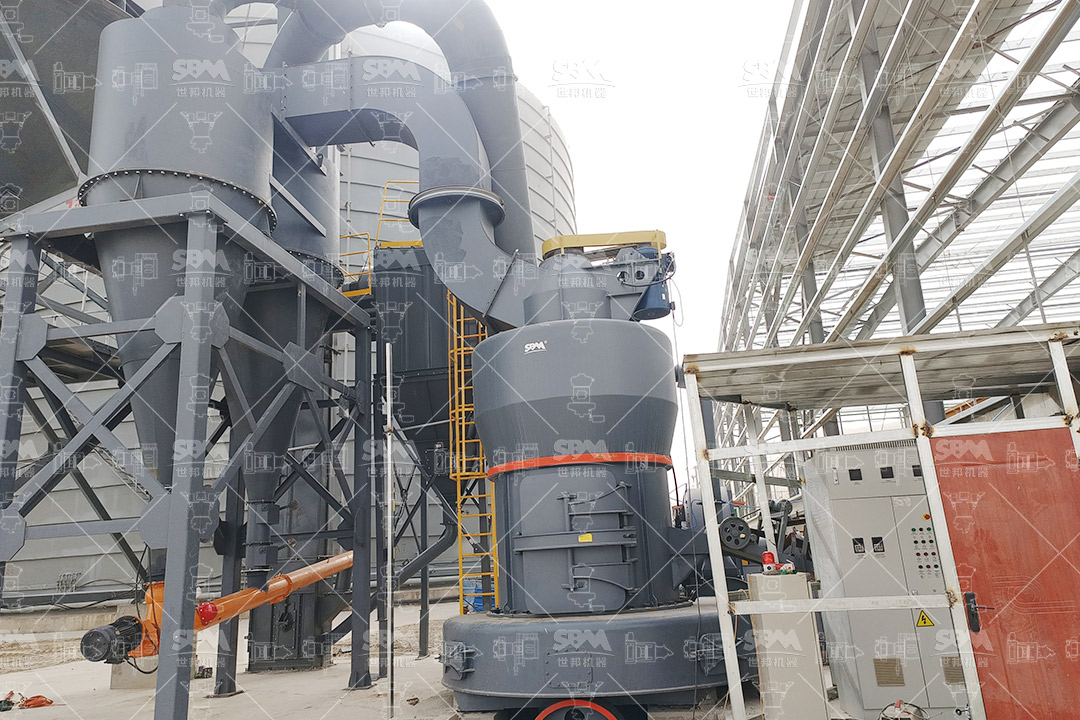
Selecting the ideal kaolin grinding mill for ceramic additive production is a multifaceted process that balances technical specifications, operational economics, and long-term strategic goals. For high-volume production of standard filler-grade kaolin, advanced roller mills like the MTW Series or LM Vertical Roller Mill offer an excellent blend of efficiency, reliability, and low contamination. However, for producers aiming at the high-value, performance-driven market of advanced ceramics, where ultrafine particle size and impeccable purity define the product, investing in a dedicated ultrafine grinding system like the SCM Series Ultrafine Mill is the definitive path to achieving superior product characteristics and maintaining a competitive edge. A thorough analysis, backed by practical grinding tests, will ensure your investment delivers the precise kaolin quality your ceramic formulations require.