How to Choose the Best Production Equipment for Dolomite Additives in Ceramics

How to Choose the Best Production Equipment for Dolomite Additives in Ceramics

Introduction

The strategic incorporation of dolomite (CaMg(CO3)2) as an additive in ceramic formulations is a well-established practice to enhance product properties. Its primary roles include acting as a flux to lower firing temperatures, improving mechanical strength, reducing thermal expansion, and promoting the formation of desirable crystalline phases like anorthite. However, the efficacy of dolomite is intrinsically linked to its physical characteristics—most critically, its particle size distribution (PSD), purity, and morphology. Achieving the optimal specifications requires a meticulous selection of production equipment, balancing technical requirements with economic and operational feasibility. This guide provides a comprehensive framework for selecting the ideal grinding and processing system for dolomite additives in ceramic applications.

1. Defining Your Dolomite Specifications: The Starting Point

Before evaluating any equipment, you must clearly define the target specifications for your dolomite powder, which are dictated by your ceramic body or glaze recipe.

1.1 Key Parameters to Determine
  • Fineness (Mesh/Microns): This is the most critical factor. Coarser grinds (e.g., 100-325 mesh) may be suitable for some body compositions, while ultrafine powders (800-2500 mesh) are essential for high-performance glazes, engobes, and advanced technical ceramics to ensure homogeneity and reactivity.
  • Particle Size Distribution (PSD): A narrow, consistent PSD is often more important than absolute fineness. A wide PSD can lead to uneven sintering, density variations, and defects. The equipment’s classification efficiency is paramount here.
  • Production Capacity (TPH): Define your required hourly or annual output to scale your equipment choice appropriately.
  • Moisture Content & Feed Size: Understand the characteristics of your raw dolomite feed (maximum lump size, moisture) as this dictates necessary pre-crushing and drying stages.
  • Contamination Tolerance: Ceramic processes are sensitive to iron and other metallic contaminants. Equipment must be designed to minimize wear-induced contamination.
Ceramic Application Typical Dolomite Fineness Range Key Property Influence
Sanitaryware & Tableware Bodies 200 – 600 mesh Fluxing, strength, whiteness
Floor & Wall Tile Bodies 100 – 325 mesh Lower firing temperature, dimensional stability
Glazes & Engobes 800 – 2500 mesh (5-20μm) Surface smoothness, gloss, chemical durability
Advanced Technical Ceramics 2500+ mesh (<5μm) Sintering aid, phase purity, microstructure control
2. Core Equipment Selection: Matching Technology to Requirement

The heart of a dolomite processing line is the grinding mill. The choice depends on the target fineness, capacity, and desired PSD.

2.1 For Coarse to Medium Fineness (30-325 Mesh / 600-45μm)

If your production targets standard ceramic body applications, robust and high-capacity mills are ideal.
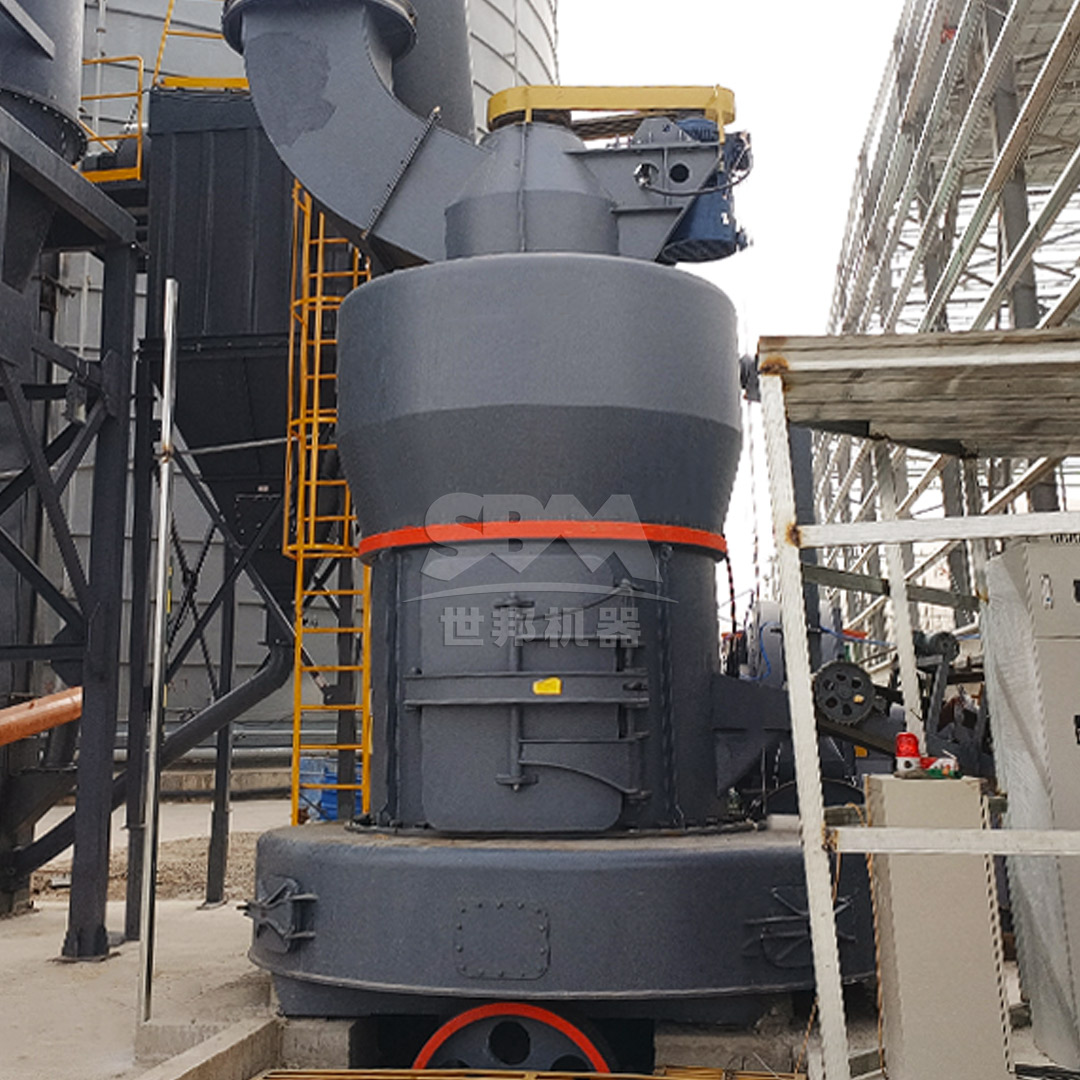
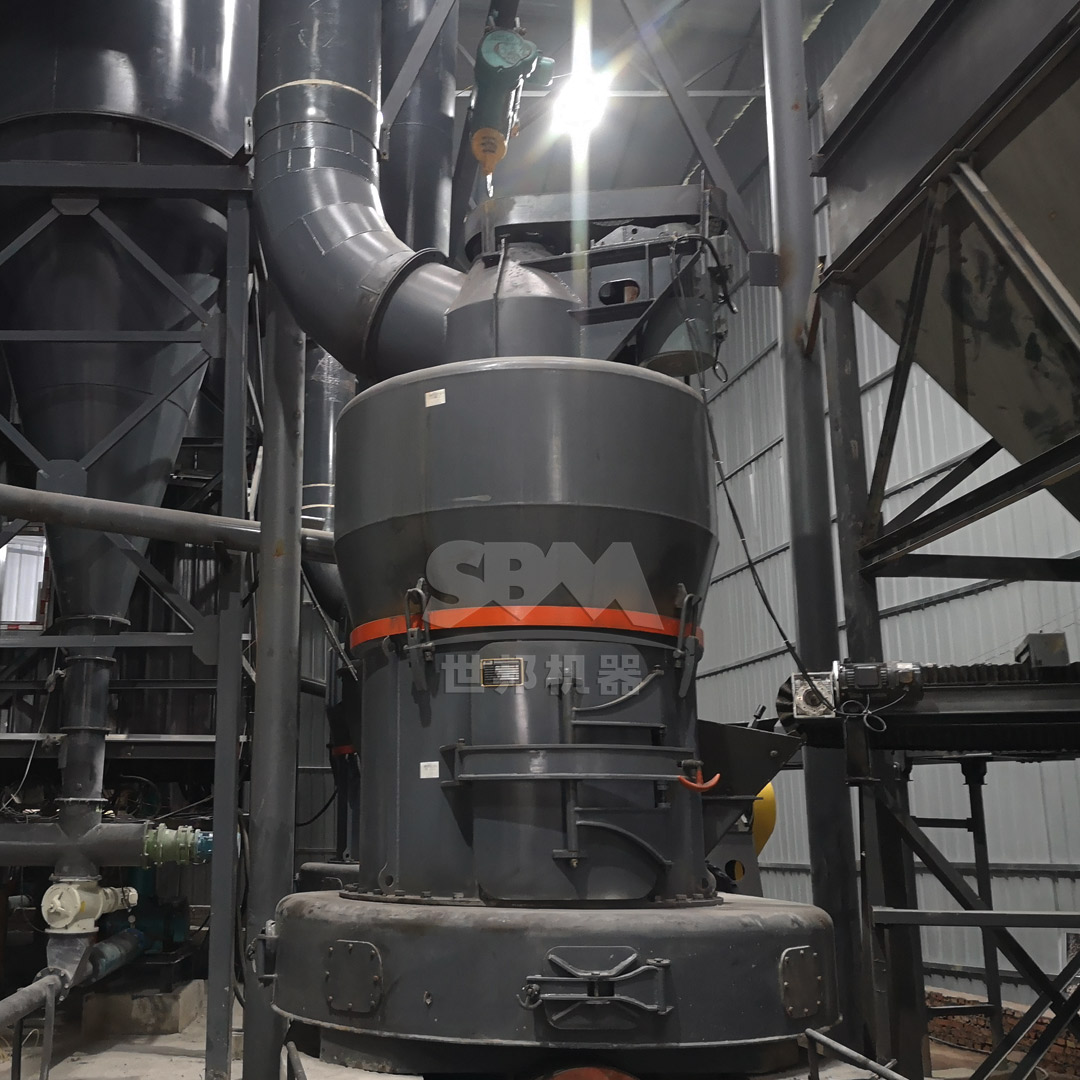
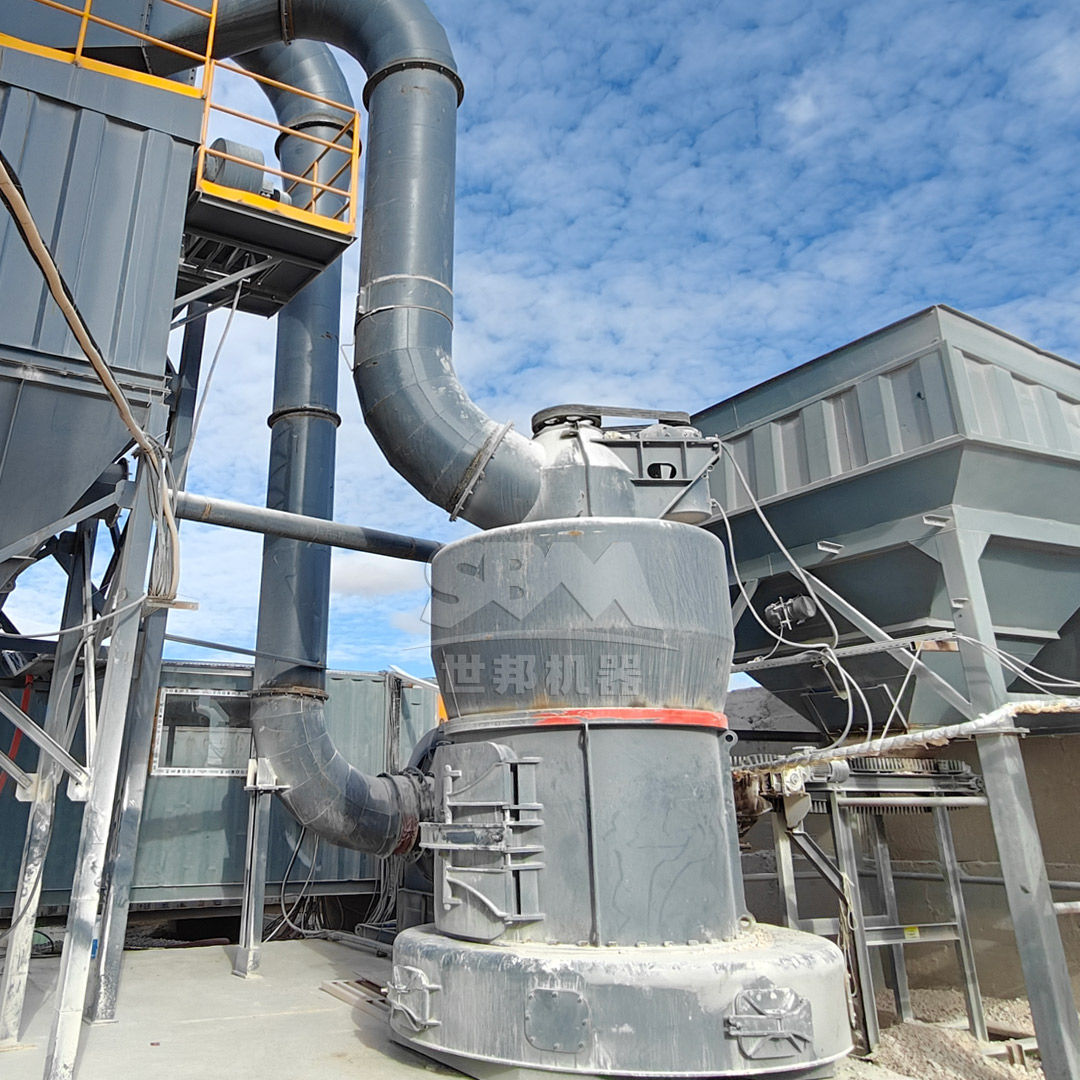
  • Vertical Roller Mills (VRM): Exemplified by our LM Series Vertical Roller Mill, this technology is excellent for large-scale production. It integrates grinding, drying (if equipped with a hot air generator), and classification in a single unit. Its bed-grinding principle offers high energy efficiency (30-40% lower than ball mills) and low wear rates. The intelligent control system ensures stable output quality. For dolomite requiring capacities from 3 to over 250 TPH at 30-325 mesh fineness, the LM Series is a top-tier, cost-effective solution.
  • European Trapezium Mills: Our MTW Series mill is another superb choice for this range. Its bevel gear integral transmission (98% efficiency), anti-wear shovel design, and optimized air duct system make it highly reliable and efficient for producing consistent dolomite powder at capacities of 3-45 TPH. It’s particularly suited for operations seeking a balance of performance, lower initial investment, and ease of maintenance.

\"A

2.2 For Fine to Ultrafine Fineness (325-2500 Mesh / 45-5μm)

Producing dolomite for glazes and high-end ceramics demands technology capable of precise particle size cutting and energy-efficient ultrafine grinding.

  • Ultrafine Vertical Roller Mills: Our LUM Ultrafine Vertical Roller Mill is engineered for this demanding application. It combines efficient grinding with a highly precise multi-rotor classifier, ensuring a narrow PSD with no coarse particle contamination. Its fully sealed negative pressure operation guarantees an environmentally clean workshop, a critical factor for ceramic powder handling.
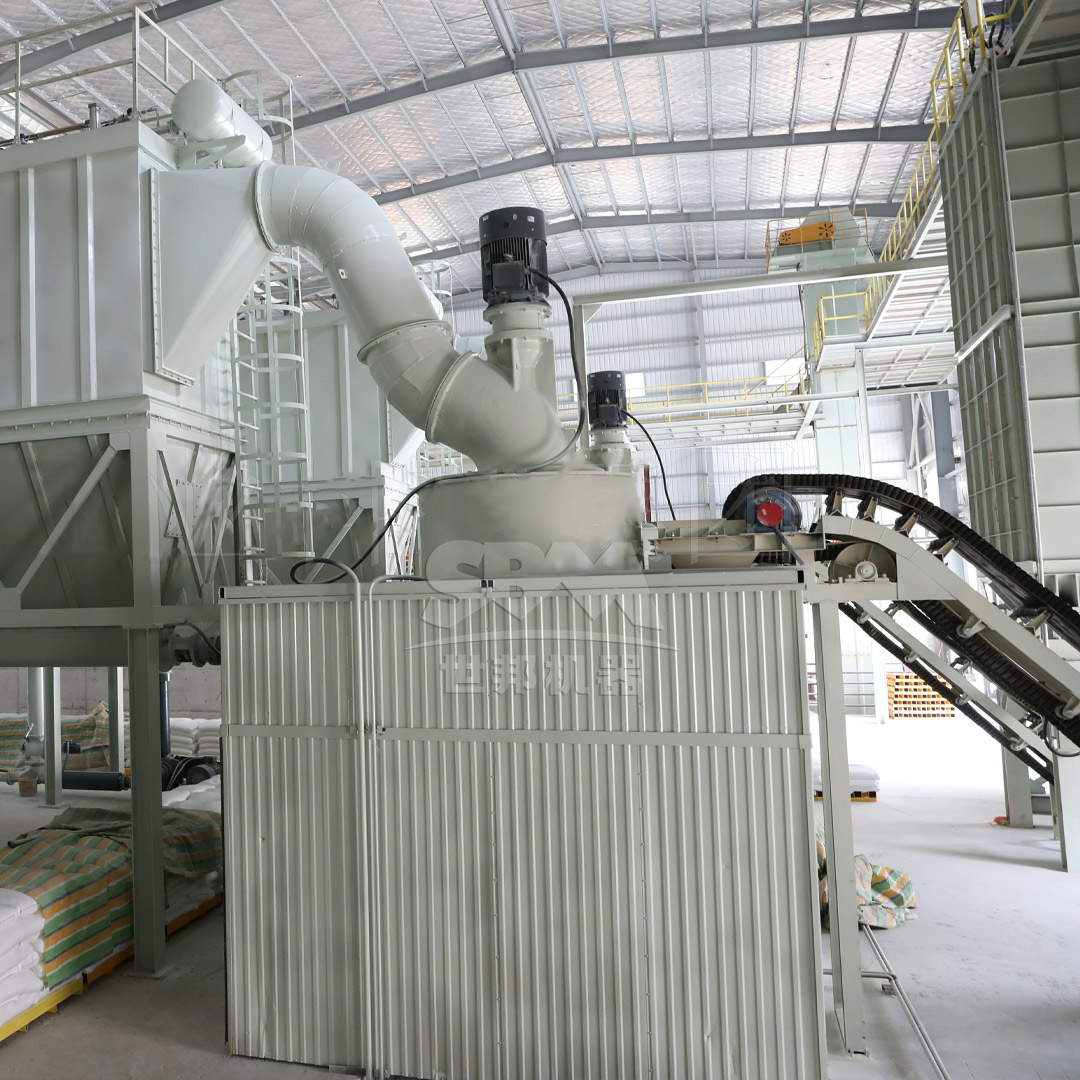
  • Ultrafine Ring Roller Mills: The flagship solution for high-value, ultrafine dolomite is our SCM Series Ultrafine Mill. This mill is specifically designed to achieve fineness between 325 and 2500 mesh (45-5μm). Its technical advantages are perfectly aligned with ceramic industry needs:
    • High-Precision Classification: The vertical turbine classifier provides exact particle size cutting, delivering the uniform powder essential for defect-free glaze surfaces.
    • High Efficiency & Energy Saving: With capacity double that of traditional jet mills and 30% lower energy consumption, it offers superior operational economics.
    • Durable & Eco-friendly: Special material rollers and rings resist wear, while the pulse dust collection system exceeds international emission standards.

    For a ceramic producer aiming to manufacture premium glaze-grade dolomite additive with capacities from 0.5 to 25 TPH, the SCM Series Ultrafine Mill represents an optimal technological investment.
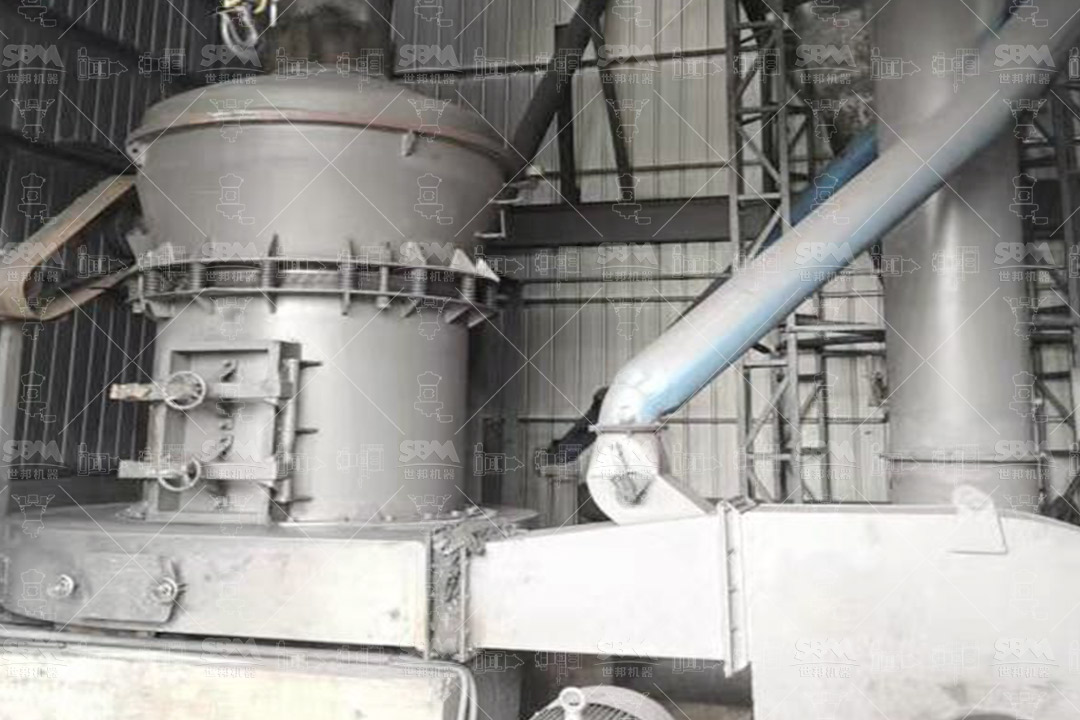
2.3 Ancillary Equipment Considerations
  • Pre-Crushing: A jaw crusher or hammer mill (like our PC Series Hammer Mill) to reduce raw dolomite to the required feed size (typically <20mm or <50mm).
  • Feeding System: Vibrating or screw feeders for stable and controlled material input.
  • Classification: While often integrated, standalone air classifiers can be used for final product refinement.
  • Dust Collection: A mandatory system (e.g., pulse bag filter) to ensure a clean plant and recover product.
  • Packaging & Storage: Automated packing systems and silos with aeration to prevent caking.

\"Close-up

3. Decision Matrix: Evaluating Beyond Technical Specs

Technical capability must be weighed against other vital factors.

Evaluation Factor Questions to Ask Impact on Choice
Total Cost of Ownership (TCO) What are the energy costs per ton? Wear part lifespan and cost? Maintenance labor requirements? VRMs and SCM mills often have higher capex but lower opex due to energy and wear efficiency.
Footprint & Installation What is the available plant space? Does the system require complex foundations? Integrated mills (LM, LUM, SCM) save significant space. VRMs may allow outdoor installation.
Operational Flexibility How quickly can fineness be adjusted? Can it handle slight variations in feed moisture/hardness? Mills with dynamic classifiers (SCM, LUM, MTW) offer quick adjustment. Systems with drying capability add flexibility.
Environmental Compliance What are the guaranteed dust emission and noise levels? Modern mills with integral pulse filters and soundproof designs (like the SCM Series) are essential for strict compliance.
Supplier Support & Expertise Does the supplier offer process design, installation support, and readily available spare parts? Choosing a supplier with proven ceramic mineral experience reduces project risk and ensures long-term reliability.
4. Recommended Workflow for Selection
  1. Benchmarking & Testing: Provide your raw dolomite and target specs to potential suppliers. Reputable manufacturers like us offer test grinding services to generate sample product and confirm equipment suitability.
  2. Pilot-Scale Validation: For large-scale projects, consider running a pilot trial with the shortlisted mill technology to gather definitive data on yield, energy use, and product quality.
  3. Holistic System Design: Evaluate the complete system proposal—from feed hopper to product silo—ensuring all components are correctly sized and integrated.
  4. Lifecycle Cost Analysis: Model the 5-10 year TCO for different options, factoring in energy, maintenance, and potential downtime.

\"Microscopic

Conclusion

Selecting the best production equipment for dolomite additives is not merely about buying a grinder; it’s about investing in a precision manufacturing process that safeguards the quality of your final ceramic products. The decision must bridge the gap between ceramic chemistry requirements and mechanical engineering capabilities. For high-volume, coarse-to-medium grinding, our LM Vertical Roller Mill or MTW European Trapezium Mill offer unbeatable efficiency and reliability. For the critical production of ultrafine, high-purity dolomite essential for superior glazes and advanced ceramics, our SCM Series Ultrafine Mill stands out with its precise classification, energy savings, and clean operation. By following a structured selection process that prioritizes both product specifications and total operational value, ceramic manufacturers can secure a processing solution that delivers consistent quality, optimizes costs, and supports innovation for years to come.