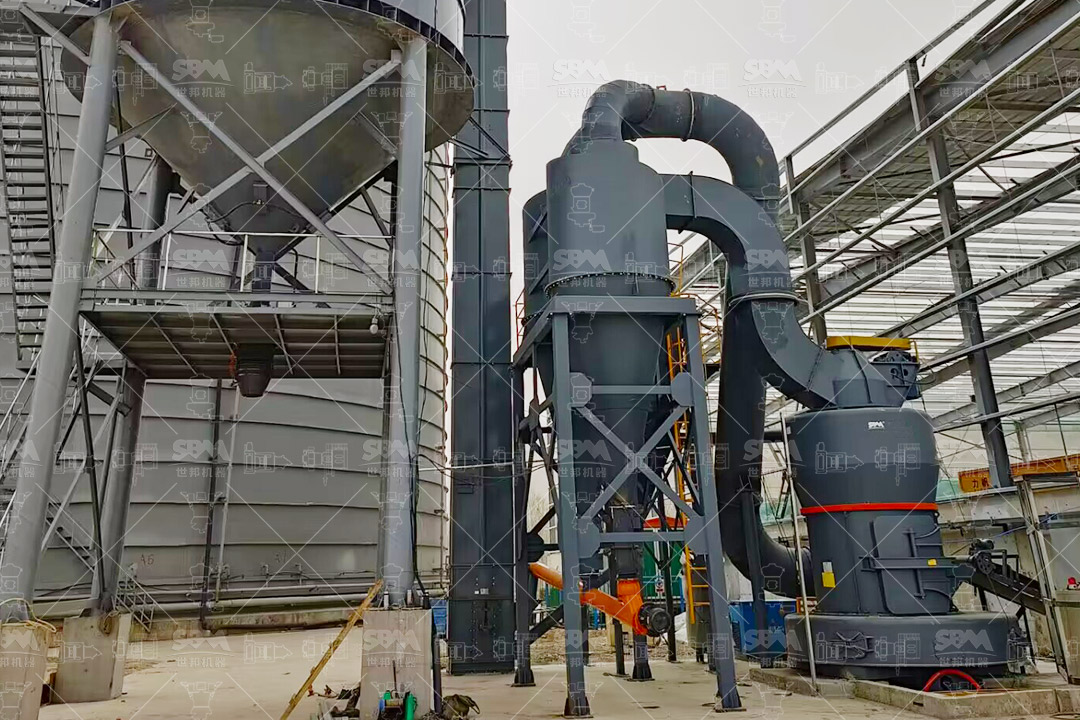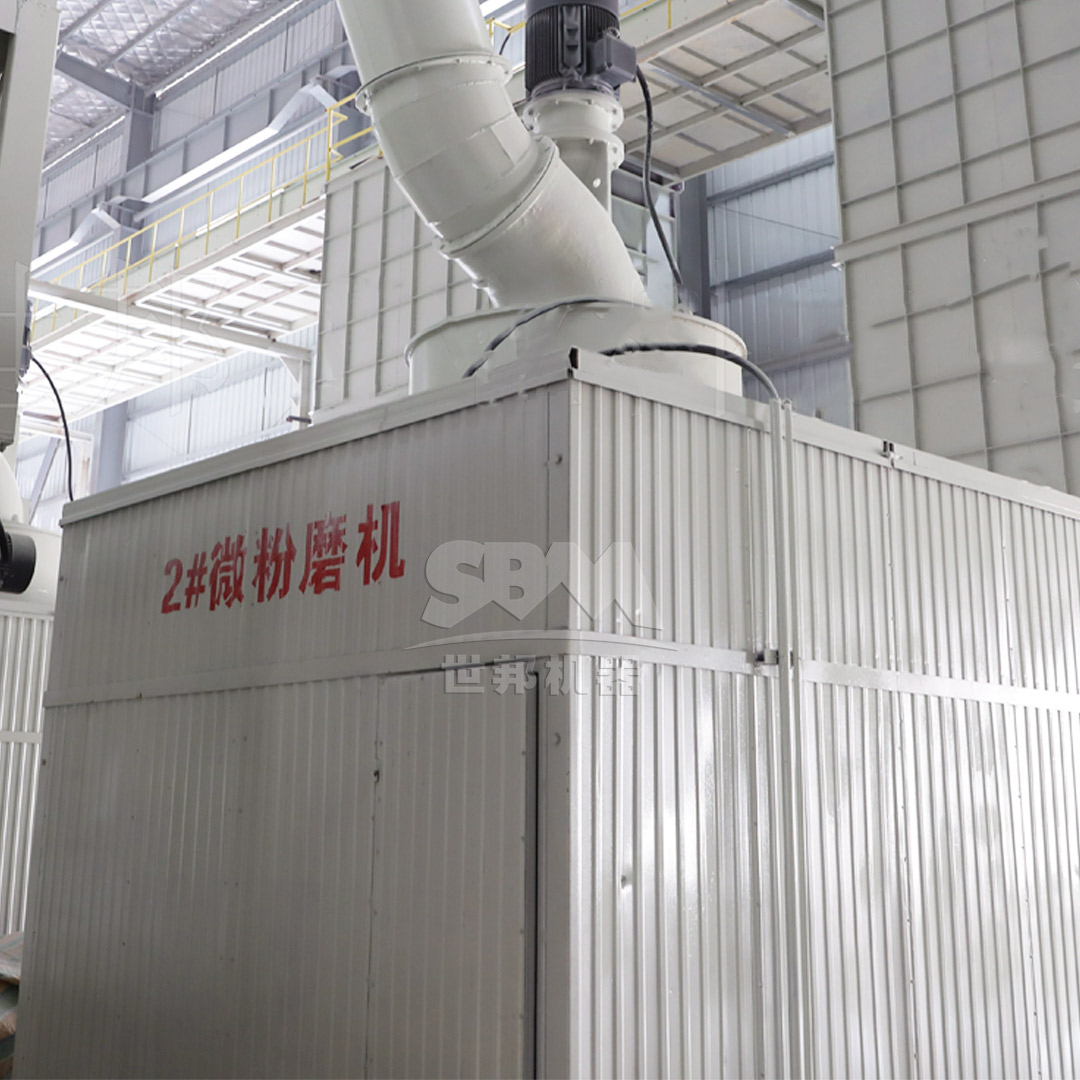
The quality of raw materials is paramount in glass manufacturing, directly influencing the clarity, strength, and thermal properties of the final product. Talc, a hydrous magnesium silicate, is a critical additive used to improve thermal shock resistance, reduce devitrification, and enhance the overall workability of glass batches. The efficacy of talc in the glass matrix is heavily dependent on its particle size, purity, and consistency, all of which are determined by the grinding process. Selecting the optimal grinding mill is therefore not merely an equipment choice but a strategic decision impacting product quality, production efficiency, and operational costs. This guide provides a comprehensive framework for evaluating and selecting the best talc grinding mill for your glass manufacturing needs.
Before delving into mill types, it is essential to define the non-negotiable parameters for talc used in glassmaking.
For most glass applications, talc must be ground to a very fine powder. A target fineness between 325 mesh (45μm) and 1250 mesh (10μm) is common. Ultrafine particles (below 10μm) ensure rapid and uniform melting within the glass batch, preventing defects like seeds (small bubbles) or cords (unmelted streaks). The mill must deliver a narrow particle size distribution to ensure batch homogeneity.
Talc must be free from metallic contaminants (especially iron) that can cause discoloration in glass. The grinding mill should be constructed with wear-resistant, non-contaminating materials and feature effective sealing to prevent the introduction of external impurities from the grinding mechanism itself.
The mill’s throughput (tons per hour) must align with your plant’s batch preparation schedule. It should also offer scalability options to accommodate future production increases without requiring a complete system overhaul.
Grinding is an energy-intensive process. Selecting a mill with high grinding efficiency and low specific energy consumption (kWh/ton) is crucial for managing long-term operational expenses and reducing the carbon footprint.
The ideal mill system integrates grinding, classification, and dust collection seamlessly. It must operate under negative pressure to contain dust, meet stringent emission standards, and maintain a clean plant environment. Low noise operation is also a significant factor for worker safety and regulatory compliance.
Different mill technologies offer varying advantages for talc processing. The following table provides a high-level comparison.
| Mill Type | Typical Output Range | Key Advantages for Talc | Potential Limitations | Suitability for Glass-Grade Talc |
|---|---|---|---|---|
| Ball Mill | 0.074-0.8mm (200-20 mesh) | Proven technology, high capacity, wet/dry grinding. | Limited to relatively coarse grinding, high energy consumption, potential for iron contamination from media. | Low. Generally too coarse for direct use; may require secondary fine grinding. |
| Raymond Mill (MTW/MTM) | 45-325 mesh (600-45μm) | Reliable, cost-effective for medium-fine grinding, good capacity. | Lower limit for fineness may not meet high-end glass requirements. | Medium. Suitable for standard container or float glass where ultrafine talc is not critical. |
| Vertical Roller Mill (LM Series) | 30-600 mesh (45-20μm) | Excellent energy efficiency (~30-40% less than ball mills), integrated drying/grinding, large capacity. | Initial investment can be higher; optimization required for very narrow PSD. | High. Excellent for high-volume production of consistently fine talc. |
| Ultrafine Mill (SCM/LUM Series) | 325-2500 mesh (45-5μm) | Produces the finest powder, precise particle size control, high classification efficiency, eco-friendly. | Higher specific investment for ultrafine range. | Very High. Ideal for high-performance glass (e.g., optical, pharmaceutical) requiring ultrafine, contaminant-free talc. |
Based on the stringent requirements of the glass industry, two mill series stand out as optimal solutions, each catering to different production scales and fineness targets.
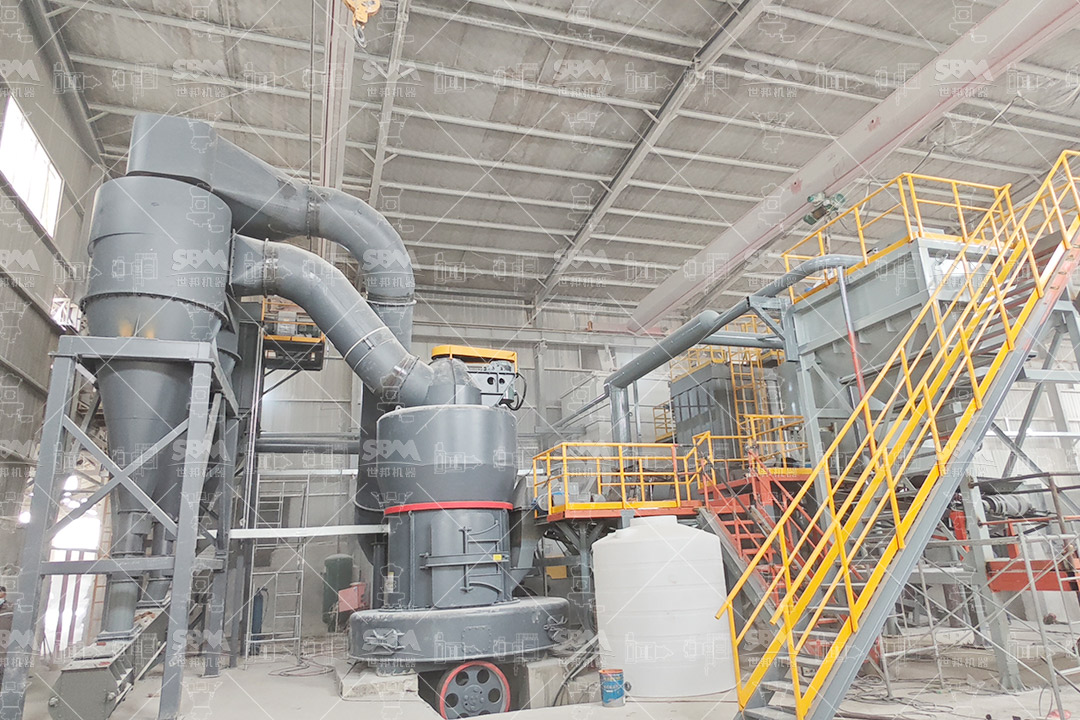
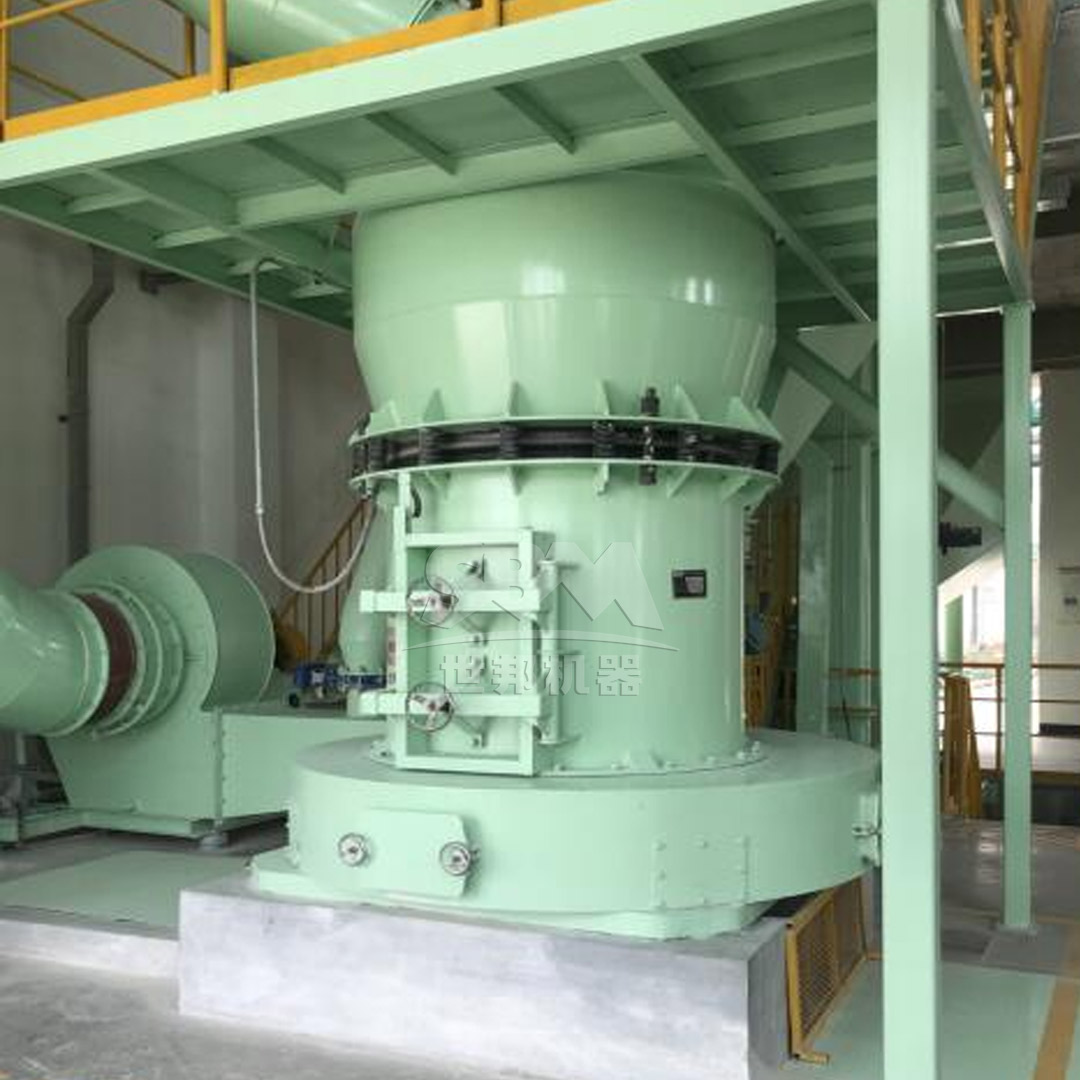
When your operation demands large volumes of consistently fine talc (e.g., for float glass or fiberglass production), the LM Series Vertical Roller Mill is an outstanding choice. Its integrated design combines crushing, grinding, drying, and classification in a single compact unit, reducing footprint by up to 50%.
Why it’s ideal for talc:
For glass manufacturers prioritizing throughput, energy savings, and reliable production of fine talc, the LM Vertical Roller Mill represents a future-proof investment.
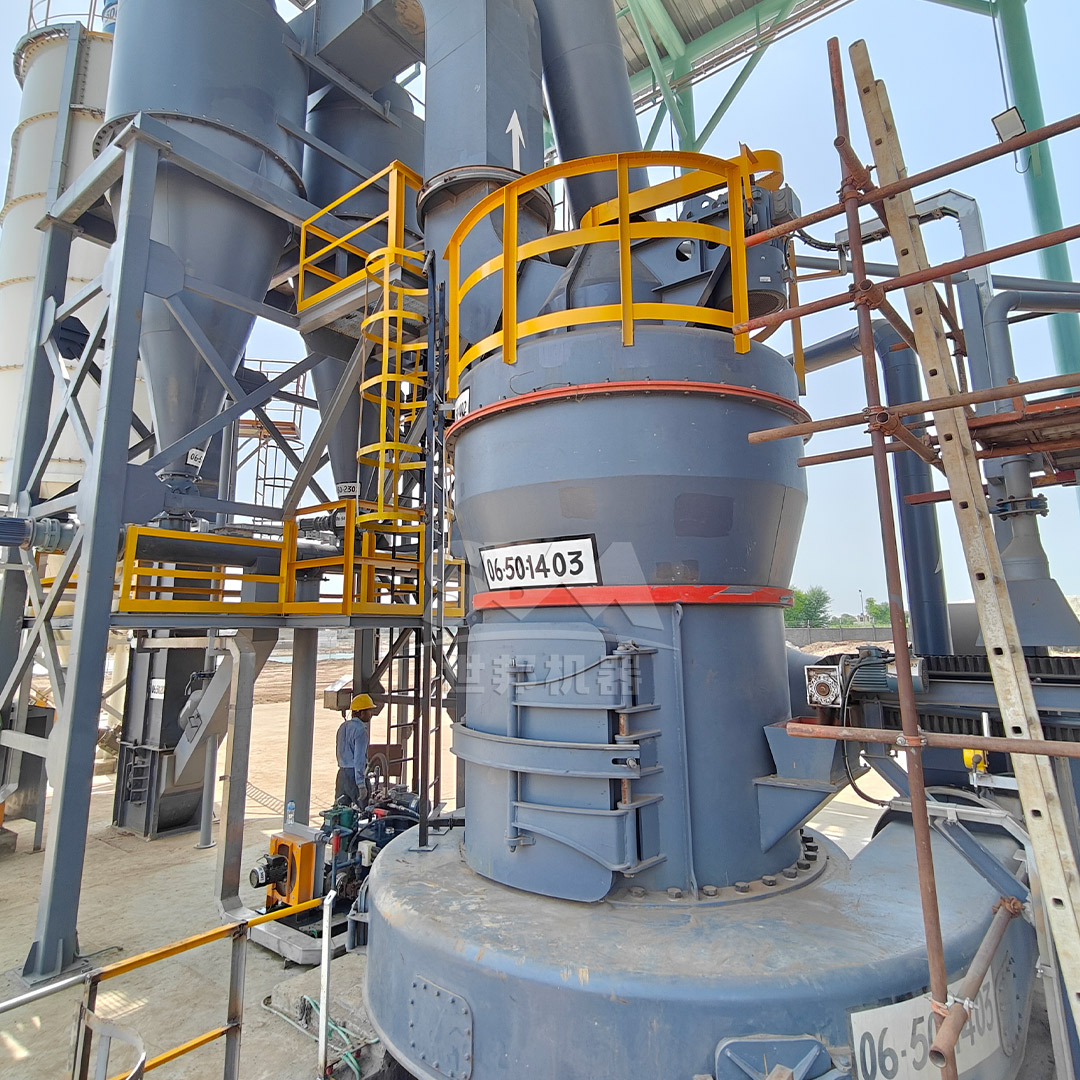
For manufacturers of specialty glass—such as optical lenses, LCD panels, or laboratory glassware—where ultrafine particle size and exceptional purity are non-negotiable, the SCM Series Ultrafine Mill is the definitive solution. This mill is engineered to produce talc powder in the range of 325 to 2500 mesh (45 to 5μm).
Why it’s the top choice for high-end glass:
| Model | Capacity (t/h) | Main Power (kW) | Output Fineness | Ideal Application |
|---|---|---|---|---|
| SCM800 | 0.5 – 4.5 | 75 | 325 – 2500 mesh | Pilot plants, specialty glass |
| SCM1000 | 1.0 – 8.5 | 132 | Medium-scale optical glass | |
| SCM1250 | 2.5 – 14 | 185 | High-quality container glass | |
| SCM1680 | 5.0 – 25 | 315 | Large-volume specialty glass |
By choosing the SCM Ultrafine Mill, glass manufacturers gain a decisive edge in producing superior-grade glass with enhanced optical and mechanical properties.
Use this checklist to guide your decision-making process:
Final Recommendation:
Investing time in a thorough technical evaluation against these criteria will ensure you select a grinding mill that not only meets your specifications but also becomes a reliable cornerstone of your high-quality glass manufacturing process for years to come.