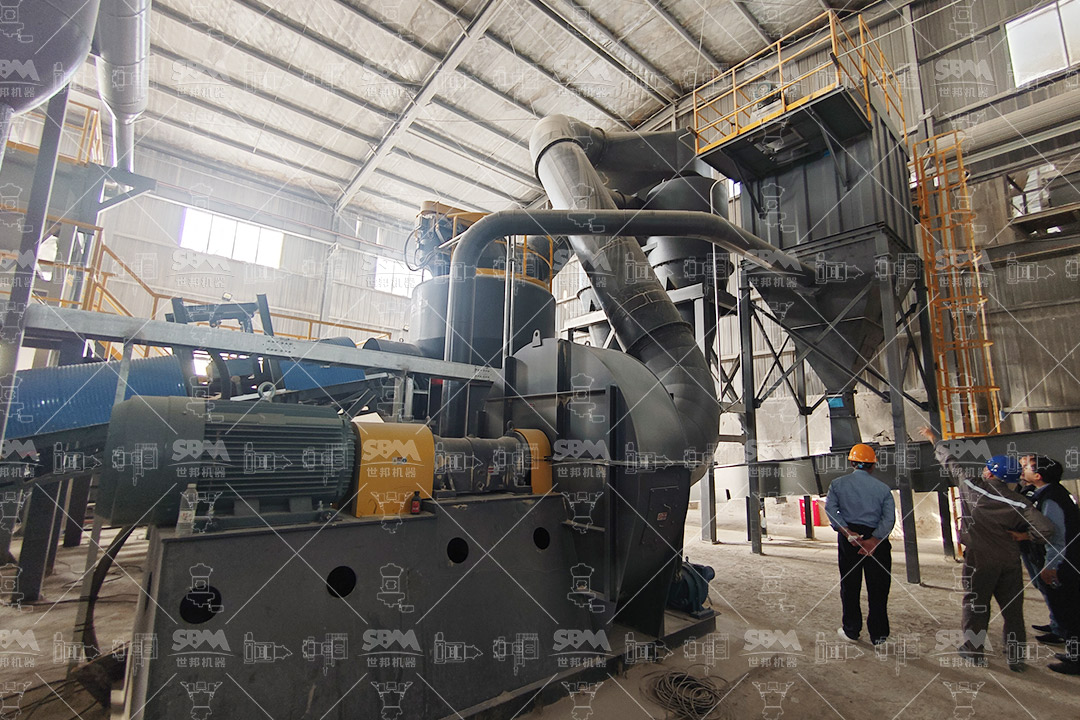
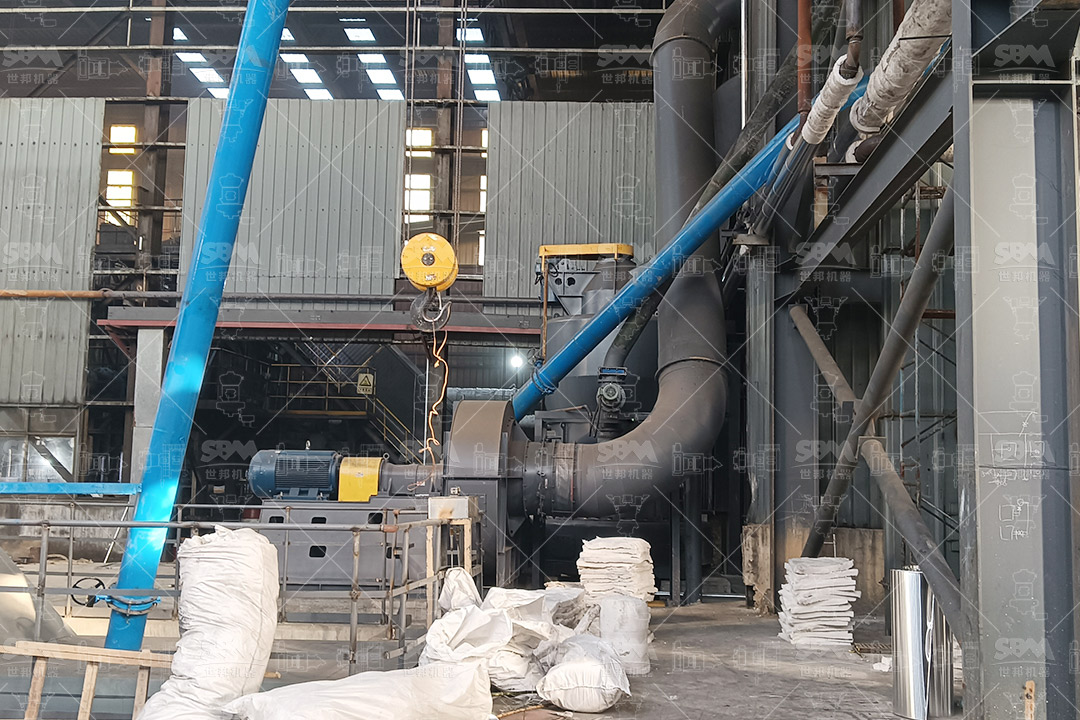
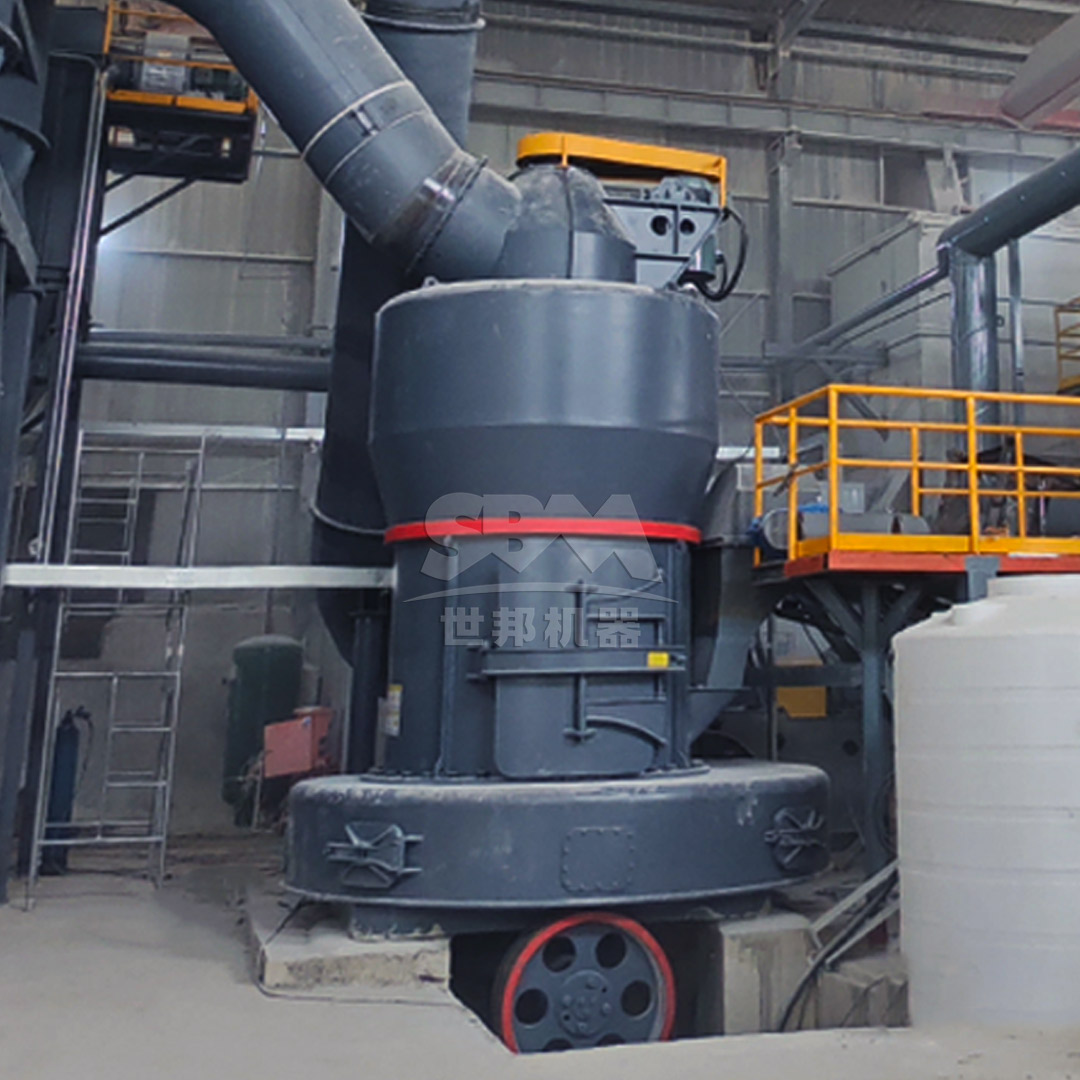
Bentonite, a naturally occurring clay mineral composed primarily of montmorillonite, has become an essential material in modern soil improvement and geotechnical engineering. Its unique properties—including high swelling capacity, excellent cation exchange capability, and low permeability—make it invaluable for applications ranging from landfill liners and pond seals to foundation stabilization and erosion control. The effectiveness of bentonite in these applications is directly dependent on its particle size distribution and fineness, which determines how efficiently it can disperse and interact with soil particles.
Proper milling of bentonite is crucial because it directly impacts the material’s specific surface area, reactivity, and swelling characteristics. Finely ground bentonite particles disperse more uniformly throughout the soil matrix, creating more effective seals and stabilization. The milling process must achieve the optimal balance between particle size reduction and preserving the mineral’s natural crystalline structure to maintain its beneficial properties.
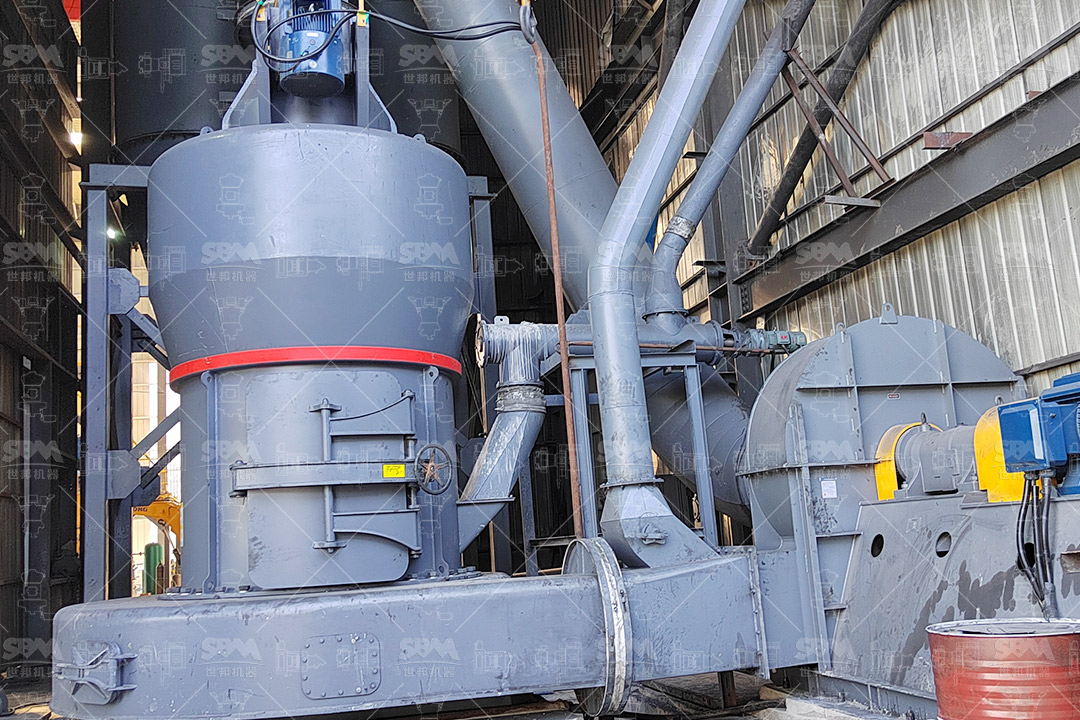
The first consideration when selecting a bentonite milling machine is matching the equipment’s capacity to your project requirements. For small to medium soil improvement projects processing 3-15 tons per hour, medium-capacity mills like the MTW Series or MTM Series are typically sufficient. Large-scale civil engineering projects, such as landfill construction or major earthworks, may require high-capacity systems capable of processing 20-45 tons per hour or more. It’s essential to consider not only current needs but also potential future requirements to avoid costly equipment upgrades.
Bentonite applications demand specific particle size distributions. For most soil sealing applications, a fineness of 200-325 mesh (74-45μm) provides optimal performance. However, advanced applications requiring maximum reactivity and swelling capacity may need ultra-fine bentonite powders reaching 800-2500 mesh (18-5μm). The milling equipment must consistently produce the required particle size distribution with minimal variation to ensure predictable performance in field applications.
Natural bentonite typically contains 10-15% moisture, which can significantly impact milling efficiency. Equipment selection must account for the material’s moisture handling capabilities. Some mills require pre-drying systems, while others can handle moderate moisture content directly. Understanding your bentonite’s natural moisture characteristics and whether you’ll implement pre-processing drying will guide you toward the appropriate milling technology.
Milling operations represent a significant portion of bentonite processing costs. Energy-efficient equipment can reduce operational expenses by 30-50% compared to conventional mills. When evaluating machines, consider not only the initial purchase price but also the long-term operating costs, including power consumption, maintenance requirements, and wear part replacement frequency. Modern mills with advanced grinding mechanisms and intelligent control systems typically offer the best lifetime value.
The physical footprint of milling equipment varies considerably between technologies. Vertical mills typically require less floor space than horizontal configurations, making them suitable for facilities with space constraints. Additionally, consider installation requirements such as foundation strength, ceiling height, and material handling logistics. Some advanced mills offer modular designs that simplify installation and future expansion.
| Technology | Optimal Fineness Range | Capacity Range (t/h) | Power Consumption | Key Applications |
|---|---|---|---|---|
| Ultrafine Mills | 325-2500 mesh (45-5μm) | 0.5-25 | High | High-performance soil seals |
| Trapezium Mills | 30-325 mesh (600-45μm) | 3-45 | Medium | General soil improvement |
| Vertical Roller Mills | 30-325 mesh (600-45μm) | 3-250 | Low-Medium | Large-scale projects |
| Ball Mills | 0.074-0.8mm | 0.65-450 | High | Coarse applications |
Ultrafine mills represent the pinnacle of bentonite milling technology, capable of producing powders with particle sizes as fine as 5μm (D97). These systems employ advanced classification systems that ensure precise particle size control and narrow distribution curves. The SCM Ultrafine Mill series exemplifies this technology, featuring vertical turbine classifiers that achieve accurate particle size cuts without coarse powder contamination. With output fineness ranging from 325 to 2500 mesh and capacities from 0.5 to 25 tons per hour, these mills are ideal for producing high-performance bentonite for critical soil sealing applications where maximum swelling capacity and reactivity are required.
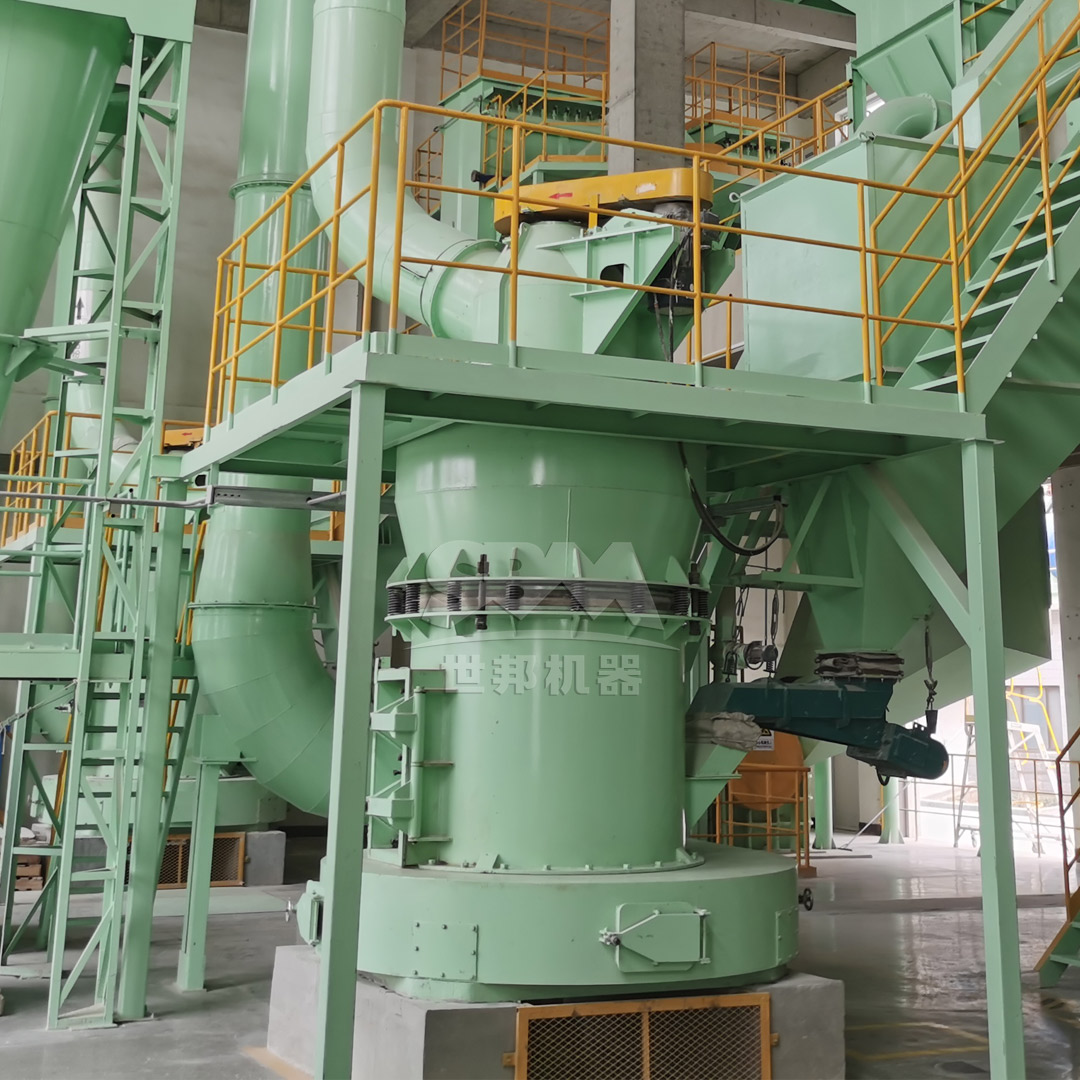
Trapezium mills offer an excellent balance between fineness control, production capacity, and operating costs. The MTW Series Trapezium Mill operates on the principle of grinding rollers circulating around a grinding ring, with curved air channels optimizing airflow and reducing energy consumption. With capacities ranging from 3 to 45 tons per hour and the ability to produce bentonite powders from 30 to 325 mesh, these mills suit most soil improvement applications. Their wear-resistant design, featuring combination shovel blades and special material grinding rollers, ensures long service life even with abrasive bentonite materials.
Vertical roller mills provide high-efficiency grinding with significantly reduced energy consumption compared to traditional technologies. By utilizing a bed compression grinding principle rather than impact or attrition, these mills achieve 30-40% lower energy consumption while maintaining consistent product quality. The LM Series Vertical Roller Mill integrates multiple functions—crushing, grinding, separation, and drying—into a single compact unit, reducing space requirements by up to 50% compared to ball mill systems. With capacities ranging from 3 to 250 tons per hour, these mills are particularly suitable for large-scale soil improvement projects requiring high throughput with minimal operational costs.
For projects requiring the highest quality bentonite with superior sealing properties, we recommend our SCM Ultrafine Mill series. This advanced milling system delivers exceptional performance through several key technologies:
The SCM series features a unique grinding chamber design with multiple grinding rings and rollers that create a layered grinding effect, progressively reducing particle size while minimizing energy consumption. Its intelligent control system automatically monitors and adjusts operating parameters to maintain consistent product quality, even with variations in feed material characteristics. The integrated pulse dust collection system exceeds international environmental standards, ensuring clean operation with dust emissions below 20mg/m³.
With models ranging from the SCM800 (0.5-4.5 t/h) to the SCM1680 (5.0-25 t/h), the series offers solutions for various production requirements. The SCM1000 model, with its 132kW main motor and capacity of 1.0-8.5 tons per hour, represents an ideal balance for medium-scale soil improvement operations, producing bentonite powder with fineness between 325 and 2500 mesh as required for specific applications.
For most soil improvement projects requiring cost-effective production of quality bentonite powder, the MTW Series Trapezium Mill provides an optimal solution. This European-style grinding mill incorporates several patented technologies that enhance performance and reliability:
The MTW series features an innovative bevel gear integral transmission system that delivers power with 98% efficiency, significantly reducing energy loss compared to conventional transmission systems. Its wear-resistant volute structure and curved air channel design minimize airflow resistance, improving classification efficiency while reducing operating costs. The spring pressure system automatically compensates for grinding roller wear, maintaining consistent grinding pressure and product quality throughout the equipment’s service life.
Available in multiple configurations including the MTW138Z (6-17 t/h) and MTW175G (9.5-25 t/h), these mills can produce bentonite powder from 30 to 325 mesh, covering the requirements for most soil stabilization, pond lining, and erosion control applications. The combination of high efficiency, reliability, and lower total cost of ownership makes the MTW series an excellent choice for continuous bentonite processing operations.

Effective moisture control is critical in bentonite milling operations. While some moisture (typically 8-12%) helps reduce dust and improves material handling, excessive moisture can lead to clogging, reduced throughput, and inconsistent product quality. Modern milling systems often incorporate integrated drying capabilities or can be paired with dedicated drying equipment. When selecting a milling system, ensure it can handle your specific bentonite’s moisture characteristics or include appropriate pre-processing equipment in your system design.
Bentonite’s abrasive nature necessitates careful consideration of wear part materials and replacement strategies. High-chrome alloys, ceramic composites, and specialized hardened steels significantly extend service life compared to conventional materials. Implement a proactive maintenance program that monitors wear part condition and schedules replacements during planned downtime. Modern mills often feature quick-change systems for critical wear components, minimizing replacement time and production losses.
Bentonite milling generates significant dust, requiring robust collection systems to protect both workers and the environment. Modern pulse-jet baghouse collectors typically achieve efficiency exceeding 99.9%, ensuring compliance with stringent environmental regulations. Consider mills with integrated dust collection systems designed specifically for the material being processed, as this typically delivers better performance than add-on systems. Additionally, noise control measures should be evaluated, particularly for installations in populated areas.
| Machine Type | Initial Investment | Energy Cost (per ton) | Maintenance Cost (annual) | Typical ROI Period |
|---|---|---|---|---|
| Ball Mill | Low-Medium | High | Medium | 2-3 years |
| Trapezium Mill | Medium | Medium | Low-Medium | 1.5-2 years |
| Vertical Roller Mill | Medium-High | Low | Low | 1-1.5 years |
| Ultrafine Mill | High | High | Medium | 2-2.5 years |
When evaluating the economics of bentonite milling equipment, consider the total cost of ownership rather than just the initial purchase price. Advanced technologies like vertical roller mills and modern trapezium mills typically offer higher efficiency and lower operating costs, resulting in better long-term value despite potentially higher initial investment. Calculate your specific cost per ton based on local energy rates, labor costs, and expected production volumes to determine the most economically viable solution for your operation.
Selecting the appropriate bentonite milling machine requires careful consideration of multiple factors, including production requirements, product specifications, operational constraints, and economic objectives. For high-performance applications demanding ultra-fine bentonite powders, the SCM Ultrafine Mill series delivers exceptional results with precise particle size control. For general soil improvement applications requiring cost-effective production at various scales, the MTW Series Trapezium Mill offers an optimal balance of performance, reliability, and operating economy.
By understanding the capabilities and limitations of different milling technologies and matching them to your specific requirements, you can optimize both the quality of your bentonite products and the efficiency of your processing operations. Consult with equipment manufacturers and consider conducting trial processing of your specific bentonite material when possible to validate performance before making your final selection.