Calcite, a naturally occurring calcium carbonate mineral, serves as one of the most essential functional fillers in rubber and plastic manufacturing. When properly ground to specific particle sizes, calcite enhances mechanical properties, improves dimensional stability, reduces material costs, and provides superior surface finish to polymer products. However, selecting the appropriate grinding equipment for calcite processing requires careful consideration of multiple technical factors to ensure optimal performance in your specific application.
The transformation of raw calcite into functional filler involves precise size reduction and classification to meet the stringent requirements of polymer compounding. This comprehensive guide will explore the key considerations for choosing the right calcite grinding plant, with specific recommendations for equipment that delivers superior performance in rubber and plastic manufacturing applications.
Different polymer applications demand specific calcite particle size distributions:
| Application | Recommended Particle Size | Key Benefits |
|---|---|---|
| PVC Pipes & Profiles | 45-75μm (200-325 mesh) | Improved stiffness, reduced shrinkage |
| Rubber Compounds | 10-45μm (325-1250 mesh) | Enhanced tensile strength, better dispersion |
| Plastic Films | 5-20μm (625-2500 mesh) | Superior surface finish, opacity control |
| Automotive Parts | 2-10μm (1250-6000 mesh) | Impact modification, dimensional stability |
Modern calcite fillers often require surface treatments with stearic acid or other coupling agents to improve compatibility with polymer matrices. The grinding system must produce particles with adequate surface area and reactivity to ensure effective treatment. Ultra-fine grinding creates higher surface energy particles that bond more effectively with surface treatment agents, resulting in superior mechanical properties in the final polymer composite.
Rubber and plastic applications demand high-purity calcite with minimal contamination from grinding media or equipment wear. Iron contamination, in particular, can catalyze degradation reactions in polymers and affect product color. Selecting grinding equipment with proper material selection and contamination control mechanisms is crucial for maintaining product quality.
Matching equipment capacity to your production needs is fundamental to economic operation. Under-sized equipment creates production bottlenecks, while over-sized machinery increases capital investment and operating costs unnecessarily. Consider both current requirements and anticipated growth when selecting plant capacity.
| Production Scale | Recommended Capacity Range | Suitable Equipment Types |
|---|---|---|
| Pilot/Lab Scale | 0.5-2 ton/h | Small vertical mills, modified Raymond mills |
| Medium Production | 2-15 ton/h | Medium vertical mills, trapezium mills |
| Large Scale | 15-45 ton/h | Large vertical mills, multiple mill systems |
| Mega Plants | 45+ ton/h | Multiple large mills with automated control |
Grinding operations typically account for 60-70% of the total energy consumption in mineral processing plants. Advanced grinding technologies can reduce specific energy consumption by 30-50% compared to conventional systems. When evaluating equipment, consider the total cost of ownership, including power consumption, maintenance requirements, and spare parts consumption.
The ability to consistently produce calcite with narrow particle size distribution is critical for polymer applications. Modern classification systems with adjustable parameters allow precise control over the top size and distribution curve. Integrated classification systems that provide immediate feedback and adjustment deliver superior product consistency.
Calcite grinding generates significant dust, requiring efficient collection systems to meet workplace safety and environmental regulations. Modern plants incorporate pulse-jet baghouse filters with efficiency ratings exceeding 99.9%. Additionally, noise control measures should maintain operational noise levels below 85 dB to protect workers and comply with regulations.
Vertical roller mills have become the preferred technology for large-scale calcite grinding operations due to their excellent energy efficiency, compact footprint, and ability to handle moist materials. These systems combine grinding, drying, and classification in a single unit, reducing the need for multiple pieces of equipment.
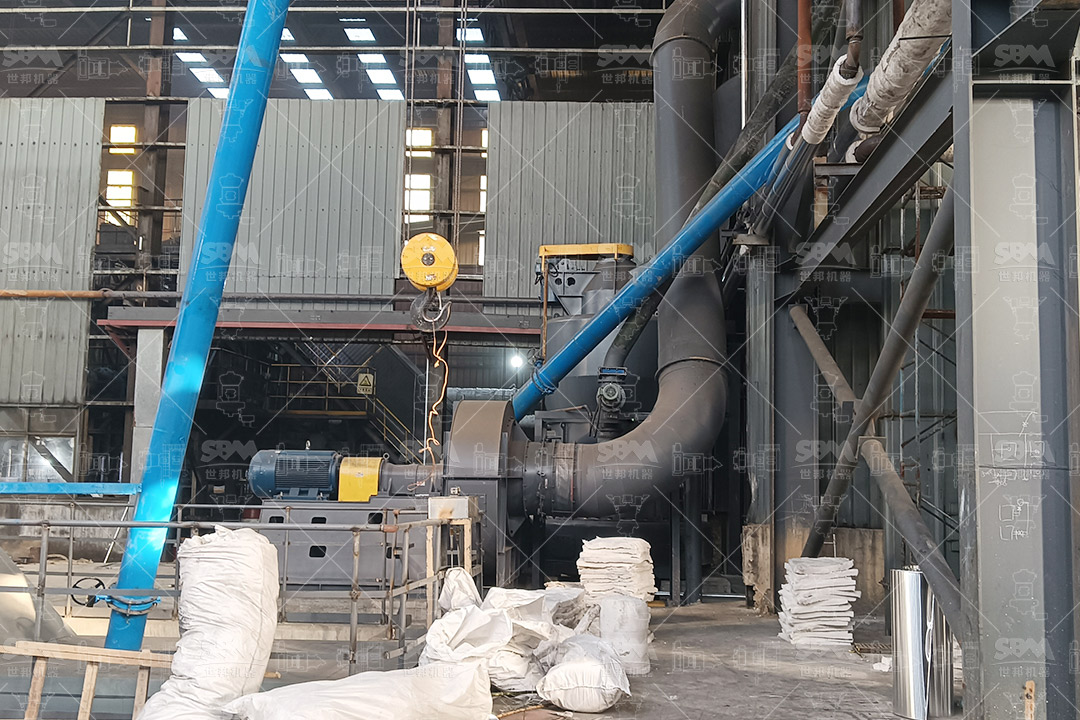
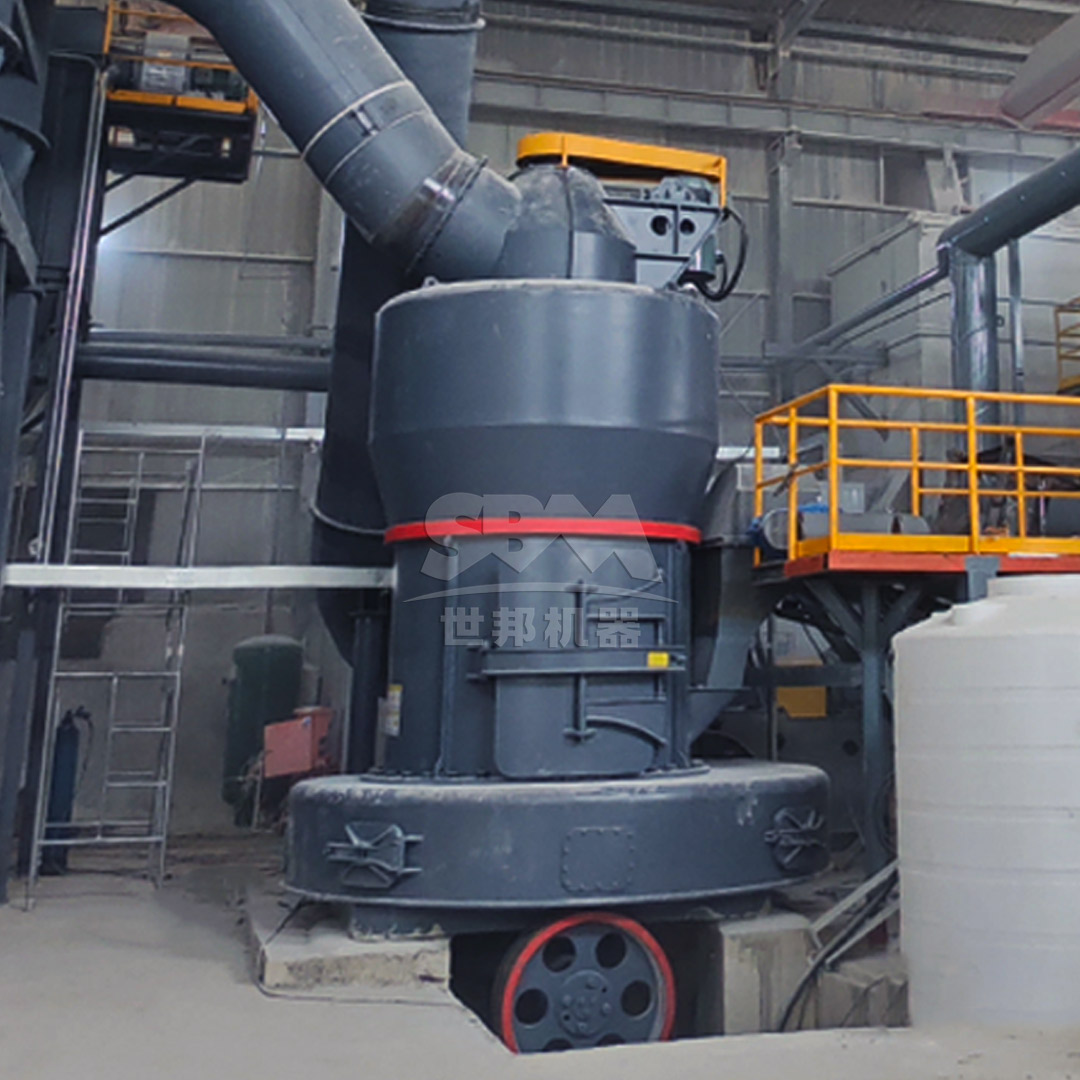
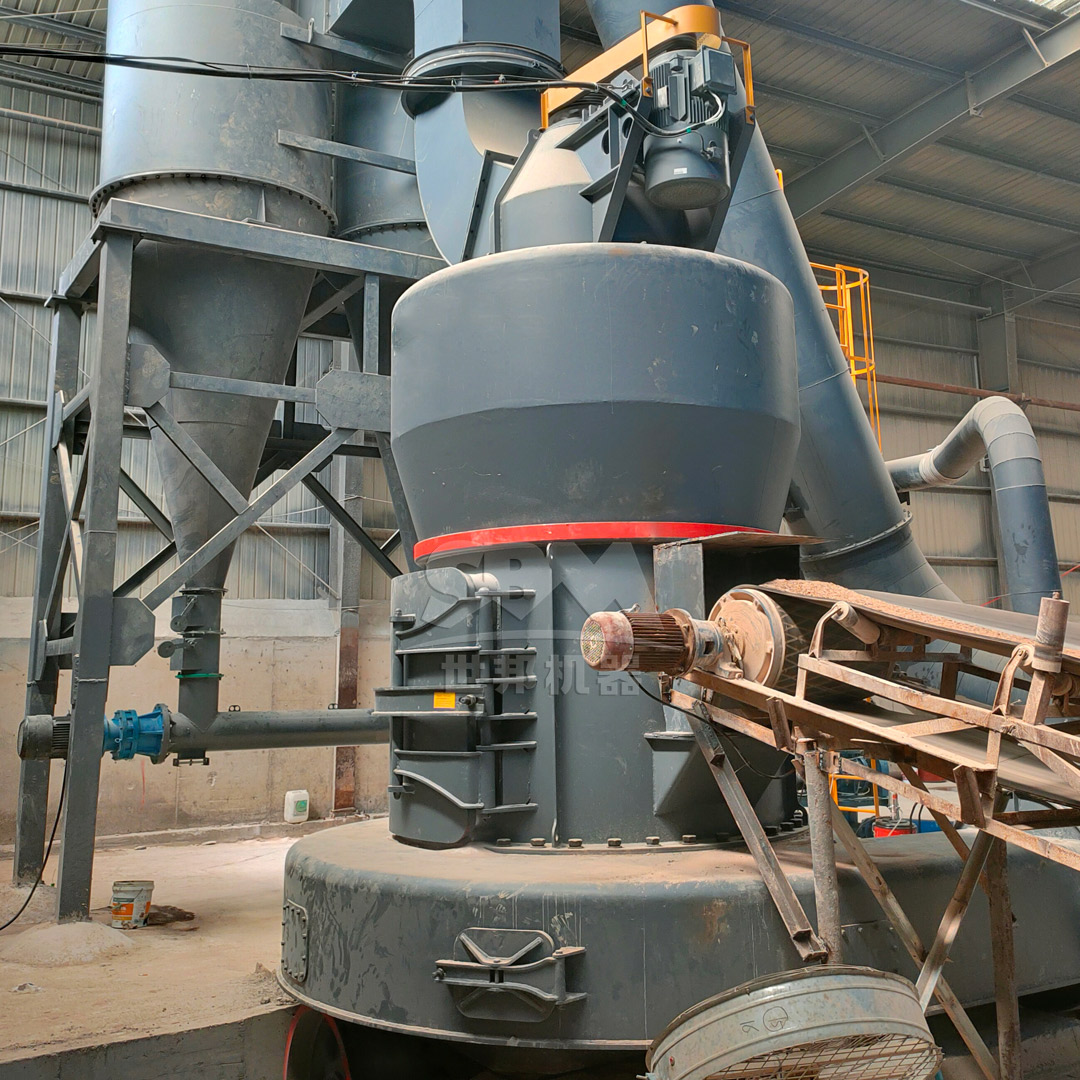
For rubber and plastic applications requiring calcite in the 45-325 mesh range, the MTW Series Trapezium Mill represents an optimal solution. With input sizes up to 50mm and processing capacity ranging from 3-45 tons per hour depending on model selection, this equipment delivers precisely the particle size range most commonly used in polymer compounds. The MTW series features several technological advantages specifically beneficial for calcite processing:
The working principle involves the main motor driving the grinding roller to revolve around the central axis while rotating itself to generate centrifugal force. The shovel blade throws materials between the grinding ring and roller to form a material layer, achieving efficient crushing through extrusion, with the classification system precisely controlling the final particle size.
For high-value polymer applications requiring ultra-fine calcite fillers (325-2500 mesh), specialized grinding systems are necessary. These applications include transparent plastic compounds, high-performance engineering plastics, and specialty rubber formulations where particle size significantly impacts optical and mechanical properties.
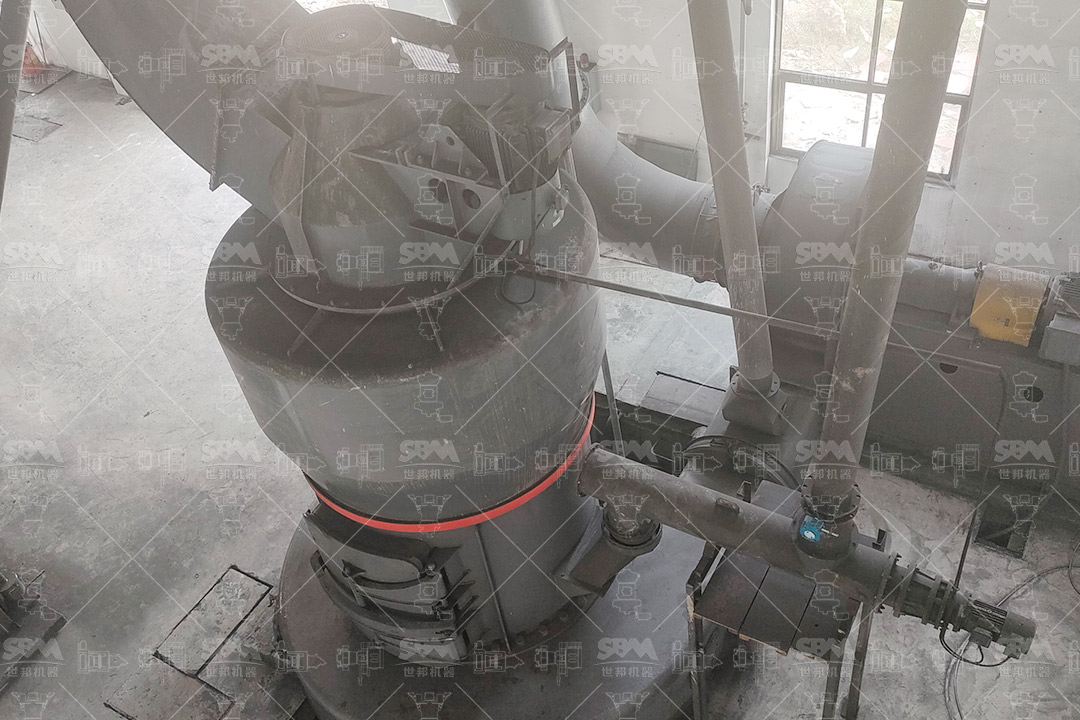
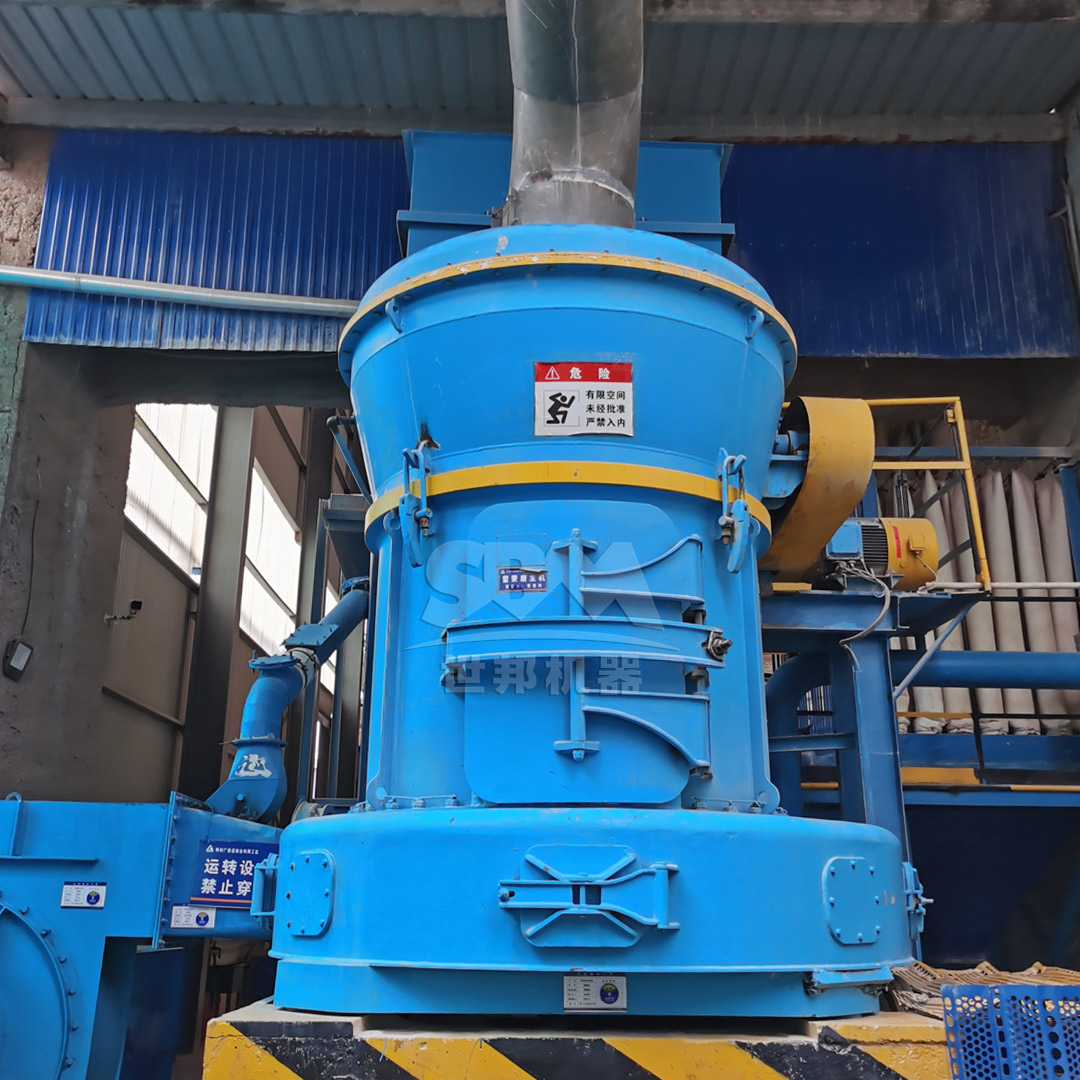
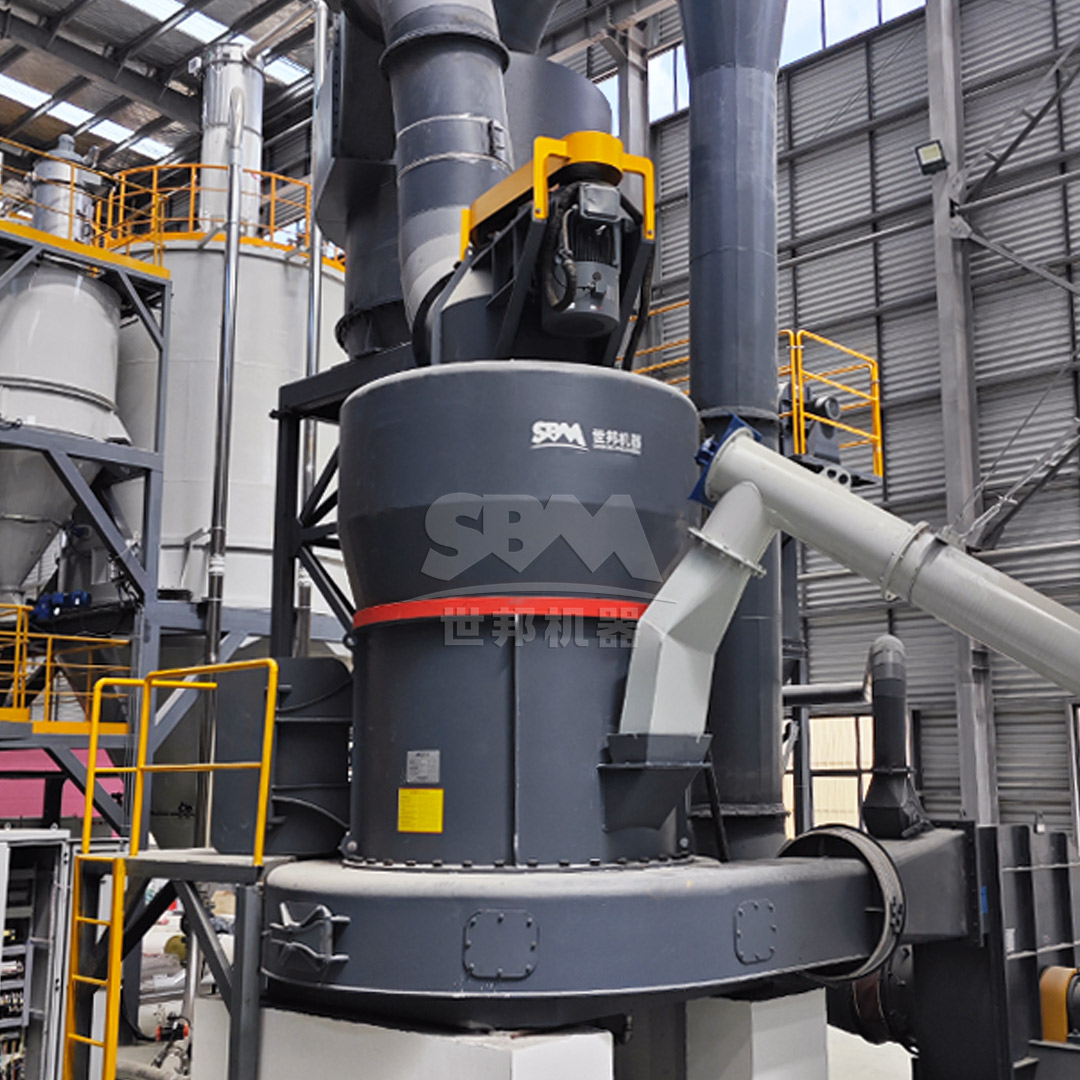
The SCM Series Ultrafine Mill is specifically engineered for these demanding applications, producing calcite powder with fineness ranging from 325 to 2500 mesh (D97≤5μm). With capacity from 0.5 to 25 tons per hour and feed size ≤20mm, this equipment delivers the extreme fineness required for premium polymer applications. Key technological advantages include:
The operating principle involves the main motor driving three-layer grinding rings to rotate, with materials dispersed to the grinding track by centrifugal force. After roller pressing and crushing, materials are ground layer by layer, with final powder collection completed by the cyclone collector and pulse dust removal system.
While being gradually replaced by more efficient technologies in many applications, ball mills still serve effectively for general-purpose calcite grinding, particularly where capital cost considerations outweigh operating efficiency. Ball mills offer simplicity, reliability, and the ability to produce a wide range of particle sizes.
Modern ball mills for calcite grinding feature improved liner designs, efficient drives, and advanced control systems. However, their higher energy consumption and larger footprint make them less attractive for new installations focused on operational efficiency.
A complete calcite grinding plant begins with proper raw material handling. This includes receiving, storage, pre-crushing (if necessary), and feeding systems. Consistent feed size and rate are critical for stable grinding operation and product quality. Modern plants incorporate automated sampling and monitoring systems to ensure feed consistency.
Calcite raw materials often contain surface moisture that must be removed before or during grinding. Integrated drying systems using waste heat from the grinding process improve overall energy efficiency. The choice between pre-drying and in-mill drying depends on the initial moisture content and the specific grinding technology selected.
Efficient product collection using cyclone separators followed by baghouse filters ensures maximum product recovery and environmental compliance. Automated packaging systems with weight control and dust containment maintain product quality and minimize worker exposure. For surface-treated calcite, integrated modification systems may be included in the plant design.
Modern calcite grinding plants incorporate sophisticated control systems that monitor and adjust key operating parameters including feed rate, classifier speed, grinding pressure, and temperature. These systems maintain consistent product quality, optimize energy consumption, and provide comprehensive operational data for process improvement.
The initial investment in calcite grinding equipment varies significantly based on capacity, technology level, and degree of automation. While advanced systems command higher capital costs, they typically deliver superior return on investment through reduced operating costs, higher product quality, and greater operational flexibility.
A comprehensive operating cost analysis should include power consumption, grinding media consumption, maintenance labor and parts, and personnel costs. Advanced grinding systems typically show higher grinding media costs but significantly lower power consumption compared to conventional technologies.
The payback period for calcite grinding equipment investments typically ranges from 1-3 years, depending on production scale, product value, and local energy costs. Premium products commanding higher market prices can justify more sophisticated equipment with shorter payback periods.
A major PVC pipe manufacturer recently upgraded their calcite grinding system from conventional ball mills to a modern vertical roller mill system. The results demonstrated significant improvements across multiple operational parameters:
| Parameter | Before Upgrade (Ball Mill) | After Upgrade (Vertical Mill) | Improvement |
|---|---|---|---|
| Specific Energy Consumption | 48 kWh/ton | 32 kWh/ton | 33% Reduction |
| Product Quality Consistency | ±15% variation | ±5% variation | 67% Improvement |
| Maintenance Downtime | 12% of operating time | 4% of operating time | 67% Reduction |
| Product Value | Standard grade | Premium grade | 15% Price Premium |
The upgraded system enabled the manufacturer to produce consistently higher quality calcite filler that improved the mechanical properties of their PVC pipes while reducing manufacturing costs. The investment paid for itself in less than 18 months through energy savings, reduced maintenance, and premium product pricing.
The integration of Industrial Internet of Things (IIoT) technologies enables predictive maintenance, remote monitoring, and AI-driven optimization of grinding parameters. These technologies reduce unplanned downtime, optimize energy consumption, and improve product consistency.
Advanced grinding systems increasingly incorporate heat recovery systems that capture and reuse the thermal energy generated during grinding. These systems can reduce net energy consumption by 15-20% while improving the working environment.
Modular grinding plant designs allow for easier expansion, quicker installation, and greater flexibility in product portfolio. This approach reduces capital investment risk and enables producers to respond more quickly to changing market demands.
Selecting the appropriate calcite grinding plant for rubber and plastic manufacturing requires careful analysis of technical requirements, production scale, product specifications, and economic factors. The evolution of grinding technology has created multiple viable options, each with specific advantages for different applications.
For most polymer applications, modern vertical grinding systems offer the best balance of energy efficiency, product quality, and operational flexibility. The specific choice between technologies such as the MTW Series Trapezium Mill for standard applications and the SCM Series Ultrafine Mill for premium products depends on your specific product requirements and business objectives.
By thoroughly evaluating your needs against the available technologies and considering both technical and economic factors, you can select a calcite grinding plant that delivers optimal performance and maximum return on investment for your rubber or plastic manufacturing operation.