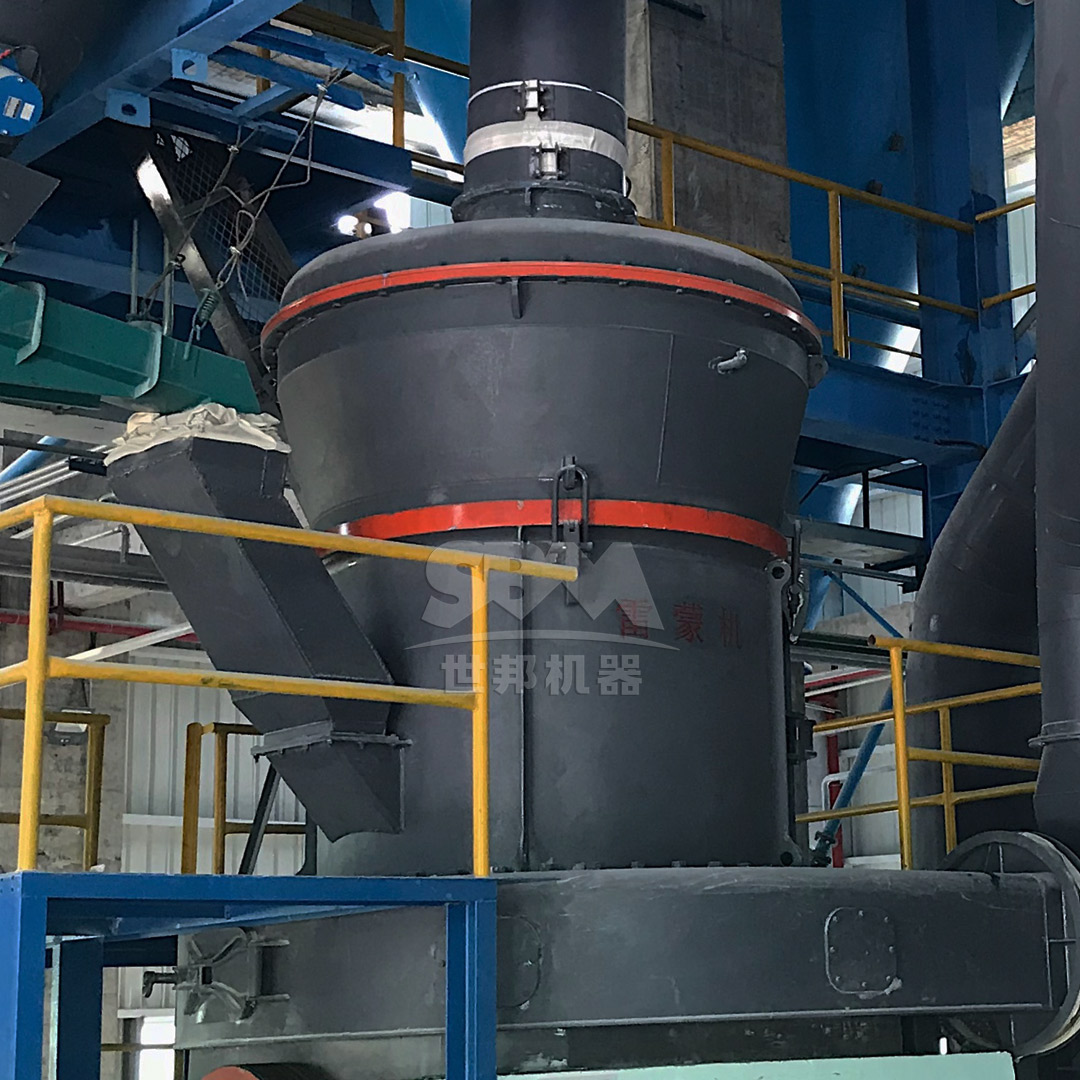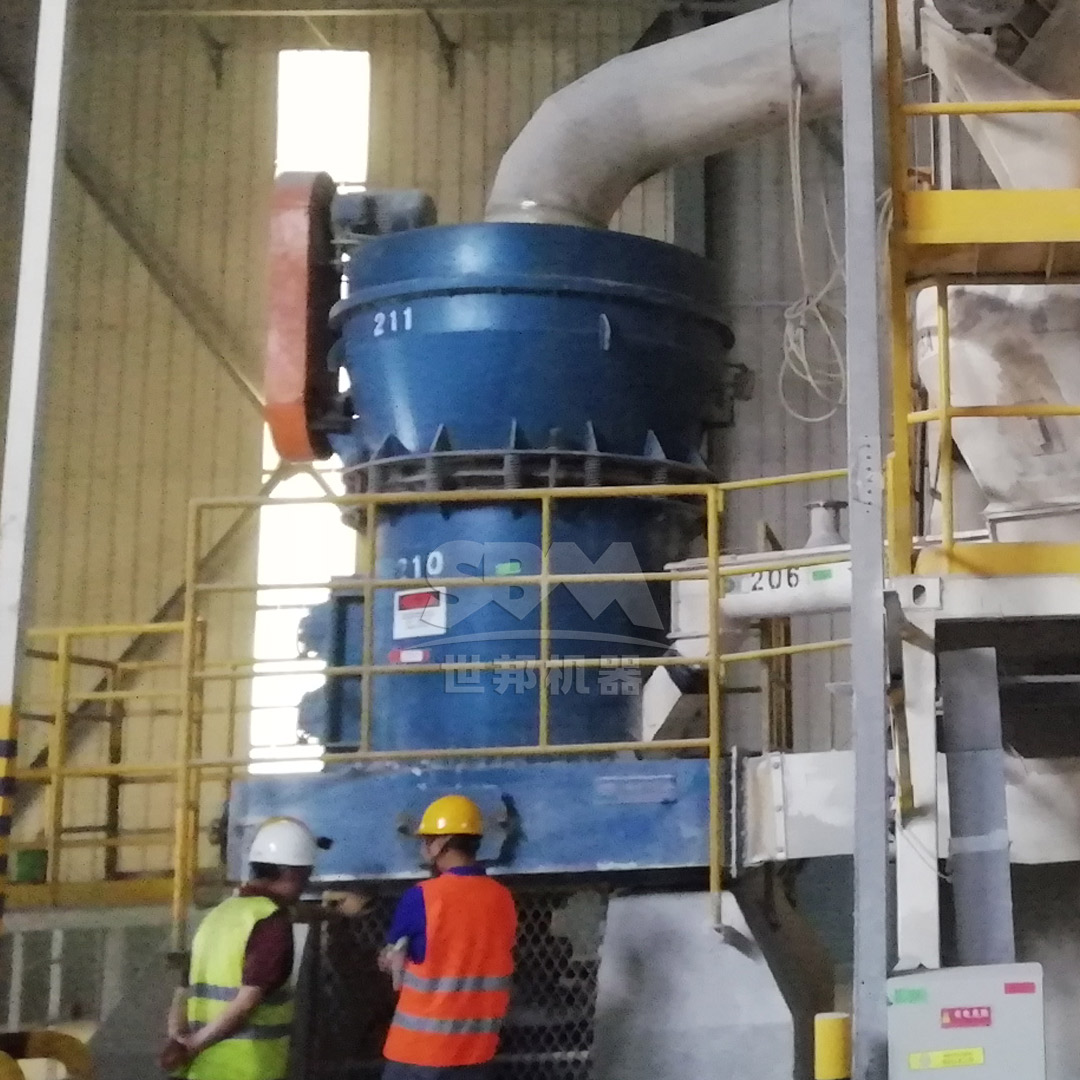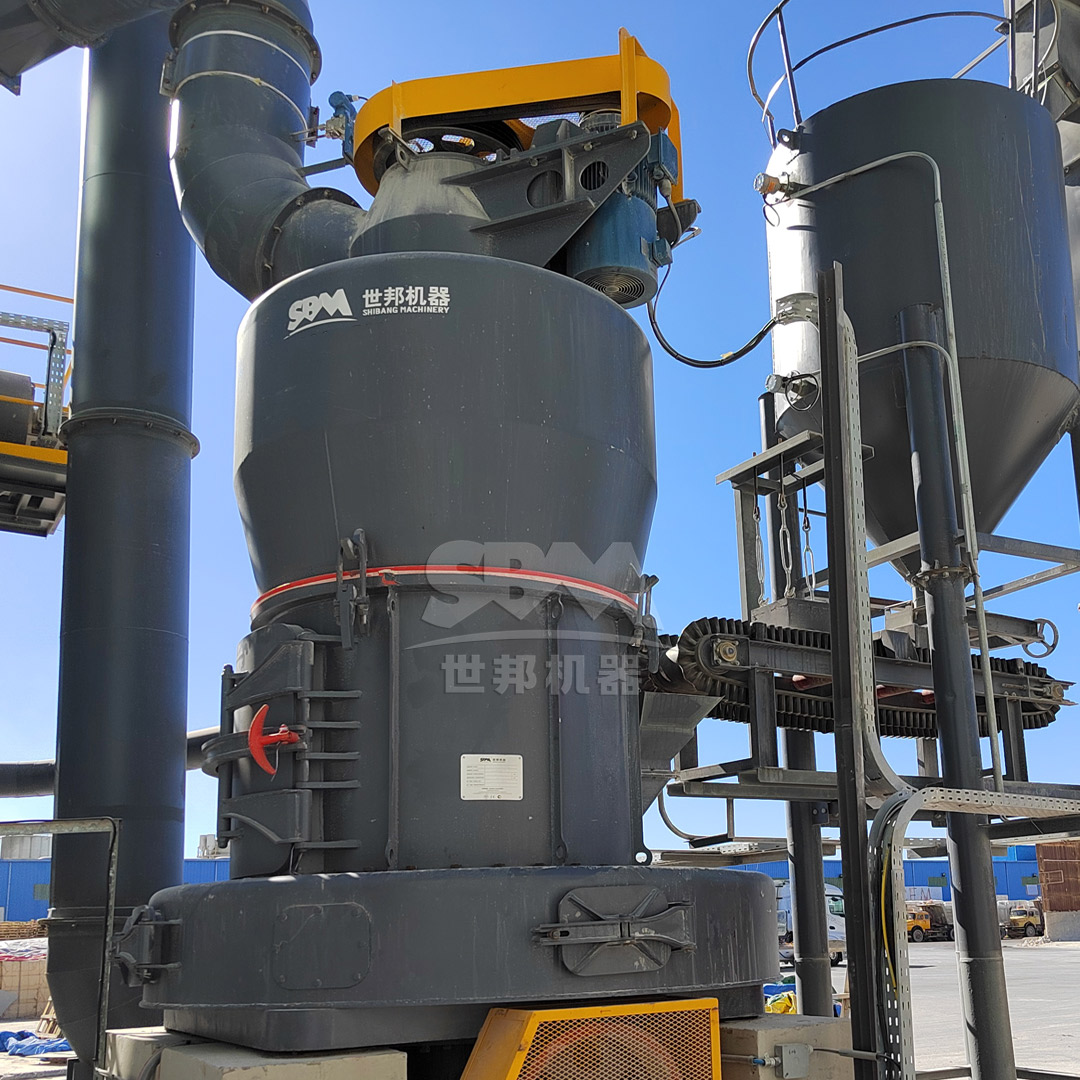
Calcium hydroxide (Ca(OH)₂), commonly known as slaked lime or hydrated lime, is a versatile industrial chemical with applications spanning construction, water treatment, chemical manufacturing, agriculture, and environmental remediation. The production of high-quality calcium hydroxide powder hinges on the selection of appropriate processing equipment. The choice of mill or grinding system directly impacts critical product parameters such as particle size distribution (fineness), purity, production capacity, and overall operational economics. This guide provides a comprehensive framework for selecting the optimal calcium hydroxide processing equipment, focusing on key technical considerations and matching them with suitable machinery.
Selecting the right equipment requires a systematic evaluation of both raw material characteristics and final product specifications. The following factors are paramount:
The required fineness is the primary driver for equipment selection. Calcium hydroxide applications demand different particle sizes:
The equipment must not only achieve the target top size but also produce a consistent, narrow particle size distribution for uniform product performance.
Capacity requirements range from small-scale, batch-oriented pilot plants (0.5-5 t/h) to large-scale, continuous industrial production lines (25-250 t/h). The chosen system must be capable of meeting both current and projected future throughput demands efficiently.
The properties of the quicklime (CaO) feed material significantly influence equipment design:
Consider whether the equipment is part of a standalone milling circuit or integrated into a complete hydration, classification, and packaging line. Key ancillary systems include:
| Selection Factor | Key Questions | Impact on Equipment Choice |
|---|---|---|
| Fineness | What is the target mesh size or micron range? Is a narrow PSD required? | Dictates the grinding principle: impact, compression, or attrition milling. |
| Capacity | What is the required hourly and annual throughput? | Determines the physical size and power of the mill. |
| Operation Mode | Continuous 24/7 operation or batch processing? | Influences automation level, robustness, and maintenance schedule. |
| Space & Layout | What is the available floor space and height? | Vertical mills save floor space; horizontal layouts may require more area. |
| Energy Efficiency | What are the specific energy consumption (kWh/ton) targets? | Advanced roller mills typically offer superior energy efficiency over ball mills. |
| Total Cost of Ownership | What is the balance between capital expenditure (CAPEX) and operating expenditure (OPEX)? | Includes power consumption, wear part costs, and maintenance labor. |
Different grinding technologies are suited to different fineness and capacity ranges. Below is an analysis of the most common systems.
This range covers the majority of industrial hydrated lime applications.
The LM Series Vertical Roller Mill is an exemplary solution for high-capacity production of standard hydrated lime. With capacities from 3 to 250 tons per hour and the ability to produce fineness from 30 to 325 mesh, it is ideal for large-scale water treatment plants, FGD systems, and construction material manufacturing. Its integrated design and intelligent control system significantly reduce operational complexity and infrastructure costs.
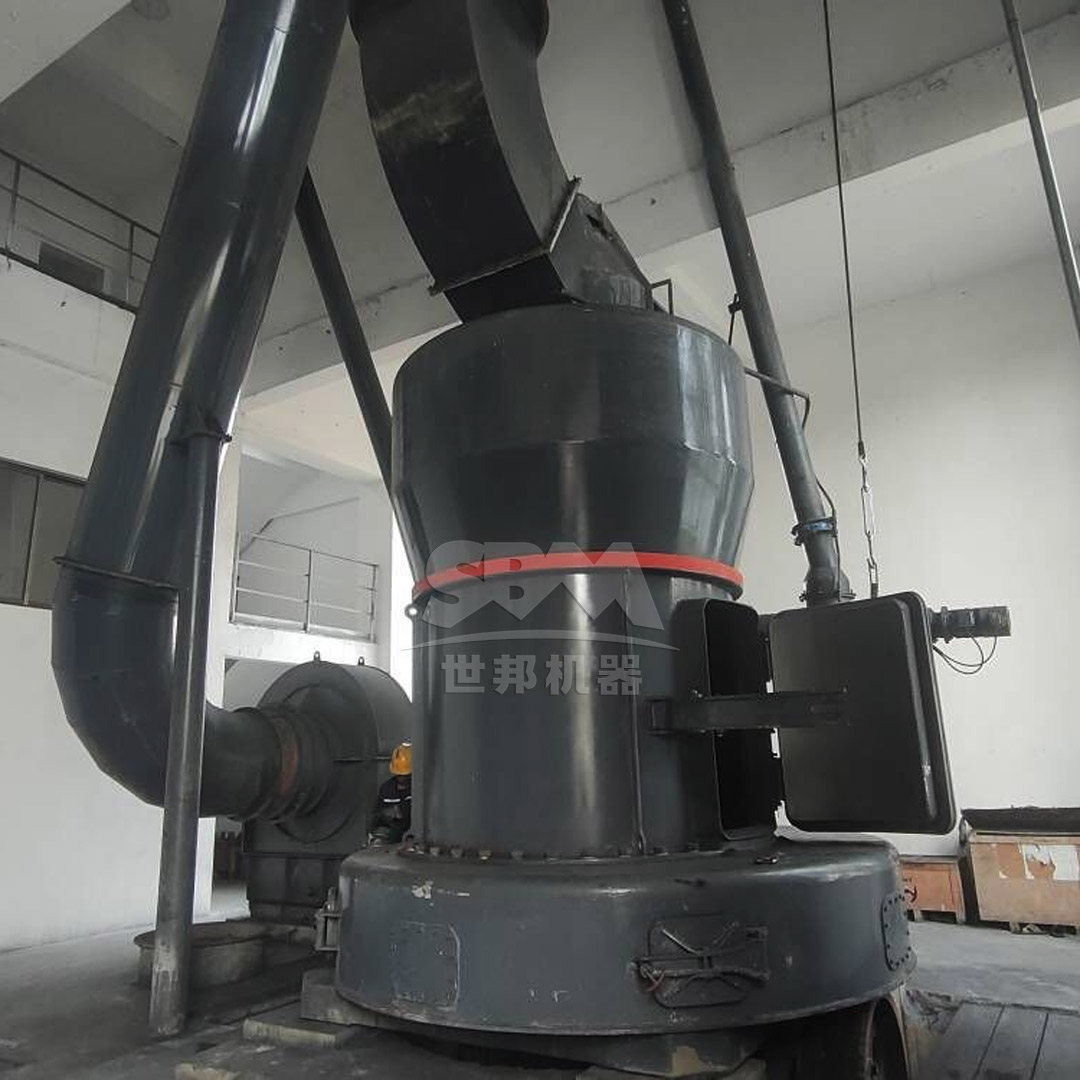
Producing ultrafine, high-purity calcium hydroxide requires specialized equipment capable of intense mechanical activation without contamination.
For producers targeting the premium markets of food-grade calcium hydroxide, pharmaceutical excipients, or advanced chemical synthesis, the SCM Series Ultrafine Mill is the ideal choice. It can reliably produce fineness from 325 to 2500 mesh (45-5μm) with exceptional uniformity. Its high-efficiency design delivers capacity 2x that of some jet mills while consuming 30% less energy. Furthermore, its durable construction with special material rollers and rings, coupled with an advanced pulse dust collection system exceeding international standards, makes it a robust and environmentally compliant solution for demanding ultrafine grinding applications.
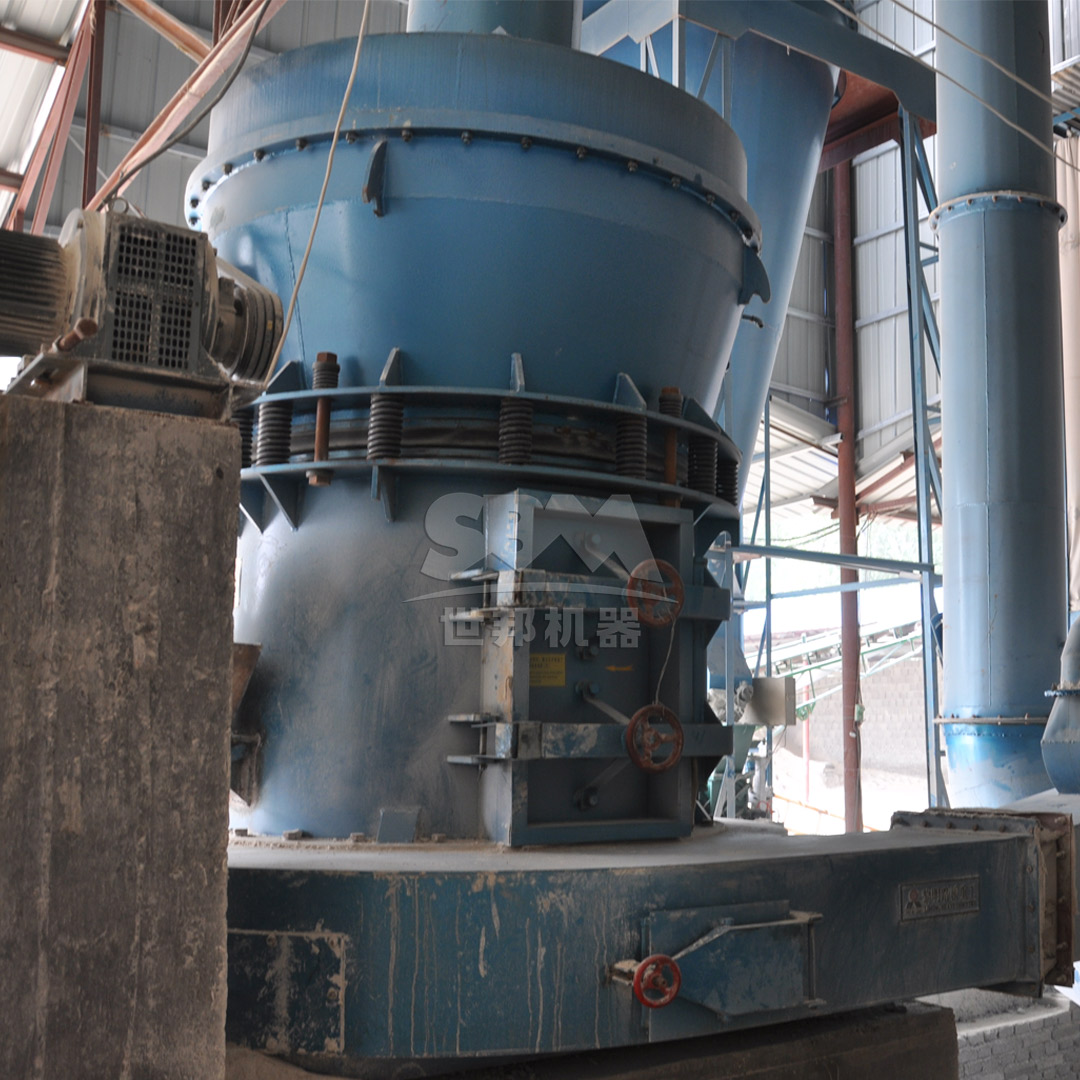
The final selection should be a data-driven decision based on a detailed analysis of your specific project parameters. Use the following summary as a guide:
| Target Product Profile | Recommended Equipment Type | Primary Reasons | Example Model Series |
|---|---|---|---|
| High Capacity (10-250 t/h), 30-325 mesh | Vertical Roller Mill (VRM) | Lowest OPEX, integrated system, excellent control, large capacity. | LM Series |
| Medium Capacity (3-45 t/h), 30-325 mesh | European Trapezium Mill | Robust performance, good efficiency, reliable operation. | MTW Series |
| Ultrafine Powder (325-2500 mesh), 0.5-25 t/h | Ultrafine Mill | High-precision classification, energy-efficient for ultrafine range, uniform product. | SCM Series |
| Very High Purity, Lab/Pilot Scale, Ultrafine | Jet Mill | No contamination from media, narrowest PSD. | N/A |
| Legacy Upgrade, Very High Capacity Coarse Grind | Ball Mill | Proven technology, high availability. | GMQG/GMQY Series |
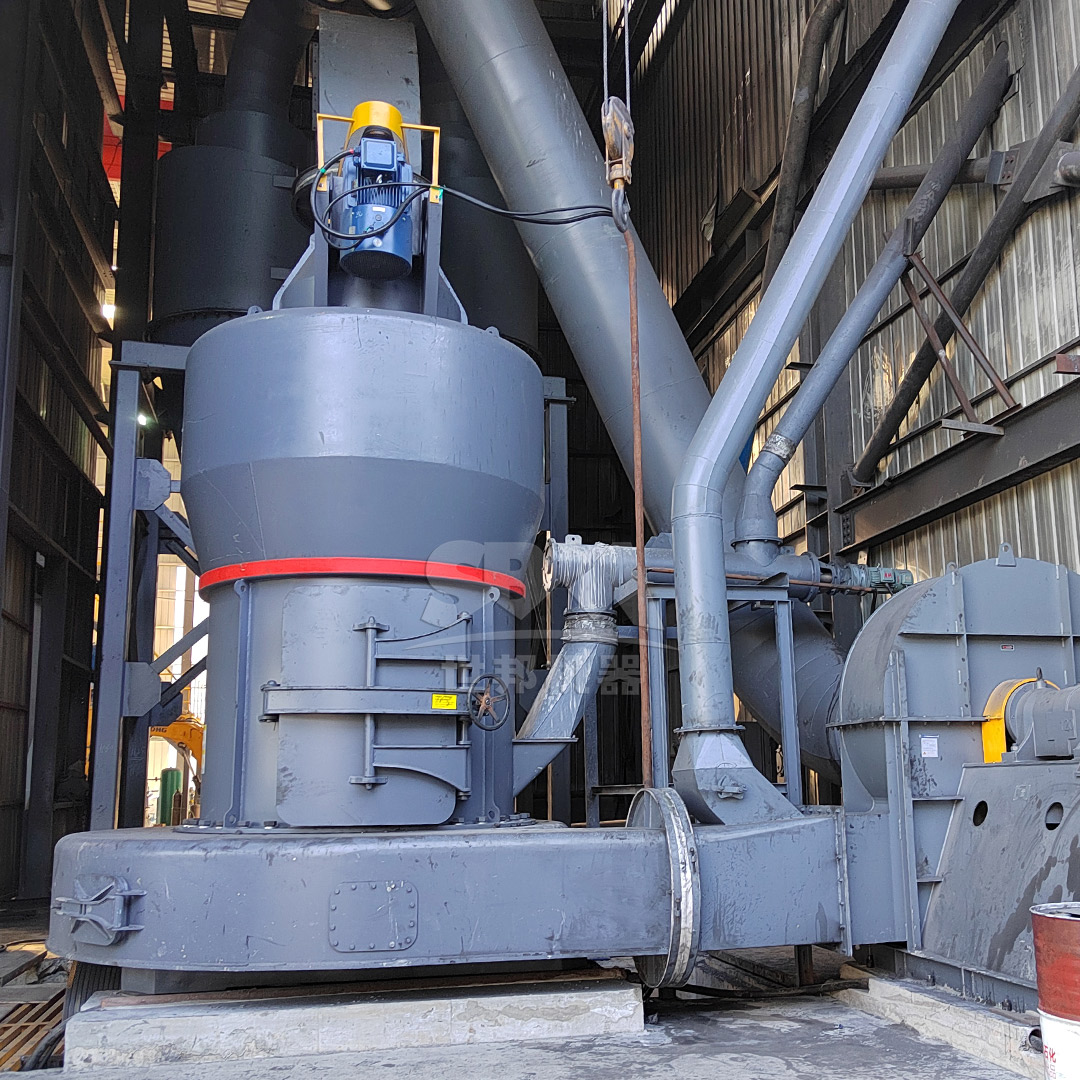
Selecting the right calcium hydroxide processing equipment is a strategic investment that determines product quality, production efficiency, and long-term profitability. There is no universal \”best\” machine; the optimal choice is the one that aligns perfectly with your specific fineness requirements, capacity needs, feed characteristics, and economic constraints. By carefully evaluating the factors outlined in this guide and partnering with a knowledgeable equipment provider, you can implement a grinding solution that delivers reliable, high-quality hydrated lime production for years to come. For most modern applications, advanced roller mills like the LM Series for standard grades and the SCM Series for ultrafine grades represent the forefront of efficiency, control, and environmental performance.