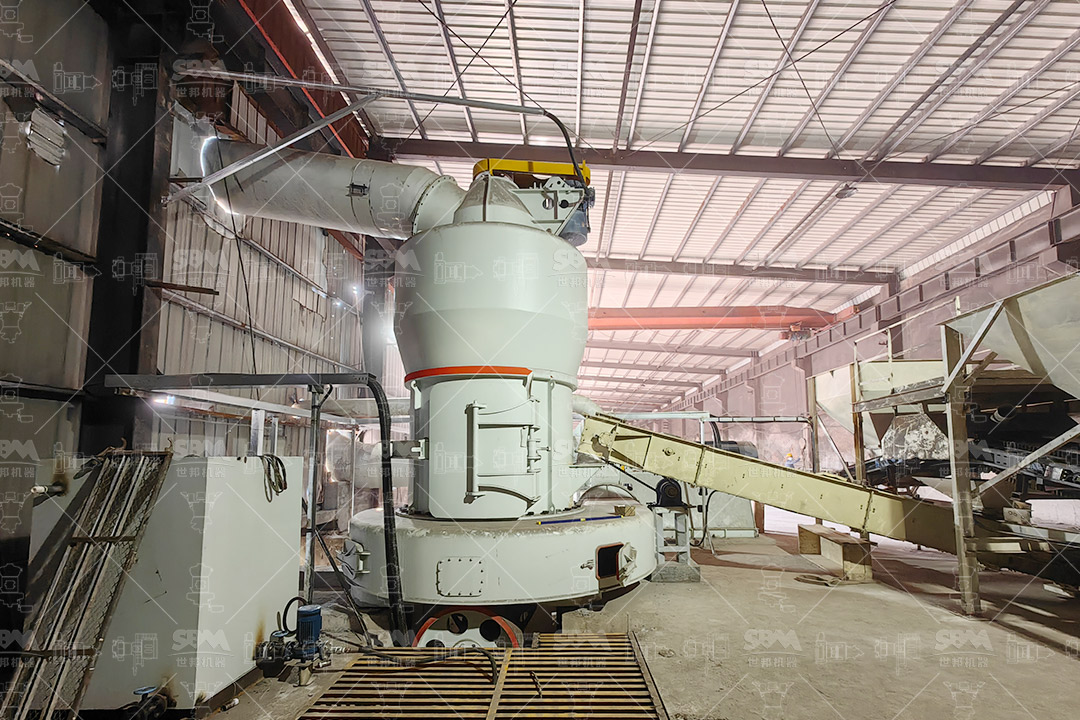
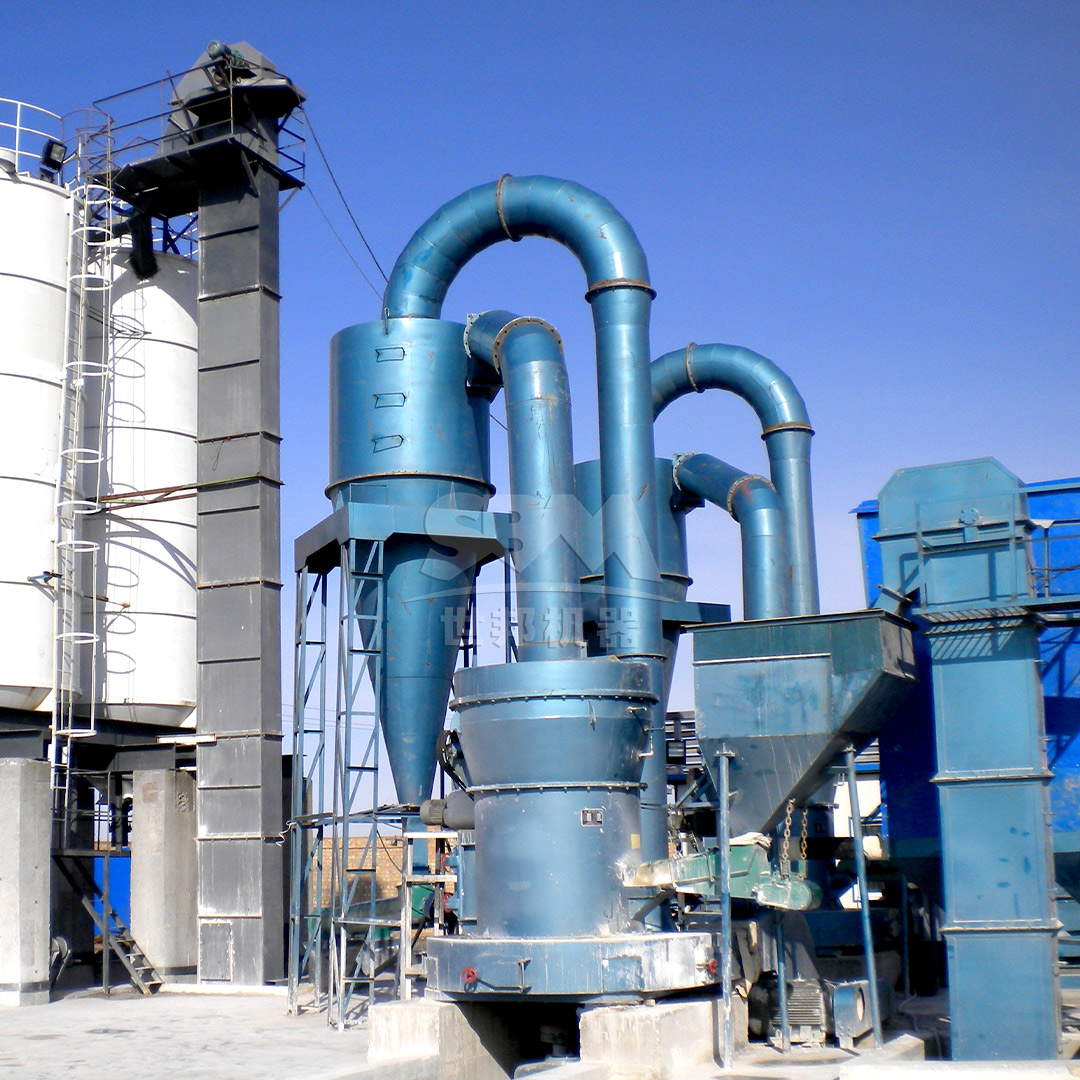
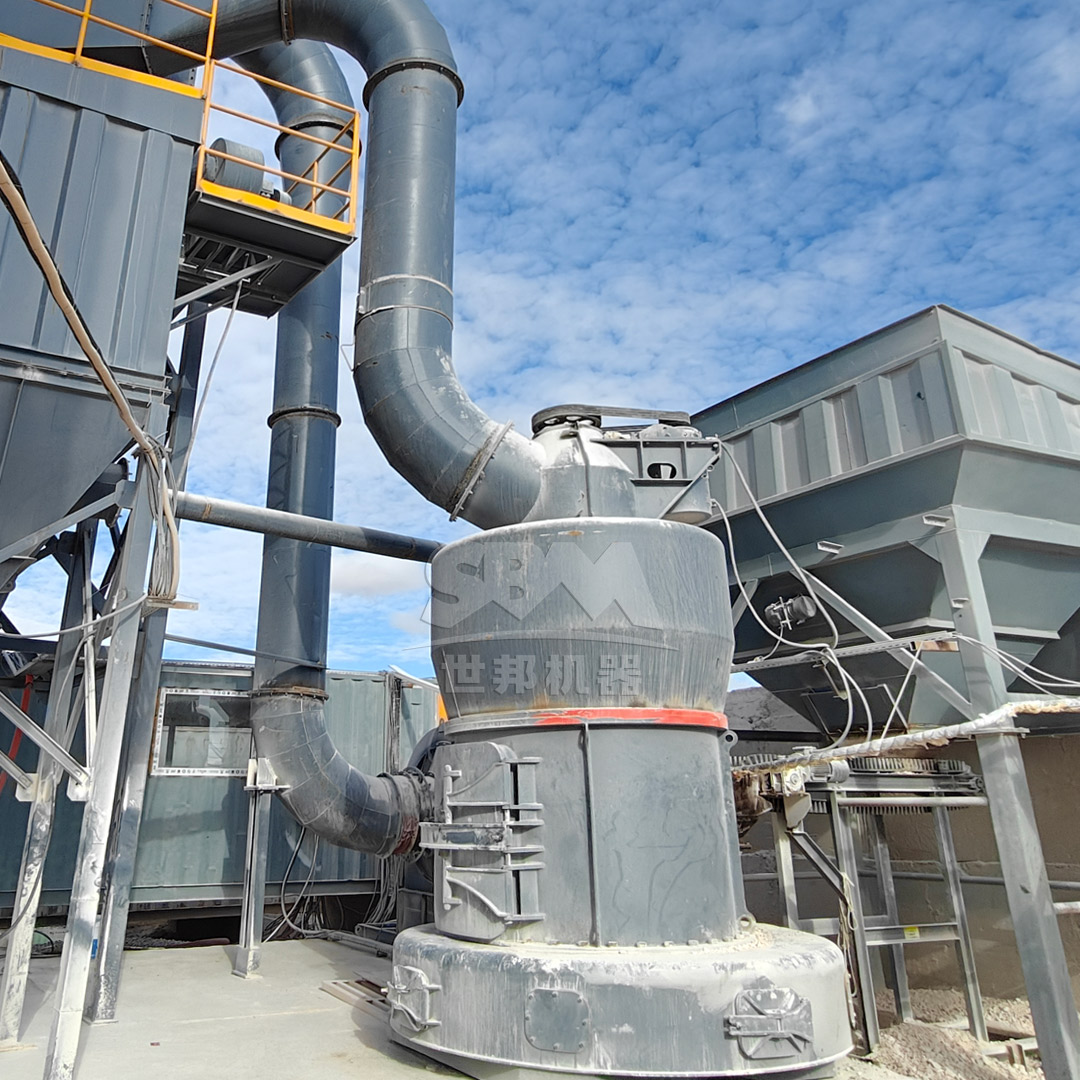
The production of high-quality fertilizers, particularly those requiring slow-release or soil-conditioning properties, often relies on finely ground minerals. Dolomite, a calcium magnesium carbonate mineral, is a prime example. Its application in fertilizers provides essential magnesium and calcium, neutralizes soil acidity, and improves soil structure. However, the efficacy of dolomite in fertilizer blends is heavily dependent on its particle size and uniformity. Selecting the appropriate grinding mill is therefore a critical decision that impacts product quality, production efficiency, and operational costs. This guide will navigate the key factors in choosing the right dolomite grinding mill for your fertilizer production line.
Choosing a mill is not a one-size-fits-all decision. It requires a careful analysis of your specific production goals and constraints.
This is the most critical parameter. For soil amendment and direct application fertilizers, a coarser grind (30-100 mesh) may be sufficient. For blending into compound fertilizers or producing suspension fertilizers, a much finer powder (200 mesh and above) is necessary to ensure homogeneity and prevent settling. Ultrafine grinding (325-2500 mesh) is used for specialized, high-efficiency products.
Your mill must match your plant’s throughput requirements, from pilot-scale operations (under 5 t/h) to large-scale industrial production (over 50 t/h). It’s crucial to consider both current needs and future expansion.
Grinding is an energy-intensive process. Mills with higher grinding efficiency and lower specific energy consumption (kWh/ton) significantly reduce long-term operating expenses. Factors like drive system efficiency and internal airflow design play a major role.
Space constraints in existing plants may favor mills with integrated systems (crushing, grinding, classifying, collecting) over multi-component setups like traditional ball mill circuits.
Dolomite’s abrasiveness can cause significant wear on grinding elements. Mills designed with special wear-resistant materials and easy-maintenance features reduce downtime and spare part costs.
Modern mills must feature effective dust collection systems to meet workplace and emission standards. Low-noise operation is also an important consideration for plant safety and community relations.
| Selection Factor | Key Questions to Ask | Impact on Fertilizer Production |
|---|---|---|
| Fineness | What is the target particle size for my fertilizer formula? | Determines nutrient release rate, blend uniformity, and solubility. |
| Capacity | What is my current and projected hourly output need? | Directly affects the scale and profitability of the production line. |
| Operating Cost | What is the kWh/ton energy consumption? | Major component of long-term production cost. Energy-efficient mills offer a faster ROI. |
| System Design | Do I have space for auxiliary equipment (classifiers, collectors)? | Integrated vertical mills save space and simplify the process flow. |
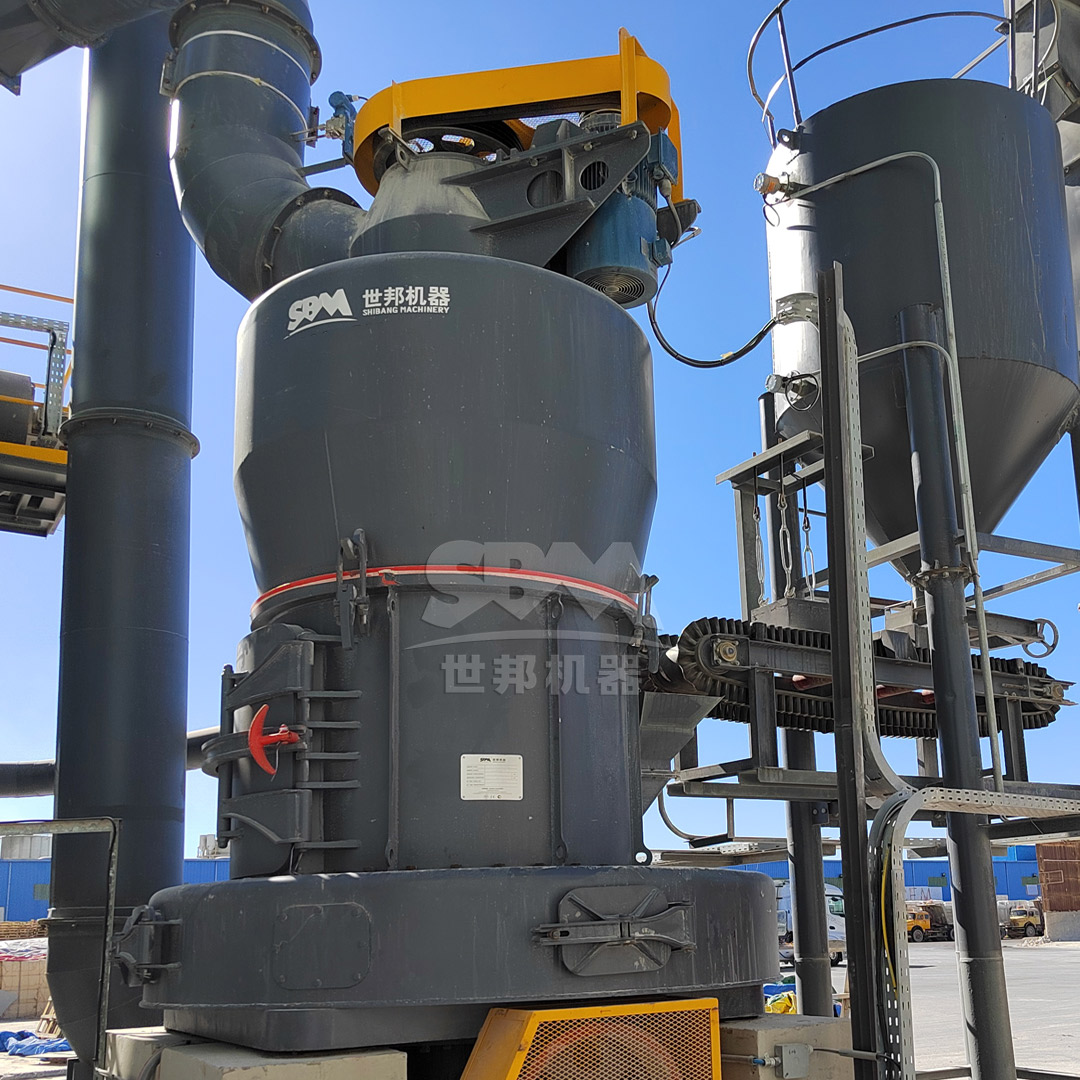
Different mill types operate on distinct principles, making them suitable for various stages and fineness requirements in dolomite processing.
These are typically used for primary size reduction, breaking down large dolomite rocks (≤50mm) to a smaller, more manageable size (0-3mm) for feed into finer grinding mills. They offer high capacity and a simple design.
Traditional workhorses for medium-fine grinding. Ball mills are versatile but often less energy-efficient for fine grinding. Pendulum roller mills (like the MTW Series) are excellent for producing powders in the 30-325 mesh range with good efficiency and reliability, making them a solid choice for standard fertilizer-grade dolomite powder.
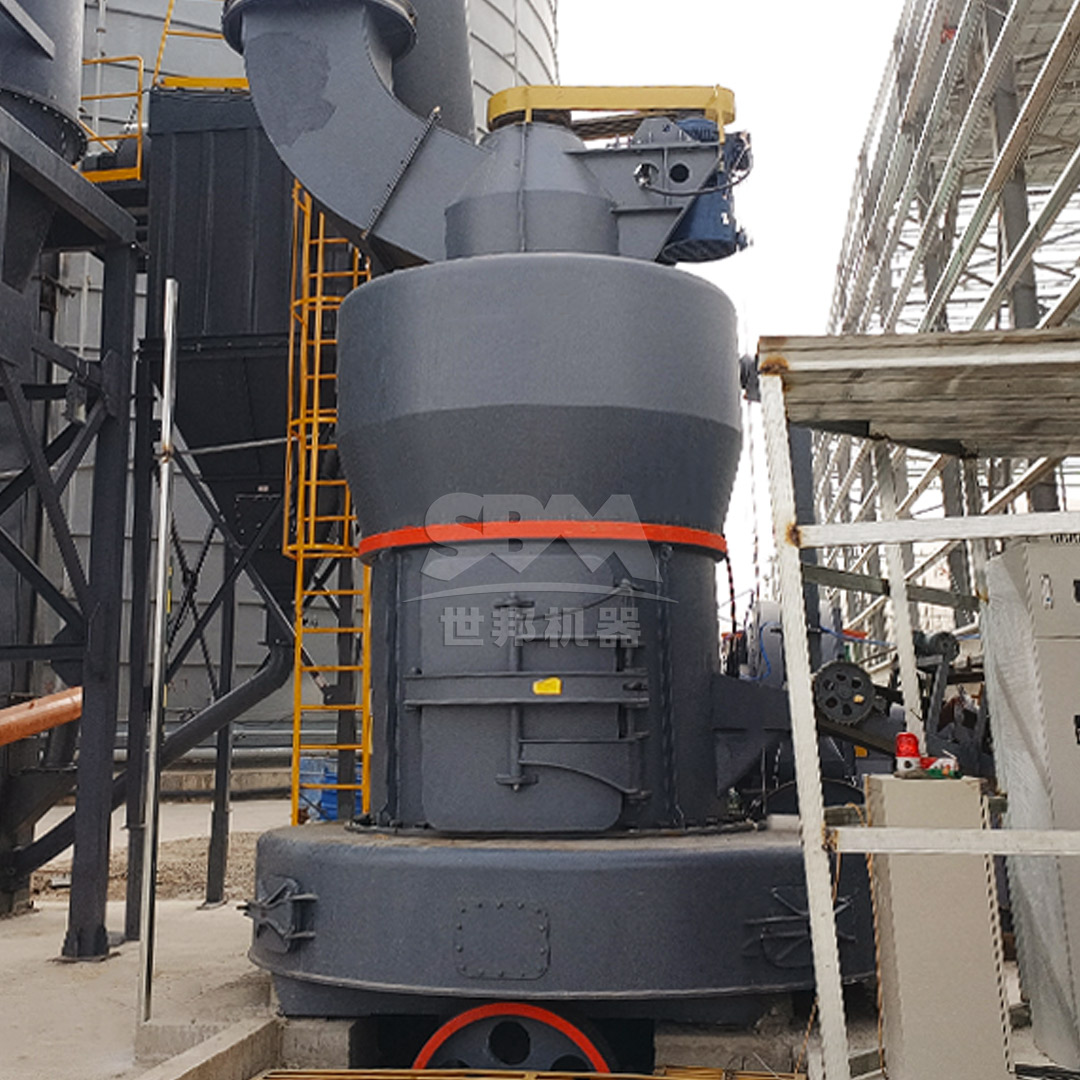
This technology has become a industry standard for large-scale mineral grinding. VRMs like the LM Series Vertical Roller Mill integrate grinding, drying, classifying, and conveying into a single compact unit. They are highly energy-efficient (30-40% less power than ball mills), have a small footprint, and are ideal for producing 30-325 mesh powder at high capacities (3-250 t/h). Their ability to handle feed moisture and provide stable product quality makes them a top contender for modern fertilizer plants.
For producers aiming at high-value, specialty fertilizers requiring ultrafine or even micronized dolomite, technologies like the SCM Series Ultrafine Mill are essential. This mill utilizes a unique grinding principle with a vertical turbine classifier to achieve precise particle size cuts from 325 to 2500 mesh (45-5μm). Its high-precision classification ensures no coarse powder mixing, resulting in a uniform product that enhances reactivity in soil. Furthermore, its energy consumption is significantly lower compared to traditional jet mills, offering both performance and economy for high-end fertilizer applications.
Based on common production scenarios, here are targeted recommendations.
For large-volume production of dolomite powder for bulk blending or direct application, the MTW Series European Trapezium Mill is an outstanding choice. Its robust design, featuring anti-wear shovels and an integral bevel gear drive with 98% transmission efficiency, ensures reliable and cost-effective operation. With a capacity range of 3-45 t/h and the ability to handle feed sizes up to 50mm, it is built for continuous, heavy-duty production in a fertilizer plant setting.
For new plant designs or major upgrades focusing on efficiency and space savings, the LM Series Vertical Roller Mill is highly recommended. Its integrated design reduces floor space by 50% and infrastructure costs by 40%. The non-contact grinding principle and wear-resistant materials extend part life, while its intelligent control system allows for stable, automated operation with minimal manual intervention—key for consistent fertilizer quality.
When product differentiation through superior fineness and reactivity is the goal, the SCM Series Ultrafine Mill is the definitive solution. It excels in producing the extremely fine, uniform powders needed for advanced fertilizer formulations. Its high-efficiency classification system guarantees a narrow particle size distribution, and its durable construction minimizes maintenance. This mill allows fertilizer producers to access the premium market segment with a high-performance product.
| Production Goal | Recommended Mill | Key Advantages for Fertilizer Use | Typical Output Fineness |
|---|---|---|---|
| High-volume, cost-effective base powder | MTW Series European Trapezium Mill | High reliability, low wear cost, easy maintenance | 30-325 mesh |
| Efficient, integrated fine powder production | LM Series Vertical Roller Mill | Low energy use, small footprint, intelligent control | 30-325 mesh (up to 600 mesh) |
| Premium ultrafine powder for specialty blends | SCM Series Ultrafine Mill | Exceptional fineness & uniformity, energy-saving vs. jet mills | 325-2500 mesh |
Selecting the optimal dolomite grinding mill is a strategic investment that dictates the quality, efficiency, and competitiveness of your fertilizer products. The choice must balance technical requirements (fineness and capacity) with economic factors (capex, opex, and maintenance) and operational realities (space and automation). From the robust and efficient MTW Series for standard grades to the space-saving LM Vertical Roller Mill and the precision-focused SCM Ultrafine Mill for specialty applications, understanding the strengths of each technology is the first step toward optimizing your fertilizer production process. A thorough evaluation based on the factors outlined in this guide will lead to a mill selection that delivers long-term value and supports your business goals in the agricultural market.