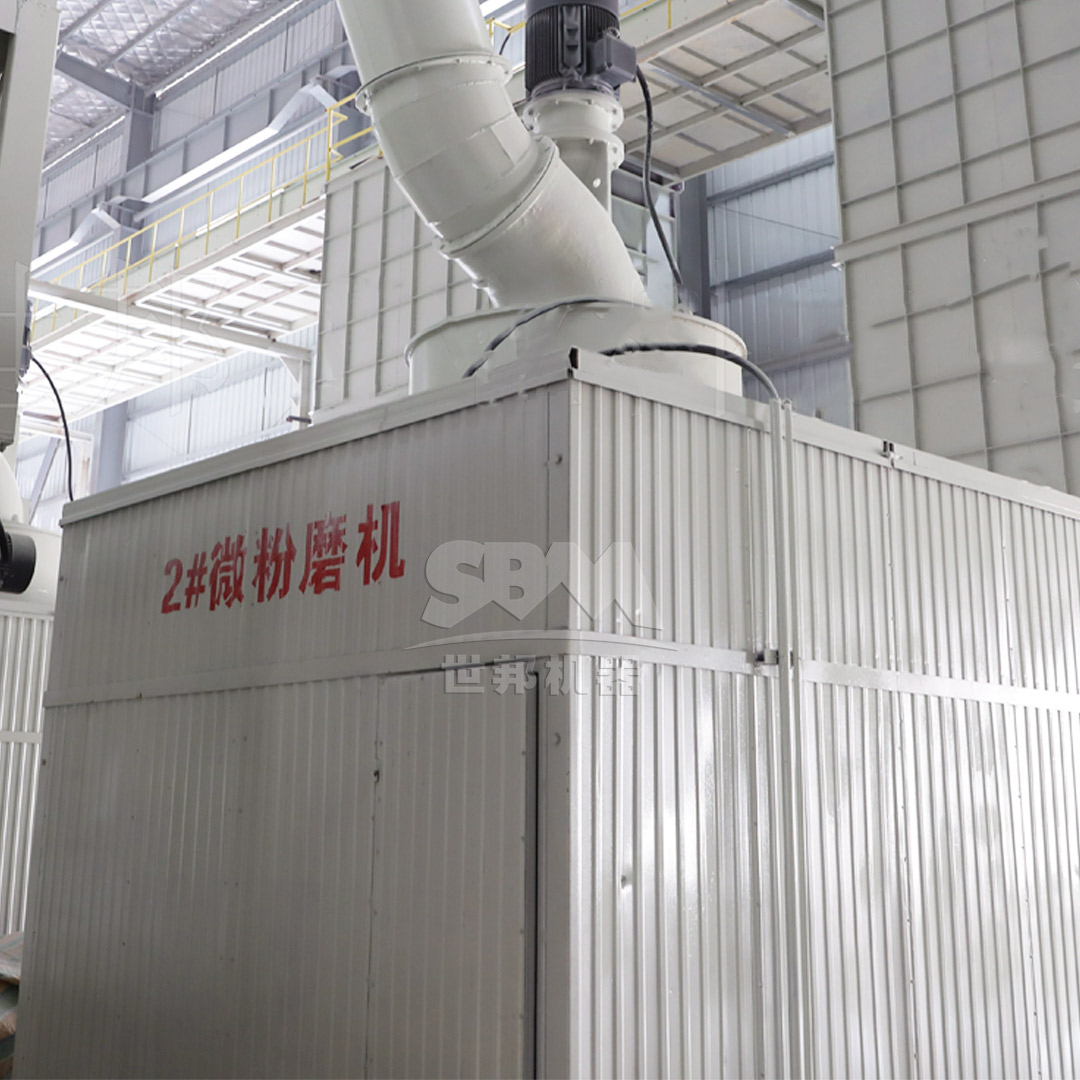
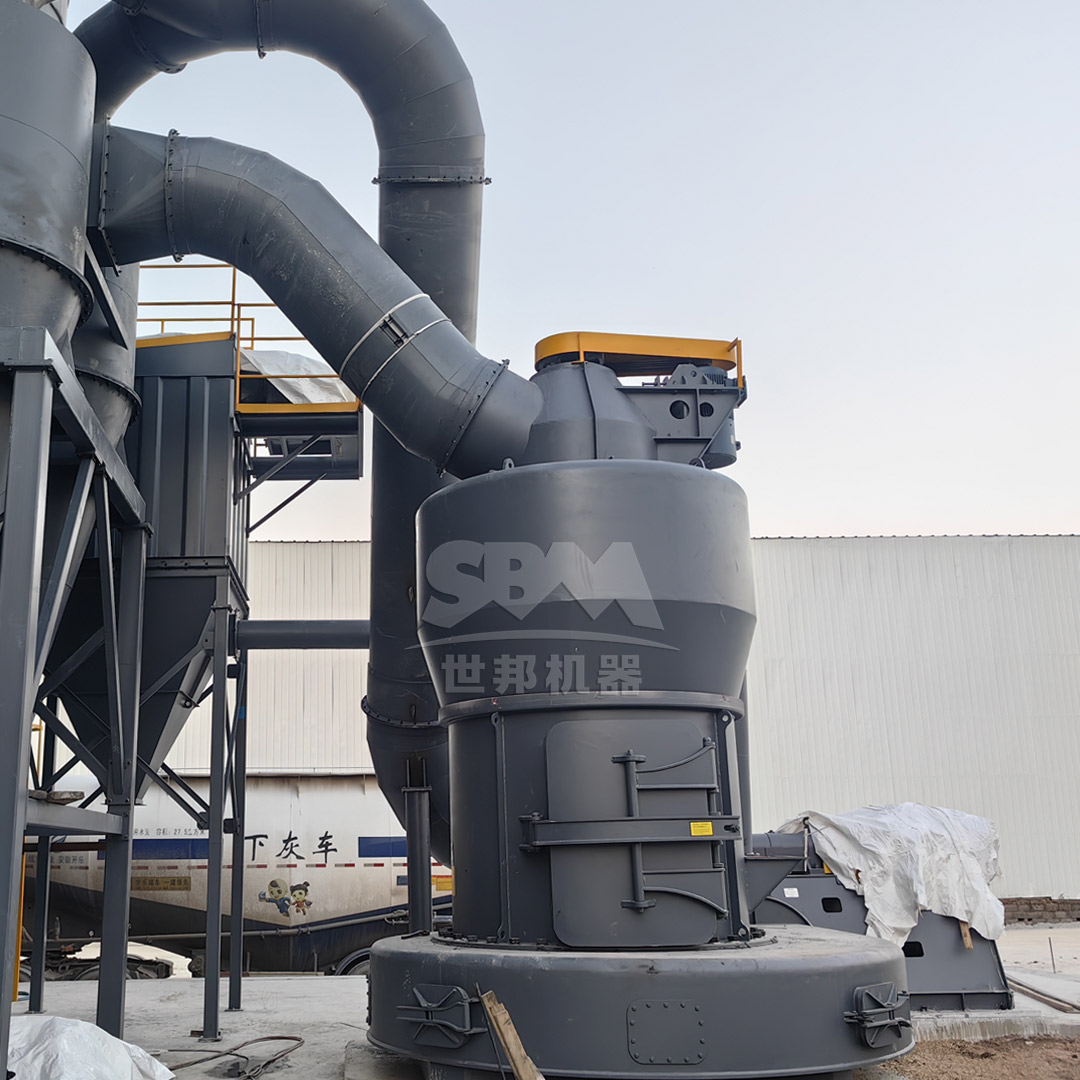
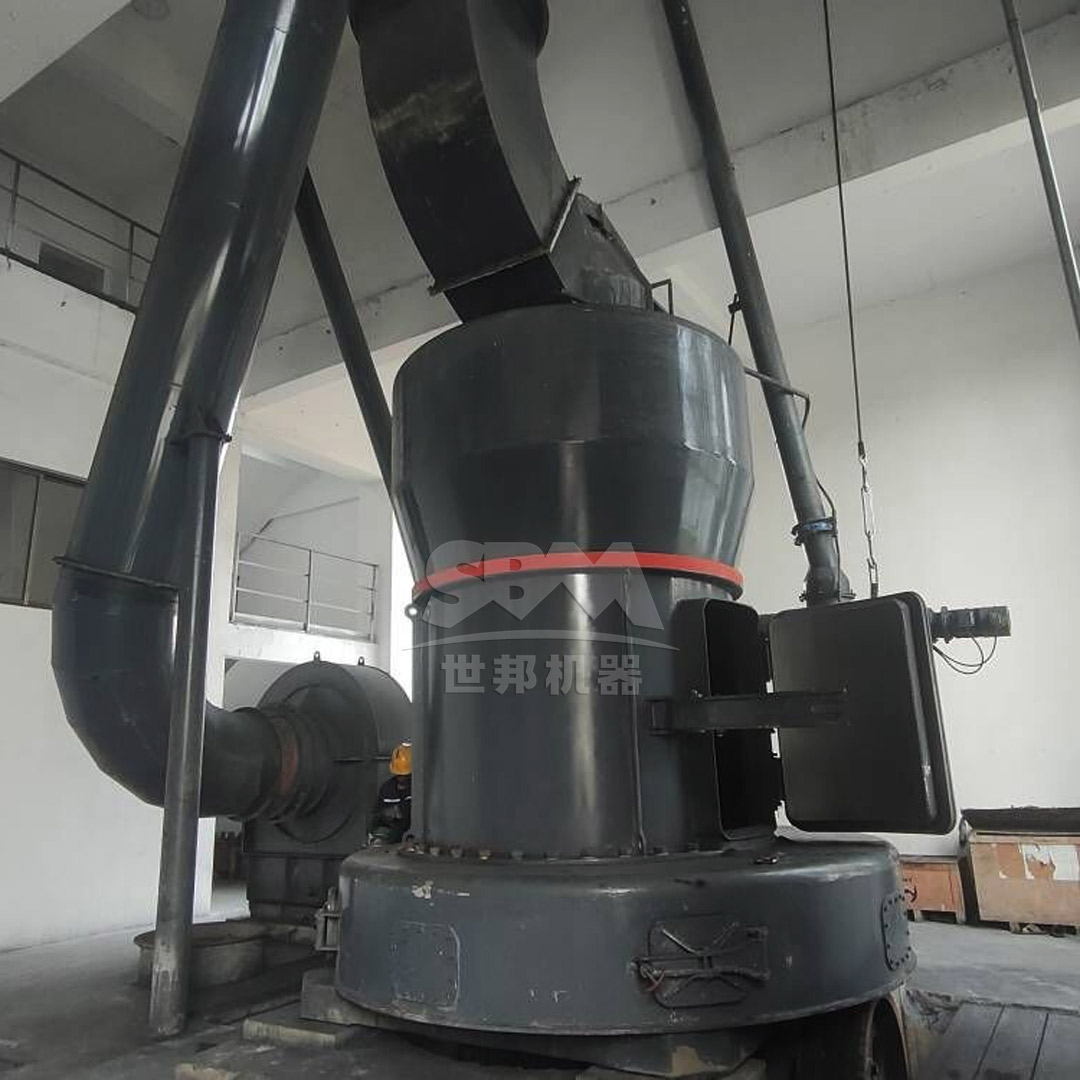
Selecting the optimal grinding mill is a critical decision that directly impacts production efficiency, product quality, and operational costs. The choice is not one-size-fits-all; it hinges on a deep understanding of material properties, desired final specifications, and the unique capabilities of different grinding technologies. This guide provides a comprehensive framework for navigating the selection process, focusing on material compatibility and equipment performance. By aligning your specific needs with the right mill technology, you can achieve superior results in terms of fineness, throughput, and energy consumption.
The physical and chemical characteristics of your raw material are the primary drivers in mill selection. Ignoring these properties can lead to poor performance, excessive wear, or even equipment failure.
| Material Category | Example Materials | Key Property Considerations | General Mill Type Suitability |
|---|---|---|---|
| Soft & Non-Abrasive | Calcium Carbonate, Talc, Gypsum | Low hardness, high whiteness requirement | Raymond Mill, Ultrafine Mill |
| Hard & Abrasive | Quartz, Feldspar, Zircon Sand | High wear, requires robust construction | Vertical Roller Mill, Ball Mill (with high-wear liners) |
| Heat-Sensitive | Organic Pigments, Pharmaceuticals | Low-temperature grinding to prevent degradation | Ultrafine Mills with cooling systems |
| High-Moisture | Certain Clays, Slag (pre-dried) | Risk of clogging, may need pre-drying | Vertical Roller Mills (handle some moisture), Ball Mills (wet grinding) |
Each grinding mill technology operates on distinct principles, resulting in different performance profiles. Here’s an overview of the most common types.

For projects demanding high capacity and energy efficiency in the medium-fineness range, our LM Series Vertical Roller Mill stands out. Its集约化设计 (integrated design) combines破碎/研磨/分选 (crushing, grinding, and classification) in one unit, reducing footprint by 50%. With磨辊与磨盘非接触设计 (a non-contact roller and disc design), wear part life is tripled, and energy consumption is slashed by 30-40% compared to traditional ball mill systems. It supports a wide output range of 30-325 mesh (special models to 600 mesh) and capacities from 3 to 250 tons per hour, making it a versatile and economical choice for large-scale mineral processing.
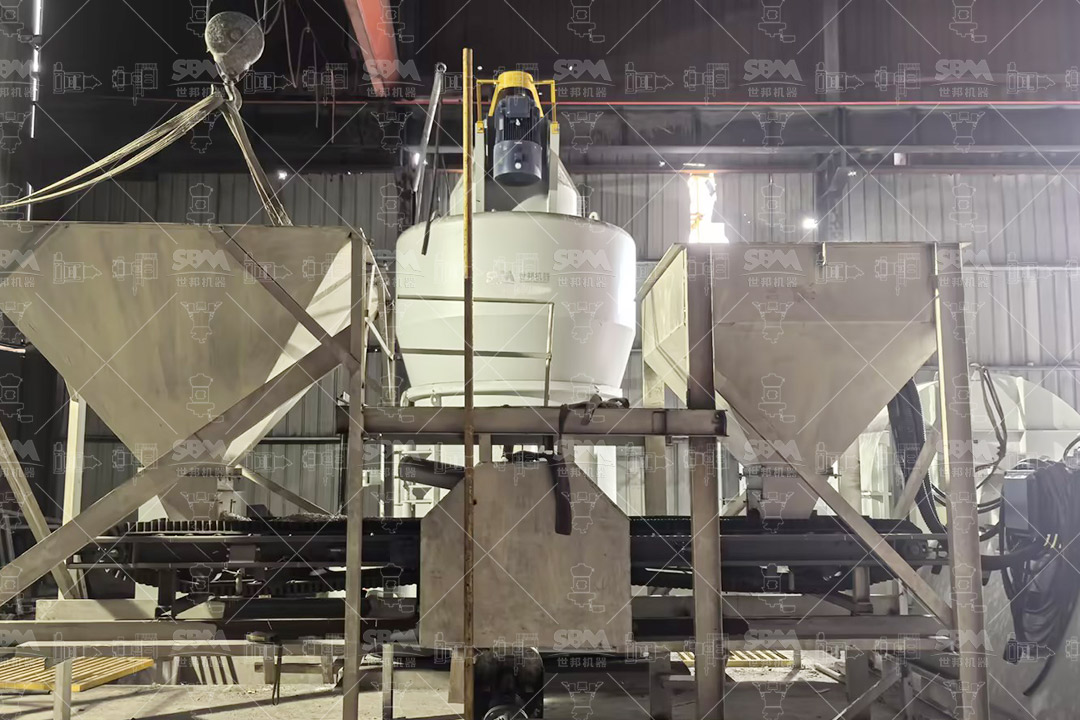
When the application demands极细粉末 (ultra-fine powder) in the range of 325-2500 mesh (D97 ≤ 5μm), our SCM Series Ultrafine Mill is the superior solution. Its core advantage lies in its高效节能 (high efficiency and energy saving) design, offering twice the capacity of jet mills while reducing energy consumption by 30%. The integrated垂直涡轮分级器 (vertical turbine classifier) ensures高精度分级 (high-precision classification), delivering成品均匀 (uniform finished product) without coarse particle contamination. With a durable construction featuring special material rollers and磨环 (grinding rings), it is built for longevity and stable, low-noise (≤75dB) operation.
| Mill Type | Typical Output Range | Key Advantages | Primary Limitations | Best For |
|---|---|---|---|---|
| Hammer Mill | 0 – 3 mm | High capacity, simple, good for brittle materials | Broad PSD, high wear on abrasive materials | Coarse crushing, biomass, chemicals |
| Raymond/MTW Mill | 45 – 600μm (30-325 mesh) | Reliable, low capital cost, stable operation | Limited to medium fineness, lower efficiency vs. VRM | Non-metallic minerals (calcite, talc, barite) |
| Vertical Roller Mill (VRM) | 45 – 600μm (30-325+ mesh) | Very energy-efficient, high capacity, integrated drying | Higher initial investment, more complex | Large-scale cement, slag, coal, power plant |
| Ball Mill | 74 – 800μm | Extremely versatile, wet/dry grinding, uniform product | High energy use (fine grinding), high wear | Ore processing, ceramics, paints (wet grinding) |
| SCM Ultrafine Mill | 5 – 45μm (325-2500 mesh) | Exceptional fineness, energy-efficient, precise classification | For fine feed size (≤20mm) | High-value fillers, coatings, advanced materials |
Follow this systematic approach to narrow down your choices.
Quantify your needs: Required throughput (t/h), target fineness (D50, D97, or mesh), allowable moisture in feed and product, and required availability/uptime.
Conduct lab tests to determine hardness, abrasiveness, grindability index (e.g., Bond Work Index), and moisture. This data is essential for sizing the mill and predicting power consumption.
A mill is part of a system. Factor in the need for ancillary equipment: feed systems (crushers, conveyors), classifiers (integrated or external), dust collectors, product conveyors, and packaging systems. Ensure the mill supplier can provide a coherent system design.
For large or critical applications, always conduct pilot-scale tests with your actual material. Reputable suppliers will offer test facilities. Use the results to finalize equipment sizing, confirm product quality, and predict operating costs. Discuss lifecycle support, spare parts availability, and technical service.
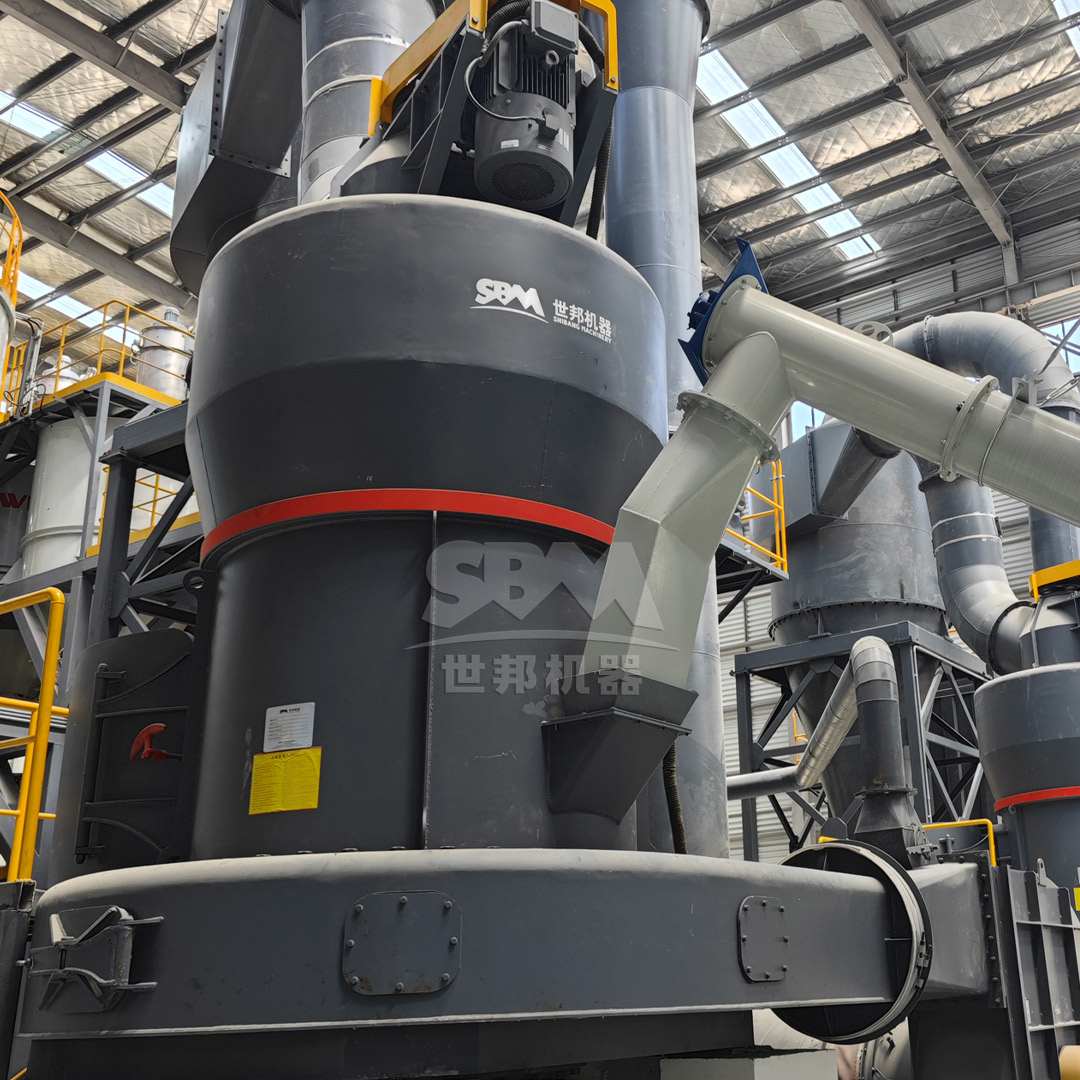
Selecting the right grinding mill is a strategic investment that balances material science with mechanical engineering. There is no universal “best” mill, only the best mill for your specific combination of material, desired product, and operational context. By rigorously defining your requirements, understanding the strengths of each technology—from the high-capacity efficiency of Vertical Roller Mills to the ultra-fine precision of specialized mills like the SCM Ultrafine Mill—and following a structured selection process, you can make an informed decision that optimizes productivity, quality, and profitability for years to come. Partnering with an experienced supplier who offers comprehensive testing and support is invaluable on this journey.