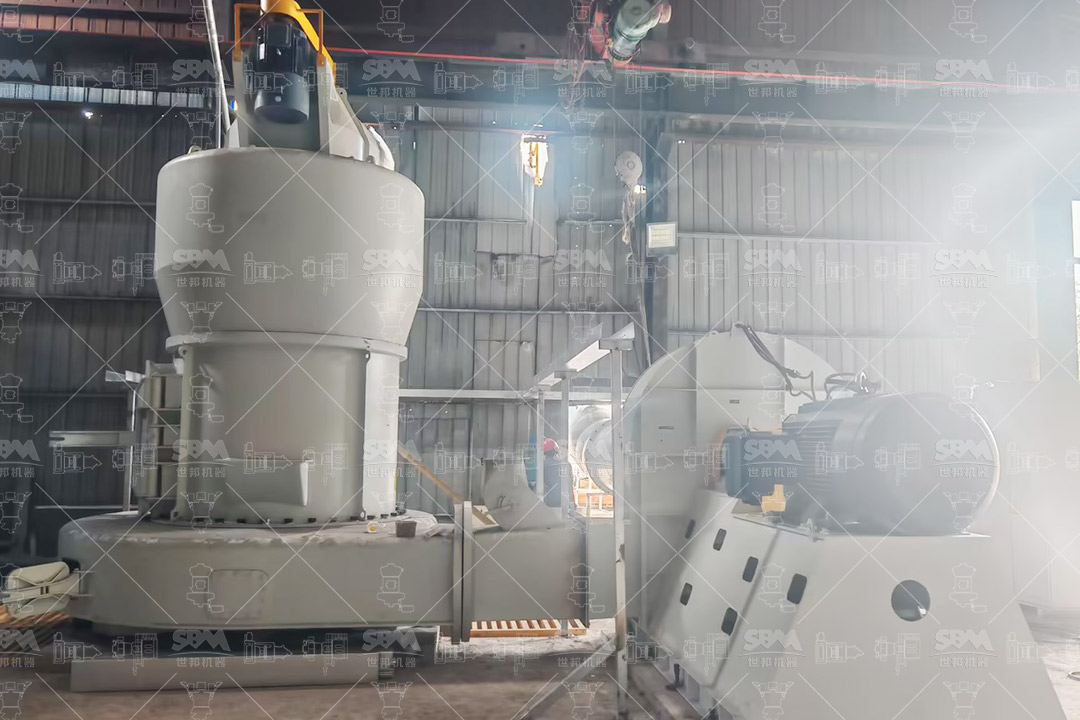
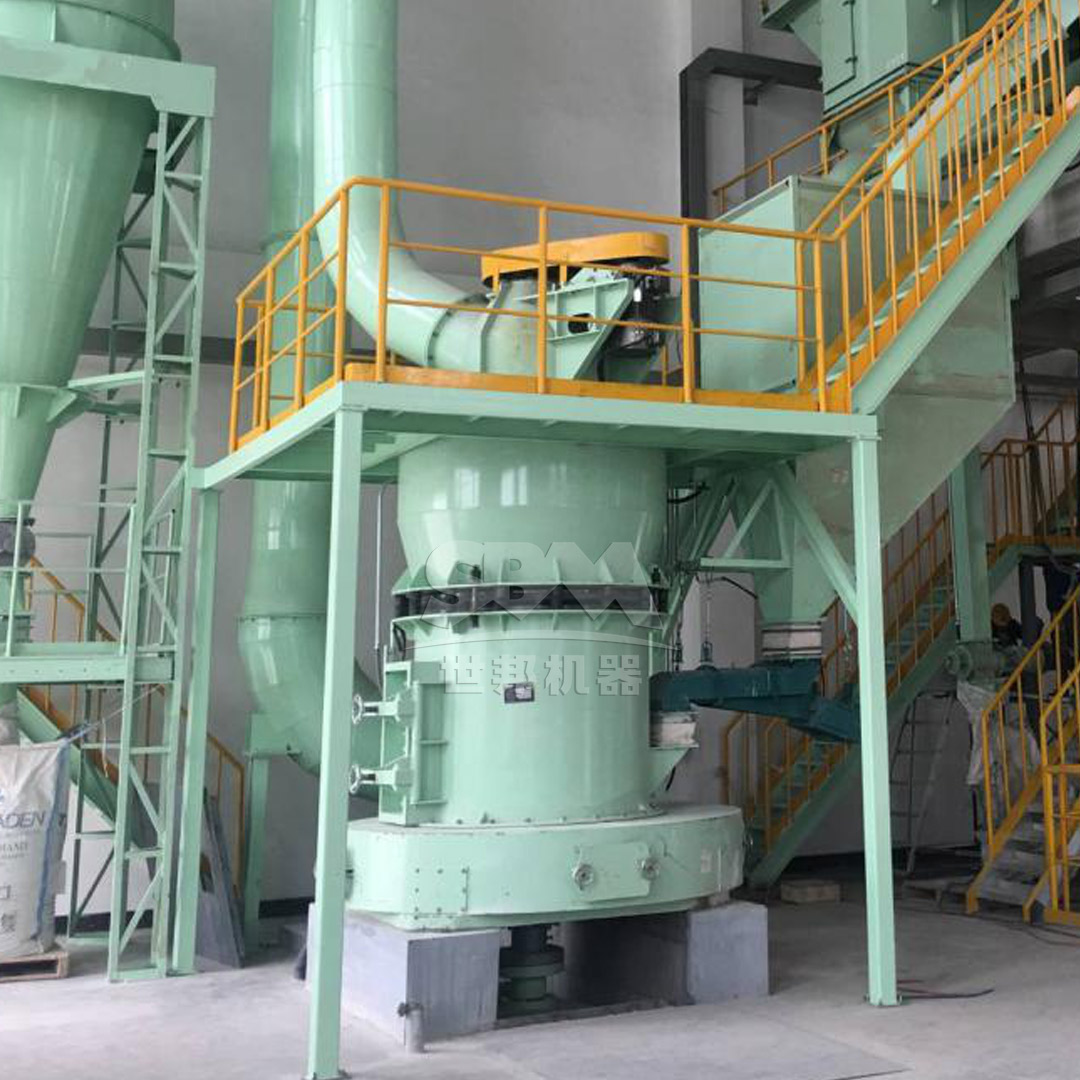
In the chemical manufacturing industry, bauxite and its derivatives (such as calcined alumina, aluminum hydroxide) are critical additives used as catalysts, fillers, flame retardants, and raw materials for aluminum chemicals. The performance of these additives is intrinsically linked to their particle size distribution, fineness, and purity. Selecting the appropriate grinding mill is therefore not merely an operational decision but a strategic one that impacts product quality, process efficiency, and overall profitability. This guide provides a comprehensive framework for choosing the optimal grinding solution for bauxite additives, focusing on key technical parameters and operational considerations.
The selection process must begin with a clear understanding of the material properties and the final product requirements. Bauxite is an abrasive material with variable hardness (Mohs scale 1-3 for gibbsite, 6.5-7 for corundum in calcined forms), making wear resistance a paramount concern.
The required fineness is the primary driver. Chemical applications demand precise PSD control.
| Application | Typical Fineness Range | Key PSD Requirement |
|---|---|---|
| Catalyst Support | 325-2500 mesh (5-45µm) | Ultra-fine, narrow distribution |
| Filler/Reinforcement | 200-800 mesh (18-75µm) | Consistent, moderate fineness |
| Flame Retardant | 100-400 mesh (38-150µm) | Specific surface area control |
| Pre-cursor for Chemicals | 30-200 mesh (75-600µm) | Reactivity, dissolution rate |
Match the mill’s capacity (t/h) to your production volume, considering both current needs and future expansion. Under-sizing leads to bottlenecks, while over-sizing increases capital and energy costs unnecessarily.
Grinding is energy-intensive. Evaluate the specific energy consumption (kWh/ton) of different mill types. Advanced designs with integrated classifiers and efficient drives can reduce operational expenses by 30-40%.
Bauxite’s abrasiveness necessitates mills with robust wear protection for grinding elements (rollers, rings, liners) and minimal downtime for part replacement. Look for features like special alloy materials and easy-maintenance designs.
The mill should integrate seamlessly with feeding, classification, and dust collection systems. Fully sealed, negative-pressure operation is essential to meet stringent dust emission standards and ensure a clean working environment.
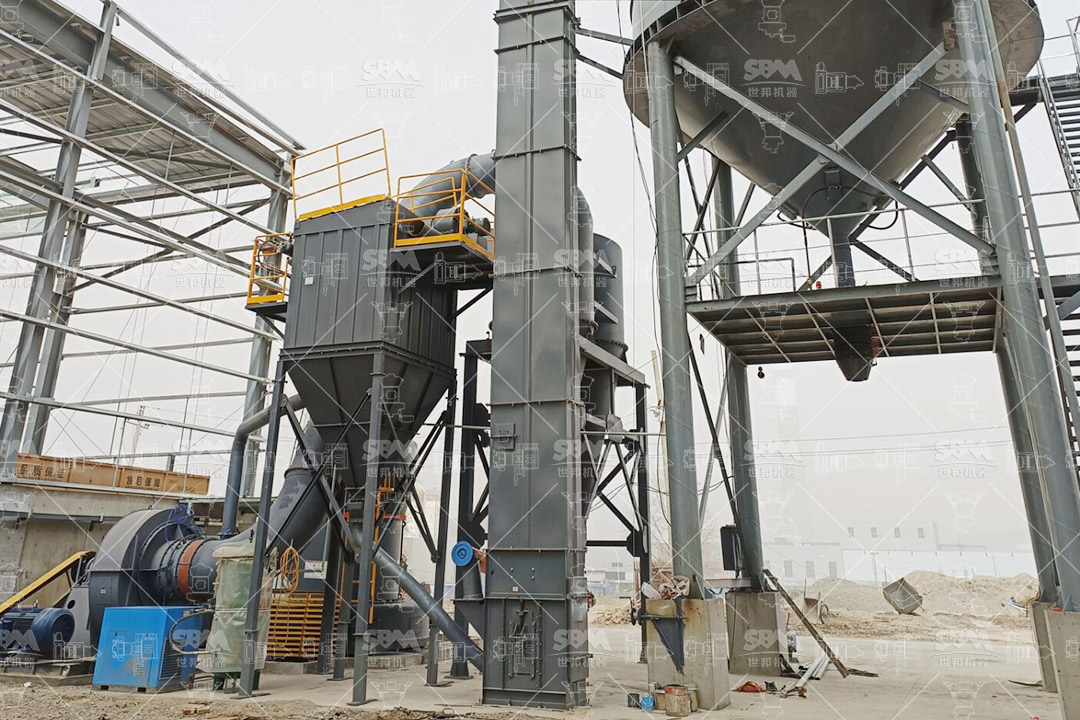
Different mill technologies offer distinct advantages depending on the target fineness and scale.
A traditional workhorse suitable for coarse to medium grinding (0.074-0.8mm). While robust and capable of high capacity, its energy efficiency is lower compared to newer roller mill technologies, especially for finer products. It is often used in wet grinding processes for bauxite or as a primary grinding stage.
Ideal for medium to fine grinding (30-325 mesh) of bauxite at medium to large scales (3-250 t/h). Its bed-grinding principle offers high energy efficiency and excellent drying capability if hot gas is introduced. The integrated grinding-drying-classification system reduces plant footprint significantly.
For large-scale production of bauxite additives in the chemical sector, where reliability and efficiency are key, our LM Series Vertical Roller Mill presents a compelling solution. Its integrated design reduces floor space by 50% and infrastructure costs by 40%. More importantly, its non-contact design between rollers and the grinding table, combined with wear-resistant materials, increases wear part life significantly—a critical factor for abrasive bauxite. With energy consumption 30-40% lower than traditional ball mill systems and intelligent control for stable operation, the LM Series ensures consistent product quality and low total cost of ownership for high-tonnage applications.
Excellent for producing powders in the 45-600 mesh range with capacities from 3-45 t/h. It features a balanced performance of fineness adjustment, capacity, and energy consumption. The curved shovel design and wear-resistant volute structure make it a durable choice for continuous bauxite processing.
This is the technology of choice for producing high-value, superfine bauxite powders (325-2500 mesh) used in advanced catalysts and functional fillers. These mills combine grinding with high-precision air classification.
When the application demands ultra-fine, high-purity bauxite powder with a tight particle size distribution, our SCM Series Ultrafine Mill is the ideal specialist. Capable of achieving fineness between 325 and 2500 mesh (5-45µm), it incorporates a high-precision vertical turbine classifier that ensures no coarse powder mixing, guaranteeing a uniform final product. Its high efficiency is notable, offering twice the capacity of jet mills while consuming 30% less energy. For chemical manufacturers aiming for premium-grade additives, the SCM Series provides the technological edge needed for product differentiation.
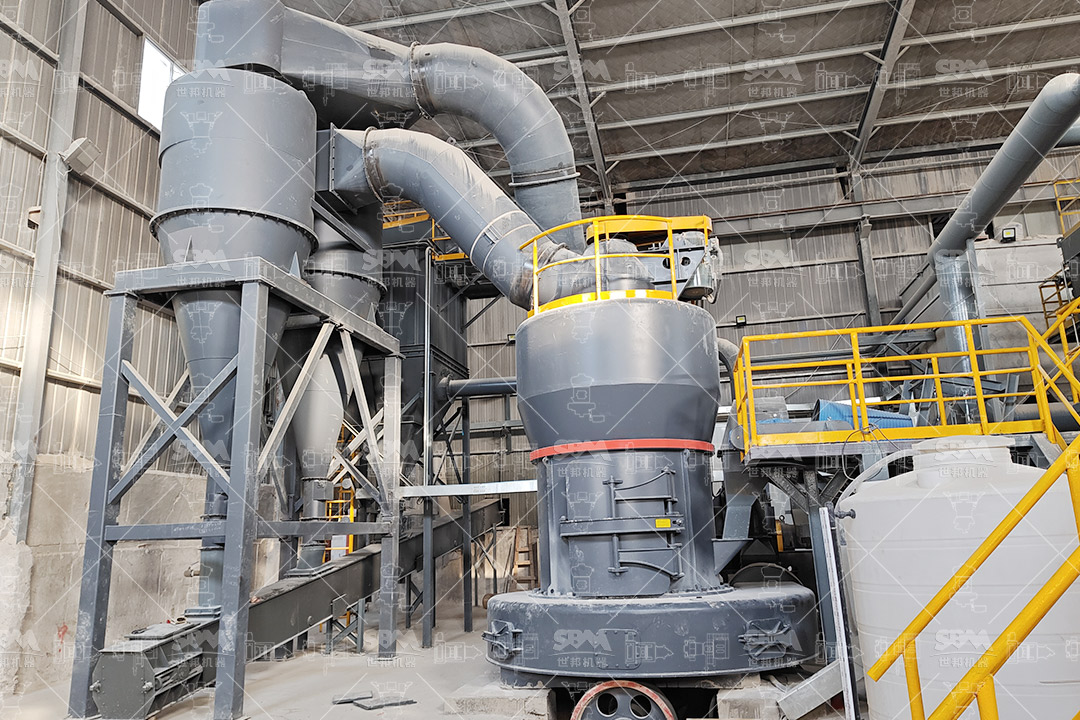
Follow this step-by-step approach to narrow down your options:
Selecting the right grinding mill for bauxite additives is a critical investment that dictates product quality and plant economics. There is no one-size-fits-all solution. By systematically analyzing the target product specifications, throughput needs, and long-term operational costs, chemical manufacturers can identify the optimal technology. For high-volume production of fine bauxite powders, Vertical Roller Mills offer unparalleled efficiency and integration. For achieving ultra-fine, high-value additive specifications, Ultrafine Grinding Mills with precision classification are indispensable. Partnering with a knowledgeable equipment provider to conduct material tests will ultimately de-risk the investment and pave the way for a successful, efficient grinding operation.