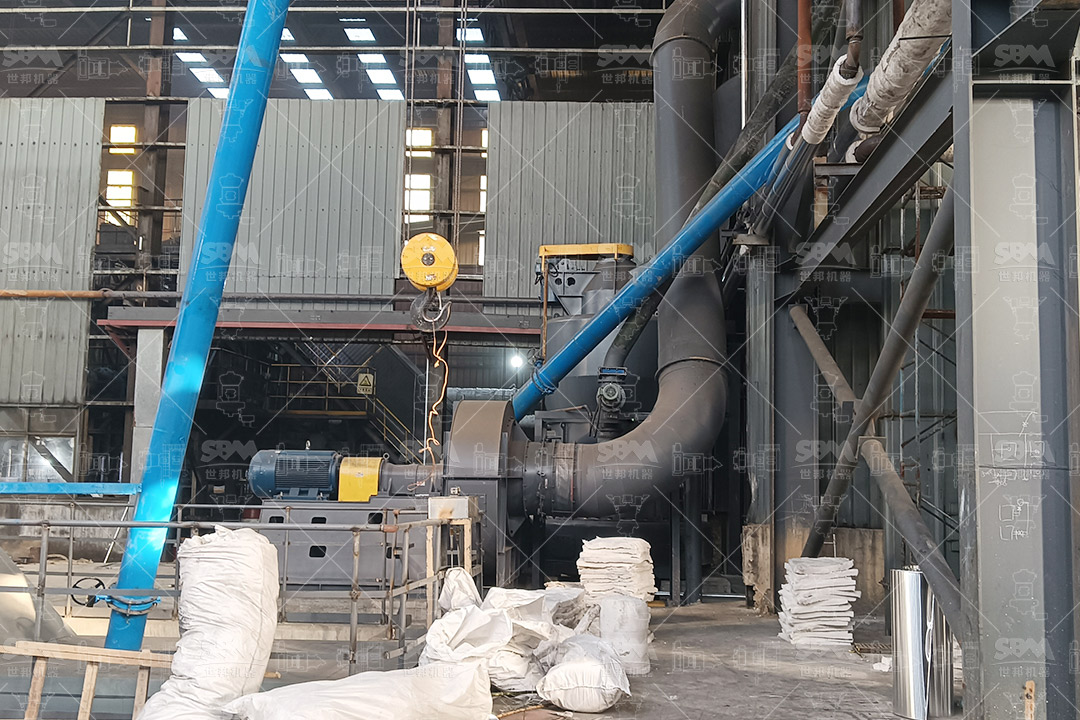
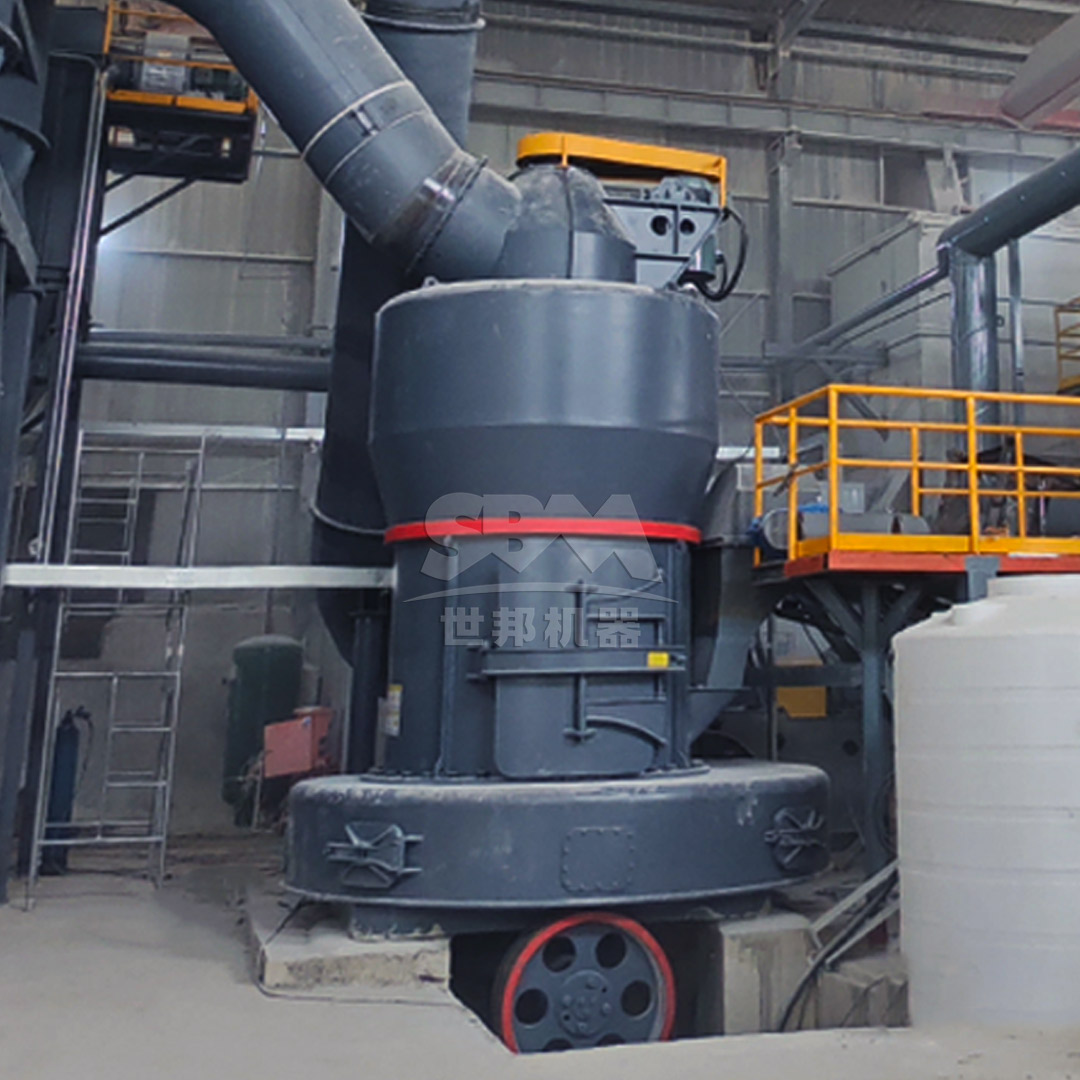
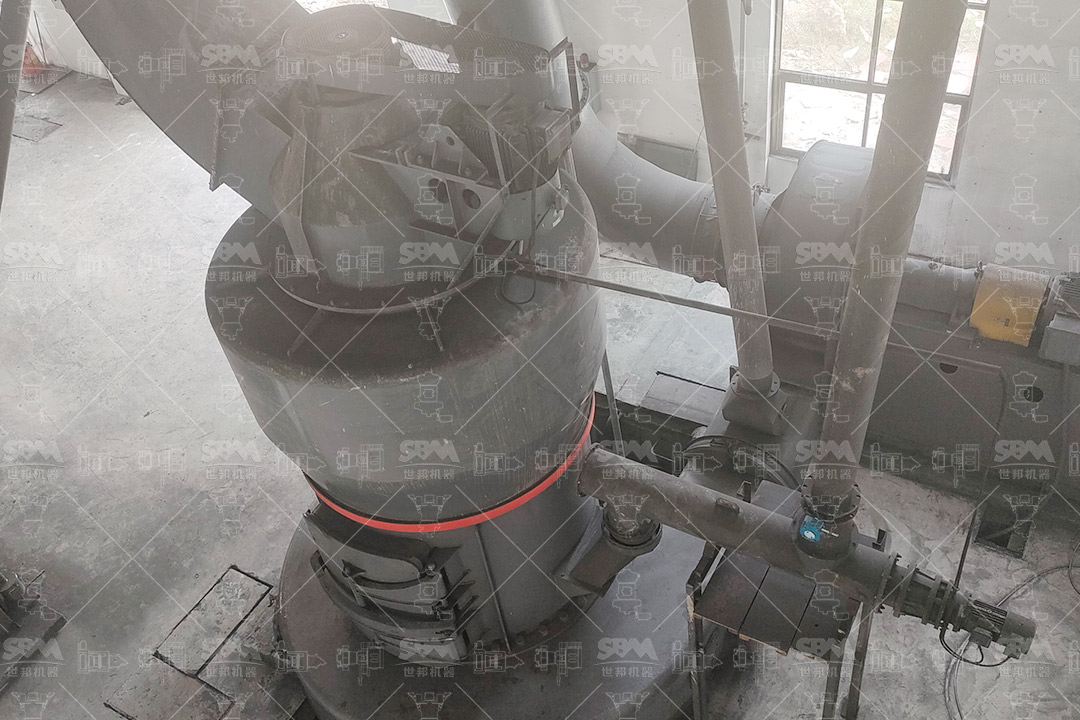
In the paint and varnish industry, the quality of raw materials directly impacts the final product’s performance, appearance, and durability. Limestone, a common filler and extender, requires precise grinding to achieve the optimal particle size distribution for various applications. Selecting the right limestone grinding mill is crucial for ensuring product quality, production efficiency, and cost-effectiveness. This comprehensive guide will walk you through the key factors to consider when choosing a grinding mill for your paint and varnish production line.
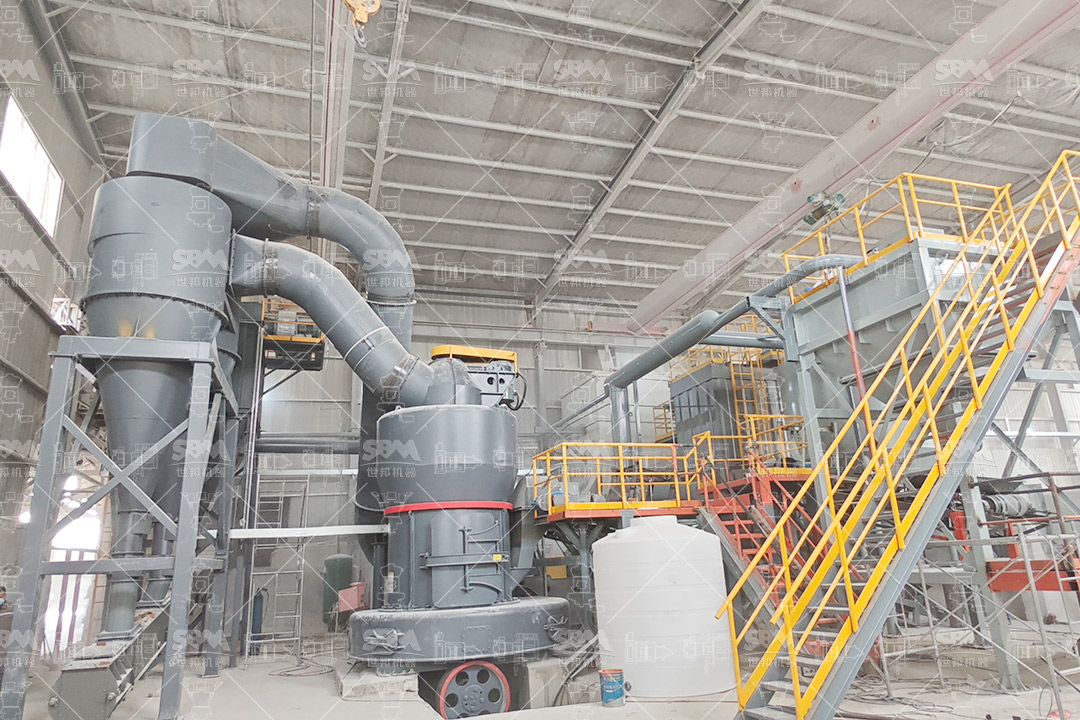
The particle size of ground limestone significantly affects paint properties such as gloss, opacity, viscosity, and durability. For most paint and varnish applications:
High-purity limestone with consistent whiteness (typically 90-96% brightness) is essential for maintaining color consistency in tinted products and achieving the desired optical properties in clear varnishes.
Determine your current and future production needs. Consider both batch size and continuous operation requirements. Small to medium paint manufacturers typically need mills with 1-10 ton/hour capacity, while large-scale operations may require 10-50 ton/hour systems.
Grinding operations account for a significant portion of energy consumption in paint manufacturing. Modern mills can reduce energy usage by 30-50% compared to traditional equipment, directly impacting operational costs.
Evaluate your facility’s available space, ceiling height, and infrastructure capabilities. Some mills require substantial foundation work and ancillary equipment, while others offer more compact, integrated solutions.
Consider the total cost of ownership, including wear part replacement frequency, maintenance labor, and potential production downtime. Advanced mills with durable components and easy maintenance access can significantly reduce long-term costs.
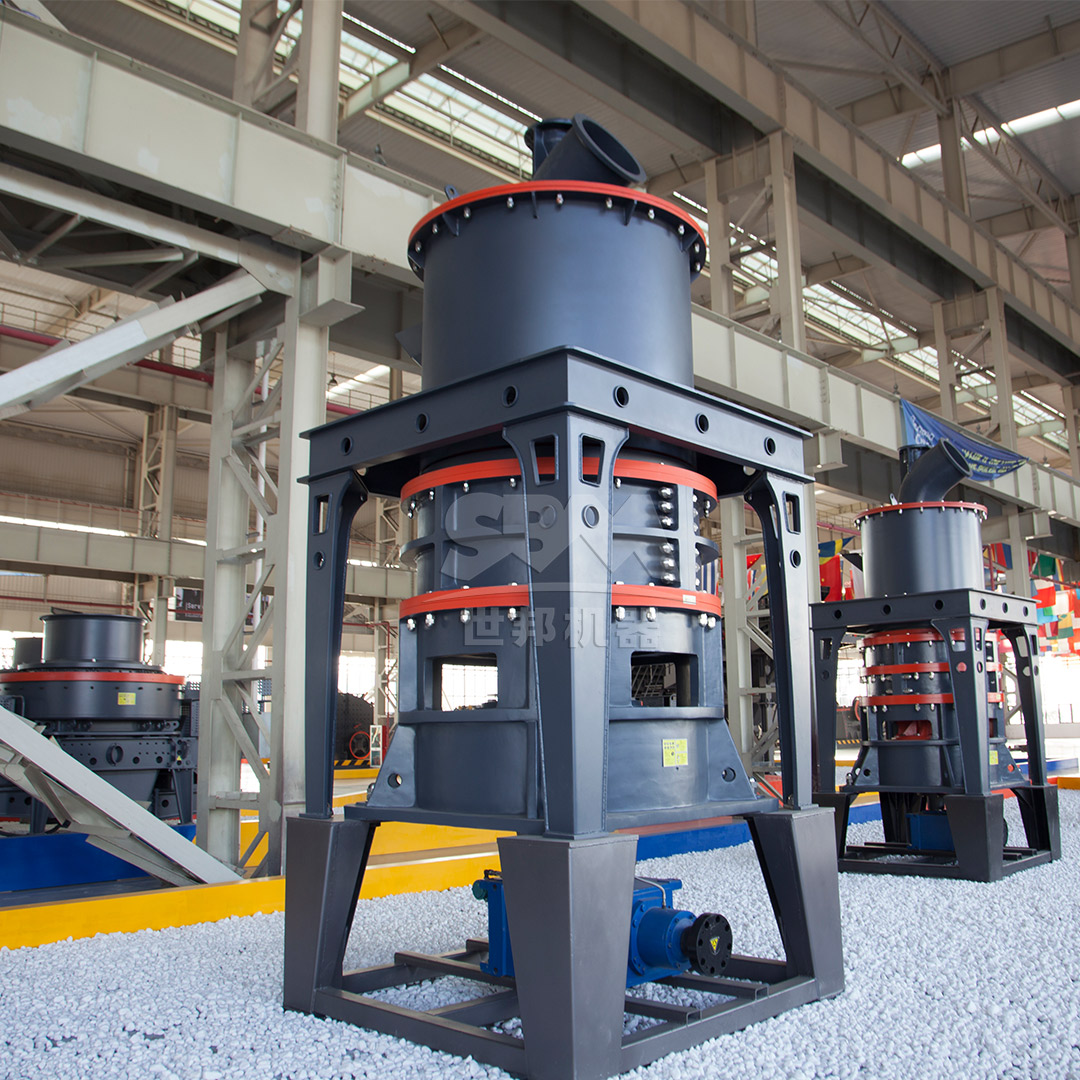
For applications requiring extremely fine limestone powders, ultra-fine grinding mills offer unparalleled performance. Our SCM Ultrafine Mill series represents the cutting edge in fine grinding technology, specifically engineered for demanding applications like high-quality paints and varnishes.
Key Advantages for Paint Production:
The SCM series operates through a unique multi-layer grinding principle where material is centrifugally dispersed into the grinding path and progressively refined through roller compression. This mechanism ensures minimal heat generation, preserving limestone’s chemical properties critical for paint formulations.
| Model | Capacity (ton/h) | Main Motor Power | Output Fineness | Recommended Application |
|---|---|---|---|---|
| SCM800 | 0.5-4.5 | 75 kW | 325-2500 mesh | Small batch specialty paints |
| SCM1000 | 1.0-8.5 | 132 kW | 325-2500 mesh | Medium production lines |
| SCM1250 | 2.5-14 | 185 kW | 325-2500 mesh | Large volume manufacturing |
| SCM1680 | 5.0-25 | 315 kW | 325-2500 mesh | High-capacity industrial plants |
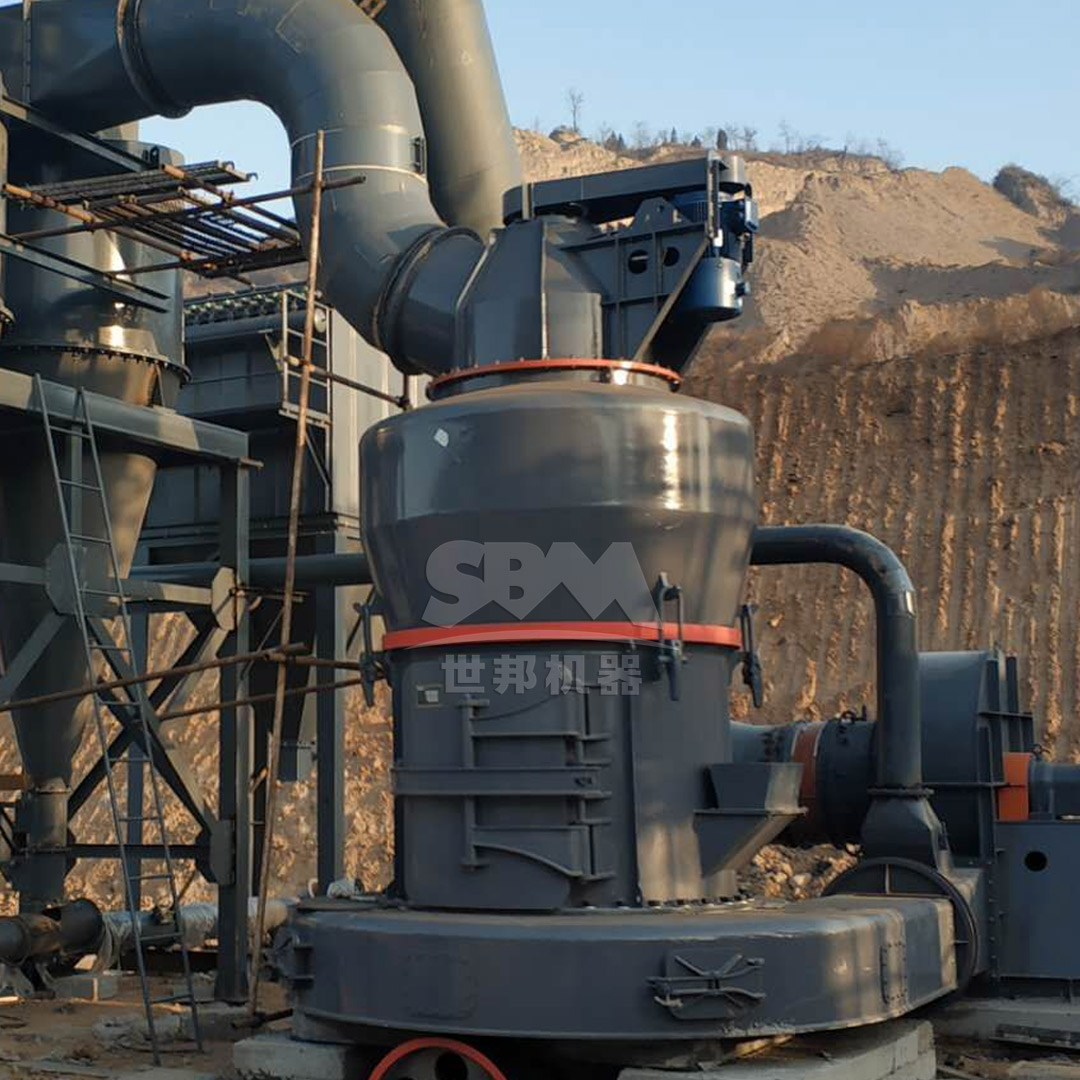
For standard paint formulations where ultra-fine particles aren’t required, the MTW Series Trapezium Mill offers an excellent balance of performance and economy. This European-style grinding mill delivers consistent results in the 30-325 mesh range, making it ideal for architectural paints and primers.
Notable Features for Paint Manufacturers:
The MTW series utilizes a centrifugal grinding principle where rotating rollers create compressive forces against the grinding ring, efficiently reducing limestone to the desired fineness with minimal energy consumption.
For large-scale paint production facilities, vertical roller mills provide exceptional efficiency and integration capabilities. The LM series combines crushing, grinding, and separation in a single compact unit, significantly reducing footprint and installation costs.
Benefits for Industrial Paint Production:
Ball Mills: Traditional workhorses suitable for general-purpose grinding but less efficient for fine applications. Best for products where precise particle control isn’t critical.
Hammer Mills: Primarily for preliminary size reduction rather than final product grinding. Useful as pre-crushers in multi-stage grinding systems.
| Mill Type | Optimal Fineness Range | Capacity Range | Energy Efficiency | Space Requirements | Best For |
|---|---|---|---|---|---|
| SCM Ultrafine Mill | 5-45μm (325-2500 mesh) | 0.5-25 t/h | Excellent | Moderate | High-gloss paints, transparent varnishes |
| MTW Trapezium Mill | 45-600μm (30-325 mesh) | 3-45 t/h | Very Good | Moderate to High | Architectural paints, primers, textured coatings |
| LM Vertical Mill | 45-600μm (30-325 mesh) | 3-250 t/h | Excellent | Compact | Large-scale industrial coatings |
| Ball Mill | 74-800μm (20-200 mesh) | 0.65-450 t/h | Good | High | General purpose, cost-sensitive applications |
A leading European varnish manufacturer recently upgraded their grinding system to our SCM1000 Ultrafine Mill to address quality consistency issues in their premium product line. The results demonstrated significant improvements:
The implementation included comprehensive technical support and operator training, ensuring seamless integration with their existing production line. The return on investment was achieved in under 18 months through reduced energy costs, lower maintenance expenses, and premium product pricing enabled by superior quality.
Proper limestone preparation before grinding is essential for optimal mill performance. Ensure your raw material meets the mill’s input specifications through appropriate crushing and drying processes.
Modern grinding mills include integrated dust collection systems, but additional plant-wide considerations may be necessary to maintain clean operating environments and ensure worker safety.
Most advanced mills feature PLC-based control systems that can be integrated with your plant’s overall automation strategy, enabling centralized monitoring and control of the entire production process.
Select equipment that can accommodate future production increases through modular design or available capacity headroom. The MTW and LM series particularly excel in scalability for growing operations.
Choose mills with modern control systems that support software updates and potential integration with emerging Industry 4.0 technologies for smart manufacturing.
Ensure selected equipment meets current and anticipated environmental, safety, and quality standards in your target markets, particularly if exporting to regions with stringent regulations.
Selecting the right limestone grinding mill for your paint and varnish production requires careful consideration of multiple technical, operational, and economic factors. For operations demanding the finest particle sizes and superior product quality, our SCM Ultrafine Mill series provides unmatched performance with significant energy savings. For high-volume production of standard paint products, the MTW Series Trapezium Mill offers an optimal balance of efficiency and reliability.
By understanding your specific product requirements, production volumes, and quality objectives, you can make an informed decision that maximizes return on investment while ensuring consistent, high-quality output. We recommend consulting with our technical experts to conduct a comprehensive analysis of your specific needs and identify the ideal grinding solution for your paint and varnish production line.