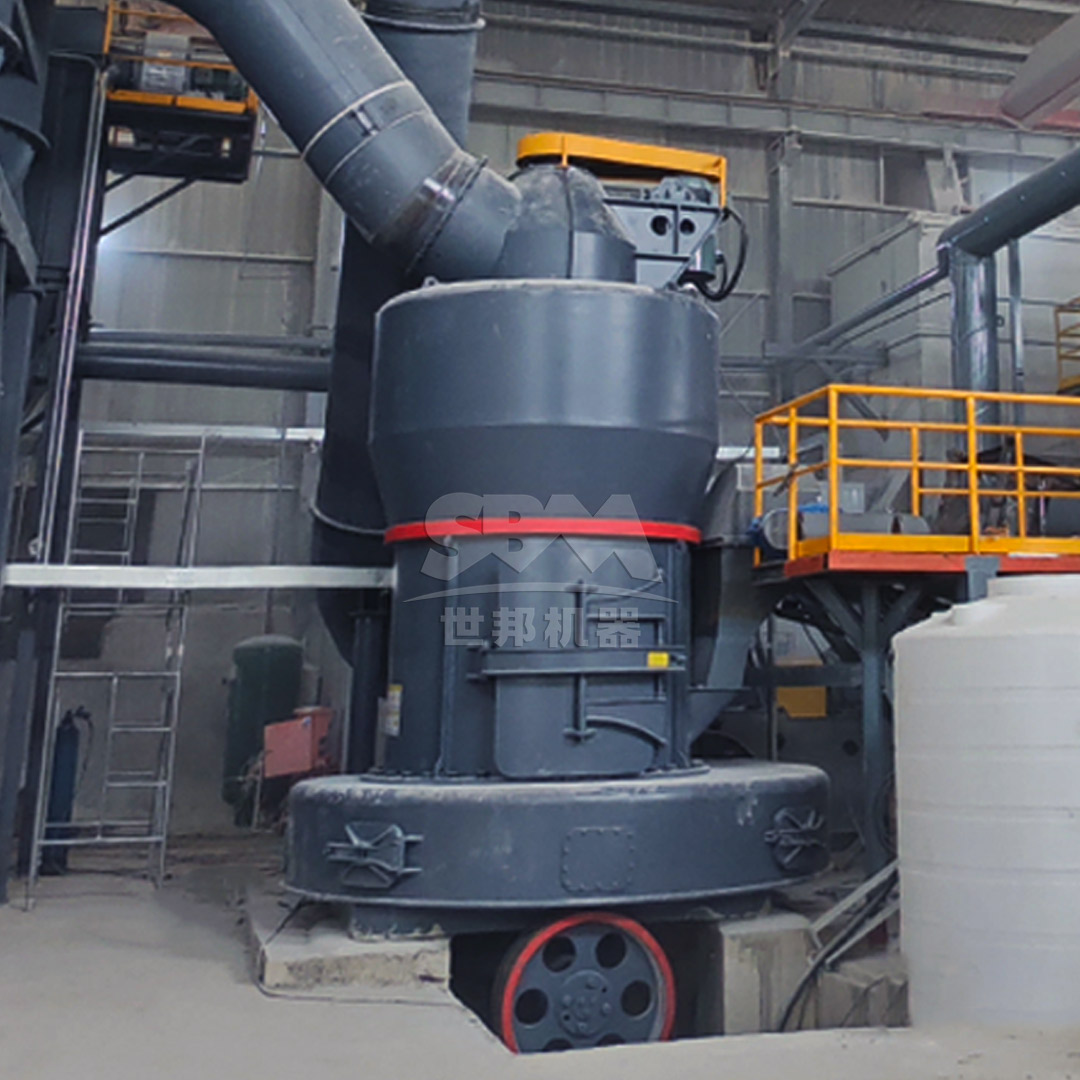
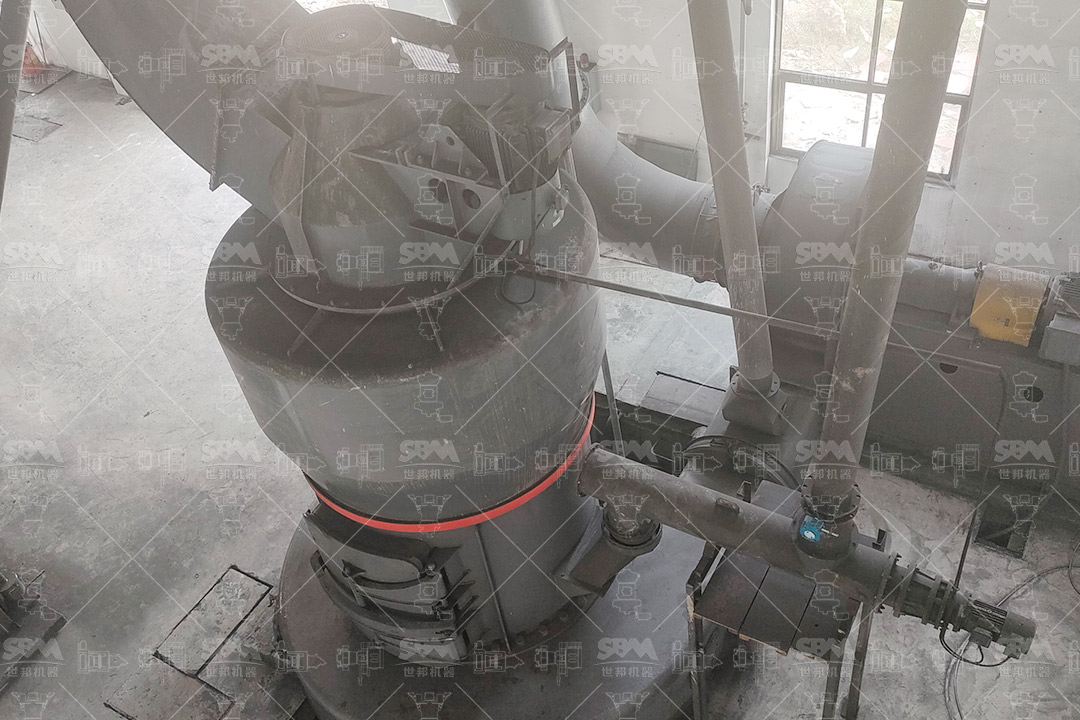
The production of high-performance rubber compounds is a precise science, where every ingredient, from the polymer matrix to the myriad of fillers and additives, plays a crucial role. Among these, talc stands out as a multifunctional mineral filler, prized for its ability to enhance stiffness, improve dimensional stability, reduce gas permeability, and act as a processing aid. However, the efficacy of talc is intrinsically linked to its particle size, particle size distribution (PSD), and surface morphology—properties directly determined by the grinding technology employed. Selecting the incorrect grinding mill can lead to suboptimal filler performance, increased compound viscosity, poor dispersion, and ultimately, inferior rubber product quality. This guide provides a comprehensive framework for selecting the ideal talc grinding mill, ensuring your rubber production achieves the desired balance of performance, efficiency, and cost.
Choosing a mill is not a one-size-fits-all decision. It requires a careful analysis of both the raw material requirements and the desired outcomes in the final rubber compound.
The target fineness is the primary driver of mill selection. Rubber applications typically demand talc in specific ranges:
The mill must match your plant’s throughput requirements, from pilot-scale R&D (a few hundred kg/h) to full-scale continuous production (tens of tons per hour). Consider not just current needs but also future expansion.
Grinding is an energy-intensive process. Mills with higher grinding efficiency and lower specific energy consumption (kWh/ton) significantly reduce long-term operating expenses. Modern designs with integrated classifiers and optimized airflow are paramount.
Rubber compounding requires consistent filler quality batch-to-batch. The mill must produce a narrow PSD. Furthermore, some mills tend to delaminate the platy structure of talc more than others, affecting its reinforcing and barrier properties in the rubber matrix.
Space constraints and environmental regulations (dust emission, noise levels) are critical practical considerations. Integrated, closed-circuit systems with efficient dust collection are highly advantageous.
Here, we analyze the most common grinding technologies and their suitability for talc processing in the rubber industry.
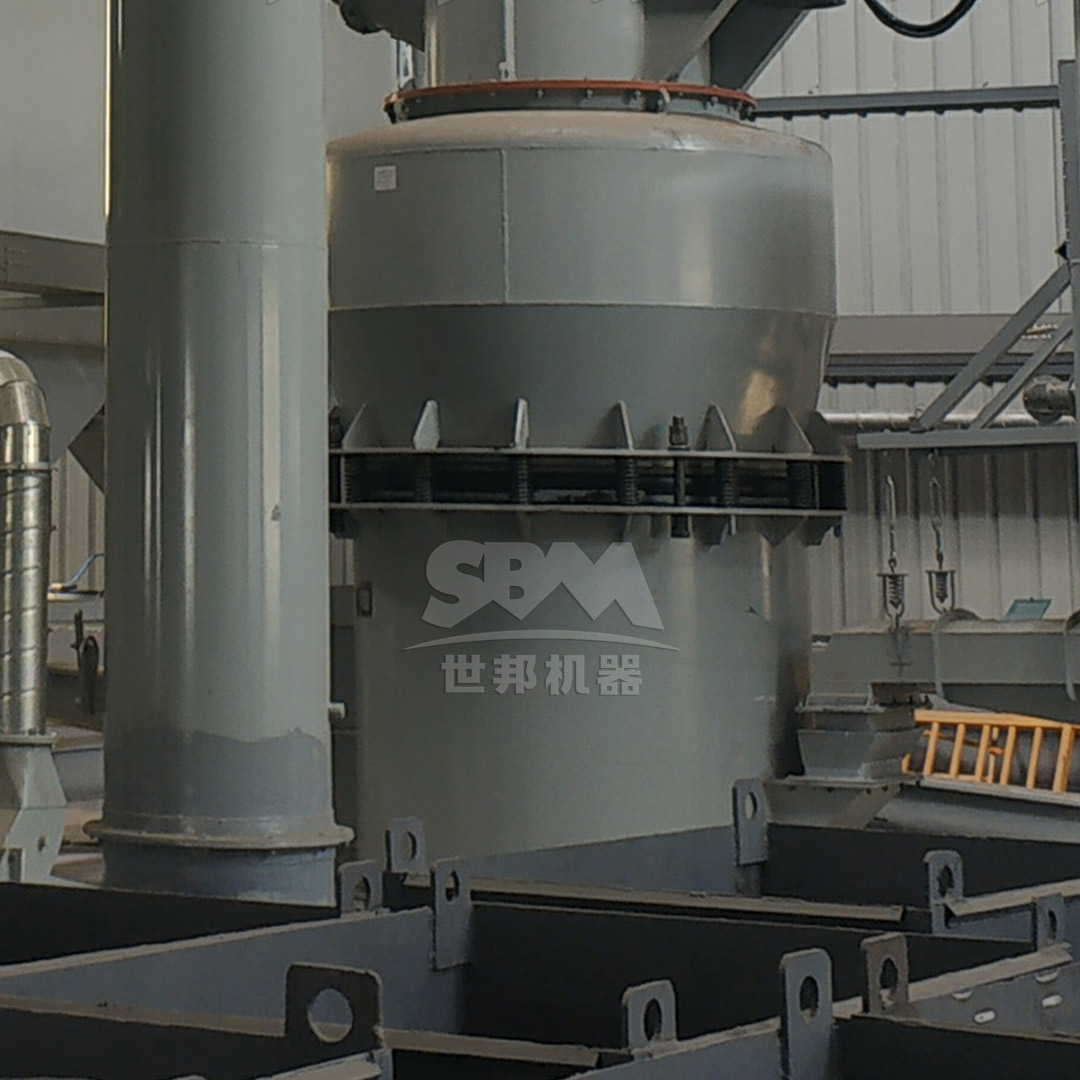
This represents an evolution of the traditional Raymond mill, incorporating numerous technological upgrades for efficiency and precision. For rubber compounders needing reliable, high-volume production of consistently fine talc, the MTW Series European Trapezium Mill is a standout choice.
Its anti-wear shovel design and optimized arc air duct significantly reduce maintenance costs and energy loss. The integral bevel gear drive (98% transmission efficiency) ensures stable, powerful operation crucial for continuous production lines. Most importantly for quality control, its advanced classification system can reliably produce talc in the 30-325 mesh range (600-45μm), making it perfect for a wide spectrum of rubber applications from tire components to industrial belts.
| Model | Capacity (t/h) | Output Fineness | Main Power |
|---|---|---|---|
| MTW138Z | 6-17 | 10-325 mesh | 90kW |
| MTW175G | 9.5-25 | 10-325 mesh | 160kW |
| MTW215G | 15-45 | 10-325 mesh | 280kW |
When the application demands the very best properties from talc—maximum reinforcement, exceptional smoothness, and superior barrier performance—ultrafine grinding is non-negotiable. Jet mills and advanced vertical roller mills are used here.
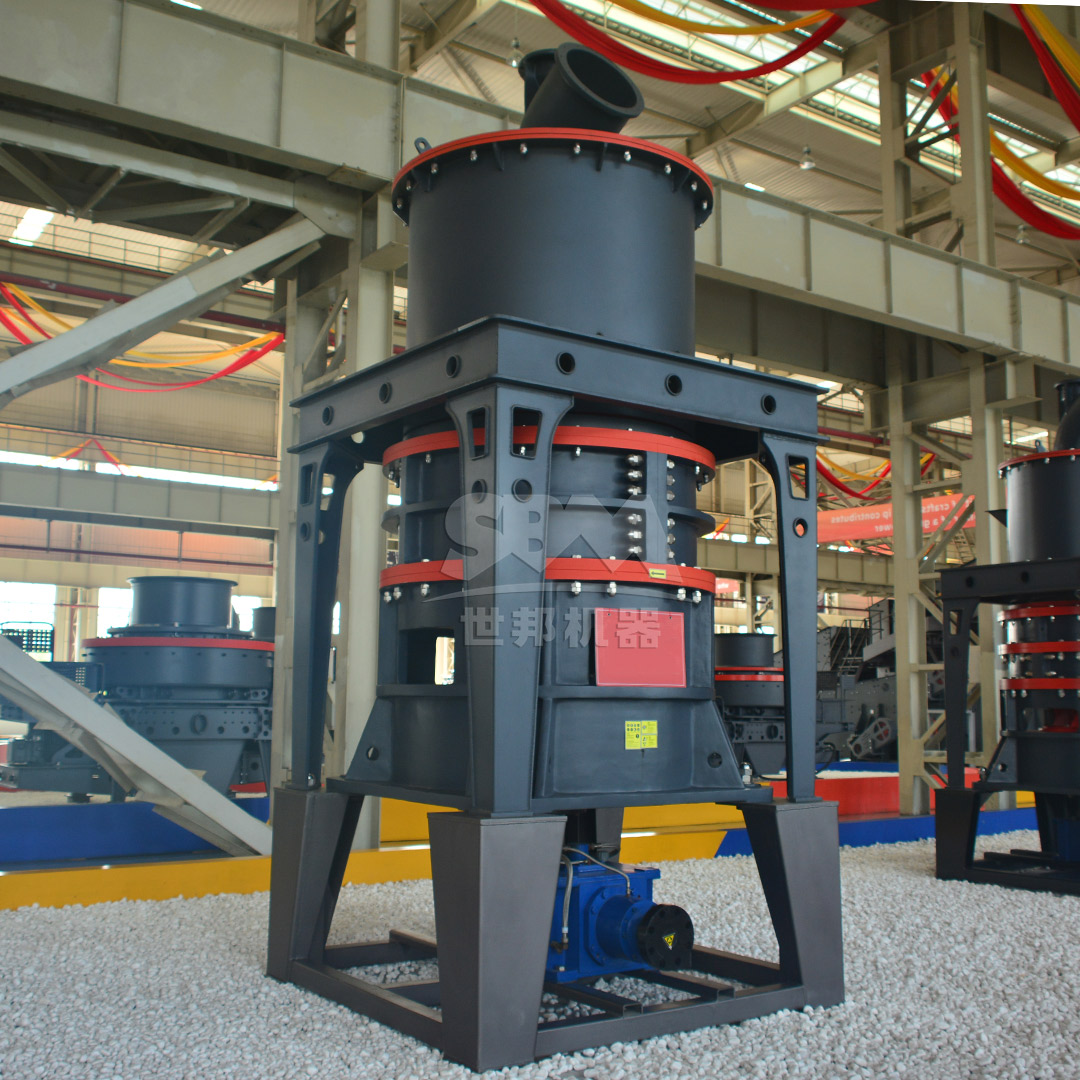
For producing high-performance microtalc, the SCM Series Ultrafine Mill is engineered for excellence. It combines high-efficiency grinding with a high-precision vertical turbine classifier that ensures no coarse powder mixing, delivering a uniform product from 325 to 2500 mesh (45-5μm). This is critical for high-end rubber compounds where consistency is paramount. Its high-efficiency & energy-saving design provides capacity double that of jet mills with 30% lower energy consumption. Furthermore, its durable design with special material rollers and an eco-friendly, low-noise operation makes it a sustainable and reliable choice for modern rubber plants focused on premium products.
Use the following matrix to guide your initial selection:
| Primary Requirement | Recommended Fineness | Recommended Mill Technology | Key Considerations |
|---|---|---|---|
| Cost-effective, general-purpose filler | 100-325 mesh (150-45μm) | MTW European Trapezium Mill | Balance of cost, capacity, and consistent quality. |
| High-volume production for technical rubber goods | 400-800 mesh (38-18μm) | Large-scale Vertical Roller Mill or MTW Mill | Throughput, energy efficiency, system stability. |
| High-performance compounds (seals, medical) | >1250 mesh (<10μm) | SCM Ultrafine Mill | Ultimate fineness, narrow PSD, product uniformity, energy cost vs. jet mill. |
| Pilot-scale development & multi-product flexibility | Wide range (100-2500 mesh) | Smaller models of SCM or MTW series | Flexibility, ease of cleaning, low minimum batch size. |
 <\/p>
<\/p>
Selecting the right talc grinding mill is a strategic investment that directly impacts the quality, cost, and performance of your rubber compounds. By systematically evaluating your fineness requirements, capacity needs, and operational constraints against the capabilities of modern grinding technologies—such as the high-capacity MTW European Trapezium Mill for general applications and the precision-focused SCM Ultrafine Mill for premium products—you can make an informed decision that optimizes your production line. Partnering with a knowledgeable equipment provider to validate the choice through testing will ensure that your talc filler becomes a consistent driver of value and performance in your rubber formulations.<\/p>