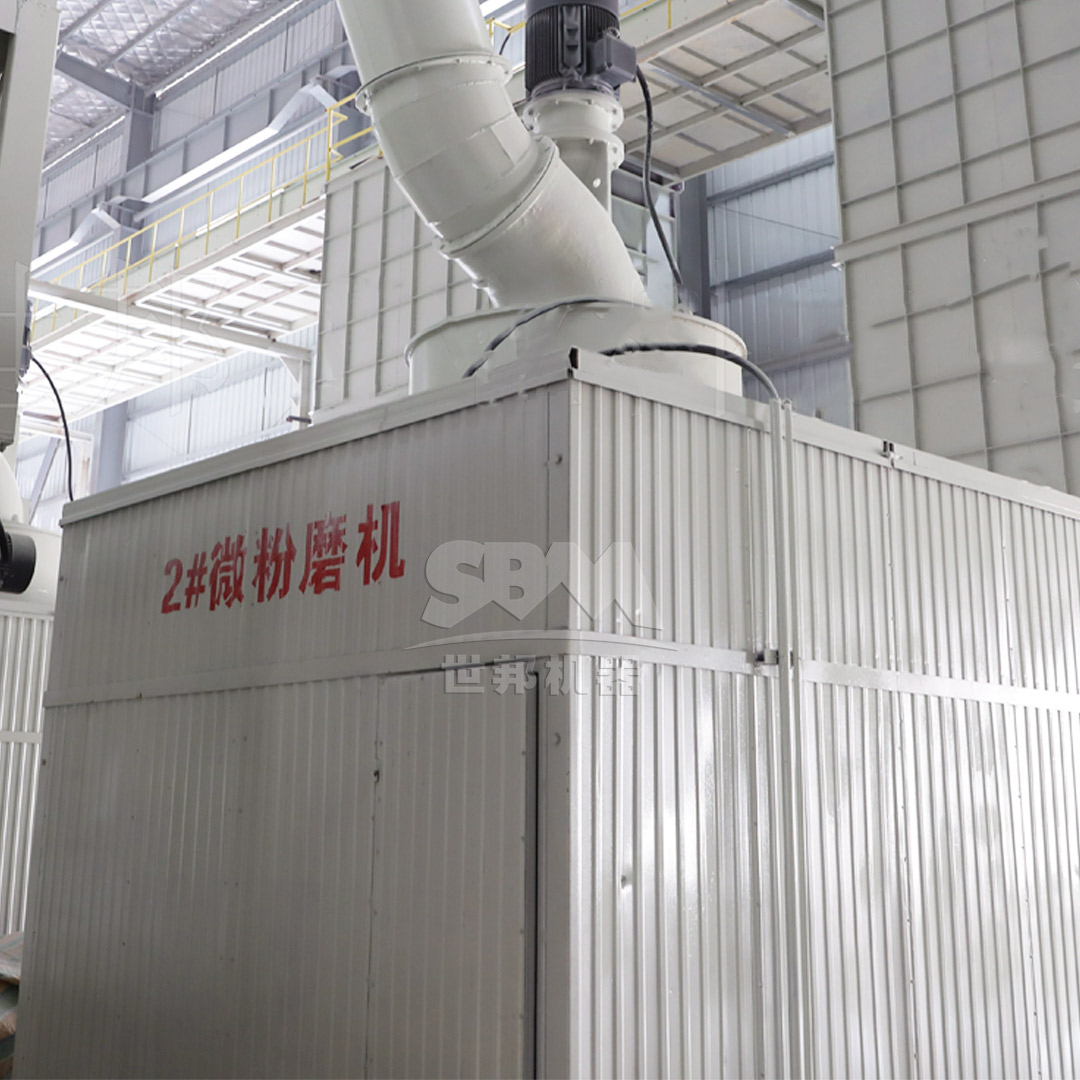
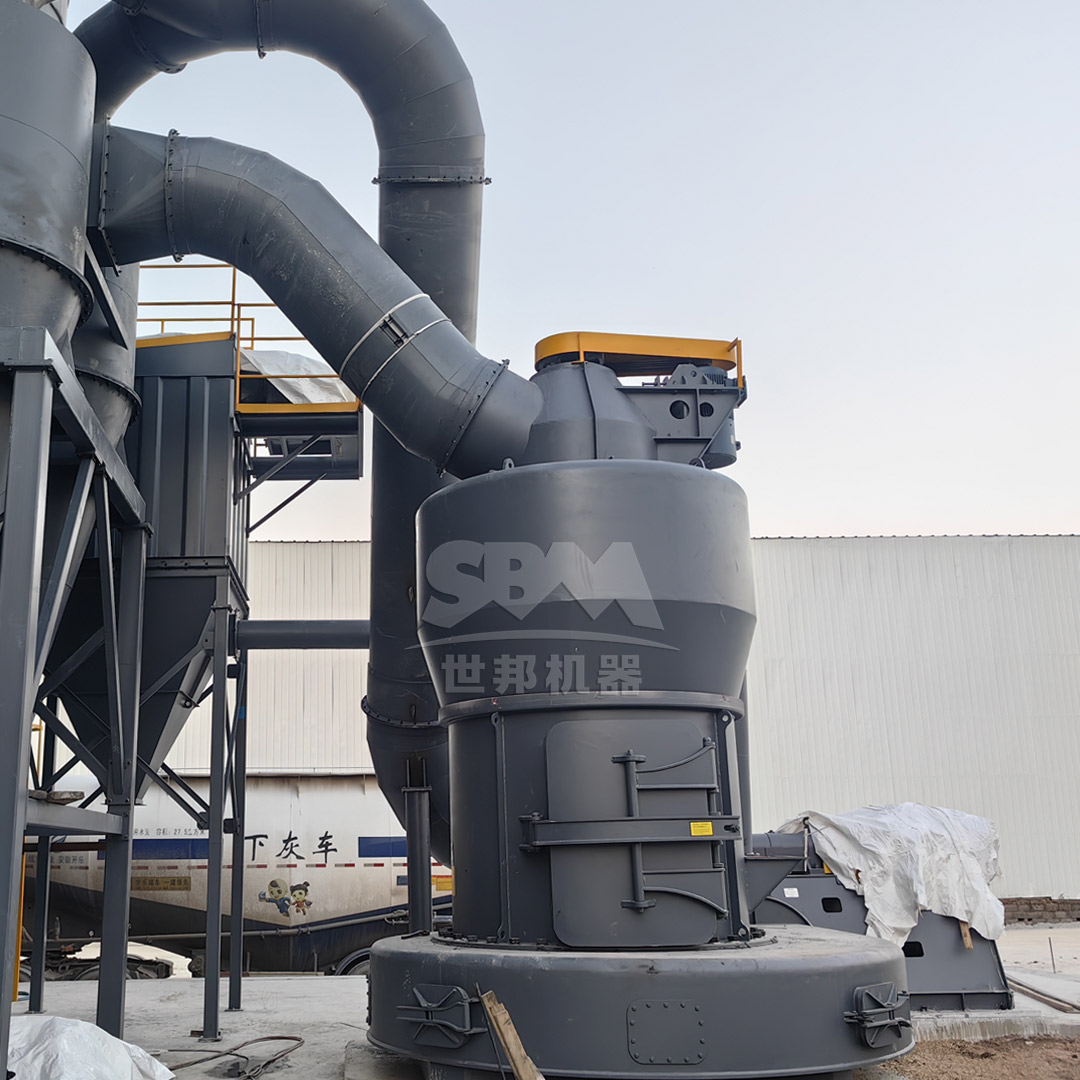
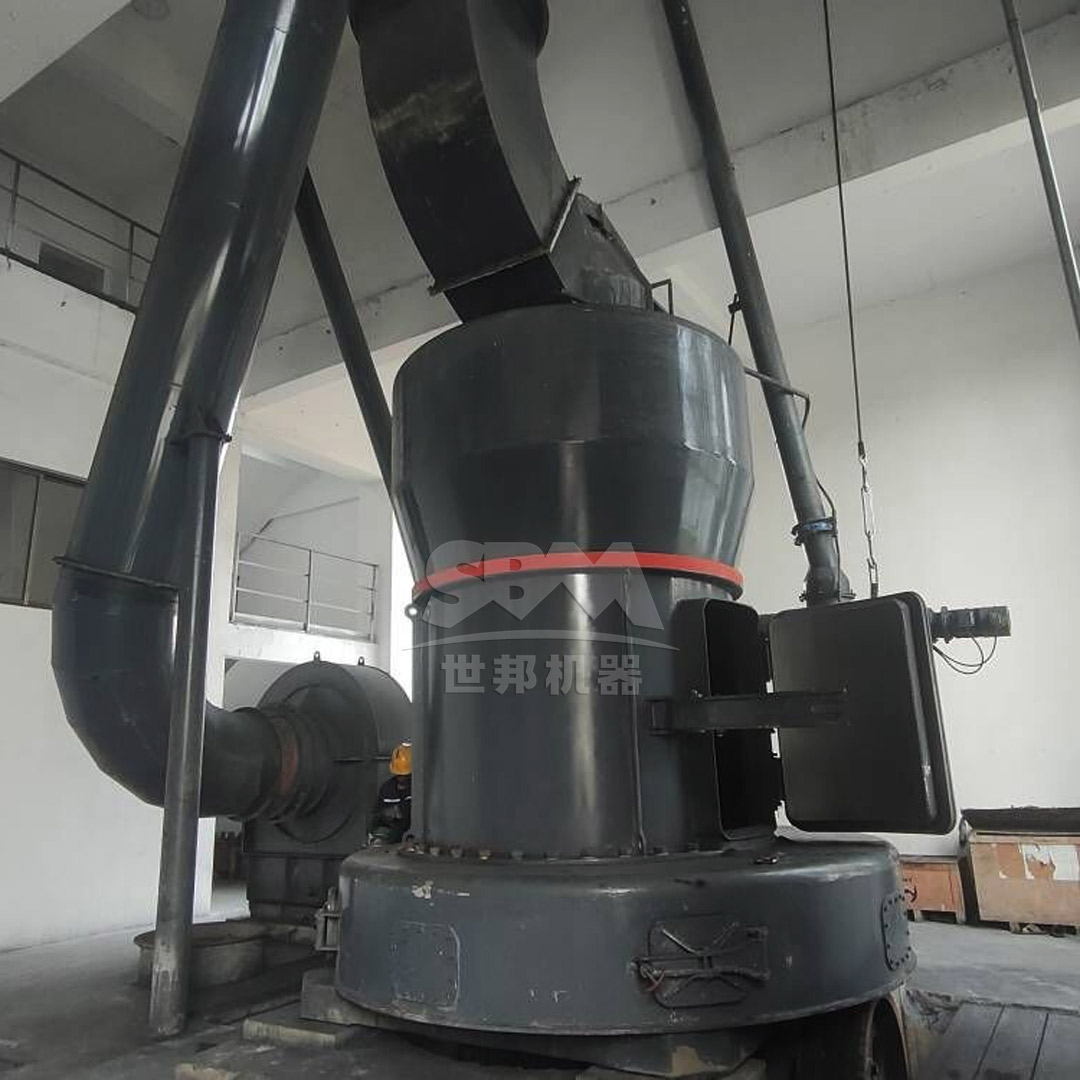
Grinding operations are fundamental to numerous industries, including mining, construction, ceramics, and chemical processing. While essential for material size reduction and refinement, these operations inherently present significant risks to personnel, equipment, and the environment. A comprehensive risk assessment is not merely a regulatory checkbox but a critical, proactive management tool essential for safeguarding assets, ensuring operational continuity, and fostering a culture of safety. This guide outlines a systematic methodology for conducting a thorough risk assessment tailored specifically to grinding machine operations, incorporating hazard identification, risk analysis, control implementation, and continuous monitoring.
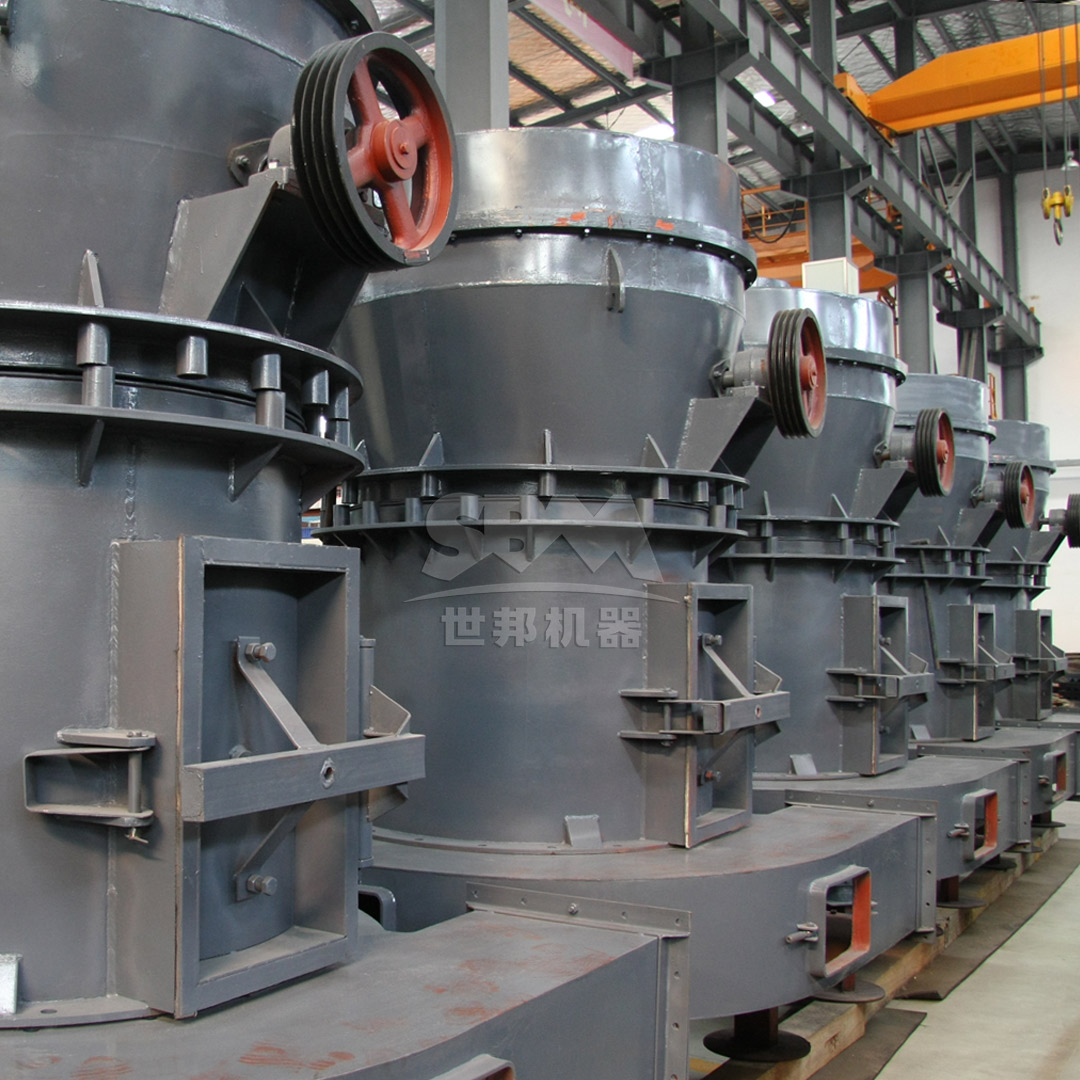
The first and most crucial step is to systematically identify all potential hazards associated with the grinding process. This requires a multidisciplinary team involving operators, maintenance personnel, engineers, and safety officers. Hazards can be categorized as follows:
Once hazards are identified, the associated risk must be analyzed. Risk is a function of the Severity of potential harm and the Likelihood of it occurring. A common method is the Risk Matrix.
| Likelihood / Severity | Minor (First Aid) | Moderate (Medical Treatment) | Major (Permanent Injury) | Catastrophic (Fatality) |
|---|---|---|---|---|
| Very Likely | Medium | High | Extreme | Extreme |
| Likely | Medium | High | High | Extreme |
| Possible | Low | Medium | High | High |
| Unlikely | Low | Low | Medium | High |
| Very Unlikely | Low | Low | Medium | Medium |
For each hazard, estimate the Severity and Likelihood based on historical data, manufacturer information, and operator experience. Plot the result on the matrix. Risks rated as High or Extreme require immediate attention and robust controls.
Example: Dust inhalation during bag filter maintenance on a mill producing silica powder. Severity: Major/Catastrophic (silicosis). Likelihood: Possible (if procedures are not followed). Risk Rating: High.
To mitigate identified risks, apply controls following the hierarchy, from most to least effective:
Can the hazard be removed entirely? Example: Automating the feeding process to eliminate manual handling near the feed inlet.
Can the process or equipment be replaced with a safer alternative? This is where selecting the right grinding technology is paramount. For instance, modern, enclosed grinding systems with integrated dust collection inherently present lower dust exposure risks than older, open-configuration mills.
Our SCM Ultrafine Mill exemplifies this principle. Its fully enclosed, negative-pressure design, coupled with a high-efficiency pulse dust collector (efficiency exceeding international standards), effectively contains dust at the source. Furthermore, its integrated vertical turbine classifier ensures precise particle size control within the system, minimizing the need for external, open classification steps that can generate dust clouds. The mill’s noise level of ≤75dB, achieved through an acoustic enclosure, directly addresses noise hazards, substituting a high-noise process for a significantly quieter one.

These are physical modifications that isolate people from hazards. They are the backbone of machine safety.
These change the way people work through procedures and training.
For high-capacity, coarse grinding applications, our MTW Series Trapezium Mill offers robust engineering features that simplify administrative controls. Its modular shovel blade design and wear-resistant volute structure significantly extend maintenance intervals and reduce the frequency of high-risk maintenance tasks. The integrated gearbox transmission (98% efficiency) is not only energy-saving but also presents a more contained and guarded drive system compared to open belt drives, reducing entanglement hazards.
PPE is the last line of defense and should never be the primary control for significant risks.
The risk assessment must be documented in a Risk Assessment Register. This living document should list all hazards, their risk ratings, and the control measures implemented. It must be communicated to all affected employees and be readily accessible. Use clear signage (danger, warning, caution) on the equipment itself to highlight residual risks.
A risk assessment is not a one-time activity. It must be reviewed regularly and especially when:
Monitoring the effectiveness of controls is key. This includes checking dust levels with air monitoring equipment, verifying noise levels, auditing LOTO procedures, and reviewing maintenance logs for recurring issues.
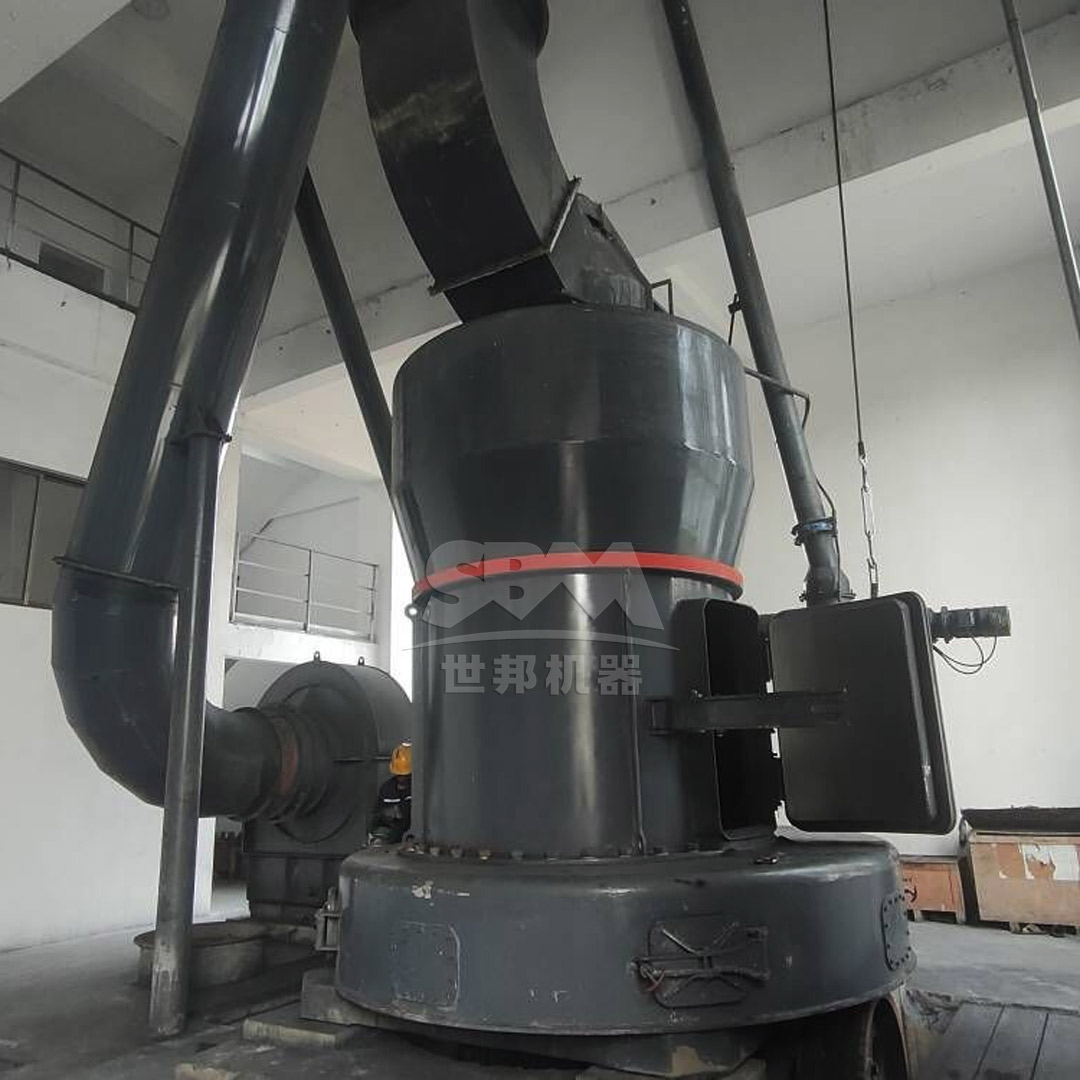
A comprehensive risk assessment for grinding operations is a systematic and iterative process that demands commitment from all organizational levels. By rigorously identifying hazards, analyzing risks, and implementing controls following the hierarchy—from selecting inherently safer equipment like the enclosed and efficient SCM Ultrafine Mill or the durable MTW Trapezium Mill, to enforcing strict administrative procedures—organizations can significantly reduce the likelihood of incidents. Ultimately, this proactive approach protects the most valuable assets: the workforce, the community, and the long-term viability of the operation itself. Investing in safety through thorough risk assessment is an investment in sustainable productivity.