December 02, 2025
Introduction
The grinding mill is the heart of many industrial processes, from mineral processing and cement production to chemical manufacturing and power generation. Its operation directly impacts product quality, production efficiency, energy consumption, and most critically, workplace safety. A poorly operated mill can lead to catastrophic equipment failure, significant financial losses due to downtime and subpar output, and severe safety incidents. Therefore, developing and implementing a comprehensive training program for grinding mill operators is not merely a regulatory formality but a strategic investment in operational excellence. This article outlines a structured framework for creating such a program, emphasizing safety protocols, efficiency optimization, and preventive maintenance, while highlighting how modern equipment design can facilitate these goals.
Phase 1: Foundational Knowledge & Safety Indoctrination
Before an operator touches a control panel, they must possess a solid theoretical foundation and an unwavering commitment to safety. This initial phase is non-negotiable.
1.1 Mill Fundamentals and Types
Operators must understand the ‘why’ behind the ‘how.’ Training should cover:
- Basic Principles of Comminution: The science of size reduction—compression, impact, attrition, and shear.
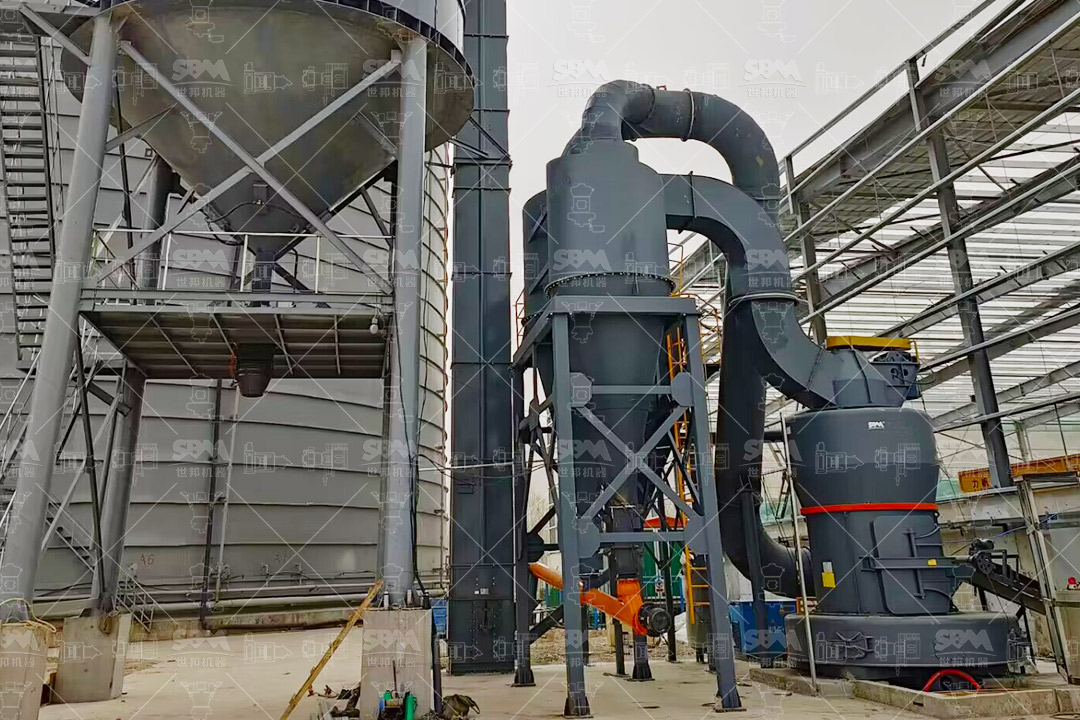
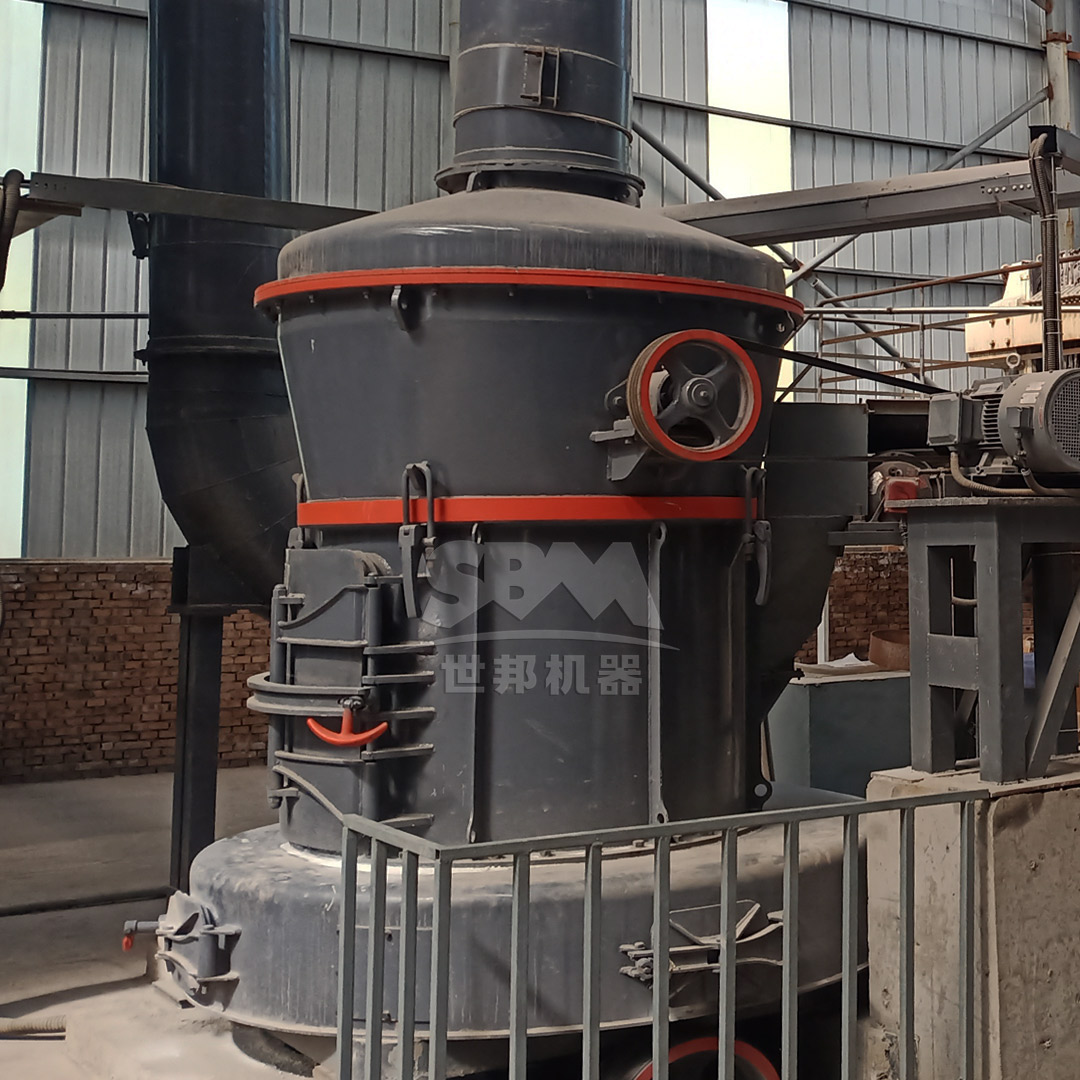
- Mill Type Overview: Detailed instruction on the specific types of mills used at the facility. This includes their design, working principles, and typical applications. For instance, the operational philosophy of a high-pressure grinding roll differs vastly from that of a ball mill or an air-swept vertical roller mill.
- System Integration: Understanding how the mill interacts with auxiliary systems—feeders, classifiers, cyclones, dust collectors, and product conveyance systems.
1.2 Core Safety Protocols and Hazard Identification
Safety is paramount. This module must be immersive and scenario-based.
- Lockout/Tagout (LOTO): Rigorous training on isolating energy sources (electrical, pneumatic, gravitational) before any inspection or maintenance. This is the single most important procedure for preventing fatal accidents.
- Personal Protective Equipment (PPE): Mandatory use and inspection of hard hats, safety glasses, hearing protection, respirators, and steel-toed boots specific to mill area hazards (noise, dust, falling objects).
- Hazard Communication (HAZCOM): Understanding Material Safety Data Sheets (MSDS/SDS) for raw materials, additives, and processed powders.
- Confined Space Entry: Specific procedures for entering mill internals, emphasizing atmospheric testing, permits, and standby personnel.
- Dust Explosion and Fire Hazards: Education on combustible dust risks, ignition sources, and suppression systems.
Phase 2: Operational Procedures & Efficiency Optimization
With safety ingrained, training shifts to the art and science of efficient operation.
2.1 Pre-Startup, Startup, and Shutdown Sequences
Standardized procedures prevent equipment damage and ensure safety.
- Pre-Startup Checklist: A detailed list covering lubrication levels, belt tensions, cooler systems, classifier settings, and ensuring the mill is clear of personnel and obstructions.
- Staged Startup: Correct sequence for engaging auxiliary systems (lubrication, cooling, dust collection) before the main drive. Training on soft-start systems and ramping procedures.
- Normal Shutdown: Procedures for stopping feed, running the mill empty to clear material, and sequential shutdown of systems.
- Emergency Shutdown: Immediate actions for scenarios like bearing over-temperature, violent vibration, or fire.
2.2 Process Monitoring and Control
Operators must learn to ‘read’ the mill through its instruments and sensory feedback.
- Key Performance Indicators (KPIs): Monitoring mill motor amperage (load), bearing temperatures, differential pressure across the mill, fan speed, and product fineness (via online analyzers or lab samples).
- Interpreting Sensory Data: Recognizing normal vs. abnormal sounds (e.g., metallic grinding indicates lack of feed) and vibrations.
- Control Logic: Understanding the plant’s Distributed Control System (DCS) or PLC interface. Training on how to adjust feed rates, classifier speed, and air flow to maintain target product specifications.
- Optimization for Efficiency: Teaching operators to find the ‘sweet spot’ where production rate, product quality, and specific energy consumption (kWh/ton) are optimized. This includes understanding the trade-offs between fineness and throughput.
2.3 The Role of Advanced Mill Design
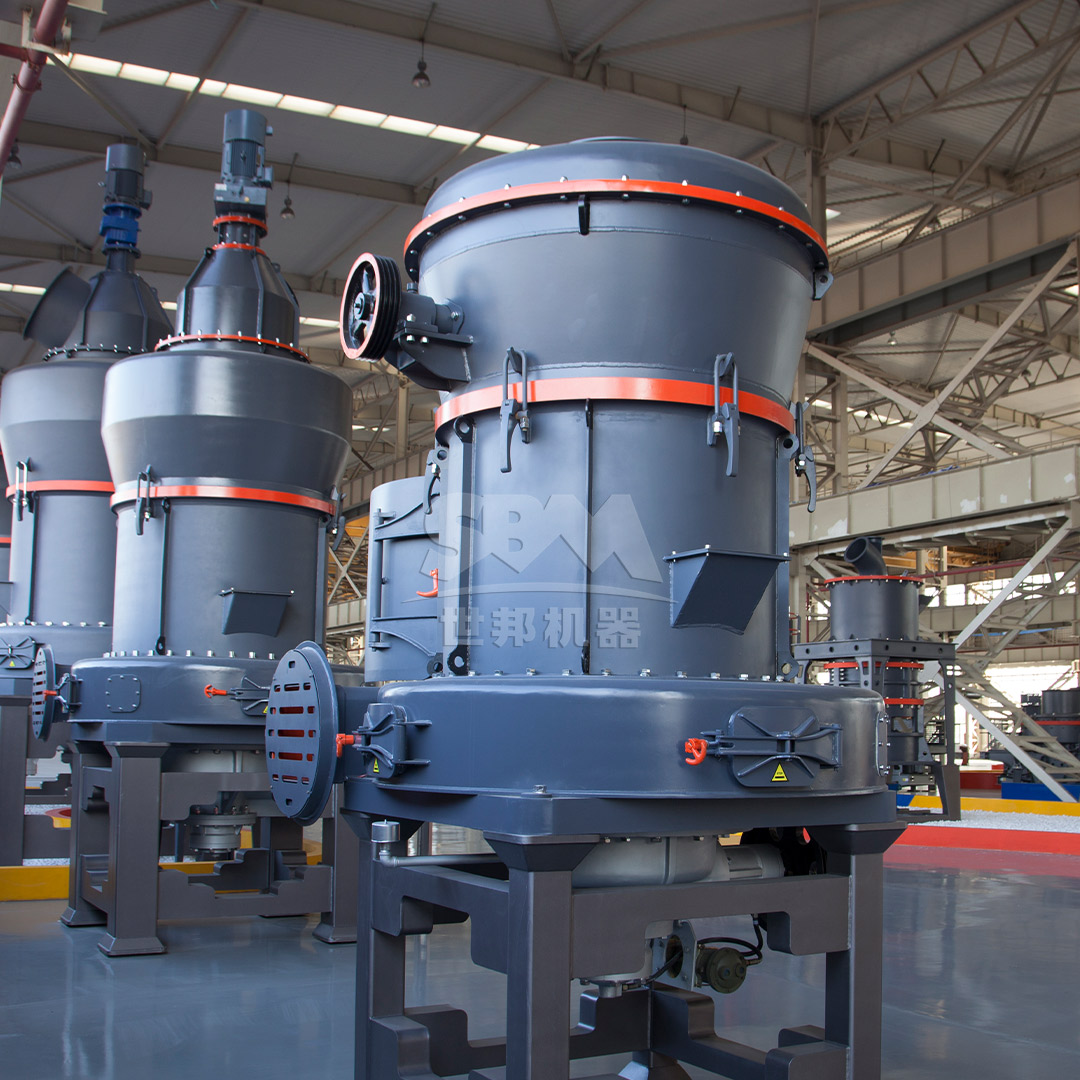
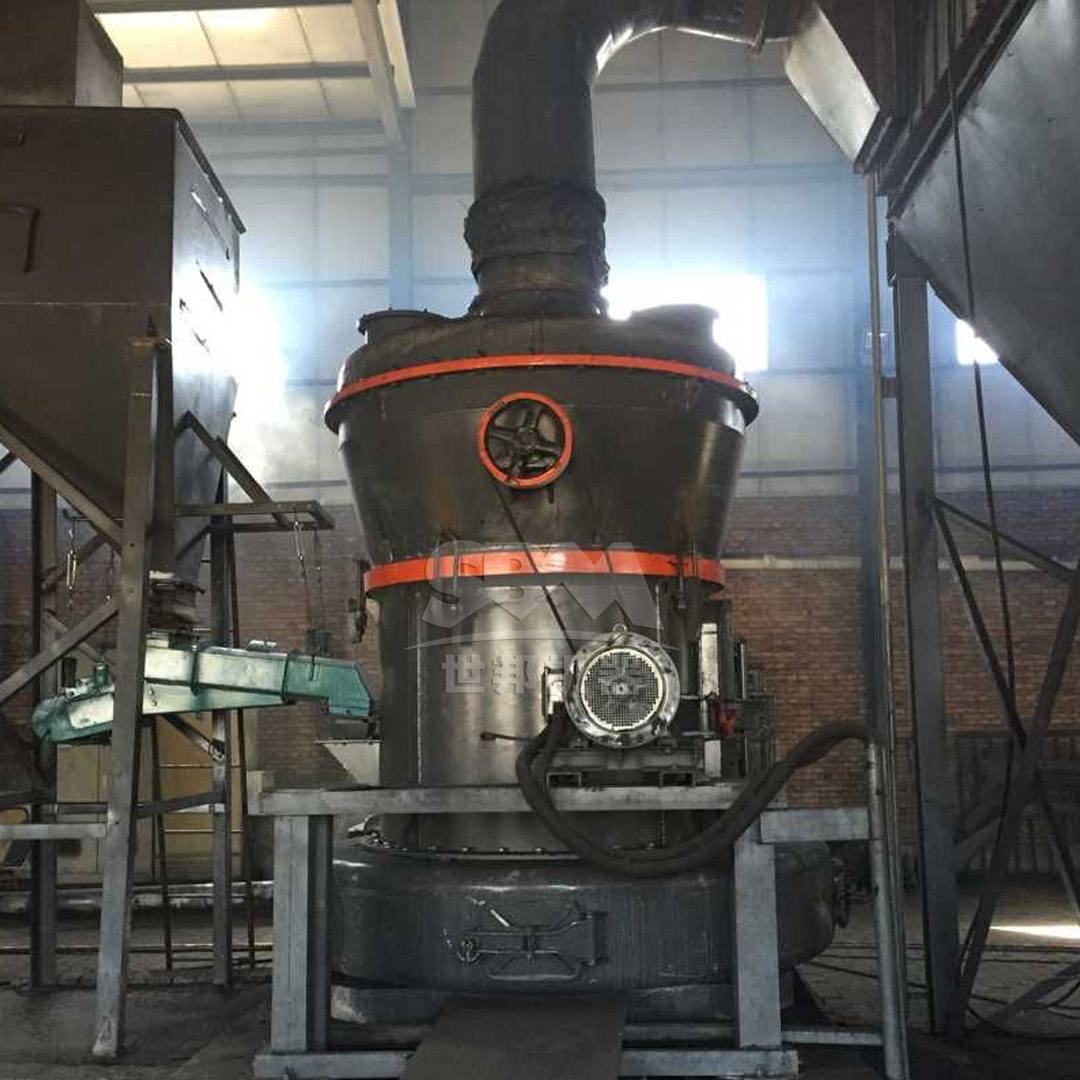
Modern mills are engineered with features that inherently promote safety and efficiency, making the operator’s job easier and more effective. For operations requiring ultra-fine powders in the range of 325 to 2500 mesh (5μm), the SCM Ultrafine Mill exemplifies this philosophy. Its design incorporates several advantages critical for a robust training program:
- Intelligent Control & Stability: The mill’s system features automatic feedback control of product fineness. This reduces the burden of manual adjustment for operators and ensures consistent product quality, a key training objective. Its no-bearing screw grinding chamber design contributes to exceptionally stable running conditions, minimizing unexpected vibration hazards that operators must manage.
- Inherent Safety and Environmental Features: Trainees can be confident that the mill is designed with pulse dust collection efficiency exceeding international standards and a soundproof room design keeping noise ≤75dB. This directly supports PPE and environmental compliance training modules.
- Durability Eases Maintenance Demands: The use of special material rollers and grinding rings that extend service life several times over means less frequent exposure to the hazards of wear part replacement, aligning with safety-focused maintenance training.
Phase 3: Maintenance, Troubleshooting & Continuous Improvement
An expert operator is also a diagnostician and a caretaker for the equipment.
3.1 Preventive and Predictive Maintenance
Moving from reactive to proactive care.
- Routine Checks: Daily, weekly, and monthly checklists for lubrication, inspection of wear parts (liners, grinding media, classifier blades), and seal integrity.
- Vibration Analysis & Thermography: Basic training on interpreting trends from these predictive maintenance tools to identify imbalance, misalignment, or bearing issues before failure.
- Wear Part Management: Understanding wear patterns, scheduling replacements based on operational hours/tonnage, and proper installation procedures under LOTO.
3.2 Systematic Troubleshooting
Developing a logical approach to problem-solving.
- Common Problem Scenarios: Training on addressing issues like: low product fineness, reduced throughput, high energy consumption, excessive mill vibration, and rising bearing temperature.
- Root Cause Analysis: Using techniques like the ‘5 Whys’ to move beyond symptoms to underlying causes (e.g., high vibration is not just ‘a bearing problem’ but may be caused by uneven feed, imbalanced classifier rotor, or foundation issues).
| Symptom |
Potential Causes |
Operator Actions |
| Rising Mill Motor Current |
Overfeeding, classifier malfunction, bearing seizure |
Reduce feed rate, check classifier speed/settings, monitor bearing temps |
| Product Too Coarse |
Worn grinding elements, classifier speed too low, air flow too high |
Inspect wear parts, increase classifier RPM, adjust system fan |
| Excessive Mill Vibration |
Unbalanced rotor, broken hammer/roller, uneven feed, foundation issue |
Emergency shutdown, initiate LOTO for internal inspection |
3.3 Leveraging Equipment for Operational Simplicity
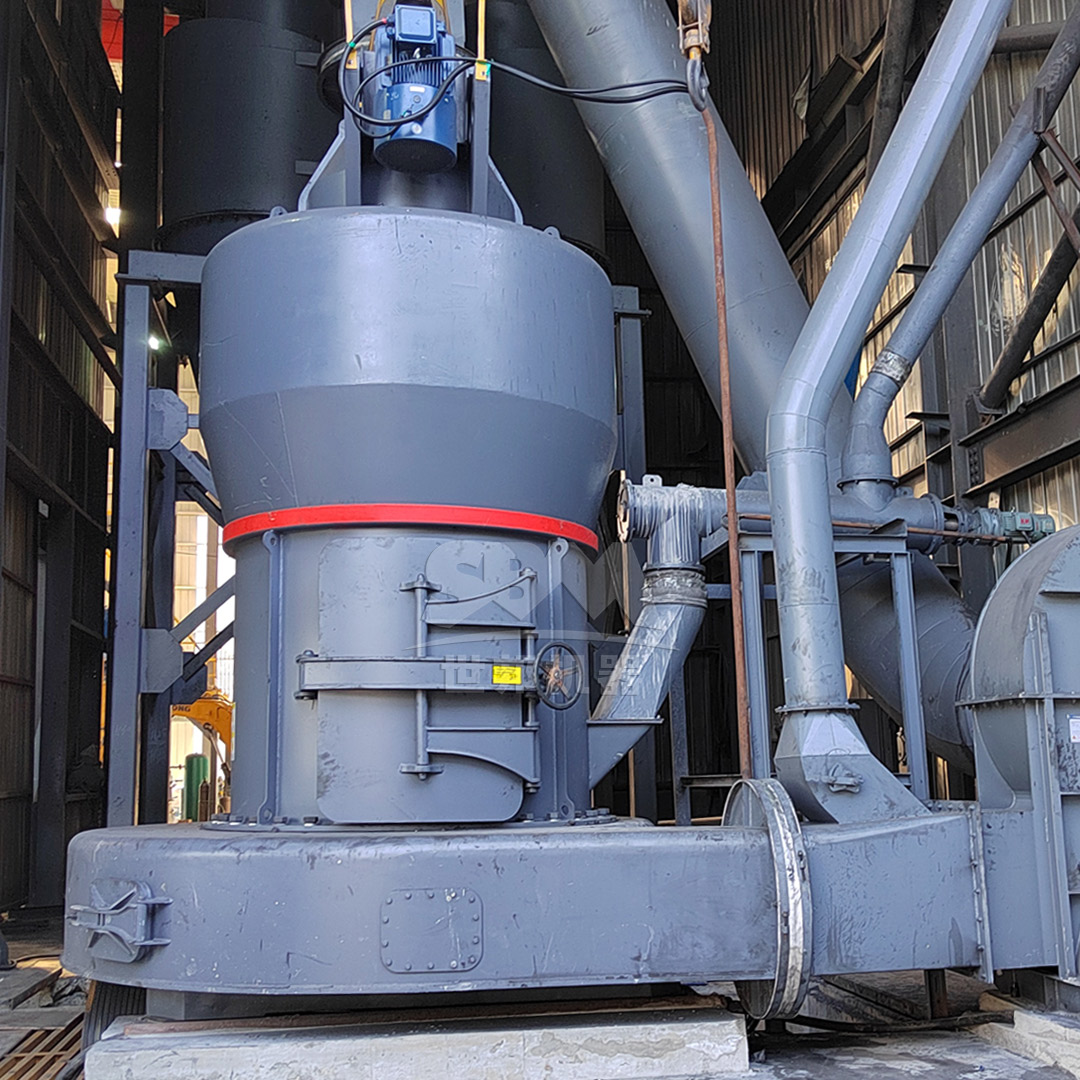
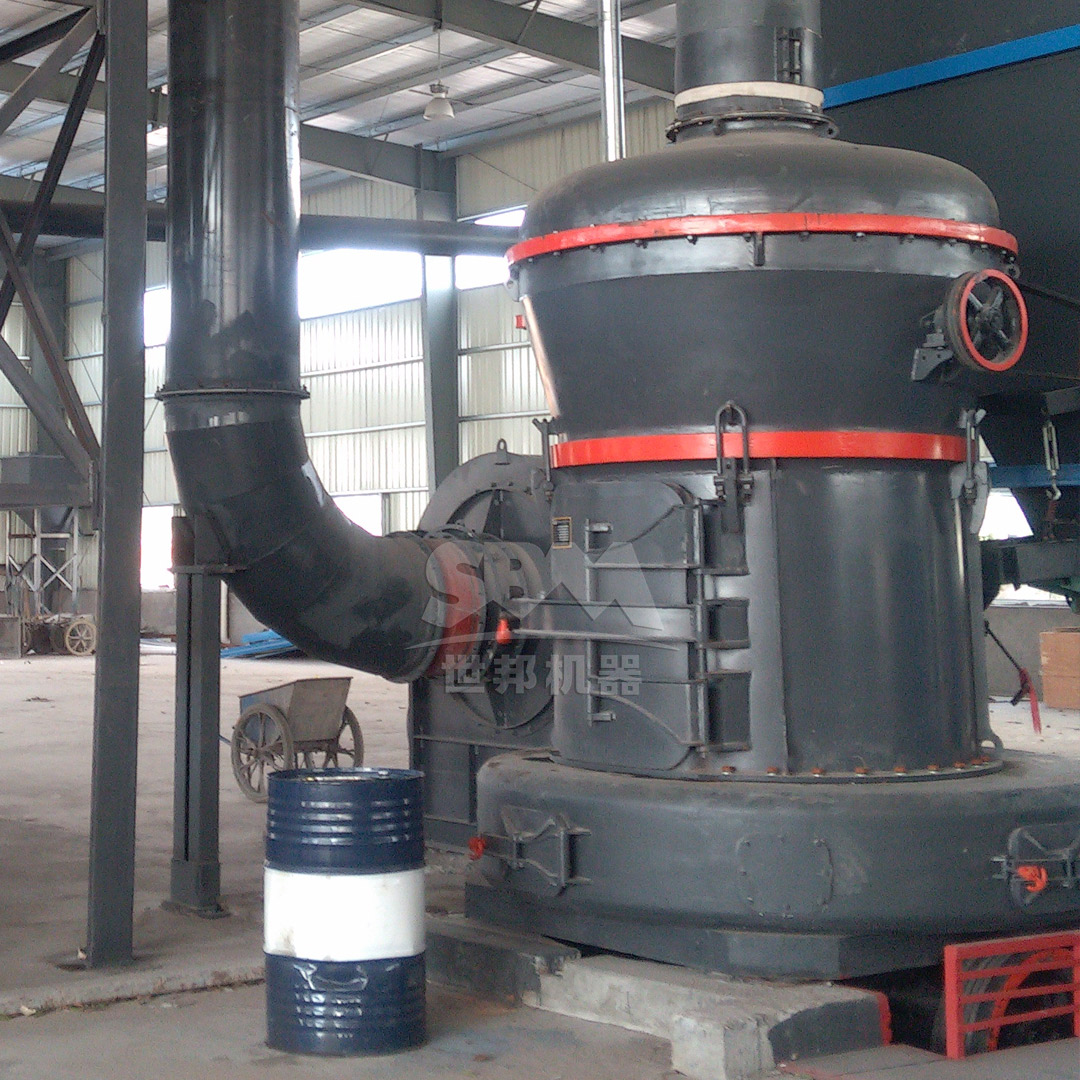
For large-scale operations processing materials like cement raw mix, clinker, or slag, the LM Series Vertical Roller Mill offers design features that significantly simplify operational and maintenance training. Its advantages include:
- Integrated & Intelligent Design: The mill’s expert-level automatic control system supports remote operation and reduces manual intervention, allowing operators to focus on system oversight rather than constant adjustment. Its compact system integrating crushing, grinding, and separation reduces footprint by 50%, simplifying the overall process flow trainees must learn.
- Reduced Operational Cost & Downtime: Features like the non-contact design of rollers and grinding disc, tripling wear part life, directly translate to fewer maintenance events and associated safety risks. The 30-40% lower energy consumption compared to ball mill systems is a core efficiency metric that operators can be trained to sustain and monitor.
- Built-in Environmental Compliance: Training on environmental standards is supported by the mill’s fully sealed negative pressure operation, ensuring dust emission <20mg/m³.
Phase 4: Program Implementation & Assessment
A great program on paper is useless without effective execution.
4.1 Training Methodology
- Blended Learning: Combine classroom theory (manuals, videos, diagrams) with hands-on simulator training (if available) and, crucially, supervised on-the-job training (OJT) under a seasoned mentor.
- Competency-Based Progression: Operators should not advance to independent operation until they demonstrate proficiency in each module through written tests, practical demonstrations, and scenario-based assessments.
4.2 Documentation and Continuous Improvement
- Create Living Documents: Develop clear, illustrated Standard Operating Procedures (SOPs), troubleshooting guides, and safety manuals. These should be readily accessible in control rooms.
- Regular Refresher Training: Schedule annual or bi-annual refreshers on safety procedures and incorporate lessons learned from near-misses or operational upsets.
- Feedback Loop: Encourage experienced operators to provide input to update training materials and procedures, fostering a culture of continuous learning and ownership.
Conclusion
Developing a comprehensive training program for grinding mill operation is a multi-faceted endeavor that bridges safety, mechanical knowledge, process control, and maintenance. It requires a structured, phased approach that transforms a novice into a competent, safety-conscious professional capable of optimizing mill performance. Investing in such a program minimizes risk, maximizes equipment longevity and efficiency, and ensures consistent product quality. Furthermore, selecting grinding equipment with inherent safety features, intelligent controls, and robust designs—such as the SCM Ultrafine Mill for ultra-fine applications or the LM Series Vertical Roller Mill for large-scale mineral processing—provides a superior technological foundation. This empowers the training program, allowing operators to leverage advanced technology to achieve safer, more efficient, and more reliable production outcomes.