Selecting and evaluating the optimal grinding technique is a critical decision in mineral processing, directly impacting product quality, operational costs, and overall plant efficiency. The effectiveness of a grinding system is not a one-dimensional metric but a complex interplay of mineralogical properties, target specifications, and economic factors. This guide provides a structured, practical framework for evaluating grinding technique effectiveness, ensuring you choose the right technology for your specific mineral application.
Before comparing technologies, establish clear, measurable KPIs relevant to your operation. These typically fall into three categories:
The physical and chemical properties of the feed material dictate the suitable grinding mechanism (compression, impact, attrition, shear).
| Mineral Type / Property | Common Grinding Challenge | Recommended Grinding Principle | Technology Considerations |
|---|---|---|---|
| Hard & Abrasive (e.g., Quartz, Feldspar) | High wear on grinding media, high energy consumption. | Compression (Bed Crushing), Impact | Prioritize equipment with exceptional wear resistance (e.g., special alloy rollers/liners), low-speed/high-pressure systems to minimize abrasive wear. |
| Soft & Friable (e.g., Talc, Gypsum) | Over-grinding, generation of excessive fines, heat sensitivity. | Attrition, Shear | Use gentle grinding forces with efficient classification to remove fines quickly. Avoid excessive pressure and heat buildup. |
| Ultra-Fine & High-Purity (e.g., GCC, Kaolin, Zircon) | Achieving sub-10μm PSD, maintaining purity, avoiding contamination. | Shear, Attrition with precise classification | Requires integrated high-efficiency classifiers (e.g., vertical turbine). Equipment must be designed for minimal metal-to-metal contact in the grinding zone. |
| Moist or Sticky (e.g., Clay, Certain Limestones) | Material buildup, clogging, reduced throughput. | Compression with drying | Systems that integrate grinding and drying (e.g., vertical roller mills with hot air) are ideal. Self-cleaning designs prevent material adhesion. |
Never skip this step. Provide representative samples to equipment suppliers. Key tests include:
Compare supplier proposals against your KPIs. Scrutinize:
Move beyond the initial capital expenditure (CAPEX). Calculate the 5-10 year TCO:
| TCO Component | Calculation Factors | Impact on Evaluation |
|---|---|---|
| Capital Cost (CAPEX) | Mill price, auxiliary equipment, installation, civil works. | Higher upfront cost may be justified by lower OPEX. |
| Energy Cost (OPEX) | Specific Energy Consumption (kWh/t) * Throughput * Local Energy Price. | Often the largest OPEX factor. A 20% energy saving can pay back a higher CAPEX quickly. |
| Maintenance & Wear Parts (OPEX) | Cost of rollers/rings/balls/liners per ton ground, labor for replacement, planned downtime. | Evaluate ease of maintenance and part longevity. |
| Product Yield & Quality Premium | Value of achieving a tighter PSD, higher purity, or better particle shape for your market. | A mill producing a more valuable product can justify a higher TCO. |
Request contact information for references grinding similar minerals. Ask about:
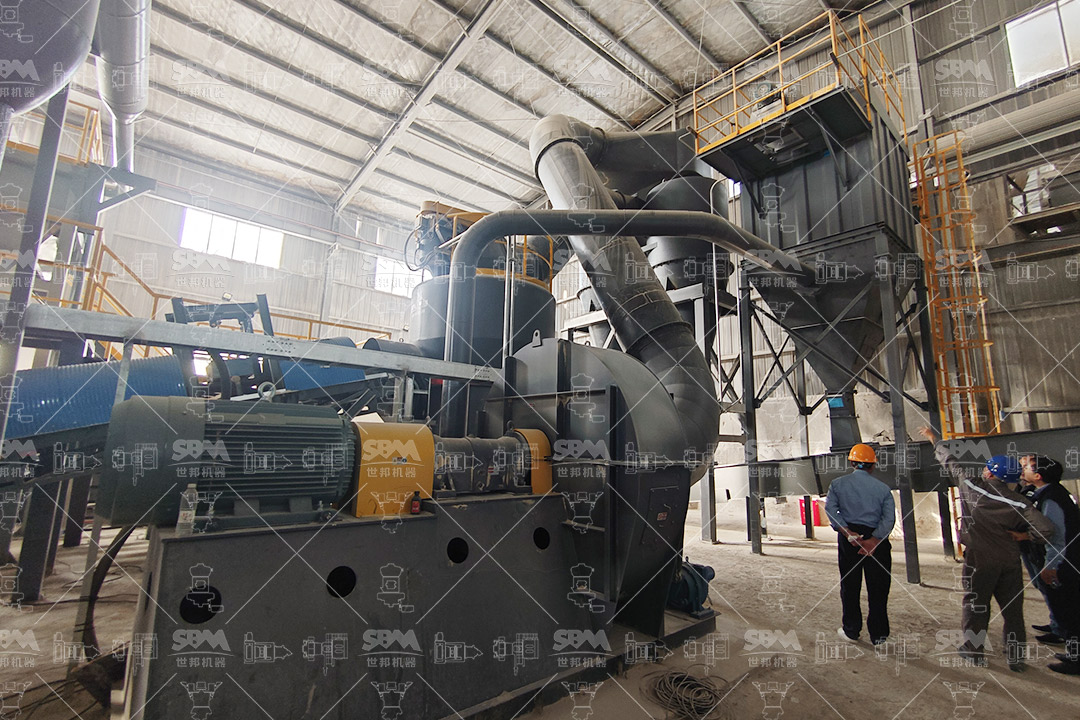
Based on the evaluation framework, here are two robust technologies designed for specific challenges in the mineral industry.
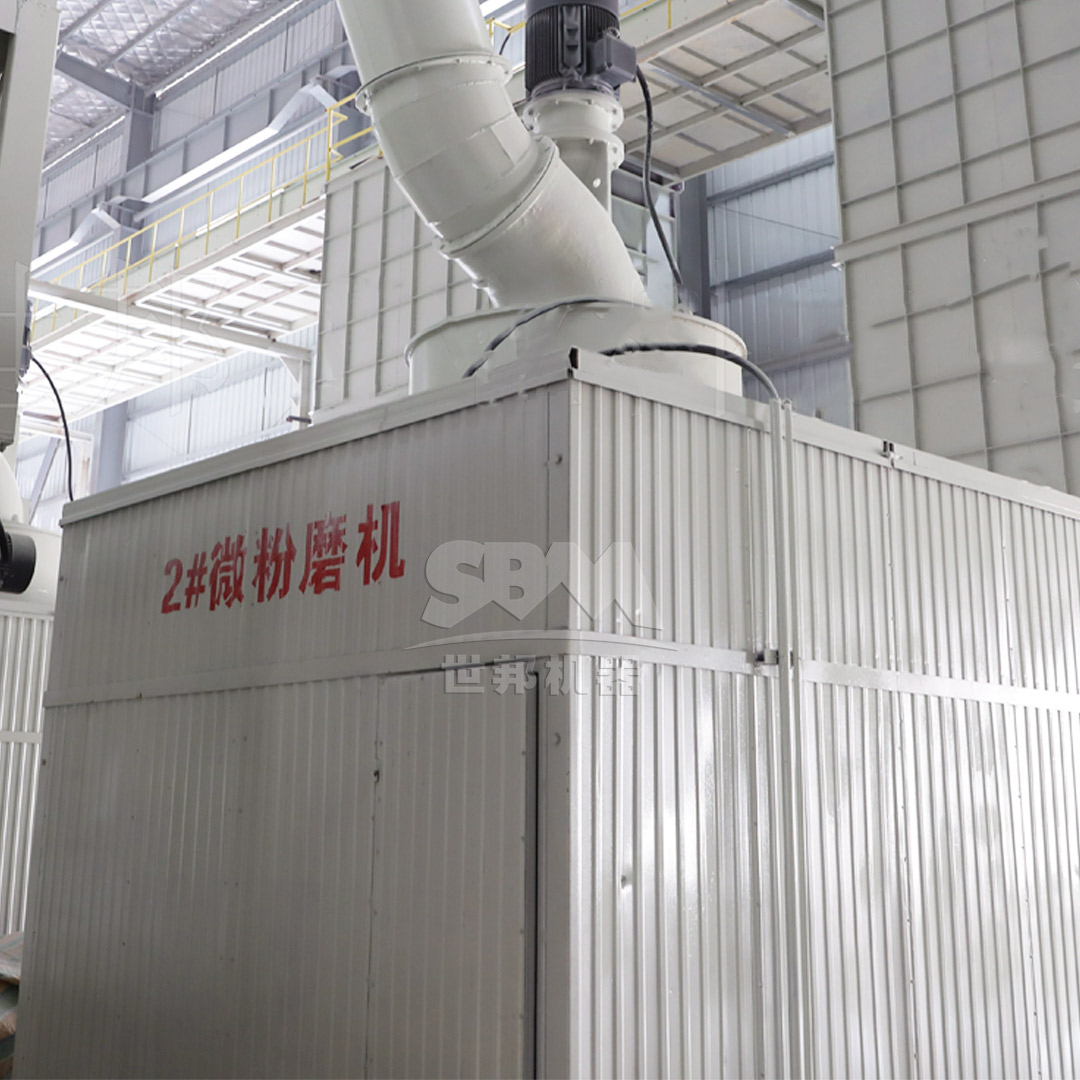
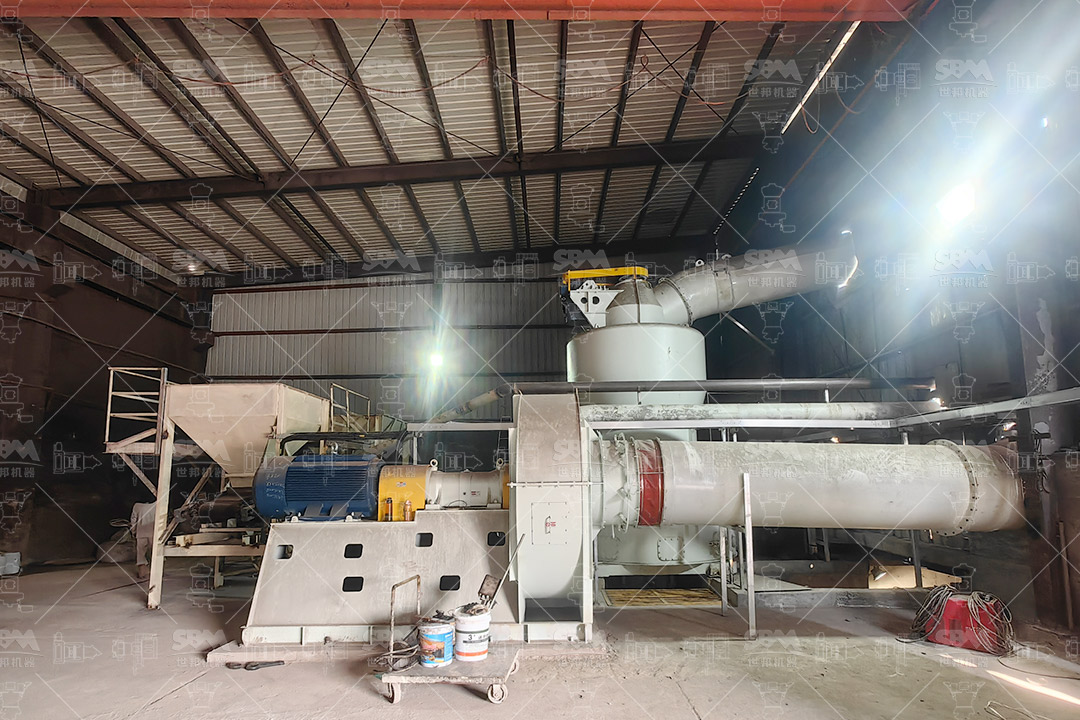
When the target is a superfine, high-value powder with stringent contamination control, traditional mills struggle with efficiency and purity. The SCM Ultrafine Mill is engineered specifically for this demanding sector.
Its effectiveness stems from a combination of key features: a vertical turbine classification system ensures precise particle size cuts and eliminates coarse grit contamination. The grinding mechanism utilizes a multi-layer grinding ring and roller design, applying lamination principle for efficient size reduction with lower wear and iron contamination compared to impact methods. Furthermore, its fully sealed negative pressure operation and pulse dust collection system guarantee dust-free operation, meeting the most stringent environmental standards while preserving product yield.
Why it excels for minerals like GCC, kaolin, or zircon: It delivers D97 fineness down to 5μm (2500 mesh) with high uniformity. The special material grinding rollers and rings minimize metallic contamination. Its energy efficiency, being approximately 30% more efficient than jet mills for comparable products, makes it a cost-effective choice for high-volume ultra-fine production.
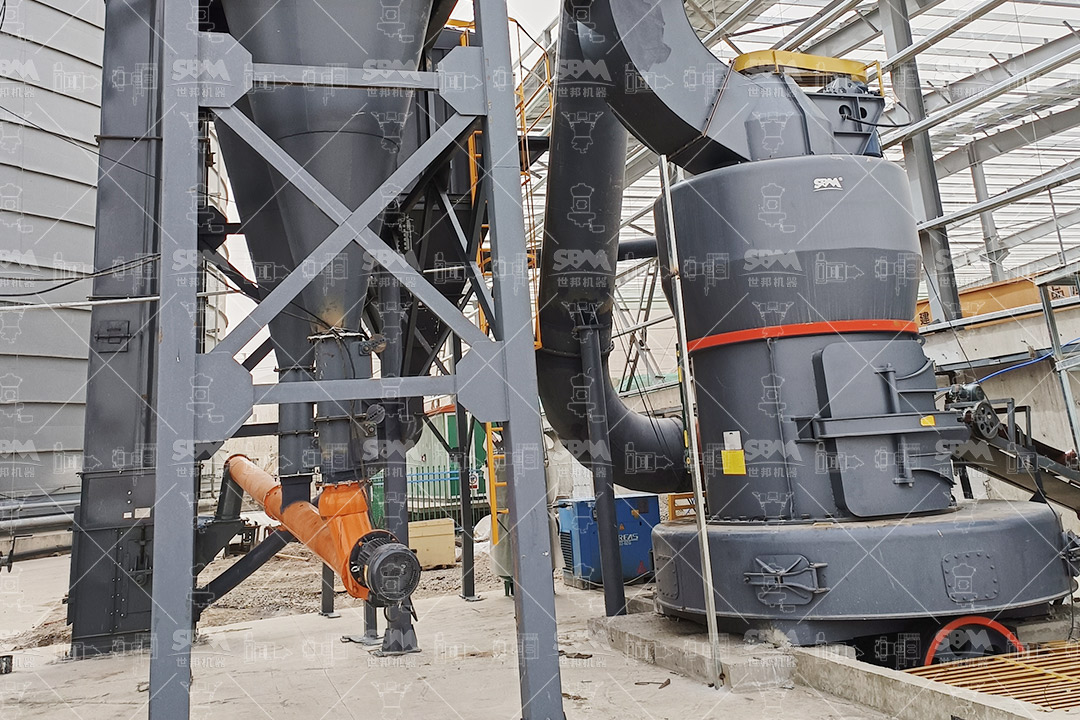
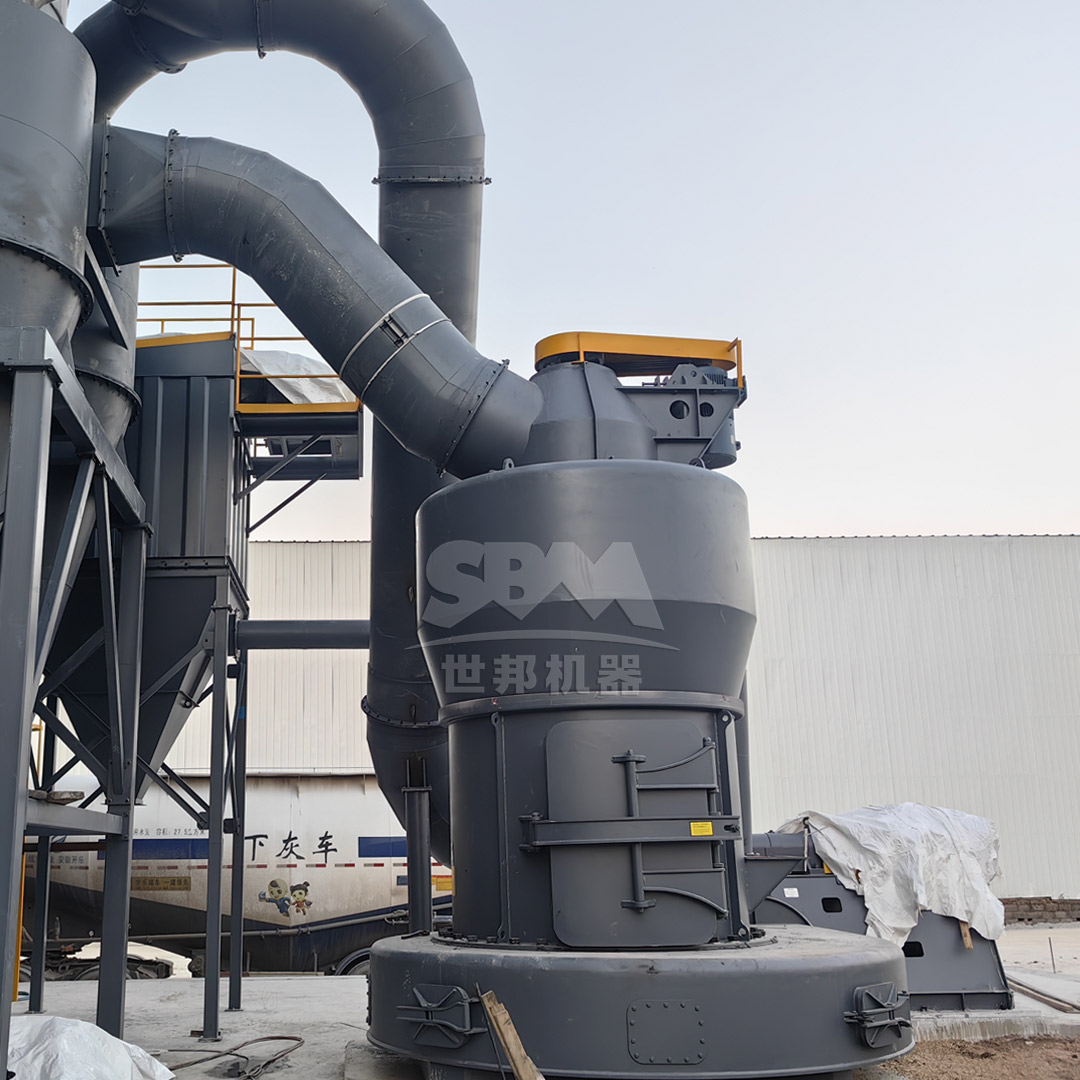
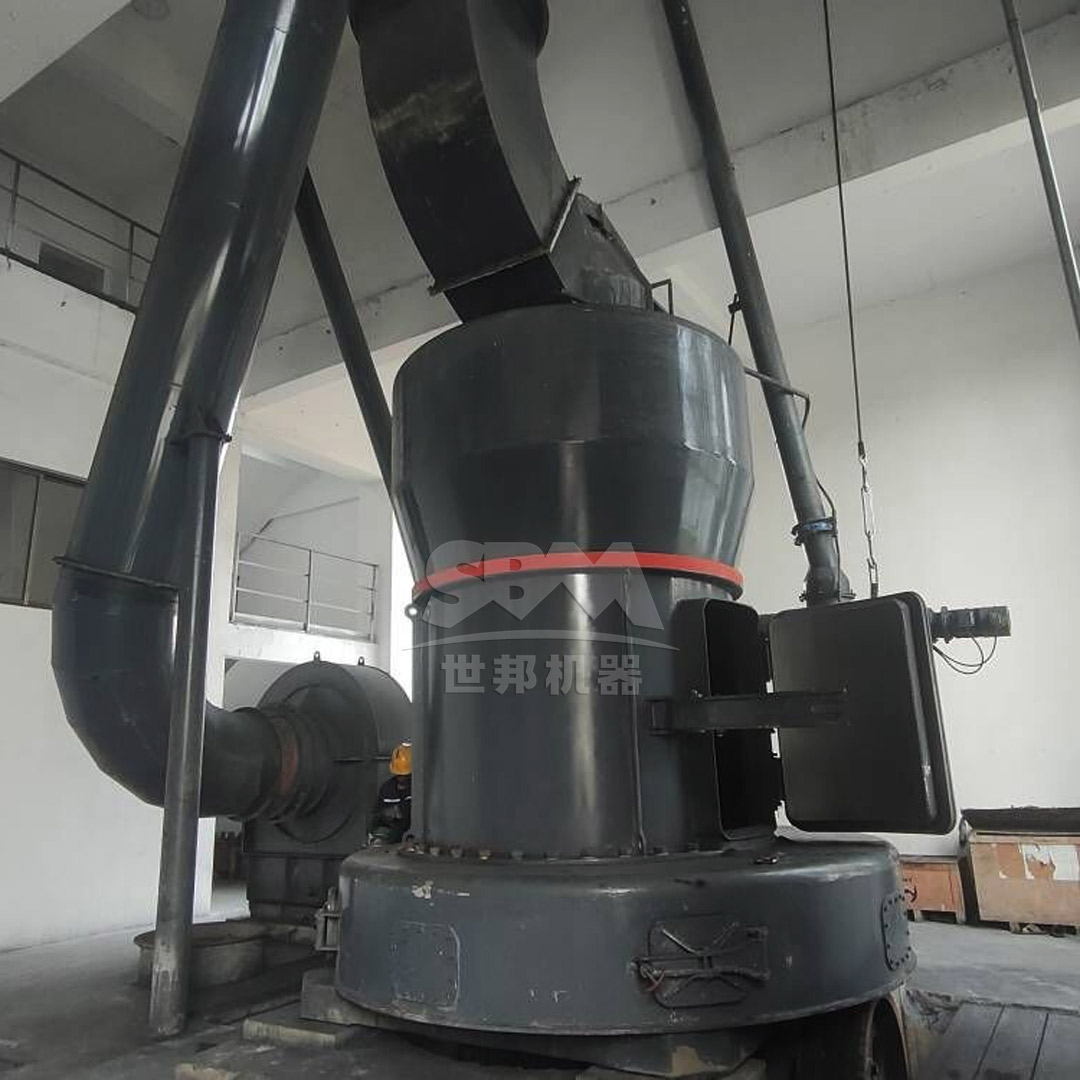
For processing non-metallic minerals like limestone, calcite, dolomite, or gypsum at large scale (3-45 TPH) where moisture may be a concern, an integrated grinding-drying system is paramount. The MTW Series Trapezium Mill (European Tech Grinding Mill) is a workhorse in this category.
Its effectiveness evaluation highlights several advantages: The curved air duct design reduces flow resistance and improves transmission efficiency, lowering auxiliary power consumption. Its conical gear integral transmission is compact and boasts 98% efficiency, ensuring stable, high-torque operation. The wear-resistant volute structure and modular shovel design significantly reduce maintenance costs and downtime. Crucially, it can be easily configured with a hot air source to handle feed materials with moisture content up to a certain percentage, performing grinding and drying simultaneously.
Why it excels for industrial mineral plants: It offers a robust, reliable, and energy-efficient solution for producing powders in the 30-325 mesh range. Its high capacity and integrated design reduce the need for separate drying equipment, simplifying the plant layout and lowering overall project investment.
Evaluating grinding technique effectiveness is a systematic process that balances mineral science, engineering economics, and operational pragmatism. Begin with well-defined KPIs, insist on pilot testing with your own material, and conduct a rigorous TCO analysis. By understanding the strengths of specific technologies—such as the SCM Ultrafine Mill for unparalleled fine grinding purity or the MTW Series Trapezium Mill for high-capacity, integrated processing—you can match the machine’s capability to your mineral’s challenge. The most effective grinding technique is the one that optimally meets your product specifications while delivering the lowest sustainable cost per ton over its entire lifecycle.