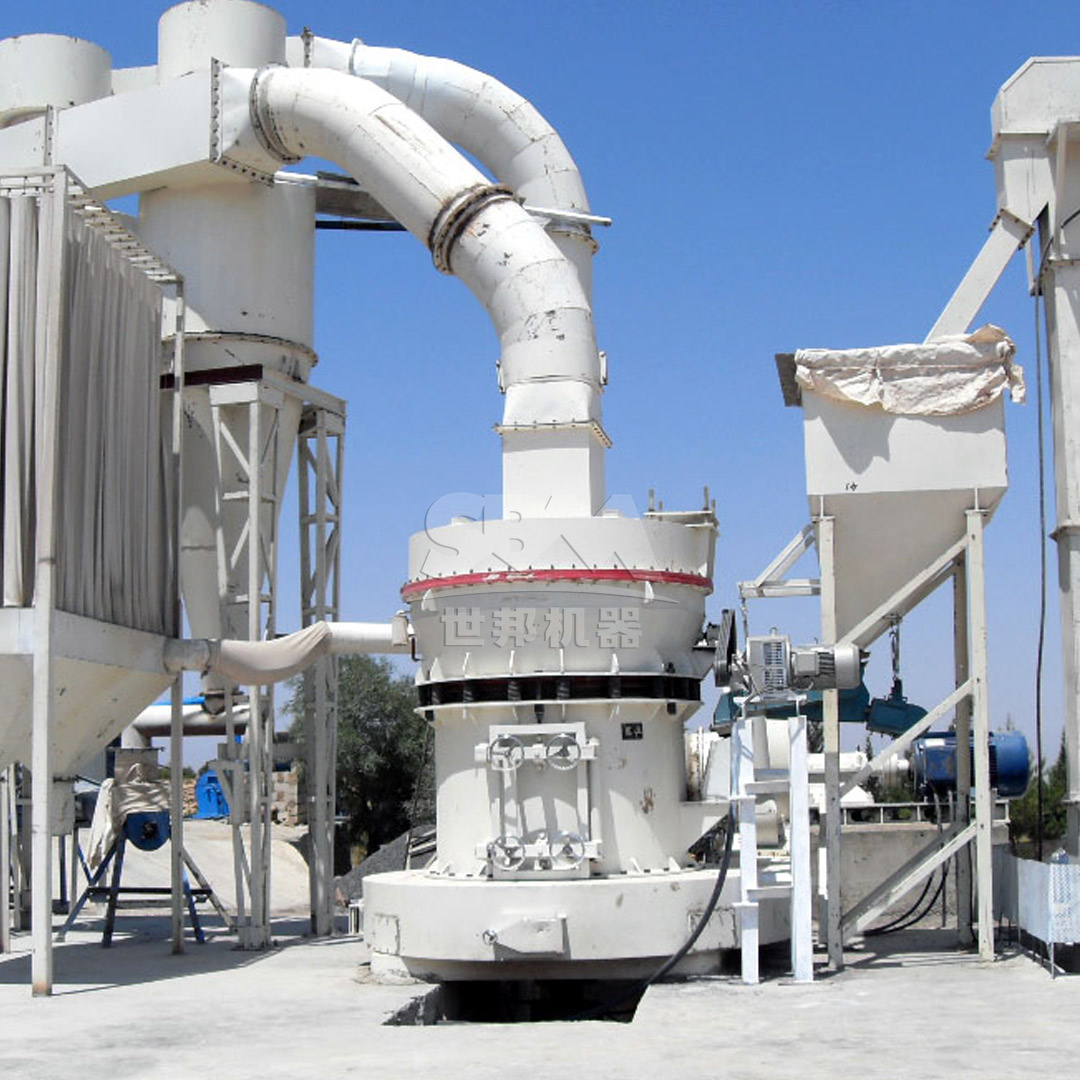
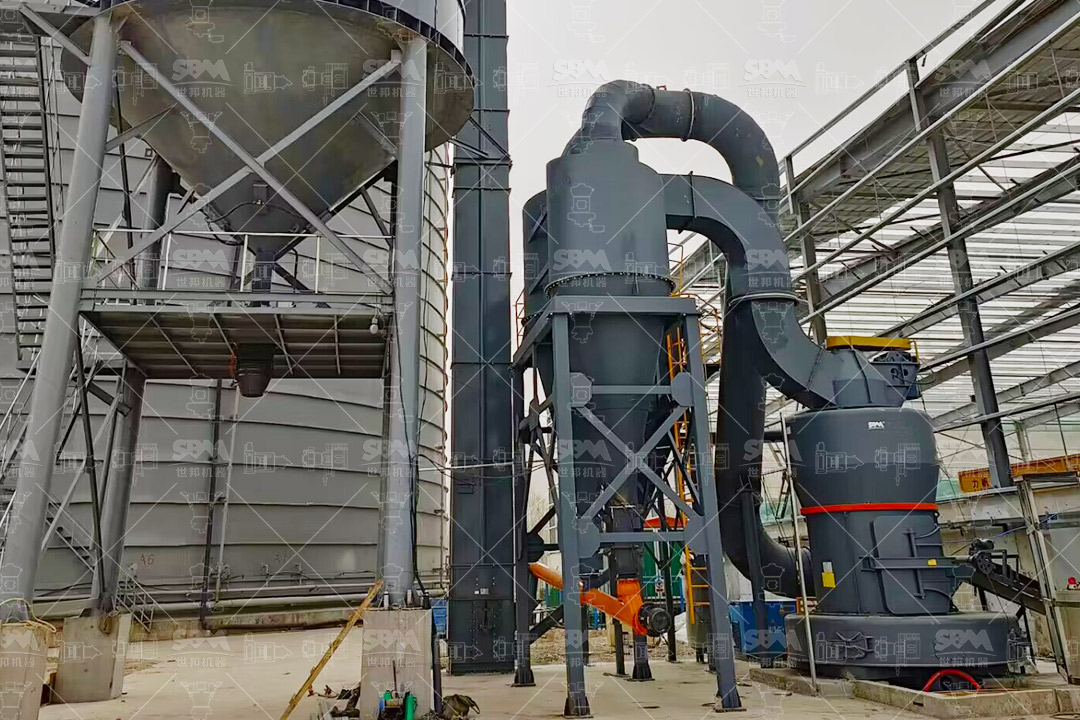
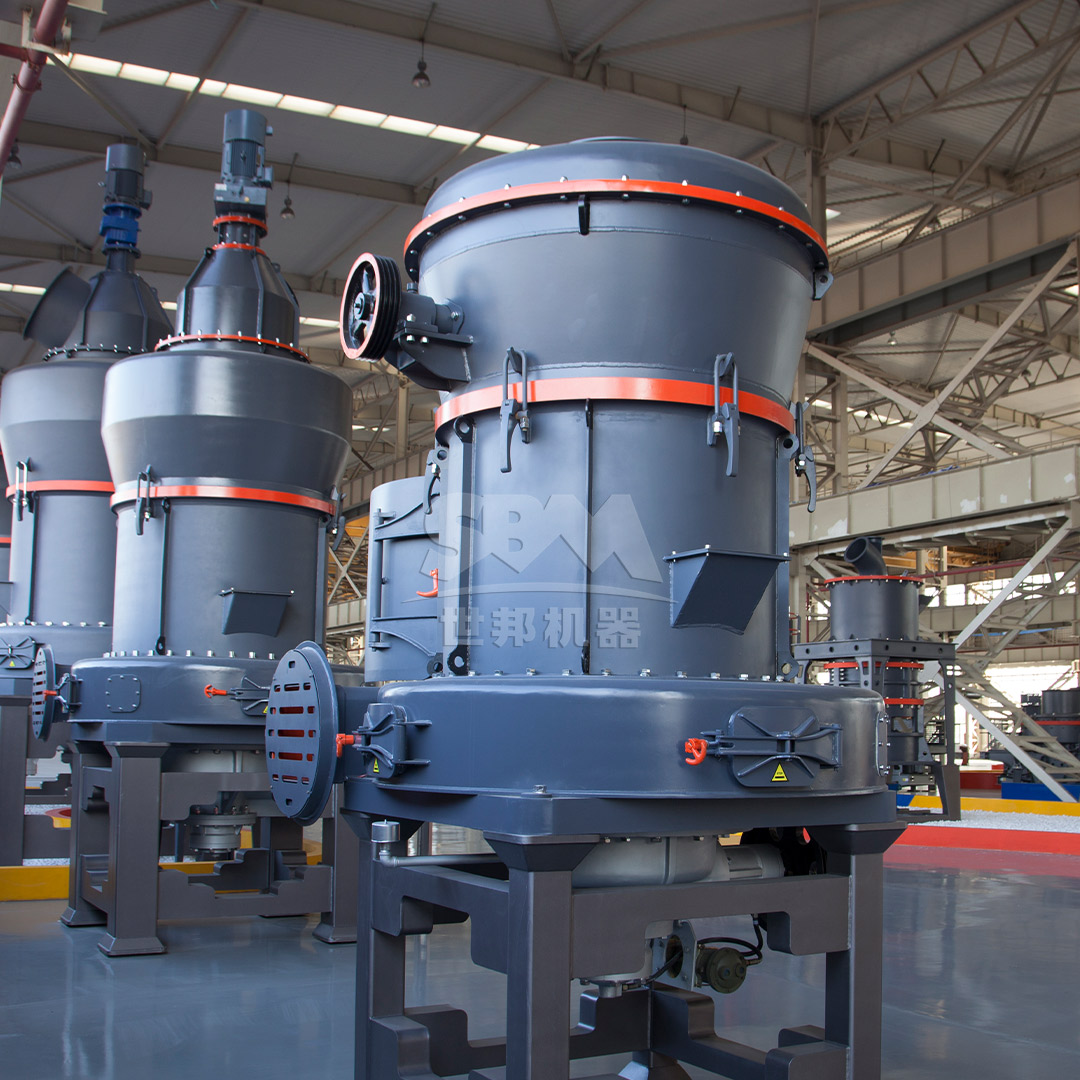
High-speed grinding mills are the workhorses of modern mineral processing, chemical, and construction material industries. Their ability to efficiently reduce particle size is critical for product quality and process economics. However, these machines operate under extreme mechanical and dynamic loads, making them susceptible to vibration issues. Excessive vibration is not merely a nuisance; it is a primary indicator of underlying problems that can lead to catastrophic failure, unplanned downtime, significant production losses, and increased maintenance costs. This article provides a comprehensive, professional guide to diagnosing, troubleshooting, and resolving vibration problems in high-speed grinding mills, with a focus on proactive prevention through superior equipment design.
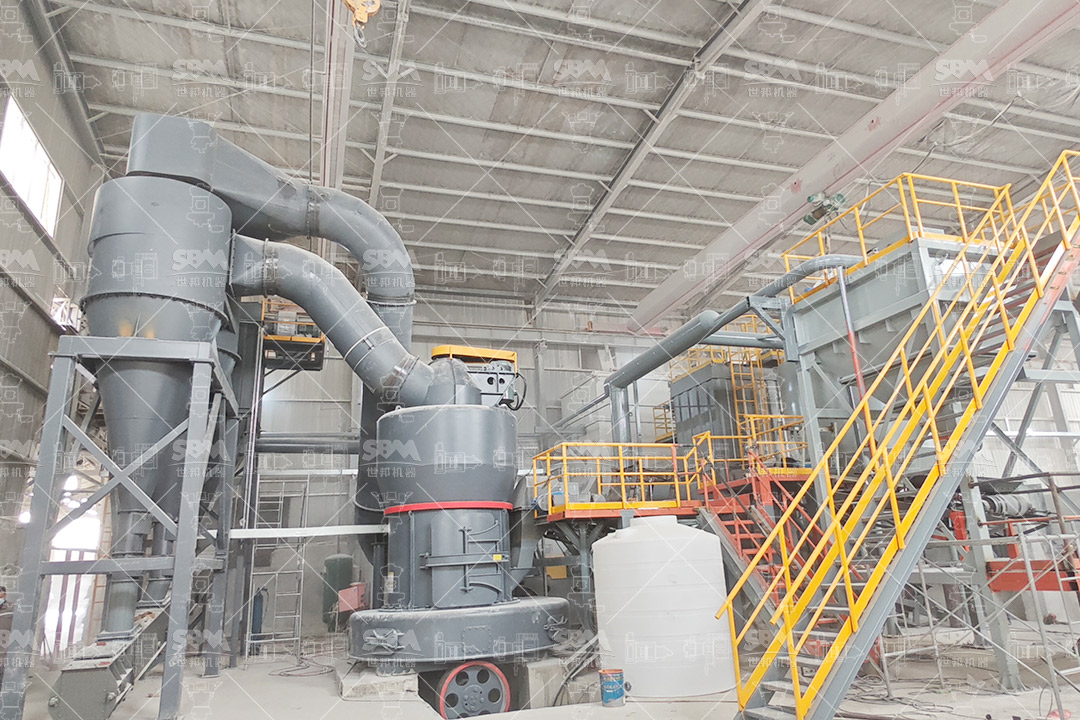
Effective troubleshooting begins with identifying the root cause. Vibration in grinding mills typically originates from one or more of the following categories:
| Symptom / Frequency | Likely Cause | Corrective Action |
|---|---|---|
| High vibration at 1x running speed | Rotational imbalance | Dynamic balancing of grinding roller assembly or classifier rotor. Clean material buildup. |
| High vibration at 2x running speed | Angular misalignment | Laser-align motor, gearbox, and mill shaft. Check soft foot conditions. |
| High-frequency spikes/”noise floor” | Bearing defect | Replace defective bearings. Verify proper lubrication type, quantity, and interval. |
| Low-frequency surging (0.1-10 Hz) | Unstable grinding bed, erratic feed | Stabilize feed rate and material characteristics. Adjust dam ring height or grinding pressure. |
| Random impacting, chaotic waveform | Structural looseness, broken part | Torque-check all foundation and housing bolts. Inspect for cracked welds or broken components. |
After implementing corrections, conduct a follow-up vibration analysis to confirm reductions to acceptable levels (refer to ISO 10816 standards). Establish a permanent, periodic vibration monitoring program to track trends and catch issues before they become critical.
While diligent maintenance is essential, the most effective long-term strategy is to select mills engineered from the ground up for stability. Advanced design features inherently mitigate the common causes of vibration.
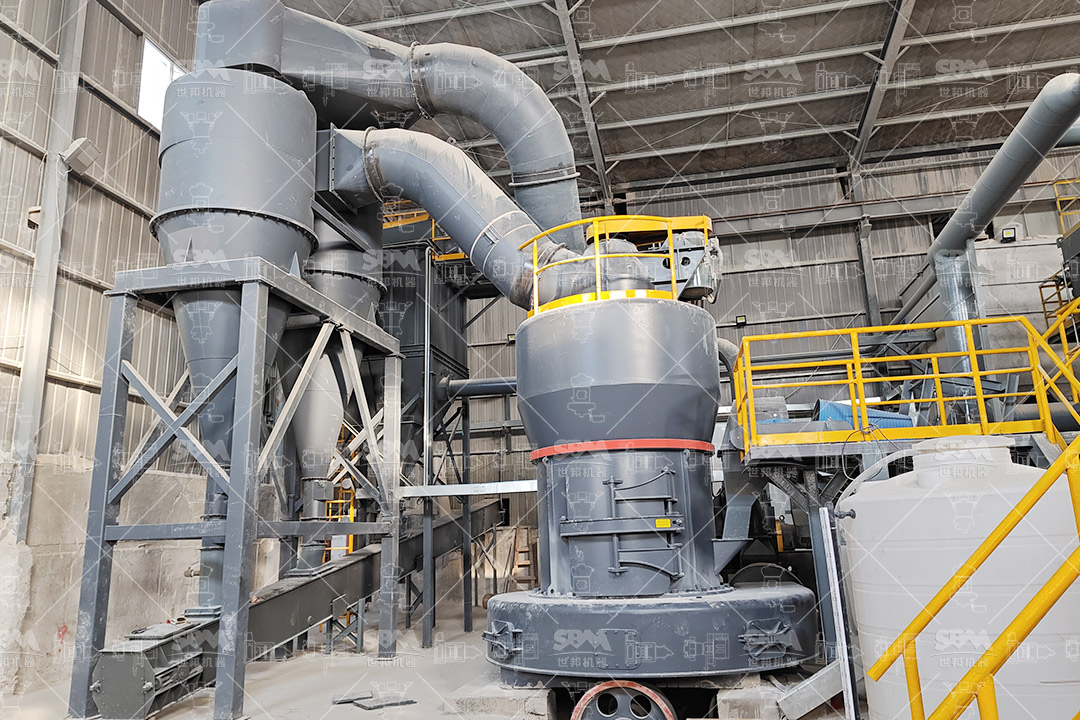
Our LM Series Vertical Roller Mill exemplifies this philosophy. Its集约化设计 (integrated design) and 智能控制 (expert automatic control system) directly address vibration risks. The system continuously monitors mill pressure, motor current, and bearing temperatures, automatically adjusting parameters to maintain a stable grinding bed—the single most important factor in preventing “mill bounce.”> Furthermore, its 磨辊与磨盘非接触设计 (non-contact design between rollers and disc during start-up) and 模块化磨辊总成快速更换系统 (modular roller quick-change system) ensure even wear and perfect re-balancing during maintenance, eliminating major sources of imbalance.
For ultra-fine grinding applications where precision is paramount, the SCM Series Ultrafine Mill incorporates critical stability features. Its 无轴承螺杆研磨腔 (bearing-less screw grinding chamber) removes a primary source of potential bearing-induced vibration. Coupled with a 垂直涡轮分级器 (vertical turbo classifier) designed for precise, smooth operation, the SCM mill achieves stable production of powder down to 5μm (2500 mesh) without the vibration common in conventional high-speed fine-grinding systems. The 隔音室设计 (soundproof room design) not only reduces noise but also indicates a robust, well-damped mechanical structure.
A robust preventive maintenance (PM) schedule is non-negotiable for vibration control:
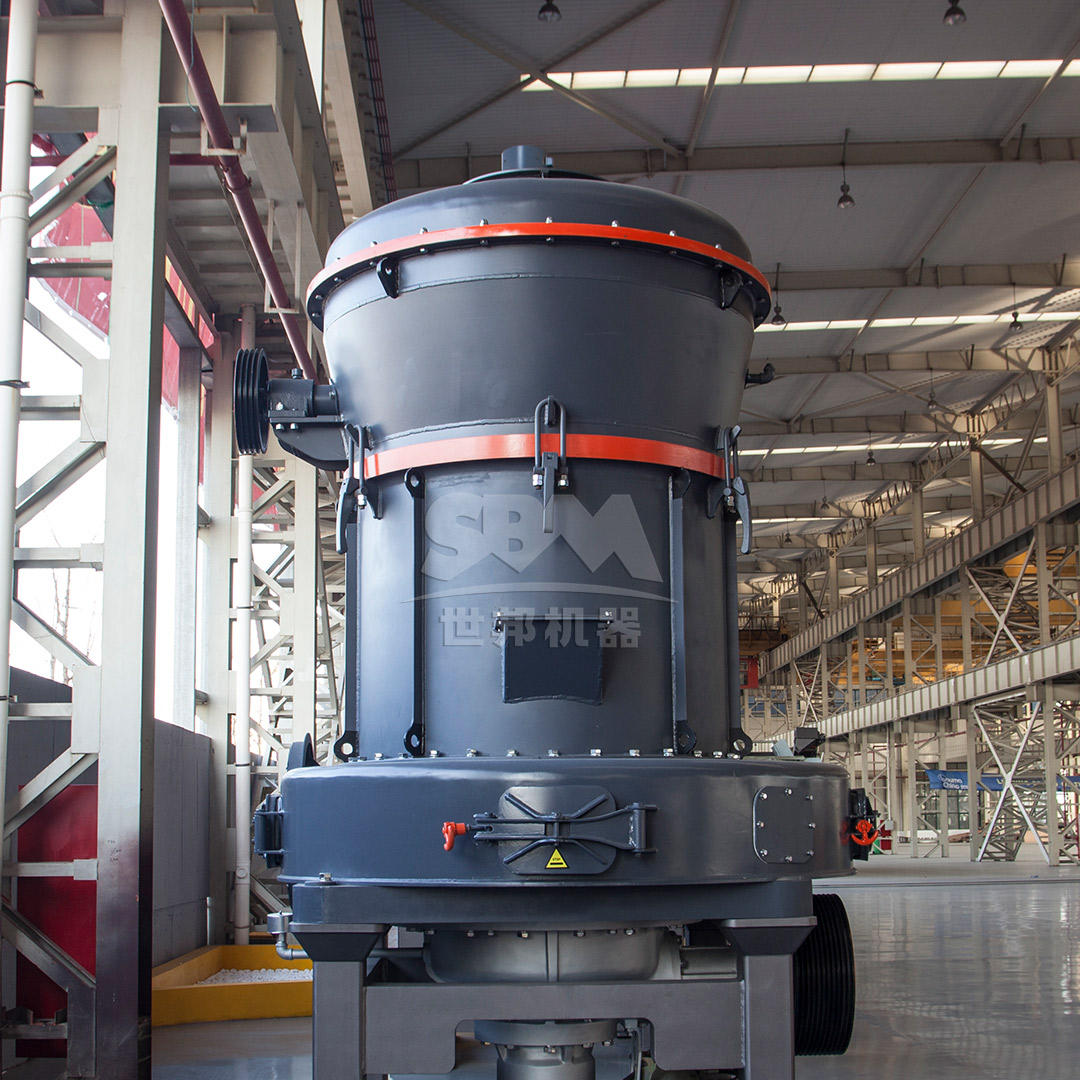
Vibration in high-speed grinding mills is a complex but manageable challenge. A systematic approach involving precise diagnosis, targeted corrective actions, and a unwavering commitment to preventive maintenance forms the cornerstone of reliable operation. Ultimately, partnering with an equipment supplier that prioritizes mechanical integrity and stability in their core design—such as with our LM Series Vertical Roller Mill for large-scale processing or the SCM Ultrafine Mill for high-precision applications—provides the strongest foundation for a vibration-free, high-availability grinding operation. By treating vibration as a key performance indicator rather than just an annoyance, operators can significantly enhance mill lifespan, product consistency, and overall plant profitability.