December 03, 2025
Introduction
Petroleum coke (petcoke), a carbon-rich solid derived from oil refining, presents unique challenges in size reduction and grinding. Its properties—including high hardness, variable moisture content, potential abrasiveness, and often high sulfur or metal content—demand specialized milling equipment and processes to achieve efficient, consistent, and profitable fine powder production. Inefficient grinding leads to excessive energy consumption, high wear part costs, inconsistent product quality, and operational downtime. This article explores the key challenges in petcoke grinding and outlines best practices, culminating in the recommendation of high-performance grinding solutions tailored for this demanding material.
Understanding the Challenges of Petroleum Coke Grinding
Successful grinding begins with understanding the material’s characteristics. Petcoke is not a uniform product; its grindability depends on the source crude oil and the coking process (delayed or fluid).
Key Material Challenges:
- High Hardness & Abrasiveness: Petcoke can have a Mohs hardness of 2.5-4, but more critically, its abrasive nature, often due to siliceous or aluminous contaminants, accelerates wear on grinding components like rollers, rings, and liners.
- Variable Moisture & Flowability: Raw petcoke may contain surface moisture. If not pre-dried or handled correctly in the mill, it can lead to clogging, reduced throughput, and inefficient grinding due to material agglomeration.
- Desired Fineness & Application: End-use dictates fineness. For carbon anode production in aluminum smelting, a controlled particle size distribution (e.g., 100% passing 300 μm) is critical. For fuel injection into cement kilns or power plants, finer grinding (often to 90% passing 90 μm or finer) is required for complete combustion.
- System Dust & Explosivity: Fine petcoke dust is combustible. The grinding system must be designed for maximum dust containment, with inert gas (e.g., nitrogen) purging options and robust explosion venting to ensure safety.

Best Practices for Efficient Petroleum Coke Grinding
Adopting a systematic approach from feed preparation to product collection is essential for optimizing petcoke milling operations.
1. Pre-Processing and Feed Preparation
- Primary Crushing: Run-of-mine petcoke lumps must be reduced to a consistent feed size suitable for the grinding mill (typically ≤50mm). A robust jaw crusher or impact crusher is recommended for this stage.
- Drying: Integrating a dryer (e.g., rotary, flash, or using the mill’s hot gas stream) to reduce moisture to below 1-2% is crucial for grinding efficiency and preventing system blockages.
- Metal Removal: Installing magnetic separators and metal detectors before the mill feed protects the grinding mechanism from tramp metal, preventing sparks and catastrophic damage.
2. Selecting the Right Grinding Technology
The choice of mill is paramount. While traditional ball mills have been used, they are energy-intensive and offer limited fineness control. Modern vertical roller mills and advanced pendulum mills offer superior solutions.
| Mill Type |
Typical Output for Petcoke |
Key Advantages for Petcoke |
Considerations |
| Ball Mill |
45-150 mesh |
Robust, simple operation |
High energy consumption, limited fineness, high wear |
| Vertical Roller Mill (VRM) |
30-325 mesh (up to 600 mesh) |
High energy efficiency, excellent drying capability, integrated classification |
Higher initial investment, requires skilled maintenance |
| Advanced Pendulum Mill (e.g., MTW Series) |
30-325 mesh |
Stable operation, good fineness control, lower capital cost than VRM |
May require pre-drying for high-moisture feed |
| Ultrafine Mill (e.g., SCM Series) |
325-2500 mesh |
Produces superfine powder, high precision classification |
For specialized high-value applications, lower capacity |
3. Optimizing Grinding Parameters & System Design
- Grinding Pressure/Roller Force: Adjusting the hydraulic pressure in a VRM or spring tension in a pendulum mill is critical. Optimal pressure ensures efficient particle bed comminution without excessive vibration.
- Airflow & Classification: The internal or external classifier speed must be tuned to achieve the target cut point (D97). Adequate airflow carries the fines away and provides cooling.
- Wear Protection:
3. Optimizing Grinding Parameters & System Design
- Grinding Pressure/Roller Force: Adjusting the hydraulic pressure in a VRM or spring tension in a pendulum mill is critical. Optimal pressure ensures efficient particle bed comminution without excessive vibration.
- Airflow & Classification: The internal or external classifier speed must be tuned to achieve the target cut point (D97). Adequate airflow carries the fines away and provides cooling.
- Wear Protection: Specifying high-chrome alloy, ceramic, or other specialized materials for grinding rollers, tables, and liners significantly extends service life and maintains grinding efficiency.
- System Sealing & Dedusting: A fully negative-pressure system with high-efficiency baghouse filters (pulse-jet type) is non-negotiable. It ensures emission compliance, product recovery, and safe operation.
Recommended Grinding Solutions for Petroleum Coke
Based on the challenges and best practices outlined, two of our flagship grinding systems stand out as ideal solutions for petroleum coke processing, catering to different capacity and fineness requirements.
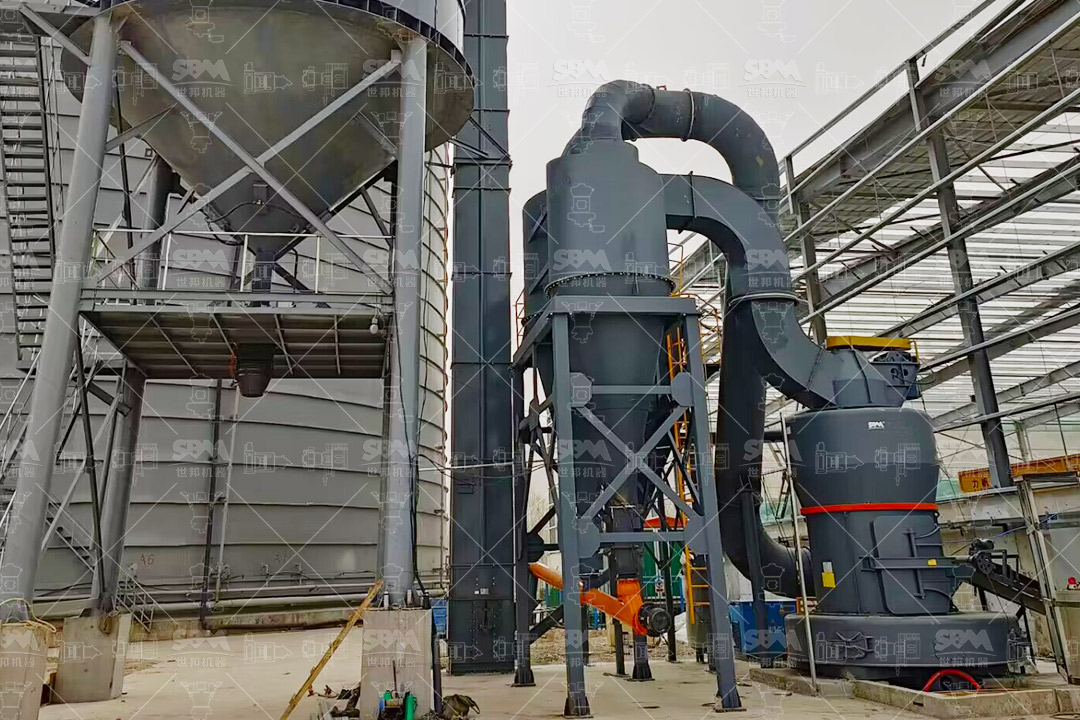
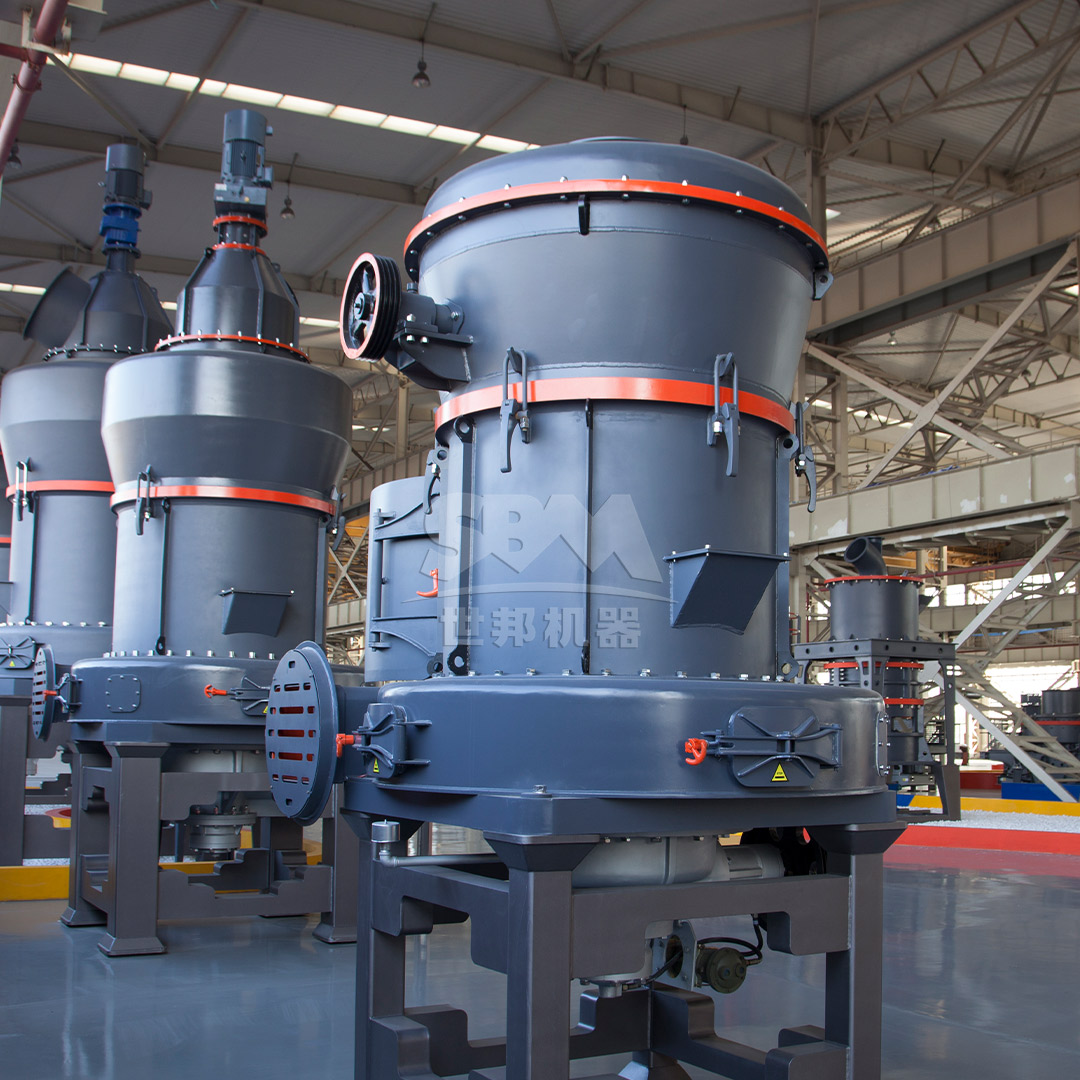
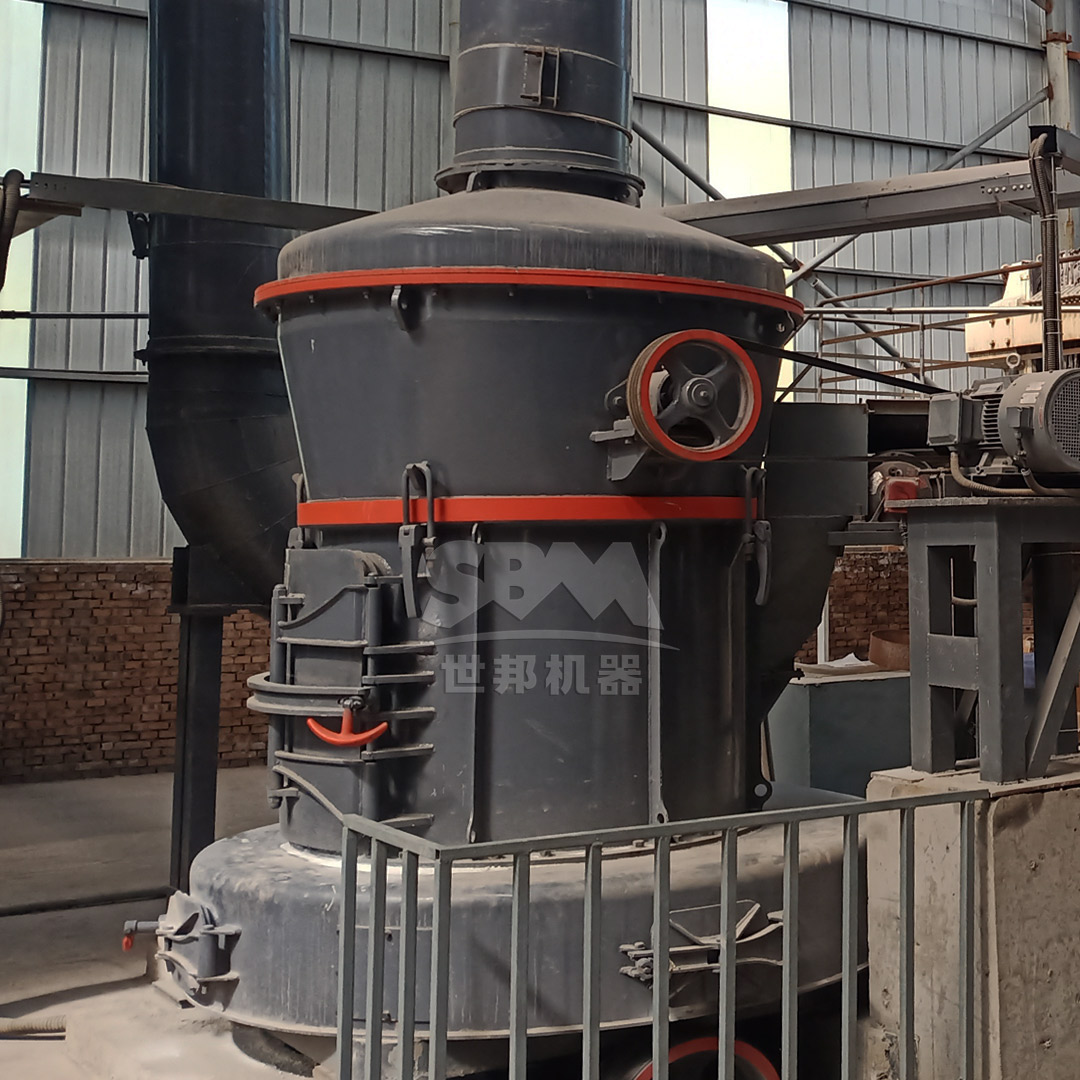
1. For High-Capacity, Coarse to Fine Grinding (30-325 mesh): MTW Series Trapezium Mill
When your primary need is to grind petroleum coke efficiently for fuel or anode-grade carbon at medium to high tonnage rates, the MTW Series Trapezium Mill is an exceptional choice. Its design incorporates several features that directly address petcoke’s challenges.
- Efficient & Robust Grinding: The curved wear-resistant shovel blade feeds material smoothly into the grinding zone formed by the roller and ring. The conical gear overall transmission ensures stable, high-efficiency power transfer with 98% efficiency, directly translating to lower energy costs per ton.
- Enhanced Durability: The combination of special material rollers/rings and the innovative wear-resistant volute structure reduces maintenance costs by up to 30%. This is crucial for handling abrasive petcoke.
- Superior Classification & Eco-Friendly Operation: The optimized curved air duct reduces airflow resistance, improving transmission efficiency. Coupled with an advanced pulse dust collector, the system operates cleanly with minimal environmental impact.
- Ideal Application: The MTW Series, particularly models like the MTW215G with a capacity of 15-45 tons per hour, is perfectly suited for large-scale petcoke grinding plants supplying the cement or power industry.
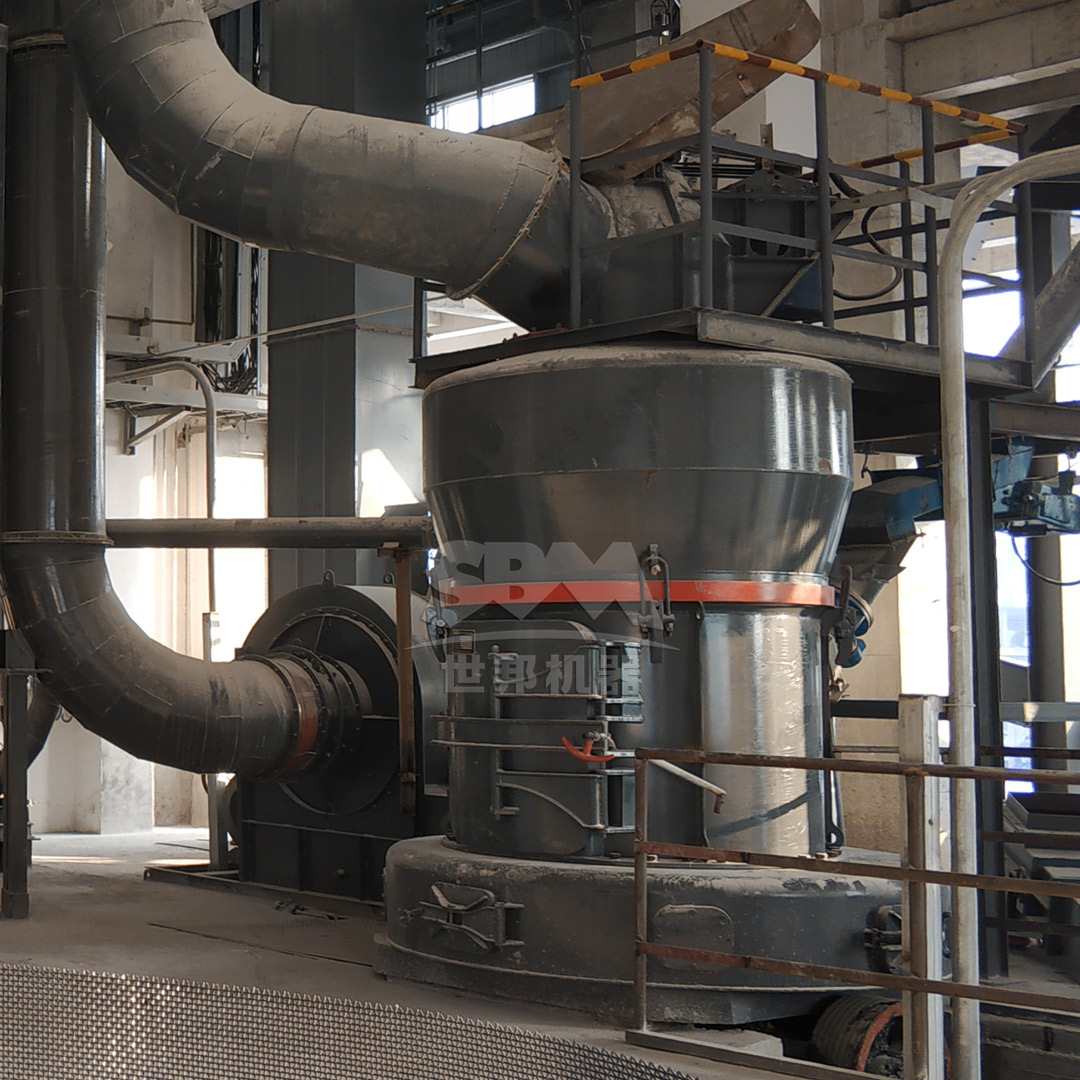
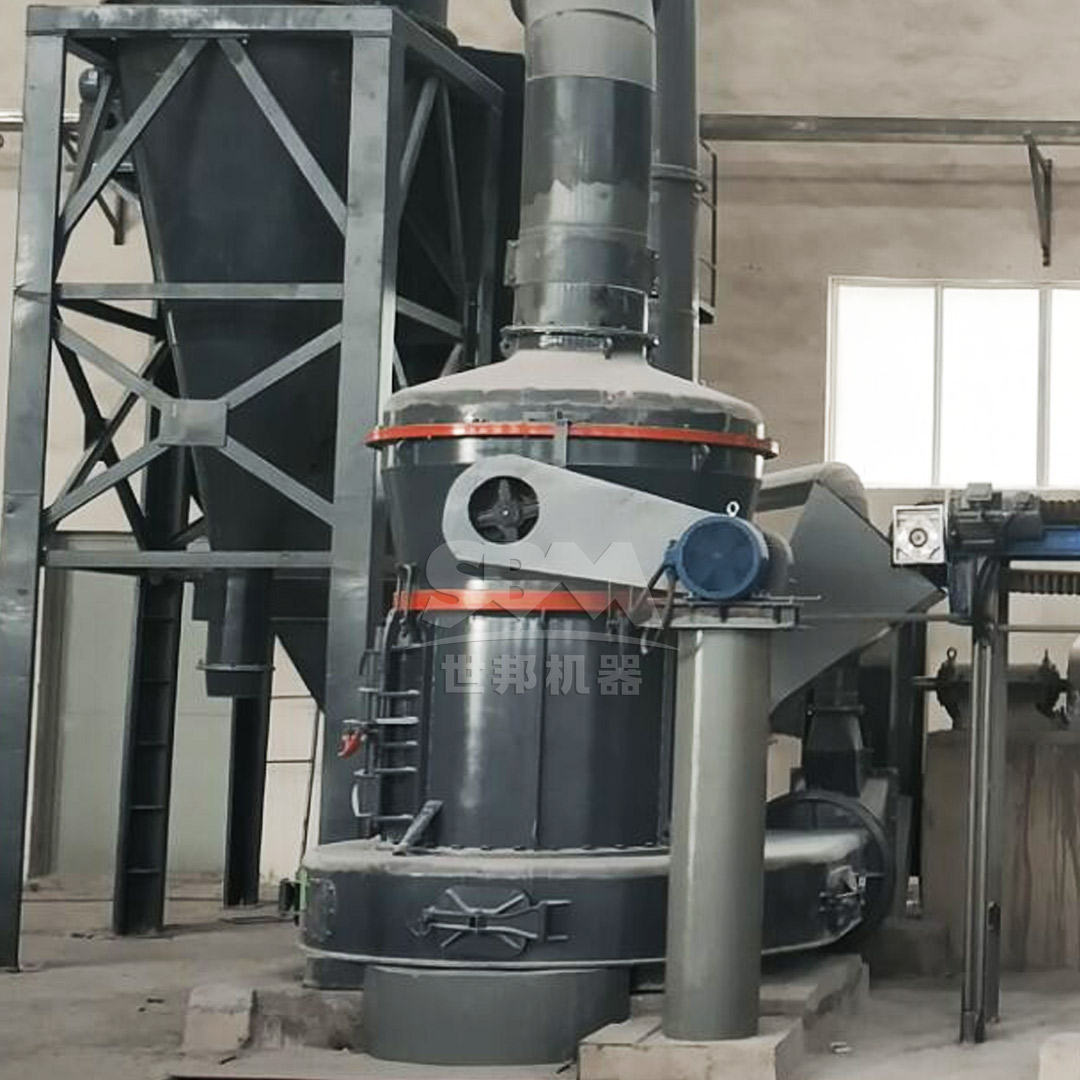
2. For Superfine & High-Precision Grinding (325-2500 mesh): SCM Ultrafine Mill
For applications requiring ultra-fine petroleum coke powder, such as in advanced carbon products, specialty graphite, or high-efficiency combustion where particle surface area is critical, the SCM Ultrafine Mill is the definitive technology.
- Unmatched Fineness & Precision: The SCM mill can achieve an impressive output fineness range of 325 to 2500 mesh (D97 ≤ 5μm). Its vertical turbine classification system ensures precise particle size cuts with no coarse powder contamination, yielding a highly uniform product.
- Remarkable Energy Efficiency: Despite producing superfine powder, the SCM mill’s grinding mechanism is highly efficient. It offers approximately twice the capacity of a jet mill while reducing energy consumption by about 30%, making fine grinding economically viable.
- Intelligent & Stable Operation: The mill features intelligent control that automatically adjusts based on feedback of the finished product size. Its durable design, including special-material rollers and a bearing-less screw grinding cavity, guarantees stable, long-term operation with minimal vibration—a key factor for fine grinding consistency.
- Ideal Application: The SCM1680 model, with a capacity of 5.0-25 tons per hour, is capable of producing large volumes of superfine petcoke powder for high-value markets, all while operating at a low noise level (≤75dB) and with high collection efficiency.
Conclusion
Efficiently grinding petroleum coke requires more than just powerful machinery; it demands a holistic understanding of the material’s properties and a system engineered to overcome its specific challenges. The core of this system is the grinding mill itself. By moving beyond conventional technologies and adopting advanced solutions like the MTW Series Trapezium Mill for high-tonnage fine grinding or the SCM Ultrafine Mill for precision superfine production, operators can achieve significant gains in energy efficiency, wear part longevity, product quality, and overall operational reliability. Investing in the right grinding technology is the most critical step towards building a profitable and sustainable petroleum coke processing operation.